



San Diego's coastal climate creates specific water damage threats that catch property owners off guard. Winter storms dump heavy rain on soil that stays dry most of the year, causing poor absorption and foundation seepage. Homes in neighborhoods like Pacific Beach and Ocean Beach face salt air corrosion that weakens pipes and roof flashing, leading to sudden failures. The marine layer brings humidity that accelerates mold growth after water events, especially in older properties throughout North Park and South Park where ventilation systems were not built for moisture control.
Temperature swings between coastal and inland areas create condensation issues. Properties in La Jolla and Point Loma experience different humidity patterns than homes in Mira Mesa or Scripps Ranch, requiring location-specific drying protocols. Older Spanish Colonial and Craftsman homes common in areas like Mission Hills and Kensington have plaster walls and wood lath construction that hold moisture longer than modern drywall. Flash flooding during atmospheric rivers overwhelms storm drains in low-lying areas near Mission Bay and the San Diego River channel. Without rapid water extraction and structural drying that accounts for San Diego's climate patterns, water damage turns into mold contamination within 48 hours.
Keystone Water Damage Restoration San Diego operates as a local emergency response team, not a franchise following corporate scripts. Our technicians live in San Diego County and reach your property faster than national chains routing calls through distant dispatch centers. We keep extraction equipment, air movers, and dehumidifiers staged throughout the metro area for immediate deployment to any neighborhood from Carmel Valley to Chula Vista.
We staff certified IICRC technicians who understand how San Diego's microclimates affect drying times and mold risk. A water loss in humid Ocean Beach requires different equipment loads than the same event in dry Santee. Our crews adjust moisture monitoring and air movement based on your specific location and building type, not generic protocols designed for different climates. This local knowledge prevents over-drying that cracks wood and under-drying that feeds mold.
Our insurance coordination removes the paperwork burden during crisis. We document everything with thermal imaging and moisture meters, photograph all damage, write detailed scope reports, and communicate directly with adjusters. Most homeowners have never filed a water damage claim and feel lost navigating coverage questions. We handle those conversations so you can focus on your family and property. We also guarantee our work with written warranties on structural drying and antimicrobial treatment, standing behind every job with accountability that disappears when franchises send subcontractors.

Our dispatch system activates the closest crew to your San Diego location within minutes of your call. We stage equipment throughout the county and maintain 24/7 staffing to reach any property in under an hour. When water pours through your ceiling at 2 AM, we are already on the road with truck-mounted extractors before you finish the phone call.

We work with every major carrier covering San Diego properties and handle all claim documentation. You never write a check or chase reimbursements. Our estimators provide detailed reports that adjusters accept without dispute, streamlining approval and getting restoration started immediately. We know what local insurance companies require and deliver that paperwork the first time.
Every crew member holds current certification in water damage restoration and applied structural drying from the Institute of Inspection, Cleaning and Restoration Certification. We follow science-based protocols for moisture measurement, equipment placement, and antimicrobial application. This training ensures your property gets dried correctly the first time, preventing callback issues and hidden mold growth.
We adjust drying strategies based on your property's microclimate zone within San Diego County. Coastal humidity, inland heat, and elevation differences all affect evaporation rates and mold risk. Our technicians monitor conditions throughout the drying process and modify equipment placement as weather changes, something automated systems and distant franchises cannot do effectively.
Keystone Water Damage Restoration San Diego provides every service needed to take your property from flooded to fully restored. Water damage rarely stays contained to one room or one material. A toilet overflow soaks bathroom tile, seeps under baseboards into drywall, and saturates subfloor. A roof leak drips through insulation, stains ceilings, and runs down wall cavities. Comprehensive restoration means we handle all affected materials and spaces, not just the visible damage.
Our service range covers emergency water removal, structural drying, mold remediation, content restoration, reconstruction, and insurance coordination. We bring specialized equipment for each phase. Truck-mounted extractors pull standing water. Commercial dehumidifiers and air movers create the airflow patterns needed to dry framing and subfloors. Thermal imaging cameras find hidden moisture in walls and ceilings. Antimicrobial treatments prevent mold colonization. We handle water damage in homes, apartments, commercial buildings, and multi-family properties throughout San Diego County. Whether you face a Category 1 clean water loss from a supply line or Category 3 contaminated flooding from sewage backup, we have the certifications and equipment to remediate safely.
When you call with active flooding, our crews arrive with truck-mounted extractors and portable pumps to remove standing water immediately. We pull water from carpets, tile, concrete, and hardwood before it saturates deeper into your structure. Every minute water sits allows more absorption into drywall, insulation, and framing. Our extraction equipment removes hundreds of gallons per hour, stopping damage progression and beginning the drying process. We also perform emergency board-up and tarping to prevent additional water intrusion from broken pipes or roof damage.
After extraction, hidden moisture remains trapped in walls, subfloors, insulation, and framing. We place commercial air movers and dehumidifiers strategically to create airflow that pulls moisture from building materials. Our technicians monitor drying progress with moisture meters and thermal cameras, documenting readings daily. We adjust equipment placement as materials dry to maintain optimal evaporation rates. This process typically takes three to five days depending on materials affected and San Diego's current humidity levels. We do not remove equipment until moisture readings return to normal dry standards for your specific building materials.
When water damage sits unaddressed or drying happens too slowly, mold colonizes within 48 hours. We provide certified mold remediation following IICRC S520 standards. Our process includes containment setup to prevent spore spread, HEPA air filtration, removal of contaminated materials, antimicrobial treatment of affected surfaces, and post-remediation verification testing. We also treat recently dried areas with antimicrobial solutions to prevent future mold growth. San Diego's coastal humidity makes mold prevention critical after any water event. Our remediation removes existing colonies and creates conditions that prevent regrowth.
San Diego property owners face specific water damage patterns tied to local construction methods, climate conditions, and aging infrastructure. Older neighborhoods contain homes built before modern plumbing codes, with galvanized pipes that corrode and fail. Coastal areas deal with salt air attacking roof flashing and pipe fittings. Properties near canyons and hillsides experience foundation seepage during heavy winter rains when water tables rise. The dry conditions most of the year mean small leaks go unnoticed until they cause major damage.
Many San Diego homes use stucco exterior walls common in Spanish and Mediterranean architectural styles. Water intrusion behind stucco causes hidden damage to wood framing and insulation without visible exterior warning signs. Flat and low-slope roofs popular in mid-century modern homes throughout neighborhoods like Clairemont and Allied Gardens develop ponding that eventually penetrates roofing membranes. Understanding these local patterns helps homeowners recognize warning signs before minor issues become major losses. Keystone responds to these common San Diego water damage scenarios daily and knows how to address each one efficiently.
Homes built before 1970 throughout San Diego often contain galvanized or polybutylene pipes that deteriorate over time. These pipes fail suddenly, flooding rooms with hundreds of gallons before the main shutoff stops flow. Corrosion happens inside pipes where homeowners cannot see it, giving no advance warning. Regular inspections and proactive replacement prevent catastrophic failures that destroy floors, walls, and belongings.
San Diego receives most annual rainfall between December and March when atmospheric rivers bring heavy downpours. Roofs that look fine during dry months develop leaks when exposed to sustained rain. Damaged flashing around chimneys and vents allows water into attics where it soaks insulation and drips through ceilings. Many leaks start small and worsen over multiple storm seasons before homeowners discover interior damage.
Water heaters installed in garages, closets, or attics fail without warning after 10 to 15 years of service. A 50-gallon tank rupture floods surrounding areas with enough water to saturate multiple rooms. Washing machine supply hoses burst under constant pressure, especially when homeowners leave for vacation. Dishwasher connections loosen and spray water under cabinets for hours before detection. These appliance failures cause some of the most expensive water damage claims in San Diego.
Many San Diego homes sit on concrete slab foundations with water lines running through the concrete. When these pipes develop pinhole leaks or corrosion failures, water seeps into the ground under the home. Homeowners notice wet carpet, unexplained water bills, or foundation cracks before discovering the leak source. Slab leaks require specialized detection and repair plus extensive drying of affected concrete and flooring materials.
The moment you call Keystone Water Damage Restoration San Diego, our emergency response process begins. You speak directly with our dispatch team who asks specific questions about your water damage situation. Where is the water coming from? How many rooms are affected? Is the water still flowing? These questions help us send the right equipment and crew size for your specific emergency. We provide an estimated arrival time and stay in contact with you by phone as our crew travels to your property.
When our technicians arrive, they perform an immediate damage assessment before starting any work. This assessment identifies water categories, measures moisture levels in affected materials, and creates a scope of work for insurance documentation. We explain everything we find and outline the restoration process step by step so you understand what happens next. Our crews work efficiently but never rush jobs, because incomplete drying leads to mold growth and callback issues. You receive daily updates throughout the drying process with current moisture readings and projected completion timelines. We maintain open communication with you and your insurance adjuster until your property returns to normal dry conditions.
Our technicians photograph all damage, measure moisture levels in floors and walls, and create detailed written reports before equipment setup. This documentation becomes the foundation of your insurance claim. We use thermal imaging to find hidden moisture and moisture meters to establish baseline readings. You receive copies of all documentation immediately so you understand the extent of damage and can share information with your insurance company. This thorough upfront assessment prevents disputes about damage scope later in the restoration process.
We visit your property daily while drying equipment operates to take new moisture readings and adjust equipment placement. Each visit includes documentation of current moisture levels compared to previous readings so you can see drying progress. Our technicians call or text you with updates and answer any questions about the process. We also coordinate with your insurance adjuster to share progress reports and ensure claim approval stays on track. You are never left wondering what happens next or how long equipment needs to remain in your home.
We do not consider a job complete until final moisture readings confirm your property has returned to normal dry standards. After equipment removal, we perform final inspections to verify no hidden moisture remains and no secondary damage developed during drying. If restoration work like drywall repair, carpet replacement, or painting is needed, we coordinate those services or work with your chosen contractors. You receive written certification that drying met industry standards and detailed records for your insurance claim file.
Every water damage restoration follows the same proven progression. Stop the water. Remove what water you can. Dry what remains. This three-phase approach addresses immediate threats first then systematically restores your property to pre-loss condition.
Our crews arrive with truck-mounted extractors capable of removing hundreds of gallons per hour from carpets, tile, concrete, and other flooring. We extract until no more standing water remains and only absorbed moisture stays in materials. This immediate extraction stops damage progression and begins the drying timeline. We also locate and stop the water source if still active, whether that means shutting off supply valves, tarping roof damage, or coordinating with plumbers for emergency repairs.
After extraction, we place commercial air movers and dehumidifiers throughout affected areas to create controlled airflow that pulls moisture from building materials. Equipment placement follows scientific drying principles based on room size, materials affected, and current moisture readings. We may need to remove baseboards or drill small holes in walls to dry cavities where water traveled. Our technicians take initial moisture readings in all affected materials and establish target readings that indicate complete drying.
We visit daily to document moisture level changes and adjust equipment as materials dry. Drying typically takes three to five days depending on materials and humidity conditions. Once moisture readings meet dry standards, we remove equipment and perform antimicrobial treatment to prevent mold growth. If materials like drywall, insulation, or flooring sustained permanent damage, we coordinate replacement and reconstruction. You receive final documentation showing your property returned to normal moisture conditions.
Professional water damage restoration follows Institute of Inspection, Cleaning and Restoration Certification standards that define proper protocols for moisture removal. The IICRC S500 Standard guides water damage restoration with specific requirements for water classification, structural drying, and antimicrobial treatment. These standards exist because improper drying causes mold growth, material degradation, and health hazards that appear weeks or months after the initial water event.
Water damage gets classified into three categories based on contamination level. Category 1 involves clean water from supply lines or rain. Category 2 contains some contamination from washing machines, dishwashers, or toilet bowls without feces. Category 3 includes grossly contaminated water from sewage, flooding, or any water that sat stagnant for more than 48 hours. Each category requires different handling procedures and personal protective equipment. Materials affected by Category 3 water often require removal rather than restoration due to contamination that cannot be adequately cleaned.
Structural drying requires understanding psychrometrics, the science of air and moisture interaction. Warm air holds more moisture than cool air. Moving air across wet surfaces increases evaporation. Dehumidifiers remove moisture from air, allowing that air to absorb more moisture from wet materials. Professional restoration creates conditions that maximize evaporation while controlling humidity to prevent condensation on unaffected surfaces. We measure specific humidity, temperature, and material moisture content daily to verify drying progresses at the correct rate. Too slow allows mold growth. Too fast can crack wood and plaster.
San Diego's climate affects drying strategies significantly. Coastal areas stay humid year-round, requiring larger dehumidification capacity. Inland areas experience dry conditions most months but high humidity during winter rains. We adjust equipment loads based on current weather conditions and your property's microclimate. A standard two-room water loss might require four air movers and one dehumidifier in dry Poway but six air movers and two dehumidifiers in humid Imperial Beach. This climate-specific approach ensures complete drying regardless of San Diego's variable conditions.
The Institute of Inspection, Cleaning and Restoration Certification provides the water damage restoration industry's recognized training standards. IICRC certification requires classroom training, examination, and continuing education to maintain credentials. Certified technicians understand water behavior, building science, microbial contamination, and proper documentation procedures. Insurance companies and property owners rely on IICRC certification as proof that restoration work follows accepted industry standards.
Restoration costs depend on water category, square footage affected, materials damaged, and drying duration. Clean water affecting one room costs less than sewage contamination throughout a home. Hardwood floors require more extensive drying than tile. Properties with structural damage to framing or insulation cost more to restore than surface damage to carpet and drywall. Insurance coverage varies by policy, but most homeowner policies cover sudden and accidental water damage while excluding maintenance-related issues and flooding.
Typical structural drying takes three to five days under ideal conditions with proper equipment. Larger losses, dense materials like plaster, or high humidity extend drying time. We cannot remove equipment until moisture meters confirm materials reached normal dry readings. Rushing equipment removal to reduce noise or inconvenience allows mold growth that requires expensive remediation later. Patient, monitored drying prevents long-term problems and ensures insurance companies accept restoration as complete.
California requires contractors performing water damage restoration to hold appropriate licenses through the Contractors State License Board. Mold remediation beyond minor surface cleaning requires certification and adherence to California Department of Public Health guidelines. San Diego County building codes govern reconstruction work following water damage. We maintain all required licenses, certifications, and insurance to operate legally and protect property owners from liability during restoration work.
Educational video explaining professional water damage restoration processes for San Diego property owners. Covers emergency water extraction techniques, structural drying protocols, moisture monitoring procedures, and mold prevention strategies. Demonstrates equipment used by IICRC certified technicians including truck-mounted extractors, commercial air movers, and thermal imaging cameras. Explains how San Diego's coastal climate affects drying timelines and why rapid response prevents secondary damage and insurance claim complications.
Keystone Water Damage Restoration San Diego maintains rapid response coverage throughout San Diego County from the coast to the inland valleys. Our crews serve downtown neighborhoods like the Gaslamp Quarter, East Village, and Little Italy where high-rise condos and historic buildings present unique water damage challenges. We respond to coastal communities including La Jolla, Pacific Beach, Ocean Beach, and Point Loma where salt air corrosion weakens plumbing systems and roof components. Properties in these beachfront areas face higher humidity that accelerates mold growth after water events, requiring larger dehumidification equipment and extended monitoring.
Central San Diego neighborhoods like North Park, South Park, Hillcrest, and University Heights contain many Craftsman and Spanish Colonial homes built before 1950. These older properties have plaster walls, wood lath construction, and outdated plumbing that require specialized restoration approaches. Water travels differently through plaster than modern drywall, and drying protocols must account for these material differences. We also serve Mission Valley, Fashion Valley, and areas near Qualcomm Stadium where commercial properties and apartments need rapid response to minimize business interruption and tenant displacement.
Inland communities including Mira Mesa, Scripps Ranch, Rancho Bernardo, and Poway experience different climate patterns than coastal San Diego. These areas stay drier most of the year but face intense heat during summer and occasional hard freezes in winter that burst pipes. We adjust our restoration approach based on whether your property sits in humid coastal zones or dry inland valleys. Properties near Mission Trails Regional Park and the surrounding canyon areas face foundation seepage during winter storms when water tables rise and hillside runoff increases. We understand these geographic variations and bring equipment suited to your specific location.
Our service area extends south through National City, Chula Vista, and communities near the Mexican border where older infrastructure and diverse building types create varied water damage scenarios. North County areas including Carlsbad, Encinitas, Del Mar, and Solana Beach receive the same rapid response and local expertise we provide throughout greater San Diego. We also serve East County communities like La Mesa, El Cajon, and Santee where temperature extremes and aging properties present distinct restoration challenges. No matter where your San Diego County property sits, we reach you quickly with the right equipment and knowledge of local conditions that affect water damage and drying.
Water damage restoration in San Diego takes 3 to 7 days for most residential projects. Small issues like a leaking pipe affect one room and finish in 2 to 3 days. Large floods impacting multiple rooms need 5 to 7 days or longer. The timeline depends on the water source, how much damage occurred, and what materials need drying. Carpet and drywall dry faster than hardwood floors. Your restoration team provides a specific timeline after inspecting your property. Severe cases with structural damage take several weeks to complete all repairs.
Water damage restoration pricing in San Diego varies based on the extent of damage and affected area size. Minor water extraction and drying for a single room costs less than whole-home restoration. Factors affecting your final bill include water category, square footage, materials damaged, and whether mold removal is needed. Clean water from supply lines costs less to address than contaminated water from sewage. Most restoration companies offer free inspections and provide detailed estimates before starting work. Your insurance coverage often reduces your out-of-pocket expense significantly.
Most San Diego homeowners insurance policies cover sudden and accidental water damage. Burst pipes, appliance malfunctions, and roof leaks from storms typically qualify for coverage. Your policy excludes gradual damage from poor maintenance and flooding from outside water sources. Flood damage requires separate flood insurance through the National Flood Insurance Program. Review your policy limits and deductible before filing a claim. Insurance companies require prompt notification and documentation of damages. Keep all receipts and take photos of affected areas to support your claim.
Water damage restoration in San Diego takes 3 to 7 days for most residential projects. Small issues like a leaking pipe affect one room and finish in 2 to 3 days. Large floods impacting multiple rooms need 5 to 7 days or longer. The timeline depends on the water source, how much damage occurred, and what materials need drying. Carpet and drywall dry faster than hardwood floors. Your restoration team provides a specific timeline after inspecting your property. Severe cases with structural damage take several weeks to complete all repairs.
Water damage restoration pricing in San Diego varies based on the extent of damage and affected area size. Minor water extraction and drying for a single room costs less than whole-home restoration. Factors affecting your final bill include water category, square footage, materials damaged, and whether mold removal is needed. Clean water from supply lines costs less to address than contaminated water from sewage. Most restoration companies offer free inspections and provide detailed estimates before starting work. Your insurance coverage often reduces your out-of-pocket expense significantly.
Most San Diego homeowners insurance policies cover sudden and accidental water damage. Burst pipes, appliance malfunctions, and roof leaks from storms typically qualify for coverage. Your policy excludes gradual damage from poor maintenance and flooding from outside water sources. Flood damage requires separate flood insurance through the National Flood Insurance Program. Review your policy limits and deductible before filing a claim. Insurance companies require prompt notification and documentation of damages. Keep all receipts and take photos of affected areas to support your claim.
Choose a San Diego water damage restoration company with IICRC certification and local experience. Check online reviews on Google and Yelp for customer feedback. Verify the company offers 24/7 emergency response and fast arrival times. Ask about their equipment, process, and experience with your specific damage type. Get written estimates from multiple companies before deciding. Look for firms with experience working directly with insurance companies. Local companies understand San Diego building codes and climate-specific moisture issues. Confirm they use moisture meters and thermal imaging for thorough assessments.
You might stay home during minor water damage restoration in San Diego, but major projects require relocation. Small jobs affecting one room allow you to occupy other areas safely. Large-scale restoration with extensive equipment, structural work, or contaminated water makes staying unsafe and impractical. Noise from air movers and dehumidifiers runs 24 hours and disrupts daily life. Your restoration company assesses safety risks and advises whether relocation is needed. Many insurance policies cover temporary housing during uninhabitable conditions. Plan alternative arrangements for pets during the restoration process.
San Diego water damage restoration follows a systematic five-step process. First, technicians inspect your property and assess damage severity. Second, they extract standing water using pumps and vacuums. Third, they place air movers and dehumidifiers to dry affected materials. Fourth, they clean and sanitize surfaces to prevent contamination. Fifth, they repair or replace damaged materials like drywall, flooring, and insulation. Throughout the process, technicians monitor moisture levels daily using specialized meters. The team documents everything for your insurance claim and adjusts equipment placement as needed.
Call for water damage restoration in San Diego within 24 hours of discovery. Water spreads quickly through floors, walls, and furnishings. Mold growth begins within 24 to 48 hours in San Diego's climate. Immediate response prevents secondary damage and reduces restoration time and expense. The first hour after damage occurs is the most important for minimizing destruction. Contact a restoration company before calling your insurance provider. Many San Diego companies offer emergency services around the clock. Fast action protects your belongings and prevents structural deterioration.
Water damage restoration addresses moisture problems but doesn't always include complete mold removal. Technicians remove visible mold growth discovered during water extraction and drying. Minor mold colonies get treated during standard restoration procedures. Extensive mold infestations require specialized remediation services beyond basic restoration. Your San Diego restoration company assesses mold presence during the initial inspection. They recommend separate mold remediation if growth exceeds ten square feet. Proper drying and dehumidification prevents new mold from developing after water removal. Ask your restoration company about their mold treatment capabilities.
San Diego water damage restoration companies use industrial-grade equipment for efficient drying. Commercial-strength extractors and truck-mounted pumps remove standing water fast. High-velocity air movers create airflow across wet surfaces to speed evaporation. Commercial dehumidifiers pull moisture from the air and materials. Moisture meters and thermal imaging cameras detect hidden water in walls and floors. Hydroxyl generators and air scrubbers remove odors and improve air quality. Injection drying systems target water trapped in wall cavities. Professional equipment works significantly faster than consumer-grade alternatives available at rental stores.
Professional San Diego water damage restoration companies work directly with insurance adjusters throughout your claim. They document all damage with photos and detailed reports for your insurer. Many companies bill insurance directly after you pay your deductible. Experienced restoration firms understand insurance requirements and submit proper paperwork. They communicate with adjusters about scope, timeline, and necessary repairs. This partnership speeds up claims processing and reduces your stress. Some companies have preferred vendor relationships with major insurance carriers. Working with an insurance-experienced restoration company improves your claim outcome and streamlines the entire process.
Choose a San Diego water damage restoration company with IICRC certification and local experience. Check online reviews on Google and Yelp for customer feedback. Verify the company offers 24/7 emergency response and fast arrival times. Ask about their equipment, process, and experience with your specific damage type. Get written estimates from multiple companies before deciding. Look for firms with experience working directly with insurance companies. Local companies understand San Diego building codes and climate-specific moisture issues. Confirm they use moisture meters and thermal imaging for thorough assessments.
You might stay home during minor water damage restoration in San Diego, but major projects require relocation. Small jobs affecting one room allow you to occupy other areas safely. Large-scale restoration with extensive equipment, structural work, or contaminated water makes staying unsafe and impractical. Noise from air movers and dehumidifiers runs 24 hours and disrupts daily life. Your restoration company assesses safety risks and advises whether relocation is needed. Many insurance policies cover temporary housing during uninhabitable conditions. Plan alternative arrangements for pets during the restoration process.
San Diego water damage restoration follows a systematic five-step process. First, technicians inspect your property and assess damage severity. Second, they extract standing water using pumps and vacuums. Third, they place air movers and dehumidifiers to dry affected materials. Fourth, they clean and sanitize surfaces to prevent contamination. Fifth, they repair or replace damaged materials like drywall, flooring, and insulation. Throughout the process, technicians monitor moisture levels daily using specialized meters. The team documents everything for your insurance claim and adjusts equipment placement as needed.
Call for water damage restoration in San Diego within 24 hours of discovery. Water spreads quickly through floors, walls, and furnishings. Mold growth begins within 24 to 48 hours in San Diego's climate. Immediate response prevents secondary damage and reduces restoration time and expense. The first hour after damage occurs is the most important for minimizing destruction. Contact a restoration company before calling your insurance provider. Many San Diego companies offer emergency services around the clock. Fast action protects your belongings and prevents structural deterioration.
Water damage restoration addresses moisture problems but doesn't always include complete mold removal. Technicians remove visible mold growth discovered during water extraction and drying. Minor mold colonies get treated during standard restoration procedures. Extensive mold infestations require specialized remediation services beyond basic restoration. Your San Diego restoration company assesses mold presence during the initial inspection. They recommend separate mold remediation if growth exceeds ten square feet. Proper drying and dehumidification prevents new mold from developing after water removal. Ask your restoration company about their mold treatment capabilities.
San Diego water damage restoration companies use industrial-grade equipment for efficient drying. Commercial-strength extractors and truck-mounted pumps remove standing water fast. High-velocity air movers create airflow across wet surfaces to speed evaporation. Commercial dehumidifiers pull moisture from the air and materials. Moisture meters and thermal imaging cameras detect hidden water in walls and floors. Hydroxyl generators and air scrubbers remove odors and improve air quality. Injection drying systems target water trapped in wall cavities. Professional equipment works significantly faster than consumer-grade alternatives available at rental stores.
Professional San Diego water damage restoration companies work directly with insurance adjusters throughout your claim. They document all damage with photos and detailed reports for your insurer. Many companies bill insurance directly after you pay your deductible. Experienced restoration firms understand insurance requirements and submit proper paperwork. They communicate with adjusters about scope, timeline, and necessary repairs. This partnership speeds up claims processing and reduces your stress. Some companies have preferred vendor relationships with major insurance carriers. Working with an insurance-experienced restoration company improves your claim outcome and streamlines the entire process.
We are proud to serve the entire San Diego area and invite you to view our service region on the map below. While our emergency response team is mobile and always ready to dispatch to your location rapidly, our central operations base allows us to coordinate efficient service across all of San Diego County. Contact us today for immediate assistance, no matter where your property is located within our service area.
Address:
San Diego, CA, 92101
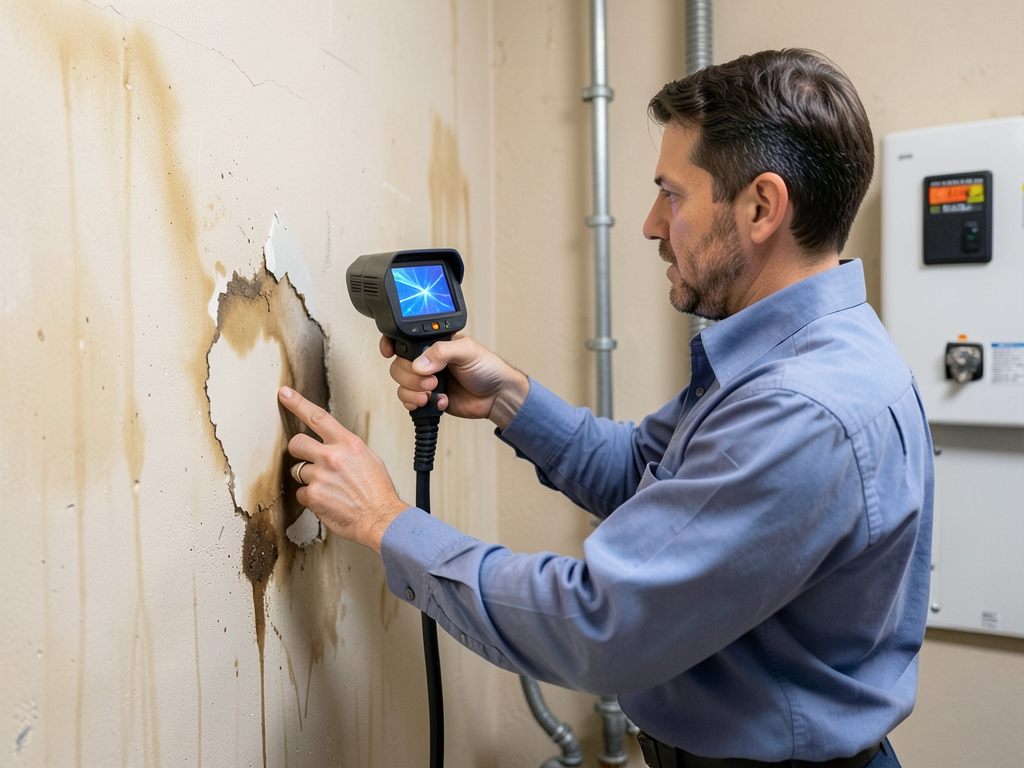
Is Your Tankless Water Heater Leaking in Mira Mesa Finding water pooling around your tankless water heater creates instant panic. The immediate concern becomes stopping the leak before it destroys your flooring, drywall, or cabinetry.…
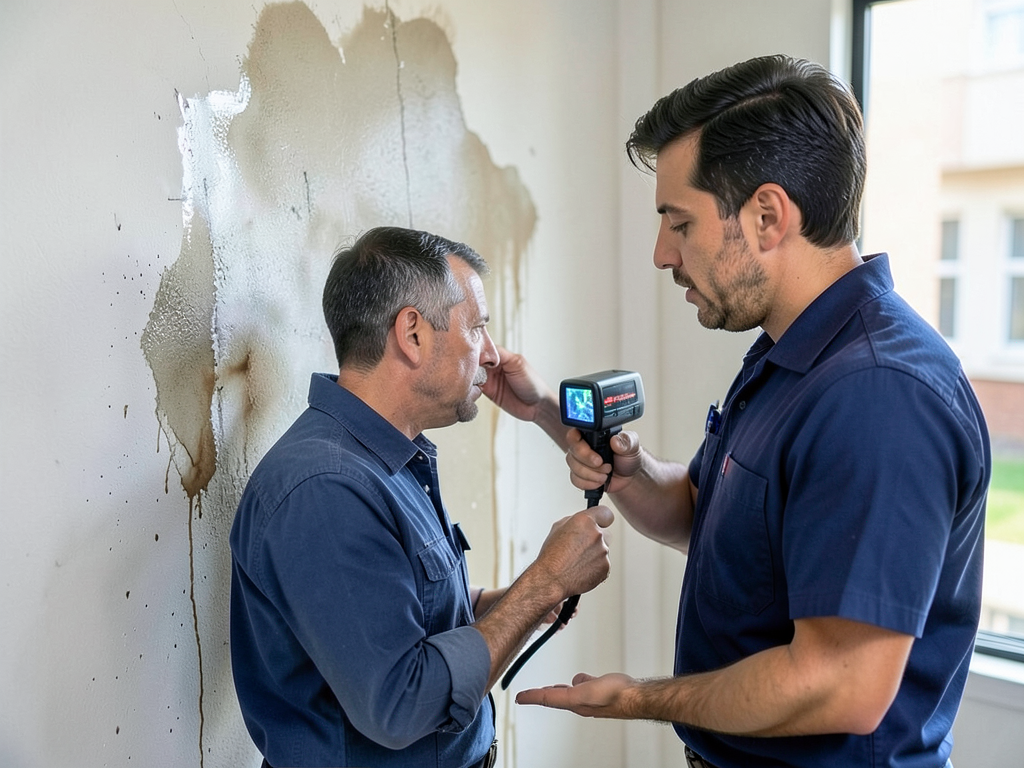
Who Pays for Water Damage When a Neighbor’s Leak Affects Your San Diego Condo Discovering…
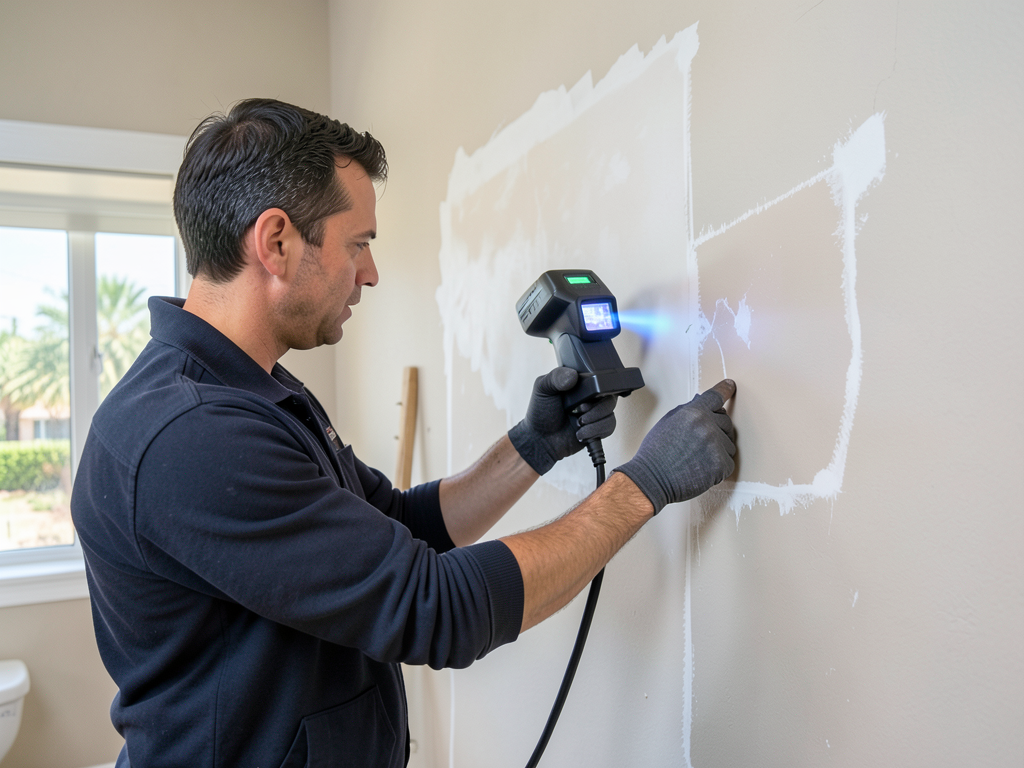
The Critical Steps Your Restoration Team Takes in the First Forty Eight Hours When water…
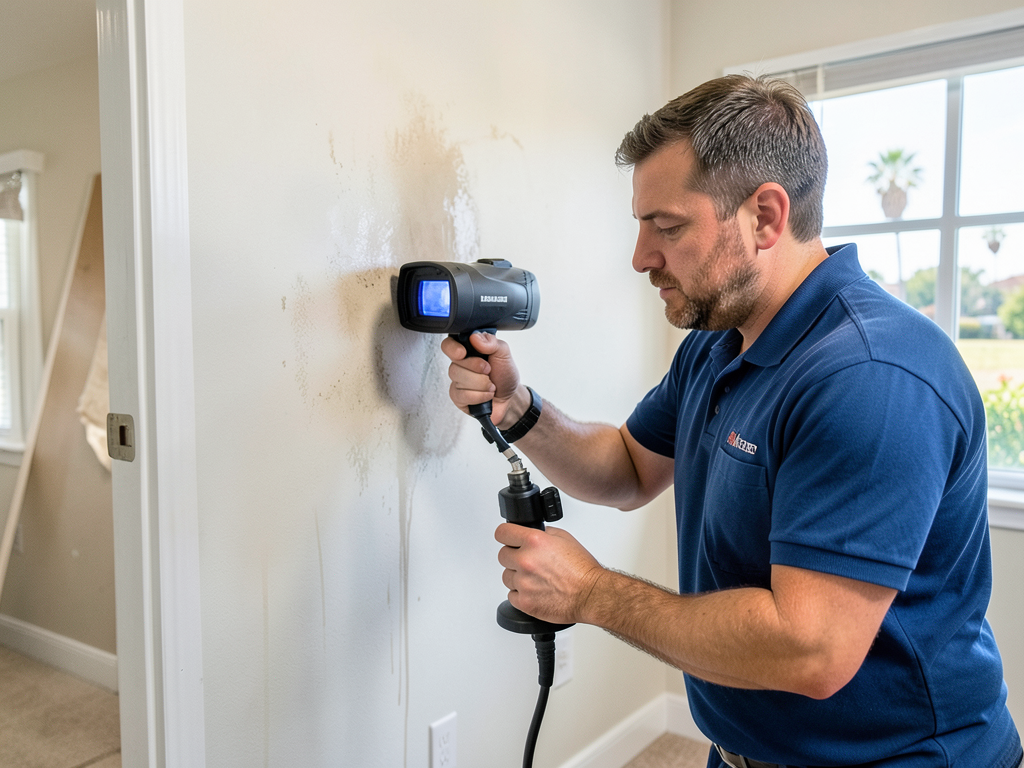
Should You Try In Place Drying or Choose a Full Rip Out After a San…
Every hour you wait allows more water absorption into building materials and increases mold risk. Call Keystone Water Damage Restoration San Diego now at (858) 203-2555 for immediate dispatch. Our crews are standing by 24/7 with equipment ready to extract water and begin drying your property tonight.