



Chula Vista's position between the Pacific coast and inland valleys creates specific challenges for homeowners facing water damage. Marine layer humidity combines with older housing stock in neighborhoods like Castle Park and Otay to create conditions where undetected leaks accelerate structural damage. Many homes built before 1980 use outdated plumbing systems prone to corrosion and failure. The city's proximity to the Sweetwater River and San Diego Bay increases flood risk during winter storms, especially in low-lying areas near the bayfront.
Properties in eastern developments like Eastlake and Rolling Hills Ranch face different problems. Newer construction standards help, but these hillside homes battle runoff issues during heavy rain. Water pools against foundations and seeps into basements. Clay-heavy soil common throughout Chula Vista prevents proper drainage, forcing water toward building foundations instead of away from them. Summer heat then causes soil contraction, creating gaps where water penetrates during winter storms.
The city's age diversity matters too. Rancho del Rey and Otay Ranch feature modern homes with complex plumbing networks. More pipes mean more potential failure points. Meanwhile, vintage homes near Third Avenue often have galvanized pipes reaching the end of their lifespan. When these systems fail, water spreads quickly through wall cavities before homeowners notice visible signs.
Keystone Water Damage Restoration San Diego operates with one philosophy: respond immediately, work precisely, restore completely. When water invades your home, you need a team that arrives fast and knows exactly what to do. We maintain strategically positioned equipment throughout the greater San Diego area to reach Chula Vista properties within one hour of your emergency call. Our technicians carry industrial extraction pumps, commercial dehumidifiers, and thermal imaging cameras on every truck. No waiting for equipment rentals while water soaks deeper into your floors and walls.
Our IICRC-certified specialists understand the difference between surface drying and complete structural drying. We test moisture levels in wall cavities, beneath flooring, and inside ceiling spaces using calibrated meters. This precision prevents the hidden moisture that causes mold growth three weeks after everyone thinks the problem is solved. We document everything with photos and readings because insurance companies demand proof, and you deserve transparency about what's happening inside your walls.
Keystone handles your insurance claim from first contact through final approval. We photograph damage, compile detailed estimates, and communicate directly with adjusters. You already face enough stress dealing with displaced belongings and disrupted routines. We remove the frustration of insurance paperwork and claim disputes. Our team knows which documentation satisfies insurance requirements and which restoration steps maximize your coverage.
We serve Chula Vista because we live here, work here, and understand the specific building types and weather patterns that create water damage emergencies. From vintage bungalows near Memorial Park to modern construction in Sunbow, we've restored properties across every neighborhood. That experience matters when a panicked homeowner calls at 2 AM watching water spread across their floor.

Water damage accelerates exponentially in the first hours. Our crews reach Chula Vista properties within 60 minutes carrying truck-mounted extraction equipment and commercial drying tools. We stop water spread immediately, then begin systematic structural drying. Speed during the first response determines whether you face a manageable cleanup or catastrophic structural damage requiring reconstruction.

Every Keystone technician holds current IICRC certification in water damage restoration. This training covers moisture detection, drying science, microbial remediation, and structural restoration protocols. Certification means our team follows tested procedures that ensure complete drying and prevent secondary damage. You get expert-level service from professionals who prove their knowledge through industry-recognized credentials.
We document every aspect of water damage and restoration work to satisfy insurance requirements. Our team photographs damage progression, logs equipment placement and runtime, and provides detailed scope-of-work estimates. We communicate directly with adjusters to answer questions and justify necessary services. This removes the burden of claim management from you during an already stressful emergency.
From bayfront properties to eastern hillside developments, Keystone serves every Chula Vista neighborhood. We understand local building types, common plumbing configurations, and area-specific water damage patterns. This geographic expertise means faster diagnosis and more effective remediation. We know which Chula Vista homes have crawl spaces prone to flooding and which neighborhoods battle foundation seepage.
Water damage creates cascading problems that demand specialized solutions. Keystone provides complete water damage remediation from initial emergency response through final reconstruction. Our service range covers every phase of water damage recovery because partial solutions leave your property vulnerable to mold growth, structural weakness, and recurring moisture problems.
Emergency water removal requires immediate extraction to stop damage progression. Structural drying demands days of controlled dehumidification and air movement to pull moisture from building materials. Restoration work rebuilds damaged structures and returns your home to pre-loss condition. Each phase requires different equipment, expertise, and techniques.
We categorize our services based on damage severity and contamination level. Clean water from supply line breaks demands different protocols than sewage backups. Flood water from outside sources requires microbial treatment. Our technicians assess contamination type, structural damage extent, and moisture penetration depth before designing your specific restoration plan. This systematic approach ensures we address every aspect of water damage instead of just treating visible symptoms.
When water invades your home, immediate extraction prevents exponential damage. Our crews deploy truck-mounted pumps and portable extractors to remove standing water from floors, carpets, and furnishings. We identify the water source, stop active flow, and extract all accessible water. Thermal imaging locates hidden moisture in wall cavities and beneath flooring. We place commercial air movers and dehumidifiers to begin structural drying within the first hour. This rapid response minimizes damage and reduces restoration costs.
Surface drying leaves moisture trapped in building materials where it causes rot and mold. Keystone uses calibrated moisture meters to map water penetration in walls, ceilings, and subfloors. We position commercial dehumidifiers and focused air movers to create controlled drying conditions. Daily moisture readings track progress until all structural materials return to normal levels. This precision prevents the hidden moisture that destroys drywall and framing weeks after the initial emergency seems resolved.
Water damage often requires removing drywall, flooring, and trim to access wet materials. After complete structural drying, our restoration team rebuilds damaged areas to pre-loss condition. We replace insulation, hang and finish drywall, install new flooring, and repaint affected rooms. Our crews handle everything from minor cosmetic repairs to major reconstruction projects. You work with one company from emergency call through final walkthrough instead of coordinating multiple contractors.
Chula Vista's climate and building characteristics create predictable water damage patterns. Understanding these common problems helps homeowners recognize warning signs before minor leaks become major disasters. Coastal humidity keeps building materials at higher baseline moisture levels, giving mold less distance to travel before growth begins. Winter storms deliver concentrated rainfall that overwhelms aging drainage systems. Summer heat stress-tests plumbing connections that fail when temperature changes cause expansion and contraction.
Older neighborhoods near downtown feature homes built before modern waterproofing standards. These properties battle chronic foundation seepage, outdated bathroom waterproofing, and deteriorating supply lines. Newer developments face different challenges including complex plumbing networks with more potential failure points and builder-grade materials reaching the end of designed lifespans. Both scenarios require immediate professional response when water damage strikes.
Corroded galvanized pipes and failed flexible supply lines flood homes without warning. Water shoots from broken connections under pressure, spreading across floors and into walls within minutes. Older Chula Vista homes with original plumbing face highest risk. These failures often occur when nobody is home, allowing thousands of gallons to pump through your house before discovery.
Water heaters, washing machines, and dishwashers eventually fail. Tank ruptures release 40-50 gallons instantly. Drain line clogs cause overflow that soaks flooring and seeps into subfloor materials. These appliance failures happen in interior locations where water spreads to multiple rooms before homeowners notice. The resulting damage often exceeds the appliance replacement cost by thousands of dollars.
Winter storms overwhelm gutters and drainage systems, pushing water against foundations and through window wells. Properties near Sweetwater River face flood risk during heavy rain. Hillside homes in eastern Chula Vista battle runoff flowing toward foundations. Clay soil prevents absorption, forcing water to find entry points through foundation cracks and basement windows. Storm damage often affects multiple rooms simultaneously.
Small leaks behind walls and under floors go unnoticed for weeks while destroying structural materials. Pinhole leaks in copper pipes, failing toilet wax rings, and shower pan deterioration release water slowly but constantly. By discovery time, significant rot and mold growth already exist. These hidden problems require invasive investigation and extensive repairs that exceed the cost of obvious catastrophic failures.
Water damage creates panic and confusion. You need clear answers about what happens next, how long restoration takes, and what you should do immediately. Keystone follows a systematic process designed to stop damage progression, restore your property completely, and keep you informed at every step. Our team explains what we're doing and why it matters. You receive realistic timelines based on damage severity instead of optimistic guesses that leave you frustrated when work takes longer than promised.
From your first emergency call through final completion, you work with professionals who understand the stress of displacement and property damage. We answer questions clearly, communicate timeline changes immediately, and keep you informed about insurance coordination. Transparency and clear communication reduce anxiety during an already difficult situation.
Your emergency call triggers immediate crew dispatch. We arrive within 60 minutes carrying extraction equipment and moisture detection tools. Our technician identifies the water source, stops active flow if possible, and assesses damage extent. You receive a clear explanation of necessary services, estimated timeline, and next steps. We photograph damage for insurance documentation and begin water extraction immediately. This first response determines whether you face minor cleanup or major reconstruction.
After extraction, we position commercial dehumidifiers and air movers based on moisture readings and airflow patterns. Equipment runs continuously for 3-7 days depending on damage severity and building materials. Our technicians visit daily to take moisture readings, adjust equipment placement, and monitor drying progress. You receive updates about timeline and any changes to the restoration plan. We continue drying until calibrated meters confirm all structural materials return to normal moisture levels.
Once structural drying completes, our restoration crews rebuild damaged areas. We replace insulation, drywall, flooring, and trim to match existing finishes. You approve material selections and workmanship at each phase. Final verification includes moisture testing to confirm no hidden dampness remains and a detailed walkthrough where you inspect completed work. We address any concerns before considering the job complete. Your signature acknowledges satisfaction with finished restoration.
Water damage restoration follows a proven sequence that stops damage, eliminates moisture completely, and rebuilds affected structures. Skipping steps or rushing the process creates recurring problems and incomplete recovery.
Our crew arrives within 60 minutes and immediately extracts standing water using truck-mounted pumps and portable extractors. We remove water from carpets, flooring, and furnishings before it spreads further. Thermal imaging identifies moisture hidden in walls and ceilings. We document damage extent with photos and moisture readings for insurance claims. All accessible water gets removed during this initial emergency response. This aggressive extraction minimizes structural damage and reduces drying time.
We position commercial dehumidifiers and focused air movers throughout affected areas based on scientific drying principles. Equipment runs continuously while technicians visit daily to take moisture readings and adjust placement. Drying typically requires 3-7 days depending on building materials and damage extent. We track progress with calibrated meters and continue until all structural materials reach normal moisture content. This precision prevents mold growth and structural damage from hidden moisture.
After complete structural drying, our restoration crews replace damaged materials and rebuild affected areas. We match existing finishes and materials to restore your home to pre-loss condition. Work includes insulation replacement, drywall installation and finishing, flooring installation, trim work, and painting. You inspect completed work during a final walkthrough where we address any concerns. The process concludes when you're satisfied with the finished restoration and all moisture readings confirm complete drying.
The Institute of Inspection Cleaning and Restoration Certification publishes the S500 Standard for Professional Water Damage Restoration. This document establishes science-based protocols that separate legitimate restoration companies from those using guesswork and inadequate techniques. IICRC standards categorize water by contamination level and define required treatment for each category. Category 1 clean water from supply lines demands different protocols than Category 3 grossly contaminated water from sewage or flooding.
The standard specifies moisture detection methods, drying equipment requirements, and completion verification procedures. Proper restoration requires measuring moisture content in all affected materials using calibrated meters, not visual inspection alone. Materials like drywall, insulation, and framing lumber each have maximum acceptable moisture levels. Restoration continues until readings confirm all materials fall within acceptable ranges. Companies that remove drying equipment based on timelines rather than moisture readings leave hidden dampness that causes mold and rot.
IICRC protocols require calculating proper dehumidifier capacity and air mover placement based on room volume and affected square footage. Random equipment placement wastes time and leaves pockets of moisture. Our technicians follow psychrometric calculations that determine how many air changes per hour achieve optimal drying. We position equipment to create controlled airflow patterns that pull moisture from building materials instead of just moving humid air around rooms.
Documentation requirements protect both homeowners and restoration companies. We photograph damage before and after remediation, log daily moisture readings, and record equipment placement and runtime. Insurance companies demand this documentation to approve claims. Homeowners need this record to verify complete restoration. The S500 standard transforms water damage restoration from subjective cleanup into measurable science with verifiable outcomes. When you hire an IICRC-certified company, you get restoration work that follows proven protocols instead of improvised methods.
IICRC defines three contamination categories requiring different safety protocols. Category 1 clean water from supply lines needs basic extraction. Category 2 gray water from appliances requires antimicrobial treatment. Category 3 black water from sewage or flooding demands protective equipment and complete material removal. Contamination level determines which materials get cleaned versus discarded. Insurance coverage depends on proper category identification.
Professional restoration requires calibrated moisture meters that measure water content in wood, drywall, and concrete. Visual inspection misses moisture trapped in wall cavities and beneath surfaces. Different materials have different acceptable moisture levels. Wood framing should measure below 15 percent. Concrete should read under 4 percent. Daily readings track drying progress and prove when restoration completes. Insurance adjusters require documentation showing measured moisture levels.
Complete structural drying takes 3-7 days under controlled conditions. Hardwood flooring and plaster require longer drying than drywall and carpet. Cold weather extends timelines. Companies promising 24-hour drying either use inadequate equipment or remove gear before materials fully dry. Rushing the drying process creates mold problems weeks later. Professional restoration prioritizes complete moisture elimination over fast timelines. Your patience during proper drying prevents recurring damage.
IICRC standards specify dehumidifier capacity based on affected square footage and building materials. Undersized equipment extends drying time and risks incomplete moisture removal. Our commercial dehumidifiers remove 20-40 gallons daily per unit. Air movers create airflow patterns that pull moisture from materials into the air where dehumidifiers extract it. Proper equipment placement matters as much as capacity. We calculate requirements instead of guessing.
This video explains the professional water damage restoration process used in Chula Vista homes, covering emergency water extraction, structural drying requirements, moisture measurement protocols, and final restoration. Viewers learn IICRC standards for water damage remediation, why complete drying prevents mold growth, and what to expect when working with certified restoration technicians. The video demonstrates proper equipment use and explains timeline expectations for complete water damage recovery.
Keystone Water Damage Restoration San Diego provides emergency water damage response throughout Chula Vista and the greater South Bay region. Our equipment staging locations allow rapid response to properties from the bayfront to eastern hillside developments. We serve established neighborhoods like Castle Park and Bonita Long Canyon where older homes face plumbing failures in aging infrastructure. These communities feature building stock from the 1950s through 1970s with galvanized pipes and outdated waterproofing that create predictable failure points.
Eastern Chula Vista developments including Eastlake, Rolling Hills Ranch, and Otay Ranch present different challenges. Modern construction standards help, but these hillside communities battle drainage issues during winter storms. Water runs downhill toward foundations instead of draining away. Clay soil common throughout the area prevents absorption. We respond to flood emergencies in these neighborhoods during heavy rain when runoff overwhelms drainage systems. Our teams understand local topography and typical problem areas in each development.
Older central neighborhoods near Third Avenue and E Street face a mix of vintage homes and newer construction. Water damage in these areas often involves supply line failures in older buildings or appliance malfunctions in updated properties. We maintain relationships with property managers and homeowner associations throughout central Chula Vista because reputation matters in tight-knit communities. Word spreads quickly when a restoration company does quality work or cuts corners.
The bayfront and western Chula Vista near Interstate 5 includes both residential and commercial properties. Salt air accelerates corrosion in plumbing systems. High humidity from marine layer fog keeps materials at elevated moisture levels. These conditions make properties more vulnerable to mold growth after water damage. Our remediation protocols account for these coastal factors when treating properties near the bay.
We also serve adjacent communities including Bonita, National City, and Imperial Beach. South Bay residents choose Keystone because we understand regional building types, local climate factors, and area-specific water damage patterns. A company based in North County lacks this geographic expertise. They might understand general water damage remediation, but they don't know which Chula Vista neighborhoods have chronic foundation issues or which developments battle runoff problems. That local knowledge speeds diagnosis and improves outcomes when you're dealing with an emergency that's destroying your home.
Water damage restoration in Chula Vista takes 3 to 7 days for most residential projects. The timeline depends on the extent of damage, affected materials, and humidity levels. Minor water incidents need 2 to 3 days for drying and cleanup. Severe flooding or contaminated water extends the process to 2 weeks or more. Structural repairs add time after initial drying completes. Your restoration team will assess damage and provide a specific timeline. Quick response speeds up restoration. Chula Vista's coastal climate affects drying times, making professional equipment essential for thorough moisture removal.
Homeowners insurance typically covers sudden and accidental water damage in Chula Vista. This includes burst pipes, appliance malfunctions, and storm damage. Your policy excludes gradual damage from neglect or poor maintenance. Flood damage requires separate flood insurance. Review your policy to understand coverage limits and deductibles. Document all damage with photos before cleanup begins. Contact your insurance company within 24 hours of discovering water damage. Most restoration companies in Chula Vista work directly with insurance adjusters to streamline the claims process and help you get appropriate coverage for repairs.
Water damage restoration expenses in Chula Vista vary based on damage severity, affected area size, and water category. Minor incidents affecting one room require less investment than whole-house flooding. Clean water from supply lines needs less treatment than contaminated water. Structural repairs and mold remediation add to the total. Most restoration companies offer free inspections and detailed estimates. Insurance often covers significant portions of the work when damage qualifies under your policy. Acting fast reduces total expenses by preventing secondary damage and mold growth.
Water damage restoration in Chula Vista takes 3 to 7 days for most residential projects. The timeline depends on the extent of damage, affected materials, and humidity levels. Minor water incidents need 2 to 3 days for drying and cleanup. Severe flooding or contaminated water extends the process to 2 weeks or more. Structural repairs add time after initial drying completes. Your restoration team will assess damage and provide a specific timeline. Quick response speeds up restoration. Chula Vista's coastal climate affects drying times, making professional equipment essential for thorough moisture removal.
Homeowners insurance typically covers sudden and accidental water damage in Chula Vista. This includes burst pipes, appliance malfunctions, and storm damage. Your policy excludes gradual damage from neglect or poor maintenance. Flood damage requires separate flood insurance. Review your policy to understand coverage limits and deductibles. Document all damage with photos before cleanup begins. Contact your insurance company within 24 hours of discovering water damage. Most restoration companies in Chula Vista work directly with insurance adjusters to streamline the claims process and help you get appropriate coverage for repairs.
Water damage restoration expenses in Chula Vista vary based on damage severity, affected area size, and water category. Minor incidents affecting one room require less investment than whole-house flooding. Clean water from supply lines needs less treatment than contaminated water. Structural repairs and mold remediation add to the total. Most restoration companies offer free inspections and detailed estimates. Insurance often covers significant portions of the work when damage qualifies under your policy. Acting fast reduces total expenses by preventing secondary damage and mold growth.
Call for emergency restoration when you see standing water, wet ceilings or walls, or water actively flowing in your Chula Vista home. Staining on walls and ceilings indicates hidden moisture. Musty odors signal possible mold growth. Warped floors, bubbling paint, and soft drywall need immediate attention. Sewage backups require emergency response for health reasons. Water from storms, burst pipes, or appliance failures demands quick action. Waiting 24 hours dramatically increases damage and mold risk. If you question whether damage needs emergency service, make the call.
You might stay home during minor water damage restoration in Chula Vista. Small projects affecting one room allow normal living in unaffected areas. Extensive damage requires temporary relocation for safety and efficiency. High humidity levels and drying equipment create uncomfortable conditions. Sewage contamination or major structural work makes staying unsafe. Mold remediation often needs containment barriers. Your restoration company will advise you based on damage scope. Most Chula Vista homeowners with kitchen or bathroom damage stay home while work happens. Major flooding typically needs 3 to 7 days away.
Chula Vista water damage restoration companies address mold through containment, removal, and prevention. Technicians identify all affected areas using moisture meters and thermal imaging. They isolate contaminated zones with plastic barriers and negative air pressure. HEPA filtration systems capture airborne spores during removal. Contaminated materials get safely disposed of following EPA guidelines. Antimicrobial treatments prevent regrowth. Proper drying eliminates moisture that feeds mold colonies. Fast water extraction within 24 to 48 hours prevents mold from starting. Humidity control and dehumidification create conditions where mold cannot thrive.
Water damage mitigation means emergency response to stop damage from worsening in your Chula Vista home. This includes water extraction, emergency board-up, and initial drying. Mitigation happens within hours of damage. Restoration comes after mitigation and returns your home to pre-damage condition. Restoration includes repairs, reconstruction, painting, and replacing materials. Mitigation focuses on preservation. Restoration focuses on rebuilding. Most Chula Vista companies provide both services in sequence. Your insurance adjuster will document both phases separately. Mitigation saves your property while restoration brings it back to normal.
Professional water damage restoration companies in Chula Vista regularly work with insurance adjusters. They document damage with photos and detailed reports. Technicians provide estimates that match insurance industry standards. Many companies handle direct billing with your insurance carrier. They communicate progress and costs throughout the restoration process. This partnership streamlines your claim and reduces your stress. Restoration professionals understand policy language and coverage requirements. They help adjusters assess damage accurately. This collaboration ensures you receive fair compensation. Choose a company experienced in insurance work for smoother claims processing.
Call a water damage restoration company in Chula Vista within one hour of discovering a leak. Water spreads quickly through flooring, walls, and belongings. Structural damage accelerates after the first 24 hours. Mold begins growing within 24 to 48 hours in Chula Vista's humid climate. Electronics and documents become unsalvageable when left wet. Wood flooring warps and buckles within hours. Fast response saves money by preventing secondary damage. Stop the water source first if safe, then call professionals immediately. Evening and weekend emergencies need the same urgent response.
Water damage restoration companies in Chula Vista use industrial-grade extraction equipment to remove standing water. Commercial dehumidifiers pull moisture from air and materials. Air movers create airflow for faster drying. Moisture meters and thermal imaging cameras detect hidden water in walls and floors. HEPA air scrubbers filter mold spores and contaminants. Submersible pumps handle large water volumes. Injection drying systems target water in wall cavities. Hydroxyl generators neutralize odors. Professional equipment works faster than household fans and dehumidifiers, preventing mold and reducing restoration time significantly.
Call for emergency restoration when you see standing water, wet ceilings or walls, or water actively flowing in your Chula Vista home. Staining on walls and ceilings indicates hidden moisture. Musty odors signal possible mold growth. Warped floors, bubbling paint, and soft drywall need immediate attention. Sewage backups require emergency response for health reasons. Water from storms, burst pipes, or appliance failures demands quick action. Waiting 24 hours dramatically increases damage and mold risk. If you question whether damage needs emergency service, make the call.
You might stay home during minor water damage restoration in Chula Vista. Small projects affecting one room allow normal living in unaffected areas. Extensive damage requires temporary relocation for safety and efficiency. High humidity levels and drying equipment create uncomfortable conditions. Sewage contamination or major structural work makes staying unsafe. Mold remediation often needs containment barriers. Your restoration company will advise you based on damage scope. Most Chula Vista homeowners with kitchen or bathroom damage stay home while work happens. Major flooding typically needs 3 to 7 days away.
Chula Vista water damage restoration companies address mold through containment, removal, and prevention. Technicians identify all affected areas using moisture meters and thermal imaging. They isolate contaminated zones with plastic barriers and negative air pressure. HEPA filtration systems capture airborne spores during removal. Contaminated materials get safely disposed of following EPA guidelines. Antimicrobial treatments prevent regrowth. Proper drying eliminates moisture that feeds mold colonies. Fast water extraction within 24 to 48 hours prevents mold from starting. Humidity control and dehumidification create conditions where mold cannot thrive.
Water damage mitigation means emergency response to stop damage from worsening in your Chula Vista home. This includes water extraction, emergency board-up, and initial drying. Mitigation happens within hours of damage. Restoration comes after mitigation and returns your home to pre-damage condition. Restoration includes repairs, reconstruction, painting, and replacing materials. Mitigation focuses on preservation. Restoration focuses on rebuilding. Most Chula Vista companies provide both services in sequence. Your insurance adjuster will document both phases separately. Mitigation saves your property while restoration brings it back to normal.
Professional water damage restoration companies in Chula Vista regularly work with insurance adjusters. They document damage with photos and detailed reports. Technicians provide estimates that match insurance industry standards. Many companies handle direct billing with your insurance carrier. They communicate progress and costs throughout the restoration process. This partnership streamlines your claim and reduces your stress. Restoration professionals understand policy language and coverage requirements. They help adjusters assess damage accurately. This collaboration ensures you receive fair compensation. Choose a company experienced in insurance work for smoother claims processing.
Call a water damage restoration company in Chula Vista within one hour of discovering a leak. Water spreads quickly through flooring, walls, and belongings. Structural damage accelerates after the first 24 hours. Mold begins growing within 24 to 48 hours in Chula Vista's humid climate. Electronics and documents become unsalvageable when left wet. Wood flooring warps and buckles within hours. Fast response saves money by preventing secondary damage. Stop the water source first if safe, then call professionals immediately. Evening and weekend emergencies need the same urgent response.
Water damage restoration companies in Chula Vista use industrial-grade extraction equipment to remove standing water. Commercial dehumidifiers pull moisture from air and materials. Air movers create airflow for faster drying. Moisture meters and thermal imaging cameras detect hidden water in walls and floors. HEPA air scrubbers filter mold spores and contaminants. Submersible pumps handle large water volumes. Injection drying systems target water in wall cavities. Hydroxyl generators neutralize odors. Professional equipment works faster than household fans and dehumidifiers, preventing mold and reducing restoration time significantly.
We are proud to serve the entire San Diego area and invite you to view our service region on the map below. While our emergency response team is mobile and always ready to dispatch to your location rapidly, our central operations base allows us to coordinate efficient service across all of San Diego County. Contact us today for immediate assistance, no matter where your property is located within our service area.
Address:
Chula Vista, CA, 91910
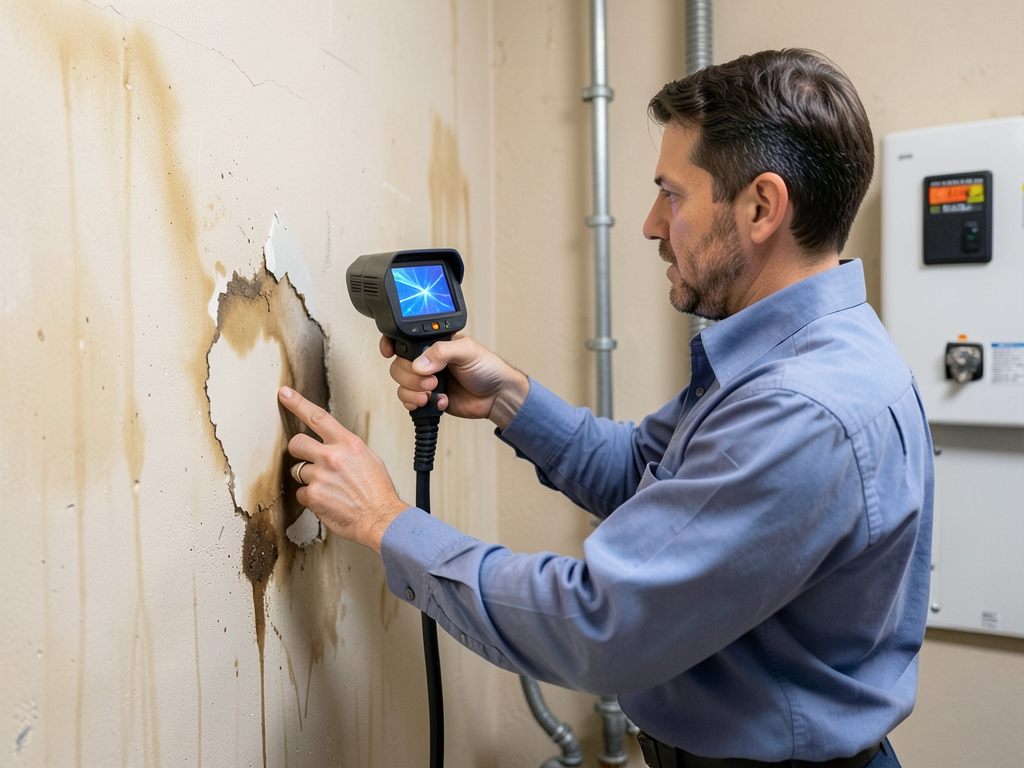
Is Your Tankless Water Heater Leaking in Mira Mesa Finding water pooling around your tankless water heater creates instant panic. The immediate concern becomes stopping the leak before it destroys your flooring, drywall, or cabinetry.…
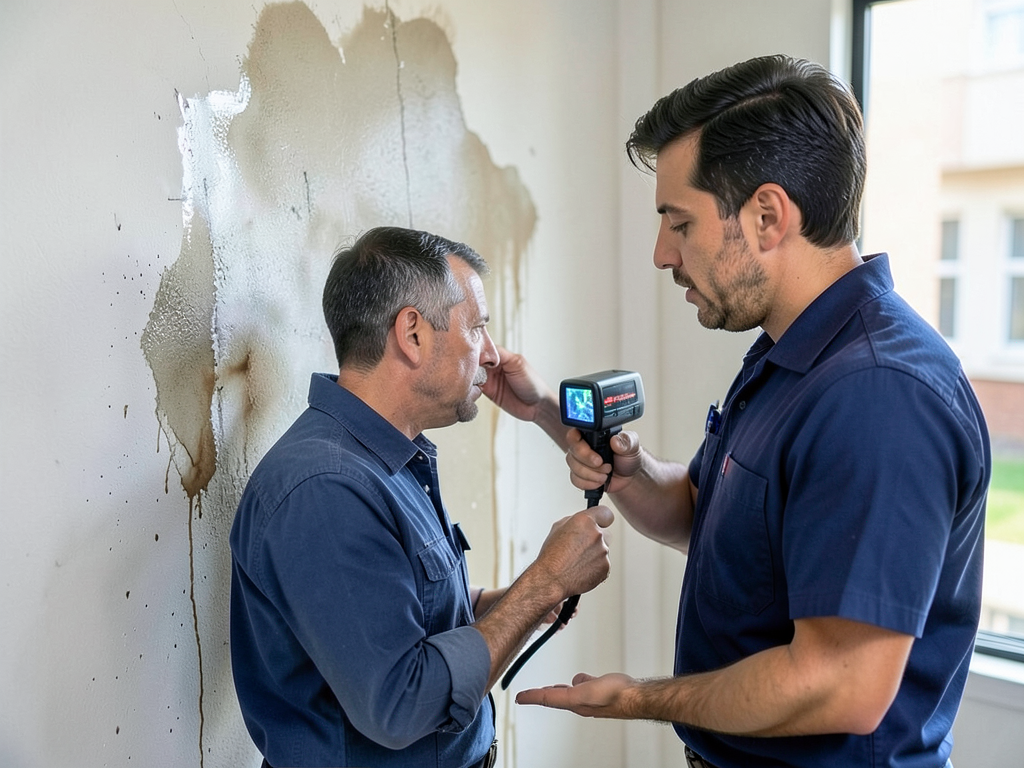
Who Pays for Water Damage When a Neighbor’s Leak Affects Your San Diego Condo Discovering…
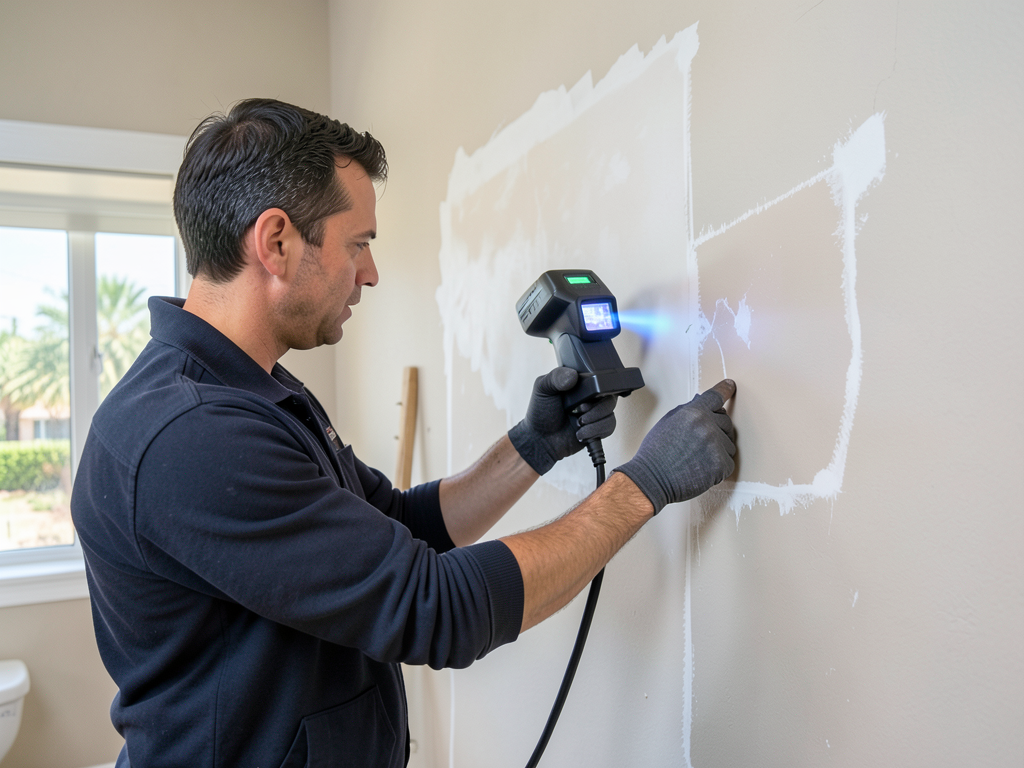
The Critical Steps Your Restoration Team Takes in the First Forty Eight Hours When water…
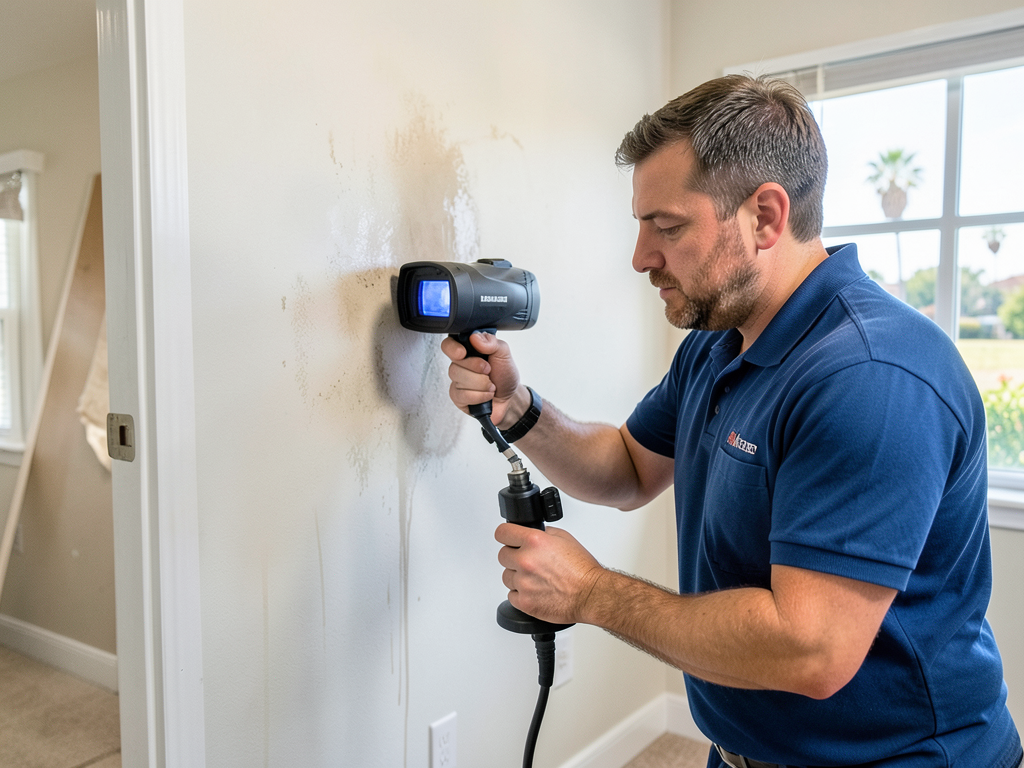
Should You Try In Place Drying or Choose a Full Rip Out After a San…
Every hour water sits in your home increases damage exponentially. Don't wait for the problem to get worse. Call Keystone Water Damage Restoration San Diego now at (858) 203-2555 for immediate emergency response. Our crews deploy within 60 minutes carrying the equipment and expertise to stop damage and begin recovery.