



Lemon Grove sits in a transitional climate zone where coastal moisture meets inland heat. This creates condensation problems in attics and crawl spaces that many homeowners never see until mold appears. The older housing stock near Berry Street and Broadway includes homes built before modern moisture barriers became standard. Clay soil common throughout the Encanto and Mount Vernon neighborhoods does not drain well, causing water to pool against foundations during winter rains.
The Sweetwater River flood plain affects properties on the western edge of the city. Even a moderate storm can overwhelm aging stormwater systems and push groundwater up through basement floors. Many Lemon Grove homes have galvanized pipes installed in the 1950s and 1960s that corrode from the inside, causing pinhole leaks behind walls. You smell the mildew before you see the stain.
Summer monsoon patterns have intensified over the past decade, dropping heavy rain in short bursts that gutters cannot handle. Water pours over edges and saturates the soil directly against your foundation. By the time you notice the carpet feels damp in the corner bedroom, water has already wicked up inside the wall cavity. California requires mold remediation to follow strict containment protocols, and delays turn a manageable cleanup into a reconstruction project.
Keystone Water Damage Restoration San Diego has pulled water out of Lemon Grove homes since our first dispatch truck rolled into San Diego County. We keep equipment staged on the east side of the county specifically to reach Lemon Grove, La Mesa, and Spring Valley without crossing downtown traffic. When you call our emergency line, you speak directly to a crew coordinator who dispatches the nearest team with truck-mounted extraction units and commercial dehumidifiers already loaded.
Most restoration companies send an estimator first, then schedule the work. We bring the equipment on the first visit because water damage mitigation is a race against time. Our technicians carry thermal imaging cameras to find hidden moisture in wall cavities and under flooring. We map every wet area and track drying progress with calibrated moisture meters. You receive a detailed moisture log that insurance adjusters trust because it shows exactly what was wet and when it dried.
We handle the insurance paperwork that bogs down most homeowners. Our crews photograph damage before extraction begins, document all affected materials, and write estimates in the format insurance companies require. We have worked with every major carrier that covers Lemon Grove properties, and we know which adjusters approve mitigation costs without argument. You get one point of contact who updates you daily instead of playing phone tag with contractors and adjusters.
Keystone employs IICRC-certified water damage technicians, not general laborers. Our people know the difference between Class 1 and Class 4 water intrusion, and they structure drying protocols accordingly. We pull permits when structural drying requires wall removal, and we coordinate inspections with the San Diego County building department. Most restoration companies skip permits and leave you exposed when you sell the property.

Keystone stations extraction trucks on the east side of San Diego County to reach Lemon Grove properties within two hours of your call. Our vehicles carry truck-mounted pumps that pull 100 gallons per minute, plus trailer-mounted generators to power equipment when water has flooded your electrical panel. We arrive ready to work, not ready to estimate.

We document every water-damaged material with photos, moisture readings, and detailed notes before we extract a single gallon. Our estimates follow Xactimate pricing that adjusters recognize, and we include line items for contents manipulation, antimicrobial treatment, and monitored drying. You hand the paperwork to your insurance company and let us argue over coverage.
Every Keystone water restoration technician holds current IICRC Water Damage Restoration certification. They understand psychrometric principles, drying chamber construction, and antimicrobial application protocols. Our crews follow ANSI/IICRC S500 standards for every job, which means your property gets restored using the same methods commercial insurers require for their own buildings.
Structural drying often requires removing wet drywall and insulation, which triggers permit requirements in San Diego County. Keystone pulls permits for demolition and coordinates inspections before we close walls. We know the local building inspectors by name, and we understand which repairs need sign-off before you can legally occupy the space again.
Water damage restoration breaks into three distinct phases, each requiring different equipment and expertise. Emergency water removal stops the immediate destruction. Structural drying eliminates hidden moisture that causes mold and rot. Repairs restore your property to pre-loss condition. Most companies subcontract one or more phases, which adds delays and finger-pointing when problems arise.
Keystone controls the entire process with in-house crews and equipment. We extract standing water with truck-mounted pumps, then place commercial dehumidifiers and air movers to dry structural cavities. Our technicians monitor moisture levels daily until readings drop below 15 percent in wood framing and 5 percent in concrete, the thresholds where microbial growth stops. We handle demolition of non-salvageable materials, treat surfaces with antimicrobial agents, and rebuild walls, floors, and ceilings using licensed contractors who work directly for Keystone.
This vertical integration means one project manager coordinates your entire restoration from emergency call to final walkthrough. You never wonder which company is responsible for a missed spot or a delayed timeline. We guarantee our work because we performed every step ourselves.
When water floods your home, it spreads through every gap and porous surface. Carpet pads absorb gallons within minutes. Drywall wicks moisture three feet above the visible waterline. Emergency extraction pulls standing water before it saturates structural materials. Keystone uses truck-mounted pumps for deep water and weighted extraction wands for carpets and padding. We remove soaked contents, pull waterlogged baseboards, and flood-cut drywall to expose wet framing. Speed determines how much of your property survives intact.
Extraction removes visible water, but structural materials remain saturated. Wood framing, subfloors, and insulation hold moisture in cellular structures that only evaporate under controlled conditions. Keystone creates drying chambers using plastic sheeting and negative air pressure. We inject heated air into wall cavities and pull moisture-laden air out with commercial dehumidifiers. Thermal imaging cameras locate hidden wet spots. We test moisture levels twice daily and adjust equipment placement until all materials reach dry standard. This prevents mold, rot, and structural failure.
After materials dry, reconstruction begins. Keystone replaces drywall, insulation, baseboards, and flooring removed during mitigation. We match existing textures and finishes so repairs blend invisibly with undamaged areas. Our licensed contractors handle plumbing repairs if pipe failure caused the flood. We install moisture-resistant materials in areas prone to future water exposure. All work meets California building codes and passes final inspection. You get a certificate of completion that satisfies insurance requirements and protects your property value.
Lemon Grove's aging infrastructure and unique climate create predictable water damage patterns. Homes built before 1970 have galvanized supply lines that corrode after 50 years, causing pinhole leaks that spray water inside walls for weeks before anyone notices. The clay soil throughout residential neighborhoods expands when wet and contracts when dry, cracking slab foundations and creating pathways for groundwater intrusion.
Winter storms overwhelm gutters on older homes that lack adequate downspout capacity. Water pours over edges and pools against foundations, eventually finding cracks or gaps around basement windows. Many Lemon Grove properties have crawl spaces with inadequate vapor barriers, allowing ground moisture to condense on floor joists and subfloors. The temperature swings between coastal morning fog and afternoon heat create perfect conditions for condensation in attics and exterior walls.
Polybutylene pipes installed in Lemon Grove homes during the 1980s have started failing at connection points. These failures happen suddenly, flooding entire rooms in minutes. Water heaters in garages reach the end of their 10-year lifespan and rupture, releasing 40 to 50 gallons directly onto drywall and stored belongings. Each scenario requires immediate response to prevent a manageable problem from becoming a total loss.
Corroded galvanized pipes and failing polybutylene connections release pressurized water that floods rooms in minutes. Water sprays behind walls where you cannot see it, soaking insulation and framing. Keystone shuts off water at the main, extracts standing water, and opens walls to dry the structure before mold starts growing in the dark, wet cavities.
Tree roots infiltrate aging sewer laterals, causing backups that push contaminated water into homes through floor drains and toilets. This Category 3 water contains dangerous pathogens that require specialized cleaning and disposal. Keystone removes contaminated materials, disinfects all affected surfaces, and coordinates waste disposal following California hazardous waste regulations. We protect your family from exposure during the cleanup.
Heavy winter rains saturate clay soil that does not drain, pushing groundwater up through foundation cracks and basement walls. Water seeps in slowly, soaking carpet padding and drywall before homeowners realize the problem exists. Keystone uses thermal imaging to trace moisture pathways, extracts water from saturated materials, and installs temporary barriers to prevent additional intrusion during continued storms.
Water heaters, washing machines, and dishwashers fail without warning, releasing gallons of water onto floors and into cabinets. Supply line connections corrode or hoses burst under pressure. By the time you discover the leak, water has spread across multiple rooms and soaked into subfloors. Keystone extracts water from all affected areas, removes damaged cabinets and flooring, and dries the subfloor structure before replacing finished materials.
The moment you notice water where it should not be, the clock starts ticking. Every hour of delay allows moisture to wick deeper into porous materials and increases the scope of demolition required. When you call Keystone Water Damage Restoration San Diego, you reach a crew coordinator who asks targeted questions about the water source, affected areas, and immediate safety concerns.
We dispatch a crew immediately, not after we schedule an estimate appointment. Our trucks carry extraction equipment, drying gear, and moisture detection tools because we start mitigation on the first visit. You receive a written scope of work and cost estimate before we begin, but we do not wait days for approval to start pulling water. Most insurance policies cover emergency mitigation under a separate limit that does not require pre-authorization.
Throughout the drying process, you receive daily updates on moisture readings and equipment placement adjustments. Our project manager coordinates directly with your insurance adjuster, provides documentation they request, and answers questions about coverage. You stay informed without managing multiple contractors or translating technical jargon. When the property reaches dry standard, we move directly into reconstruction using the same project manager, so nothing falls through the cracks during handoffs.
Keystone dispatches crews to Lemon Grove properties within two hours of your call. We do not schedule appointments for days later while water destroys your home. Our technicians arrive with truck-mounted extraction pumps, commercial dehumidifiers, air movers, and moisture detection equipment. We assess the damage, extract standing water, and place drying equipment before leaving your property. You see immediate progress on the first visit, not promises about future work.
We photograph every affected area before we touch anything. Our crews map moisture readings and document all wet materials. You receive a detailed estimate written in Xactimate, the pricing software insurance companies use for claim valuation. We send documentation directly to your adjuster and handle their questions about scope and pricing. Most homeowners have never filed a water damage claim, and insurance paperwork is deliberately confusing. We remove that burden completely.
Structural drying takes three to seven days depending on materials and saturation levels. Keystone technicians visit your property daily to measure moisture content in all affected materials. We adjust dehumidifier settings and air mover placement based on readings. You receive a moisture log showing progress toward dry standard. When materials reach target levels, we remove equipment and provide a completion certificate. No guesswork, no mold risk, no callbacks.
Water damage restoration follows a strict protocol developed by the Institute of Inspection, Cleaning and Restoration Certification. Keystone implements this process on every job to ensure complete mitigation and prevent secondary damage.
Our crew arrives and conducts a complete moisture survey using thermal imaging cameras and penetrating moisture meters. We identify all wet areas, including hidden moisture in wall cavities and under flooring. We extract standing water with truck-mounted pumps or weighted extraction wands depending on water depth and surface type. Technicians remove soaked contents, pull wet carpet padding, and perform flood cuts on drywall to expose wet framing for drying.
We place commercial dehumidifiers and air movers to create airflow across all wet surfaces. In severe cases, we build containment chambers using plastic sheeting to concentrate drying power in affected areas. Technicians inject heated air into wall and floor cavities to accelerate evaporation. We monitor temperature, humidity, and moisture content twice daily, adjusting equipment placement until all materials reach dry standard verified by calibrated meters.
After verification that all materials are completely dry, we apply EPA-registered antimicrobial agents to all affected surfaces to prevent mold growth. Our reconstruction crews replace drywall, insulation, baseboards, and flooring removed during mitigation. We match textures and finishes to blend repairs seamlessly with existing surfaces. All work passes final inspection, and you receive documentation for your insurance claim and property records.
Water damage restoration is not carpet cleaning with fans. Professional mitigation follows the ANSI/IICRC S500 Standard for Professional Water Damage Restoration, which establishes protocols for assessment, extraction, drying, and verification. This standard classifies water intrusion by contamination level and drying difficulty, then prescribes specific procedures for each combination.
Category 1 water comes from clean sources like supply lines. Category 2 water contains contamination from washing machines or dishwashers. Category 3 water is grossly contaminated sewage or flood water. Each category requires different safety equipment and disposal procedures. California law requires proper handling of Category 3 water as hazardous waste.
Drying difficulty depends on evaporation and dehumidification load. Class 1 affects only part of one room with minimal absorption. Class 4 involves specialty drying situations like hardwood floors, plaster walls, or concrete structures. Materials like hardwood flooring require slower drying at controlled humidity levels to prevent cracking. Gypsum board dries faster but needs airflow on both sides to prevent mold growth inside the paper facing.
Professional restoration companies use psychrometric calculations to determine how many dehumidifiers and air movers are needed for each job. A 500-square-foot room with wet carpet needs different equipment than the same room with wet drywall. We measure grains per pound of moisture in the air and adjust equipment to maintain vapor pressure that pulls moisture from materials without over-drying. This is science, not guessing.
San Diego County requires permits for demolition when water damage involves structural materials. Any removal of drywall beyond four feet or any structural lumber replacement triggers permit requirements. Most homeowners and fly-by-night contractors skip permits, which creates liability when you sell the property. Undisclosed water damage discovered during a home inspection kills real estate transactions. Keystone pulls proper permits and provides completion certificates that document the work was done correctly and inspected.
The ANSI/IICRC S500 Standard establishes inspection, documentation, and mitigation procedures for all water damage scenarios. Keystone technicians follow this standard on every job, which means your restoration meets the same requirements commercial insurance companies demand for their own properties. This protects your investment and eliminates disputes about proper procedures.
Restoration costs depend on water category, affected square footage, materials involved, and drying difficulty class. Sewage backups cost more than supply line breaks because they require hazardous waste disposal. Hardwood floors cost more to dry than carpet because they need slower, controlled drying. Insurance covers most water damage from sudden, accidental sources, but excludes gradual leaks and flood water.
Structural drying takes three to seven days depending on construction type and saturation level. Concrete and plaster dry slower than wood framing. Materials saturated for days before discovery take longer than fresh water intrusion. Anyone promising same-day drying is lying. We verify dryness with calibrated moisture meters, not schedules. Your property is dry when readings confirm it, not when the calendar says so.
San Diego County requires building permits for water damage demolition exceeding minor repairs. Structural lumber replacement, extensive drywall removal, and plumbing repairs all need permits and inspections. Keystone handles permit applications and coordinates inspections. We provide completion certificates that document your restoration was performed legally, which protects your property value and prevents problems during future real estate transactions.
Learn how Keystone Water Damage Restoration San Diego responds to water damage emergencies in Lemon Grove, California. This video covers emergency water extraction procedures, structural drying protocols, insurance claim coordination, and complete restoration services. Explains specific water damage risks in Lemon Grove including burst pipe flooding, storm water intrusion, sewage backups, and appliance failures. Details IICRC S500 standards, California permit requirements, and realistic drying timelines for residential water damage restoration.
Keystone Water Damage Restoration San Diego serves every neighborhood in Lemon Grove with the same rapid response guarantee. Our dispatch routes cover properties from the Berry Street corridor in the central district to the hillside homes along Mount Vernon Street. We know the older housing stock near Lemon Grove Park requires special attention because many homes still have original galvanized plumbing and inadequate attic ventilation that traps moisture.
The residential areas around Encanto and Massachusetts Avenue contain mid-century homes with slab foundations vulnerable to groundwater intrusion during heavy rains. Clay soil throughout this section expands when saturated, cracking foundations and pushing water up through floors. We have dried dozens of properties in this area and understand the specific challenges these homes face.
Properties near the Sweetwater River flood plain on the western edge of Lemon Grove experience different water problems. Storm runoff overwhelms aging drainage infrastructure, causing street flooding that backs up into garages and crawl spaces. Our crews stage equipment on the east side of San Diego County specifically to reach Lemon Grove, La Mesa, and Spring Valley without crossing Interstate 805 traffic during emergencies.
The newer developments along the eastern boundary near Skyline Drive have different construction methods that resist water better but fail catastrophically when supply lines burst. Modern open floor plans allow water to spread across entire living areas within minutes. We adjust our extraction approach based on construction type and home age.
Keystone also serves surrounding communities including La Mesa directly to the north, Spring Valley to the east, and the San Diego neighborhoods of Encanto and Emerald Hills to the west. Our coverage extends throughout San Diego County's east region, but we maintain faster response times to Lemon Grove because we understand the local infrastructure, soil conditions, and common failure points in the housing stock. When you call our emergency line, the dispatcher already knows how to reach your neighborhood and which equipment your property likely needs.
Water damage restoration in Lemon Grove takes 3 to 7 days for most residential projects. Small leaks with minimal damage need 2 to 3 days. Large floods or sewage backups require 5 to 10 days. The timeline depends on water category, affected square footage, and structural damage. Extraction and drying take 24 to 72 hours. Repairs and reconstruction add extra time. Your restoration company will provide a detailed timeline after inspection. Humidity levels and weather conditions in Lemon Grove affect drying speed. Projects move faster when you contact professionals within the first 24 hours.
Water damage restoration pricing in Lemon Grove depends on damage severity, water category, and affected area size. Minor leaks affecting one room start lower on the scale. Major floods requiring structural repairs and mold remediation fall at the higher end. Your insurance policy often covers sudden and accidental damage. Clean water damage from supply line breaks typically runs less than category 3 sewage damage. Get multiple written estimates from certified Lemon Grove companies. Most restoration firms offer free inspections and work directly with your insurance adjuster to document all damage and necessary repairs.
Most homeowners insurance policies in Lemon Grove cover sudden and accidental water damage. Burst pipes, appliance malfunctions, and roof leaks from storms typically qualify for coverage. Your policy excludes flood damage from external sources like heavy rain or nearby waterways. Gradual damage from maintenance neglect usually gets denied. Review your policy declarations page to understand your deductible and coverage limits. Contact your insurance agent immediately after discovering water damage. Document everything with photos and videos. Insurance adjusters need detailed records to process your claim. Flood insurance requires a separate policy through the National Flood Insurance Program.
Water damage restoration in Lemon Grove takes 3 to 7 days for most residential projects. Small leaks with minimal damage need 2 to 3 days. Large floods or sewage backups require 5 to 10 days. The timeline depends on water category, affected square footage, and structural damage. Extraction and drying take 24 to 72 hours. Repairs and reconstruction add extra time. Your restoration company will provide a detailed timeline after inspection. Humidity levels and weather conditions in Lemon Grove affect drying speed. Projects move faster when you contact professionals within the first 24 hours.
Water damage restoration pricing in Lemon Grove depends on damage severity, water category, and affected area size. Minor leaks affecting one room start lower on the scale. Major floods requiring structural repairs and mold remediation fall at the higher end. Your insurance policy often covers sudden and accidental damage. Clean water damage from supply line breaks typically runs less than category 3 sewage damage. Get multiple written estimates from certified Lemon Grove companies. Most restoration firms offer free inspections and work directly with your insurance adjuster to document all damage and necessary repairs.
Most homeowners insurance policies in Lemon Grove cover sudden and accidental water damage. Burst pipes, appliance malfunctions, and roof leaks from storms typically qualify for coverage. Your policy excludes flood damage from external sources like heavy rain or nearby waterways. Gradual damage from maintenance neglect usually gets denied. Review your policy declarations page to understand your deductible and coverage limits. Contact your insurance agent immediately after discovering water damage. Document everything with photos and videos. Insurance adjusters need detailed records to process your claim. Flood insurance requires a separate policy through the National Flood Insurance Program.
Look for water damage restoration companies in Lemon Grove with IICRC certification. The Institute of Inspection Cleaning and Restoration Certification sets industry standards. Check online reviews on Google and Yelp. Request references from recent Lemon Grove customers. Verify the company maintains proper business licensing through California state requirements. Ask about employee background checks and ongoing training. Certified technicians understand proper extraction methods, drying techniques, and antimicrobial treatments. Request proof of IICRC certifications for water damage restoration and applied structural drying. A qualified company will gladly share credentials and answer technical questions about their restoration process.
Standing water more than one inch deep requires immediate emergency restoration in Lemon Grove. Water spreading to multiple rooms needs professional attention. You smell musty odors or see visible mold growth within 48 hours. Your walls feel damp or show discoloration and bubbling. Electrical outlets or fixtures get exposed to water. You hear running water but see no active sources. Your ceiling sags or shows brown staining. Floors feel soft or buckle underfoot. Category 3 sewage water backs up into your home. Your water heater or appliance fails and floods multiple rooms. Quick action prevents secondary damage and mold colonization.
You can often stay in your Lemon Grove home during water damage restoration if the affected area is contained. Small bathroom or kitchen leaks allow you to use other rooms. Whole-house flooding requires temporary relocation for safety. Electrical hazards from standing water make occupancy dangerous. Category 3 sewage damage demands evacuation due to health risks. Extensive mold growth requires you to leave during remediation. Your restoration company will assess safety conditions and advise accordingly. Drying equipment runs 24 hours and creates noise. Most families choose to stay elsewhere for comfort during major restoration projects.
Water mitigation in Lemon Grove is the immediate emergency response to stop damage progression. Technicians extract standing water, remove wet materials, and set up drying equipment. Mitigation happens within the first 24 to 48 hours. Water damage restoration includes the complete repair process. Restoration encompasses mitigation plus reconstruction, repairs, and returning your home to pre-loss condition. You need mitigation first to prevent mold and structural deterioration. Restoration follows once everything dries completely. Some companies offer both services. Others specialize in mitigation and refer reconstruction to contractors. Understanding this difference helps you communicate with insurance adjusters and service providers.
Call a water damage restoration company in Lemon Grove within one hour of discovering flooding. Water spreads rapidly through flooring, walls, and insulation. The first 24 hours determine whether you face minor repairs or extensive reconstruction. Mold spores begin colonizing within 24 to 48 hours in humid conditions. Quick response limits damage and reduces restoration expenses. Professionals arrive within 60 to 90 minutes for emergency calls. They stop water sources, extract standing water, and begin drying immediately. Waiting even 12 hours increases damage severity. Your insurance company expects prompt action to mitigate losses. Document damage immediately with photos before calling professionals.
Professional water damage restoration companies in Lemon Grove work directly with insurance adjusters. They document damage with photos, moisture readings, and detailed reports. Restoration firms understand insurance requirements and claim processes. They provide itemized estimates matching insurance software formats. Your restoration company communicates progress updates to adjusters throughout the project. This coordination speeds up claim approval and payment. Experienced companies handle the paperwork burden during a stressful time. They advocate for necessary repairs backed by industry standards. Some companies bill insurance directly after you pay your deductible. This partnership ensures proper documentation and helps maximize your covered benefits.
Lemon Grove water damage restoration companies use commercial-grade extraction equipment removing hundreds of gallons per hour. Industrial air movers create airflow for rapid drying. Dehumidifiers pull moisture from air and materials. Moisture meters and thermal imaging cameras detect hidden water in walls and floors. Air scrubbers with HEPA filters remove mold spores and contaminants. Technicians use antimicrobial treatments to prevent microbial growth. Injection drying systems target water trapped in wall cavities. Truck-mounted extraction units provide powerful suction for deep water removal. Professional equipment dries your home 50 to 70 percent faster than household fans and dehumidifiers.
Look for water damage restoration companies in Lemon Grove with IICRC certification. The Institute of Inspection Cleaning and Restoration Certification sets industry standards. Check online reviews on Google and Yelp. Request references from recent Lemon Grove customers. Verify the company maintains proper business licensing through California state requirements. Ask about employee background checks and ongoing training. Certified technicians understand proper extraction methods, drying techniques, and antimicrobial treatments. Request proof of IICRC certifications for water damage restoration and applied structural drying. A qualified company will gladly share credentials and answer technical questions about their restoration process.
Standing water more than one inch deep requires immediate emergency restoration in Lemon Grove. Water spreading to multiple rooms needs professional attention. You smell musty odors or see visible mold growth within 48 hours. Your walls feel damp or show discoloration and bubbling. Electrical outlets or fixtures get exposed to water. You hear running water but see no active sources. Your ceiling sags or shows brown staining. Floors feel soft or buckle underfoot. Category 3 sewage water backs up into your home. Your water heater or appliance fails and floods multiple rooms. Quick action prevents secondary damage and mold colonization.
You can often stay in your Lemon Grove home during water damage restoration if the affected area is contained. Small bathroom or kitchen leaks allow you to use other rooms. Whole-house flooding requires temporary relocation for safety. Electrical hazards from standing water make occupancy dangerous. Category 3 sewage damage demands evacuation due to health risks. Extensive mold growth requires you to leave during remediation. Your restoration company will assess safety conditions and advise accordingly. Drying equipment runs 24 hours and creates noise. Most families choose to stay elsewhere for comfort during major restoration projects.
Water mitigation in Lemon Grove is the immediate emergency response to stop damage progression. Technicians extract standing water, remove wet materials, and set up drying equipment. Mitigation happens within the first 24 to 48 hours. Water damage restoration includes the complete repair process. Restoration encompasses mitigation plus reconstruction, repairs, and returning your home to pre-loss condition. You need mitigation first to prevent mold and structural deterioration. Restoration follows once everything dries completely. Some companies offer both services. Others specialize in mitigation and refer reconstruction to contractors. Understanding this difference helps you communicate with insurance adjusters and service providers.
Call a water damage restoration company in Lemon Grove within one hour of discovering flooding. Water spreads rapidly through flooring, walls, and insulation. The first 24 hours determine whether you face minor repairs or extensive reconstruction. Mold spores begin colonizing within 24 to 48 hours in humid conditions. Quick response limits damage and reduces restoration expenses. Professionals arrive within 60 to 90 minutes for emergency calls. They stop water sources, extract standing water, and begin drying immediately. Waiting even 12 hours increases damage severity. Your insurance company expects prompt action to mitigate losses. Document damage immediately with photos before calling professionals.
Professional water damage restoration companies in Lemon Grove work directly with insurance adjusters. They document damage with photos, moisture readings, and detailed reports. Restoration firms understand insurance requirements and claim processes. They provide itemized estimates matching insurance software formats. Your restoration company communicates progress updates to adjusters throughout the project. This coordination speeds up claim approval and payment. Experienced companies handle the paperwork burden during a stressful time. They advocate for necessary repairs backed by industry standards. Some companies bill insurance directly after you pay your deductible. This partnership ensures proper documentation and helps maximize your covered benefits.
Lemon Grove water damage restoration companies use commercial-grade extraction equipment removing hundreds of gallons per hour. Industrial air movers create airflow for rapid drying. Dehumidifiers pull moisture from air and materials. Moisture meters and thermal imaging cameras detect hidden water in walls and floors. Air scrubbers with HEPA filters remove mold spores and contaminants. Technicians use antimicrobial treatments to prevent microbial growth. Injection drying systems target water trapped in wall cavities. Truck-mounted extraction units provide powerful suction for deep water removal. Professional equipment dries your home 50 to 70 percent faster than household fans and dehumidifiers.
We are proud to serve the entire San Diego area and invite you to view our service region on the map below. While our emergency response team is mobile and always ready to dispatch to your location rapidly, our central operations base allows us to coordinate efficient service across all of San Diego County. Contact us today for immediate assistance, no matter where your property is located within our service area.
Address:
Lemon Grove, CA, 91945
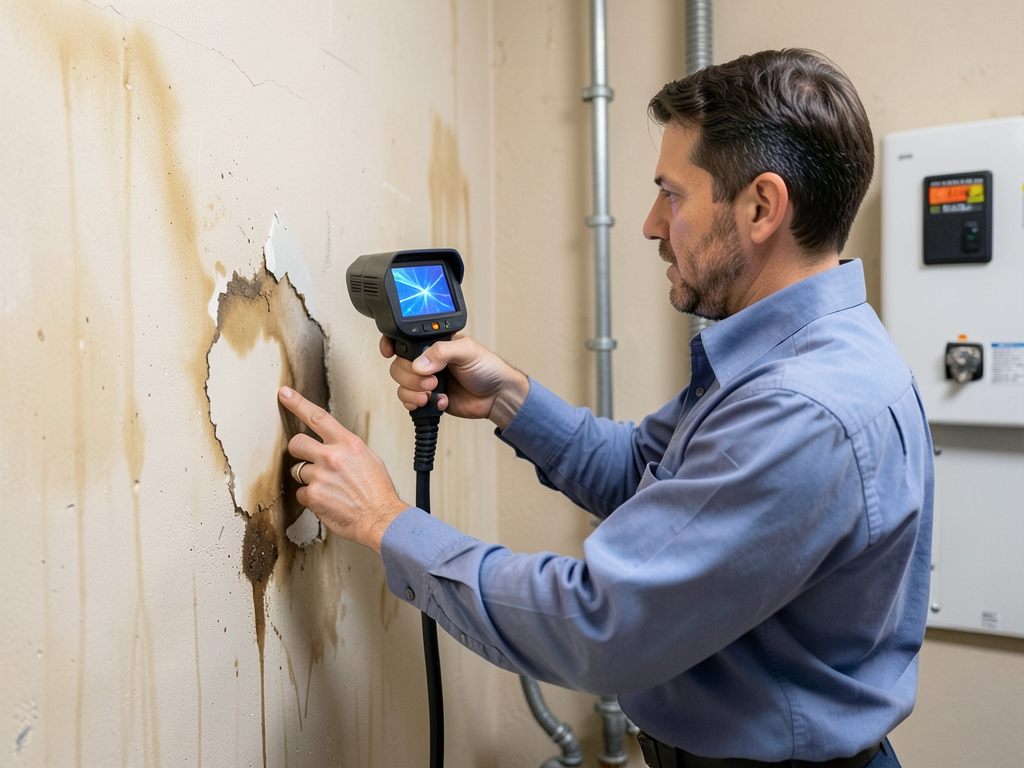
Is Your Tankless Water Heater Leaking in Mira Mesa Finding water pooling around your tankless water heater creates instant panic. The immediate concern becomes stopping the leak before it destroys your flooring, drywall, or cabinetry.…
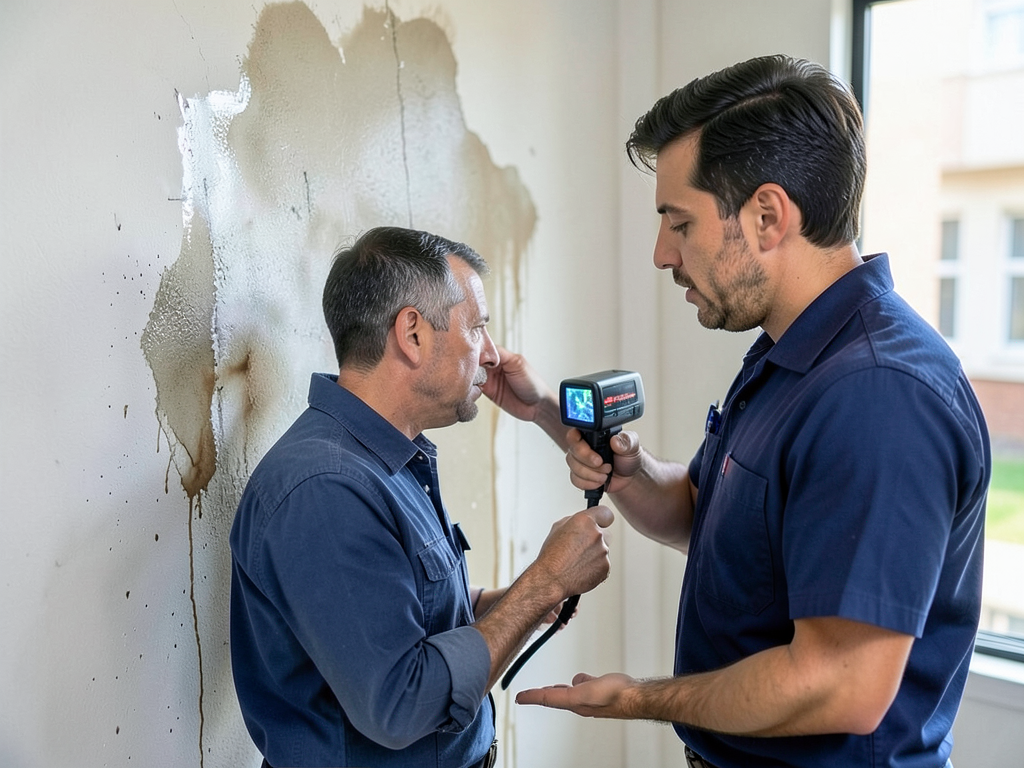
Who Pays for Water Damage When a Neighbor’s Leak Affects Your San Diego Condo Discovering…
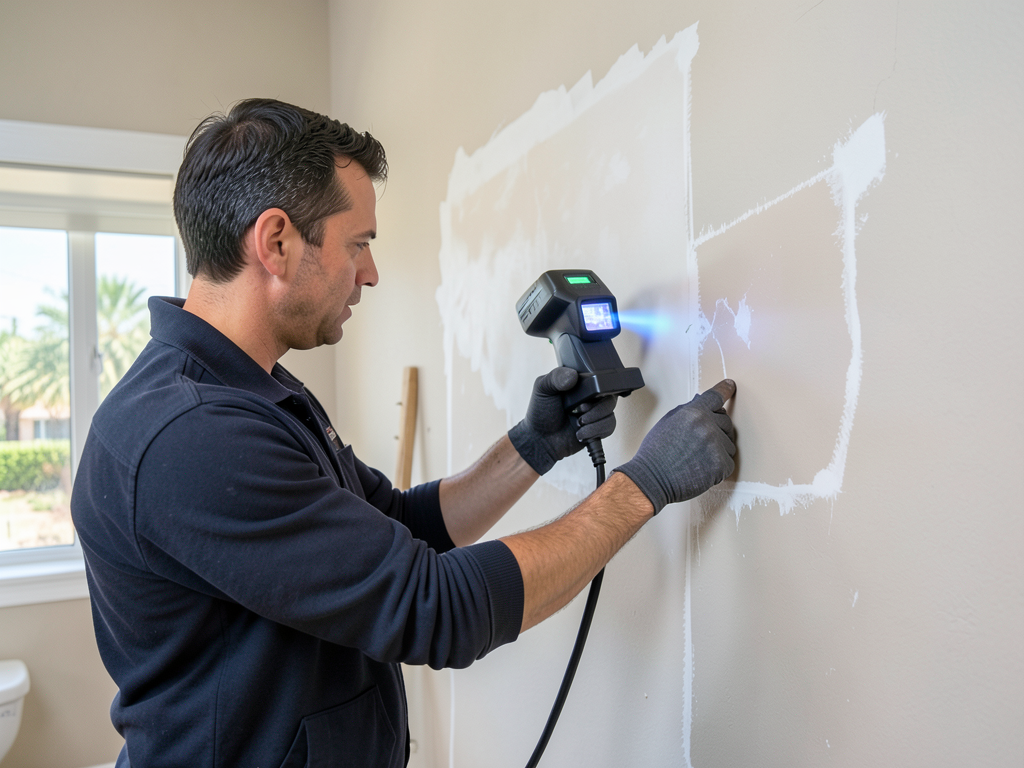
The Critical Steps Your Restoration Team Takes in the First Forty Eight Hours When water…
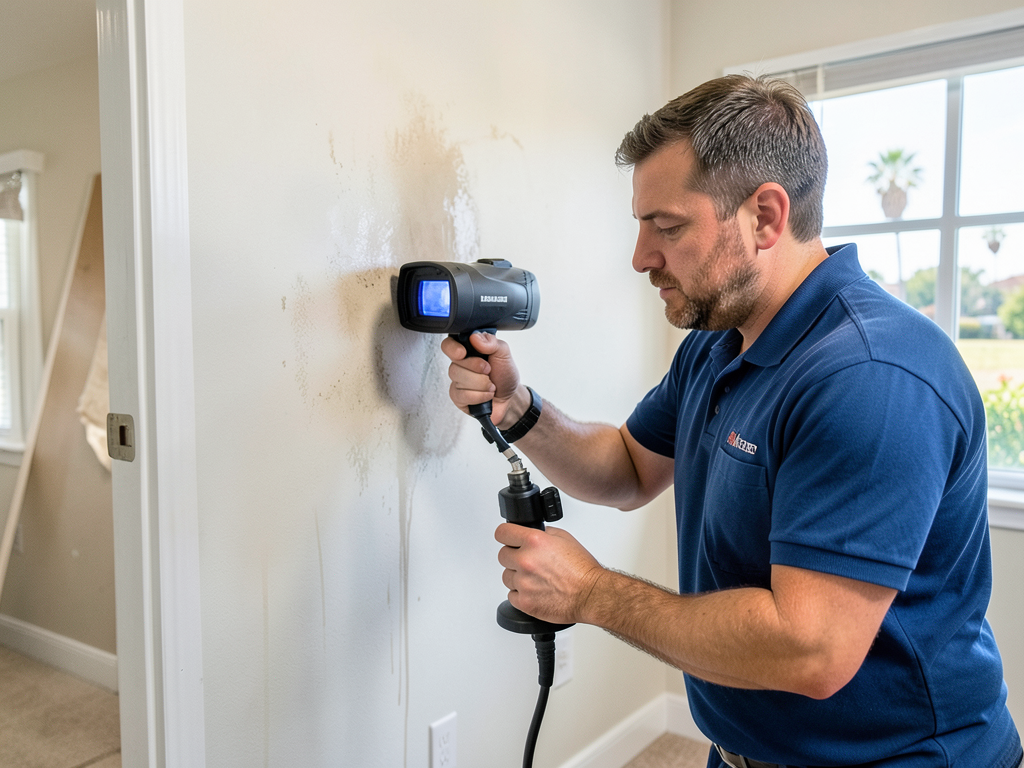
Should You Try In Place Drying or Choose a Full Rip Out After a San…
Water destroys more of your home every hour you wait. Keystone Water Damage Restoration San Diego dispatches crews to Lemon Grove properties immediately. Call (858) 203-2555 now for emergency water extraction and drying. We arrive ready to work, not ready to schedule an estimate.