menu

Wet Carpet & Padding in San Diego – Expert Diagnosis Stops Hidden Mold and Structural Damage

When water soaks into your carpet and pad, the real danger is what you cannot see. Our certified technicians diagnose the full extent of saturation, eliminate hidden moisture pockets, and restore your flooring before mold colonizes your subfloor.

Slider Image 1
Slider Image 2
Slider Image 3
Slider Image 4
Slider Image 5
Slider Image 7
Slider Image 8
Slider Image 9
Slider Image 10
Slider Image 11

Why Wet Carpet and Padding Is More Than a Surface Problem in San Diego

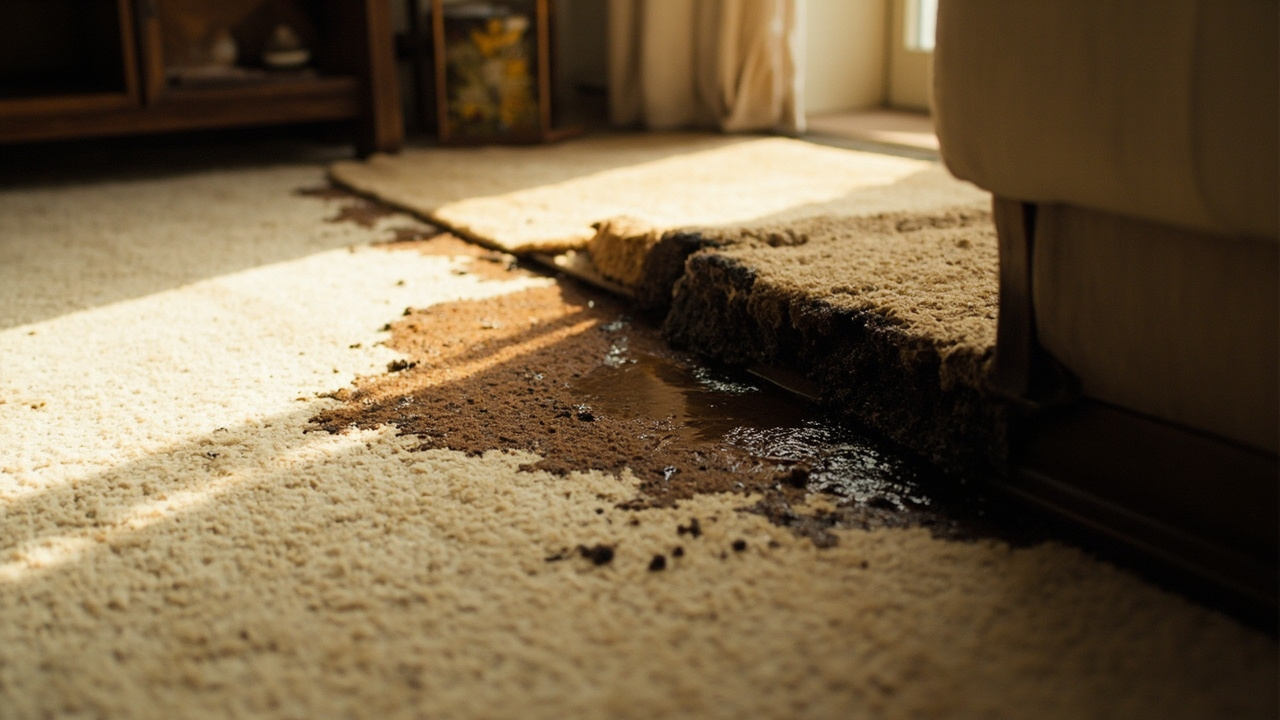
You walk across your carpet and feel the squish. Your socks are damp. You think it will dry on its own. It will not.

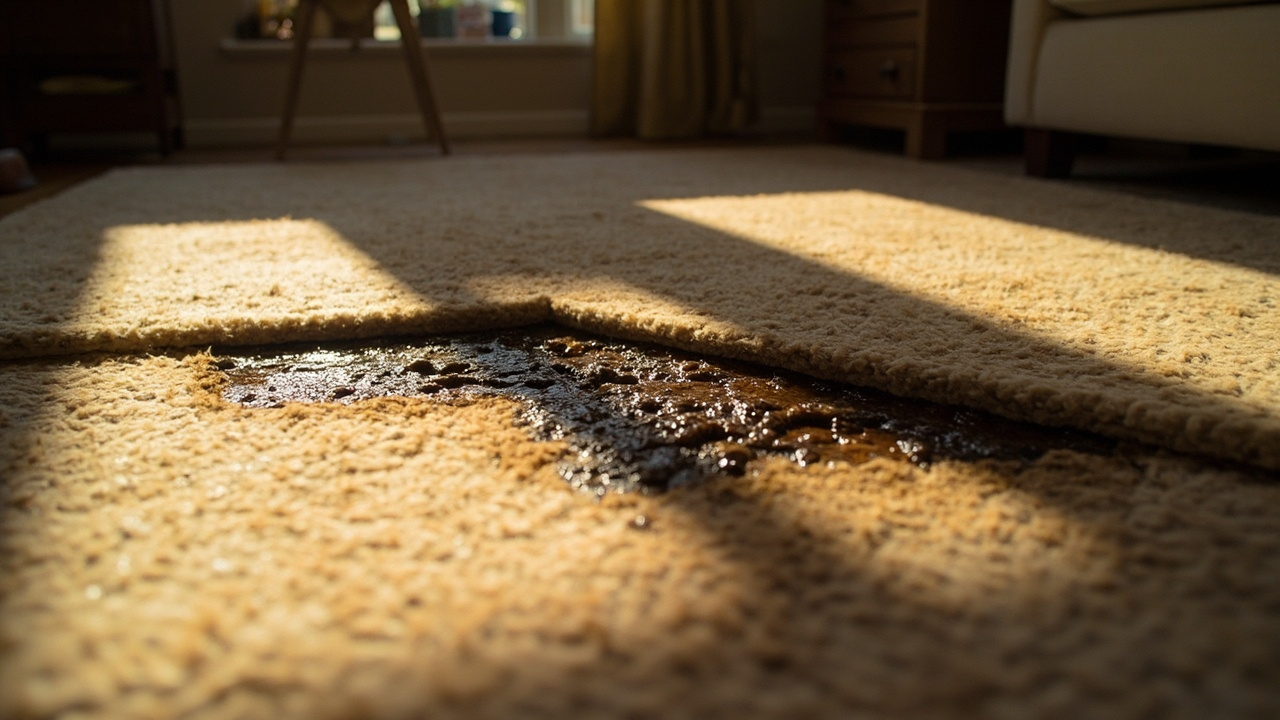
Saturated carpet and cushion creates a breeding ground for microbial growth within 24 to 48 hours. In San Diego, where coastal humidity hovers between 60 and 75 percent year-round, that window closes faster. The moisture does not just sit on the surface. It migrates downward into the carpet pad, then into the subfloor, then into the joists. By the time you smell mildew, the damage is already structural.

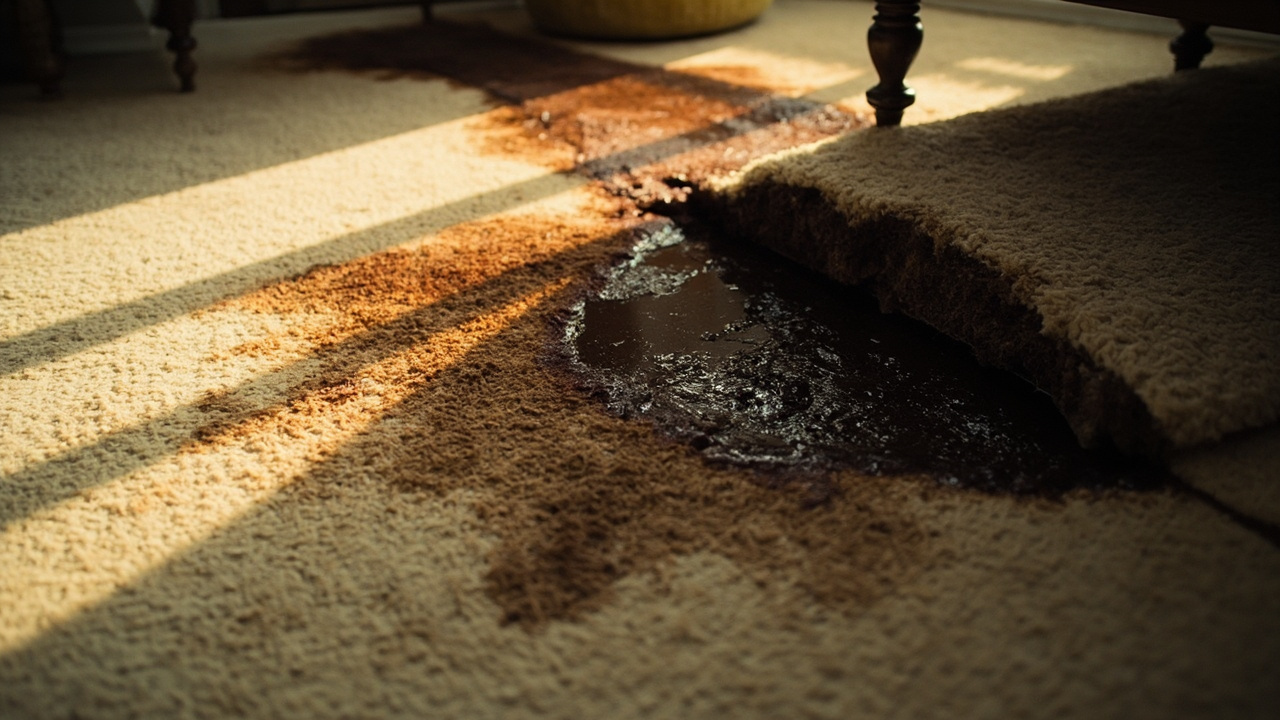
Water damaged carpet and pad also traps contaminants. If the water came from a supply line, you are dealing with Category 1 water. If it came from a washing machine overflow or toilet leak, you are now standing on Category 2 or Category 3 water, which carries bacteria, detergents, and organic waste. Walking on flooded carpet and underpad grinds those contaminants deeper into the fibers and the underlayment.

San Diego's older neighborhoods, like North Park and Normal Heights, have homes built on pier-and-beam or raised foundations. These structures allow airflow beneath the floor, which is good. But if soaked carpeting and underlay sits for too long, that airflow spreads moisture vapor into crawl spaces and wall cavities, creating secondary damage in places you cannot see. By the time you realize the problem, you are not just replacing carpet. You are replacing subfloor panels, treating framing, and remediating mold.

The carpet may look dry after a few days. The pad beneath it does not dry at the same rate. Wet carpet underlayment can retain moisture for weeks, feeding mold spores and degrading adhesives.

Why Wet Carpet and Padding Is More Than a Surface Problem in San Diego
How We Extract Water, Remove Contaminated Materials, and Restore Your Subfloor

How We Extract Water, Remove Contaminated Materials, and Restore Your Subfloor

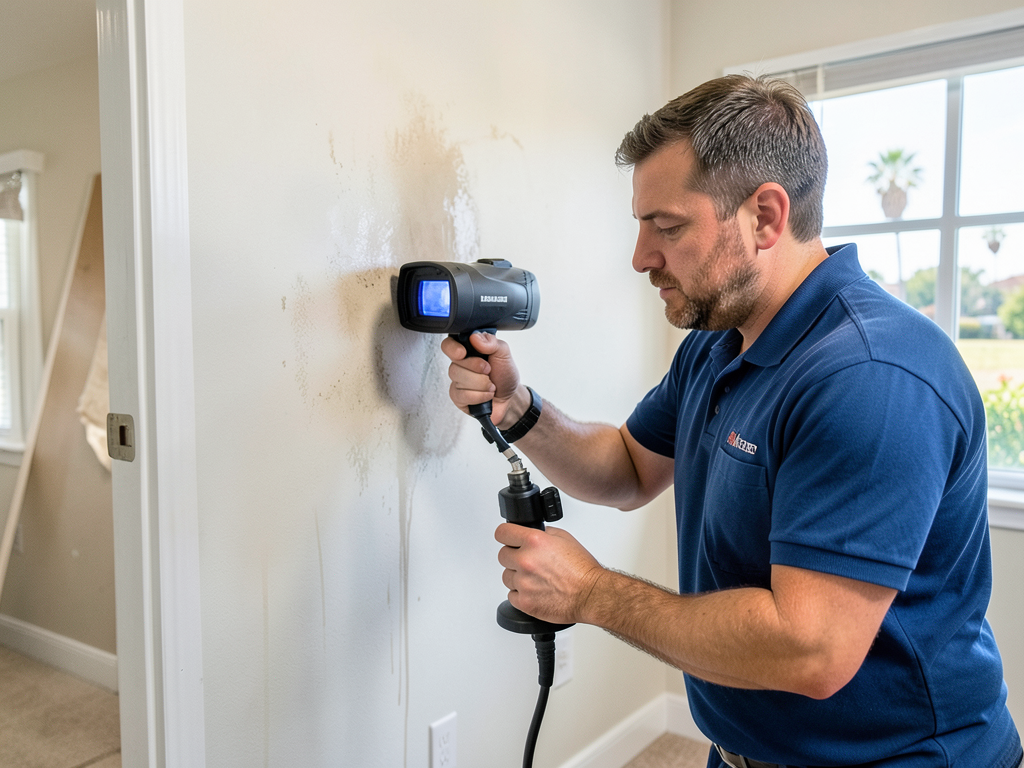
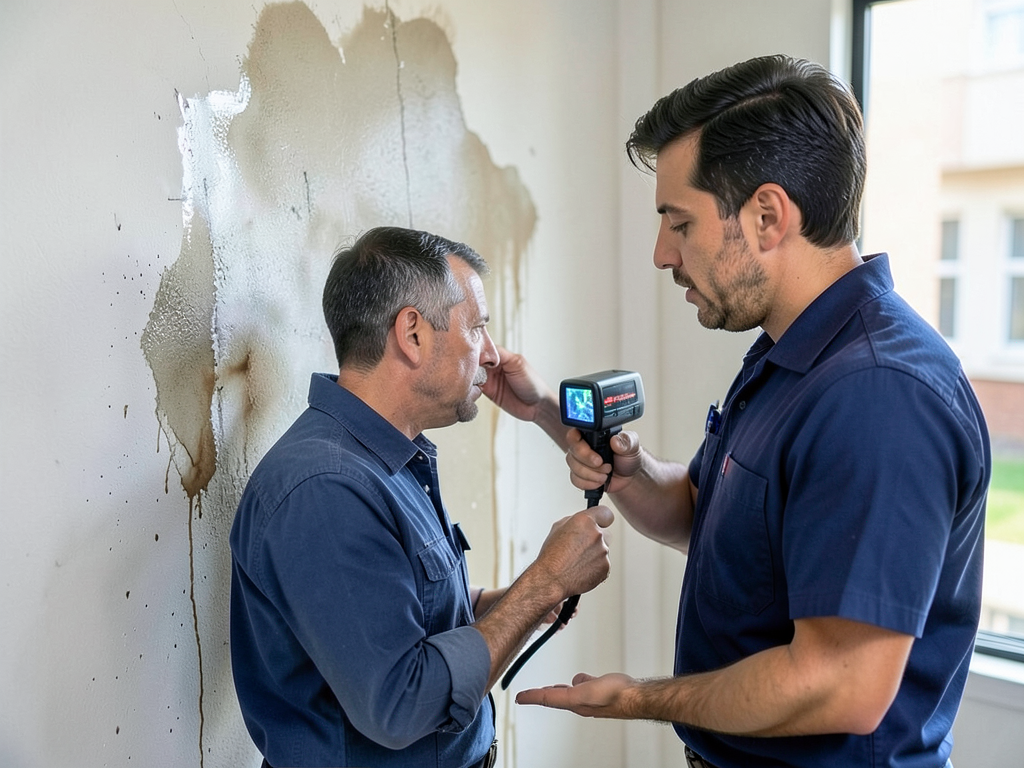
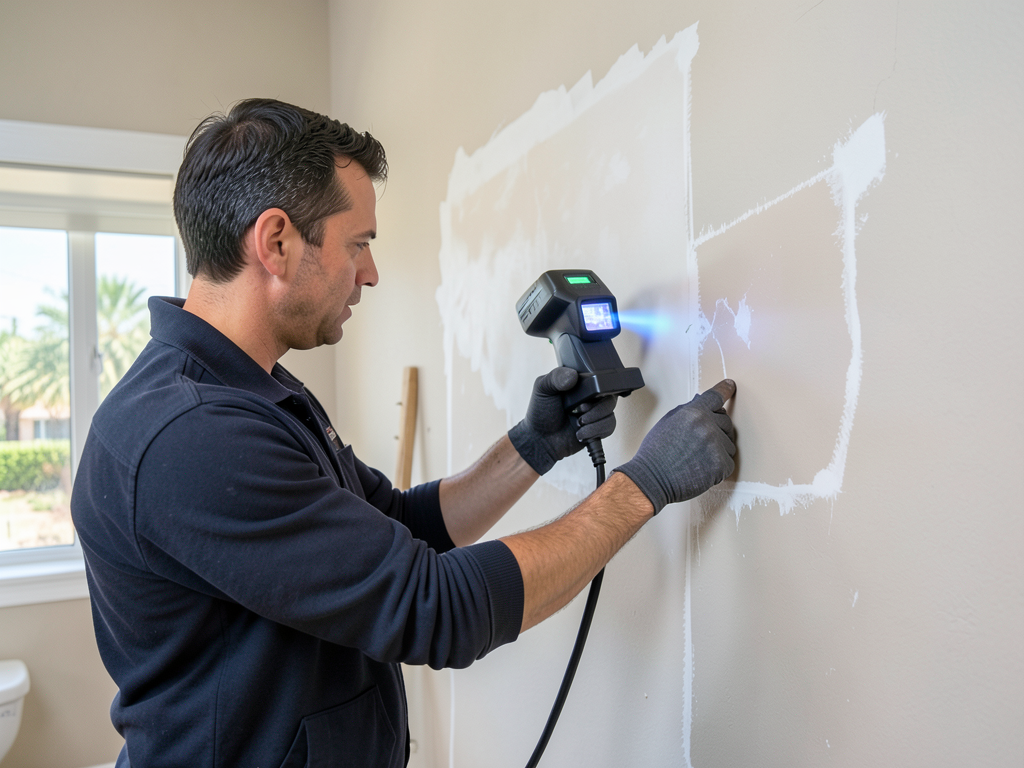
We do not pull up your carpet and hope for the best. We start with a moisture mapping process using thermal imaging cameras and penetrating moisture meters. This tells us how far the water has traveled and whether the subfloor is compromised.

If the carpet and pad are salvageable, we extract standing water using truck-mounted extraction units that pull 95 percent of the moisture out in the first pass. Portable extraction tools cannot match that capacity. If the pad is heavily saturated or the water is Category 2 or 3, we remove it entirely. Trying to dry contaminated padding is a health risk, not a cost savings.

Once the carpet is lifted, we inspect the subfloor for cupping, swelling, or delamination. Plywood subfloors in San Diego homes often show water damage along the seams first. If the subfloor is soft to the touch or shows visible staining, we document it and recommend replacement of the affected sections. Drying a compromised subfloor does not restore its load-bearing capacity.

We deploy industrial air movers and commercial dehumidifiers to create negative pressure drying conditions. Air movers push moisture-laden air off the subfloor surface. Dehumidifiers pull that moisture out of the air. We monitor ambient humidity and temperature every 12 hours, adjusting equipment placement as the drying curve progresses.

If mold is present, we contain the affected area with polyethylene sheeting and apply antimicrobial treatments to the subfloor and framing. We do not mask odors. We eliminate the source. After drying is complete, we test moisture levels in the subfloor and confirm they are below 12 percent before any reinstallation begins. Keystone Water Damage Restoration San Diego does not leave until the structure is dry and safe.

What Happens When You Call Us About Soaked Carpet

Wet Carpet & Padding in San Diego – Expert Diagnosis Stops Hidden Mold and Structural Damage
01

Emergency Moisture Assessment

We arrive within two hours of your call and begin moisture mapping with thermal imaging and meter readings. This identifies how far the water has spread beneath the carpet, into the pad, and through the subfloor. You get a written moisture map and a clear explanation of what needs to be removed versus what can be dried in place.
02

Water Extraction and Material Removal

We extract standing water using truck-mounted units, then lift the carpet to assess the pad and subfloor. If the pad is contaminated or the subfloor shows signs of swelling, we remove the damaged materials immediately. We do not wait for secondary damage to develop. Every contaminated layer is documented and disposed of according to local health codes.
03

Controlled Drying and Verification

Industrial dehumidifiers and air movers run continuously until moisture levels in the subfloor drop below 12 percent. We monitor progress every 12 hours and adjust equipment as needed. Once drying is verified, we apply antimicrobial treatment to prevent mold colonization. You receive a final moisture report and clearance documentation before any flooring reinstallation begins.

Why San Diego Property Owners Trust Our Team for Wet Carpet Emergencies

We know the construction types common to San Diego. Homes in Mission Hills and Kensington were built in the 1920s and 1930s with tongue-and-groove subfloors and natural fiber padding. These materials absorb water faster and dry slower than modern synthetic materials. We adjust our drying protocols based on the age and construction method of your home.

San Diego's building codes require specific moisture barriers in multi-family construction and condominiums. If your unit has a concrete slab beneath the carpet, we use low-grain refrigerant dehumidifiers, not desiccant units. Concrete releases moisture slowly, and the wrong equipment will waste time and money without achieving dry conditions.

We also understand how insurance claims work in San Diego. Policies issued by major carriers in California often exclude certain types of water damage unless you can prove the damage was sudden and accidental. We document everything with photos, moisture readings, and written reports. You get a claim-ready package that includes the source of the water, the extent of the damage, and the scope of work required to restore the property.

Keystone Water Damage Restoration San Diego does not subcontract the work. Our technicians are IICRC-certified in water damage restoration and applied structural drying. We carry the equipment in-house, which means we do not wait for rentals or third-party vendors to show up. When you call, you get our team, our equipment, and our accountability.

We also know the local water damage patterns. Homes near Mission Bay and Pacific Beach deal with high groundwater levels and occasional saltwater intrusion during king tides. Homes in Clairemont and Linda Vista see frequent supply line failures in older galvanized plumbing systems. We have seen it all, and we know how to fix it.

What to Expect When We Restore Your Wet Carpet and Subfloor

Response Time and Availability

We dispatch a team within two hours of your call, 24 hours a day, seven days a week. Water damage does not wait for business hours, and neither do we. When you contact us, you speak directly to a technician who can answer your questions and provide an estimated arrival time. We do not use answering services or third-party call centers. You get a real person who knows the San Diego area and can route the closest available team to your location.

Initial Assessment and Moisture Mapping

The first step is a full moisture assessment using thermal imaging cameras and penetrating moisture meters. We create a written moisture map that shows exactly where the water is, how deep it has penetrated, and what materials are affected. You receive this map before any work begins, along with a clear explanation of what needs to be removed, what can be dried, and what the timeline looks like. No surprises, no upselling.

Final Drying and Documentation

Drying is complete when the subfloor and framing test below 12 percent moisture content. We verify this with calibrated meters and provide you with a final moisture report. This report includes before-and-after readings, photos of the affected areas, and documentation of all antimicrobial treatments applied. If you need this for an insurance claim, it is ready to submit. If you need clearance for a contractor to reinstall flooring, you have it.

Follow-Up and Prevention Guidance

After the restoration is complete, we provide guidance on preventing future water damage. This includes recommendations for upgraded water heater installation, leak detection systems, and drainage improvements. If you had a supply line failure, we can refer you to trusted plumbers who specialize in repiping older San Diego homes. We also offer optional follow-up moisture checks at 30 and 60 days to ensure no hidden moisture has reappeared. This service is free for residential customers.

Frequently Asked Questions

You Have Questions,
We Have Answers

Is carpet padding ruined if it gets wet? +

Yes, carpet padding is usually ruined after getting wet. Padding acts like a sponge and holds moisture against your subfloor, which accelerates mold growth and structural damage. Standard foam or felt padding breaks down quickly when saturated, losing its cushioning and support. San Diego's mild coastal humidity makes trapped moisture even more problematic because the padding stays damp longer. If water reaches the padding, you need to remove both carpet and pad within 24 to 48 hours. Professional extraction equipment can't fully dry padding. Replacement is the safest option to prevent hidden mold growth beneath your flooring.

How to dry out wet carpet padding? +

Drying wet carpet padding requires immediate action. First, pull back the carpet and remove the soaked padding completely. The padding cannot be adequately dried in place because it traps moisture against the subfloor. Use fans and dehumidifiers to dry the subfloor and carpet separately. In San Diego, open windows to increase airflow if outdoor humidity is low. Focus air movers directly on the exposed subfloor to prevent wood rot or concrete moisture issues. Most professionals recommend replacing padding rather than attempting to dry it. Padding is inexpensive compared to mold remediation costs or structural repairs from prolonged moisture exposure.

How long can carpet be wet before it is ruined? +

Carpet can survive approximately 24 to 48 hours of water exposure before permanent damage occurs. This timeline depends on water type and temperature. Clean water gives you more time than sewage or contaminated water. San Diego's moderate temperatures can actually extend bacterial growth rates in wet materials. After 48 hours, mold spores begin colonizing carpet fibers and backing. The padding underneath typically fails even sooner. Dyes may bleed, adhesives break down, and delamination starts. If your carpet stays wet beyond two days, replacement becomes necessary. Quick response within the first 24 hours gives you the best chance of salvaging your flooring investment.

Will wet carpet dry on its own? +

Wet carpet will not dry properly on its own. Without professional extraction and air movement, moisture stays trapped in fibers, backing, and padding for weeks. San Diego's coastal air can feel dry but still contains enough humidity to slow evaporation dramatically. Standing water may disappear from the surface, but moisture remains deep in padding and subfloor layers. This creates perfect conditions for mold growth, musty odors, and bacterial contamination. Surface drying fools homeowners into thinking the problem is solved while hidden damage progresses underneath. You need mechanical drying equipment and dehumidifiers to remove moisture completely and safely.

How quickly can mold grow under wet carpet? +

Mold can begin growing under wet carpet within 24 to 48 hours. Spores are always present in the air and only need moisture and organic material to colonize. Carpet backing, padding, and trapped dust provide perfect food sources. San Diego's mild temperatures create ideal growth conditions year-round, without the extreme heat that might slow spore development. Mold spreads invisibly beneath carpet before you see surface signs. Once established, it releases allergens and damages flooring materials. The padding layer stays wet longest and becomes the primary contamination source. This is why professionals stress immediate water extraction and complete drying within the first day.

Can carpet be saved after water damage? +

Carpet can sometimes be saved after water damage if you act within 24 hours and the water is clean. The key factors are water type, exposure time, and how quickly you extract moisture. Sewage or contaminated water ruins carpet immediately. Clean water from supply line breaks gives you a chance if you use professional extraction equipment and dehumidifiers. San Diego properties with concrete slabs dry faster than raised foundations. However, padding almost always requires replacement even if carpet survives. Berber and looped carpets are harder to salvage than cut pile styles. Professional assessment determines if restoration is worth the cost versus replacement.

What draws moisture out of carpet? +

Professional truck-mounted extractors draw the most moisture from carpet by using powerful vacuum suction. These systems pull water from deep in padding and backing that household vacuums cannot reach. Air movers and dehumidifiers then remove remaining moisture through evaporation and humidity control. Dehumidifiers pull water vapor from the air, preventing it from reabsorbing into materials. Desiccant materials like baking soda absorb minor surface moisture but cannot handle saturation. San Diego's generally low indoor humidity helps, but mechanical drying is still necessary. Heat also accelerates evaporation, which is why professionals sometimes use specialty drying equipment to raise temperatures safely while circulating air.

What are signs of mold in carpet? +

Mold in carpet shows up as dark spots, discoloration, or fuzzy growth on fibers. You will smell a musty, earthy odor even before seeing visible growth. The carpet may feel damp or spongy when you walk on it. Discoloration often appears in patches rather than uniform patterns. San Diego homes near the coast sometimes mistake salt air smells for mold, but mold has a distinctly organic, dirt-like smell. You might experience increased allergy symptoms, sneezing, or respiratory irritation when spending time in affected rooms. If the backing or padding is moldy, you may not see surface signs until contamination is severe.

How long to let baking soda sit on wet carpet? +

Baking soda should sit on wet carpet for 12 to 24 hours maximum for odor absorption. However, baking soda only addresses surface moisture and smells. It cannot dry saturated padding or prevent mold growth in deeper layers. Sprinkle a thin layer over damp areas after extracting standing water. Vacuum thoroughly after the waiting period. This method works for minor spills, not flooding or significant water intrusion. San Diego homeowners sometimes rely on baking soda for small pet accidents or drink spills. For actual water damage, you need professional extraction equipment. Baking soda is a temporary fix, not a restoration solution.

What kills mold in wet carpet? +

Professional antimicrobial treatments kill mold in wet carpet, but only after complete moisture removal. Products containing quaternary ammonium compounds or hydrogen peroxide variants work on surface contamination. However, if mold has penetrated padding or backing, the carpet usually requires replacement. Bleach damages carpet fibers and is not recommended. San Diego restoration companies use EPA-registered disinfectants designed for porous materials. Treatment only works if you remove the moisture source first. Killing mold without drying creates dead spore residue that still triggers allergies. Prevention through fast water extraction is more effective than trying to kill established growth. Contaminated padding must always be discarded regardless of treatment.

How San Diego's Coastal Humidity Accelerates Mold Growth in Wet Carpet and Padding

San Diego's proximity to the Pacific Ocean creates persistently high relative humidity, especially in coastal neighborhoods like La Jolla, Ocean Beach, and Point Loma. When indoor humidity stays above 60 percent for extended periods, wet carpet and padding do not dry on their own. The moisture stays trapped in the underlayment and subfloor, creating ideal conditions for mold spores to colonize. Homes without central air conditioning or forced-air heating systems are especially vulnerable, because there is no mechanical airflow to move moisture out of the structure. Drying flooded carpet and underpad in these conditions requires commercial dehumidification, not just open windows and fans.

San Diego County building codes require specific moisture testing protocols before reinstalling flooring in multi-family and commercial buildings. Contractors who skip this step risk failing final inspections, which delays occupancy and increases costs. We follow IICRC S500 standards for water damage restoration, which aligns with local code enforcement expectations. Our documentation includes chain-of-custody moisture readings, photographic evidence, and written summaries that satisfy both insurance adjusters and county inspectors. Choosing a local team that understands these requirements saves time, reduces liability, and ensures the work is done right the first time.
Water Damage Restoration Services in The San Diego Area

We are proud to serve the entire San Diego area and invite you to view our service region on the map below. While our emergency response team is mobile and always ready to dispatch to your location rapidly, our central operations base allows us to coordinate efficient service across all of San Diego County. Contact us today for immediate assistance, no matter where your property is located within our service area.

Address:
Keystone Water Damage Restoration San Diego, 4445 Eastgate Dr, San Diego, CA, 92121

Additional Services We Offer

Our news updates

Latest Articles & News from The Blogs

Keeping Your Pets Safe from Bacteria and Mold After a Hillcrest Flood Flooding in Hillcrest creates immediate dangers for pets…

Keeping Your Pets Safe from Bacteria and Mold After a Hillcrest Flood

Keeping Your Pets Safe from Bacteria and Mold After a Hillcrest Flood Flooding in Hillcrest creates immediate dangers for pets…

Why Your Escondido Roof is Leaking After a New Solar Panel Installation

Why Your Escondido Roof is Leaking After a New Solar Panel Installation If you notice water dripping from your ceiling…

How Your Backyard Slope is Pushing Water into Your Mira Mesa Foundation

How Your Backyard Slope is Pushing Water into Your Mira Mesa Foundation Standing water in your backyard after a San…

Contact Us

Every hour you wait, the moisture spreads deeper. Call Keystone Water Damage Restoration San Diego now at (858) 203-2555 for emergency water extraction and subfloor drying. We are available 24/7 and dispatch within two hours.