menu

Flood Cleanup & Extraction in San Diego – Fast Response When Every Minute Counts

When floodwater invades your property, immediate flood cleanup and extraction services protect your structure from permanent damage, mold growth, and costly repairs across San Diego County.

Slider Image 1
Slider Image 2
Slider Image 3
Slider Image 4
Slider Image 5
Slider Image 7
Slider Image 8
Slider Image 9
Slider Image 10
Slider Image 11

Why San Diego Properties Face Serious Flood Risks

San Diego's coastal geography creates unique flooding challenges that catch property owners off guard. Winter storm systems roll in from the Pacific, dumping intense rainfall on soil types that struggle with rapid absorption. The marine layer keeps humidity levels elevated year-round, which accelerates secondary water damage after flooding events.

Properties near the San Diego River, Mission Bay, and coastal zones face tidal flooding risks during king tides and storm surges. Inland areas like Mission Valley and parts of La Jolla experience flash flooding when storm drains overwhelm during heavy rains. The region's clay-heavy soil in neighborhoods like Clairemont and Mira Mesa prevents proper drainage, causing water to pool around foundations and seep into structures.

Aging infrastructure compounds the problem. Many San Diego homes were built before modern flood mitigation standards took effect. Outdated drainage systems and improperly graded lots send water toward buildings instead of away from them. When flooding strikes, you need emergency water extraction within the first 24 hours to prevent permanent structural damage and microbial growth.

Flood damage restoration starts the moment standing water appears. Every hour of delay allows water to penetrate deeper into building materials, warping floors, saturating drywall, and creating conditions where mold colonies establish in 48 hours. Water removal services protect your investment by extracting standing water, removing saturated materials, and beginning the drying process before irreversible damage occurs.

Why San Diego Properties Face Serious Flood Risks
Professional Water Mitigation Services That Stop Damage Fast

Professional Water Mitigation Services That Stop Damage Fast

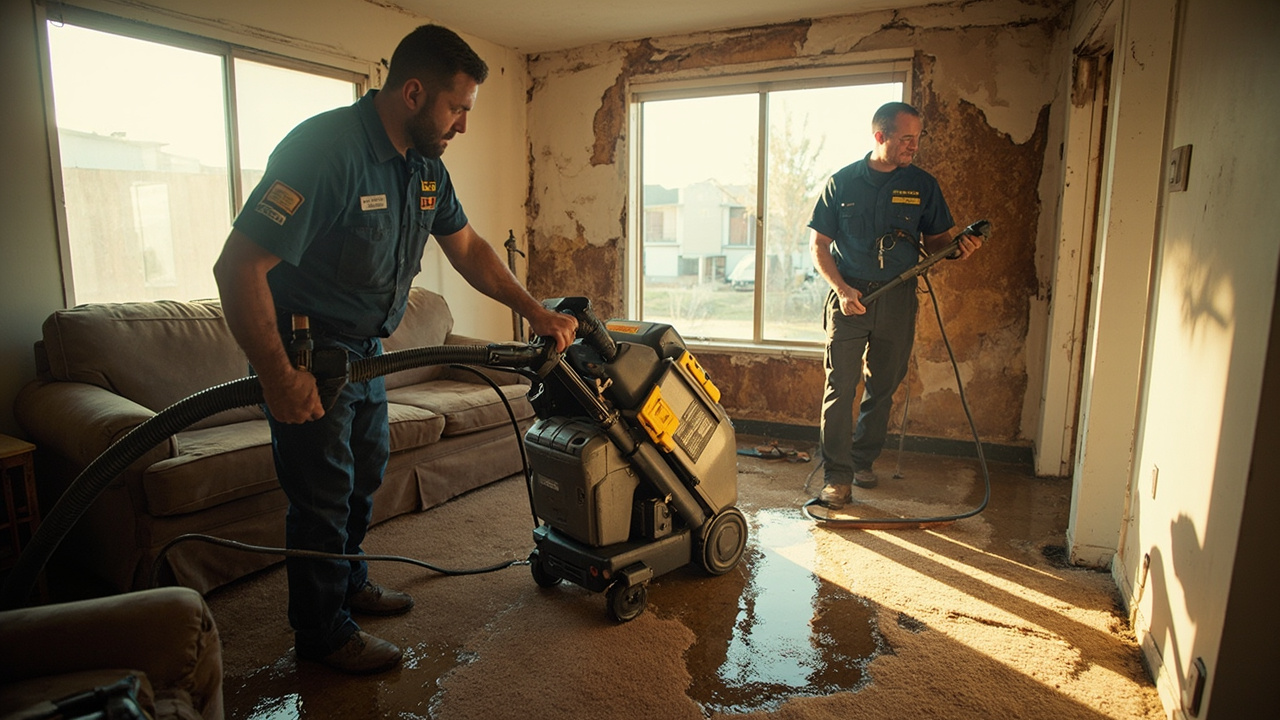
Effective flood cleanup requires industrial-grade extraction equipment and proven water mitigation protocols. Residential wet vacuums cannot handle the volume or velocity needed for proper water removal. Professional truck-mounted extractors pull thousands of gallons per hour from carpets, padding, and subfloors while portable extractors target hard-to-reach areas.

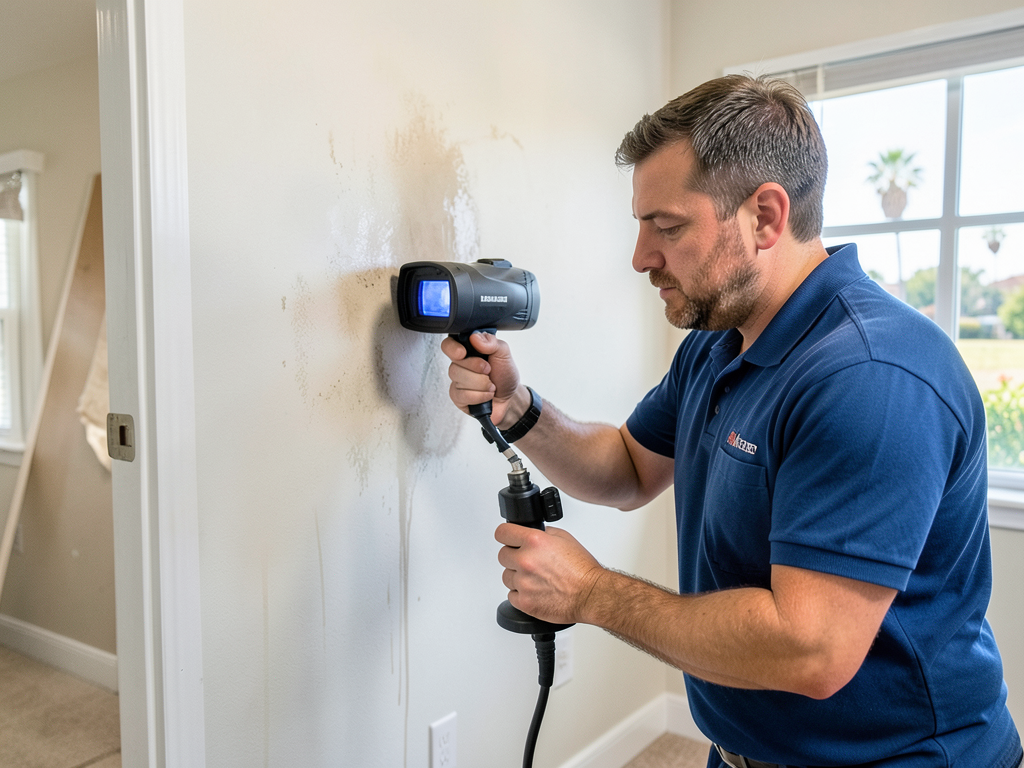
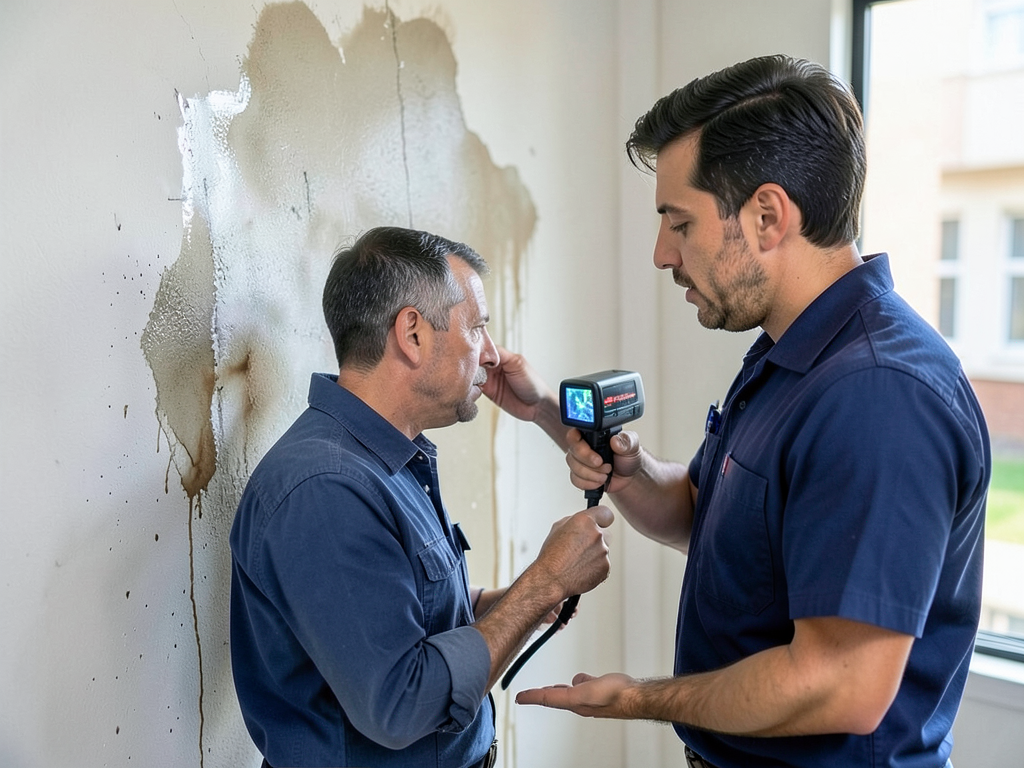
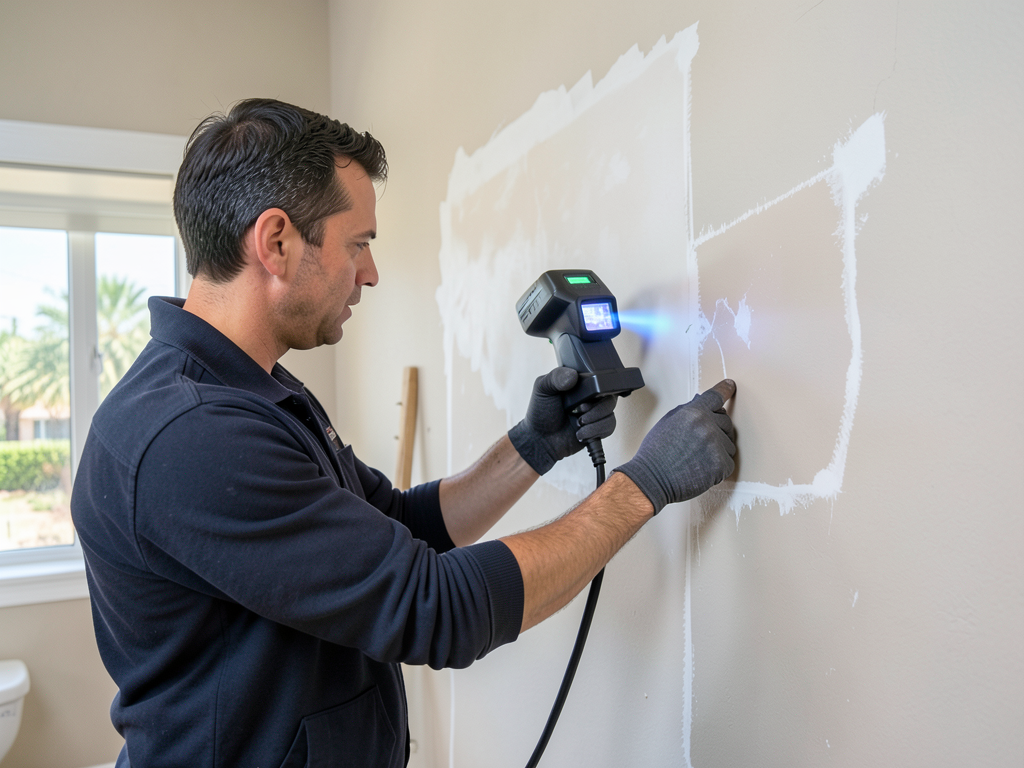
The extraction phase addresses visible standing water, but absorbed moisture poses the bigger threat. After removing surface water, we use thermal imaging cameras to map moisture migration through walls, ceilings, and structural cavities. This technology reveals hidden water pockets that standard inspections miss. Moisture meters measure exact saturation levels in different materials, guiding equipment placement for maximum drying efficiency.

Air movement creates the conditions for proper drying. Commercial air movers positioned at precise angles create circulation patterns that lift moisture from materials into the air. Low-grain refrigerant dehumidifiers then capture that airborne moisture, preventing it from condensing on cool surfaces. This combination drops humidity levels rapidly while protecting materials from warping and swelling.

We monitor drying progress with daily moisture readings at multiple points throughout affected areas. Wood framing, concrete slabs, and drywall each require different drying times based on their density and porosity. Complete water damage cleanup means achieving dry standards that prevent future problems, not just removing visible water. Documentation at each phase supports insurance claims and provides verification that proper procedures were followed. The difference between amateur attempts and professional flood damage restoration shows up months later when mold appears or floors buckle because materials never dried completely.

What Happens During Emergency Flood Response

Flood Cleanup & Extraction in San Diego – Fast Response When Every Minute Counts
01

Immediate Water Extraction

Within hours of your call, our crew arrives with truck-mounted extractors and portable pumps to remove standing water from all affected areas. We extract water from carpets, padding, hardwood floors, and tile surfaces while protecting salvageable contents. Speed during this phase determines whether materials can be saved or require replacement. Rapid extraction prevents water from wicking higher into walls and spreading to unaffected rooms.
02

Structural Drying Setup

After extraction, we position commercial air movers and dehumidifiers based on moisture mapping results from thermal imaging and meter readings. Equipment runs continuously, creating controlled drying conditions that pull moisture from building materials without causing secondary damage. We remove baseboards and drill weep holes where needed to dry wall cavities. Technicians adjust equipment daily as moisture levels drop, focusing airflow on areas that retain water longest.
03

Verification and Restoration

Once moisture readings reach acceptable levels across all materials, we document final conditions and remove drying equipment. You receive a complete report showing moisture readings from start to finish, supporting insurance claims and confirming proper drying. We then coordinate reconstruction services if needed, replacing materials that sustained permanent damage. The goal is returning your property to pre-loss condition with confidence that hidden moisture problems will not surface later.

Why San Diego Properties Need Local Flood Cleanup Experts

San Diego's building codes and architectural styles demand specialized knowledge for proper flood restoration. Coastal homes with stucco exteriors require different drying approaches than inland properties with traditional siding. Understanding how saltwater versus freshwater flooding affects materials changes the entire restoration strategy. Properties near Mission Bay or Pacific Beach face corrosion risks that inland flood damage does not present.

Local building departments in San Diego enforce specific requirements for flood-damaged structures, particularly in FEMA flood zones. Restoration work must meet these standards or you risk compliance issues when selling or refinancing. We know which permits are required, which inspections to schedule, and how to document work properly for city officials.

Experience with San Diego's climate patterns informs our drying protocols. The marine layer keeps relative humidity elevated, which extends drying times compared to arid regions. We adjust equipment and timelines based on seasonal conditions, understanding that June gloom creates different challenges than October Santa Ana winds. This local knowledge prevents under-drying, which leads to mold growth, and over-drying, which can crack wood and separate joints.

Insurance claims for flood damage in San Diego require thorough documentation and proper scope development. We work directly with adjusters, providing detailed moisture maps, equipment logs, and photo documentation that support your claim. Many adjusters are unfamiliar with the unique challenges San Diego properties face, and we bridge that gap by explaining why specific procedures are necessary given local conditions. Our goal is full compensation for legitimate damages so you can restore your property completely, not just patch visible problems and hope hidden issues do not resurface.

What You Can Expect During Flood Cleanup

Response Time and Availability

We dispatch crews to San Diego flood emergencies around the clock, typically arriving within 90 minutes of your call. Our trucks carry all necessary extraction and drying equipment, eliminating delays from equipment rental or multiple trips. Emergency response means starting water removal immediately, not scheduling an appointment for later in the week. We understand that flood damage accelerates exponentially with each passing hour, so our availability matches the urgency of your situation. Crews work extended hours during the critical first 72 hours, setting up drying equipment and monitoring progress continuously rather than limiting service to business hours.

Comprehensive Damage Assessment

Before starting work, technicians conduct a room-by-room inspection documenting all affected areas, moisture levels, and damaged materials. We use thermal imaging to identify hidden water migration through walls and ceilings that visual inspection misses. Moisture meters provide exact readings in different materials, creating a baseline for tracking drying progress. You receive a detailed scope outlining which materials can be dried and saved versus what requires replacement. This assessment becomes the foundation for insurance documentation and project planning. We explain findings in plain language, showing you exactly what happened and why specific procedures are necessary to prevent future problems.

Complete Structural Drying

Proper flood cleanup means achieving verified dry conditions, not just removing visible water and hoping for the best. Commercial dehumidifiers and air movers run continuously for three to seven days depending on the extent of saturation and materials involved. Technicians visit daily to take fresh moisture readings, adjust equipment placement, and document progress. We do not remove equipment based on calendar dates but on confirmed moisture readings that meet industry dry standards. You receive daily updates showing exactly how drying is progressing and when we expect to reach completion. Final documentation includes comparison photos and moisture readings proving materials returned to acceptable levels.

Post-Cleanup Verification and Support

Once drying equipment comes out, we provide a complete project report including all moisture readings, equipment logs, and photo documentation. This report supports insurance claims and provides proof that proper procedures were followed. If reconstruction is needed, we coordinate those services or work with your chosen contractor to ensure rebuilt areas integrate properly with dried sections. We also offer follow-up inspections at 30 and 60 days to verify no secondary moisture issues developed. This verification protects you from hidden problems surfacing after the claim closes. Our commitment extends beyond just drying your property to ensuring long-term stability and preventing future water damage complications.

Frequently Asked Questions

You Have Questions,
We Have Answers

How much does flood removal cost? +

Flood removal costs depend on the water category, square footage affected, and extent of structural damage. Category 1 clean water extraction runs less than Category 3 sewage contamination. In San Diego, costs also factor in accessibility, especially in older neighborhoods like North Park or La Jolla where tight spaces complicate equipment access. Most homeowners pay between several hundred to several thousand dollars for professional extraction and initial drying. Your flood insurance policy may cover some or all costs depending on your coverage type and the water source. Always get a written estimate before work begins and ask your restoration company to document everything for your insurance claim.

How does water extraction work? +

Water extraction uses industrial submersible pumps and truck-mounted vacuums to remove standing water fast. Technicians first extract bulk water, then use weighted extraction tools on carpets and padding to pull moisture from fibers and subfloors. Air movers and commercial dehumidifiers then dry remaining moisture. In San Diego's coastal climate, humidity control matters. Professionals use moisture meters to track drying progress in walls, floors, and ceilings. They map wet areas, extract water methodically from lowest to highest points, and monitor daily until materials reach acceptable moisture levels. Speed matters because mold can colonize damp surfaces within 24 to 48 hours in our mild temperatures.

Does flood insurance pay for clean up? +

Flood insurance typically covers cleanup and restoration if the flood meets policy definitions. Standard homeowners insurance excludes flood damage, so you need separate National Flood Insurance Program coverage or private flood insurance. These policies usually cover water extraction, drying, debris removal, and structural repairs up to your coverage limits. However, coverage excludes moisture or mold that developed from long-term maintenance neglect. In San Diego, where some properties sit in FEMA flood zones near Mission Bay or the San Diego River, documentation matters. Take photos immediately, notify your insurer within the required timeframe, and keep all receipts. Your restoration company can help document losses.

Can I DIY water removal, or do I need a pro? +

Small spills from a leaking appliance might be manageable with a wet-dry vacuum and fans. But flood damage requires professional equipment and knowledge. Standing water harbors bacteria and contaminants. San Diego's mild climate accelerates microbial growth in hidden cavities. Professionals have truck-mounted extractors that remove hundreds of gallons per hour, industrial dehumidifiers, thermal imaging to find hidden moisture, and EPA-registered antimicrobials. They also understand drying science and building materials. Drywall wicks moisture vertically. Subfloors trap water between layers. Incorrect drying causes warping, mold, and structural rot. If water has soaked into walls, traveled under flooring, or involves sewage, call a professional immediately.

How San Diego's Coastal Climate Accelerates Flood Damage

San Diego's persistent marine layer creates humidity levels that slow natural drying and accelerate microbial growth after flooding. While inland regions might see materials air-dry in low humidity conditions, coastal moisture keeps relative humidity above 60 percent much of the year. This environment allows mold spores to colonize saturated materials within 48 hours instead of the 72 to 96 hours typical in drier climates. Salt air from the Pacific adds another complication, as saltwater flooding causes corrosion on metal components, electrical systems, and HVAC equipment that freshwater does not. Emergency water extraction must account for these factors, using more aggressive drying protocols and longer equipment run times to achieve proper dry standards.

Our crews train specifically on San Diego building types and construction methods common across the region. We understand how post-1970s stucco homes with synthetic stucco systems trap moisture differently than older wood-sided bungalows in North Park or Hillcrest. Experience with local soil conditions informs our approach to foundation flooding and crawl space water intrusion. We maintain relationships with San Diego building inspectors and understand local permit requirements for flood restoration work. This local expertise means faster project completion with proper documentation, reducing stress during an already difficult situation. Choosing a water mitigation service familiar with San Diego conditions protects your property and your investment.
Water Damage Restoration Services in The San Diego Area

We are proud to serve the entire San Diego area and invite you to view our service region on the map below. While our emergency response team is mobile and always ready to dispatch to your location rapidly, our central operations base allows us to coordinate efficient service across all of San Diego County. Contact us today for immediate assistance, no matter where your property is located within our service area.

Address:
Keystone Water Damage Restoration San Diego, 4445 Eastgate Dr, San Diego, CA, 92121

Additional Services We Offer

Our news updates

Latest Articles & News from The Blogs

Protecting Your Ground Floor Storage Unit from Water Intrusion in Little Italy Ground floor storage units in Little Italy face…

Protecting Your Ground Floor Storage Unit from Water Intrusion in Little Italy

Protecting Your Ground Floor Storage Unit from Water Intrusion in Little Italy Ground floor storage units in Little Italy face…

Why the Wallpaper is Bubbling in Your Bankers Hill Guest Room

Why the Wallpaper is Bubbling in Your Bankers Hill Guest Room If you’re seeing bubbles form under your wallpaper in…

The Difference Between a Roof Leak and Attic Condensation in Your Otay Mesa Home

The Difference Between a Roof Leak and Attic Condensation in Your Otay Mesa Home Water stains on your ceiling or…

Contact Us

Every minute counts when floodwater invades your property. Call Keystone Water Damage Restoration San Diego now at (858) 203-2555 for immediate dispatch. Our crews are standing by with the equipment and expertise to stop damage and begin restoration today.