



National City's coastal location just south of San Diego Bay creates specific water damage challenges that require immediate professional response. The marine layer and ocean proximity contribute to elevated humidity levels, which accelerate mold growth when water intrusion occurs. Older properties near the waterfront often have aging plumbing systems installed when the city developed in the early 20th century, making pipe failures more common in neighborhoods like Lincoln Acres and Central National City.
The city's low elevation and proximity to the Sweetwater River increase flood risks during El Niño seasons and heavy winter storms. Properties in the Paradise Creek watershed can experience sudden water intrusion when storm drains overwhelm during heavy rainfall. Salt air from the bay corrodes pipes and fixtures faster than inland areas, leading to unexpected leaks and failures.
National City's dense mix of residential homes and commercial properties means water damage spreads quickly through shared walls and foundations. The predominance of stucco construction, while perfect for our climate, can trap moisture behind walls where it breeds mold invisibly. Many homes were built before modern waterproofing standards, making them vulnerable when San Diego County experiences its seasonal rains. Fast response matters here because humidity speeds up secondary damage, turning a small leak into a major restoration project within 48 hours.
When water invades your property, the first hour determines whether you face a manageable cleanup or catastrophic damage. Keystone Water Damage Restoration San Diego maintains dedicated crews in South Bay specifically to serve National City within 60 minutes of your call. While other companies dispatch from North County or East County, we're already in your neighborhood.
Our techs know National City's building patterns because we work here every day. We understand which properties have concrete slab foundations versus crawl spaces, how stucco moisture barriers fail, and where aging galvanized pipes typically rupture. This local knowledge means we arrive with the right equipment the first time, not after multiple trips to assess conditions.
We staff certified IICRC water restoration technicians around the clock because water emergencies don't schedule appointments. Our trucks carry thermal imaging cameras to find hidden moisture, commercial-grade extractors that pull water from carpet and padding, and industrial dehumidifiers sized for National City's coastal humidity. We don't rent equipment or subcontract work. Every person who enters your property works directly for Keystone.
Insurance coordination sets us apart from competitors who leave you fighting claims alone. We document everything with photos, moisture readings, and detailed notes that insurance adjusters accept without argument. We communicate directly with your carrier, provide estimates they approve, and start work while other companies wait for authorization. Our job is stopping damage and managing chaos so you can focus on your family and business instead of fighting bureaucracy.

Our South Bay crews reach National City properties within an hour of your emergency call. We dispatch immediately with industrial extraction equipment, commercial dehumidifiers, and moisture detection technology. While water spreads, we're already pulling it out of your floors and walls, stopping damage before it destroys materials and breeds mold.

We work directly with every major insurance carrier serving National City. Our techs document damage with photos and moisture readings that adjusters approve instantly. We handle claim paperwork, communicate with your carrier, and get authorization while you focus on your property. No fighting for coverage or waiting weeks for reimbursement.
Every crew member carries Institute of Inspection Cleaning and Restoration Certification for water damage restoration. We follow industry standards for extraction, drying, and antimicrobial treatment. Our certifications mean insurance companies trust our work, building inspectors approve our methods, and your property gets restored correctly the first time without callbacks or failures.
We work in National City daily, restoring properties from the waterfront to Paradise Hills. Our techs understand local building patterns, know which neighborhoods have aging infrastructure, and recognize how coastal humidity affects drying times. This local expertise means faster restoration, accurate estimates, and solutions designed specifically for South Bay conditions.
Water damage strikes National City properties in dozens of ways, from catastrophic floods to hidden pipe leaks that destroy walls silently. Keystone provides complete water damage remediation services that address every source, every material, and every stage of restoration. Our emergency response teams extract standing water within an hour, while our reconstruction crews rebuild damaged structures after materials dry completely.
We handle water removal from carpets, hardwood, tile, and concrete using commercial extraction equipment designed for different flooring types. Our industrial dehumidifiers and air movers create optimal drying conditions even in National City's humid coastal climate. We monitor moisture levels in walls, floors, and ceilings with thermal imaging and moisture meters until readings confirm complete dryness.
Our services extend beyond water extraction to complete restoration. We remove damaged drywall, insulation, and flooring, treat framing with antimicrobial solutions, and rebuild your property to pre-loss condition. We coordinate with plumbers for pipe repairs, electricians for wiring damaged by water, and HVAC contractors when ductwork requires replacement. Insurance companies prefer working with single-source restoration contractors who manage every trade, and we provide that complete service. From emergency water mitigation to final reconstruction, Keystone handles your entire restoration journey.
When water invades your property, immediate extraction prevents secondary damage that multiplies costs exponentially. Our crews arrive with truck-mounted extractors that remove thousands of gallons per hour from flooded basements, commercial spaces, and saturated homes. We pull water from carpets, padding, hardwood floors, and concrete slabs before it wicks into walls and destroys structural materials. Emergency board-up services secure properties with broken pipes or roof damage. We document everything for insurance claims while extracting water, saving you time and protecting your coverage.
Removing standing water solves the immediate crisis, but trapped moisture in walls, subfloors, and cavities breeds mold and rots framing. Our industrial dehumidifiers and high-velocity air movers create controlled drying environments that extract moisture completely. We monitor progress with moisture meters and thermal imaging cameras, tracking readings in wood framing, drywall, and concrete until they reach acceptable levels. National City's ocean humidity requires more aggressive dehumidification than inland areas. We adjust equipment placement and airflow patterns based on your property's construction and the specific materials affected.
Mold begins growing within 24 to 48 hours of water exposure, especially in National City's humid coastal environment. Our certified mold remediation teams contain affected areas, remove contaminated materials, and treat surfaces with antimicrobial solutions that prevent regrowth. We use HEPA air scrubbers during remediation to prevent spores from spreading to unaffected areas. After treatment, we verify successful remediation with moisture testing and visual inspection. Properties with sewage backups or long-term leaks require aggressive mold treatment before reconstruction begins. We handle remediation according to IICRC standards.
National City's unique location and aging infrastructure create specific water damage scenarios that require immediate professional response. Properties near the Sweetwater River face flood risks during El Niño winters when rainfall overwhelms storm drainage systems. Older neighborhoods built before modern plumbing codes suffer from corroded galvanized pipes that fail without warning. The coastal environment accelerates corrosion in copper and galvanized materials, creating pinhole leaks that spray water inside walls for weeks before owners notice damage.
Commercial properties in downtown National City experience roof leaks from flat or low-slope designs common in mid-century construction. These slow leaks saturate insulation and ceiling materials silently, appearing as stains only after extensive damage occurs. Dense housing in areas like Lincoln Acres means water from one property can migrate to neighboring units through shared walls and foundations. Slab foundation homes hide water damage under flooring until occupants notice musty odors or visible mold growth. Every delay increases restoration costs as moisture spreads and mold colonizes materials.
Aging galvanized pipes in older National City homes corrode from inside until water pressure causes catastrophic failures. Supply lines burst behind walls, flooding homes with hundreds of gallons before owners locate shutoff valves. Corroded drain pipes leak sewage into crawl spaces and subfloors. We respond immediately to extract water, dry structures, and coordinate with plumbers for permanent repairs.
Sewer line backups flood National City properties with contaminated water that requires specialized cleanup. Tree roots infiltrate aging clay sewer pipes, creating blockages that force sewage through drains and toilets. This category three water contains dangerous pathogens requiring antimicrobial treatment and often material removal. We arrive with protective equipment, extract contaminated water, and disinfect all affected surfaces according to health department standards.
Winter storms expose weak points in National City roofing systems, driving water through deteriorated flashings and worn shingles. Flat commercial roofs develop ponding that finds entry through membrane seams and penetrations. Water saturates attic insulation and drywall ceilings before occupants notice interior damage. We locate entry points, extract water from ceilings and attics, and dry structural materials while coordinating roof repairs.
Water heaters, washing machines, and dishwashers fail without warning, flooding National City homes with hundreds of gallons. Braided supply lines crack, refrigerator lines freeze and burst, and water heater tanks corrode through. These failures often occur when residents are away, allowing water to run for hours. We extract water from multiple rooms, dry subfloors and walls, and salvage contents when possible.
Water emergencies create chaos and panic. You need someone who arrives fast, takes control, and handles everything while you process what happened. When you call Keystone, you get a structured response system designed to stop damage immediately and restore your property completely.
Our dispatch coordinates the closest certified crew to your National City location. You receive a callback within minutes confirming arrival time and what to expect. Our crew chief contacts you directly to discuss the damage and what preparations help protect your property before we arrive. This might include shutting off water, moving valuables from affected areas, or turning off electricity if water reached outlets or fixtures.
When our crew arrives, they assess damage completely before starting extraction. We document everything with photos and moisture readings for insurance claims. You watch us work through each phase of restoration, from water removal to final reconstruction. We communicate constantly about progress, timeline changes, and any additional damage we discover during tearout. Our goal is eliminating surprises and keeping you informed while we handle the technical work of restoration.
Our crews reach National City properties within 60 minutes carrying everything needed for emergency water extraction. We walk through your property identifying all affected areas, checking hidden spaces with moisture meters and thermal cameras. You receive a complete damage assessment explaining what materials require removal, what can be dried in place, and realistic timelines for restoration. We photograph everything and measure moisture levels in floors, walls, and ceilings for insurance documentation.
You get daily updates on drying progress, moisture readings, and next steps. Our project manager remains your single point of contact from emergency response through final reconstruction. We explain what we're doing and why, answer questions about timeline and insurance coverage, and adjust our schedule to minimize disruption to your life. When we discover additional damage during tearout, we contact you immediately to discuss options before proceeding.
We don't leave your property torn apart. After materials dry completely, our reconstruction crews rebuild everything we removed. This includes drywall, insulation, flooring, baseboards, paint, and texture matching. We coordinate with licensed plumbers and electricians when repairs extend beyond water damage. You get one company handling emergency response, drying, mold treatment, and complete reconstruction instead of managing multiple contractors.
Every water damage restoration follows the same three phases: stop the damage, dry the structure, rebuild what's destroyed. We've refined this process through thousands of National City restorations to deliver fast, complete recovery.
Our crew arrives with truck-mounted extractors and portable pumps sized for your specific situation. We remove standing water from all affected areas, extract moisture from carpets and padding, and squeegee water from hard surfaces. Furniture gets moved to dry areas or elevated on blocks. We place initial drying equipment and begin documenting damage for insurance claims. This phase typically completes within hours of arrival, stopping water from spreading to unaffected areas.
Industrial dehumidifiers and high-velocity air movers run continuously, pulling moisture from materials and air. We monitor progress daily with moisture meters, adjusting equipment placement to target stubborn wet areas. Thermal imaging locates hidden moisture in walls and ceilings. This phase requires three to seven days depending on materials affected and extent of saturation. We remove wet insulation and damaged drywall to expose studs for faster drying. Materials must reach acceptable moisture levels before reconstruction begins.
After moisture readings confirm complete drying, reconstruction begins. We install new insulation, hang drywall, tape and texture to match existing finishes, and paint. Flooring gets replaced with materials matching or upgrading original installation. Baseboards, trim, and fixtures return to pre-loss condition. Our goal is making water damage invisible. You walk back into a fully restored property without evidence of the disaster that occurred weeks earlier.
Water damage restoration requires understanding psychrometrics, the science of air and moisture interaction. National City's coastal location creates humidity challenges that inland restoration companies often mishandle. The marine layer keeps relative humidity elevated, slowing evaporation rates and extending drying times compared to drier inland environments.
Professional restoration follows IICRC S500 standards for water damage mitigation. These standards establish specific procedures for different water categories, from clean supply line water to contaminated sewage. Category one water from supply lines requires extraction and drying. Category two water from appliance overflows contains contaminants requiring antimicrobial treatment. Category three water from sewage or flooding demands material removal and aggressive disinfection.
Effective drying requires controlling four variables: temperature, humidity, airflow, and time. We raise ambient temperature to increase evaporation rates. Industrial dehumidifiers remove moisture from air, maintaining low humidity that pulls water from saturated materials. High-velocity air movers create airflow across wet surfaces, carrying moisture-laden air to dehumidifiers. We calculate grain depression, the difference between indoor and outdoor humidity, to determine optimal equipment placement.
Moisture meters measure water content in different materials. Pin-type meters penetrate surfaces for direct readings in wood and drywall. Non-invasive meters scan larger areas without damaging materials. We establish baseline readings in unaffected areas, then compare moisture levels in damaged zones. Materials must reach moisture content within 10 percent of baseline readings before we approve them for reconstruction. Thermal imaging cameras reveal hidden moisture in wall cavities, under flooring, and behind fixtures where visual inspection fails. This technology prevents callback claims from concealed damage.
California requires water damage restoration contractors to follow Title 24 building codes during reconstruction. We maintain contractor licenses and insurance that protect property owners from liability. Our reconstruction work meets code requirements for insulation, vapor barriers, and fire-rated assemblies. Insurance companies deny claims when unlicensed contractors perform work, making proper licensing critical for claim approval.
The Institute of Inspection Cleaning and Restoration Certification publishes S500 standards that govern professional water damage restoration. These standards classify water by contamination level, establish drying protocols for different materials, and define moisture measurement procedures. Insurance companies require IICRC compliance for claim approval. Our techs complete continuing education to maintain current certifications and follow updated protocols.
Water damage restoration costs vary based on water volume, affected materials, and contamination level. Sewage backups require more extensive material removal and disinfection than clean water. Hardwood floor drying costs more than carpet extraction. Second-story damage affecting ceilings below doubles restoration scope. Insurance typically covers sudden water damage from pipe failures but excludes gradual leaks from deferred maintenance. We provide detailed estimates that insurance adjusters approve.
Complete structural drying requires three to seven days in most National City properties. Concrete slabs dry slower than wood framing. Thick materials like plaster require longer than drywall. Coastal humidity extends timelines compared to inland locations. We run equipment continuously and monitor moisture readings daily. Rushing the process by removing equipment early causes mold growth and material failure. Insurance companies pay equipment rental for necessary drying time when we document readings properly.
California requires water damage restoration contractors to hold appropriate licenses for reconstruction work. Our C-33 painting and decorating license covers drywall and finishing. Plumbing and electrical repairs require trades-specific licensing. We maintain general liability and workers compensation insurance that protects property owners from liability. Unlicensed contractors create insurance claim problems and code compliance failures. We provide license numbers on all estimates and invoices.
Professional water damage restoration expert explains emergency response procedures, structural drying science, and restoration timelines for National City properties. Covers water extraction techniques, moisture monitoring protocols, mold prevention strategies, and insurance claim coordination. Discusses how coastal humidity affects drying times and why immediate response prevents secondary damage. Includes information about serving National City neighborhoods including Central National City, Lincoln Acres, Kimball Park, and Paradise Hills.
Keystone Water Damage Restoration San Diego serves the entire National City area from the waterfront to the eastern hills, with specialized knowledge of how water damage affects different neighborhoods across the city. Properties in Central National City near Sweetwater Road and Plaza Boulevard face unique challenges from aging infrastructure installed when these commercial corridors developed in the mid-20th century. The dense mix of commercial and residential properties means water damage spreads quickly through shared walls and interconnected plumbing systems.
Lincoln Acres residents deal with water damage patterns common to post-war suburban development, including slab foundation homes that conceal leaks until extensive damage appears. The neighborhood's mature trees create root intrusion problems in sewer lines, causing backups that flood properties with contaminated water. Our crews respond quickly to these emergencies with specialized sewage cleanup equipment and antimicrobial treatments.
Kimball Park and the areas surrounding Kimball Elementary see water damage from both older housing stock and more recent construction. Properties near the trolley stations along Euclid Avenue and 8th Street benefit from our fast response times, with crews stationed nearby for immediate dispatch. The neighborhood's mix of single-family homes and multi-unit properties requires different restoration approaches based on building construction and occupancy patterns.
Paradise Hills on National City's eastern edge features hillside properties where grading and drainage issues contribute to water intrusion during heavy rains. Homes built on slopes experience water runoff that overwhelms foundation drainage systems, flooding basements and crawl spaces. Our experience with hillside properties means we understand how to address both immediate water damage and underlying drainage problems that caused the flooding.
The waterfront areas near Pepper Park and along Bay Marina Drive face accelerated corrosion from salt air that weakens plumbing systems and roof materials. These properties require aggressive drying protocols because coastal humidity extends drying times and increases mold risk. We adjust equipment deployment and monitoring schedules specifically for National City's marine environment.
We serve properties throughout the Sweetwater Union High School District boundaries, from homes near Sweetwater High School to businesses along Mile of Cars Way and Interstate 5. Our familiarity with National City's street layout, building patterns, and infrastructure challenges means faster response and more effective restoration. When water damage strikes, choosing a restoration company that works in your neighborhood daily delivers better outcomes than hiring contractors who treat National City as just another pin on their coverage map.
Water damage restoration in National City takes 3 to 7 days for most residential projects. Small jobs like a single room take 2 to 3 days. Extensive damage affecting multiple rooms or floors needs 5 to 7 days. The timeline depends on the water source, affected areas, and material removal needs. Clean water extraction completes faster than sewage cleanup. Your restoration team provides a specific timeline after inspection. Humidity levels in National City affect drying time. Professional equipment speeds up the process compared to DIY methods.
Water damage restoration expenses in National City vary based on damage severity and affected square footage. Small projects involving one room fall at the lower end of the spectrum. Larger jobs affecting multiple floors or requiring extensive material removal sit at the higher end. Insurance often covers sudden damage from burst pipes or appliances. Your restoration company provides a detailed estimate after inspection. Documentation and photos help with insurance claims. Get multiple quotes from National City companies. Ask about payment plans if needed.
Homeowners insurance in National City typically covers sudden and accidental water damage. Burst pipes, appliance malfunctions, and storm damage qualify for coverage. Flood damage requires separate flood insurance. Gradual damage from neglected maintenance gets denied. Review your policy for specific exclusions and coverage limits. Document everything with photos and videos. Contact your insurance company immediately after discovering damage. Your restoration company helps with the claims process. Keep all receipts and correspondence. File your claim within the timeframe your policy requires.
Water damage restoration in National City takes 3 to 7 days for most residential projects. Small jobs like a single room take 2 to 3 days. Extensive damage affecting multiple rooms or floors needs 5 to 7 days. The timeline depends on the water source, affected areas, and material removal needs. Clean water extraction completes faster than sewage cleanup. Your restoration team provides a specific timeline after inspection. Humidity levels in National City affect drying time. Professional equipment speeds up the process compared to DIY methods.
Water damage restoration expenses in National City vary based on damage severity and affected square footage. Small projects involving one room fall at the lower end of the spectrum. Larger jobs affecting multiple floors or requiring extensive material removal sit at the higher end. Insurance often covers sudden damage from burst pipes or appliances. Your restoration company provides a detailed estimate after inspection. Documentation and photos help with insurance claims. Get multiple quotes from National City companies. Ask about payment plans if needed.
Homeowners insurance in National City typically covers sudden and accidental water damage. Burst pipes, appliance malfunctions, and storm damage qualify for coverage. Flood damage requires separate flood insurance. Gradual damage from neglected maintenance gets denied. Review your policy for specific exclusions and coverage limits. Document everything with photos and videos. Contact your insurance company immediately after discovering damage. Your restoration company helps with the claims process. Keep all receipts and correspondence. File your claim within the timeframe your policy requires.
Choose a water damage restoration company in National City with 24/7 emergency response. Check online reviews and ask for local references. Verify they use professional moisture detection and drying equipment. Ask about their training and certifications. Get written estimates from three companies. Confirm they work directly with insurance providers. Look for companies with experience handling National City homes. Ask about their typical response time. Ensure they provide documentation and photos throughout the process. Choose a company that communicates clearly and answers your questions.
Call for emergency water damage restoration if you see standing water on floors. Wet ceilings and bulging walls need immediate attention. Water stains spreading across surfaces indicate active leaks. A musty smell suggests hidden moisture. Wet carpets and padding require fast extraction. Warped or buckled flooring needs professional assessment. Visible mold growth means moisture has been present for days. Soggy drywall loses structural integrity. Water from sewage or contaminated sources poses health risks. National City's humidity accelerates damage, making speed essential.
You might stay in your National City home during minor water damage restoration. Single room projects with minimal equipment allow normal living. Extensive damage affecting multiple areas makes staying difficult. Loud equipment runs continuously during drying. You need access to all affected areas. Sewage damage requires evacuation for health safety. Ask your restoration company about specific safety concerns. Plan alternative accommodations for large projects. Pets and children should stay elsewhere during active restoration. Your comfort and safety determine whether staying makes sense for your situation.
Water damage restoration in National City starts with emergency contact and inspection. Technicians assess damage severity and identify the water source. Water extraction removes standing water using pumps and vacuums. Moisture detection equipment finds hidden water in walls and floors. Dehumidifiers and air movers dry affected areas. Damaged materials get removed if needed. Antimicrobial treatments prevent mold growth. Cleaning and sanitizing restore affected surfaces. Final moisture readings confirm complete drying. Restoration or reconstruction repairs damaged structures. Your team documents each step for insurance claims.
Call for water damage restoration in National City within the first hour of discovering damage. Water spreads quickly through floors and walls. The first 24 hours are critical for preventing permanent damage. Mold starts growing within 24 to 48 hours in National City's climate. Quick action saves more of your belongings. Delayed response increases restoration time and expenses. Water weakens structural materials rapidly. Immediate extraction prevents secondary damage. Call even if the damage seems minor. Professional assessment identifies hidden problems you might miss.
Professional water damage restoration significantly reduces mold risk in your National City home. Thorough drying within 24 to 48 hours prevents most mold growth. Moisture meters confirm complete drying of all materials. Antimicrobial treatments eliminate mold spores. Proper ventilation and dehumidification create unfavorable conditions for mold. Technicians check hidden areas where mold thrives. National City's coastal humidity makes professional drying essential. DIY methods often leave moisture behind. Complete restoration addresses both visible and hidden moisture. Your restoration company monitors humidity levels throughout the process.
National City water damage restoration companies use industrial-grade extraction equipment. Truck-mounted pumps remove thousands of gallons quickly. Commercial dehumidifiers pull moisture from air and materials. High-velocity air movers accelerate evaporation. Moisture meters detect water in walls and floors. Thermal imaging cameras reveal hidden moisture. Air scrubbers remove airborne contaminants. Submersible pumps handle deep standing water. Injectidry systems dry inside walls without removal. Hygrometers measure humidity levels. Professional equipment works faster and more thoroughly than consumer-grade tools available at hardware stores.
Choose a water damage restoration company in National City with 24/7 emergency response. Check online reviews and ask for local references. Verify they use professional moisture detection and drying equipment. Ask about their training and certifications. Get written estimates from three companies. Confirm they work directly with insurance providers. Look for companies with experience handling National City homes. Ask about their typical response time. Ensure they provide documentation and photos throughout the process. Choose a company that communicates clearly and answers your questions.
Call for emergency water damage restoration if you see standing water on floors. Wet ceilings and bulging walls need immediate attention. Water stains spreading across surfaces indicate active leaks. A musty smell suggests hidden moisture. Wet carpets and padding require fast extraction. Warped or buckled flooring needs professional assessment. Visible mold growth means moisture has been present for days. Soggy drywall loses structural integrity. Water from sewage or contaminated sources poses health risks. National City's humidity accelerates damage, making speed essential.
You might stay in your National City home during minor water damage restoration. Single room projects with minimal equipment allow normal living. Extensive damage affecting multiple areas makes staying difficult. Loud equipment runs continuously during drying. You need access to all affected areas. Sewage damage requires evacuation for health safety. Ask your restoration company about specific safety concerns. Plan alternative accommodations for large projects. Pets and children should stay elsewhere during active restoration. Your comfort and safety determine whether staying makes sense for your situation.
Water damage restoration in National City starts with emergency contact and inspection. Technicians assess damage severity and identify the water source. Water extraction removes standing water using pumps and vacuums. Moisture detection equipment finds hidden water in walls and floors. Dehumidifiers and air movers dry affected areas. Damaged materials get removed if needed. Antimicrobial treatments prevent mold growth. Cleaning and sanitizing restore affected surfaces. Final moisture readings confirm complete drying. Restoration or reconstruction repairs damaged structures. Your team documents each step for insurance claims.
Call for water damage restoration in National City within the first hour of discovering damage. Water spreads quickly through floors and walls. The first 24 hours are critical for preventing permanent damage. Mold starts growing within 24 to 48 hours in National City's climate. Quick action saves more of your belongings. Delayed response increases restoration time and expenses. Water weakens structural materials rapidly. Immediate extraction prevents secondary damage. Call even if the damage seems minor. Professional assessment identifies hidden problems you might miss.
Professional water damage restoration significantly reduces mold risk in your National City home. Thorough drying within 24 to 48 hours prevents most mold growth. Moisture meters confirm complete drying of all materials. Antimicrobial treatments eliminate mold spores. Proper ventilation and dehumidification create unfavorable conditions for mold. Technicians check hidden areas where mold thrives. National City's coastal humidity makes professional drying essential. DIY methods often leave moisture behind. Complete restoration addresses both visible and hidden moisture. Your restoration company monitors humidity levels throughout the process.
National City water damage restoration companies use industrial-grade extraction equipment. Truck-mounted pumps remove thousands of gallons quickly. Commercial dehumidifiers pull moisture from air and materials. High-velocity air movers accelerate evaporation. Moisture meters detect water in walls and floors. Thermal imaging cameras reveal hidden moisture. Air scrubbers remove airborne contaminants. Submersible pumps handle deep standing water. Injectidry systems dry inside walls without removal. Hygrometers measure humidity levels. Professional equipment works faster and more thoroughly than consumer-grade tools available at hardware stores.
We are proud to serve the entire San Diego area and invite you to view our service region on the map below. While our emergency response team is mobile and always ready to dispatch to your location rapidly, our central operations base allows us to coordinate efficient service across all of San Diego County. Contact us today for immediate assistance, no matter where your property is located within our service area.
Address:
National City, CA, 91950
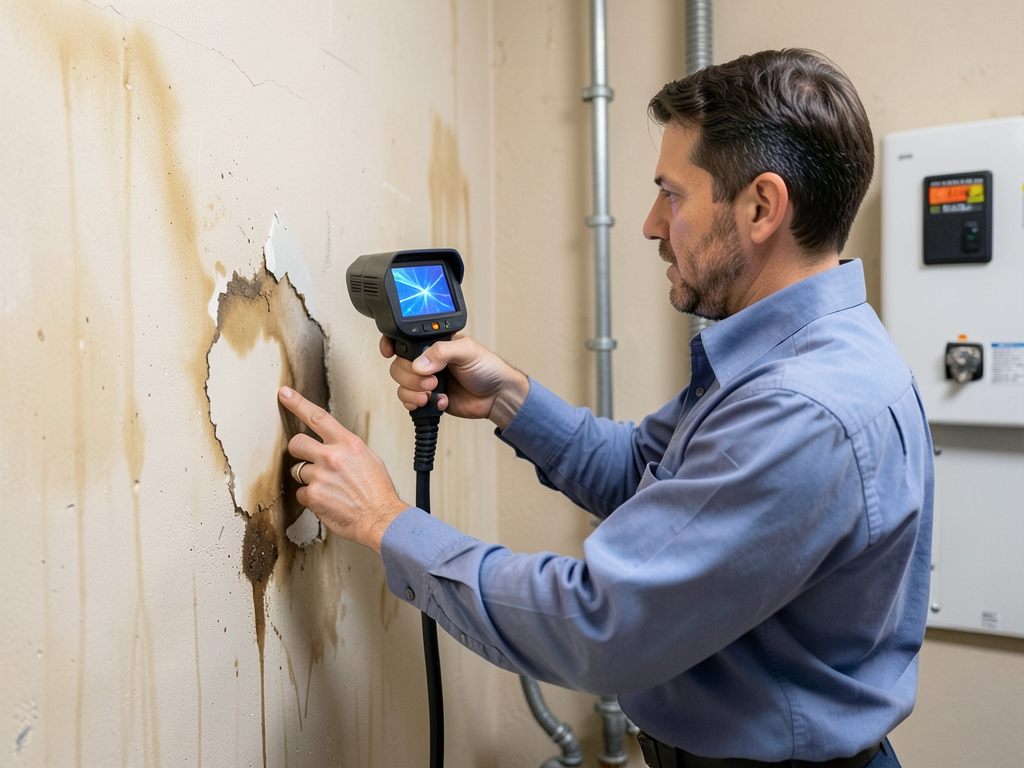
Is Your Tankless Water Heater Leaking in Mira Mesa Finding water pooling around your tankless water heater creates instant panic. The immediate concern becomes stopping the leak before it destroys your flooring, drywall, or cabinetry.…
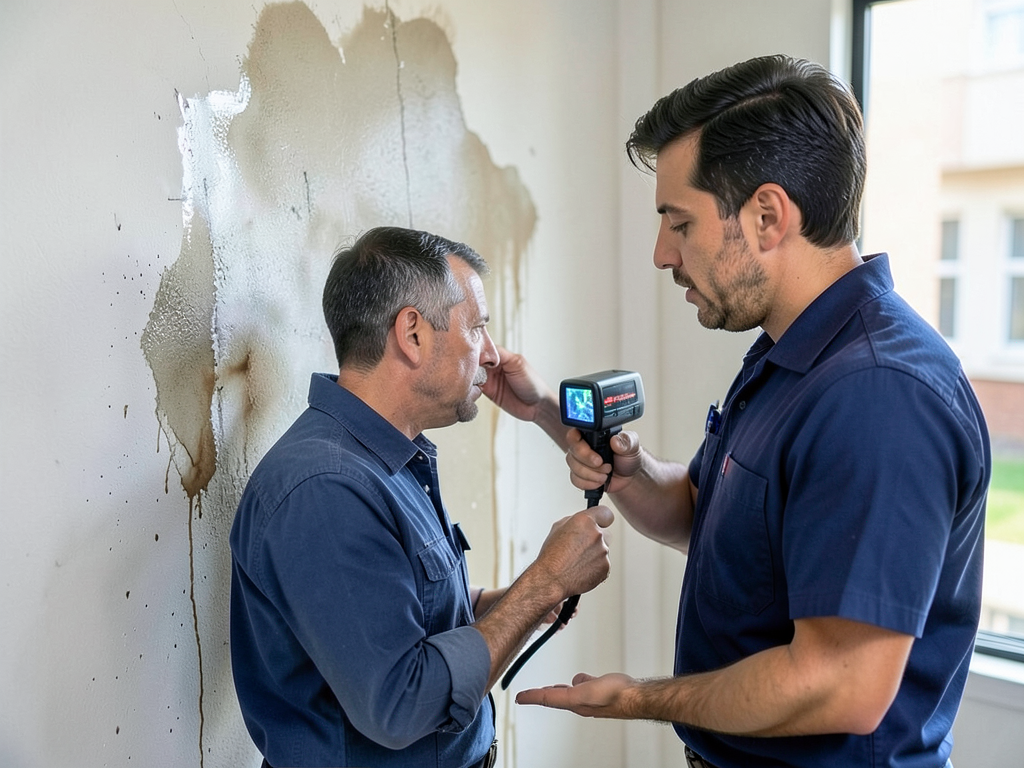
Who Pays for Water Damage When a Neighbor’s Leak Affects Your San Diego Condo Discovering…
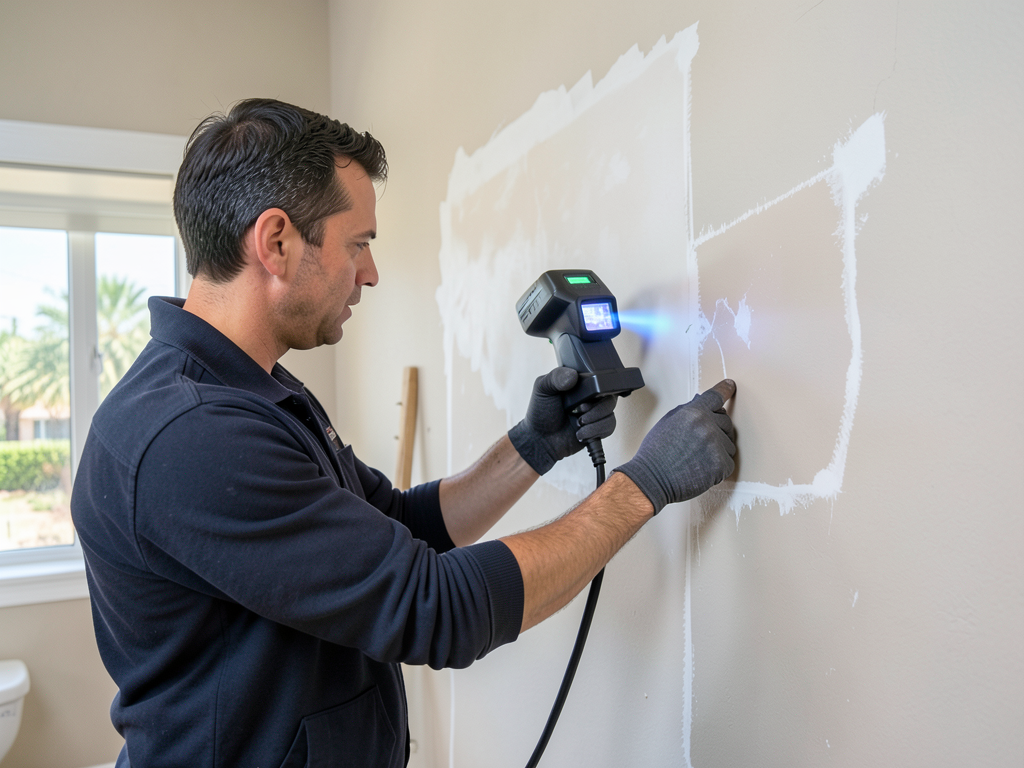
The Critical Steps Your Restoration Team Takes in the First Forty Eight Hours When water…
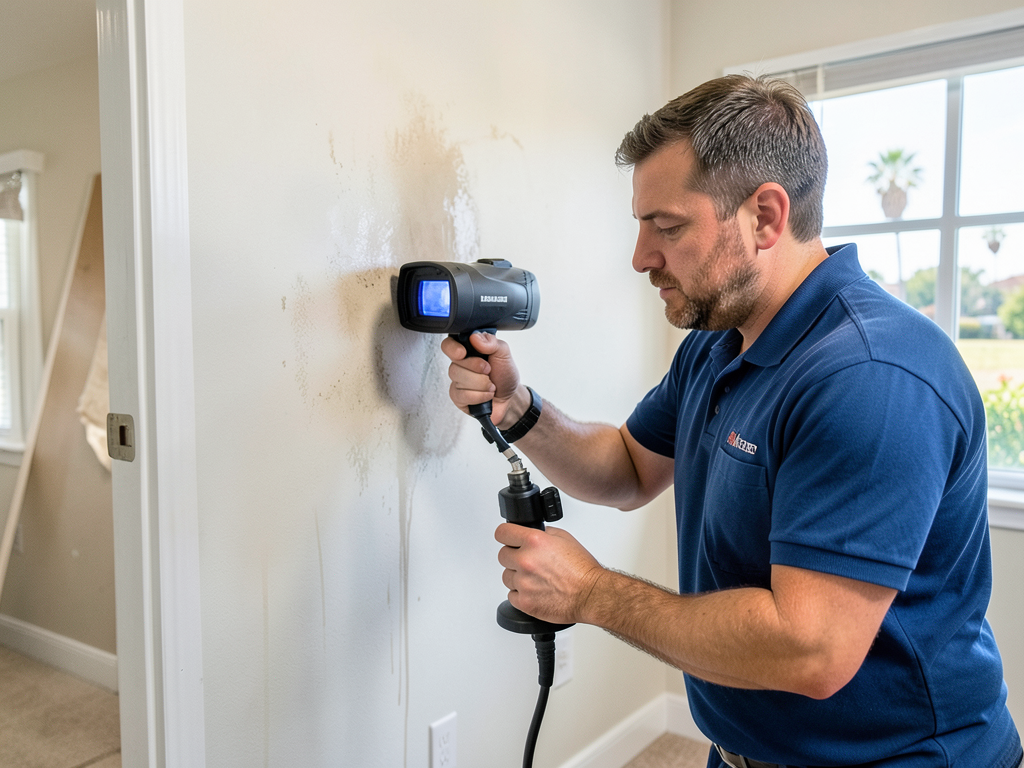
Should You Try In Place Drying or Choose a Full Rip Out After a San…
Water damage worsens every hour you wait. Call Keystone Water Damage Restoration San Diego immediately at (858) 203-2555 for 60-minute emergency response. Our crews are standing by with industrial extraction equipment, ready to stop the damage and start restoration right now.