


menu

Allergic Reactions in Home – San Diego's Mold and Water Damage Experts Stop Symptoms at the Source

If you're experiencing allergic reactions in your home, San Diego's coastal humidity and year-round mild climate create conditions where hidden water damage and mold thrive, triggering persistent symptoms you can't escape.

Slider Image 1
Slider Image 2
Slider Image 3
Slider Image 4
Slider Image 5
Slider Image 7
Slider Image 8
Slider Image 9
Slider Image 10
Slider Image 11

Why San Diego Homes Become Allergy Factories

You wake up with a scratchy throat. Your eyes itch. You sneeze the moment you walk into your bedroom. You assume it's seasonal, but the symptoms never stop.

San Diego's proximity to the Pacific Ocean creates consistent humidity levels between 60 and 75 percent. That moisture seeps into walls, attics, and crawl spaces. When combined with poor ventilation in older homes built before modern building codes, you get the perfect breeding ground for mold and mildew.

Indoor mold symptoms include chronic coughing, nasal congestion, skin rashes, and eye irritation. These are not seasonal allergies. These are water damage allergy triggers that persist because the source is inside your walls, under your floors, or above your ceiling.

Household mold allergies develop when you're exposed to spores over time. Mold colonies release mycotoxins into the air you breathe. Your body reacts. The reaction compounds. You feel worse every day.

Many San Diego homeowners discover the problem only after removing baseboards during a remodel. They find black staining, warped drywall, or a musty odor. By that point, mold exposure symptoms have already affected their respiratory health.

The issue is not always visible. Mold grows behind refrigerators, under sinks, inside HVAC ducts, and within wall cavities where slow leaks go unnoticed for months. Coastal neighborhoods like Ocean Beach, Point Loma, and La Jolla face higher risks due to salt air corrosion on plumbing fixtures and roof penetrations.

If you're experiencing mildew allergic reactions that don't respond to over-the-counter medication, the problem is structural, not medical. You need water damage restoration, not another bottle of antihistamines.

Why San Diego Homes Become Allergy Factories
How Water Damage Creates Chronic Allergy Triggers

How Water Damage Creates Chronic Allergy Triggers

Water damage does not always announce itself with a flooded kitchen. Most cases are silent and slow. A pinhole leak in a copper pipe. A cracked wax ring under a toilet. A poorly sealed shower pan. These small failures release moisture into building materials over weeks and months.

Drywall absorbs water like a sponge. Once the moisture content exceeds 20 percent, mold colonization begins within 24 to 48 hours. The mold species common to San Diego homes include Cladosporium, Penicillium, Aspergillus, and Stachybotrys. Each releases spores and volatile organic compounds that trigger immune responses.

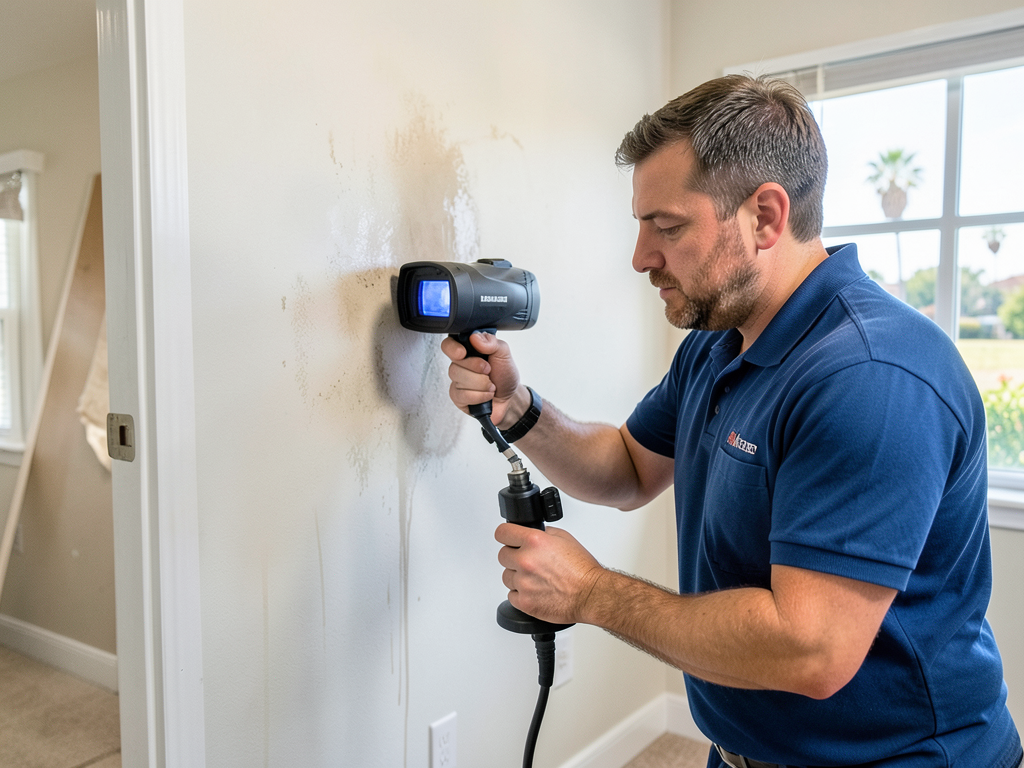
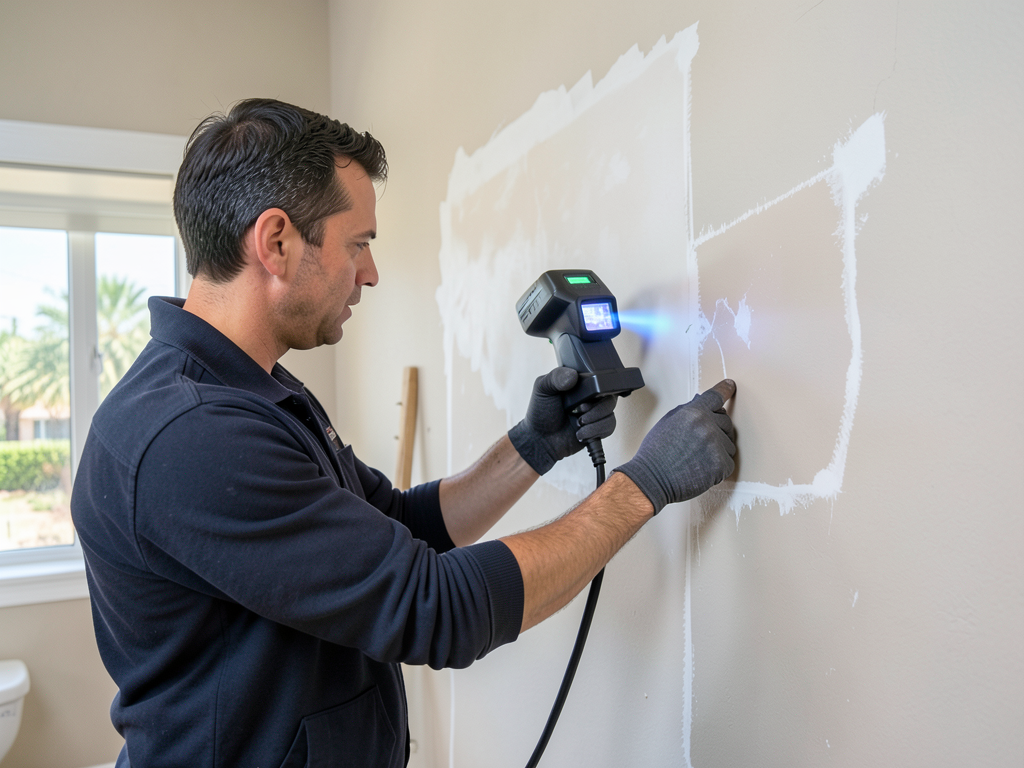
We use thermal imaging cameras to detect temperature variations behind walls. Cold spots indicate moisture accumulation. We measure humidity levels with hygrometers and test moisture content with pin-type and pinless meters. These tools reveal problems your eyes cannot see.

Once we locate the water source, we stop it. Then we remove contaminated materials. Mold cannot be cleaned off porous surfaces like drywall, insulation, or ceiling tiles. These materials must be cut out and disposed of according to EPA guidelines.

We set up containment barriers using polyethylene sheeting and negative air pressure to prevent cross-contamination. HEPA filtration units scrub airborne spores. Antimicrobial treatments are applied to framing and subfloors before reconstruction begins.

Dehumidification is critical. We deploy commercial-grade dehumidifiers and air movers to bring moisture levels below 50 percent. This prevents recolonization. We monitor conditions daily until readings stabilize.

The difference between a cosmetic fix and a health-focused restoration is in the methodology. Painting over mold or using bleach on drywall does nothing. The spores remain. The allergic reactions continue. Proper remediation removes the organic material mold feeds on.

What Happens When You Call Us for Allergic Reaction Relief

Allergic Reactions in Home – San Diego's Mold and Water Damage Experts Stop Symptoms at the Source
01

Emergency Moisture Assessment

We arrive at your San Diego home within hours of your call. Our technicians inspect every room where you experience symptoms. We use thermal imaging to scan walls, ceilings, and floors for hidden moisture. We document findings with photos and moisture readings. You receive a written assessment that identifies water sources and contamination zones before any work begins.
02

Containment and Removal

We isolate affected areas with plastic sheeting and create negative air pressure to stop spores from spreading. Contaminated drywall, insulation, and flooring are removed and bagged. HEPA vacuums capture particulates. We treat exposed framing with antimicrobial solutions. Dehumidifiers and air scrubbers run continuously. We monitor air quality and moisture levels until the environment is safe for reconstruction.
03

Rebuild and Prevention

Once the structure is dry and sanitized, we rebuild using mold-resistant drywall and moisture-resistant materials. We repair the plumbing or roofing failure that caused the problem. We install vapor barriers and improve ventilation where needed. You receive a final air quality report and documentation for insurance claims. Your home is safe. Your symptoms stop.

Why San Diego Homeowners Trust Keystone Water Damage Restoration

We understand how San Diego's marine layer and mild winters create year-round moisture problems. Homes built in the 1960s and 1970s lack the vapor barriers and flashing details required by current California building codes. Retrofit construction is common here, and we know where builders cut corners.

We are familiar with the Title 24 energy efficiency standards that affect ventilation requirements in San Diego County. Many homeowners seal their homes too tightly to save on cooling costs, trapping moisture inside. We balance energy efficiency with air exchange to prevent condensation and mold growth.

Our technicians are trained in IICRC water damage restoration protocols and Applied Microbial Remediation standards. We follow EPA guidelines for safe mold removal. We carry liability insurance and maintain proper licensing through the California Contractors State License Board.

We work directly with insurance adjusters to document losses and streamline claims. We provide itemized estimates, moisture logs, and photographic evidence. Most policies cover sudden water damage and resulting mold if reported promptly. We handle the paperwork so you can focus on your health.

Local knowledge matters. We know that homes in Clairemont and Allied Gardens often have cast iron sewer lines that corrode from the inside out. We know that Point Loma homes face saltwater corrosion on copper piping. We know that homes near Balboa Park deal with tree root intrusion into sewer laterals.

We do not subcontract. Our crews are employees, not day laborers. We run background checks. We maintain clean trucks and jobsites. We show up on time and communicate clearly.

You are not just a claim number. You are a San Diego resident dealing with a health crisis. We treat your home with the urgency it deserves.

What to Expect During Your Water Damage and Mold Remediation

Rapid Response Time

We answer calls 24 hours a day. If you call in the morning, we arrive the same day. If you call at midnight because you discovered a leak, we dispatch a crew within two hours. Water damage and mold growth accelerate quickly. Every hour you wait allows more contamination. We prioritize emergency calls and maintain on-call teams across San Diego County. You will speak to a live person, not an answering service. We schedule inspections immediately.

Comprehensive Inspection Protocol

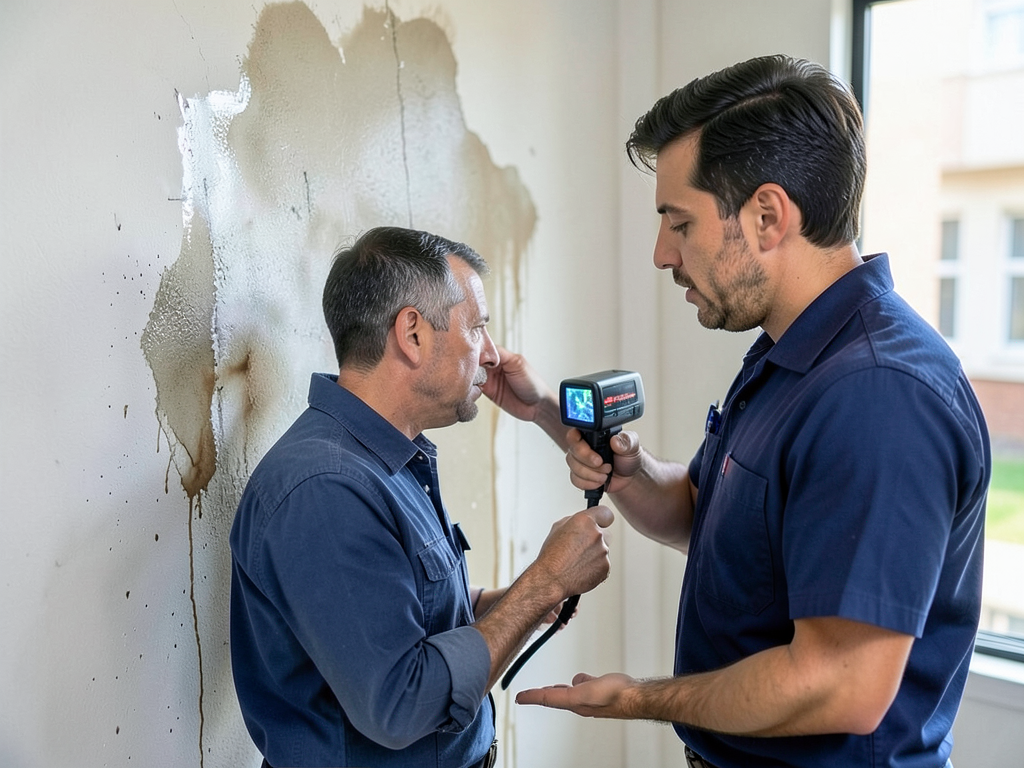
Our inspection includes thermal imaging, moisture mapping, and air quality sampling. We check attics, crawl spaces, and wall cavities. We test HVAC ducts for mold growth. We inspect plumbing fixtures, water heaters, and washing machine hoses. We document everything with photos and readings. You receive a written report that explains the source of your symptoms, the extent of contamination, and the scope of work required. We answer your questions in plain language.

Safe, Health-Focused Restoration

We do not use shortcuts. We remove contaminated materials completely. We do not spray chemicals on mold and call it fixed. We follow containment protocols to protect unaffected areas. We use hospital-grade HEPA filtration. We dry the structure to safe moisture levels before sealing it back up. We rebuild with materials designed to resist future mold growth. You receive air quality testing results that confirm your home is safe. Your symptoms will stop because the source is gone.

Insurance Coordination and Documentation

We document every step for your insurance claim. We provide moisture logs, photo evidence, and itemized estimates. We communicate directly with adjusters to explain the scope of damage and the necessity of remediation. Most homeowners policies cover sudden water damage and resulting mold if addressed promptly. We help you understand your coverage and advocate for full restoration. We accept insurance assignments and work within approved budgets. You are not left navigating the claims process alone.

Frequently Asked Questions

You Have Questions,
We Have Answers

What could be causing allergies in my house? +

Common indoor allergens in San Diego homes include dust mites thriving in our coastal humidity, mold spores from moisture buildup, pet dander, and pollen tracked inside. Older homes near neighborhoods like North Park or Ocean Beach often have hidden water damage behind walls, creating mold colonies. Poor ventilation traps allergens indoors. Carpet, upholstery, and bedding accumulate dust mites. If you notice symptoms worsening at home, inspect for water stains on ceilings or walls, musty odors, or condensation on windows. San Diego's mild climate means year-round allergen exposure without seasonal relief.

How do I figure out what I am allergic to in my house? +

Start by tracking when symptoms flare. Do you sneeze more in the bedroom or living room? An allergist can perform skin prick tests or blood work to identify specific triggers like dust mites, mold, or pet dander. At home, remove potential sources one at a time. Wash all bedding in hot water, vacuum with a HEPA filter, and relocate pets temporarily. If symptoms improve, you have found your culprit. For mold concerns in San Diego homes, check bathrooms, crawl spaces, and areas with past water intrusion. Professional mold testing provides definitive answers.

How to manage an allergic reaction at home? +

Remove yourself from the allergen source immediately. For mild reactions, take an over-the-counter antihistamine like cetirizine or loratadine. Rinse nasal passages with saline solution to flush out irritants. Apply a cool compress to itchy eyes. If you experience difficulty breathing, throat swelling, or dizziness, call 911. These signal anaphylaxis, a medical emergency. Keep your home clean by vacuuming with HEPA filters and controlling humidity below 50 percent to reduce mold and dust mites. San Diego's coastal air can carry moisture indoors, so use dehumidifiers in poorly ventilated spaces.

How do you treat an allergy cough? +

An allergy cough stems from postnasal drip or airway irritation. Use an antihistamine to dry up excess mucus. A nasal corticosteroid spray reduces inflammation in nasal passages. Drink plenty of water to thin mucus. Run a humidifier if San Diego's dry Santa Ana winds are making your throat scratchy, but keep humidity under 50 percent to avoid mold growth. Avoid known triggers like dust, pet dander, or mold. If the cough persists beyond two weeks or worsens at night, see a doctor to rule out asthma or sinus infection.

How to test your house for allergens? +

Purchase a home allergen test kit online or from local pharmacies in San Diego. These kits test dust samples for common triggers like dust mites, mold spores, pet dander, and cockroach droppings. Collect samples from bedding, carpets, and HVAC vents. Mail samples to a lab for analysis. For mold concerns, hire a certified indoor air quality specialist to conduct surface sampling or air testing. This is critical in San Diego homes with past water damage or plumbing leaks. Professional testing identifies hidden mold behind drywall or under flooring that DIY kits miss.

What could I be allergic to in my own house? +

You could react to dust mites in bedding and carpets, mold spores from water damage or humidity, pet dander, cockroach droppings, or pollen tracked indoors. San Diego homes near eucalyptus groves or coastal areas face higher mold risk due to moisture. Volatile organic compounds from cleaning products, paint, or new furniture can also trigger respiratory symptoms. Check for musty smells in bathrooms, laundry rooms, or crawl spaces. Inspect HVAC ducts for dust buildup. Even homes without visible water damage can harbor allergens in hidden cavities or poorly ventilated attics.

Do air purifiers help allergies? +

Yes, air purifiers with true HEPA filters capture 99.97 percent of airborne particles, including pollen, pet dander, and mold spores. They reduce allergen load but do not eliminate sources. Place units in bedrooms and common areas where you spend the most time. In San Diego, coastal moisture and Santa Ana winds bring varied allergens indoors year-round. Choose purifiers rated for your room size and run them continuously. Clean or replace filters monthly. Air purifiers work best alongside source control, like fixing leaks, removing moldy materials, and regular vacuuming with HEPA-equipped machines.

Can mold cause allergic reactions? +

Absolutely. Mold releases spores and mycotoxins that trigger sneezing, coughing, itchy eyes, skin rashes, and respiratory distress. People with asthma or compromised immune systems face severe reactions. San Diego's coastal humidity and older homes with poor ventilation create ideal mold conditions. Common hiding spots include bathrooms, under sinks, behind appliances, and inside wall cavities after water damage. Even small leaks from plumbing or roof penetrations feed mold growth. If you smell musty odors or see discoloration on walls, investigate immediately. Professional remediation removes mold safely and addresses moisture sources to prevent recurrence.

Why am I congested in my house but not outside? +

Indoor air often contains concentrated allergens like dust mites, mold, pet dander, and volatile organic compounds that outdoor air disperses. San Diego homes trap moisture from coastal fog or poor ventilation, fueling mold growth. Your HVAC system may recirculate dust and allergens if filters are dirty. Carpets, upholstery, and bedding act as allergen reservoirs. Outside, breezes dilute irritants. If you feel better outdoors, inspect your home for water damage, check HVAC filters, and measure indoor humidity. Levels above 50 percent encourage dust mites and mold. Increase ventilation and address moisture sources promptly.

How do you know if you have dust mites? +

Dust mites are invisible to the naked eye. You will experience symptoms like sneezing, runny nose, itchy eyes, or nighttime coughing, especially in bed. San Diego's humidity supports dust mite populations in mattresses, pillows, and carpets. Look for worsening symptoms after sleeping or vacuuming. Purchase a dust mite test kit to confirm presence in bedding. Encase mattresses and pillows in allergen-proof covers. Wash bedding weekly in hot water above 130 degrees Fahrenheit. Vacuum carpets with a HEPA filter. Reduce indoor humidity below 50 percent to limit their reproduction.

How San Diego's Coastal Climate Fuels Hidden Mold and Persistent Allergic Reactions

San Diego's average relative humidity hovers between 60 and 75 percent year-round due to marine layer influence from the Pacific. This constant moisture level creates ideal conditions for mold growth, especially in homes with poor attic ventilation or inadequate crawl space vapor barriers. Neighborhoods near the coast, including La Jolla, Pacific Beach, and Coronado, face additional challenges from salt air corrosion that weakens plumbing joints and roof flashing. When small leaks develop, the ambient humidity accelerates mold colonization. You experience chronic indoor mold symptoms because the spores are always present, thriving in dark, damp spaces you cannot see.

San Diego County enforces Title 24 energy codes that emphasize air sealing for efficiency. While this reduces cooling costs, it also traps moisture inside homes without adequate mechanical ventilation. We work with local building inspectors and understand how to balance energy compliance with mold prevention. Our team is familiar with the construction methods common in San Diego's diverse housing stock, from mid-century ranch homes in Kensington to modern condos downtown. We know where water intrusion occurs and how to fix it permanently. Choosing a local restoration company means you get technicians who understand your home's construction and the climate challenges unique to this region.
Water Damage Restoration Services in The San Diego Area

We are proud to serve the entire San Diego area and invite you to view our service region on the map below. While our emergency response team is mobile and always ready to dispatch to your location rapidly, our central operations base allows us to coordinate efficient service across all of San Diego County. Contact us today for immediate assistance, no matter where your property is located within our service area.

Address:
Keystone Water Damage Restoration San Diego, 4445 Eastgate Dr, San Diego, CA, 92121

Additional Services We Offer

Our news updates

Latest Articles & News from The Blogs

Who Pays for Water Damage When a Neighbor’s Leak Affects Your San Diego Condo Discovering water damage in your condo…

Navigating Liability When a Neighbors Apartment Leaks into Your San Diego Condo

Who Pays for Water Damage When a Neighbor’s Leak Affects Your San Diego Condo Discovering water damage in your condo…

The Critical Steps Your Restoration Team Takes in the First Forty Eight Hours

The Critical Steps Your Restoration Team Takes in the First Forty Eight Hours When water invades your home in San…

Should You Try In Place Drying or Choose a Full Rip Out After a San Diego Flood

Should You Try In Place Drying or Choose a Full Rip Out After a San Diego Flood San Diego homeowners…

Contact Us

You do not have to live with chronic symptoms. Call Keystone Water Damage Restoration San Diego at (858) 203-2555 right now. We will inspect your home, locate the source, and restore your air quality. Your health depends on it.