menu

Emergency Roof Leak Tarping in San Diego – 24/7 Dispatch Stops Water Damage in Minutes

When your roof fails, every minute counts. Our emergency roof tarping crews arrive fast across San Diego with heavy-duty waterproof barriers to stop active leaks, protect your property, and prevent thousands in additional water damage while permanent repairs are scheduled.

Slider Image 1
Slider Image 2
Slider Image 3
Slider Image 4
Slider Image 5
Slider Image 7
Slider Image 8
Slider Image 9
Slider Image 10
Slider Image 11

Why San Diego Roofs Fail Without Warning

A roof leak does not wait for business hours. San Diego's coastal weather patterns create unique roof vulnerabilities that catch homeowners off guard. The marine layer keeps humidity high overnight, while intense afternoon sun causes repeated thermal expansion and contraction. This cycle weakens adhesive seals, cracks tile underlayment, and fatigues flashing around penetrations.

When storms roll in from the Pacific, older roofs in neighborhoods like Point Loma and Ocean Beach often fail at valleys and vent boots. Tile roofs, common throughout Clairemont and La Jolla, hide deteriorated felt paper until water suddenly pours through ceilings. The problem accelerates fast. What starts as a small drip can saturate drywall, warp flooring, and trigger mold growth within 48 hours.

You need emergency roof tarp installation the moment you see water. Urgent roof tarping services protect your home while you arrange permanent repairs. An emergency temporary roof covering acts as a critical barrier between your interior and the elements. Our 24 hour roof tarping teams understand that San Diego's unpredictable January and February storms require immediate response. We provide emergency roof leak tarp service across the county because we know how quickly coastal moisture infiltrates compromised roof systems.

The question is not whether you need help. The question is how fast you can get a waterproof barrier in place before structural damage multiplies your repair bill.

Why San Diego Roofs Fail Without Warning
How We Secure Your Roof Against Further Water Intrusion

How We Secure Your Roof Against Further Water Intrusion

Emergency roof tarping is not about throwing plastic over a hole. It requires precise damage assessment, proper material selection, and secure attachment methods that withstand wind uplift.

Our crews arrive with commercial-grade polyethylene tarps rated for high tensile strength and UV resistance. We do not use hardware store tarps that rip in 15 mph winds. Each installation begins with a roof inspection to identify the primary failure point and trace the water path. Leaks rarely appear directly below the entry point. Water travels along rafters and sheathing before dropping through ceilings, sometimes 10 feet from the actual breach.

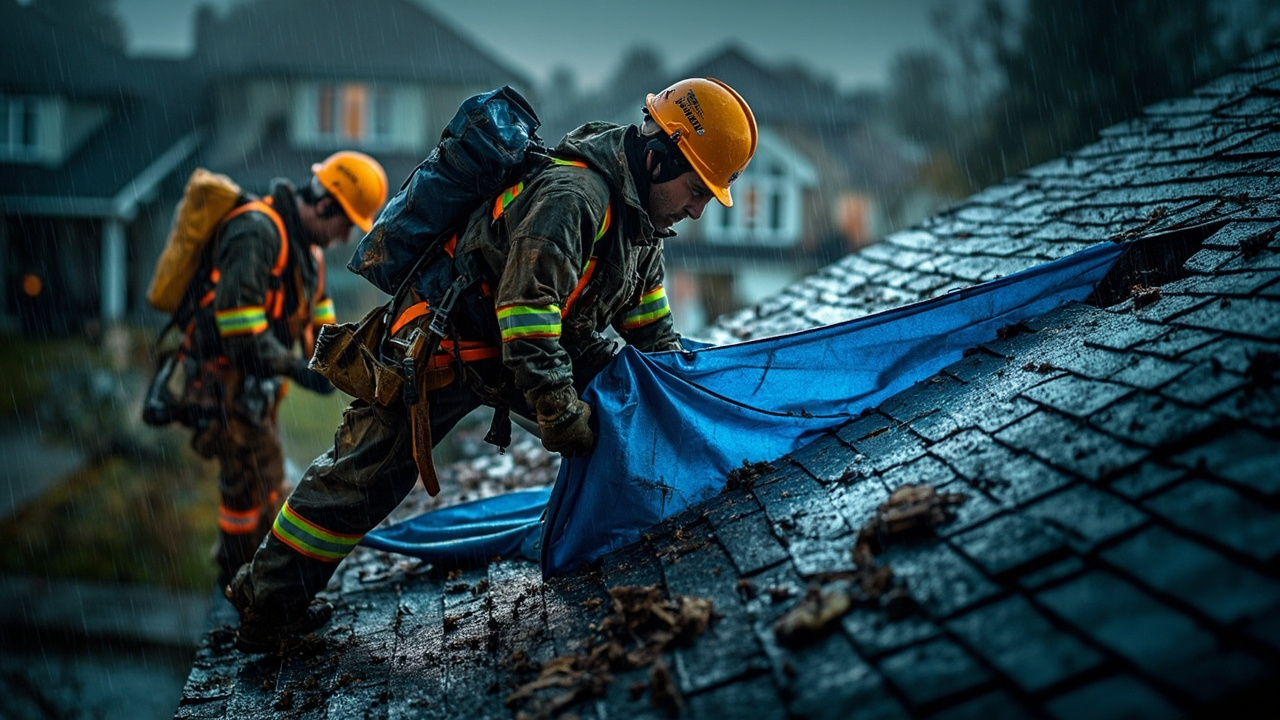
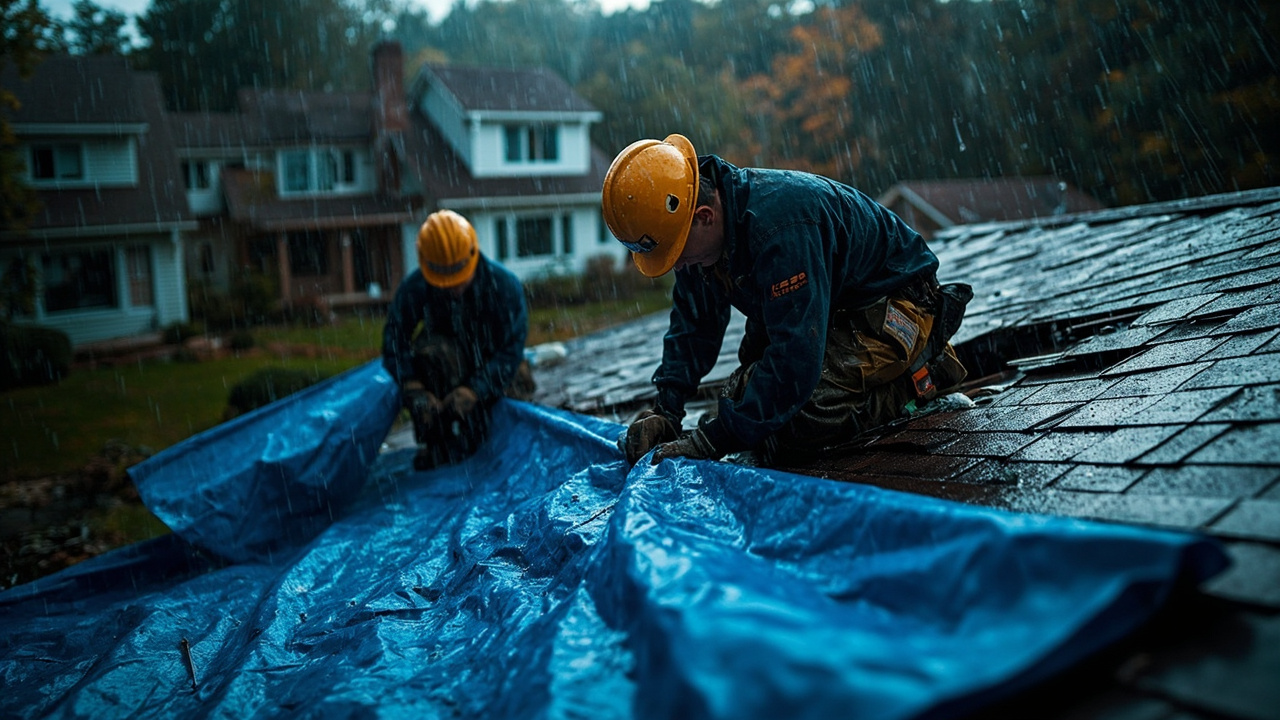
We measure the damaged section and extend tarp coverage at least three feet beyond the compromised area in all directions. This overlap prevents wind-driven rain from migrating under edges. Attachment points use 2x4 battens secured through the tarp into solid roof decking, never just into shingles or tiles. We space fasteners every 18 inches along battens to distribute tension and prevent tear-out during Santa Ana wind events.

For tile roofs, we carefully lift and reset tiles along the tarp perimeter to create a shingled overlap that channels water away from the seal. On flat or low-slope roofs common in commercial buildings throughout Kearny Mesa, we use weighted sandbags on tarp edges to avoid additional penetrations while maintaining downward pressure.

The goal is a weathertight temporary seal that holds for weeks, not days, giving you time to schedule permanent repairs without panic or pressure.

What Happens When You Call for Emergency Tarping

Emergency Roof Leak Tarping in San Diego – 24/7 Dispatch Stops Water Damage in Minutes
01

Immediate Dispatch and Assessment

You call our emergency line, and we dispatch a crew within 60 minutes. While en route, we ask about leak location, roof type, and visible damage to prepare the right materials. Upon arrival, our technician inspects your attic and exterior roof to map water entry points, check for hidden saturation in insulation or framing, and determine tarp dimensions. This takes 15 minutes. We document everything with photos for your insurance claim.
02

Tarp Installation and Securing

We position the tarp to cover the damaged area with sufficient overlap, then anchor it using batten strips and corrosion-resistant fasteners. For steep-pitch roofs, we use roof harnesses and fall protection. The tarp is pulled taut to prevent pooling and secured at all edges. On tile roofs, we reset tiles over tarp edges to maintain the original drainage plane. Installation typically takes 45 to 90 minutes depending on roof complexity and access challenges.
03

Interior Protection and Documentation

Once the roof is sealed, we assess interior water damage. We place fans or dehumidifiers if necessary to prevent mold development. You receive a detailed report with photos of the tarp installation, damage extent, and recommended next steps. We coordinate with your insurance adjuster if needed. The tarp remains effective for several weeks, giving you breathing room to schedule permanent roof repairs without water continuing to destroy your home's interior and structure.

Why San Diego Homeowners Trust Keystone Water Damage Restoration

Roof emergencies require local expertise. We understand how San Diego's coastal climate, building styles, and weather patterns affect roof performance. Most homes here have either concrete tile, clay tile, or composition shingle roofs. Each requires different tarping techniques. Tile roofs need careful lifting to avoid breakage. Composition roofs need fasteners placed in solid decking, not deteriorated plywood.

We know the neighborhoods where older roofs are most vulnerable. Homes built in the 1970s and 1980s throughout Tierrasanta, Scripps Ranch, and Mira Mesa often have original roof systems near the end of their service life. We have tarped hundreds of roofs in these areas and understand the common failure points: valley flashing separation, ridge cap deterioration, and skylight seal breakdown.

Our crews carry equipment for every scenario. We have extension ladders, roof harnesses, battery-powered drills, and generator-powered tools when your electricity is out. We stock multiple tarp sizes and heavy-duty battens. We arrive prepared because we have seen it all in San Diego.

You also need a company that understands the insurance claims process. We document damage thoroughly, provide written estimates, and communicate directly with adjusters. Many homeowners do not realize that emergency tarping is often covered under their policy as part of damage mitigation. We help you navigate that conversation so you are not paying out of pocket for emergency protection that should be covered.

Local knowledge matters. We respond faster because we are based here. We understand San Diego building codes and work with local roofing contractors you will need for permanent repairs. When your roof fails, you need a team that knows this city.

What to Expect During Emergency Roof Tarping

Response Time and Availability

We operate 24 hours a day, seven days a week, including holidays. When you call our emergency line, you speak to a live person who dispatches a crew immediately. Our average response time is 60 minutes across most San Diego neighborhoods, faster in centrally located areas like Mission Valley and North Park. We do not put you on a waiting list or schedule for the next business day. Roof leaks cause exponential damage with every passing hour. Our trucks are stocked and ready to roll the moment you call. You get a confirmed arrival time within minutes of your call, and we update you if traffic or distance affects that estimate.

Damage Evaluation and Scope

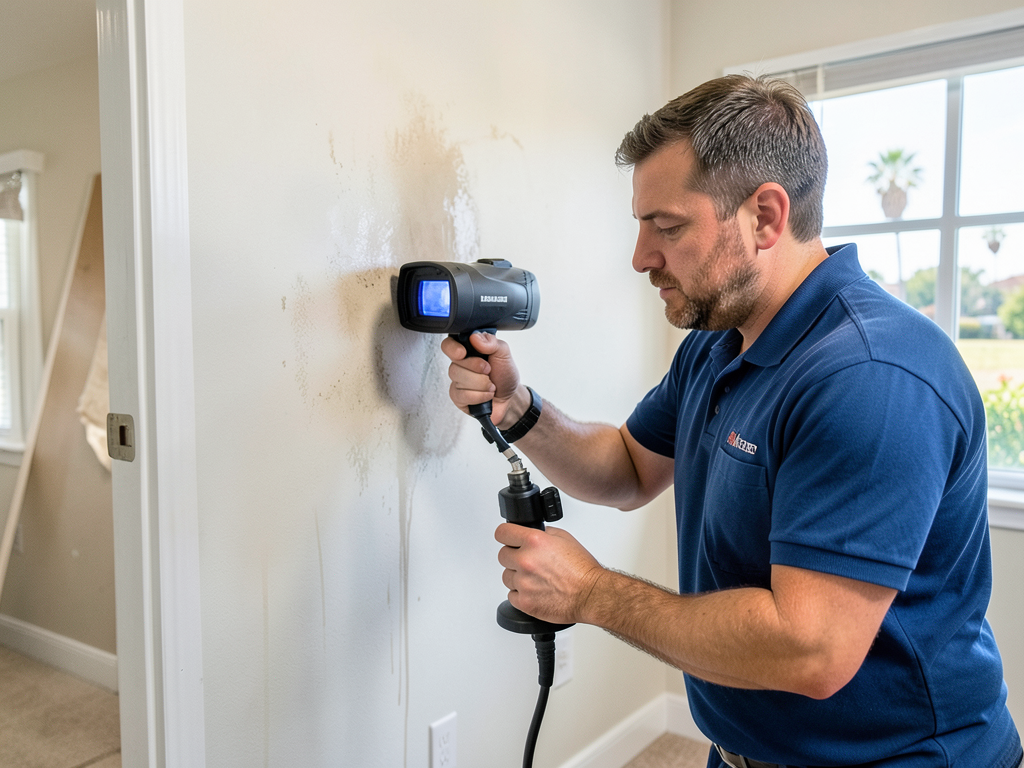
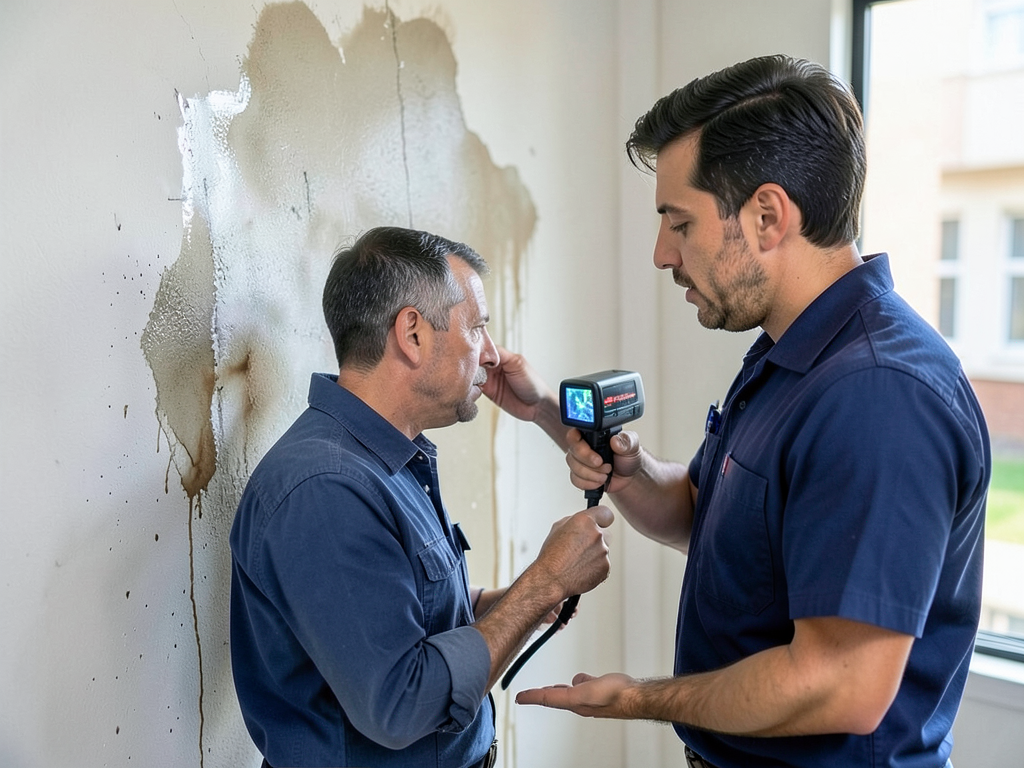
Before we install the tarp, we conduct a full roof and attic inspection. This identifies all entry points, not just the obvious one. We check for hidden water damage in sheathing, rafters, and insulation. We measure moisture levels in affected areas using infrared cameras and moisture meters. This information is critical for your insurance claim and for planning permanent repairs. We provide a written assessment on site, including photos and notes. You will know exactly what failed, how much area is compromised, and what temporary and permanent solutions are needed. This transparency helps you make informed decisions without pressure.

Quality of Temporary Protection

Our tarps are not temporary in the flimsy sense. We use heavy-duty reinforced polyethylene designed for commercial applications. The material resists tearing, UV degradation, and wind uplift. Our installation method uses mechanical fastening through battens, not adhesive or weights alone. This creates a secure, weather-resistant barrier that holds up through multiple rain events and high winds. The tarp remains effective for weeks or even months if necessary, though we recommend permanent repairs as soon as possible. You will not wake up to a blown-off tarp and renewed water damage. Our installations stay put.

Follow-Up and Repair Coordination

After tarping, we do not disappear. We follow up within 48 hours to confirm the tarp is holding and no new leaks have developed. We can coordinate with your insurance adjuster and provide detailed documentation they require. If you need help finding a qualified roofing contractor for permanent repairs, we provide referrals to licensed professionals we trust. We also offer water damage restoration services if your interior sustained damage before the tarp was installed. Our goal is not just to stop the leak but to guide you through the entire recovery process. You have a point of contact throughout.

Frequently Asked Questions

You Have Questions,
We Have Answers

Can I put a tarp on my roof to stop leaks? +

Yes, you can tarp your roof to stop leaks, but only as an emergency temporary measure. If you feel safe accessing your roof, use a heavy-duty polyethylene tarp, secure it over the damaged area, and anchor it with 2x4 boards (never just nails, which create new holes). In San Diego, sudden winter storms and occasional heavy rains make quick action critical. However, climbing on a wet or damaged roof is dangerous. If the damage is extensive or you are unsure, call a professional immediately. A proper emergency tarp prevents further water intrusion and protects your home until permanent repairs can happen.

How to emergency tarp a roof? +

To emergency tarp a roof, first locate the leak from inside your home, then access the roof safely using a sturdy ladder. Lay a heavy-duty tarp over the damaged section, extending at least 4 feet beyond the leak on all sides. Secure the tarp using 2x4 boards placed along the edges and fastened with screws into solid decking (not shingles). Ensure the tarp runs over the roof peak if possible to prevent water pooling. In San Diego, wind gusts during storm fronts can dislodge poorly secured tarps, so proper anchoring is essential. If conditions are unsafe, stop and call professionals immediately.

How much does it cost to emergency tarp a roof? +

Emergency roof tarping in San Diego typically costs between a few hundred to over a thousand dollars, depending on roof size, pitch, accessibility, and damage extent. A simple residential tarp for minor damage costs less than a complex multi-story home with steep slopes. Most reputable contractors offer 24/7 emergency tarping services and can work directly with your insurance company. Many insurers cover emergency mitigation costs, including tarping, under your policy. Do not delay tarping due to cost concerns. Water damage compounds quickly, and a tarp installed within hours can save thousands in structural repairs, mold remediation, and interior restoration.

Will Fema put a tarp on my roof? +

FEMA may provide temporary roof tarping through its Blue Roof program, but only in federally declared disaster areas following major events like hurricanes or severe storms. This program is not available for individual isolated roof leaks or minor storm damage in San Diego under normal conditions. FEMA assistance requires a presidential disaster declaration and is typically deployed only after catastrophic events. For standard roof leaks, even during heavy rain, you must arrange tarping through private contractors or your homeowner's insurance. Do not wait for government assistance during an active leak. Act immediately to prevent escalating water damage and structural issues.

How do you stop a leaking roof during heavy rain? +

Stop a leaking roof during heavy rain by immediately placing buckets or containers under active leaks inside your home to catch water and prevent floor damage. Move furniture, electronics, and valuables away from the leak zone. If safe, access your attic and place a tarp or plastic sheeting under the leak to funnel water into a bucket. From outside, if conditions allow and you can do so safely, place a tarp over the damaged area. In San Diego, winter storms can intensify quickly. If the leak is severe or accessing the roof is unsafe, call emergency roofing services immediately. Do not risk injury attempting repairs in dangerous conditions.

Why are people putting blue tarps on their roof? +

People put blue tarps on roofs as emergency protection after storm damage, leaks, or while awaiting permanent repairs. The blue color comes from standard polyethylene tarps commonly used in construction and disaster response. In San Diego, you will see blue tarps after heavy winter rains or wind events that damage shingles, flashing, or underlayment. Tarps prevent further water intrusion, protect interior spaces, and buy time until contractors can schedule full repairs. Insurance companies often require immediate tarping as part of your duty to mitigate damage. A visible tarp also signals to adjusters that you took prompt action to protect your property.

How to temporarily cover a leaking roof? +

Temporarily cover a leaking roof by using a heavy-duty polyethylene tarp secured with wooden boards and screws. Locate the leak source, then extend the tarp at least 4 feet beyond the damaged area on all sides. Anchor the tarp using 2x4 boards screwed into solid roof decking to prevent wind uplift. In San Diego, westerly winds during storms can quickly tear loose improperly secured tarps. Ensure the tarp lies flat without wrinkles or pooling areas where water can collect. Avoid using nails alone, as they create additional penetration points. This method protects your home until a roofing professional can perform permanent repairs.

Can I apply roof Maxx myself? +

Roof Maxx is a proprietary roof rejuvenation treatment applied by certified dealers only. You cannot apply Roof Maxx yourself because the product is not sold to consumers and requires specific application equipment, training, and certification. Roof Maxx is designed to restore aged asphalt shingles by replenishing their flexibility, not to address active leaks or emergency damage. If you have a roof leak in San Diego, tarping and immediate repair are your priorities, not rejuvenation treatments. Focus on stopping water intrusion now. After permanent repairs, you can explore maintenance treatments like Roof Maxx through certified professionals to extend your roof's lifespan.

How long will a tarped roof last? +

A properly installed emergency tarp can last several weeks to a few months, depending on weather conditions, tarp quality, and securement method. In San Diego, tarps face UV exposure, occasional rain, and wind gusts that gradually degrade the material and loosen fasteners. Heavy-duty polyethylene tarps with reinforced grommets and proper 2x4 board anchoring last longer than lightweight tarps with nail-only securement. However, tarps are temporary solutions only. Prolonged tarping increases the risk of wind damage, water infiltration at seams, and further roof deterioration. Schedule permanent repairs as quickly as possible. Do not rely on a tarp for long-term protection.

How much does insurance pay for tarping? +

Most homeowner's insurance policies cover emergency tarping costs as part of your duty to mitigate further damage after a covered loss. Insurance typically reimburses reasonable tarping expenses, which can range from a few hundred to over a thousand dollars depending on damage extent and roof complexity. In San Diego, document the damage with photos, keep all receipts, and notify your insurer immediately. Some policies have specific limits for emergency mitigation, but tarping is almost always covered if the underlying cause (storm, wind, fallen tree) is a covered peril. Contact your adjuster quickly and ask about direct billing to simplify the claims process.

How San Diego's Marine Climate Accelerates Roof Leak Damage

San Diego's proximity to the Pacific creates persistent overnight humidity that most residents do not think about until it causes problems. When a roof fails, that moisture accelerates interior damage faster than in drier climates. Drywall and insulation absorb water quickly in humid conditions. Mold spores begin colonizing within 24 to 48 hours when organic materials stay damp. The marine layer keeps things from drying out naturally, even after rain stops. This is why emergency roof tarp installation is critical here. A small leak left exposed for even one night can lead to extensive mold remediation and structural drying costs. Urgent roof tarping services prevent that cascade by creating an immediate waterproof barrier.

San Diego County has specific building codes for roof installations, particularly regarding wind uplift resistance in coastal zones. Any contractor you hire for permanent repairs must understand these requirements. Keystone Water Damage Restoration works exclusively with licensed professionals who know local code. We also understand the permitting process in different municipalities across the county, from Chula Vista to Carlsbad. When you need emergency temporary roof covering, you want a company that knows how this city works. We have relationships with local building inspectors, insurance adjusters, and roofing contractors. That network gets your home protected and repaired faster than calling a generic national service with no local presence.
Water Damage Restoration Services in The San Diego Area

We are proud to serve the entire San Diego area and invite you to view our service region on the map below. While our emergency response team is mobile and always ready to dispatch to your location rapidly, our central operations base allows us to coordinate efficient service across all of San Diego County. Contact us today for immediate assistance, no matter where your property is located within our service area.

Address:
Keystone Water Damage Restoration San Diego, 4445 Eastgate Dr, San Diego, CA, 92121

Additional Services We Offer

Our news updates

Latest Articles & News from The Blogs

Who Pays for Water Damage When a Neighbor’s Leak Affects Your San Diego Condo Discovering water damage in your condo…

Navigating Liability When a Neighbors Apartment Leaks into Your San Diego Condo

Who Pays for Water Damage When a Neighbor’s Leak Affects Your San Diego Condo Discovering water damage in your condo…

The Critical Steps Your Restoration Team Takes in the First Forty Eight Hours

The Critical Steps Your Restoration Team Takes in the First Forty Eight Hours When water invades your home in San…

Should You Try In Place Drying or Choose a Full Rip Out After a San Diego Flood

Should You Try In Place Drying or Choose a Full Rip Out After a San Diego Flood San Diego homeowners…

Contact Us

Do not wait for more water to pour in. Call Keystone Water Damage Restoration San Diego at (858) 203-2555. Our emergency roof tarping crew will be at your door in under an hour, ready to secure your roof and stop the damage. We are available right now.