

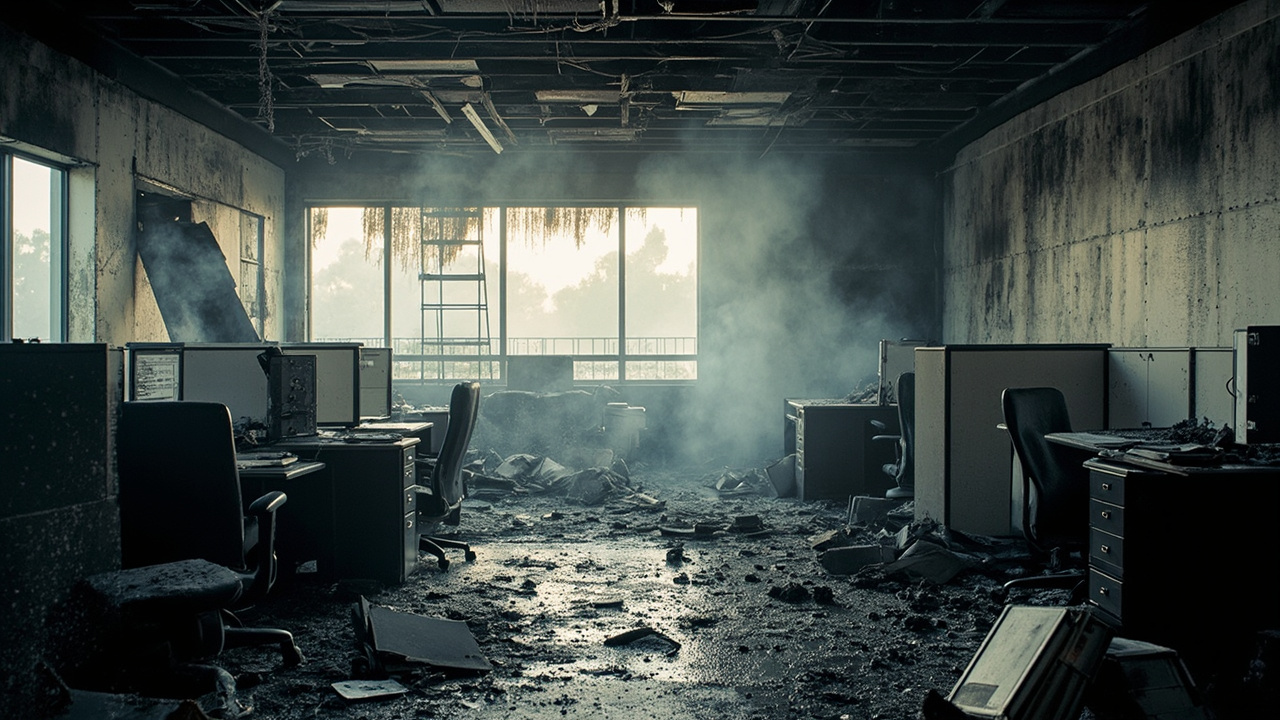
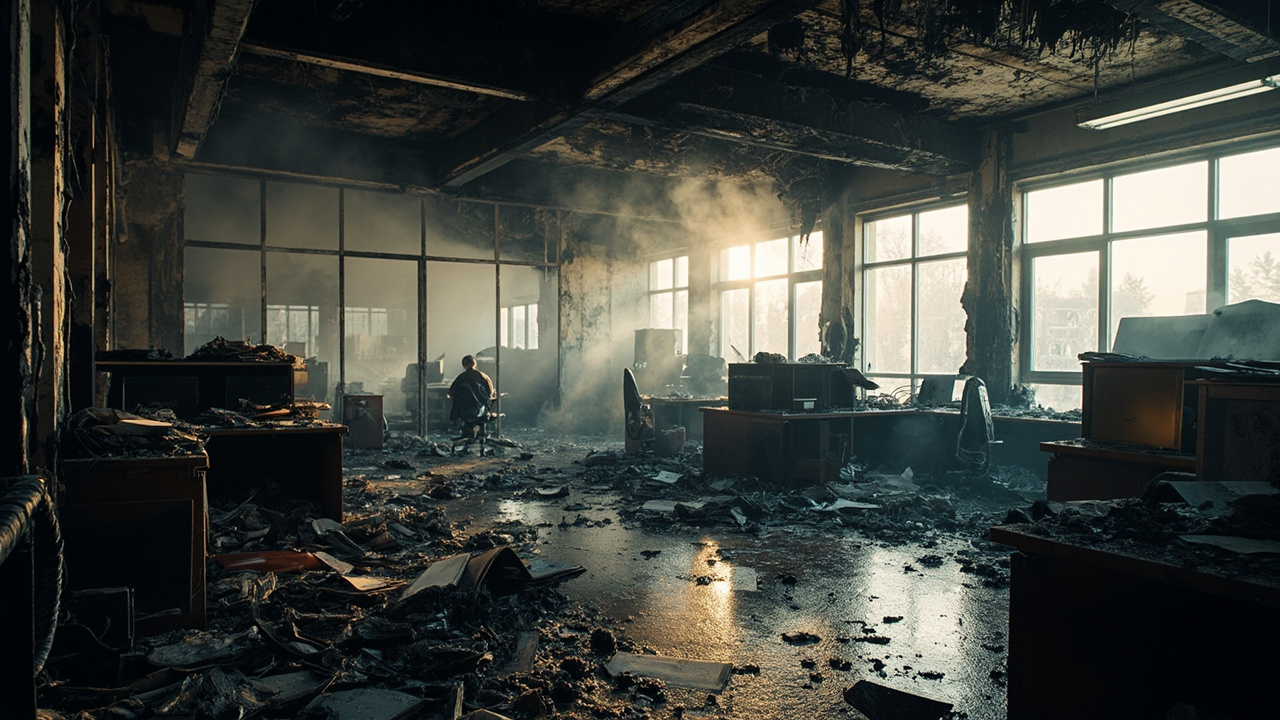
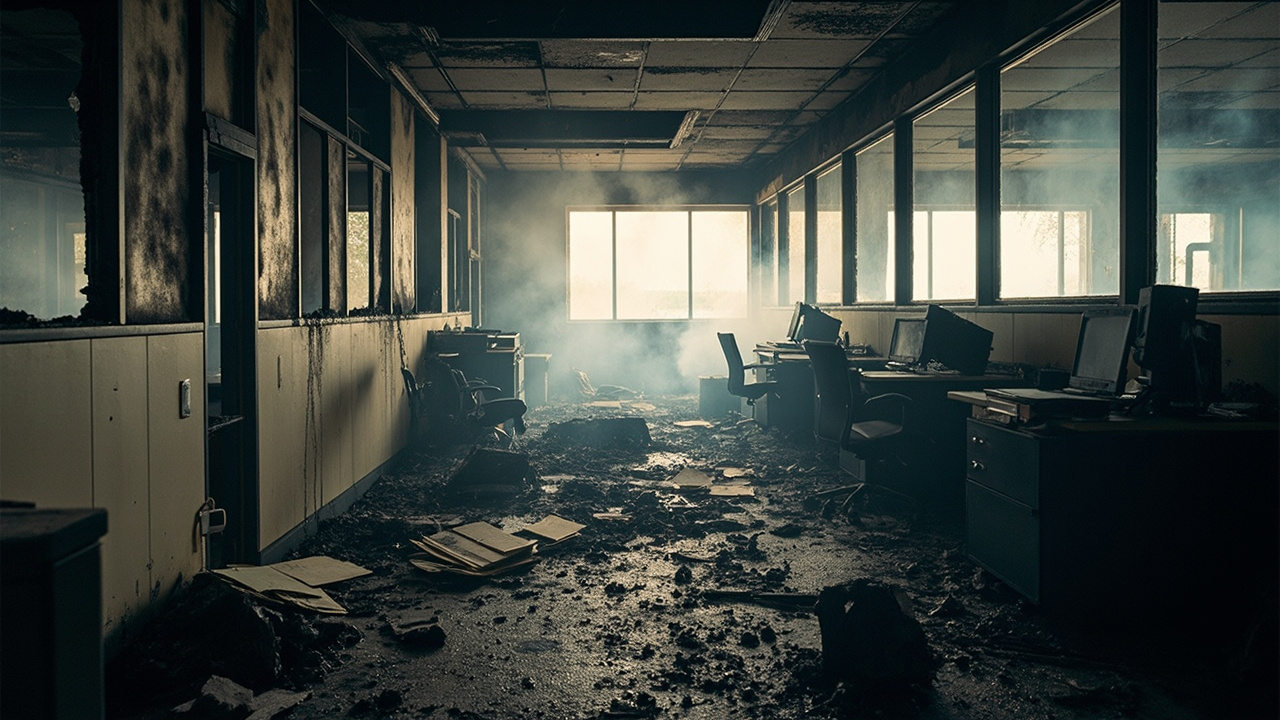
San Diego's proximity to the Pacific Ocean creates a persistent marine layer that raises humidity levels year-round. When fire damage occurs, soot and smoke residue absorb moisture from the air, forming acidic compounds that corrode metal, etch glass, and degrade electrical components faster than in dry climates. Commercial soot removal must include corrosion inhibitors and neutralizing agents to prevent this accelerated deterioration. Facilities near the coast or in neighborhoods like La Jolla, Point Loma, and Pacific Beach face even higher exposure. Incomplete cleanup leads to equipment failure, cosmetic damage, and increased long-term repair costs.
California's stringent fire and life safety codes add another layer of complexity to commercial fire damage restoration in San Diego. Any structural work requires permits, inspections, and compliance with Title 24 fire resistance standards. Local fire marshals enforce strict air quality thresholds before allowing reoccupancy, and OSHA regulations govern worker exposure during cleanup. Choosing a commercial smoke remediation provider familiar with San Diego's Development Services Department permitting process and city inspection protocols reduces delays. Local expertise ensures your facility meets code, passes inspections, and reopens on schedule.