menu

Water Damage Restoration in San Diego – Full-Service Mitigation for Homes and Commercial Properties

Complete water damage repair, cleanup, and remediation services across San Diego County, from emergency water extraction to structural drying and mold prevention, delivered by certified technicians with advanced moisture detection equipment.

Slider Image 1
Slider Image 2
Slider Image 3
Slider Image 4
Slider Image 5
Slider Image 7
Slider Image 8
Slider Image 9
Slider Image 10
Slider Image 11

Why San Diego Properties Face Hidden Water Damage Risks

San Diego's coastal proximity and marine layer create conditions many homeowners underestimate. Morning fog penetrates aging window seals, older homes in neighborhoods like North Park and Mission Hills lack vapor barriers, and the region's sporadic but intense winter storms overwhelm outdated drainage systems.

You see the visible damage after a pipe bursts or a toilet overflows. What you do not see is the moisture trapped in wall cavities, beneath tile floors, or inside ceiling joists. That hidden saturation leads to structural rot, electrical hazards, and mold colonization within 48 hours.

Delayed water damage cleanup allows secondary damage to multiply. Hardwood floors buckle. Drywall crumbles. Subfloors warp. Insurance adjusters document every day of delay, and coverage disputes follow.

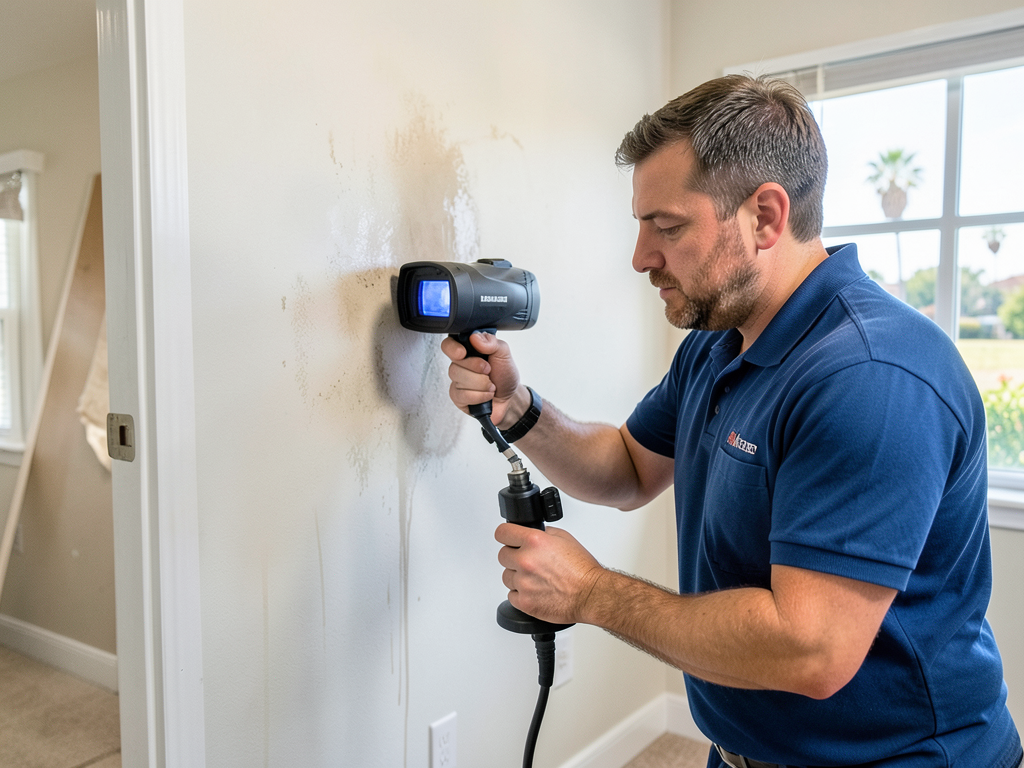
Water damage remediation is not about mopping up. It is about moisture mapping with thermal imaging, calculating vapor pressure differentials, and deploying industrial dehumidifiers calibrated to San Diego's average humidity levels. Without proper water removal services, you are managing symptoms while the actual problem spreads through your property's skeleton.

Effective water damage mitigation requires understanding how water migrates through different building materials. Stucco exteriors common in San Diego absorb water differently than wood siding. Concrete slab foundations react differently than raised foundations in older Craftsman homes near Balboa Park.

The difference between surface drying and true structural drying determines whether your property recovers or deteriorates over the next five years.

Why San Diego Properties Face Hidden Water Damage Risks
Our Science-Based Water Damage Restoration Process

Our Science-Based Water Damage Restoration Process

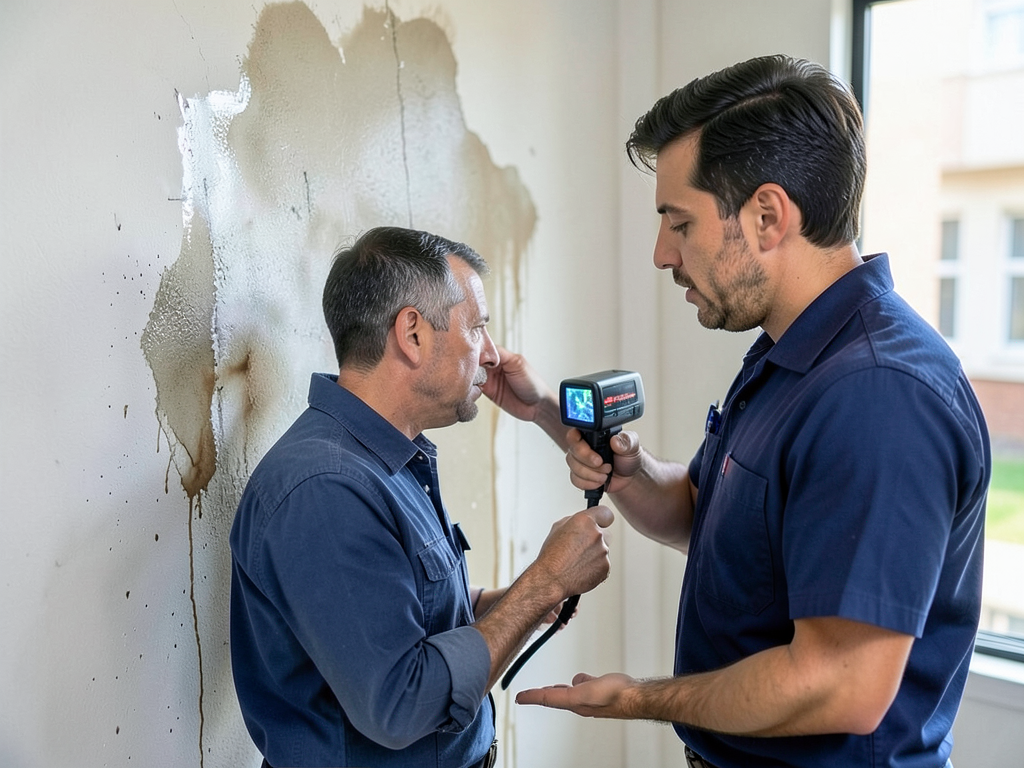
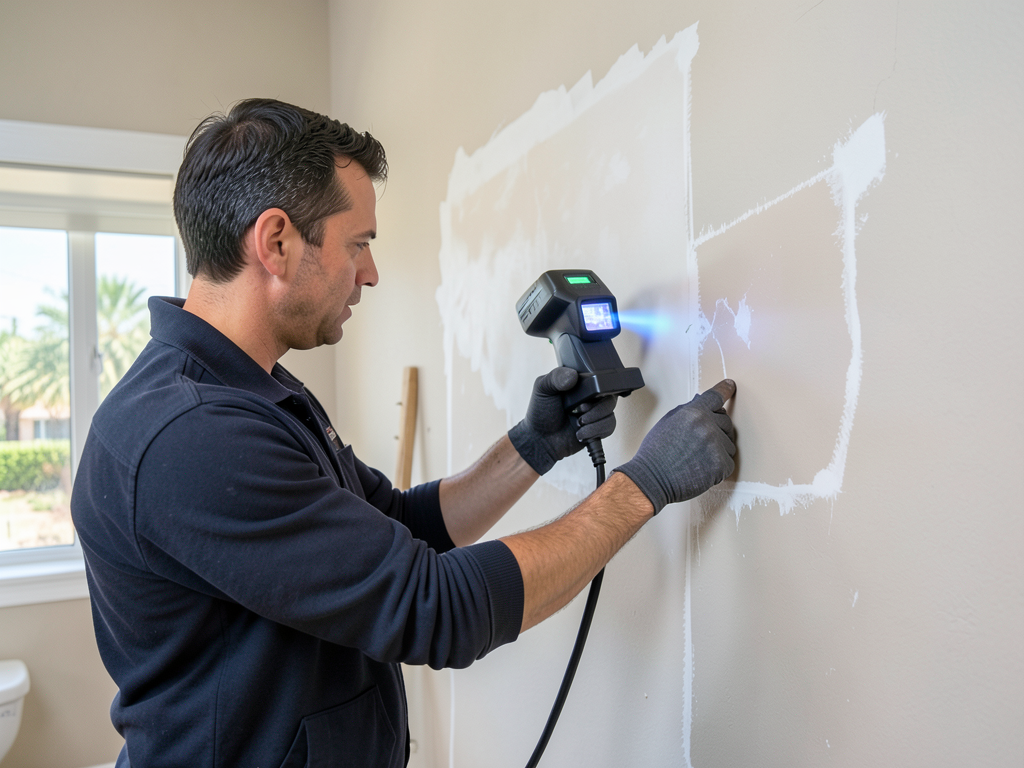
Water damage cleanup starts with moisture detection, not extraction. We map every affected area using infrared cameras and penetrating moisture meters. This identifies hidden saturation in wall studs, insulation, and subflooring before visible damage appears.

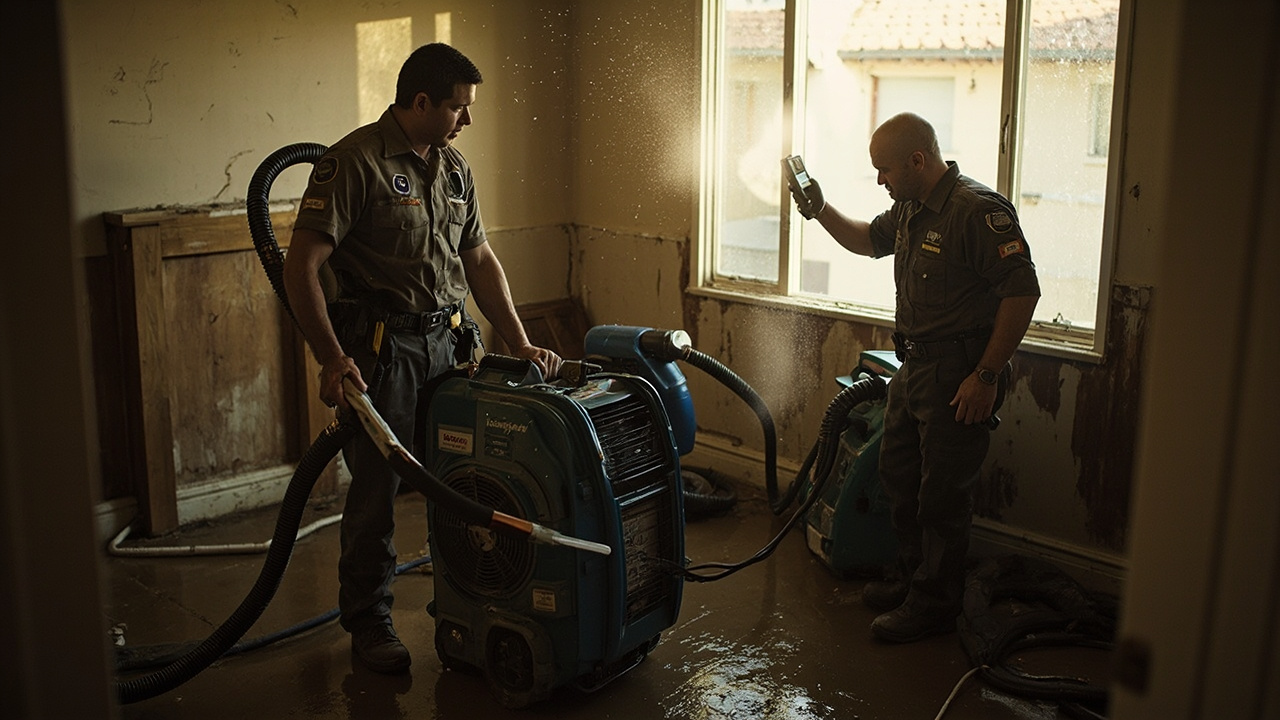
Our extraction phase uses truck-mounted pumps generating 400+ CFM airflow for standing water removal, followed by weighted extraction tools for carpets and pad materials. We measure moisture content in wood framing and drywall to establish drying benchmarks.

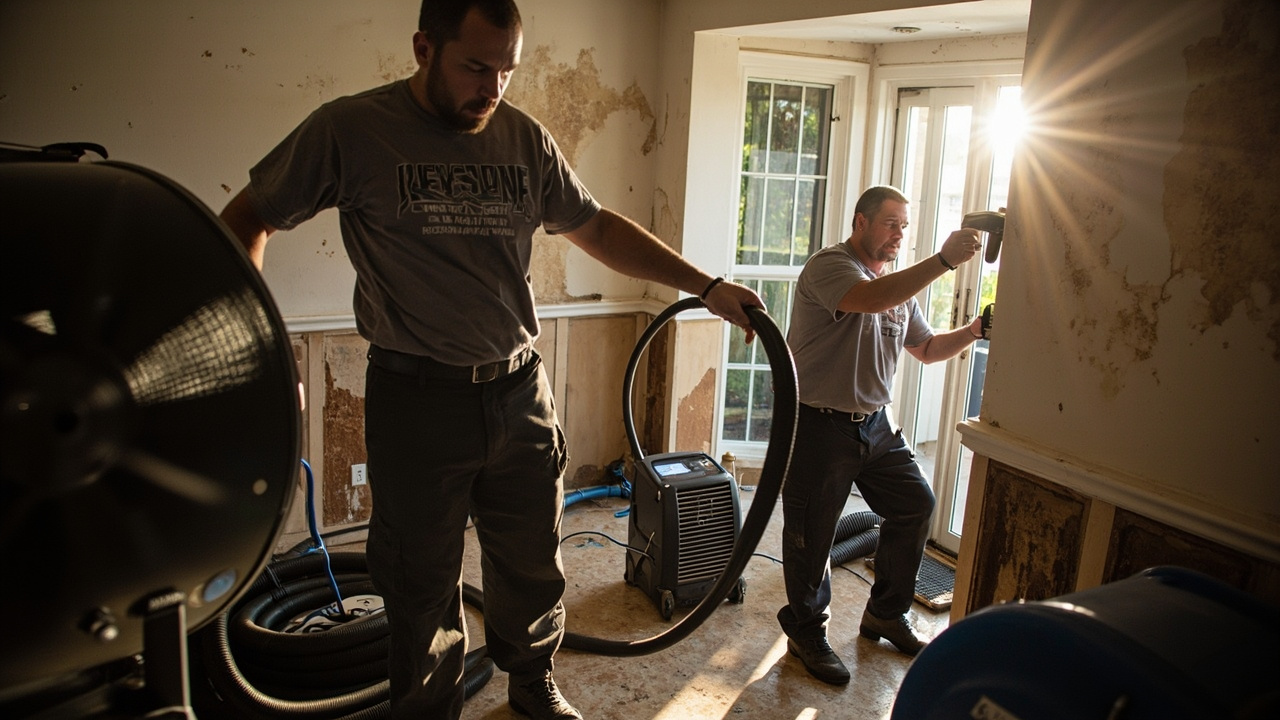
Structural drying is where most companies fail. We calculate the grain depression on affected materials and deploy low-grain refrigerant dehumidifiers alongside axial air movers. This creates the vapor pressure differential needed to pull moisture from dense materials like plaster and concrete.

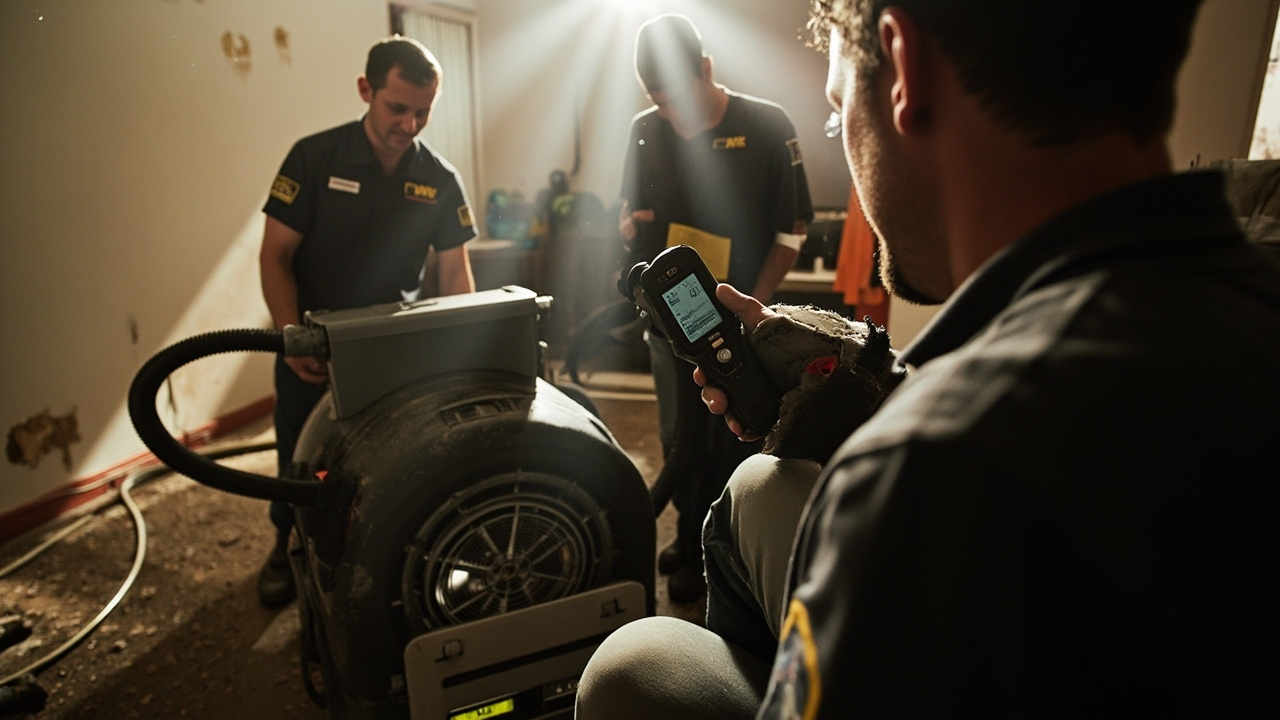
We monitor drying progress twice daily using psychrometers to measure relative humidity and temperature. When materials reach equilibrium moisture content, we document it for your insurance claim.

Water damage remediation includes antimicrobial application on all affected surfaces. San Diego's mild climate supports mold growth year-round, especially species like Stachybotrys and Aspergillus that colonize damp drywall and insulation.

Our final phase involves controlled demolition of materials that cannot be salvaged. We remove baseboards, cut drywall two feet above visible water lines, and extract compromised insulation. This prevents future mold growth and eliminates the musty odors that indicate ongoing microbial activity.

Every step is documented with photos, moisture readings, and equipment logs. Your insurance adjuster receives a complete restoration file that supports your claim and proves professional mitigation.

What Happens During Your Water Damage Restoration

Water Damage Restoration in San Diego – Full-Service Mitigation for Homes and Commercial Properties
01

Emergency Assessment and Containment

We arrive within 60 minutes to stop water at its source, whether that means shutting off supply lines, tarping roof damage, or sandbagging exterior entry points. Our technicians identify the water category, Class 1 through 4, which determines safety protocols and restoration methods. We establish containment barriers using plastic sheeting and negative air pressure to prevent cross-contamination into unaffected areas, critical for Category 3 contaminated water from sewage backups or storm flooding.
02

Extraction and Structural Drying

Truck-mounted extractors remove standing water while weighted tools pull moisture from carpets, pad, and upholstery. We position commercial dehumidifiers and air movers based on psychrometric calculations, not guesswork. Thermal imaging identifies moisture in hidden cavities. We monitor grain depression daily, adjusting equipment placement as materials dry. This phase typically requires three to seven days depending on saturation depth, building materials, and ambient humidity levels common to San Diego's coastal zones versus inland valleys.
03

Restoration and Verification

Once materials reach equilibrium moisture content, we begin reconstruction. This includes drywall replacement, baseboard reinstallation, carpet pad replacement, and paint matching. We apply antimicrobial coatings to all previously wet surfaces and verify air quality using particle counters. You receive a final moisture map showing all readings below acceptable thresholds, typically 12% for wood framing and 1% for concrete. This documentation proves complete drying and protects you from future mold liability or insurance disputes.

Why San Diego Property Owners Choose Local Water Damage Experts

Water damage restoration requires understanding how San Diego's building inventory responds to moisture intrusion. Homes built before 1980 in neighborhoods like La Jolla and Clairemont often lack moisture barriers. Properties near Mission Bay face salt air corrosion that compromises plumbing integrity. Commercial buildings downtown have complex HVAC systems where condensate line failures flood multiple floors.

We know which general contractors in San Diego can handle emergency reconstruction. We understand local permit requirements for structural repairs in historic districts. We communicate directly with adjusters from the insurance carriers most active in San Diego County.

Our technicians hold IICRC certifications in water damage restoration and applied structural drying. This training goes beyond basic extraction. It covers psychrometry, the science of moisture and temperature relationships that determines drying strategy. It includes microbial remediation protocols and contaminated water handling procedures.

You need a restoration company that arrives with enough equipment to handle your job completely. We maintain 40+ commercial dehumidifiers, 60+ air movers, truck-mounted extractors, thermal cameras, and moisture detection arrays. When a three-story apartment building floods in Pacific Beach, we deploy enough capacity to dry it correctly, not piecemeal over weeks.

Our response time matters because every hour of standing water exposure increases restoration costs exponentially. Drywall that could have been saved after four hours requires replacement after 24 hours. Hardwood floors that could have been dried after six hours need refinishing after 12 hours.

We work directly with your insurance carrier, providing the documentation they require for rapid claim approval. Most policies cover sudden and accidental water damage, but only when professional mitigation begins immediately.

What to Expect from Professional Water Damage Restoration

Immediate Emergency Response

We dispatch technicians within 60 minutes of your call, 24 hours daily including weekends and holidays. Our trucks carry extraction equipment, containment materials, and moisture detection tools for immediate mitigation. You receive a project manager assigned to your case who coordinates all phases from emergency extraction through final reconstruction. We understand water damage creates chaos in your home or business, so we establish clear communication from the first hour. You get daily updates on drying progress, equipment adjustments, and timeline expectations. For commercial properties, we schedule work during off-hours to minimize business disruption.

Comprehensive Damage Assessment

Our initial inspection uses thermal imaging and penetrating moisture meters to map all affected areas, including hidden damage inside walls and beneath flooring. We document the water source, category classification, and affected materials with photos and detailed notes. You receive a written scope of work explaining what requires drying versus replacement, with moisture readings that establish baseline measurements. This assessment becomes the foundation of your insurance claim. We identify secondary concerns like electrical hazards, compromised structural members, or potential mold growth areas. The inspection typically requires 45 to 90 minutes depending on property size and damage extent.

Complete Structural Drying

Professional drying goes beyond pointing fans at wet carpet. We calculate the specific humidity and temperature conditions needed to extract moisture from your building materials, then deploy dehumidifiers and air movers to create those conditions. Our technicians monitor progress twice daily using moisture meters and psychrometers, adjusting equipment placement as readings improve. You see measurable progress documented in daily logs. Most residential water damage dries completely in three to five days when mitigation begins immediately. Commercial properties or extensive flooding may require seven to ten days. We do not remove equipment until moisture readings confirm complete drying.

Restoration and Prevention Guidance

Once drying verification is complete, we rebuild affected areas to pre-loss condition. This includes drywall installation, texture matching, paint, trim work, and flooring reinstallation. We coordinate with specialty contractors for electrical, plumbing, or HVAC repairs if needed. You receive recommendations to prevent future water damage, whether that means upgrading supply line hoses, installing leak detection systems, or addressing drainage issues around your foundation. We provide maintenance guidance for areas prone to moisture accumulation like bathrooms, laundry rooms, and basements. Your final documentation package includes all moisture readings, equipment logs, photos, and scope completion verification for insurance and property records.

Frequently Asked Questions

You Have Questions,
We Have Answers

How much does restoration cost for water damage? +

Water damage restoration costs vary based on the source, extent of damage, and affected materials. In San Diego, a small leak affecting one room might cost $1,000 to $4,000, while severe flooding impacting multiple rooms can exceed $10,000. Category 3 water (sewage) costs more due to hazardous material handling. Factors include water extraction, structural drying, demolition, antimicrobial treatment, and reconstruction. Your homeowner's insurance often covers sudden incidents like burst pipes. Get a free inspection to understand your specific situation and insurance coverage options.

What does water damage restoration include? +

Water damage restoration involves emergency water extraction, structural drying using industrial dehumidifiers and air movers, moisture detection with thermal imaging, antimicrobial treatment to prevent mold growth, content pack-out and storage, and reconstruction of damaged materials like drywall and flooring. San Diego's coastal humidity requires aggressive drying protocols to prevent secondary damage. Technicians document everything for your insurance claim. The process typically includes odor control, carpet and pad removal if needed, and air quality testing. Full restoration returns your property to pre-loss condition.

Can water damage be repaired? +

Yes, water damage can be repaired when addressed quickly. Speed matters because water spreads rapidly through porous materials like drywall, insulation, and wood framing. In San Diego's mild climate, you have a short window before mold colonization begins within 24 to 48 hours. Professional restoration involves extracting standing water, drying structural components, removing unsalvageable materials, and rebuilding. Hardwood floors, drywall, and insulation often require replacement if saturated. Electronics and documents need specialized recovery. Prompt action saves materials and reduces total repair costs significantly.

Is water damage restoration worth it? +

Professional water damage restoration is worth it because DIY attempts miss hidden moisture in wall cavities, subfloors, and insulation. This hidden moisture causes mold growth, structural rot, and decreased property value. In San Diego, coastal moisture already challenges buildings, so thorough drying is critical. Restoration companies use moisture meters, thermal imaging, and commercial-grade equipment you cannot rent. They also document damage for insurance claims, handle hazardous Category 3 water safely, and guarantee structural drying. The cost of inadequate drying far exceeds professional restoration expenses.

Does insurance pay for water restoration? +

Homeowner's insurance typically covers sudden and accidental water damage like burst pipes, appliance malfunctions, or roof leaks from storm damage. In San Diego, policies often cover damage from rare heavy rains or plumbing failures. Insurance does not cover gradual damage from neglected maintenance, groundwater seepage, or flooding (which requires separate flood insurance). Your restoration company documents everything, photographs damage, and provides detailed estimates to support your claim. File immediately after discovering damage. Review your policy's specific exclusions and water damage coverage limits before a loss occurs.

How long does Servpro take for water damage? +

Servpro's timeline depends on damage severity. Minor incidents may take three to five days for drying and cleanup, while major losses require weeks for full restoration. San Diego's coastal humidity can extend drying times if equipment runs improperly. You should compare multiple local restoration companies for response time, equipment quality, and project management. Some San Diego companies offer faster response and more personalized service than national franchises. Ask about their drying protocols, insurance expertise, and reconstruction capabilities. Get written timelines and daily progress updates in your service agreement.

How likely is mold after water damage? +

Mold growth becomes likely within 24 to 48 hours after water intrusion if materials remain wet. San Diego's coastal climate and moderate temperatures create favorable mold conditions year-round. Category 3 water (sewage) introduces mold spores directly. Porous materials like drywall, insulation, and carpet pad are most vulnerable. Professional restoration prevents mold by extracting water immediately, using commercial dehumidifiers to achieve proper drying standards, applying antimicrobial treatments, and monitoring moisture levels daily with meters. Visible mold indicates restoration was delayed or incomplete.

Will insurance pay out for water damage? +

Insurance pays for water damage from sudden, accidental events like burst pipes, appliance leaks, or storm-related roof damage. San Diego homeowners should verify their policy covers plumbing failures and rain intrusion through damaged roofs. Insurance denies claims for maintenance-related issues, gradual leaks, groundwater seepage, and flood events (requiring separate flood insurance). Document damage immediately with photos and videos. Call a restoration company to mitigate further damage, which insurance requires. Your adjuster evaluates the claim, but restoration companies provide detailed estimates supporting your coverage request.

What does category 3 damage look like? +

Category 3 water damage involves grossly contaminated water containing pathogens, sewage, chemicals, or bacteria. It looks like toilet overflows with fecal matter, washing machine discharge mixed with waste lines, or floodwater from rivers carrying debris. In San Diego, Category 3 includes sewage backups and rising groundwater contaminated with urban runoff. You will see discolored water, strong odors, and visible waste. This water requires specialized handling with protective equipment, complete removal of porous materials like drywall and carpet, and thorough disinfection. Never touch Category 3 water.

What not to do after water damage? +

Do not delay calling a restoration professional. Do not use household vacuums on standing water, which causes electrocution risk and equipment damage. Avoid entering rooms with ceiling sag or electrical hazards. Do not use fans without dehumidifiers, which spreads moisture into unaffected areas. In San Diego's coastal climate, opening windows may introduce more humidity rather than help drying. Do not discard damaged items before photographing them for insurance documentation. Avoid DIY mold cleanup if coverage exceeds 10 square feet. Do not assume hidden moisture dried on its own.

How San Diego's Marine Climate Affects Water Damage Restoration

San Diego's coastal location creates persistent humidity that slows structural drying and accelerates mold growth. The marine layer that blankets neighborhoods from Ocean Beach to Del Mar each morning introduces moisture that penetrates building envelopes, especially in older properties without modern vapor barriers. Our drying protocols account for San Diego's average relative humidity of 65%, which requires more aggressive dehumidification than inland desert regions. Properties in microclimates near Mission Bay or the harbor face salt air that corrodes plumbing connections, increasing the risk of supply line failures. Winter storms deliver intense rainfall that overwhelms aging drainage systems, particularly in hillside communities like Mount Helix where runoff concentrates quickly. Understanding these local factors allows us to dry properties completely, not just surface dry them.

San Diego building codes and permit requirements influence how we approach water damage restoration, especially for properties in coastal zones or historic districts. We maintain relationships with local building inspectors and understand permit triggers for structural repairs versus cosmetic restoration. Our technicians know which San Diego general contractors specialize in historic preservation for homes in areas like Old Town or Coronado. We work regularly with the major insurance carriers active in San Diego County and understand their documentation requirements for smooth claim processing. Choosing a local restoration company means working with professionals who respond quickly, know the local building landscape, and communicate effectively with the contractors and officials you will need during reconstruction.
Water Damage Restoration Services in The San Diego Area

We are proud to serve the entire San Diego area and invite you to view our service region on the map below. While our emergency response team is mobile and always ready to dispatch to your location rapidly, our central operations base allows us to coordinate efficient service across all of San Diego County. Contact us today for immediate assistance, no matter where your property is located within our service area.

Address:
Keystone Water Damage Restoration San Diego, 4445 Eastgate Dr, San Diego, CA, 92121

Additional Services We Offer

Our news updates

Latest Articles & News from The Blogs

Who Pays for Water Damage When a Neighbor’s Leak Affects Your San Diego Condo Discovering water damage in your condo…

Navigating Liability When a Neighbors Apartment Leaks into Your San Diego Condo

Who Pays for Water Damage When a Neighbor’s Leak Affects Your San Diego Condo Discovering water damage in your condo…

The Critical Steps Your Restoration Team Takes in the First Forty Eight Hours

The Critical Steps Your Restoration Team Takes in the First Forty Eight Hours When water invades your home in San…

Should You Try In Place Drying or Choose a Full Rip Out After a San Diego Flood

Should You Try In Place Drying or Choose a Full Rip Out After a San Diego Flood San Diego homeowners…

Contact Us

Water damage worsens every hour. Call (858) 203-2555 for immediate dispatch. Our technicians are standing by 24 hours daily with the equipment and expertise to stop damage progression and begin professional restoration.