



Bonita sits in a coastal valley where morning marine layer fog and afternoon heat create high humidity year-round. This moisture-rich environment accelerates mold growth after water intrusion, giving property owners a narrow window to prevent permanent damage. The region's clay-heavy soil expands when saturated during winter storms, pushing hydrostatic pressure against foundation walls and causing seepage in homes throughout Sunnyside, Bonita Meadows, and neighborhoods near Sweetwater Reservoir.
Many Bonita properties were built in the 1970s and 80s with copper piping that's now reaching end-of-life. Pinhole leaks and supply line failures occur frequently in homes near Bonita Road and east toward the Chula Vista border. When pipes fail inside walls, water spreads through drywall and insulation for days before residents notice staining or smell musty odors.
The Sweetwater River poses flood risk during atmospheric rivers that dump heavy rain across San Diego County. Properties in lower elevations near Central Avenue and along the river corridor face significant flood exposure during major storm events. Add in aging water heaters, washing machine hose failures, and toilet supply line breaks common to any residential area, and Bonita property owners face constant water damage threats that demand immediate professional response.
Keystone Water Damage Restoration San Diego has served South San Diego County for years with one focus: stop water damage fast and restore properties completely. We're not a franchise with out-of-state ownership making decisions from a call center. Our technicians live in San Diego, know Bonita's neighborhoods, and respond from local staging areas to reach your property in under an hour.
We hold IICRC certifications in water damage restoration and applied structural drying. Our crews train constantly on moisture detection technology, thermal imaging for hidden water intrusion, and advanced drying techniques that prevent mold while preserving building materials. We don't just extract water and set fans. We measure moisture levels in walls, floors, and ceilings, document drying progress daily with calibrated meters, and verify complete structural dryness before closing your project.
Insurance coordination separates professional restoration from basic water removal. We photograph all damage, document every step of mitigation and restoration, and communicate directly with your adjuster using Xactimate estimates they recognize and approve quickly. Most Bonita homeowners don't realize their policy covers emergency mitigation costs when they act fast. We help you maximize coverage while minimizing out-of-pocket expense.
Our equipment fleet includes truck-mounted extraction units that remove hundreds of gallons per hour, commercial dehumidifiers that pull moisture from the air faster than standard units, and air movers positioned strategically to dry structures in days instead of weeks. Speed matters. The faster we dry your property, the less demolition required and the lower your total restoration cost.

Water spreads through your property every minute you wait. Our crews stage throughout San Diego County for rapid deployment to Bonita. We arrive within one hour of your call with truck-mounted extraction equipment and begin water removal immediately. Fast response prevents secondary damage that turns a manageable incident into a major reconstruction project.

Every technician holds Institute of Inspection Cleaning and Restoration Certification in water damage restoration and applied structural drying. We follow IICRC S500 standards for proper mitigation, use calibrated moisture meters to track drying progress, and document everything for insurance approval. Certification means competence you can verify, not marketing claims.
We work directly with all major insurance carriers serving Bonita. Our estimators use Xactimate software to create detailed scopes adjusters approve quickly. We handle documentation, photo evidence, and moisture readings insurance companies require. Most emergency mitigation is covered when you act immediately. We help you maximize benefits and minimize stress during claims.
We don't stop at water extraction. Our process includes structural drying verification using moisture meters and thermal imaging. We measure walls, ceilings, and subfloors daily until readings confirm complete dryness. This prevents mold growth and wood rot that damage property value. Proper drying protects your investment and your family's health long-term.
Water damage restoration requires specialized response based on contamination level, affected materials, and property type. A clean water supply line leak demands different protocols than sewage backup or flood water contamination. Keystone Water Damage Restoration San Diego provides complete water damage remediation services for Bonita residential and commercial properties.
Our emergency mitigation stops damage progression immediately. We extract standing water, remove saturated materials that can't be saved, and establish drying environments that prevent mold growth. Structural drying comes next using commercial dehumidifiers and air movers positioned according to psychrometric calculations. We monitor moisture levels until materials return to dry standard, then rebuild damaged areas back to pre-loss condition.
We handle Category 1 clean water damage from supply lines and water heaters, Category 2 grey water from appliance overflows and toilet tanks, and Category 3 black water from sewage backups and flood events. Each category requires specific safety protocols, containment procedures, and disposal methods. Our technicians follow IICRC standards for every contamination level to protect your property and health.
Commercial water damage demands faster response because business interruption costs add up quickly. We deploy large-scale drying equipment to restaurants, retail spaces, and office buildings throughout Bonita to minimize downtime and restore operations fast. Our project managers coordinate with your team to work around business hours when possible.
When water intrusion occurs, immediate action prevents catastrophic damage. Our emergency mitigation teams respond 24/7 to extract standing water, remove saturated materials, and establish drying conditions. We use truck-mounted extractors that remove hundreds of gallons per hour from flooded structures. Rapid water removal stops damage spread and reduces demolition required during restoration. Emergency mitigation is time-sensitive work that demands professional equipment and trained technicians who understand moisture behavior in building assemblies.
Water extraction removes standing water but moisture remains trapped in walls, floors, and ceilings. Structural drying uses commercial dehumidifiers and air movers to pull moisture from building materials. We place equipment based on psychrometric principles that control temperature, humidity, and airflow. Our technicians measure moisture content daily with calibrated meters and thermal imaging cameras. We document drying progress and verify complete dryness before reconstruction begins. Proper structural drying prevents mold growth, wood rot, and material failure that compromise property value.
After structures dry completely, restoration rebuilds your property to pre-loss condition. Our licensed contractors handle drywall replacement, flooring installation, cabinet work, and painting. We source materials that match existing finishes and work with your insurance company to approve scope changes during reconstruction. Complete restoration means one company handles your project from emergency call through final walkthrough. You get seamless service and accountability throughout the process. We coordinate inspections, pull permits when required, and ensure all work meets California building codes.
Bonita's combination of aging infrastructure, coastal humidity, and seasonal storms creates multiple water damage threats for property owners. Understanding common failure points helps residents respond quickly when incidents occur. The properties most vulnerable are those built before 1990 with original plumbing systems now reaching end-of-life.
Coastal marine layer fog increases atmospheric moisture throughout Bonita. This humidity slows natural drying when leaks occur and creates ideal conditions for mold growth within 48 hours of water intrusion. Properties near Sweetwater Reservoir and along the river corridor experience higher humidity levels than inland areas. When water damage happens in these locations, professional drying equipment becomes essential because passive air drying won't remove moisture fast enough.
Many Bonita homes have crawl spaces rather than slab foundations. These crawl spaces trap moisture from plumbing leaks and ground water seepage. Saturated insulation and floor joists go unnoticed until residents smell musty odors or notice floor damage. Regular crawl space inspection catches these problems early, but most homeowners don't check under their homes until damage spreads to living spaces.
Copper supply lines installed in the 1970s and 80s develop pinhole leaks as pipes corrode from inside. These tiny leaks spray water inside walls for weeks before residents notice staining or damage. The longer leaks run undetected, the more extensive the damage to drywall, insulation, and framing. Regular plumbing inspections catch corrosion early, but most failures happen suddenly without warning.
Tank water heaters last 8 to 12 years before internal corrosion causes catastrophic failure. When tanks rupture, they dump 40 to 80 gallons across floors in seconds. Water spreads quickly through homes, saturating flooring, cabinets, and baseboards. Garage-installed water heaters flood directly onto drywall and damage adjacent rooms. Preventive replacement before tanks reach age 10 avoids this common disaster.
Atmospheric rivers bring intense rainfall that overwhelms drainage systems throughout Bonita. Properties near Sweetwater River face flood risk during major storm events. Roof leaks develop during heavy rain when flashing fails or valleys clog with debris. Water enters attics and spreads through ceilings before residents notice damage. Storm response requires immediate action because contaminated floodwater introduces bacteria and health hazards requiring specialized cleanup.
Washing machine supply hoses burst without warning when rubber deteriorates after years of constant pressure. These failures flood laundry rooms with pressurized water that spreads throughout homes within minutes. Dishwasher supply lines and refrigerator ice maker connections fail for similar reasons. Replacing rubber hoses with braided steel lines every five years prevents most appliance-related water damage incidents.
Water damage creates stress and uncertainty. You need someone who arrives fast, takes control of the situation, and explains what happens next. Our emergency response process provides clarity and confidence when you're facing property damage.
When you call our dispatch line, trained staff answer immediately. We don't use automated systems or route calls to distant call centers. Our team asks specific questions about your situation: What type of water damage occurred? How long has water been present? What areas are affected? These questions help us dispatch the right equipment and crew size for your specific situation.
We provide accurate arrival time estimates and update you if conditions change. Our crews carry truck-mounted extraction units, commercial dehumidifiers, air movers, and moisture detection equipment on every response. You won't wait days for equipment rental or deal with multiple companies. We bring everything needed to stop damage and begin drying your property immediately.
Communication continues throughout your project. Our project managers explain findings from moisture inspections, show you thermal imaging results, and discuss the restoration plan before work begins. We document everything for insurance with photos, moisture readings, and detailed notes. You receive copies of all documentation for your records.
Our certified technicians arrive within 60 minutes carrying professional water extraction and detection equipment. We perform comprehensive property inspection using moisture meters and thermal imaging cameras to locate all affected areas, including hidden water intrusion behind walls and under flooring. You receive a detailed damage assessment explaining the scope of work required, estimated timeline, and insurance coverage options. We answer your questions and address concerns before beginning any work on your property.
We deploy commercial-grade dehumidifiers and air movers positioned strategically throughout affected areas based on psychrometric calculations. Our technicians return daily to measure moisture levels, document drying progress, and adjust equipment placement as needed. You see measurable progress every day through documented moisture readings that track materials returning to dry standard. We maintain detailed logs insurance adjusters require for claim approval and provide you with copies of all documentation.
Once structural drying verifies complete moisture removal, our licensed contractors begin reconstruction. We match existing materials and finishes to restore your property to pre-loss condition. Final walkthrough confirms you're satisfied with all completed work before we close your project. We provide warranty documentation and stay available if any questions arise after completion. Your insurance company receives final billing and documentation for claim closeout.
Effective water damage restoration follows proven protocols that stop damage spread, remove moisture completely, and restore properties correctly. Our three-phase process handles everything from emergency call to final restoration.
Our dispatch team answers your emergency call immediately and sends certified crews to your Bonita property within 60 minutes. Technicians arrive with truck-mounted extraction units and begin removing standing water as soon as they assess your situation. We extract water from flooring, carpets, and furnishings using powerful suction equipment. Our team removes saturated materials that can't be saved and establishes containment to prevent water spread. This rapid response phase stops damage progression and sets up conditions for effective structural drying.
After water extraction, our technicians deploy commercial dehumidifiers and air movers throughout affected areas. We use moisture meters and thermal imaging to identify all wet materials, including hidden moisture in walls and subfloors. Equipment placement follows psychrometric principles that control temperature, humidity, and airflow for maximum drying efficiency. Our crews return daily to measure moisture content, document drying progress, and adjust equipment. We continue drying until moisture readings confirm materials have returned to dry standard and mold risk is eliminated.
Once structures are completely dry, our licensed contractors begin restoration work. We replace damaged drywall, install new flooring, repair cabinets, and paint to match existing finishes. All work meets California building codes and passes required inspections. We coordinate with your insurance company throughout reconstruction and handle all change order documentation. Final walkthrough ensures you're satisfied with completed work before we close your project and provide warranty documentation.
Professional water damage restoration follows specific industry standards that protect property and health. The Institute of Inspection Cleaning and Restoration Certification publishes the IICRC S500 Standard for Professional Water Damage Restoration. This document defines proper procedures for assessing damage, extracting water, drying structures, and preventing microbial growth.
Water damage is classified by contamination level. Category 1 clean water comes from supply lines, water heaters, and rainwater before it contacts contaminated surfaces. Category 2 grey water contains significant contamination from washing machines, dishwashers, or toilet tanks. Category 3 black water is grossly contaminated from sewage backups, flooding, or any water that contacted soil. Each category requires different handling procedures and safety protocols.
Materials are classified by how easily they absorb water. Class 1 affects materials with low absorption rates like concrete or tile. Class 2 involves materials with moderate absorption including plywood, concrete block, and some carpeting. Class 3 includes materials with high absorption rates such as drywall, insulation, and carpet padding. Class 4 applies to specialty situations involving hardwood floors, plaster, and materials requiring special drying methods.
Proper drying requires maintaining specific environmental conditions. Temperature should stay between 70 and 90 degrees Fahrenheit. Relative humidity must drop below 50 percent to pull moisture from materials. Air circulation requires high-velocity air movers positioned strategically to promote evaporation. Dehumidification capacity must match the volume of space being dried. Our technicians calculate grain depression and vapor pressure to optimize drying conditions.
Documentation is critical for insurance approval and quality control. We photograph all damage before beginning work. Moisture readings are recorded daily using calibrated meters traceable to NIST standards. Drying logs track temperature, humidity, and air exchange throughout the project. Equipment logs document dehumidifier performance and runtime. This documentation proves proper restoration procedures and justifies costs to insurance adjusters.
All our technicians hold IICRC Water Damage Restoration and Applied Structural Drying certifications. These credentials require passing comprehensive examinations covering water behavior, psychrometrics, microbial growth, and restoration procedures. Certification must be renewed every two years through continuing education. This ensures our crews stay current on evolving industry standards, new equipment technology, and emerging best practices for water damage remediation.
Water damage restoration costs depend on several variables. Contamination level affects cleaning and disposal requirements. Affected square footage determines equipment needs and labor hours. Material types impact drying time and replacement costs. Response time influences damage extent because water spreads continuously until extraction begins. Insurance coverage varies by policy, deductible, and whether damage results from sudden incidents or gradual leaks. Emergency mitigation is typically covered when homeowners act immediately.
Structural drying typically requires three to five days with commercial equipment running continuously. Materials with high absorption like drywall and insulation dry faster than dense materials such as hardwood floors or concrete. High humidity environments extend drying time because air holds less moisture at saturation. Properties with good air circulation dry faster than enclosed spaces. We provide realistic timelines based on your specific conditions and monitor progress daily with calibrated instruments.
Reconstruction work must meet California Building Code requirements enforced by San Diego County. Electrical work requires licensed electricians and inspection for work inside walls. Plumbing modifications need permits when relocating fixtures or replacing supply lines. Structural repairs require engineering review if load-bearing members are damaged. We coordinate all permitting, inspections, and code compliance to ensure your restored property meets legal requirements and passes final inspection.
This video explains the complete water damage restoration process for Bonita, California properties. Viewers learn about emergency response procedures, water extraction methods, structural drying techniques using commercial dehumidifiers and air movers, and moisture detection with thermal imaging. The video covers IICRC restoration standards, insurance claim documentation, and common water damage problems affecting Bonita homes including pipe failures, water heater ruptures, and storm flooding.
Keystone Water Damage Restoration San Diego serves all Bonita neighborhoods with rapid emergency response and complete restoration services. Our crews stage throughout South San Diego County to reach properties quickly when water damage occurs.
Bonita spans several distinct areas, each with unique characteristics affecting water damage risk and response. The Sunnyside neighborhood sits in the western portion near Sweetwater Road, where many homes date to the 1960s and 70s. Original plumbing systems in this area are reaching end-of-life, making supply line failures increasingly common. Properties along Allen School Lane and Briarwood Road face higher humidity from morning marine layer fog that settles in the valley.
Bonita Meadows and the neighborhoods surrounding Royce Street contain slightly newer construction from the 1980s. These properties often have crawl space foundations where plumbing leaks and moisture intrusion go undetected until damage spreads to living spaces. The area between Bonita Road and Proctor Valley Road includes custom homes on larger lots where response time becomes critical due to greater distances from hydrants and longer distances for water to spread.
East of Interstate 805, neighborhoods near Southwestern College and closer to the Chula Vista border experience different challenges. Properties here sit at lower elevations near the Sweetwater River flood plain. Winter storms bring flood risk to homes along Central Avenue and streets connecting to the river corridor. Storm water drainage becomes overwhelmed during atmospheric river events, causing street flooding that backs up into garages and ground floor living spaces.
The commercial corridor along Bonita Road includes restaurants, retail centers, and professional offices requiring specialized commercial restoration. Business interruption costs make speed even more critical for these properties. We deploy large-scale drying equipment and coordinate with business owners to minimize downtime.
We also serve surrounding communities including Chula Vista to the west, National City to the north, and eastward toward Otay Ranch. Our coverage extends throughout San Diego County from our local staging areas. Properties near Sweetwater Reservoir, along Willow Street, and throughout the greater South Bay region receive the same rapid response and professional service we provide throughout Bonita.
Water damage restoration in Bonita CA typically takes 3 to 5 days for minor damage. Extensive flooding or structural damage needs 1 to 2 weeks. The timeline depends on water volume, affected areas, and material types. Drying alone takes 2 to 4 days. Professionals assess your property first and provide a specific timeframe. They monitor moisture levels daily to prevent mold growth. Restoration moves faster when you act quickly after discovering water damage.
Water damage restoration pricing in Bonita varies based on damage severity and affected square footage. Minor water extraction and drying differs from major structural repairs. Insurance often covers water damage from sudden incidents like burst pipes. Your deductible applies first. Get multiple written estimates from local Bonita companies. They inspect your property and provide detailed pricing breakdowns. Ask about what specific services each estimate includes before making your decision.
Most Bonita homeowners insurance policies cover sudden water damage from burst pipes, appliance malfunctions, or roof leaks. Gradual damage from neglected maintenance gets denied. Flood damage requires separate flood insurance. Review your policy to understand your coverage limits and deductible. Document everything with photos and videos. File your claim immediately after discovering damage. Your insurance adjuster inspects the property and determines covered repairs based on your policy terms.
Water damage restoration in Bonita CA typically takes 3 to 5 days for minor damage. Extensive flooding or structural damage needs 1 to 2 weeks. The timeline depends on water volume, affected areas, and material types. Drying alone takes 2 to 4 days. Professionals assess your property first and provide a specific timeframe. They monitor moisture levels daily to prevent mold growth. Restoration moves faster when you act quickly after discovering water damage.
Water damage restoration pricing in Bonita varies based on damage severity and affected square footage. Minor water extraction and drying differs from major structural repairs. Insurance often covers water damage from sudden incidents like burst pipes. Your deductible applies first. Get multiple written estimates from local Bonita companies. They inspect your property and provide detailed pricing breakdowns. Ask about what specific services each estimate includes before making your decision.
Most Bonita homeowners insurance policies cover sudden water damage from burst pipes, appliance malfunctions, or roof leaks. Gradual damage from neglected maintenance gets denied. Flood damage requires separate flood insurance. Review your policy to understand your coverage limits and deductible. Document everything with photos and videos. File your claim immediately after discovering damage. Your insurance adjuster inspects the property and determines covered repairs based on your policy terms.
You need water damage restoration in Bonita when you see visible water pooling, wet walls, or ceiling stains. Musty odors indicate hidden moisture. Warped floors and peeling paint signal water absorption. Increased humidity above 60% promotes mold growth. Act within 24 to 48 hours to prevent permanent damage. Check under sinks, around water heaters, and near washing machines regularly. Small leaks escalate quickly in Bonita's climate.
You can stay in your Bonita home during minor water damage restoration affecting one room. Extensive damage requiring major drying equipment makes staying uncomfortable. Loud dehumidifiers and air movers run 24 hours daily. Mold contamination requires temporary relocation for health reasons. Structural repairs need you to leave for safety. Your restoration company advises based on damage extent. They create a containment plan to minimize disruption when possible.
Mold grows after water damage in Bonita CA when moisture remains for 24 to 48 hours. High humidity above 60% accelerates mold spores. Porous materials like drywall, carpet, and insulation absorb water quickly. Poor ventilation traps moisture inside walls and crawl spaces. Bonita's coastal climate adds humidity challenges. Hidden leaks behind walls create perfect mold conditions. Professional water extraction and thorough drying prevent mold establishment. Temperature between 70 and 90 degrees speeds mold development.
Most water damage restoration companies in Bonita work directly with insurance providers. They document damage with photos and detailed reports. Many offer direct billing to your insurance company. They communicate with adjusters throughout the restoration process. This simplifies your claim and reduces out-of-pocket expenses. Ask companies about their insurance experience before hiring. They help you understand what your policy covers and advocate for complete repairs during the claims process.
Water damage restoration companies in Bonita CA typically respond within 1 to 2 hours for emergencies. Many offer 24/7 availability year-round. Quick response prevents secondary damage and mold growth. Companies prioritize active flooding and sewage backups. They arrive with extraction equipment ready to start immediately. Response time varies by company size and current demand. Save contact information for local restoration companies before emergencies happen.
Water damage restoration companies in Bonita use industrial air movers to circulate air and speed drying. Commercial dehumidifiers remove moisture from air and materials. Moisture meters measure water content in walls and floors. Infrared cameras detect hidden water behind surfaces. Truck-mounted water extractors remove standing water quickly. Air scrubbers filter contaminants and odors. Hygrometers monitor humidity levels. Professional equipment works faster and more thoroughly than consumer rentals.
Choose a water damage restoration company in Bonita CA with IICRC certification. Check online reviews and ask neighbors for recommendations. Verify they offer 24/7 emergency response. Get written estimates from three companies. Ask about their equipment, process, and timeline. Confirm they have experience with insurance claims. Local companies understand Bonita's specific water damage challenges. Request references from recent customers. Choose companies with trained technicians and established business history.
You need water damage restoration in Bonita when you see visible water pooling, wet walls, or ceiling stains. Musty odors indicate hidden moisture. Warped floors and peeling paint signal water absorption. Increased humidity above 60% promotes mold growth. Act within 24 to 48 hours to prevent permanent damage. Check under sinks, around water heaters, and near washing machines regularly. Small leaks escalate quickly in Bonita's climate.
You can stay in your Bonita home during minor water damage restoration affecting one room. Extensive damage requiring major drying equipment makes staying uncomfortable. Loud dehumidifiers and air movers run 24 hours daily. Mold contamination requires temporary relocation for health reasons. Structural repairs need you to leave for safety. Your restoration company advises based on damage extent. They create a containment plan to minimize disruption when possible.
Mold grows after water damage in Bonita CA when moisture remains for 24 to 48 hours. High humidity above 60% accelerates mold spores. Porous materials like drywall, carpet, and insulation absorb water quickly. Poor ventilation traps moisture inside walls and crawl spaces. Bonita's coastal climate adds humidity challenges. Hidden leaks behind walls create perfect mold conditions. Professional water extraction and thorough drying prevent mold establishment. Temperature between 70 and 90 degrees speeds mold development.
Most water damage restoration companies in Bonita work directly with insurance providers. They document damage with photos and detailed reports. Many offer direct billing to your insurance company. They communicate with adjusters throughout the restoration process. This simplifies your claim and reduces out-of-pocket expenses. Ask companies about their insurance experience before hiring. They help you understand what your policy covers and advocate for complete repairs during the claims process.
Water damage restoration companies in Bonita CA typically respond within 1 to 2 hours for emergencies. Many offer 24/7 availability year-round. Quick response prevents secondary damage and mold growth. Companies prioritize active flooding and sewage backups. They arrive with extraction equipment ready to start immediately. Response time varies by company size and current demand. Save contact information for local restoration companies before emergencies happen.
Water damage restoration companies in Bonita use industrial air movers to circulate air and speed drying. Commercial dehumidifiers remove moisture from air and materials. Moisture meters measure water content in walls and floors. Infrared cameras detect hidden water behind surfaces. Truck-mounted water extractors remove standing water quickly. Air scrubbers filter contaminants and odors. Hygrometers monitor humidity levels. Professional equipment works faster and more thoroughly than consumer rentals.
Choose a water damage restoration company in Bonita CA with IICRC certification. Check online reviews and ask neighbors for recommendations. Verify they offer 24/7 emergency response. Get written estimates from three companies. Ask about their equipment, process, and timeline. Confirm they have experience with insurance claims. Local companies understand Bonita's specific water damage challenges. Request references from recent customers. Choose companies with trained technicians and established business history.
We are proud to serve the entire San Diego area and invite you to view our service region on the map below. While our emergency response team is mobile and always ready to dispatch to your location rapidly, our central operations base allows us to coordinate efficient service across all of San Diego County. Contact us today for immediate assistance, no matter where your property is located within our service area.
Address:
Bonita, CA, 91910
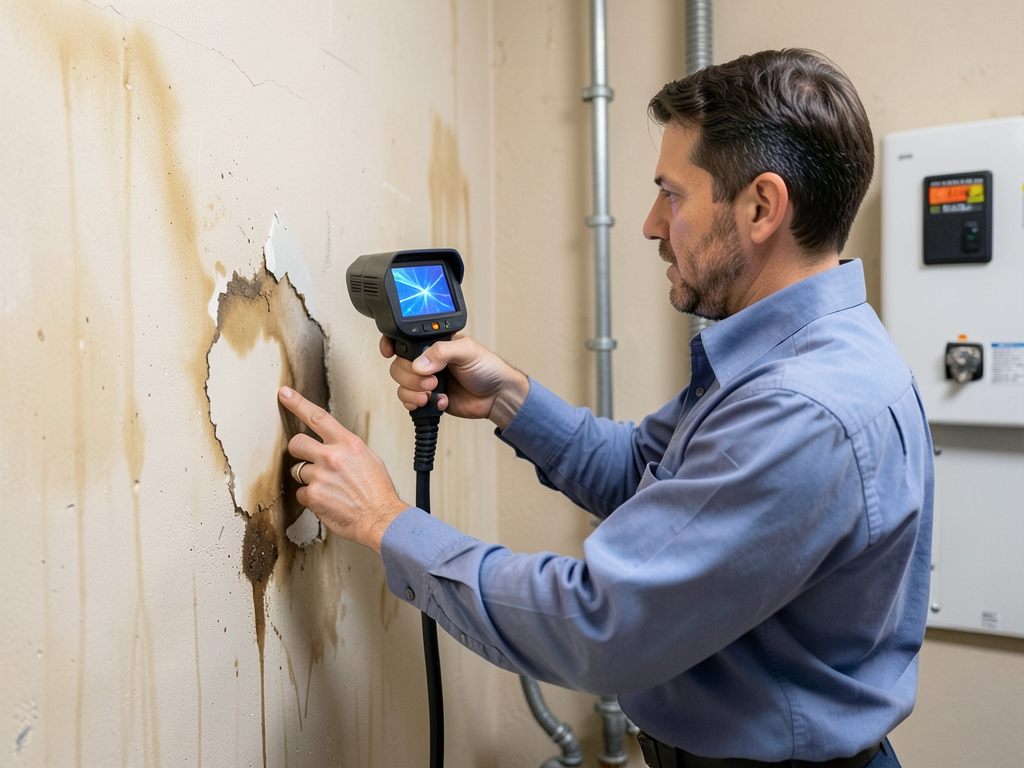
Is Your Tankless Water Heater Leaking in Mira Mesa Finding water pooling around your tankless water heater creates instant panic. The immediate concern becomes stopping the leak before it destroys your flooring, drywall, or cabinetry.…
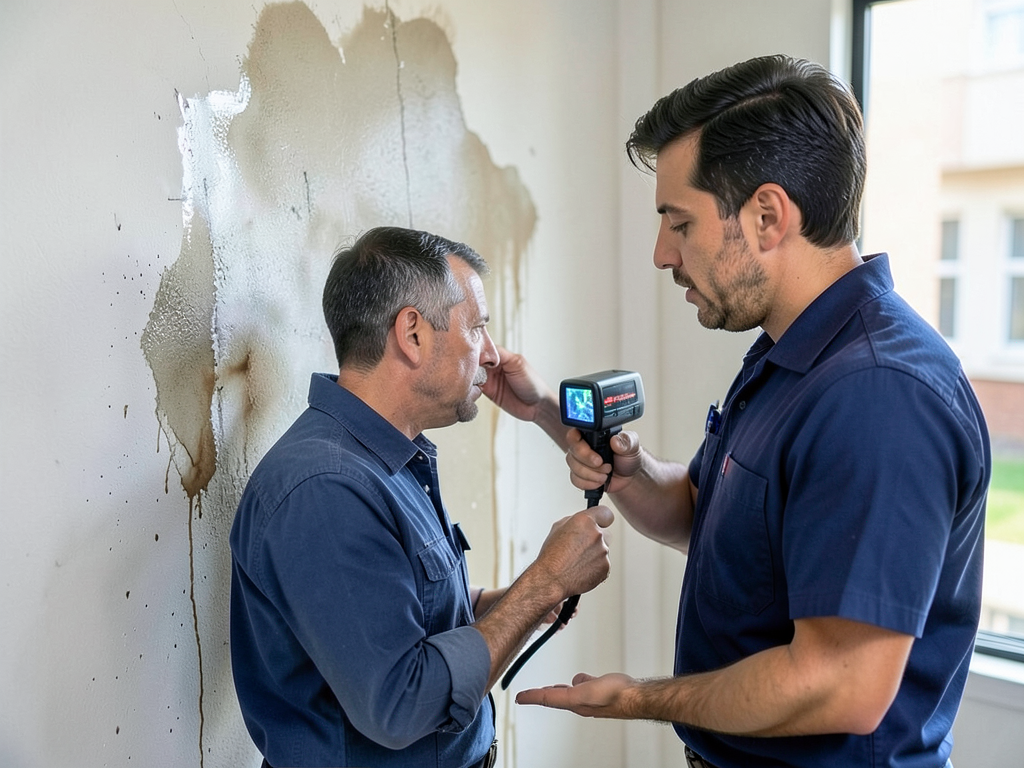
Who Pays for Water Damage When a Neighbor’s Leak Affects Your San Diego Condo Discovering…
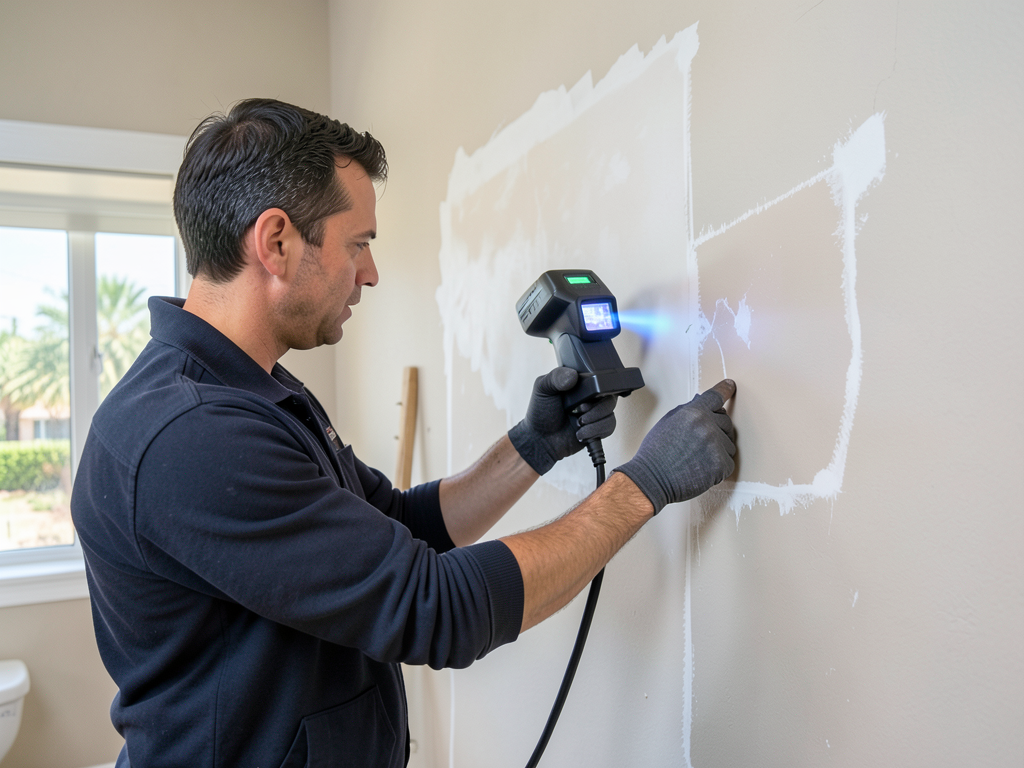
The Critical Steps Your Restoration Team Takes in the First Forty Eight Hours When water…
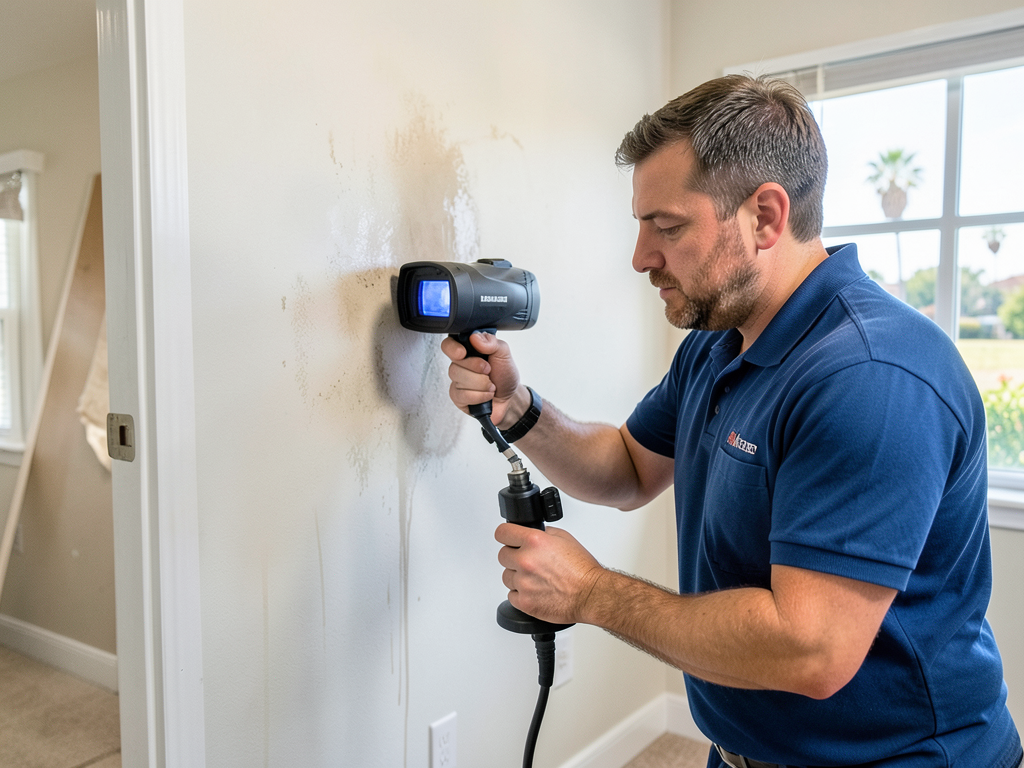
Should You Try In Place Drying or Choose a Full Rip Out After a San…
Every minute water spreads through your Bonita property increases damage and restoration cost. Our certified crews respond 24/7 with professional equipment to stop damage and begin restoration immediately. Call Keystone Water Damage Restoration San Diego now at (858) 203-2555 for emergency service.