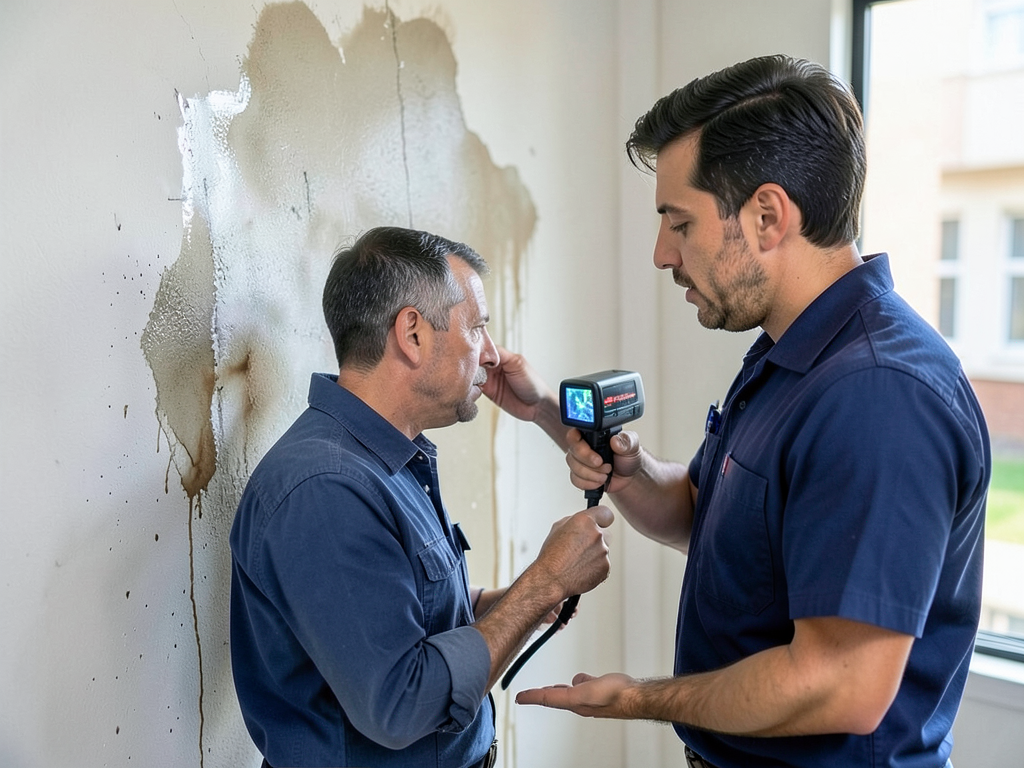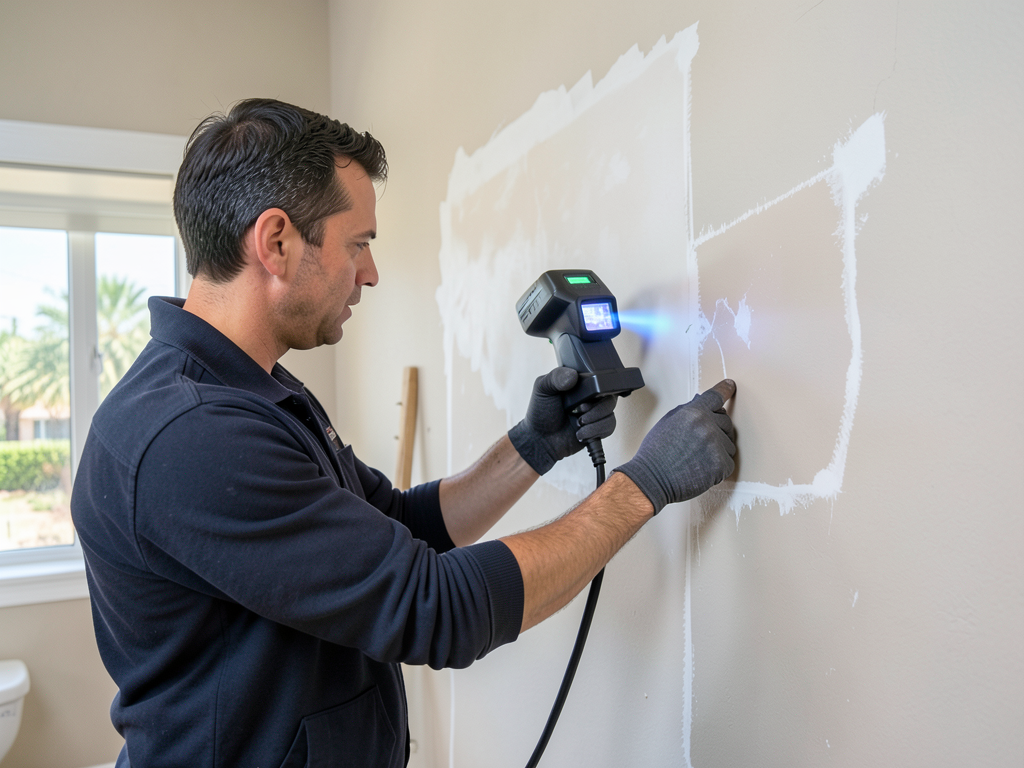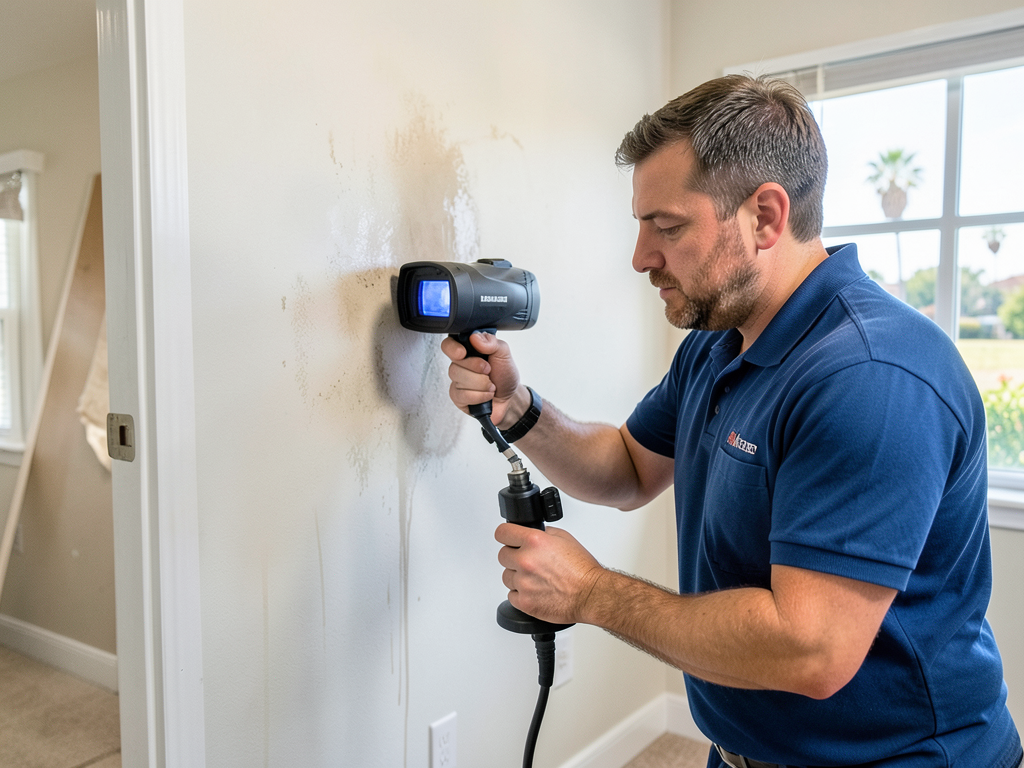


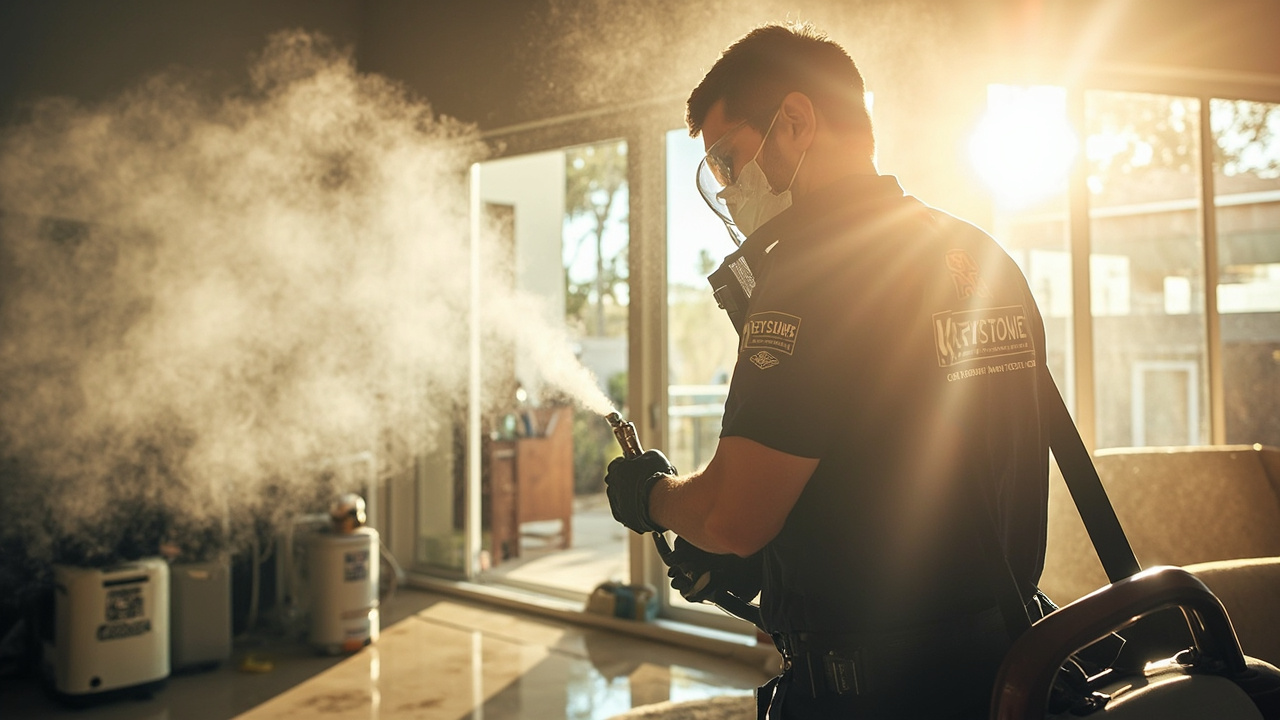
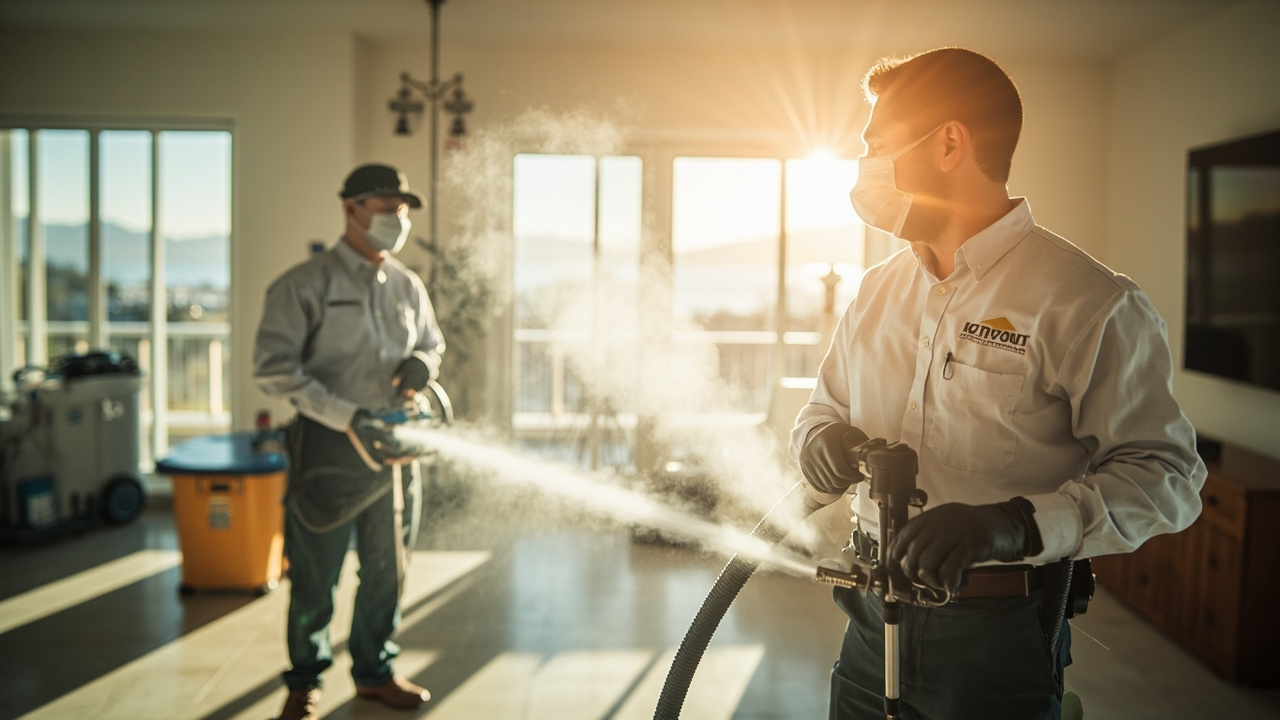
San Diego's Mediterranean climate creates year-round humidity levels between 60% and 75% near the coast, with morning marine layer fog adding moisture to building exteriors daily. This persistent dampness prevents water-damaged materials from drying naturally and creates ideal conditions for mold proliferation and bacterial growth. Properties in Sunset Cliffs, Point Loma, and Coronado experience accelerated microbial colonization because exterior walls never fully dry between fog events. Saltwater aerosols from ocean spray settle on surfaces and attract additional moisture, creating a hygroscopic cycle that feeds odor-causing bacteria. Standard dehumidification takes longer here than in drier inland climates, requiring antimicrobial treatment during the extended drying period to prevent contamination from spreading.
California Health and Safety Code Section 26100 establishes specific protocols for mold remediation and hazardous substance handling during water damage restoration. San Diego contractors must follow Department of Industrial Relations guidelines for worker protection when handling contaminated materials. We maintain current certifications in microbial remediation and hazardous material handling specific to California regulations. Our technicians understand local building department requirements for permit applications when water damage affects structural components or requires mold abatement in rental properties. This local regulatory knowledge protects you from code violations and ensures restoration work passes final inspection. Properties in historic districts like Old Town and Gaslamp Quarter require additional preservation considerations during sanitization work that out-of-area contractors often overlook.