menu

Large Scale Water Extraction in San Diego – Industrial-Grade Solutions That Keep Your Business Running

When flooding threatens your commercial facility, Keystone Water Damage Restoration San Diego deploys high-capacity extraction equipment and proven protocols to remove standing water, protect assets, and minimize operational downtime across warehouses, offices, and industrial sites throughout the metro area.

Slider Image 1
Slider Image 2
Slider Image 3
Slider Image 4
Slider Image 5
Slider Image 7
Slider Image 8
Slider Image 9
Slider Image 10
Slider Image 11

Why San Diego Facilities Face Unexpected Water Emergencies

San Diego's coastal proximity and aging commercial infrastructure create conditions where large-scale flooding can strike without warning. Facilities near Mission Bay, the harbor district, and the Tijuana River Valley face elevated risk during king tides and storm surge events. A single sprinkler malfunction in a 50,000-square-foot warehouse can release thousands of gallons in minutes.

Many property managers underestimate the volume of water a burst main or HVAC failure can produce. Within hours, standing water migrates through concrete slabs, saturates inventory, and compromises structural integrity. The longer water sits, the more your liability grows. Industrial water extraction becomes critical when standard equipment cannot match the scale of the problem.

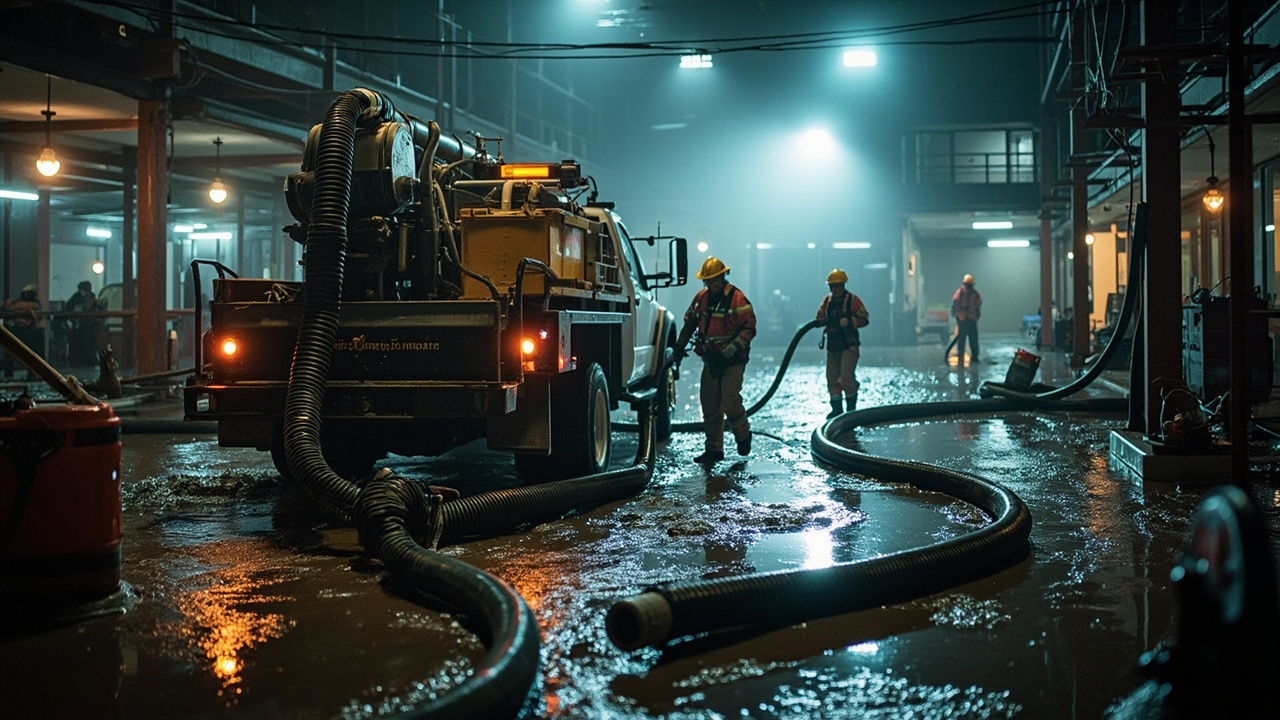
Commercial water removal demands equipment capacity that residential systems cannot deliver. You need truck-mounted extractors, submersible pumps rated for continuous operation, and teams trained in large loss water mitigation. San Diego's mixed-use developments and multi-tenant buildings add complexity. Water does not respect property lines. What starts in one suite can flood three others before you secure the source.

Bulk water removal services must begin within the first four hours to prevent secondary damage. After that window, microbial growth accelerates, building materials degrade, and remediation costs multiply. High volume water pumping is not optional when your business depends on reopening quickly. Every hour of downtime translates to lost revenue, contract penalties, and potential tenant displacement.

Why San Diego Facilities Face Unexpected Water Emergencies
How Industrial Water Extraction Protects Business Continuity

How Industrial Water Extraction Protects Business Continuity

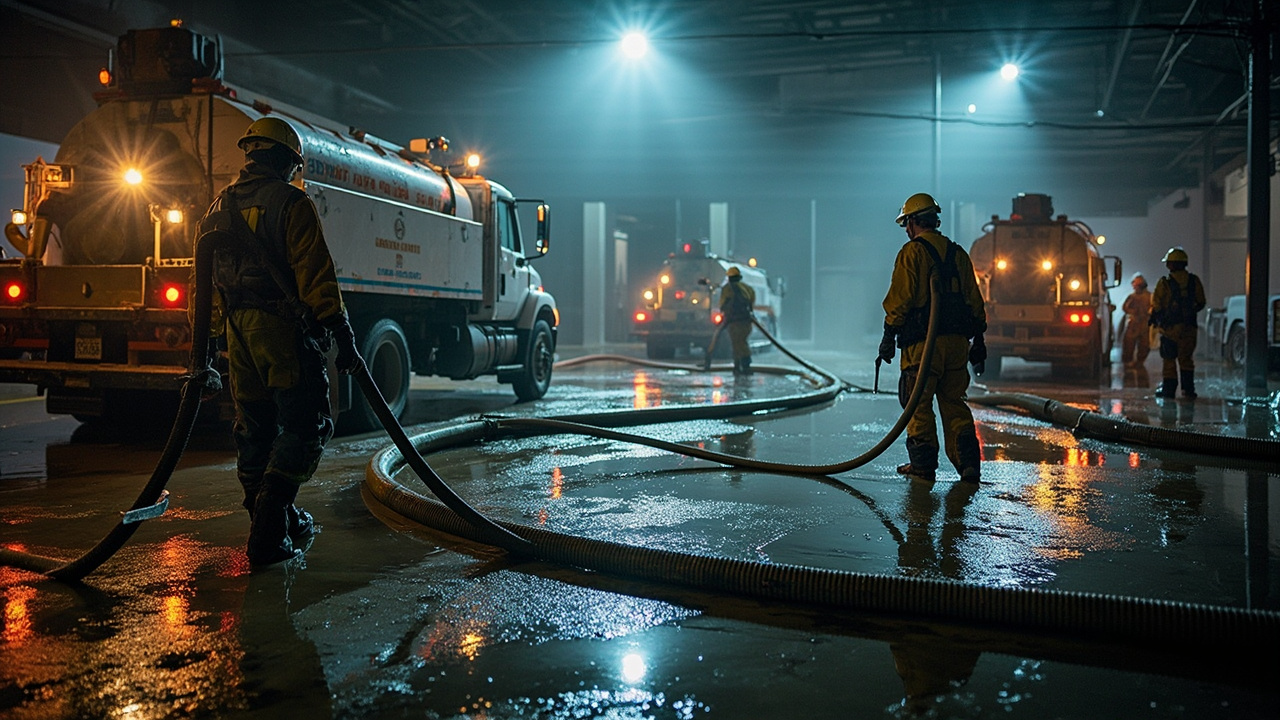
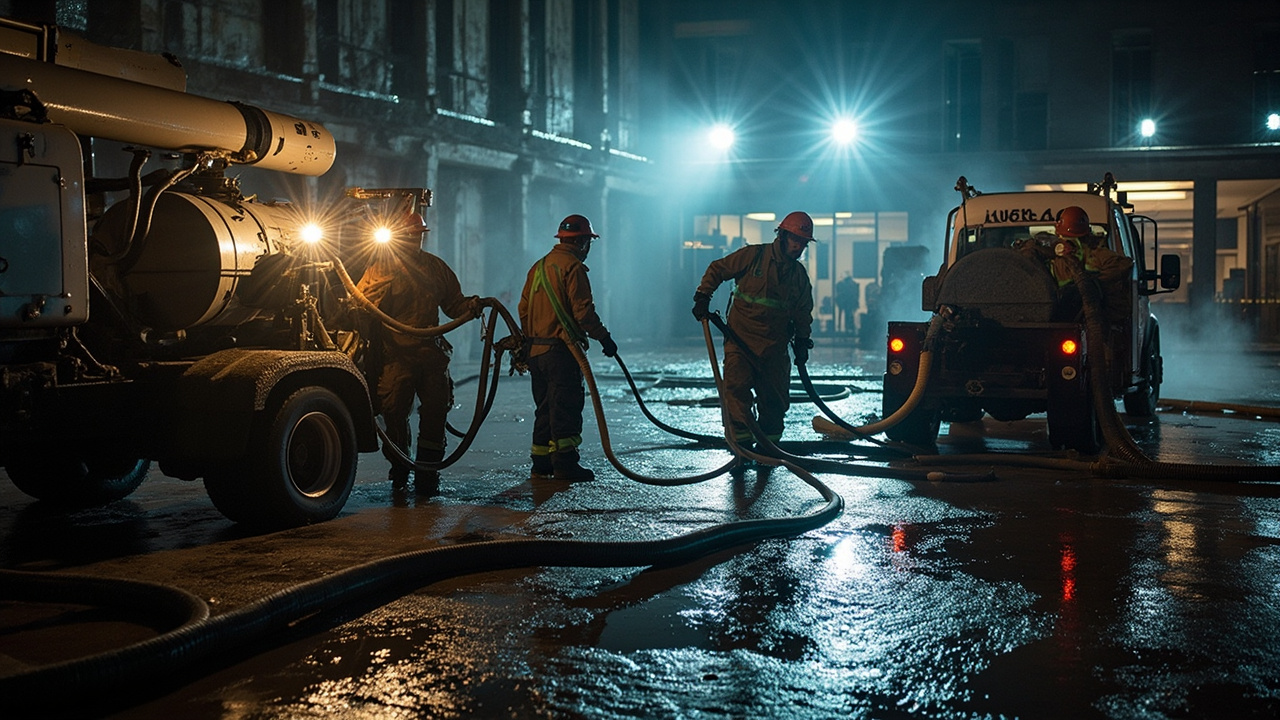
Keystone Water Damage Restoration San Diego approaches large scale water extraction as a logistics operation, not just a cleanup job. We deploy trailer-mounted extractors capable of removing 500 gallons per minute, paired with diesel-powered pumps for sites without accessible power. Our teams assess water classification immediately. Category 1 clean water demands different protocols than Category 3 contaminated floodwater.

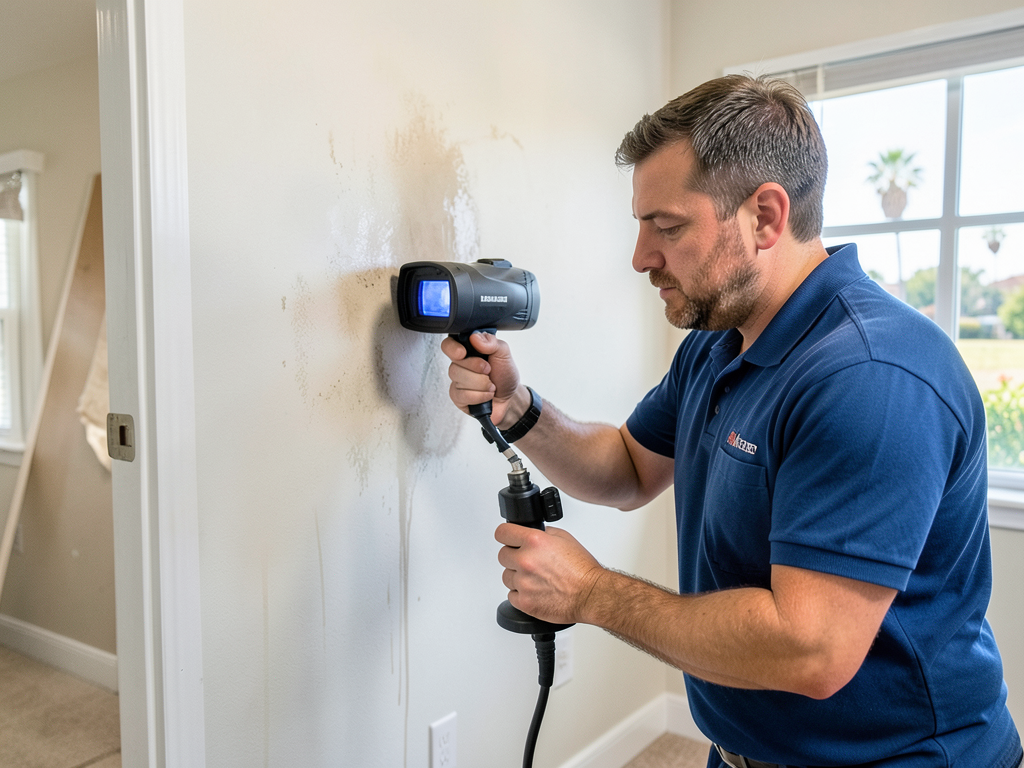
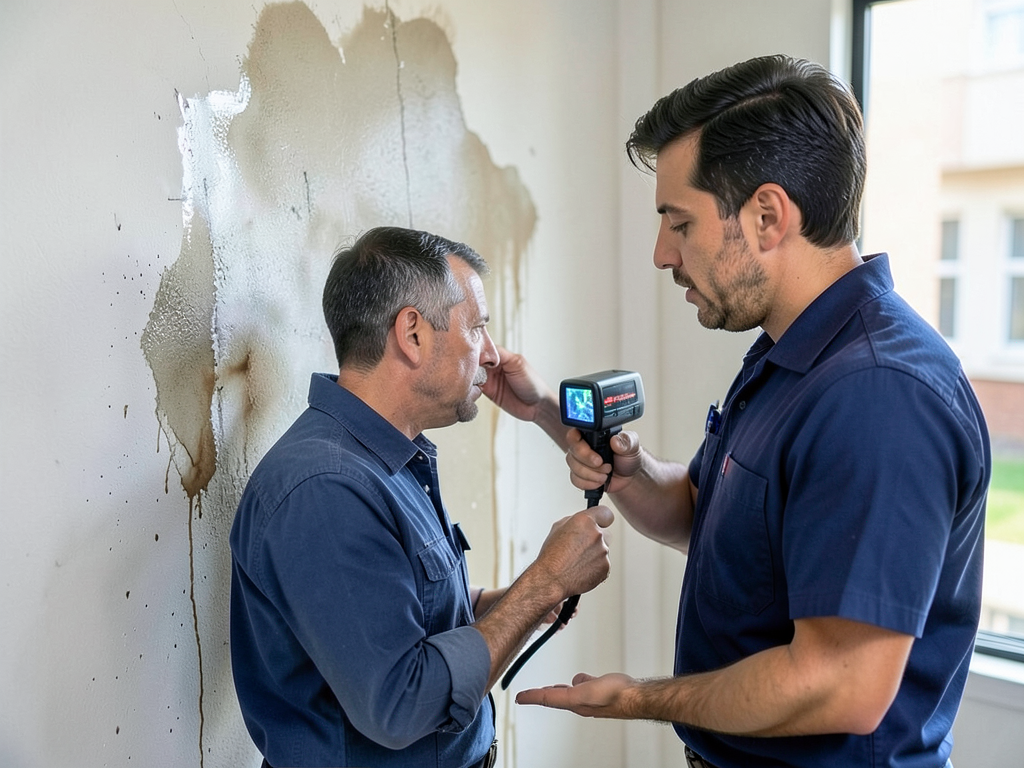
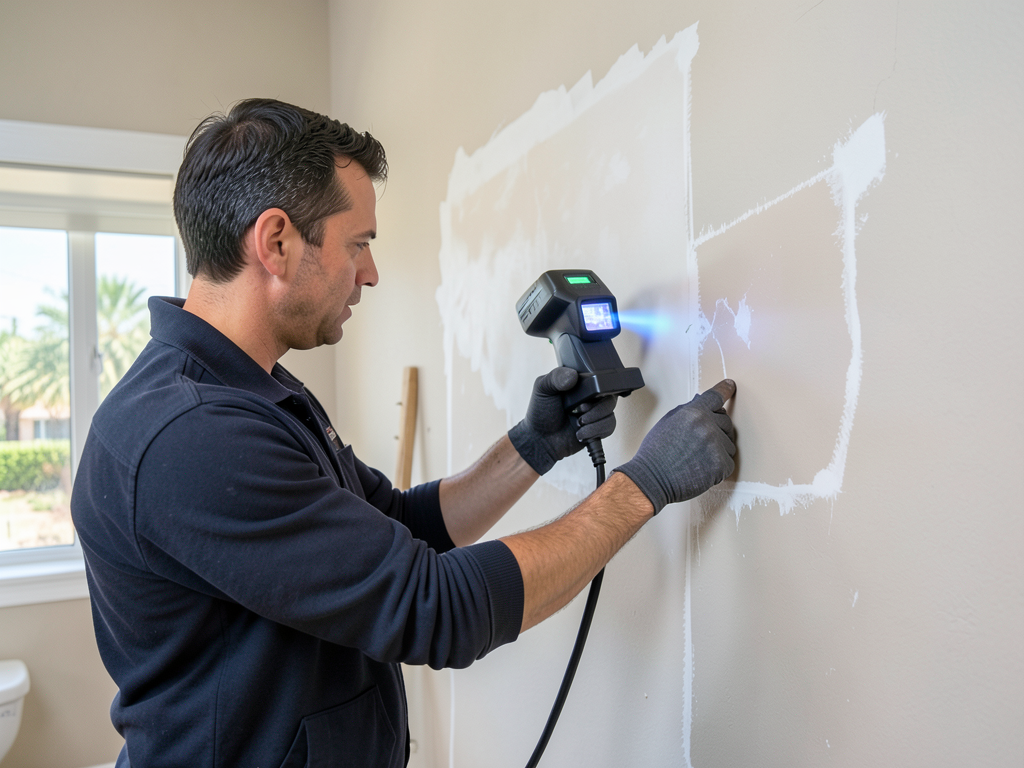
We map the affected area using moisture meters and thermal imaging to identify hidden saturation in wall cavities, under raised flooring, and within ceiling plenums. Commercial water removal requires understanding how water moves through your specific building type. Tilt-up concrete warehouses behave differently than steel-frame office towers. We adjust extraction methods based on construction type, HVAC configuration, and drainage access.

High volume water pumping starts at the lowest point and works systematically outward. We establish extraction zones to prevent cross-contamination and control water migration. Submersible pumps handle standing water while truck-mounted vacuums pull moisture from carpeting, padding, and porous surfaces. Industrial water extraction often requires cutting access points in flooring or walls to reach trapped water beneath slabs or inside mechanical chases.

We coordinate with your facility management team to maintain critical operations during extraction. That might mean isolating sections, routing temporary power, or scheduling work during off-peak hours. Large loss water mitigation includes documenting every step for insurance claims. We photograph conditions, log equipment deployment times, and track moisture readings to prove mitigation efforts met industry standards. Your adjuster needs that documentation to process claims efficiently.

What Happens During Emergency Commercial Water Removal

Large Scale Water Extraction in San Diego – Industrial-Grade Solutions That Keep Your Business Running
01

Rapid Site Assessment

Our team arrives within two hours to evaluate water volume, identify the source, and determine equipment needs. We test water contamination levels, measure affected square footage, and check for electrical hazards. This assessment determines whether we deploy submersible pumps, vacuum trucks, or both. You receive a written scope outlining extraction timeline, equipment requirements, and estimated completion before work begins.
02

Staged Water Extraction

We position extraction equipment based on water depth and facility layout. Truck-mounted units handle bulk removal while portable extractors address confined spaces and upper floors. Air movers and dehumidifiers deploy simultaneously to prevent secondary moisture accumulation. Our teams monitor extraction progress hourly, adjusting equipment placement as water levels drop. We coordinate with your operations team to minimize disruption to workflow and maintain security protocols throughout the building.
03

Verification and Documentation

After visible water removal, we measure moisture content in floors, walls, and structural components using calibrated meters. Readings must fall within acceptable ranges before extraction ends. You receive detailed documentation including moisture maps, equipment logs, and photographic evidence of pre- and post-extraction conditions. This record supports insurance claims and proves compliance with IICRC S500 standards for water damage restoration, protecting you from future liability disputes.

Why San Diego Businesses Choose Local Water Extraction Experts

Keystone Water Damage Restoration San Diego maintains equipment staging throughout the metro area to reach commercial sites quickly. We know which neighborhoods flood during heavy rain, which buildings have problematic plumbing systems, and how to navigate permitting requirements for emergency work. That local knowledge cuts response time when minutes matter.

Our technicians understand San Diego's commercial building stock. We have extracted water from everything from Point Loma fish processing plants to Sorrento Valley tech campuses. Each facility type presents different challenges. Cold storage warehouses require special protocols. Medical offices demand strict contamination control. We adapt our methods to your specific industry requirements and maintain compliance with Cal/OSHA regulations for confined space entry and electrical safety.

Large scale water extraction requires more than equipment. It demands coordination with property managers, insurance adjusters, and sometimes multiple tenants. We communicate clearly about timelines, access needs, and potential disruptions. You get direct contact with the project supervisor, not a call center. When complications arise, we solve problems on-site instead of waiting for approval from a distant corporate office.

San Diego's commercial market moves fast. Empty retail space gets leased quickly. Warehouse tenants have alternatives. You cannot afford extended downtime while waiting for a restoration company to mobilize resources. We maintain relationships with local equipment suppliers, structural engineers, and industrial hygienists who can deploy on short notice. That network becomes your advantage when you need answers immediately.

What to Expect During Commercial Water Extraction

Immediate Response Timeline

We dispatch assessment teams within two hours of your call, 24 hours a day. Equipment arrives within four hours for most San Diego locations. Full extraction operations begin the same day for facilities under 20,000 square feet. Larger sites or complex logistics might require staged mobilization, but initial water removal starts immediately to prevent damage escalation. We provide hourly updates during the first 24 hours so you can update stakeholders and insurance carriers with accurate information about mitigation progress.

Detailed Damage Assessment

Before extraction begins, our technicians document all affected areas with photos, moisture readings, and written descriptions. We identify water source, measure contamination levels, and note any safety hazards like exposed electrical systems or structural compromise. You receive a preliminary assessment within the first hour on-site. This report outlines affected square footage, estimated extraction duration, and equipment requirements. We also flag potential complications like asbestos-containing materials or hazardous waste that require specialized handling protocols before work proceeds.

Verified Dry Conditions

Extraction concludes when moisture readings meet IICRC standards for your building type and materials. We do not guess. Calibrated meters measure exact moisture content in concrete, drywall, insulation, and flooring. You receive a final moisture report with readings from multiple locations throughout the affected area. This documentation proves the space is safe for reconstruction and protects you if disputes arise later about the quality of mitigation work. Most facilities reach acceptable moisture levels within three to five days.

Post-Extraction Monitoring Support

We provide follow-up moisture checks at 48 and 72 hours after equipment removal to confirm conditions remain stable. If readings creep upward, we redeploy dehumidification equipment at no additional charge. You also receive guidance on HVAC operation, temporary climate control, and when to schedule reconstruction contractors. Our team remains available for questions as your facility returns to normal operation. This support continues through the insurance claim process if adjusters request additional documentation or clarification about extraction procedures.

Frequently Asked Questions

You Have Questions,
We Have Answers

How to purify water on a large scale? +

Large-scale water purification for commercial operations uses multi-stage filtration systems, reverse osmosis, UV sterilization, and chemical treatment protocols. Industrial facilities require permits and compliance with California's Title 22 water quality standards. For San Diego businesses facing contaminated water from flooding or pipe breaks, the focus shifts to extraction first, then decontamination through HEPA filtration and antimicrobial treatment. Commercial water damage scenarios demand certified professionals who test for Category 2 and Category 3 contamination levels, document findings for regulatory compliance, and restore water-damaged spaces to safe operational status. Always prioritize immediate extraction before purification.

How to remove large amounts of water? +

Removing large water volumes in commercial settings requires truck-mounted extraction units, submersible pumps rated for 50-200 gallons per minute, and portable extractors for confined spaces. San Diego businesses hit by flooding or sprinkler malfunctions need rapid response to prevent structural damage and mold growth within 24-48 hours. Professionals use thermal imaging to locate hidden moisture pockets in concrete slabs and wall cavities common in commercial construction. High-capacity air movers and commercial dehumidifiers work in tandem to pull moisture from materials. The extraction process prioritizes business continuity, minimizing downtime through phased drying that allows partial operations during remediation.

What is the machine that extracts water? +

Water extraction machines include truck-mounted extractors with 200-plus horsepower, portable extractors for smaller areas, submersible pumps for standing water, and weighted wands for carpet and upholstery. Commercial-grade equipment delivers significantly higher CFM ratings than residential units. San Diego commercial facilities benefit from trailer-mounted desiccant dehumidifiers that operate efficiently in coastal humidity conditions. Thermal imaging cameras and moisture meters are diagnostic tools, not extractors, but guide equipment placement. Professional operators select extraction equipment based on water category, affected square footage, and material types. The goal is complete moisture removal to prevent secondary damage and regulatory issues.

What is excessive water extraction? +

Excessive water extraction in commercial water damage contexts means incomplete or improper moisture removal that leaves residual dampness in structural materials, leading to mold colonization, material degradation, and indoor air quality issues. This differs from environmental groundwater depletion concerns. In San Diego facilities, hidden moisture in wall cavities, beneath flooring systems, or within HVAC ductwork creates liability exposure and potential code violations. Proper extraction requires documentation through moisture mapping, adherence to IICRC S500 standards, and verification testing before declaring spaces dry. Cutting corners on extraction leads to costly callbacks, business interruption, and potential lawsuits from tenants or employees.

How to purify 100 gallons of water? +

Purifying 100 gallons requires context. For potable water storage, use food-grade containers with 8 drops of unscented bleach per gallon or commercial purification tablets. For water damage scenarios in San Diego commercial spaces, 100 gallons of contaminated floodwater requires containment, extraction via pumps or vacuums, proper disposal following sanitation district regulations, and surface decontamination with EPA-registered antimicrobials. The affected area needs structural drying and air scrubbing with HEPA filtration. Never attempt DIY purification of Category 3 water containing sewage or chemical contaminants. Commercial liability demands certified professionals who document the remediation process and provide clearance testing.

Can you drink any water with LifeStraw? +

LifeStraw personal filters remove bacteria and parasites from freshwater sources but do not address chemicals, heavy metals, or viruses in contaminated floodwater. This question falls outside commercial water damage restoration scope. For San Diego businesses facing water intrusion, personal filtration devices are irrelevant. Commercial water damage involves structural extraction, not potable water production. Category 2 and Category 3 water contain contaminants that personal filters cannot address. Focus on business continuity through rapid professional extraction, structural drying, and antimicrobial treatment. Employee safety requires keeping staff away from contaminated areas until certified remediation completes and clearance testing confirms safe occupancy.

How do preppers purify water? +

Prepper water purification methods include boiling, bleach treatment, ceramic filters, and distillation for emergency preparedness. This topic does not align with commercial water damage restoration needs in San Diego. Businesses facing flooding require immediate large-scale extraction, not survival techniques. Commercial facilities must meet OSHA standards, California building codes, and insurance documentation requirements. The liability exposure from using improvised methods versus certified restoration processes is significant. When commercial property experiences water intrusion, contact licensed professionals who carry proper insurance, use calibrated equipment, and provide documentation that satisfies insurers and regulators. DIY approaches create legal and financial risk.

How to get rid of all the water weight? +

Water weight reduction is a personal health topic unrelated to commercial water damage restoration. For San Diego businesses, getting rid of water means extracting moisture from building materials, contents, and structural cavities following flooding or pipe failures. This requires commercial extraction equipment, structural drying protocols, and moisture verification testing. The process focuses on liability mitigation, preventing mold growth, and minimizing business interruption. Thermal imaging identifies trapped moisture in walls and flooring systems. Air movers and dehumidifiers work continuously until materials reach acceptable moisture content per IICRC standards. Focus on operational continuity, not personal wellness.

Does siphoning work in zero gravity? +

Siphoning in zero gravity fails because the process requires gravitational force to pull liquid through tubing from higher to lower elevation. This physics question does not relate to commercial water damage restoration in San Diego. Businesses need ground-based extraction solutions using powered pumps and vacuum systems that create mechanical suction independent of gravity. Commercial water removal relies on submersible pumps, truck-mounted extractors, and portable units designed for Earth-based operations. When commercial facilities flood, response time matters more than theoretical physics. Professional extraction equipment removes thousands of gallons efficiently, protecting assets and minimizing downtime.

How do the Amish collect water? +

Amish water collection methods, including hand-dug wells, cisterns, and manual pumps, reflect off-grid lifestyle choices unrelated to commercial water damage restoration. San Diego businesses require modern extraction technology following water intrusions. Commercial facilities cannot use manual methods when thousands of gallons flood warehouses, offices, or retail spaces. California building codes, OSHA requirements, and insurance policies demand certified professionals using calibrated equipment. The liability exposure from attempting manual water removal in commercial settings is significant. Rapid mechanical extraction prevents secondary damage, mold growth, and business interruption. Focus on professional solutions that meet regulatory standards and protect your operation.

How San Diego's Coastal Climate Complicates Commercial Water Removal

San Diego's marine layer creates persistent humidity that slows evaporation after flooding events. Facilities near the coast face ambient humidity levels above 70 percent during morning hours, even in summer. This moisture-laden air interferes with natural drying and accelerates microbial growth on wet building materials. High volume water pumping must pair with aggressive dehumidification to counteract these conditions. Standard air movement alone cannot overcome the constant influx of humid ocean air. Commercial properties in Barrio Logan, National City, and Imperial Beach require extended drying times compared to inland sites.

Keystone Water Damage Restoration San Diego trains technicians specifically on coastal moisture management. We understand how salt air affects electronic equipment during water emergencies and adjust extraction methods to protect sensitive systems. Our moisture monitoring accounts for San Diego's unique climate patterns rather than relying on generic drying timelines. We also maintain relationships with local industrial hygienists who understand regional mold species and can provide testing services when Category 3 water affects your facility. This local expertise matters when insurance carriers question mitigation procedures or dispute claim amounts.
Water Damage Restoration Services in The San Diego Area

We are proud to serve the entire San Diego area and invite you to view our service region on the map below. While our emergency response team is mobile and always ready to dispatch to your location rapidly, our central operations base allows us to coordinate efficient service across all of San Diego County. Contact us today for immediate assistance, no matter where your property is located within our service area.

Address:
Keystone Water Damage Restoration San Diego, 4445 Eastgate Dr, San Diego, CA, 92121

Additional Services We Offer

Our news updates

Latest Articles & News from The Blogs

Keeping Your Pets Safe from Bacteria and Mold After a Hillcrest Flood Flooding in Hillcrest creates immediate dangers for pets…

Keeping Your Pets Safe from Bacteria and Mold After a Hillcrest Flood

Keeping Your Pets Safe from Bacteria and Mold After a Hillcrest Flood Flooding in Hillcrest creates immediate dangers for pets…

Why Your Escondido Roof is Leaking After a New Solar Panel Installation

Why Your Escondido Roof is Leaking After a New Solar Panel Installation If you notice water dripping from your ceiling…

How Your Backyard Slope is Pushing Water into Your Mira Mesa Foundation

How Your Backyard Slope is Pushing Water into Your Mira Mesa Foundation Standing water in your backyard after a San…

Contact Us

Standing water damages your facility every hour it remains. Call Keystone Water Damage Restoration San Diego now at (858) 203-2555 for immediate commercial water extraction. Our teams deploy across the metro area 24 hours a day with industrial-grade equipment ready to minimize your downtime and protect your assets.