menu

Carpet Water Extraction in San Diego – 24/7 Emergency Response Before Mold Takes Hold

We deploy certified technicians and truck-mounted extraction systems to San Diego homes within 60 minutes, removing standing water from carpets and preventing permanent fiber damage and microbial growth.

Slider Image 1
Slider Image 2
Slider Image 3
Slider Image 4
Slider Image 5
Slider Image 7
Slider Image 8
Slider Image 9
Slider Image 10
Slider Image 11

Why Carpet Water Extraction Can't Wait in San Diego's Coastal Climate

San Diego's mild, humid coastal air creates perfect conditions for mold colonization after water intrusion. When carpet absorbs water from a burst pipe, appliance leak, or storm surge, the clock starts ticking. You have 24 to 48 hours before mold spores begin multiplying in the padding and subfloor beneath your visible carpet surface.

Most homeowners underestimate the volume of water trapped in carpet fibers and underlayment. A small bathroom flood can release 50 gallons into adjacent rooms through wicking. Carpet padding acts like a sponge, holding moisture against wood subfloors and drywall baseboards long after the surface appears dry to touch.

San Diego's Craftsman homes and Spanish Colonial Revival properties often feature original hardwood flooring beneath carpet installations. Delayed flooded carpet extraction allows moisture to seep through tack strips and penetrate tongue-and-groove planking, causing cupping and permanent warping. Salt air from proximity to Mission Bay or the Pacific accelerates corrosion of carpet tack strips and metal transitions, complicating water damage carpet extraction if you wait too long.

Emergency carpet water removal requires industrial extraction equipment that generates hundreds of pounds of suction pressure. Standard shop vacuums and rental machines lack the power to pull water from deep carpet pile and dense padding. Wet carpet extraction must address both the visible carpet layer and the hidden padding layer to prevent secondary damage.

Keystone Water Damage Restoration San Diego responds to carpet water removal calls across neighborhoods from La Jolla to Chula Vista, understanding how microclimates near the coast versus inland valleys affect drying timelines and mold risk.

Why Carpet Water Extraction Can't Wait in San Diego's Coastal Climate
How Professional Carpet Water Extraction Prevents Permanent Damage

How Professional Carpet Water Extraction Prevents Permanent Damage

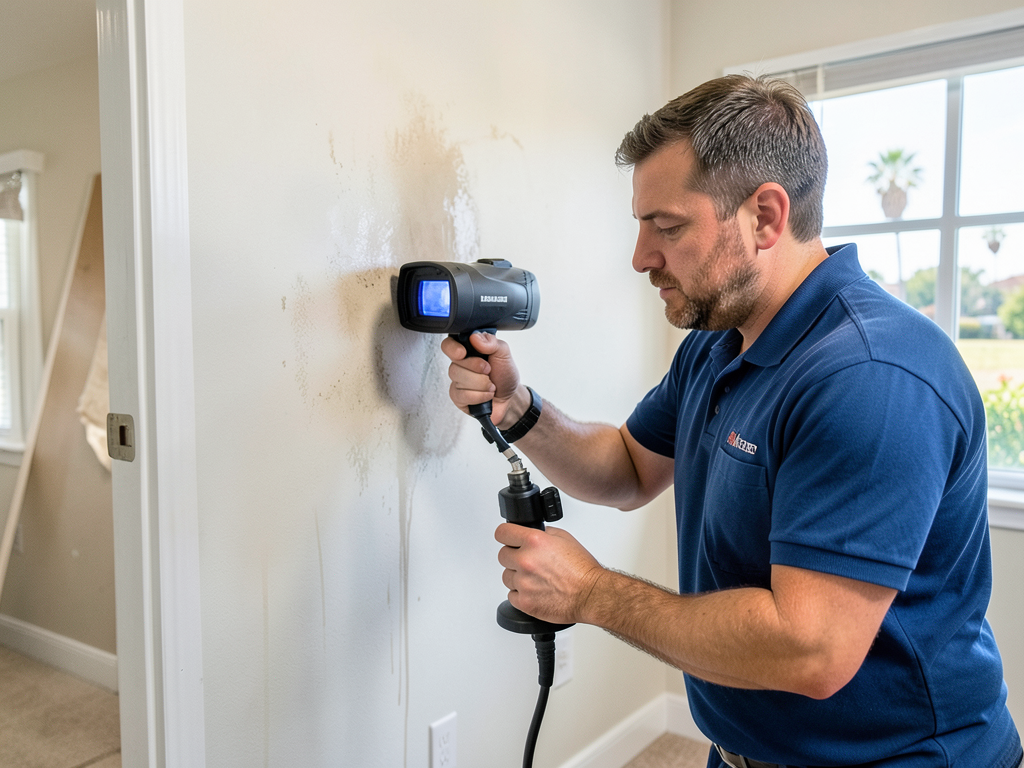
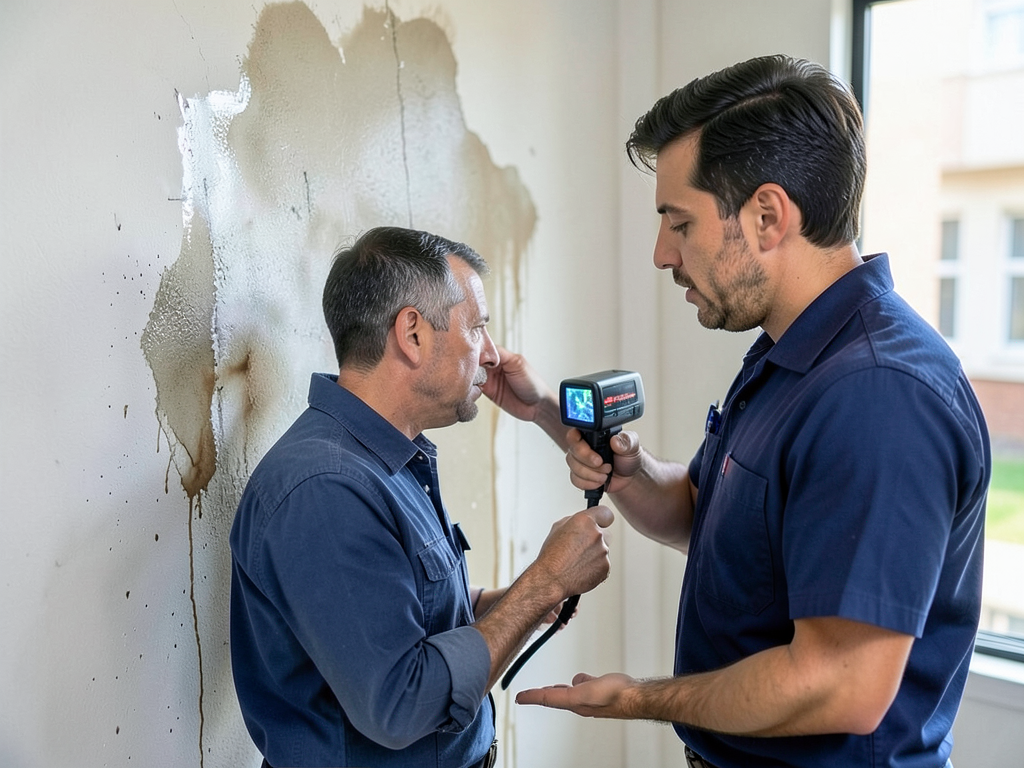
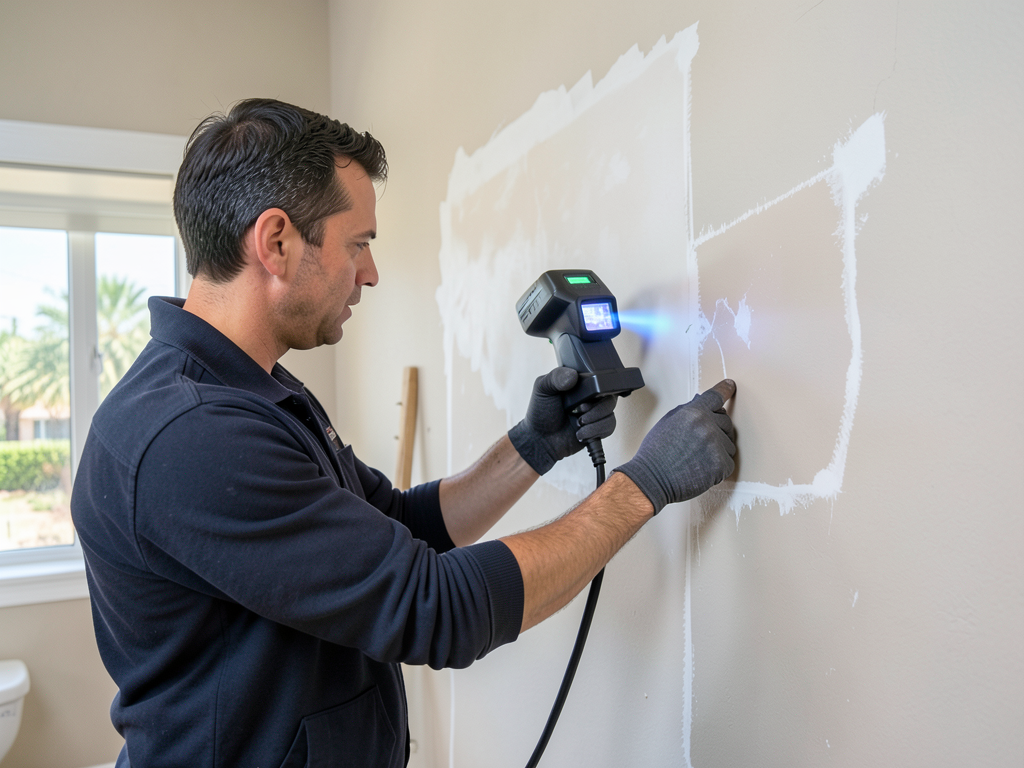
Effective carpet water extraction begins with moisture mapping using thermal imaging cameras and penetrating moisture meters. We measure moisture content in carpet fibers, padding, and the subfloor beneath to establish baseline readings and identify saturation boundaries beyond the visible water line.

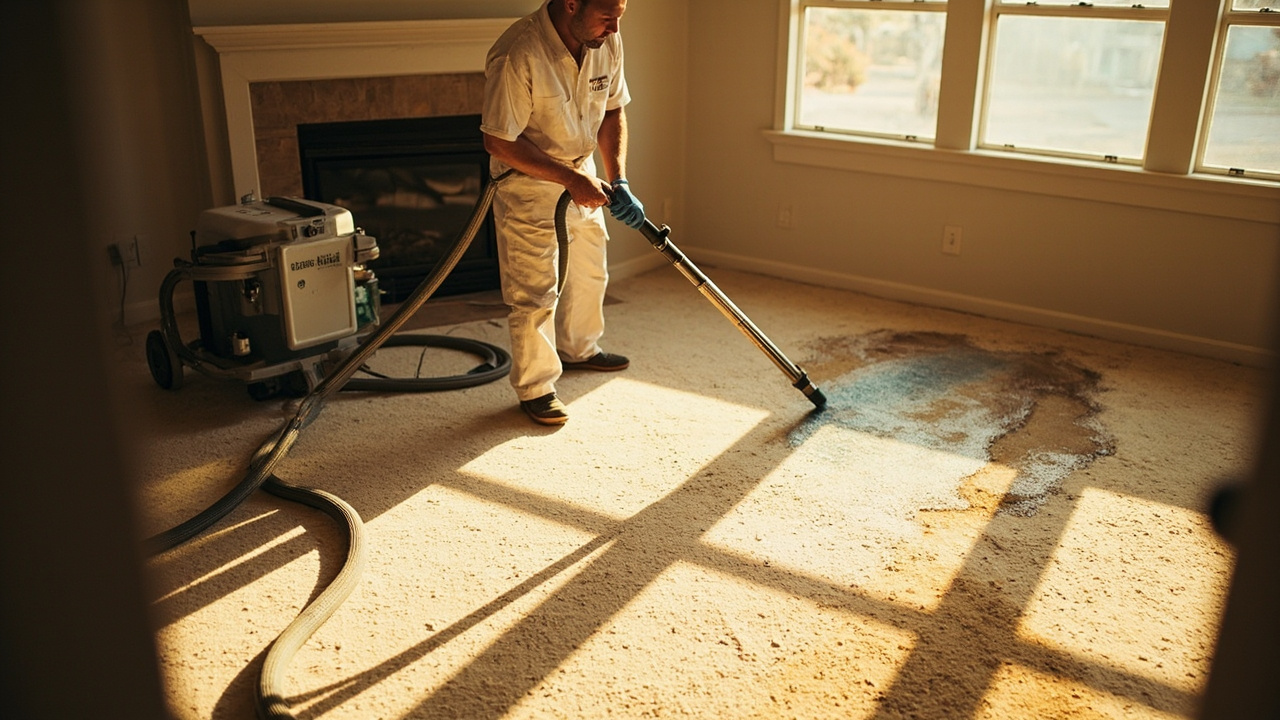
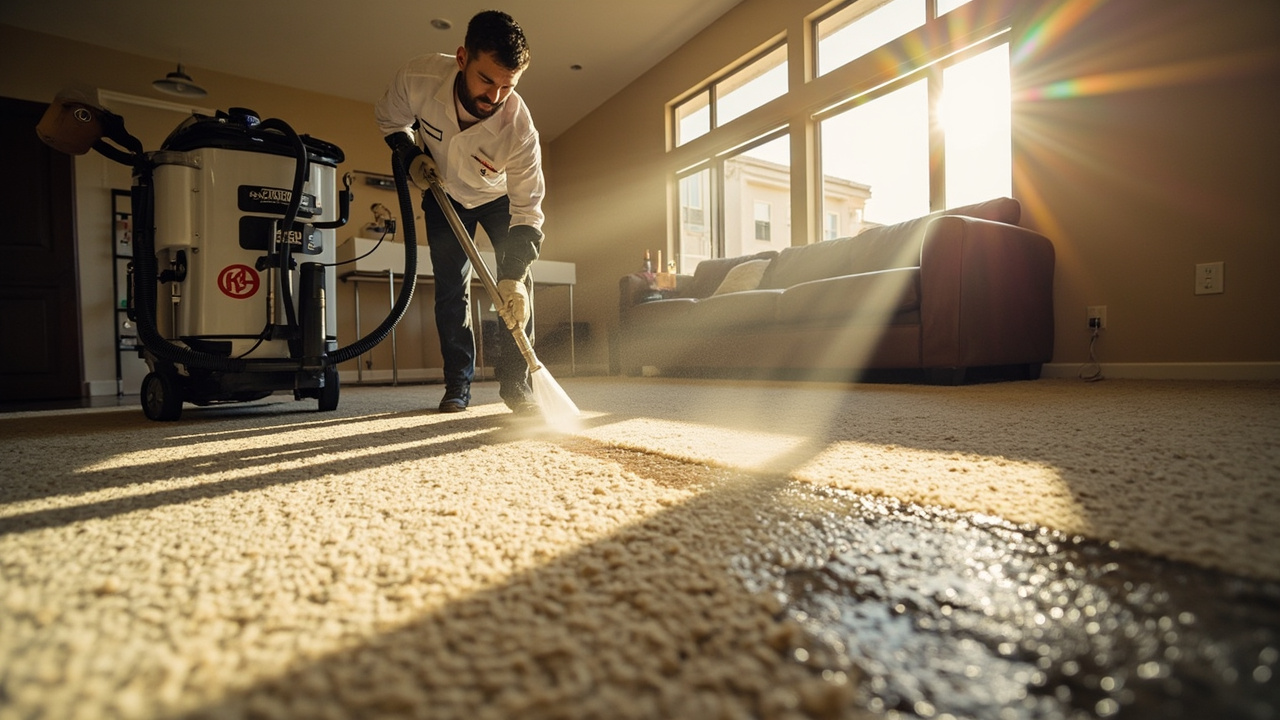
Truck-mounted extraction units generate 500 to 600 pounds of lift, pulling water vertically through carpet backing and pad into recovery tanks. This removes 95 percent of standing water in the first pass. Portable extractors handle areas where truck-mount hoses cannot reach, like second-story bedrooms or rooms distant from vehicle access points.

We inject heated air beneath carpet edges using air movers positioned at strategic angles to create laminar airflow across pad surfaces. This prevents delamination where carpet backing separates from primary backing due to prolonged saturation. Dehumidifiers extract airborne moisture, dropping relative humidity below 50 percent to halt microbial activity.

Carpet padding rarely survives Category 2 or Category 3 water intrusions. Gray water from washing machine overflows or dishwasher malfunctions carries detergents and organic matter that contaminate padding beyond salvageability. Black water from sewage backups requires complete carpet and pad disposal per IICRC S500 standards. We pull back carpet, remove contaminated padding, treat subfloors with antimicrobial agents, and reinstall carpet over new padding once moisture readings confirm dryness.

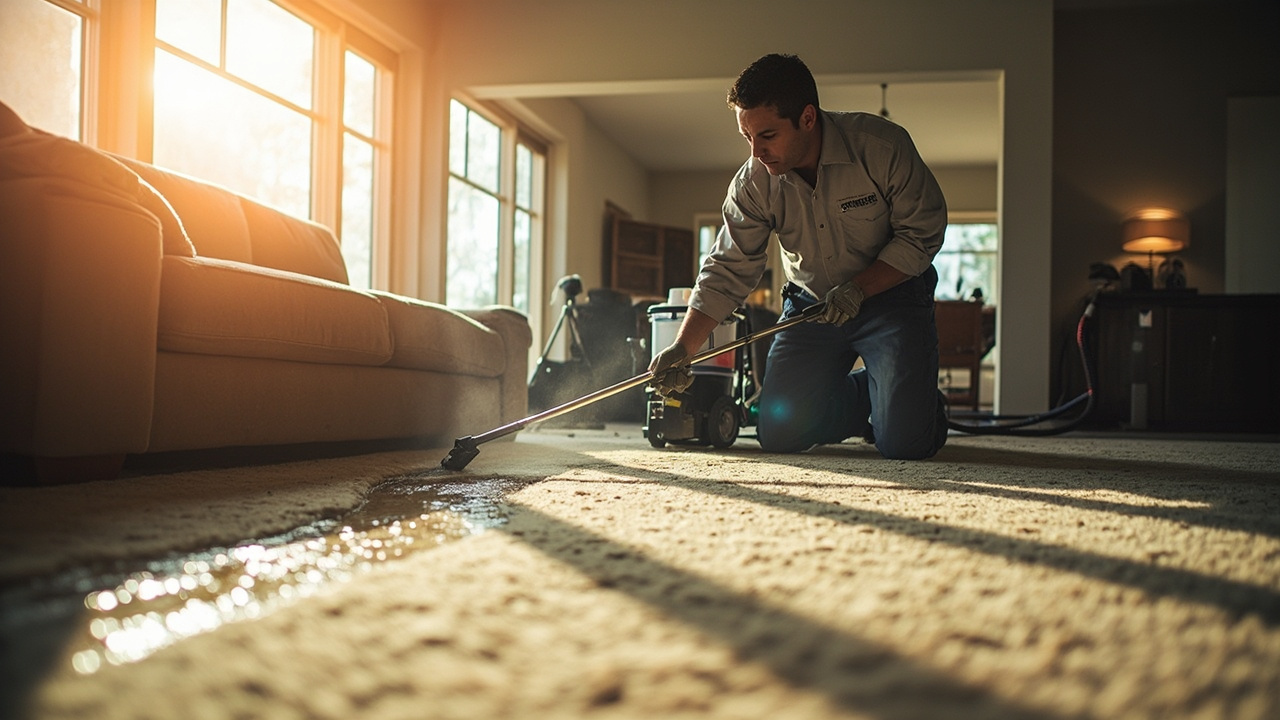
Weighted extraction tools apply concentrated pressure to high-traffic lanes and furniture compression zones where water pools deepest. We make multiple extraction passes, measuring moisture reduction after each cycle until readings drop below 15 percent moisture content.

What Happens During Emergency Carpet Water Extraction

Carpet Water Extraction in San Diego – 24/7 Emergency Response Before Mold Takes Hold
01

Immediate Water Removal

Our technicians arrive with truck-mounted extraction equipment and begin pulling standing water from carpet within minutes of entry. We use weighted wands that compress carpet pile, forcing water upward into vacuum chambers. Furniture gets lifted onto foam blocks to prevent staining and allow airflow beneath legs. We extract room by room, working from the furthest saturation point back toward the water source.
02

Moisture Detection and Mapping

After initial extraction, we use penetrating pin meters to measure moisture in carpet backing, padding, and subfloor. Thermal imaging reveals hidden water migration into wall cavities and adjacent rooms. We document moisture readings with photos and written logs to track drying progress. This data determines equipment placement and identifies whether padding requires removal. Moisture maps guide insurance adjusters during claims processing.
03

Controlled Drying and Monitoring

We position air movers and dehumidifiers based on room geometry and airflow dynamics. Equipment runs continuously for 48 to 72 hours while technicians return daily to take moisture readings and adjust equipment. Once subfloor moisture drops below 12 percent and carpet reads below 15 percent, we remove drying equipment. Final antimicrobial treatment prevents mold growth during the last phase of ambient drying.

Why San Diego Homeowners Trust Keystone for Wet Carpet Extraction

San Diego's building stock ranges from 1920s bungalows in North Park to modern condos in Little Italy. Each property type presents unique challenges for water damage carpet extraction. Older homes often have plaster walls and limited crawl space access, complicating subfloor drying. Concrete slab foundations in newer developments require surface drying techniques since moisture cannot evaporate downward.

We understand how San Diego's Mediterranean climate affects drying times. Coastal humidity between 60 and 75 percent slows evaporation compared to inland desert climates. Our equipment specifications and drying protocols account for this, preventing premature equipment removal that leads to mold growth three weeks after initial water intrusion.

Keystone technicians hold IICRC certifications in Water Damage Restoration and Applied Structural Drying. We follow ANSI-approved standards for moisture mapping, equipment placement, and daily monitoring. This matters during insurance claims, where adjusters require documentation proving industry-standard mitigation practices.

Many San Diego neighborhoods feature HOA restrictions on exterior equipment placement and noise levels. We coordinate truck-mount positioning to comply with community rules while maintaining extraction efficiency. Our teams work within noise ordinances, scheduling loud equipment operation during permitted hours.

We respond to flooded carpet extraction calls from Point Loma to Rancho Bernardo, understanding how elevation changes and proximity to the San Diego River or Los Peñasquitos Canyon affect flood risk. Properties in Clairemont and Linda Vista near Mission Bay face different water intrusion patterns than hillside homes in Mount Helix or Alpine.

Local expertise means knowing which carpet types in San Diego homes tolerate wet extraction versus requiring replacement. Berber carpets with jute backing delaminate easily, while nylon loop pile often survives if dried within 48 hours.

What to Expect During Professional Carpet Water Extraction

Response Time and Availability

We dispatch technicians to San Diego water damage sites within 60 minutes of your call, 24 hours a day including weekends and holidays. Emergency carpet water removal cannot wait for business hours. Water wicks through carpet padding at a rate of several feet per hour, expanding the damage zone exponentially. Our rapid response limits saturation spread and reduces overall restoration costs. Trucks carry full extraction equipment, eliminating delays for supply runs. You receive an estimated arrival time when you call, and our driver contacts you 15 minutes before arrival.

Initial Assessment and Scope

The first technician on site performs a complete moisture assessment before starting extraction. This includes checking adjacent rooms, closets, and hallways for hidden water migration. We identify the water source and category, which determines contamination risk and salvageability decisions. You receive a written scope of work explaining which materials require extraction versus removal, expected drying time, and equipment needs. We photograph damage for insurance documentation and explain the restoration process step by step. Assessment takes 20 to 30 minutes, then extraction begins immediately.

Restoration Quality and Results

Successful wet carpet extraction returns your flooring to pre-loss condition with no residual moisture, odor, or microbial growth. We achieve dry-standard readings verified by moisture meters before removing equipment. Carpets regain their original texture and appearance once fully dry. If padding required replacement, we reinstall carpet with power stretchers to eliminate wrinkles and ensure proper tension. Baseboards get reattached, and furniture returns to original positions. You receive final moisture documentation showing all readings within acceptable ranges, satisfying insurance requirements and confirming complete drying.

Post-Extraction Monitoring and Prevention

After equipment removal, we recommend monitoring the affected area for 48 hours for any musty odors or new moisture signs. We provide guidance on preventing future water intrusions, including appliance maintenance schedules and leak detection system options. If mold appears within 30 days despite proper drying, we return to assess whether hidden moisture pockets were missed. Most San Diego carpet water extraction projects achieve complete drying within three to five days. We offer annual plumbing inspections to catch supply line deterioration before leaks occur, particularly important in homes over 30 years old.

Frequently Asked Questions

You Have Questions,
We Have Answers

How to extract water from carpet? +

Start by removing standing water with a wet-dry vacuum or shop vac. Extract as much water as possible using overlapping passes. Blot remaining moisture with clean towels, applying pressure to pull water from carpet fibers and padding. Open windows and run fans to increase airflow. In San Diego's mild climate, outdoor ventilation helps speed drying. For significant water damage from burst pipes or flooding, use a truck-mounted extraction unit or call a professional. The padding underneath often holds more water than visible surface wetness, so thorough extraction prevents mold growth and structural damage.

How much does it cost to get water out of carpet? +

Carpet water extraction costs in San Diego vary based on square footage, water source, and damage severity. Professional services typically charge per room or by the square foot. Clean water from supply line breaks costs less than contaminated water from sewage backups, which requires specialized equipment and sanitization. Insurance often covers water damage restoration if the cause is sudden and accidental. Many San Diego restoration companies offer free inspections and work directly with your insurance adjuster. Fast action reduces costs by preventing secondary damage like mold, which dramatically increases restoration expenses.

Is an extractor better than a carpet cleaner? +

An extractor removes water from carpet, while a carpet cleaner applies cleaning solution and removes dirt. For water damage, you need an extractor first. Extractors use powerful suction to pull moisture from fibers and padding without adding liquid. Carpet cleaners inject water mixed with detergent, which worsens flooding situations. After extraction and complete drying, you can use a carpet cleaner for sanitation. In San Diego's coastal humidity, proper extraction equipment prevents mold growth that occurs when carpets stay damp. Professional truck-mounted extractors provide stronger suction than portable cleaners.

Does Stanley Steemer get water out of carpet? +

Stanley Steemer primarily offers carpet cleaning services, not emergency water extraction or restoration. Their equipment and process focus on cleaning, which adds moisture to carpets. Water damage requires specialized extraction equipment, dehumidifiers, air movers, and moisture detection tools. You need a water damage restoration company with 24/7 emergency response. San Diego residents dealing with flooded carpets need immediate extraction to prevent mold within 24 to 48 hours. Restoration specialists handle insurance documentation, structural drying, and antimicrobial treatment that standard cleaning companies do not provide.

How long can carpet be wet before mold? +

Carpet can develop mold within 24 to 48 hours if it stays wet. San Diego's coastal humidity accelerates mold growth, especially in poorly ventilated spaces. Mold spores exist everywhere and only need moisture and organic material to colonize. Carpet padding holds water longer than surface fibers, creating hidden mold breeding grounds. You must extract water and begin drying immediately after damage occurs. Use dehumidifiers and air movers to reduce humidity below 60 percent. If carpet remains wet beyond 48 hours, mold remediation becomes necessary, increasing restoration costs significantly.

What tool is used to get water out of carpet? +

Professional water extractors use truck-mounted or portable extraction units with powerful vacuum systems. Wet-dry vacuums remove standing water for minor incidents. Air movers create airflow across carpet surfaces to speed evaporation. Dehumidifiers pull moisture from the air, preventing it from reabsorbing into materials. Moisture meters detect hidden water in padding and subfloors. Infrared cameras identify wet areas not visible to the eye. San Diego restoration professionals combine these tools for complete water removal. Submersible pumps handle severe flooding before extraction equipment can work effectively on remaining moisture.

Is it worth getting carpets professionally cleaned? +

Professional carpet cleaning maintains appearance and extends carpet life, but water extraction after flooding is non-negotiable. Professionals use commercial-grade equipment that removes far more water than consumer rentals. They assess padding and subfloor damage that homeowners miss. In San Diego properties, professionals understand how coastal moisture affects drying times and mold risk. They document damage for insurance claims and use moisture meters to verify complete drying. The cost of professional extraction prevents expensive mold remediation, flooring replacement, and health issues from contaminated materials.

Will wet carpet smell go away? +

Wet carpet smell disappears only if you completely dry and sanitize the affected area. The odor comes from bacteria, mildew, and mold growing in damp fibers and padding. Simply drying the surface does not eliminate smell trapped in padding or subfloors. San Diego's mild temperatures can mask ongoing moisture problems until odor becomes overwhelming. You must extract all water, dry materials thoroughly, and apply antimicrobial treatment. If the smell persists after proper drying, contamination has spread to padding or framing, requiring removal and replacement.

Do you need to replace carpet after water damage? +

Carpet replacement depends on water source, exposure time, and padding condition. Clean water from supply lines allows carpet salvage if extracted within 24 hours. Contaminated water from sewage or flooding requires carpet and padding removal for health safety. Padding absorbs and holds water, making it difficult to dry completely. If carpet stays wet beyond 48 hours, mold growth typically requires replacement. San Diego homes with concrete slabs dry faster than raised foundations. Professional moisture testing determines if materials are salvageable or pose ongoing contamination risks.

How do professionals get dog pee out of carpet? +

Professionals use enzymatic cleaners that break down uric acid crystals causing pet odor. They inject cleaning solution deep into carpet fibers and padding where urine penetrates, then extract the contaminated moisture. Blacklight inspection reveals hidden urine spots. For severe contamination, professionals remove padding sections and seal subfloors with odor-blocking primers. San Diego's warm climate intensifies ammonia odors as bacteria multiply. Standard carpet cleaning does not reach urine in padding. Professional extraction with enzymatic treatment and thorough drying prevents recurring smells that return when humidity increases.

How San Diego's Coastal Humidity Complicates Carpet Drying

San Diego's proximity to the Pacific Ocean maintains outdoor relative humidity between 65 and 80 percent year-round, particularly in coastal neighborhoods like Ocean Beach, Pacific Beach, and La Jolla. This ambient moisture slows carpet drying because dehumidifiers must work harder to create the 30 to 40 percent humidity differential needed for rapid evaporation. Inland areas like Poway and Santee experience lower humidity, allowing faster drying times. Marine layer fog that blankets western San Diego neighborhoods each morning adds moisture to the air just as overnight drying peaks. We compensate by running high-capacity dehumidifiers and sealing affected rooms to control atmospheric conditions independent of outdoor weather.

San Diego County requires water damage restoration contractors to carry proper licensing and liability coverage, protecting homeowners from substandard work. Keystone maintains all required bonds and insurance, giving you recourse if problems arise. We work directly with major insurance carriers serving San Diego, understanding their documentation requirements and claims processes. Many San Diego homeowners discover their insurance covers emergency water mitigation even if the policy excludes certain types of water damage. We help you navigate coverage questions and provide detailed invoicing that satisfies adjuster requirements, maximizing your claim benefits while minimizing out-of-pocket costs.
Water Damage Restoration Services in The San Diego Area

We are proud to serve the entire San Diego area and invite you to view our service region on the map below. While our emergency response team is mobile and always ready to dispatch to your location rapidly, our central operations base allows us to coordinate efficient service across all of San Diego County. Contact us today for immediate assistance, no matter where your property is located within our service area.

Address:
Keystone Water Damage Restoration San Diego, 4445 Eastgate Dr, San Diego, CA, 92121

Additional Services We Offer

Our news updates

Latest Articles & News from The Blogs

Who Pays for Water Damage When a Neighbor’s Leak Affects Your San Diego Condo Discovering water damage in your condo…

Navigating Liability When a Neighbors Apartment Leaks into Your San Diego Condo

Who Pays for Water Damage When a Neighbor’s Leak Affects Your San Diego Condo Discovering water damage in your condo…

The Critical Steps Your Restoration Team Takes in the First Forty Eight Hours

The Critical Steps Your Restoration Team Takes in the First Forty Eight Hours When water invades your home in San…

Should You Try In Place Drying or Choose a Full Rip Out After a San Diego Flood

Should You Try In Place Drying or Choose a Full Rip Out After a San Diego Flood San Diego homeowners…

Contact Us

Every hour of delayed extraction increases restoration costs and permanent damage risk. Call Keystone Water Damage Restoration San Diego now at (858) 203-2555 for immediate dispatch. Our trucks are rolling 24/7 across all San Diego neighborhoods, ready to extract water and start drying your property.