

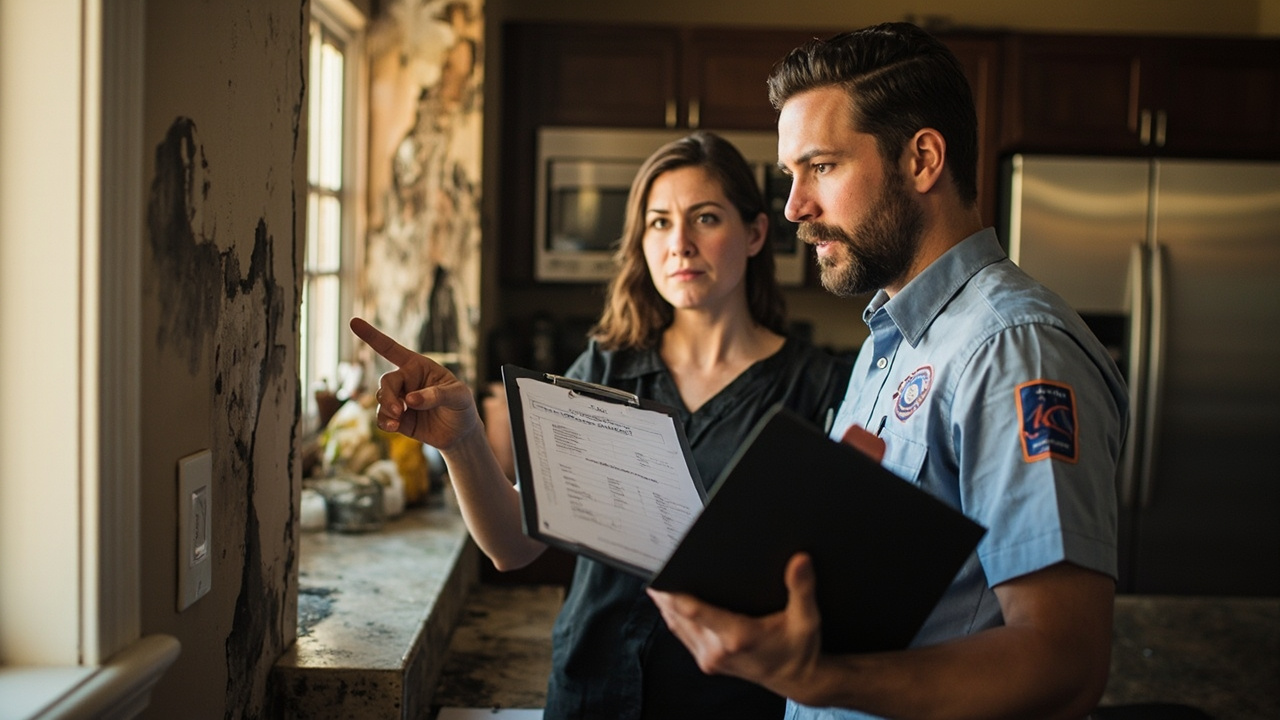
San Diego's fire season coincides with Santa Ana wind events that push flames through communities rapidly while depositing smoke and particulates across wide areas. These hot, dry winds also accelerate chemical reactions in fire residue after flames are extinguished. Smoke particles that settle on surfaces become more concentrated as moisture evaporates in low-humidity conditions. Properties near canyon interfaces in areas like Rancho Bernardo or Scripps Ranch face additional exposure to wildfire smoke infiltration even when structures do not burn directly. The region's limited rainfall means fire residue remains on exterior surfaces for months unless actively removed. Post-fire safety steps must account for these extended exposure periods and the reactivation of toxic compounds when coastal moisture returns after Santa Ana conditions end.
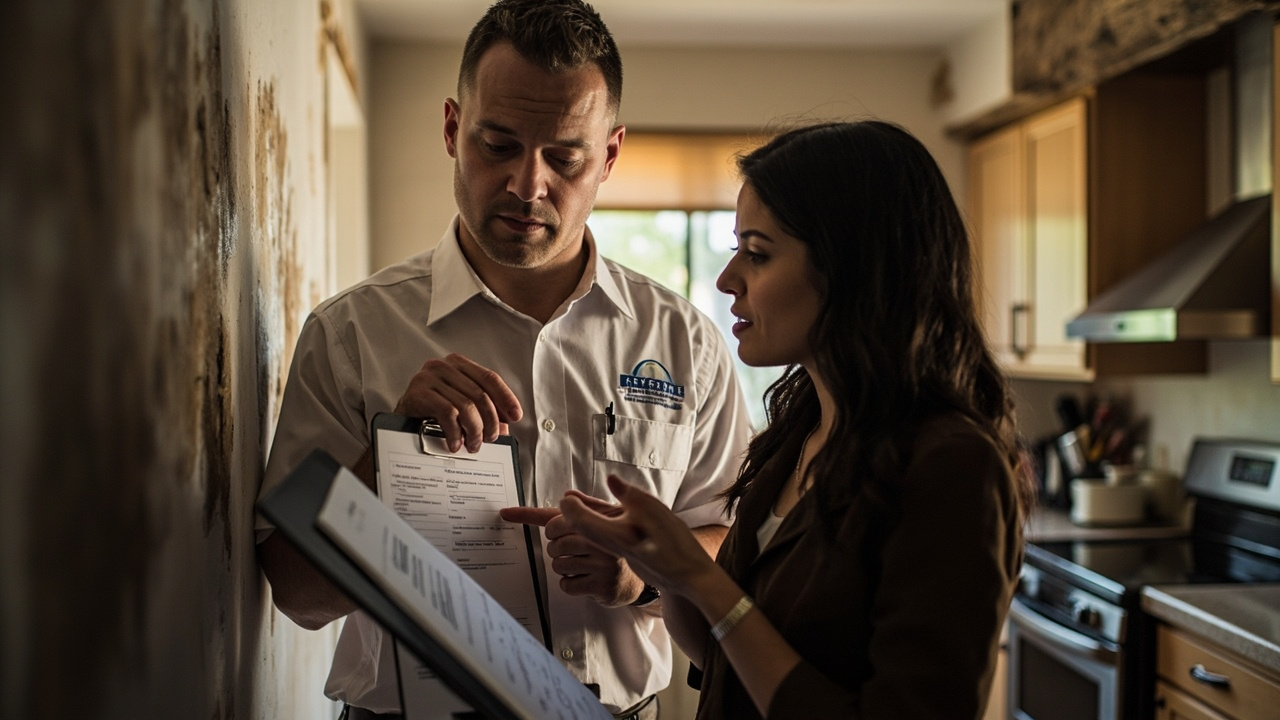
San Diego County requires specific permitting for post-fire structural work, and local building officials scrutinize fire-damaged properties closely during inspections. Properties in historic districts like Old Town or Gaslamp Quarter face additional restrictions on reconstruction methods and materials. Our familiarity with San Diego's permitting process and inspector expectations streamlines recovery timelines. We understand which repairs trigger full code upgrade requirements and which qualify for repair-in-kind treatment. This local knowledge prevents costly mistakes during planning and ensures your recovery work passes inspection the first time. After fire safety precautions developed for other regions often miss San Diego-specific requirements that can delay occupancy or create compliance issues.