menu

Rapid Response Flood Extraction in San Diego – Emergency Water Removal Teams Dispatched in Under 60 Minutes

When flooding strikes your San Diego property, every minute compounds the damage. Our rapid response flood extraction teams deploy immediately with industrial-grade pumps and moisture detection equipment to stop water intrusion, prevent structural damage, and begin the restoration process before mold takes hold.

Slider Image 1
Slider Image 2
Slider Image 3
Slider Image 4
Slider Image 5
Slider Image 7
Slider Image 8
Slider Image 9
Slider Image 10
Slider Image 11

Why Flood Damage Escalates So Quickly in San Diego Properties

You walked into your home or business and saw standing water. Your heart dropped. The panic set in.

In San Diego, flood damage does not wait. Our coastal proximity means high humidity year-round, which accelerates mold colonization within 24 to 48 hours. The Marine Layer that rolls through neighborhoods like Pacific Beach, Mission Valley, and Point Loma traps moisture in walls and subfloors. What starts as surface water becomes structural rot if not extracted immediately.

San Diego's older housing stock in areas like North Park and Normal Heights was built with wood framing and plaster walls. These materials absorb water like a sponge. The longer water sits, the deeper it migrates into studs, joists, and foundations. You might see an inch of water on your floor, but hidden saturation spreads through drywall cavities and insulation.

Burst pipes, sewage backups, storm surge from Pacific storms, or appliance failures demand emergency water removal services. You need 24/7 flood extraction, not a callback tomorrow. Immediate flood pumping stops the spread. Urgent water cleanup prevents the secondary damage that triples your restoration bill.

Time is your enemy. Emergency water damage extraction is your defense. The window to prevent permanent damage is measured in hours, not days.

Why Flood Damage Escalates So Quickly in San Diego Properties
How Professional Flood Extraction Stops Damage in Its Tracks

How Professional Flood Extraction Stops Damage in Its Tracks

Rapid response flood extraction is not about showing up with a wet vac and a mop. It is a tactical operation using commercial-grade extraction equipment, moisture mapping, and containment protocols.

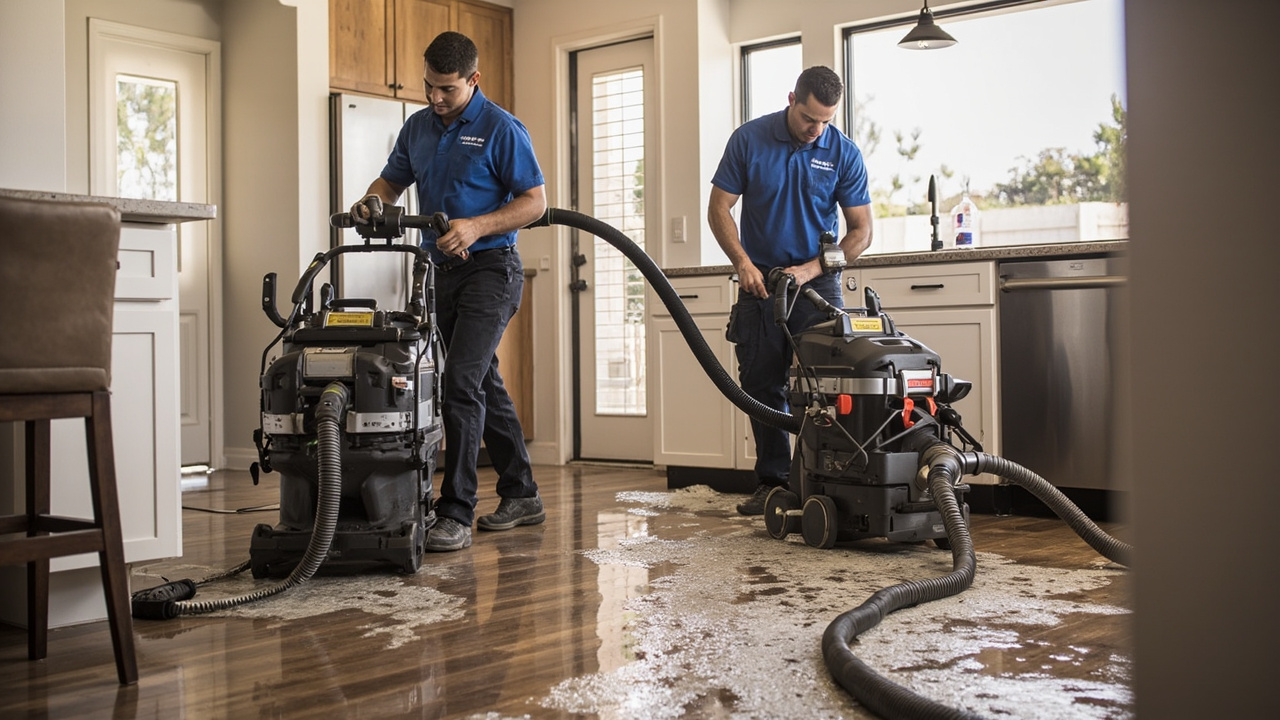
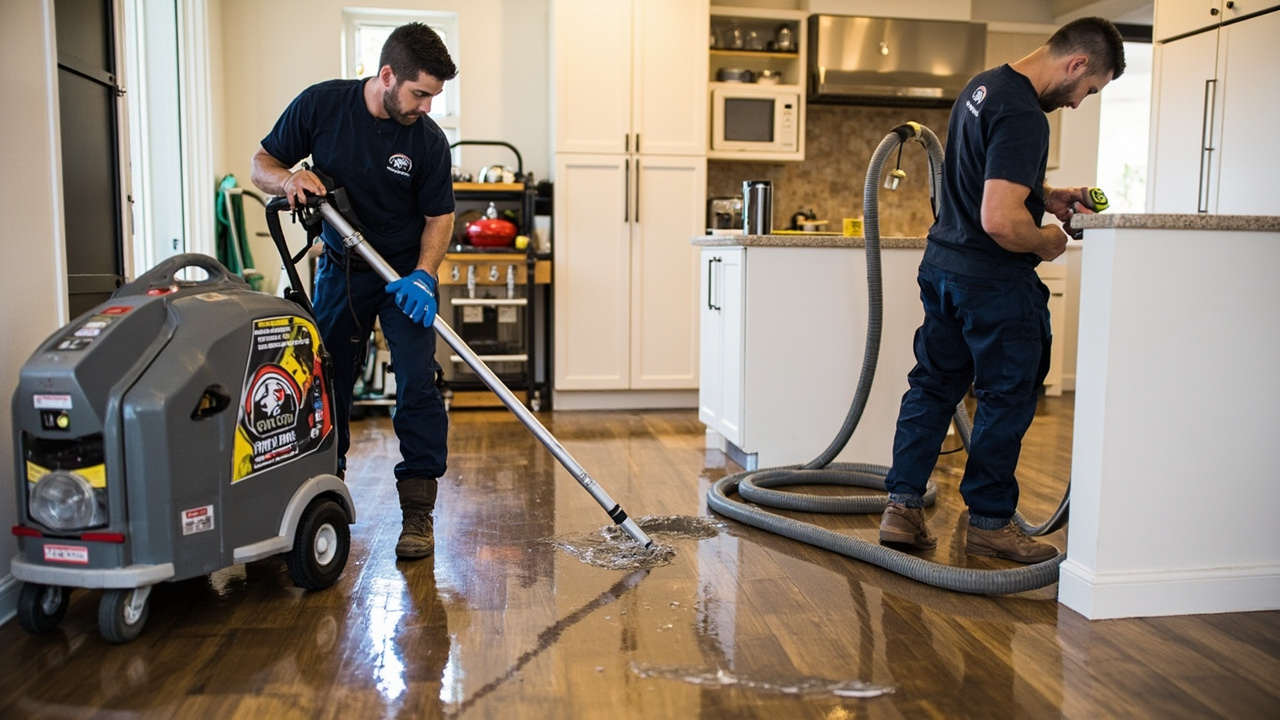
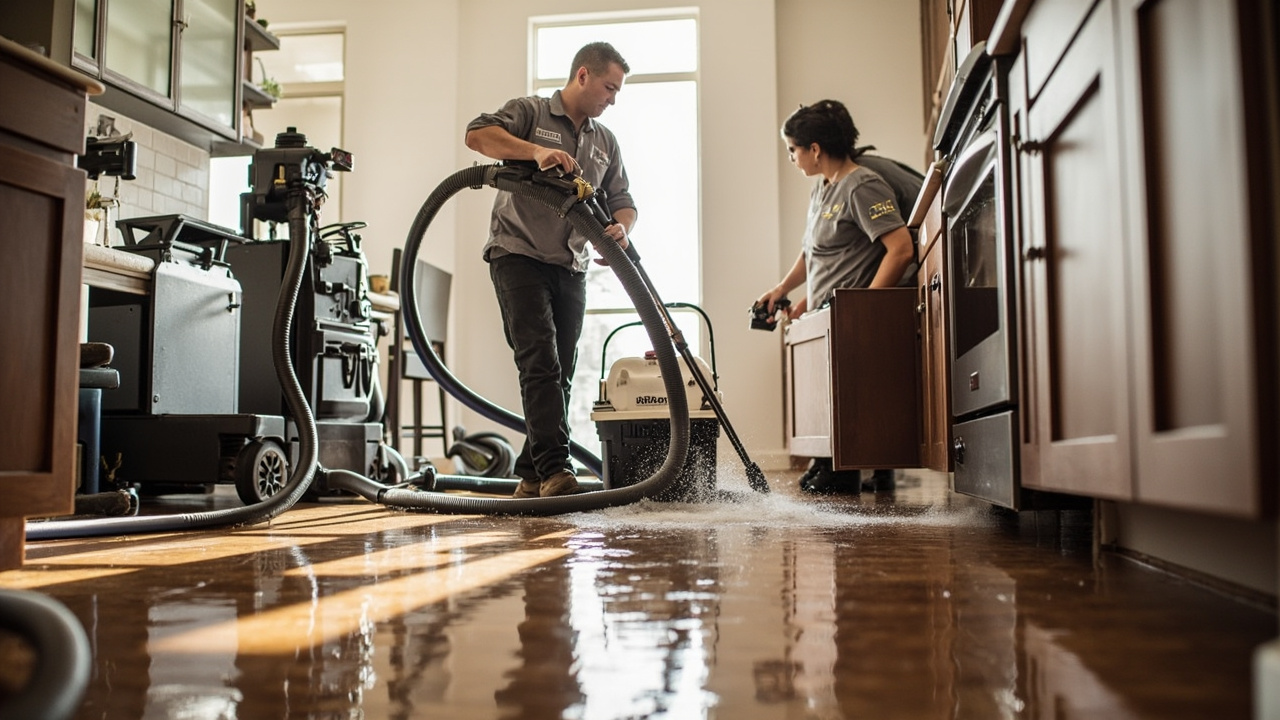
When our team arrives at your San Diego property, we deploy truck-mounted extraction units capable of removing thousands of gallons per hour. These are not the portable extractors you rent at a hardware store. We use submersible pumps for deep standing water and weighted wands for carpet and pad extraction. The goal is complete water removal down to the subfloor.

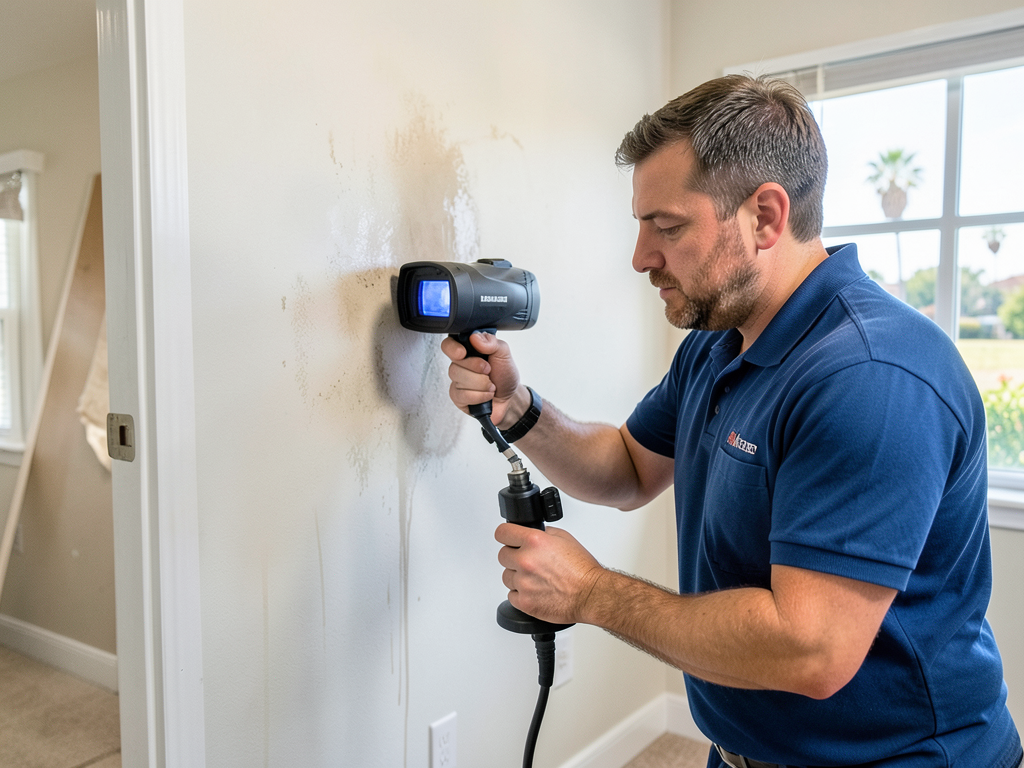
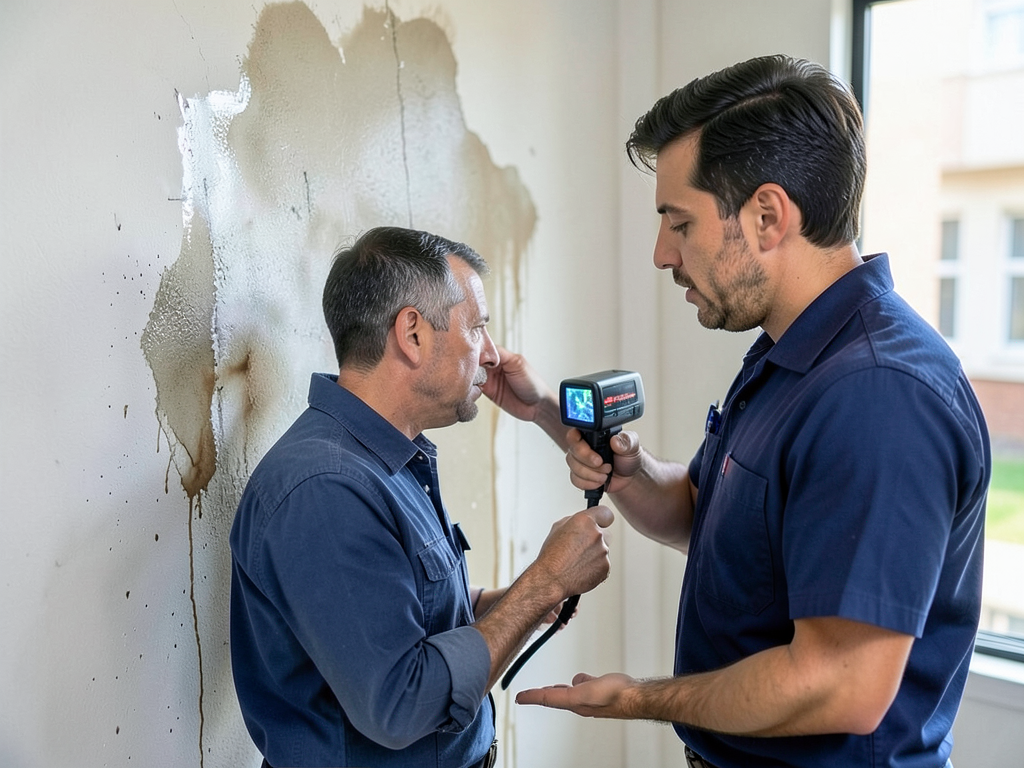
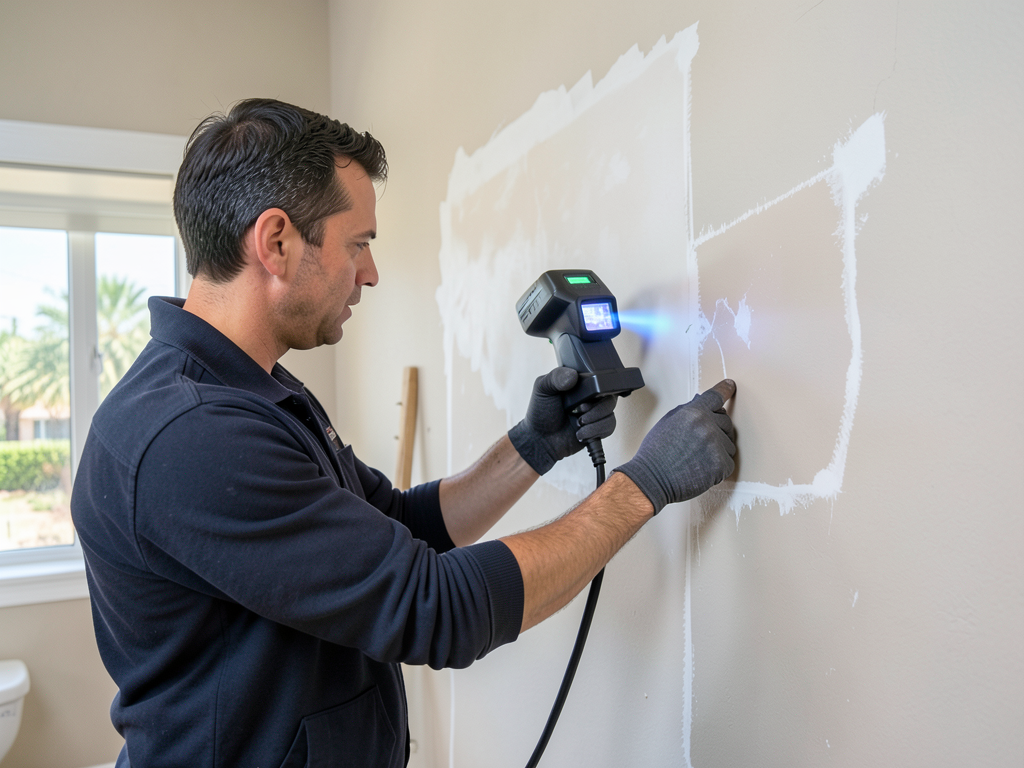
Next comes moisture detection. We use thermal imaging cameras and penetrating moisture meters to map hidden saturation behind baseboards, inside wall cavities, and under tile. San Diego's stucco exteriors and concrete slab foundations hide water intrusion. Surface drying means nothing if moisture remains trapped in structural components.

We establish containment zones to prevent cross-contamination, especially critical if the water source is a Category 2 grey water event (washing machine overflow, dishwasher leak) or Category 3 black water (sewage backup, storm surge). Air movers and commercial dehumidifiers create negative air pressure to pull moisture out of materials.

Every hour of delay allows water to wick vertically through drywall and horizontally through framing. We stop that migration with immediate extraction and controlled drying. This is not cleanup. This is damage mitigation engineering.

What Happens When You Call for Emergency Flood Extraction

Rapid Response Flood Extraction in San Diego – Emergency Water Removal Teams Dispatched in Under 60 Minutes
01

Immediate Dispatch and Assessment

Your call triggers immediate crew dispatch to your San Diego location. We arrive with extraction equipment, moisture meters, and thermal imaging cameras. Our technician performs a rapid damage assessment to identify the water source, contamination category, and affected areas. We document standing water depth, material saturation levels, and structural risks. This initial survey determines extraction strategy and equipment deployment.
02

Water Extraction and Containment

Truck-mounted extraction units remove standing water from floors, carpets, and subfloors. We use weighted extraction wands to pull water from carpet padding and submersible pumps for deep flooding. Containment barriers prevent water migration to unaffected areas. Air movers and dehumidifiers begin the drying process immediately. We monitor moisture levels in real time, adjusting equipment placement to target hidden saturation in walls, baseboards, and subflooring.
03

Verification and Documentation

Once extraction is complete, we verify dryness using moisture meters and thermal imaging to confirm no hidden saturation remains. We document moisture readings, equipment placement, and drying progress for insurance claims. You receive a detailed report with photos, moisture maps, and a timeline for full restoration. Our job is not finished until your property registers at safe moisture levels and the risk of secondary damage is eliminated.

Why San Diego Properties Need a Local Flood Extraction Specialist

San Diego is not Phoenix. We do not have the same drying conditions. Our coastal climate and persistent Marine Layer create unique challenges for water damage restoration.

Keystone Water Damage Restoration San Diego understands how moisture behaves in San Diego's microclimates. Properties in La Jolla and Coronado face salt air corrosion and high ambient humidity that slows evaporation. Inland areas like Santee and El Cajon have clay soil that causes slab foundation movement, creating entry points for groundwater intrusion during rain events. We know where water hides in San Diego construction.

We work with San Diego County building codes and understand local permit requirements for structural drying and rebuild work. Many flood extraction companies are based out of state and subcontract local labor. That creates delays when you need immediate response.

Our equipment is staged locally. We do not dispatch from Los Angeles or Orange County. When you call, our crew is already in San Diego, ready to roll. We know the fastest routes to Mission Hills, Clairemont, and Chula Vista. We know which neighborhoods flood during heavy rain and which properties have chronic plumbing issues.

We also understand San Diego's insurance landscape. We document everything for your claim, communicate directly with adjusters, and provide the technical evidence required to get your claim approved. Most denials happen because of inadequate documentation. We eliminate that risk.

You need someone who knows San Diego construction, San Diego weather, and San Diego claims processes. We are that team.

What to Expect When You Call for Emergency Flood Extraction

Arrival Time and Availability

We dispatch crews 24 hours a day, 7 days a week. You call, we roll. Most San Diego properties receive response within 60 minutes, depending on your location and current call volume. We do not schedule flood emergencies for next week. Our trucks are loaded with extraction equipment, moisture meters, air movers, and dehumidifiers. Night, weekend, or holiday, we treat every call as urgent. Water does not wait for business hours. Neither do we. You will receive a call from the responding technician with an estimated arrival time within minutes of your initial contact.

Onsite Assessment and Plan

When we arrive, the first priority is stopping the water source if possible. Then we assess affected areas using moisture meters and thermal imaging to map saturation. We classify the water category, identify safety hazards, and determine which materials can be dried versus what must be removed. You receive a clear explanation of what needs to happen, how long it will take, and what to expect. We photograph and document everything for insurance. This is not guesswork. This is a methodical process based on IICRC S500 water damage restoration standards.

Extraction and Drying Results

The goal is complete moisture removal, not surface drying. We extract standing water, then use air movers and dehumidifiers to pull moisture from materials. Drying times vary based on saturation levels, material types, and humidity conditions. Carpet and drywall dry faster than hardwood and plaster. We monitor moisture readings daily and adjust equipment as needed. When moisture levels return to safe standards, we remove equipment and provide final documentation. You get a property that is dry, safe, and ready for repairs or rebuild work.

Insurance Coordination and Documentation

We document every step for your insurance claim, including photos, moisture readings, equipment logs, and daily progress reports. We communicate directly with your adjuster and provide the technical evidence they need to approve your claim. Many homeowners and business owners do not realize that inadequate documentation is the top reason for claim delays or denials. We eliminate that risk by providing forensic-level reporting. You receive a complete file with all documentation, which you can submit to your carrier or provide to your public adjuster.

Frequently Asked Questions

You Have Questions,
We Have Answers

What is the average insurance payout for water damage? +

The average insurance payout for water damage in San Diego ranges from $2,000 to $10,000, but your payout depends on the source of water, extent of damage, and your coverage limits. Sudden pipe bursts and appliance failures are typically covered. Gradual leaks or maintenance issues are not. Homeowners policies exclude flood damage from storms or rising water. You need separate flood insurance for that. Document everything with photos, keep receipts, and call a licensed restoration company immediately. The faster you act, the stronger your claim. Delay lets mold grow and insurers can reduce payouts for preventable secondary damage.

What is the immediate response to a flood? +

Shut off the water source if you can do it safely. Turn off electricity at the breaker if water is near outlets or appliances. Move valuables to dry areas. Do not walk through standing water if power is still on. Call a 24/7 flood extraction company in San Diego immediately. Every minute counts. Water spreads fast through drywall, subfloors, and insulation. Professional crews arrive with industrial pumps, extractors, and moisture meters to stop the damage progression. Contact your insurance company next. Take photos and videos before cleanup starts. Your documentation protects your claim and speeds up the approval process.

Who is the largest restoration company? +

Several national franchises operate across the U.S., but size does not equal local expertise. What matters in San Diego is response time, local knowledge, and equipment quality. Large chains often subcontract work or dispatch crews from distant locations. You need a company that knows San Diego's coastal humidity, common plumbing issues in older neighborhoods like North Park, and county permit requirements. Look for direct-hire technicians, 24/7 local dispatch, and IICRC certification. Fast response prevents mold in San Diego's climate. Choose based on your specific needs, not name recognition. Check reviews from your neighborhood.

Will insurance cover flash floods? +

Standard homeowners insurance does not cover flash floods in San Diego. You need a separate flood insurance policy through the National Flood Insurance Program or a private insurer. Flash floods from heavy rain, storm surge, or river overflow require flood coverage. However, if a pipe bursts inside your home or your water heater fails, that is covered under your homeowners policy as sudden water damage. San Diego experiences flash flooding in low-lying areas and near canyons during intense storms. If you live near the San Diego River or in flood zones, get flood insurance. Coverage takes 30 days to activate after purchase.

How long does it take for flood insurance to pay out? +

Flood insurance claims through NFIP take 30 to 60 days on average, but complex claims can stretch longer. The adjuster must inspect the damage, review your documentation, and verify coverage limits. Private flood insurers sometimes pay faster, within two to three weeks. In San Diego, response times can slow after major storms when multiple claims flood the system. You can speed up the process by documenting everything immediately, providing detailed photos, itemized lists, and contractor estimates. Do not wait to start emergency mitigation. Most policies cover temporary housing and cleanup costs, and your insurer expects you to prevent further damage.

What not to say to a home claims adjuster? +

Never exaggerate damage or speculate about the cause. Stick to facts. Do not say the leak has been there for weeks or you ignored warning signs. That signals negligence and can void your claim. Do not admit fault or blame yourself. Let the adjuster determine the cause. Do not agree to a lowball settlement on the spot. Review the estimate with your contractor first. Do not sign anything without reading it. In San Diego, adjusters see claims daily and know the tricks. Be honest, cooperative, and prepared. Provide documentation, photos, and receipts. Answer questions directly but do not volunteer extra information that weakens your claim.

What does flood insurance cover? +

Flood insurance covers direct physical damage from rising water, including structural damage, flooring, drywall, electrical systems, plumbing, and HVAC units. It also covers appliances like furnaces and water heaters. Personal property coverage is separate and optional. Flood insurance does not cover moisture damage from humidity, mold remediation beyond 72 hours, temporary housing, or landscaping. In San Diego, policies cover damage from storm surge, heavy rain runoff, or river overflow. Coverage limits cap at $250,000 for structure and $100,000 for contents under NFIP. Private insurers may offer higher limits. Read your policy carefully and know your deductible.

What is the first thing you should do after a flood? +

Call a licensed flood extraction company in San Diego immediately. Do not wait. Turn off electricity at the breaker if water is near outlets. Shut off the water source if safe to do so. Move valuables to dry areas. Take photos and videos of all damage before anything is moved or cleaned. Call your insurance company and report the loss. Do not start repairs until the adjuster inspects the damage unless it is an emergency to prevent further loss. Open windows if weather permits to start ventilation. Do not use household vacuums on standing water. They are not designed for it and can electrocute you.

What are the 4 steps of emergency response? +

The four steps are assessment, containment, extraction, and drying. First, assess the source and extent of water damage. Identify safety hazards like electrical risks or structural instability. Second, contain the damage by stopping the water source and isolating affected areas. Third, extract standing water using pumps and industrial vacuums. Speed is critical to prevent mold. Fourth, dry and dehumidify the space using air movers and dehumidifiers. Monitor moisture levels in walls, floors, and subfloors. In San Diego, high humidity slows drying, so professionals use specialized equipment to prevent secondary damage. This process protects your home and your insurance claim.

Is SERVPRO a good restoration company? +

SERVPRO is a national franchise with locations across the country, including San Diego. They offer 24/7 service, trained technicians, and standardized processes. However, franchise quality varies by location because each is independently owned. Some homeowners prefer local, owner-operated companies that offer faster response times, direct accountability, and deep knowledge of San Diego's climate and building codes. Local companies often have stronger relationships with insurance adjusters and inspectors in the area. Check reviews specific to your San Diego neighborhood. Compare response guarantees, equipment, and pricing. The best choice depends on your situation, not brand name. Prioritize speed, expertise, and local reputation.

How San Diego's Coastal Humidity Complicates Rapid Flood Drying

San Diego's year-round coastal humidity and the Marine Layer create a drying environment that is slower than inland desert climates. When flood water saturates drywall, carpet, or wood framing, ambient humidity above 60 percent slows evaporation. This extends drying times and increases the risk of mold colonization. Rapid response flood extraction is critical in San Diego because we cannot rely on low humidity to naturally dry materials. We use commercial dehumidifiers to artificially lower ambient moisture and accelerate evaporation. Without this equipment, materials remain damp for weeks, creating ideal conditions for microbial growth.

San Diego properties in flood-prone areas like Mission Valley, parts of Pacific Beach near Rose Creek, and low-lying sections of Chula Vista near the Sweetwater River require local expertise. Building codes in San Diego County address flood zone construction, and many properties have specific drainage requirements. Keystone Water Damage Restoration San Diego knows which neighborhoods experience chronic flooding, which properties have outdated plumbing, and which areas require special permits for structural work. Local knowledge means faster response, better results, and fewer surprises during restoration.
Water Damage Restoration Services in The San Diego Area

We are proud to serve the entire San Diego area and invite you to view our service region on the map below. While our emergency response team is mobile and always ready to dispatch to your location rapidly, our central operations base allows us to coordinate efficient service across all of San Diego County. Contact us today for immediate assistance, no matter where your property is located within our service area.

Address:
Keystone Water Damage Restoration San Diego, 4445 Eastgate Dr, San Diego, CA, 92121

Additional Services We Offer

Our news updates

Latest Articles & News from The Blogs

How Clogged Gutters Can Lead to a Flooded Perimeter in Talmadge When leaves and debris clog your gutters in Talmadge…

How Clogged Gutters Can Lead to a Flooded Perimeter in Talmadge

How Clogged Gutters Can Lead to a Flooded Perimeter in Talmadge When leaves and debris clog your gutters in Talmadge…

Keeping Your Bird Rock Art Collection Safe from Coastal Humidity

Keeping Your Bird Rock Art Collection Safe from Coastal Humidity San Diego’s coastal climate creates unique challenges for art collectors…

What Fairbanks Ranch Homeowners Should Know About Pool Leaks Near the Foundation

What Fairbanks Ranch Homeowners Should Know About Pool Leaks Near the Foundation A pool leak near your Fairbanks Ranch foundation…

Contact Us

Do not wait. Every hour increases damage, cost, and risk. Call Keystone Water Damage Restoration San Diego now at (858) 203-2555. Our emergency flood extraction crews are standing by 24/7 to respond to your San Diego property immediately.