menu

Frozen Pipe Burst Cleanup in San Diego – 24/7 Emergency Response Teams Onsite in 60 Minutes or Less

When frozen pipes rupture and flood your property, every minute counts. Our certified technicians deploy immediately across San Diego County with industrial water extraction equipment and thermal imaging technology to stop the damage and start emergency burst pipe water removal before secondary issues develop.

Slider Image 1
Slider Image 2
Slider Image 3
Slider Image 4
Slider Image 5
Slider Image 7
Slider Image 8
Slider Image 9
Slider Image 10
Slider Image 11

Frozen Pipes in San Diego Are Rare but Catastrophic When They Occur

San Diego's mild coastal climate creates a dangerous blind spot. Most properties lack the pipe insulation found in cold weather cities. When rare overnight freezes hit inland areas like Ramona, Alpine, or Escondido, exposed pipes in attics, crawl spaces, and exterior walls freeze without warning.

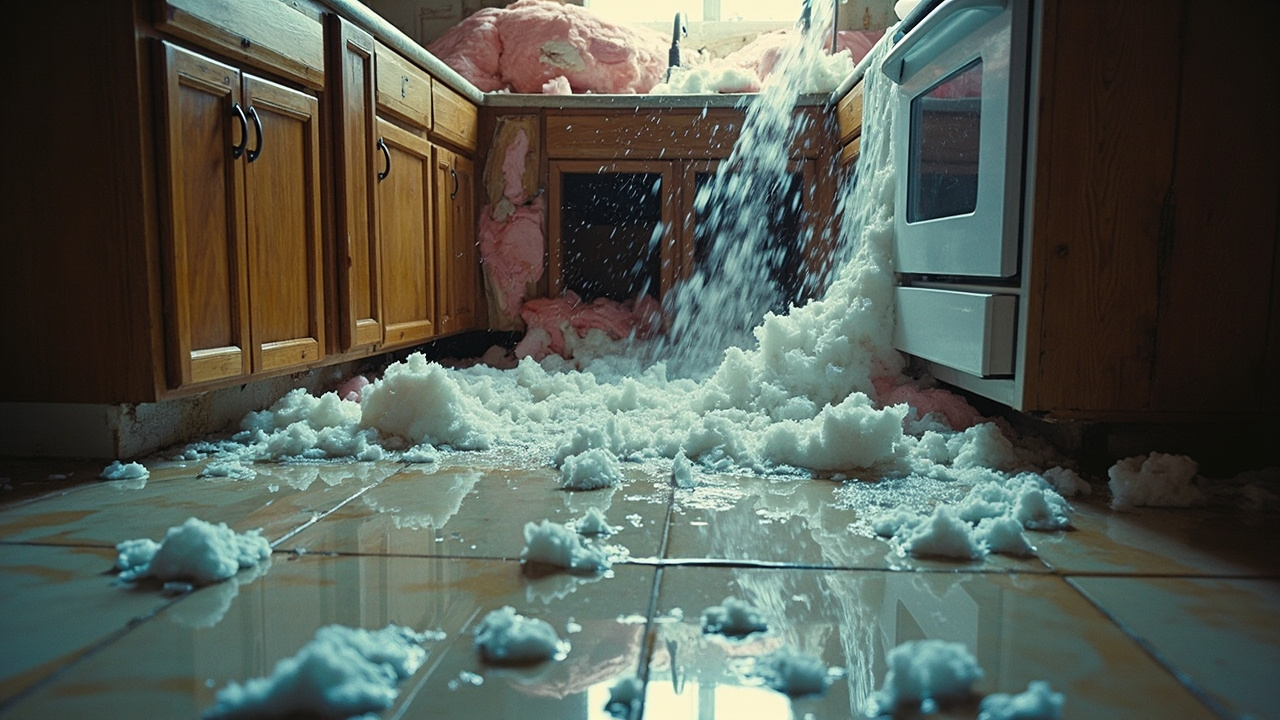
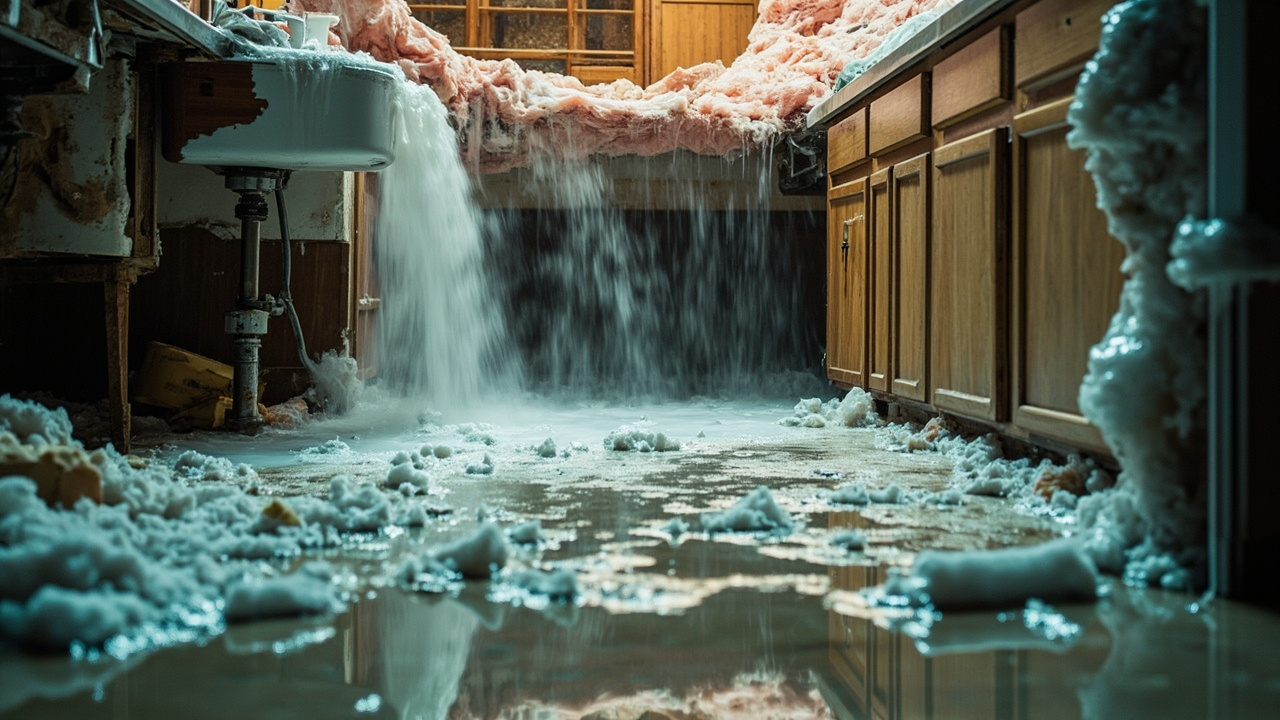
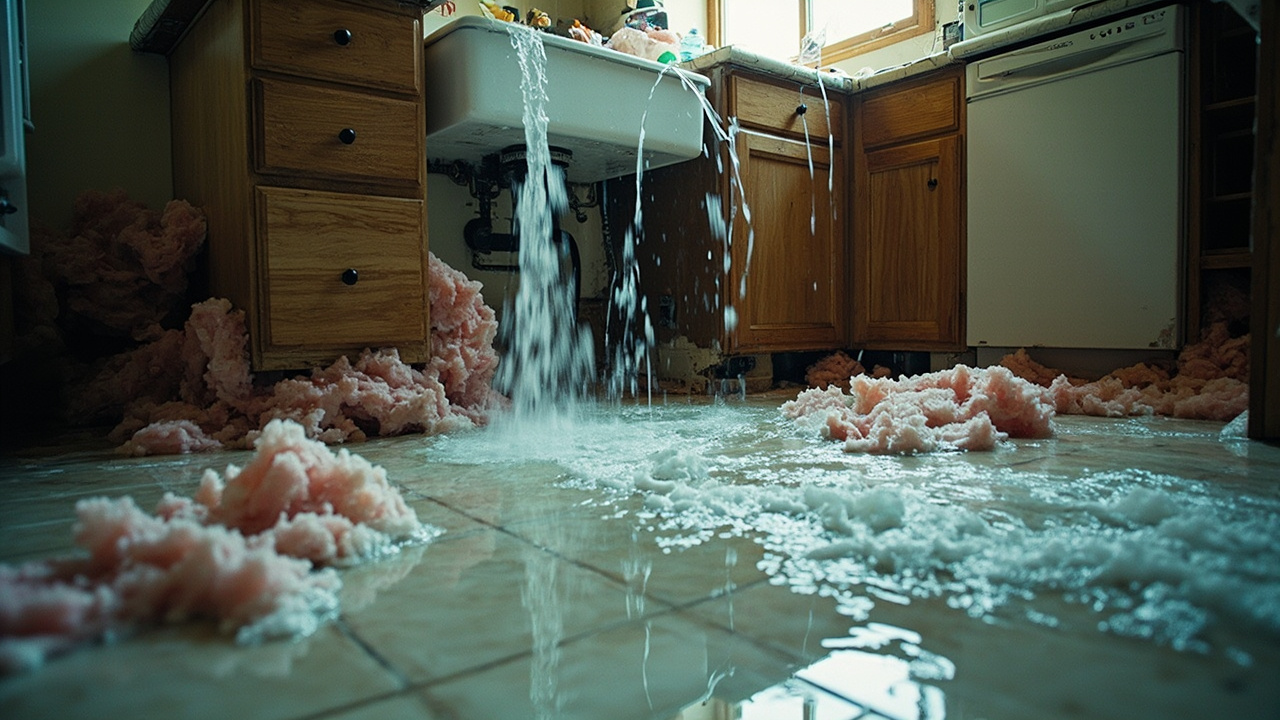
The real damage happens during the thaw. Ice expansion cracks copper and PEX lines. When temperatures climb back to normal, those hairline fractures turn into ruptures. Water floods walls, ceilings, and floors for hours before you notice. A single burst pipe releases 400 gallons per hour. That volume saturates drywall, ruins insulation, and seeps into subflooring where mold colonies establish in 24 to 48 hours.

You face structural damage, contaminated building materials, and exponential repair costs with each passing hour. Immediate frozen pipe flood cleanup is not optional. The longer water sits, the more categories of damage you create. Surface water becomes absorbed water. Clean water picks up contaminants from building materials and becomes Category 2 gray water. Time transforms a plumbing failure into a full-scale water damage restoration project.

San Diego's older homes in neighborhoods like North Park and Kensington have galvanized pipes that corrode internally. When freezing stress hits compromised pipe walls, catastrophic failures happen. Modern homes in Carmel Valley and Rancho Bernardo fare better, but builder-grade PEX installations in attics still lack adequate freeze protection.

You need burst pipe water damage restoration specialists who understand both the plumbing failure and the secondary water damage. Emergency burst pipe water removal is step one. Structural drying, antimicrobial treatment, and reconstruction follow.

Frozen Pipes in San Diego Are Rare but Catastrophic When They Occur
Our Integrated Approach Stops the Crisis and Prevents Long-Term Damage

Our Integrated Approach Stops the Crisis and Prevents Long-Term Damage

Generic plumbers stop the leak and leave. Generic restoration companies extract water but ignore the source. You need frozen pipe burst remediation that addresses both problems simultaneously.

We dispatch dual-certified teams. Our technicians hold both plumbing licenses and IICRC water damage restoration certifications. That integration matters because we identify the failure point, make emergency repairs to stop flow, and begin water extraction simultaneously. No waiting for a second company. No coordination delays while water continues spreading.

Our truck-mounted extraction units remove standing water at 200 gallons per minute. Portable units access tight crawl spaces and attic areas where burst pipes typically occur. We use weighted extraction wands to pull water from carpet padding without removing flooring. That saves you replacement costs on salvageable materials.

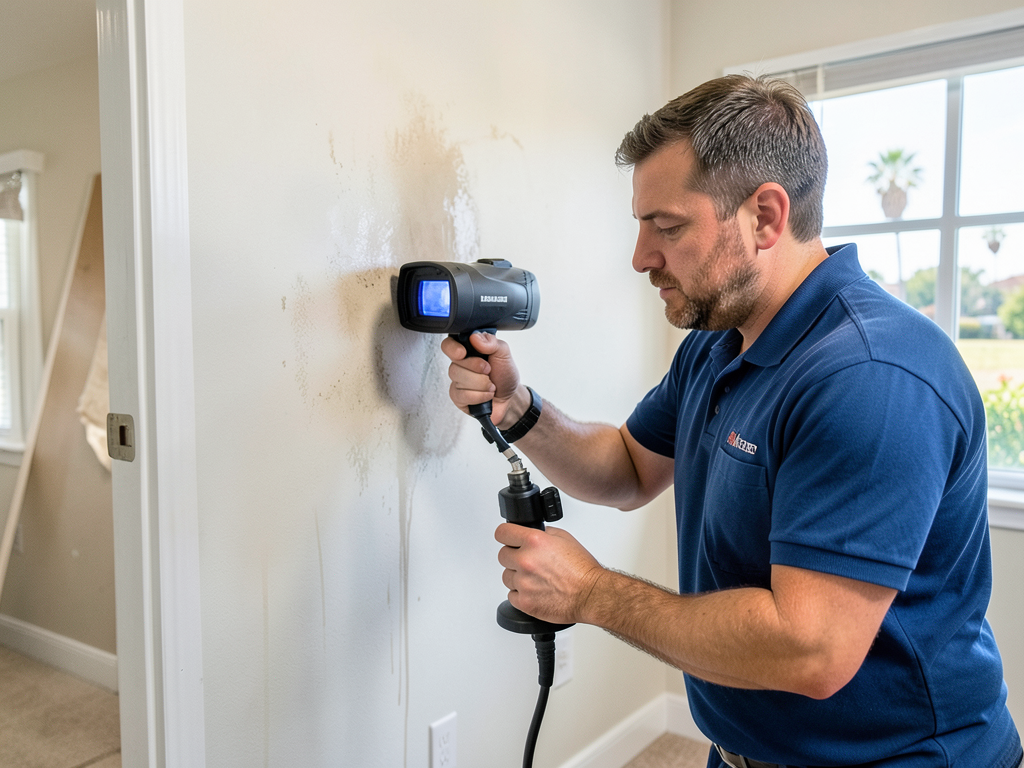
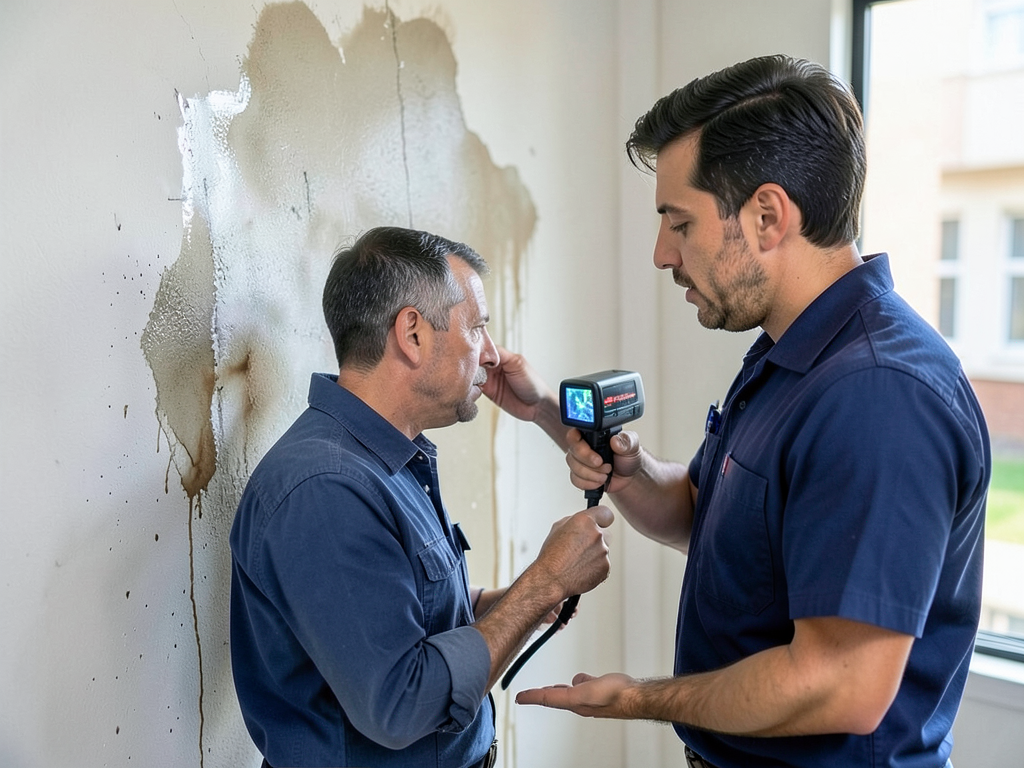
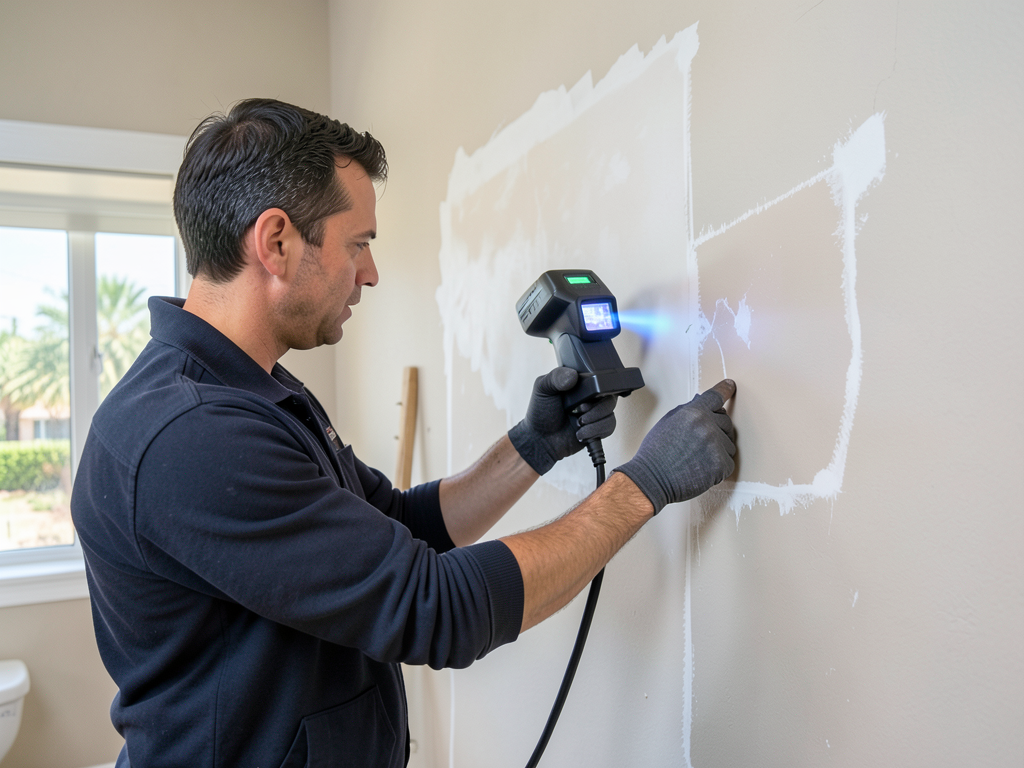
Thermal imaging cameras map moisture migration inside wall cavities and ceiling spaces. You cannot see where water traveled through framing, insulation, and drywall channels. We document saturation patterns with infrared technology that shows temperature differentials caused by evaporative cooling. Those readings guide our drying equipment placement.

Commercial-grade dehumidifiers and air movers create controlled evaporation environments. We do not just blow fans at wet areas. Psychrometric calculations determine grain depression targets based on material density, ambient conditions, and moisture content readings. We adjust equipment daily based on moisture meter data until materials reach dry standards.

Antimicrobial application happens before reconstruction. Even clean water supports microbial growth when absorbed into organic materials like drywall paper, insulation, and wood framing. We apply EPA-registered treatments to affected surfaces after extraction but before final drying. That prevents colonization during the vulnerable drying period.

Water extraction for frozen pipes is a time-sensitive specialty. The difference between a contained cleanup and total interior reconstruction depends on response speed and technical execution.

What Happens When You Call for Emergency Frozen Pipe Burst Cleanup

Frozen Pipe Burst Cleanup in San Diego – 24/7 Emergency Response Teams Onsite in 60 Minutes or Less
01

Immediate Dispatch and Assessment

You call our emergency line and speak directly with a dispatcher who logs your address and damage description. We deploy the nearest available truck within minutes, not hours. Upon arrival, our technician locates the water shutoff valve and stops flow if you have not already. We document the damage with photos and moisture readings, then explain the scope of work required. You receive a transparent breakdown of extraction, drying, and repair phases before we begin.
02

Water Removal and Structural Drying

Truck-mounted pumps extract standing water from affected rooms. Weighted wands pull moisture from carpets and padding. Technicians remove baseboards to access wall cavities and drill weep holes for drainage when necessary. Air movers and dehumidifiers deploy based on psychrometric data. We monitor daily with moisture meters and infrared cameras, adjusting equipment placement and airflow patterns until all materials reach stable dry readings per IICRC S500 standards.
03

Restoration and Final Verification

Once materials dry completely, we begin reconstruction. Damaged drywall, insulation, and flooring get replaced. We match textures and paint to existing finishes. Pipe repairs include upgraded insulation for freeze protection. Final moisture verification confirms no hidden saturation remains. We provide documentation for your insurance claim, including moisture logs, equipment placement diagrams, and material inventories. You receive a detailed report showing each phase of the frozen pipe burst remediation process.

Why San Diego Property Owners Choose Keystone Water Damage Restoration

You need a company that understands San Diego's unique building characteristics and climate patterns. Most restoration companies follow generic protocols designed for regions with regular freeze cycles. We adapt our approach to the specific vulnerabilities of coastal California construction.

San Diego's building codes did not require freeze protection until recently. Homes built before 2000 have minimal pipe insulation. Properties in microclimate zones experience temperature swings that catch owners off guard. We know which neighborhoods face highest risk. Inland valleys like Poway and Santee drop below freezing on clear winter nights. Coastal areas stay warmer, but elevated homes in La Jolla and Point Loma have exposed plumbing in attic spaces.

Our technicians train specifically on California construction methods. Stucco exterior walls hide moisture damage differently than vinyl siding. Concrete slab foundations require different drying techniques than raised pier and beam structures. We understand how water migrates through the building assemblies common in San Diego.

Insurance coordination is part of our service. We document everything your adjuster needs to approve the claim. Most frozen pipe incidents qualify as sudden and accidental damage under standard homeowner policies. We provide detailed estimates that separate emergency mitigation costs from reconstruction work. That clarity helps adjusters process claims faster.

Keystone Water Damage Restoration San Diego maintains relationships with local plumbing suppliers and building material distributors. When we need specialty parts or matching materials for reconstruction, we source them locally. That speeds completion compared to companies ordering from out-of-state warehouses.

You also get transparency. We explain what we find, what it costs, and what happens if you delay treatment. No pressure tactics. No inflated estimates. Just honest assessments from technicians who live and work in this community.

Response time makes the difference between minor repairs and major reconstruction. We station crews throughout the county for rapid deployment.

What You Can Expect During the Frozen Pipe Burst Cleanup Process

Emergency Response Time and Availability

Our emergency line operates 24 hours a day, 365 days a year. Frozen pipe failures happen during overnight temperature drops and holiday weekends when regular contractors are unavailable. We maintain on-call crews specifically for after-hours emergencies. You speak with a real person who dispatches a truck immediately, not an answering service that takes messages. Average response time across San Diego County runs 45 to 60 minutes depending on your location. Coastal areas see faster arrival than inland valleys, but we prioritize based on damage severity, not just geography. You receive a call when the technician is 10 minutes out, so you can prepare access and gather any insurance documents.

Initial Damage Assessment and Scope Development

The first technician onsite performs triage. They stop active water flow, identify the pipe failure location, and assess spread patterns. Moisture meters test walls, floors, and ceilings in affected rooms and adjacent spaces. Infrared cameras map hidden saturation inside structural cavities. You receive a verbal explanation of findings and a written scope document within the first hour. That scope outlines required services, expected timeline, and cost ranges for each phase. We separate emergency mitigation work from reconstruction so you understand immediate versus deferred expenses. Photos and moisture readings get uploaded to a digital project file you can access and share with your insurance company.

Quality of Restoration and Final Results

We do not consider a project complete until moisture readings confirm all materials have returned to normal dry standards. Drywall should measure below 12 percent moisture content. Wood framing should read below 15 percent. Concrete should drop below 4 percent on a Tramex meter. Those numbers matter because insurance adjusters and home inspectors use them to verify proper drying. Reconstruction work matches existing finishes. We do not install builder-grade materials in custom homes. Paint gets matched using spectrophotometer analysis, not guesswork. Texture patterns get replicated with the correct tools and techniques. You receive a project completion report with final moisture readings, photos of completed work, and material warranties.

Post-Restoration Support and Prevention Planning

After we complete frozen pipe burst cleanup, we provide recommendations to prevent recurrence. That includes identifying vulnerable pipe locations, suggesting insulation upgrades, and explaining how to protect exposed plumbing during cold snaps. Many San Diego homeowners do not realize they should drip faucets or open cabinet doors when temperatures drop. We educate you on the specific risks your property faces based on construction type and location. If you experience any issues with restored areas within 30 days, we return to evaluate and address them at no additional charge. That commitment ensures our work performs as expected. You also receive our direct contact information for future questions or concerns.

Frequently Asked Questions

You Have Questions,
We Have Answers

What to do if a pipe freezes and bursts? +

Shut off your main water valve immediately to stop flooding. Turn off electricity near affected areas to prevent shock hazards. Move furniture and valuables away from standing water. Contact a professional water damage restoration company right away. Do not attempt repairs yourself. Document all damage with photos for insurance claims. While San Diego rarely sees hard freezes, burst pipes from holiday cold snaps or malfunctioning HVAC systems require urgent response. Every minute counts. Professional crews extract water, dry structural materials, and prevent mold growth within 24 to 48 hours.

How to clean up after a pipe burst? +

First, ensure safety by confirming power is off in wet areas. Extract standing water using pumps or wet vacuums. Remove soaked materials like carpets, drywall, and insulation to prevent mold. Use industrial fans and dehumidifiers to dry structural components thoroughly. Disinfect all affected surfaces to eliminate bacteria and contaminants. Monitor moisture levels with meters to confirm complete drying. In San Diego's coastal climate, hidden moisture trapped in walls can quickly breed mold. Professional restoration companies have commercial-grade equipment and expertise to restore your property correctly the first time.

Should you open faucets if pipes are frozen? +

Yes. Open all faucets slightly to relieve pressure buildup in frozen pipes. Running water, even at a trickle, generates friction heat that helps prevent freezing and reduces pressure if a pipe does burst. Leave both hot and cold taps open. This applies to all fixtures throughout your home. For San Diego homes with exposed pipes in attics, garages, or exterior walls, this step is critical during rare cold events. Keep cabinet doors open under sinks to allow warm air circulation around plumbing. Continuous water movement is your best defense against pressure fractures.

What is the fastest way to unfreeze pipes? +

Apply gentle heat directly to the frozen section using a hair dryer, heat lamp, or electric heating pad. Never use open flames, blowtorches, or high-heat devices that can damage pipes or start fires. Start heating near the faucet and work toward the frozen blockage. Keep the faucet open so melting ice can drain. Wrap pipes with warm towels soaked in hot water. Space heaters in enclosed areas like crawl spaces also work but require supervision. For San Diego properties, focus on north-facing walls, uninsulated attics, and exterior hose bibs most vulnerable during overnight temperature drops.

What not to do if pipes are frozen? +

Never use open flames or propane torches on frozen pipes. You risk fire, pipe damage, and toxic fume exposure. Do not ignore frozen pipes and hope they thaw naturally. Pressure builds quickly and pipes can burst without warning. Avoid pouring boiling water directly on pipes, which causes thermal shock and cracking. Do not wait to call professionals if you suspect a frozen blockage. In San Diego, frozen pipes are uncommon but dangerous when they occur. Homeowners often lack experience handling them safely. Fast professional intervention prevents catastrophic water damage and costly repairs.

What freezes first, hot or cold water pipes? +

Cold water pipes freeze first. Hot water pipes have residual heat and higher starting temperatures, giving them more thermal buffer before freezing. However, both can freeze if temperatures drop low enough or remain cold long enough. Pipes in unheated spaces like attics, crawl spaces, garages, and exterior walls face the highest risk. In San Diego, homes built for mild climates often lack adequate pipe insulation in these vulnerable areas. During rare freezing nights, especially in inland valleys or elevated neighborhoods, both hot and cold supply lines need protection through insulation and controlled heating.

Can I let frozen pipes thaw on their own? +

You can allow pipes to thaw naturally if you have confirmed no burst has occurred and temperatures are rising. Keep faucets open to relieve pressure. However, natural thawing is slow and risky. You cannot monitor internal pressure buildup. If a pipe bursts during unattended thawing, water damage multiplies rapidly. For San Diego homeowners unfamiliar with freeze events, professional assessment is safer. Technicians use thermal imaging to locate frozen sections and controlled heating methods to thaw pipes safely. The cost of professional thawing is minimal compared to flooding damage from an undetected rupture.

Does homeowners insurance cover frozen pipes? +

Most homeowners insurance policies cover sudden and accidental water damage from burst frozen pipes. However, coverage often requires proof you maintained reasonable heat and took preventive measures. Gradual leaks or damage from neglect may be denied. Review your policy for specific exclusions and deductibles. Document all damage immediately with photos and videos. Contact your insurer within 24 hours. In San Diego, where freezing events are rare, adjusters may scrutinize claims more closely. Professional restoration companies provide detailed documentation and work directly with insurance carriers to streamline your claim and maximize coverage.

How long can pipes be frozen before bursting? +

Pipes can burst within hours once frozen, though timing varies based on pipe material, wall thickness, water pressure, and temperature extremes. Copper pipes burst faster than PEX. Small-diameter pipes fail quicker than larger ones. Pressure buildup between the ice blockage and closed faucet causes rupture. There is no safe waiting period. In San Diego, overnight temperatures during cold snaps can freeze exposed pipes in attics or exterior walls within two to four hours. Do not gamble with timing. If you suspect frozen pipes, act immediately to prevent bursting and the devastating water damage that follows.

Why San Diego's Microclimates Make Frozen Pipe Burst Cleanup More Complex Than You Think

San Diego County spans 4,200 square miles with dramatic elevation and climate variation. Coastal neighborhoods rarely see freezing temperatures. Move 15 miles inland to Ramona or Julian, and overnight lows drop into the 20s during winter cold snaps. That creates false security. Most property owners do not winterize plumbing because San Diego has a reputation for mild weather. When rare freeze events hit inland valleys and mountain communities, unprepared homes suffer catastrophic pipe failures. Older properties in areas like Lakeside and Alpine have zero pipe insulation. New construction in Carmel Valley and Scripps Ranch includes minimal protection because builders follow coastal climate codes. Emergency burst pipe water removal becomes critical when those assumptions fail. The temperature differential between day and night accelerates freeze and thaw cycles, creating multiple failure points in a single cold event.

Keystone Water Damage Restoration San Diego maintains close working relationships with local plumbing contractors, insurance adjusters, and building inspectors throughout the county. We understand San Diego's specific building codes and how they apply to water damage restoration projects. Properties in historic districts like Old Town and Gaslamp Quarter require special permitting and material matching. Coastal properties face additional challenges from salt air corrosion that weakens pipe joints. Inland homes built on expansive clay soils experience foundation movement that stresses plumbing connections. Our technicians train on these local factors because textbook restoration protocols do not account for regional construction methods and environmental conditions. When you choose a local company for burst pipe water damage restoration, you get expertise that national franchises cannot replicate. We know which municipal inspectors require trench verification before backfill and which insurance carriers want daily moisture logs versus weekly summaries.
Water Damage Restoration Services in The San Diego Area

We are proud to serve the entire San Diego area and invite you to view our service region on the map below. While our emergency response team is mobile and always ready to dispatch to your location rapidly, our central operations base allows us to coordinate efficient service across all of San Diego County. Contact us today for immediate assistance, no matter where your property is located within our service area.

Address:
Keystone Water Damage Restoration San Diego, 4445 Eastgate Dr, San Diego, CA, 92121

Additional Services We Offer

Our news updates

Latest Articles & News from The Blogs

Saving Your High End Home Theater Equipment from Water Damage in Poway\n\nWater and electronics don't mix. When your Poway home…

Saving Your High End Home Theater Equipment from Water Damage in Poway

Saving Your High End Home Theater Equipment from Water Damage in Poway\n\nWater and electronics don't mix. When your Poway home…

Modernizing the Plumbing in Your Clairemont Mid Century Home to Prevent Floods

Modernizing the Plumbing in Your Clairemont Mid Century Home to Prevent Floods Your Clairemont Mid Century Modern home represents the…

Managing a Water Emergency in Your Pacific Beach Vacation Rental From a Distance

Managing a Water Emergency in Your Pacific Beach Vacation Rental From a Distance Water damage in a Pacific Beach vacation…

Contact Us

Every hour you wait costs you more in structural damage, mold growth, and repair expenses. Our emergency crews are standing by right now to dispatch to your location. Call (858) 203-2555 immediately. We answer 24/7, and a technician will be onsite in 60 minutes or less to stop the water and start the cleanup.