menu

Choosing a Restoration Company in San Diego – Your Complete Guide to Vetting Water Damage Contractors

Learn how to evaluate credentials, verify insurance claims expertise, and identify red flags when selecting a water damage contractor in San Diego's unique coastal climate.

Slider Image 1
Slider Image 2
Slider Image 3
Slider Image 4
Slider Image 5
Slider Image 7
Slider Image 8
Slider Image 9
Slider Image 10
Slider Image 11

Why Choosing the Wrong Restoration Company Can Cost You Thousands

You just discovered water damage. Your heart is racing. You search online and find dozens of companies claiming they can help. But here's the problem: hiring a water mitigation service without proper vetting can turn a manageable situation into a financial nightmare.

San Diego's coastal proximity creates specific challenges most restoration companies ignore. Salt air accelerates corrosion in pipes and HVAC systems. Marine layer humidity keeps drywall damp longer than it should. The mix of older homes in neighborhoods like North Park and newer construction in Carmel Valley means different building materials require different drying protocols.

When you hire the wrong contractor, you get surface-level fixes. They run a few fans, spray some antimicrobial, and call it done. Three months later, you smell mold behind your walls. Your insurance claim gets complicated because the initial work was incomplete. You pay twice for the same problem.

Finding a reputable water damage company means understanding what questions to ask before anyone enters your home. You need to know how to verify their certifications, check their insurance relationships, and confirm they understand California building codes specific to coastal properties.

The companies that show up first in search results are not always the best choice. Some are lead generation services that sell your information to the lowest bidder. Others are franchises with undertrained technicians who follow a generic checklist.

Selecting a water damage contractor requires you to separate marketing claims from actual expertise. This guide shows you exactly how to do that.

Why Choosing the Wrong Restoration Company Can Cost You Thousands
The Five Non-Negotiable Credentials Every Restoration Company Must Have

The Five Non-Negotiable Credentials Every Restoration Company Must Have

When you are vetting restoration contractors, you need to verify specific credentials. These are not suggestions. They are requirements.

First, confirm IICRC certification. The Institute of Inspection, Cleaning and Restoration Certification sets the industry standard for water damage restoration. Ask for the technician's certification number and verify it on the IICRC website. If they cannot provide this immediately, end the conversation.

Second, verify their California contractor's license through the CSLB database. Water damage restoration requires either a General Contractor (Class B) license or a specific C-61 classification. San Diego County enforces this strictly. Unlicensed contractors cannot pull permits for structural repairs, which means you are liable if something goes wrong.

Third, request proof of liability insurance and workers' compensation coverage. A legitimate company carries at least one million dollars in general liability coverage. If a technician gets injured in your home and the company lacks workers' comp, you become financially responsible.

Fourth, ask about their relationships with insurance carriers. Companies experienced in insurance restoration work understand Xactimate estimating software and can document damage in the specific format adjusters require. This makes your claim process faster and reduces the chance of disputes.

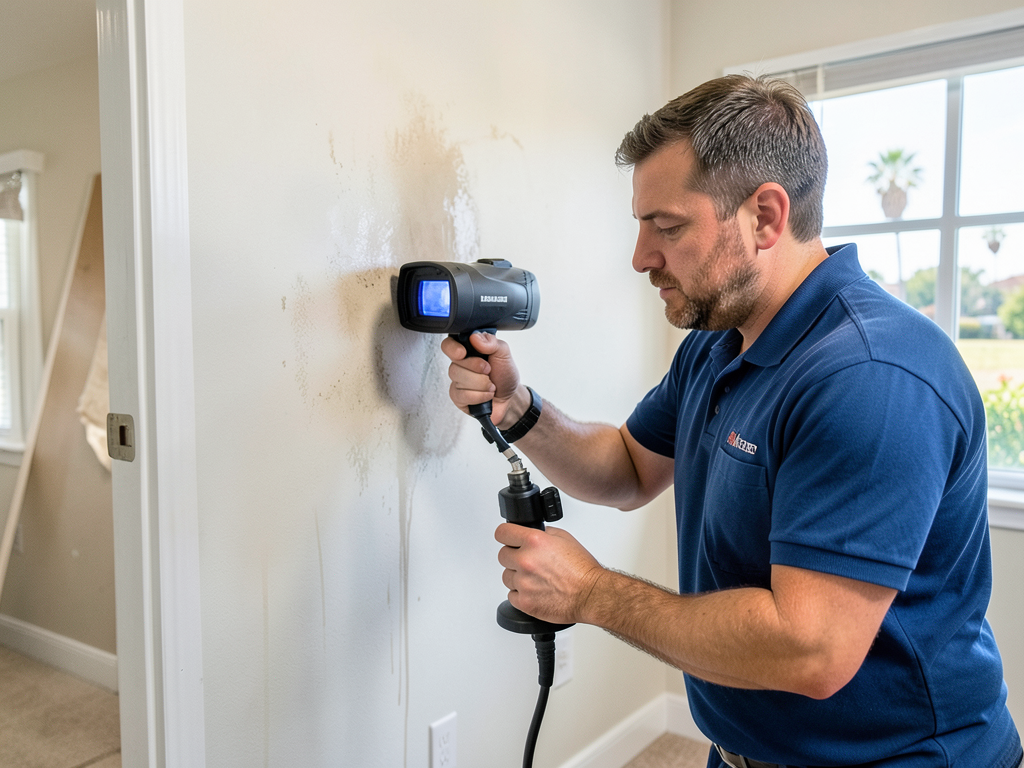
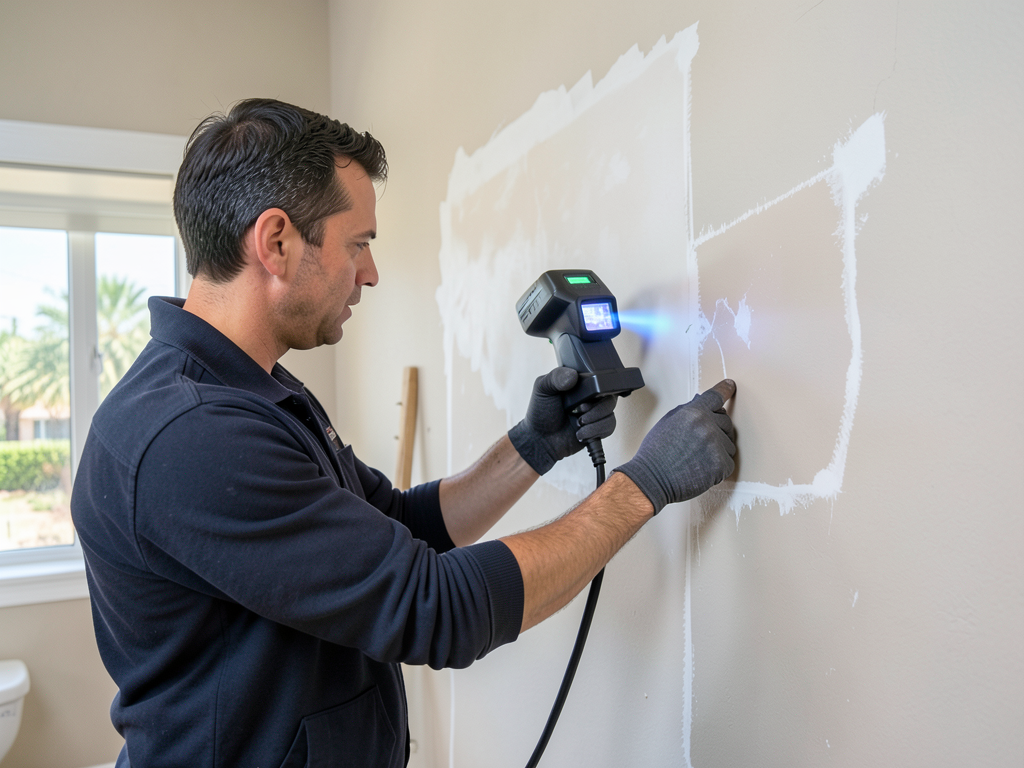
Fifth, confirm they use thermal imaging cameras and moisture meters calibrated within the past 12 months. Proper water damage assessment requires quantitative data, not guesswork. Any company that shows up without calibrated equipment is cutting corners.

How to pick a restoration company comes down to verification. Trust nothing. Verify everything. The five minutes you spend checking credentials can save you months of legal and financial problems.

What Happens During Your Restoration Company Evaluation

Choosing a Restoration Company in San Diego – Your Complete Guide to Vetting Water Damage Contractors
01

Initial Phone Assessment

Before any company visits your property, you conduct a phone screening. Ask specific questions about their IICRC certifications, response time guarantees, and whether they handle insurance billing directly. Professional companies answer these questions immediately without deflection. If you hear vague responses or pressure tactics to schedule before they answer your questions, that is a red flag. Request their license number and insurance certificate before scheduling.
02

On-Site Evaluation Comparison

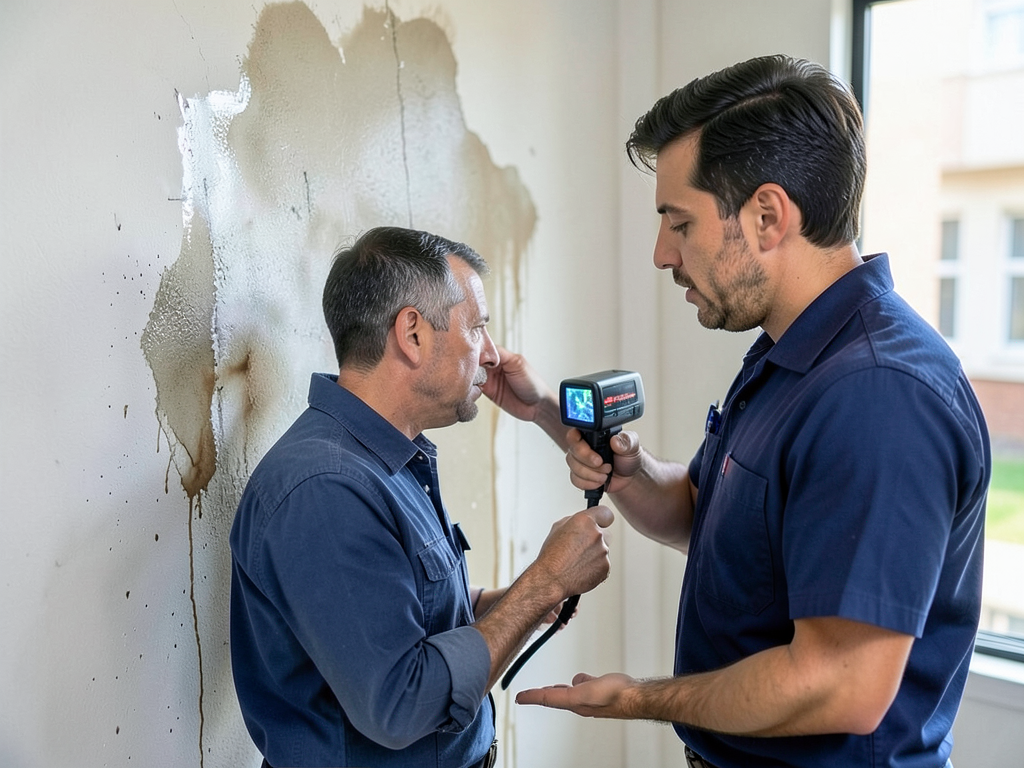
Schedule evaluations with three different companies within the same day if possible. Watch how each technician approaches the assessment. Professional contractors use moisture meters at multiple wall heights, check subfloor moisture levels, and document everything with photos. They explain their findings in clear terms and provide written estimates before starting any work. Compare their moisture readings and recommended equipment. If one estimate is dramatically lower than the others, question why.
03

Contract Review and Selection

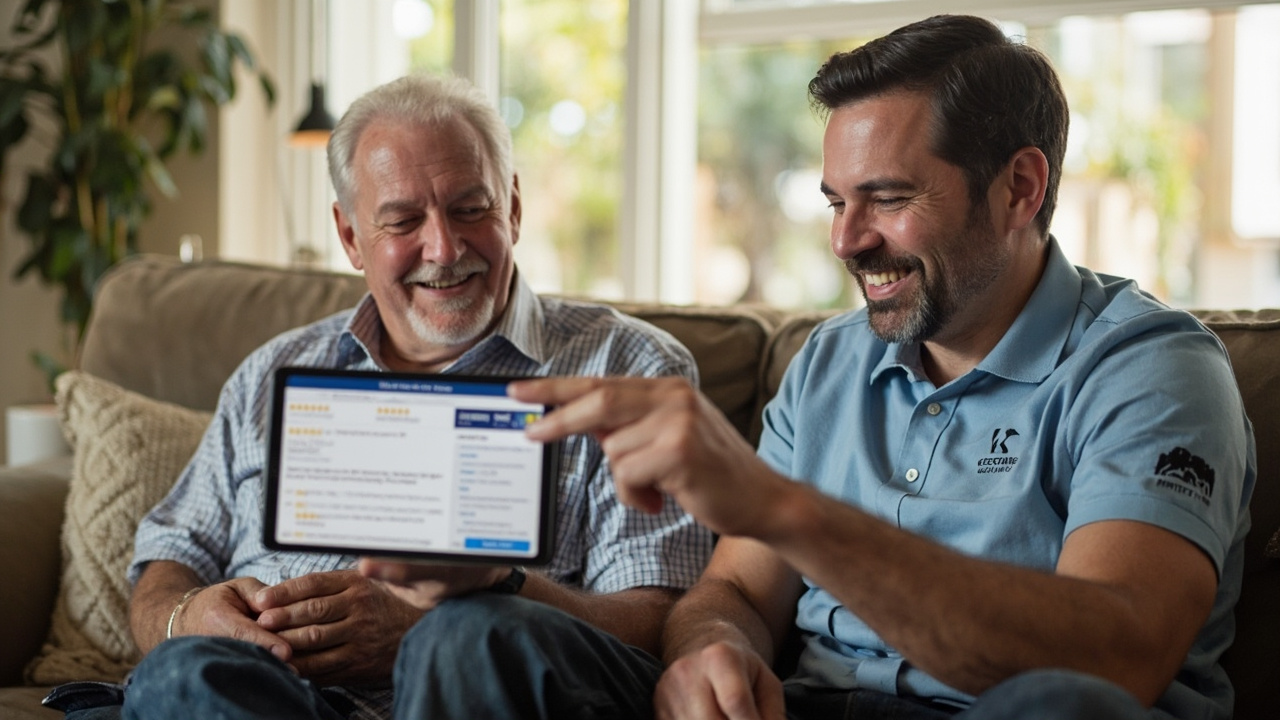
Review each written estimate line by line. Legitimate contracts specify equipment quantities, daily monitoring schedules, and completion criteria based on moisture readings, not calendar days. Verify the contract includes a detailed scope of work, payment terms tied to completion milestones, and a clear dispute resolution process. Check online reviews specifically mentioning insurance claim support and post-restoration follow-up. Make your decision based on verified credentials and contract clarity, not price alone.

Why San Diego Properties Require Specialized Restoration Knowledge

San Diego is not a generic market. The companies that succeed here understand local building characteristics that affect water damage restoration.

Homes built before 1950 in areas like Mission Hills and Kensington often have lath and plaster walls instead of drywall. Plaster holds moisture differently. It requires longer drying times and different equipment placement. Contractors unfamiliar with this waste time and create secondary damage by using incorrect techniques.

Properties near the coast face accelerated corrosion from salt air. A pipe leak in La Jolla affects metal fasteners and electrical connections differently than the same leak in Alpine. Restoration work must address this corrosion or the damage continues after the visible water is gone.

San Diego's Mediterranean climate means low humidity most of the year. This sounds good, but it creates a false sense of security. When water damage occurs, property owners assume everything will dry quickly. It does not. Interior wall cavities and subfloors stay damp for weeks without proper air circulation and dehumidification.

Local building codes require specific vapor barriers in bathrooms and kitchens. When these fail and cause water damage, restoration must include bringing the area up to current code. Companies without San Diego permitting experience cannot navigate this requirement.

Keystone Water Damage Restoration San Diego maintains relationships with local building inspectors and understands the specific documentation San Diego County requires for restoration permits. We know which neighborhoods have clay soil that affects foundation drainage and which areas have recurring issues with cast iron sewer lines.

Hiring a water mitigation service without local expertise means you get a generic approach to a specific problem. Your property has unique characteristics. Your restoration company should recognize them.

What You Should Expect From a Professional Restoration Company

Response Time and Availability

Legitimate restoration companies provide true 24/7 emergency response, not an answering service that takes messages. When you call, you should speak with someone who can dispatch a technician immediately, not leave a voicemail for a callback the next business day. Professional companies arrive within 60 to 90 minutes for emergency water damage in San Diego County. They bring assessment equipment on the first visit, not just come to look and schedule the actual work for later. If a company cannot commit to same-day emergency response, they lack the capacity to handle your situation properly. Ask specifically whether technicians are employees or subcontractors, because this affects response time and quality control.

Comprehensive Damage Assessment

Professional assessment takes 45 to 90 minutes, depending on property size. Technicians use thermal imaging cameras to identify water migration behind walls and ceilings that you cannot see. They take moisture readings at floor level, mid-wall, and ceiling height because water travels in all directions depending on the source. They document everything with photos tagged with moisture percentages and equipment serial numbers. You receive a written assessment explaining the water category (clean, gray, or black water), the affected material classes, and the recommended drying strategy. Companies that provide verbal estimates without documentation are cutting corners that will affect your insurance claim.

The Restoration Process Outcome

Restoration is complete when moisture readings match unaffected areas, not when equipment is removed. Professional companies take daily moisture readings and show you the data. Drywall should read below 12 percent moisture content. Wood framing should be below 15 percent. Concrete should be below 4 percent on a concrete moisture meter. You receive a completion certificate with final moisture readings and photos showing the property returned to pre-loss condition. Any company that removes equipment based on a timeline instead of moisture data is exposing you to mold growth. The final walkthrough should include testing behind furniture and inside cabinets, not just visible surfaces.

Post-Restoration Support and Documentation

After restoration completes, you should receive a full documentation package including all moisture readings, photos, equipment logs, and antimicrobial treatment records. This documentation is critical if you need to sell your property and disclose past water damage. Professional companies provide a certificate of completion that satisfies disclosure requirements under California law. They also offer post-restoration moisture checks at 30 and 60 days to verify no hidden moisture remains. Be cautious of companies that promise warranties without explaining what they actually cover. Water damage warranties should cover workmanship and proper drying protocol, not guarantee against future unrelated water damage.

Frequently Asked Questions

You Have Questions,
We Have Answers

How San Diego's Coastal Climate Affects Restoration Company Selection

San Diego's marine layer creates daily humidity fluctuations that affect drying times and equipment requirements. Homes within five miles of the coast experience overnight humidity levels above 70 percent, even during summer. This means restoration equipment must run longer than in inland areas like Poway or Ramona. Companies without local experience underestimate drying times, remove equipment too early, and leave you vulnerable to mold growth. When selecting a water damage contractor, verify they adjust equipment placement and run times based on coastal proximity. A restoration plan for a Carlsbad home should look different than a plan for an El Cajon home, even with identical damage.

San Diego County has specific building codes for water-damaged structures that differ from neighboring counties. Restoration work often requires permits, particularly when repairs involve structural elements or plumbing modifications. Companies familiar with San Diego's permitting process know which repairs trigger permit requirements and how to navigate the approval process without delays. They maintain relationships with inspectors in different jurisdictions throughout the county. When vetting restoration contractors, ask specifically about their experience with San Diego County permits and how many projects they have completed in your specific neighborhood. Local expertise directly affects project timelines and code compliance.
Water Damage Restoration Services in The San Diego Area

We are proud to serve the entire San Diego area and invite you to view our service region on the map below. While our emergency response team is mobile and always ready to dispatch to your location rapidly, our central operations base allows us to coordinate efficient service across all of San Diego County. Contact us today for immediate assistance, no matter where your property is located within our service area.

Address:
Keystone Water Damage Restoration San Diego, 4445 Eastgate Dr, San Diego, CA, 92121

Additional Services We Offer

Our news updates

Latest Articles & News from The Blogs

Protecting Your Ground Floor Storage Unit from Water Intrusion in Little Italy Ground floor storage units in Little Italy face…

Protecting Your Ground Floor Storage Unit from Water Intrusion in Little Italy

Protecting Your Ground Floor Storage Unit from Water Intrusion in Little Italy Ground floor storage units in Little Italy face…

Why the Wallpaper is Bubbling in Your Bankers Hill Guest Room

Why the Wallpaper is Bubbling in Your Bankers Hill Guest Room If you’re seeing bubbles form under your wallpaper in…

The Difference Between a Roof Leak and Attic Condensation in Your Otay Mesa Home

The Difference Between a Roof Leak and Attic Condensation in Your Otay Mesa Home Water stains on your ceiling or…

Contact Us

You do not have to navigate this decision alone. Call (858) 203-2555 now to speak with a certified restoration specialist who can answer your questions and help you understand what to look for when evaluating contractors in San Diego.