menu

Water Mitigation vs Restoration in San Diego – Know the Difference Before Your Insurance Claim Gets Denied

Understanding water mitigation vs restoration protects your property investment and ensures proper insurance coverage when San Diego's coastal moisture, aging infrastructure, and sudden pipe failures create water damage emergencies.

Slider Image 1
Slider Image 2
Slider Image 3
Slider Image 4
Slider Image 5
Slider Image 7
Slider Image 8
Slider Image 9
Slider Image 10
Slider Image 11

Why San Diego Property Owners Confuse Water Mitigation with Restoration

You walk into your Pacific Beach condo and find water pooling under the kitchen sink. You call your insurance company, and they mention mitigation. Your contractor talks about restoration. You assume they mean the same thing. They do not.

This confusion costs San Diego property owners thousands in denied claims every year. The difference between water mitigation and restoration determines who pays, how fast the work gets done, and whether hidden mold grows behind your drywall for months.

San Diego's coastal humidity creates a perfect breeding ground for secondary damage. When moisture sits in porous materials like drywall or subflooring, you have 24 to 48 hours before microbial growth starts. That window defines the split between water damage mitigation vs restoration.

Water mitigation happens immediately. It stops ongoing damage. Technicians extract standing water, remove wet materials, and run industrial dehumidifiers to dry structural components. This phase prevents your small leak from becoming a total loss.

Water remediation vs restoration often gets used interchangeably, but remediation focuses on removing contaminants like sewage or chemicals. Restoration comes later. After mitigation dries and stabilizes your property, restoration rebuilds what was removed. New drywall gets installed. Flooring gets replaced. Paint gets applied. Your home returns to pre-loss condition.

Most insurance policies cover emergency mitigation immediately. Restoration requires approval, documentation, and sometimes negotiations. Knowing this distinction before you file a claim protects you from surprise bills and coverage gaps.

In neighborhoods from La Jolla to Chula Vista, older plumbing systems and hard water deposits increase failure risk. When disaster strikes, you need to understand what happens first and what comes next.

Why San Diego Property Owners Confuse Water Mitigation with Restoration
How Water Cleanup vs Water Repair Actually Works in Practice

How Water Cleanup vs Water Repair Actually Works in Practice

Water cleanup vs water repair defines the two-phase approach professionals use to handle water damage correctly. Cleanup is mitigation. Repair is restoration. The sequence matters.

Mitigation teams respond within hours. They assess the water category. Clean water from supply lines receives different treatment than gray water from dishwashers or black water from sewage backups. Each category determines the cleanup protocol and safety equipment required.

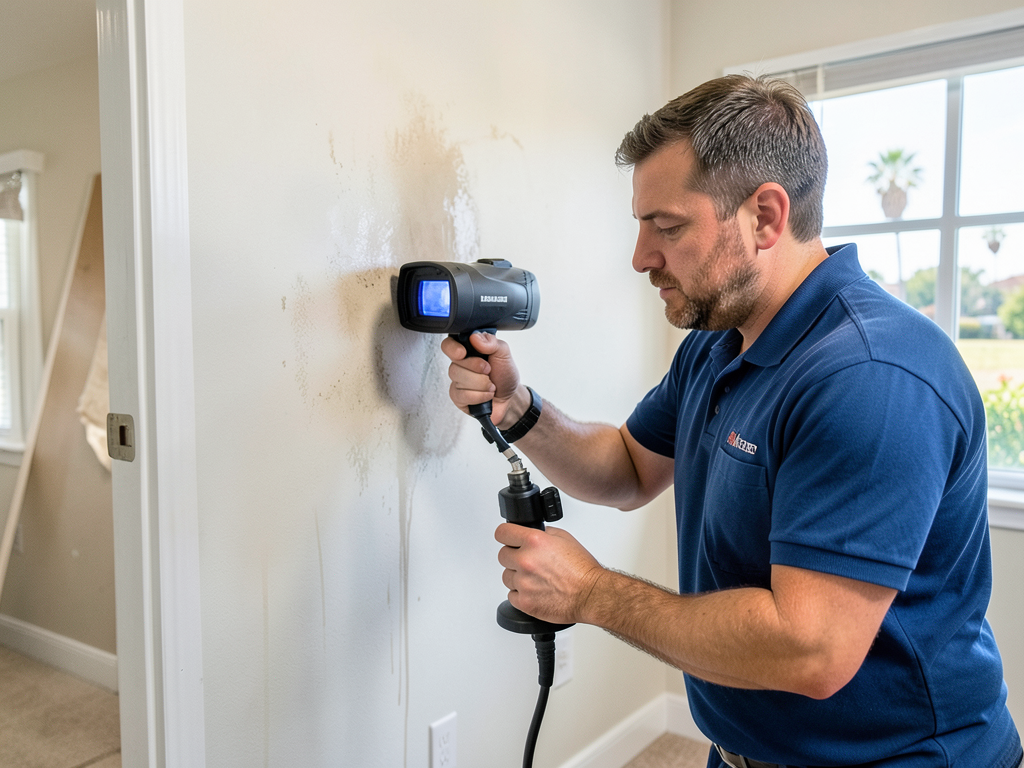
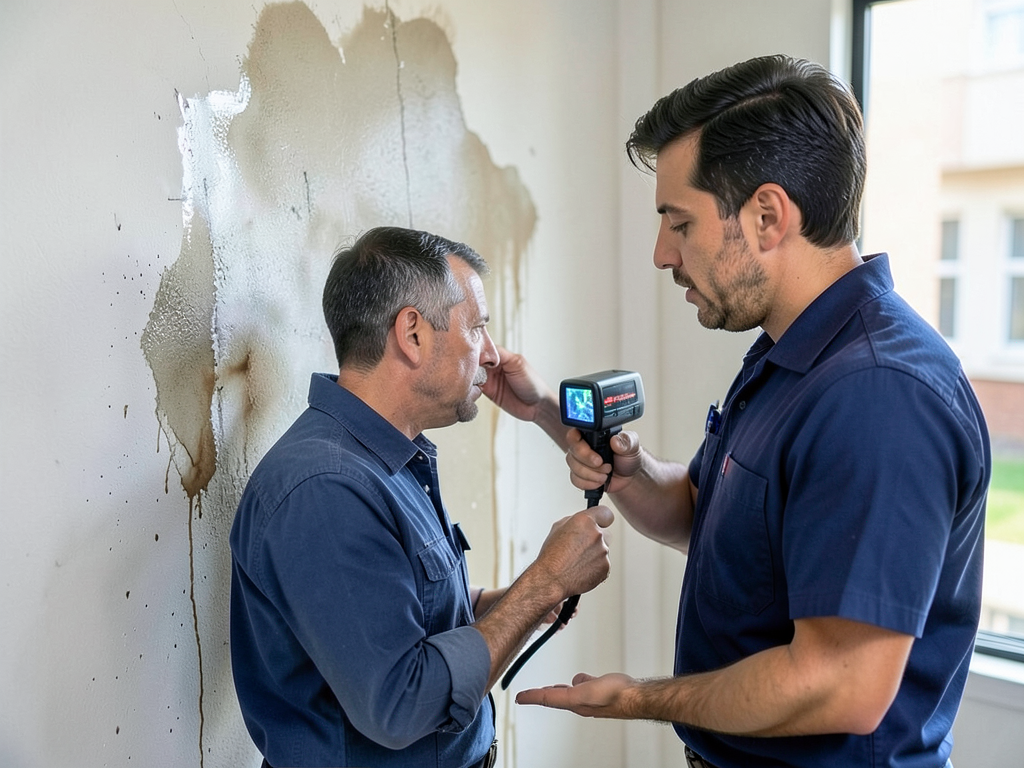
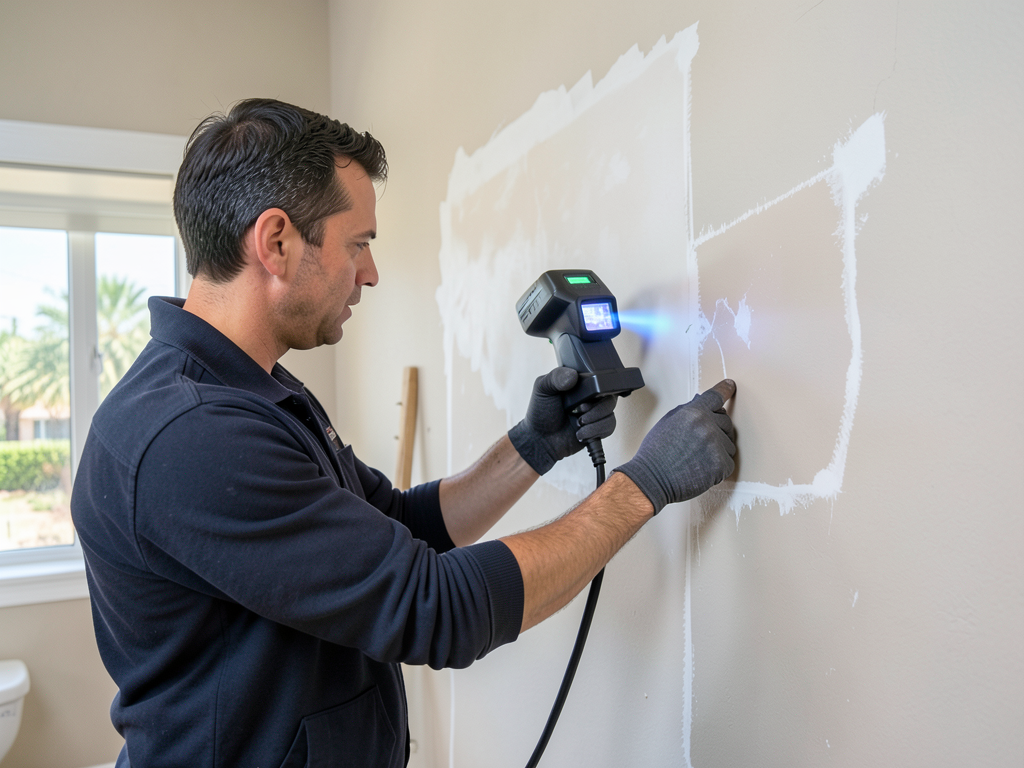
Technicians use moisture meters to map affected areas. They check wall cavities, subflooring, and insulation. San Diego homes with stucco exteriors hide moisture intrusion behind walls. Thermal imaging cameras detect temperature variations that indicate trapped water.

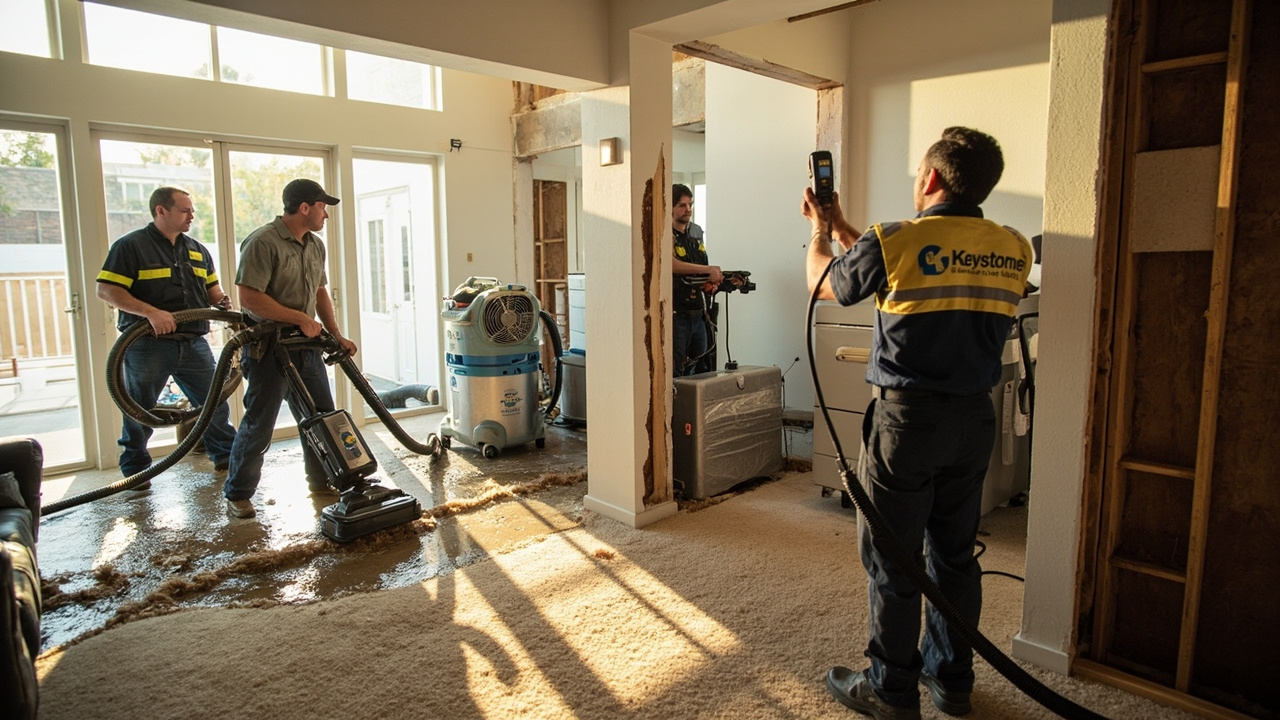
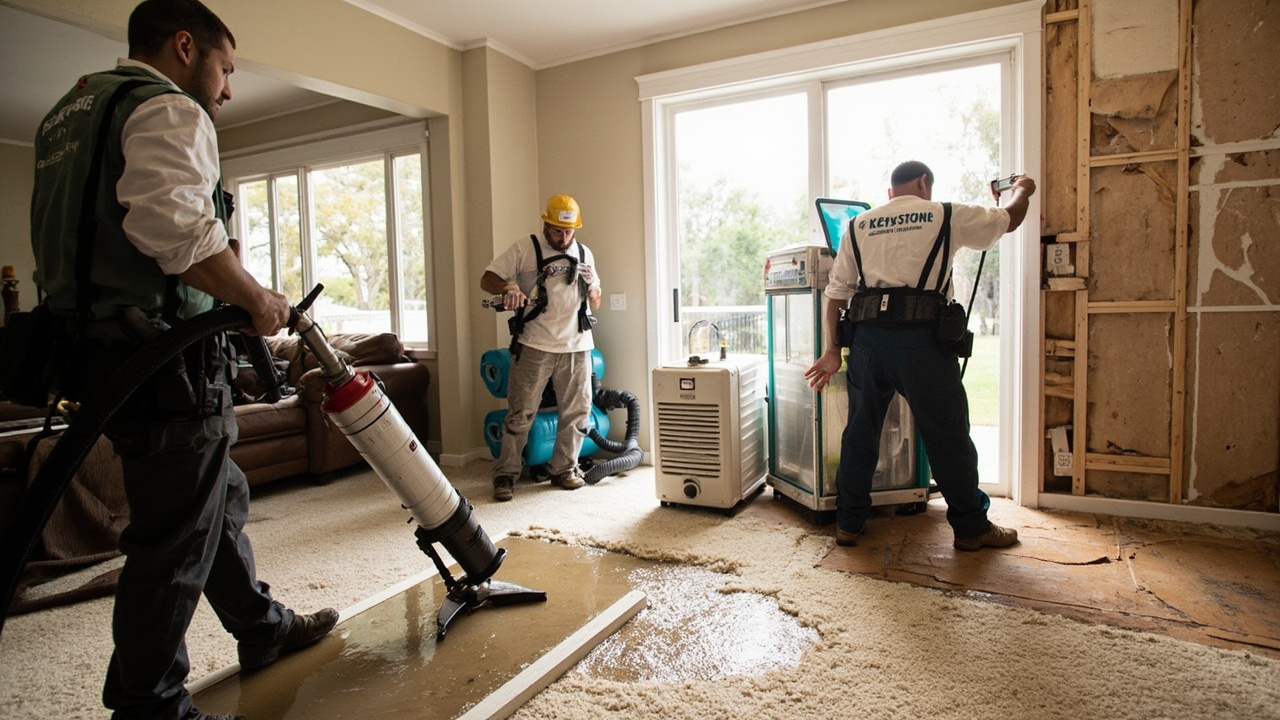
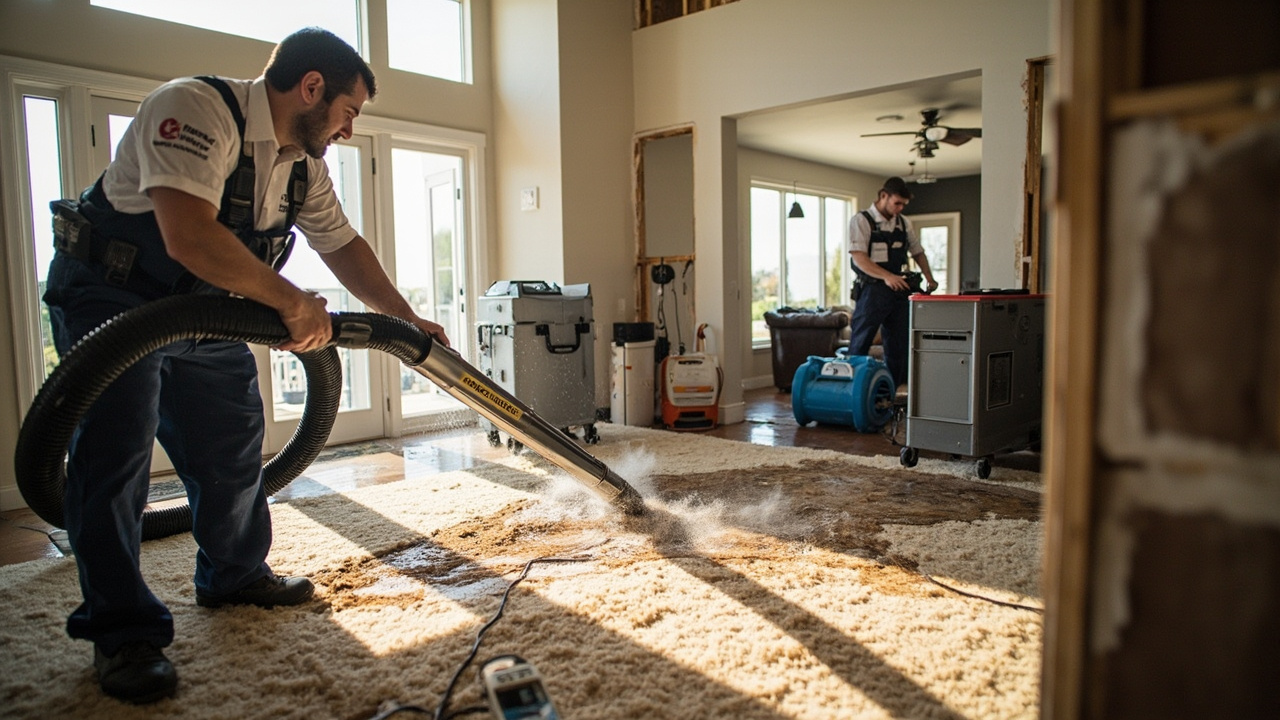
Extraction removes standing water using truck-mounted pumps or portable extractors. Air movers create airflow across wet surfaces. Commercial dehumidifiers pull moisture from the air. This equipment runs 24/7 for three to seven days depending on severity.

Antimicrobial treatments prevent microbial growth on affected surfaces. Technicians remove unsalvageable materials like soaked insulation or delaminated subflooring. This controlled demolition is mitigation, not restoration.

Once moisture readings return to normal levels, mitigation ends. Documentation gets submitted to your insurance adjuster. Only after approval does restoration begin.

Restoration contractors rebuild removed materials. They match existing finishes, install new flooring, and repaint walls. This phase takes days or weeks depending on scope. Permits may be required for structural work or electrical repairs.

Mitigation vs reconstruction becomes clear in large losses. Reconstruction involves structural changes or upgrades beyond simple replacement. A bathroom remodel during restoration counts as reconstruction. Replacing water-damaged drywall with identical materials is restoration.

The mitigation team stabilizes. The restoration team rebuilds. Two different skill sets, two different timelines, two different insurance claim phases.

What Happens When You Call for Water Damage Help

Water Mitigation vs Restoration in San Diego – Know the Difference Before Your Insurance Claim Gets Denied
01

Emergency Water Extraction

Within 60 minutes of your call, technicians arrive with extraction equipment and moisture detection tools. They identify the water source, stop active leaks, and remove standing water using truck-mounted pumps. Moisture meters map the full extent of saturation in floors, walls, and subflooring. This rapid response prevents secondary damage and reduces overall restoration costs by addressing problems before they spread.
02

Structural Drying Process

Industrial air movers and dehumidifiers run continuously to dry structural components to normal moisture levels. Technicians monitor progress daily using moisture meters and thermal imaging. Antimicrobial treatments prevent microbial growth on affected surfaces. Unsalvageable materials get documented and removed. This controlled mitigation phase typically takes three to seven days depending on the extent of water intrusion and environmental conditions.
03

Rebuild and Restoration

After complete drying and insurance approval, restoration contractors rebuild removed materials to pre-loss condition. New drywall gets installed, textured, and painted. Flooring gets replaced to match existing materials. Cabinets, trim, and fixtures get reinstalled. Final inspections ensure all work meets building codes. Your property returns to normal function with proper documentation for insurance records and future property transfers.

Why Local San Diego Expertise Matters for Water Damage Response

San Diego's unique coastal environment creates specific challenges for water damage response. The marine layer brings persistent humidity that slows drying times. Salt air corrodes metal components faster than inland areas. These factors require adjusted mitigation protocols that generic national chains often miss.

Local building codes in San Diego County mandate specific moisture barriers and ventilation requirements for coastal construction. Technicians familiar with these regulations ensure mitigation and restoration work passes inspection the first time. This knowledge prevents delays and additional costs.

San Diego's housing stock ranges from 1920s bungalows in North Park to modern high-rises downtown. Each construction type responds differently to water intrusion. Older homes have plaster walls that absorb water differently than modern drywall. Concrete slab foundations in newer developments trap moisture longer than raised foundations in historic neighborhoods.

Insurance adjusters in San Diego understand local water damage patterns. They know that supply line failures peak during summer when ground shifts stress aging pipes. They recognize that winter storm runoff overwhelms outdated drainage systems in older communities. Local mitigation teams document damage using terminology and standards these adjusters expect.

Response time matters in water damage. A local team reaches Mission Valley in 20 minutes, not two hours. Equipment stays stocked at nearby facilities. Backup crews handle multiple emergencies without flying in resources from other states.

San Diego's tight-knit restoration community maintains relationships with local plumbers, electricians, and contractors. When mitigation reveals additional problems like corroded pipes or faulty wiring, local teams coordinate repairs quickly. National chains issue work orders to unfamiliar subcontractors who may not prioritize your job.

Water damage happens at the worst times. Local teams know which hospitals stay open overnight, which hotels accept displaced families with pets, and which storage facilities offer climate control for salvaged belongings. This community knowledge reduces stress during crisis.

What to Expect During Mitigation and Restoration

Response Time and Availability

Water damage mitigation requires immediate response. Technicians arrive within 60 to 90 minutes of your call, 24 hours a day, seven days a week. Emergency extraction and initial stabilization happen the same day. Equipment deployment begins immediately to prevent secondary damage. Restoration scheduling depends on insurance approval and material availability, typically starting within one to two weeks after mitigation completion. Complex projects requiring permits or structural work may need additional time for proper planning and code compliance.

Initial Assessment and Documentation

Technicians document every affected area using moisture meters, thermal imaging, and detailed photography. You receive a written scope of mitigation work including equipment placement, expected drying time, and daily monitoring schedule. This documentation goes directly to your insurance company with moisture readings and progress photos. The assessment identifies hidden damage in wall cavities, under flooring, and behind cabinets that visual inspection alone misses. Accurate documentation prevents claim disputes and ensures proper coverage for all necessary work.

Quality of Final Restoration

Restoration returns your property to pre-loss condition using materials that match existing finishes. Paint colors get matched using spectrophotometer analysis. Flooring replacements coordinate with undamaged areas. Texture matching on walls and ceilings ensures invisible repairs. All work meets current building codes even when replacing older materials. Final walk-throughs confirm you approve all completed work before project closeout. Quality restoration leaves no visible evidence that damage occurred, maintaining your property value and appearance.

Post-Restoration Monitoring and Support

After restoration completion, you receive final moisture readings confirming all materials returned to normal levels. Documentation packages include all invoices, material receipts, and certificate of completion for your records and future property sales. Reputable water damage companies provide follow-up contact within 30 days to address any concerns. While specific warranty terms vary, quality restoration work should show no signs of recurring moisture issues or workmanship defects. Keep all documentation organized for insurance records and potential future claims.

Frequently Asked Questions

You Have Questions,
We Have Answers

What is the difference between remediation and restoration? +

Remediation refers to the process of removing contamination or hazards from a space, like mold removal or sewage cleanup. Restoration is the process of returning your property to its pre-damage condition through repairs and reconstruction. In San Diego water damage scenarios, you often need both. First, crews remediate the immediate threat by extracting water and treating mold. Then they restore damaged drywall, flooring, and structural elements. Remediation stops the problem. Restoration rebuilds what was lost. Most professional water damage companies handle both phases under one roof to ensure continuity and proper documentation for insurance claims.

What is water mitigation? +

Water mitigation is the emergency response phase that stops water damage from spreading and prevents secondary damage like mold growth or structural weakening. Crews extract standing water, remove saturated materials, set up industrial dehumidifiers, and establish airflow. The goal is damage containment, not repair. In San Diego's coastal climate, humidity makes mold growth a serious concern within 24 to 48 hours of water intrusion. Fast mitigation protects your property value and reduces overall restoration costs. This phase happens before any reconstruction begins and creates a dry, stable environment for future repairs.

What is the average cost of water mitigation? +

Water mitigation costs in San Diego typically range based on damage severity, water category, and affected square footage. A small bathroom leak might cost less than a flooded basement or multi-story water intrusion. Factors include extraction equipment needs, drying time, antimicrobial treatment, and demolition of unsalvageable materials. Most homeowners insurance policies cover sudden and accidental water damage mitigation costs, minus your deductible. Get a detailed estimate that breaks down equipment, labor, and disposal fees. Delaying mitigation to save money often backfires, as mold remediation and structural repairs can triple your total costs within days.

What does water restoration mean? +

Water restoration is the rebuilding phase that returns your San Diego property to pre-loss condition after water damage. This includes replacing drywall, repairing subflooring, repainting, reinstalling baseboards, and fixing structural damage. Restoration happens after mitigation dries out your property. The scope can range from minor cosmetic repairs to full room reconstruction, depending on how long water sat and what materials were affected. Professional restorers coordinate with your insurance adjuster, pull necessary permits from the city, and ensure all work meets California building codes. Restoration is not complete until your home looks and functions exactly as it did before the water event.

Is Mitigation and restoration the same thing? +

No, mitigation and restoration are two distinct phases. Mitigation is the emergency response that stops damage progression. Restoration is the repair and reconstruction that follows. Think of mitigation as stopping the bleeding and restoration as surgery and recovery. In San Diego water damage situations, mitigation starts within hours and focuses on extraction, drying, and stabilization. Restoration begins only after your property is completely dry and may take weeks depending on scope. Many companies offer both services, which streamlines communication, documentation, and insurance coordination. Skipping proper mitigation makes restoration more expensive and less effective.

What are the 4 types of remediation? +

The four main types of remediation in water damage are source remediation, water extraction, structural drying, and contamination treatment. Source remediation stops the water flow, whether that means shutting off a valve or tarping a roof leak common in San Diego's occasional heavy rains. Water extraction removes standing water using pumps and vacuums. Structural drying uses dehumidifiers and air movers to eliminate moisture from materials like wood framing and concrete. Contamination treatment addresses bacteria, sewage, or mold with antimicrobial solutions. Each type addresses a specific threat and all four work together to prevent long-term damage.

What is the difference between water restoration and remediation? +

Water restoration rebuilds your property after damage. Water remediation removes hazards like contaminated water, mold, or bacteria. Remediation is about health and safety. Restoration is about construction and aesthetics. In a San Diego sewage backup, remediation crews remove biohazard waste, disinfect surfaces, and treat affected materials. Restoration crews then replace flooring, drywall, and cabinets. Remediation protects you from illness. Restoration returns your property to livable condition. Both require specialized training, but remediation demands stricter safety protocols due to exposure risks. Professional companies handle both phases to ensure thorough recovery and proper insurance documentation.

How long should water mitigation take? +

Water mitigation timelines in San Diego depend on water volume, affected materials, and humidity levels. A small leak in a bathroom might dry in two to three days. A flooded living room with saturated carpet and drywall can take five to seven days. San Diego's coastal moisture slows drying compared to arid inland areas, so dehumidification is critical. Technicians use moisture meters to verify materials reach acceptable dryness levels before restoration begins. Rushing mitigation leads to trapped moisture, mold growth, and failed restoration. Proper mitigation is complete when all structural elements read below 15 percent moisture content.

Does insurance pay for water mitigation? +

Most homeowners insurance policies in San Diego cover water mitigation if the damage resulted from a sudden, accidental event like a burst pipe or appliance failure. Insurance typically does not cover gradual damage from long-term leaks or lack of maintenance. Flood damage from storms requires separate flood insurance. Your policy will cover reasonable and necessary mitigation costs to prevent further damage, including emergency board-up, water extraction, and drying equipment. Always document everything with photos and keep receipts. Contact your insurance carrier immediately after discovering water damage to confirm coverage and start your claim before beginning mitigation work.

Can I do water mitigation myself? +

You can handle very minor water cleanup, like mopping up a small spill, but professional mitigation is necessary for anything beyond surface water. DIY efforts miss hidden moisture in wall cavities, subflooring, and insulation that leads to mold growth within 24 to 48 hours in San Diego's climate. Professionals use thermal imaging, moisture meters, and industrial equipment you cannot rent at hardware stores. Insurance companies often require professional documentation for claims. Improper drying voids warranties and creates liability issues if you sell your home later. For anything more than a gallon of water, call a certified water damage company immediately.

How San Diego's Coastal Climate Affects Water Damage Mitigation Timelines

San Diego's persistent marine layer creates unique challenges for water damage drying. When morning fog rolls in from the Pacific, outdoor humidity often reaches 80 to 90 percent. This moisture-saturated air slows evaporation from wet building materials. Standard mitigation protocols designed for dry inland climates take longer in coastal San Diego. Dehumidifiers work harder to overcome ambient humidity. Air movers need strategic placement to create proper airflow despite heavy outdoor air. Properties in coastal neighborhoods from Ocean Beach to Del Mar require adjusted drying strategies that account for this constant moisture influx.

San Diego County requires specific building code compliance for water damage restoration work. Properties in the coastal zone face additional scrutiny from the California Coastal Commission for major reconstruction. Local mitigation teams understand these regulatory requirements and document work to meet county inspection standards. This local knowledge prevents failed inspections, permit delays, and insurance claim complications. Choosing a San Diego-based water damage company ensures your restoration work complies with municipal codes, follows proper procedures for historical properties in areas like Old Town, and coordinates effectively with local building departments.
Water Damage Restoration Services in The San Diego Area

We are proud to serve the entire San Diego area and invite you to view our service region on the map below. While our emergency response team is mobile and always ready to dispatch to your location rapidly, our central operations base allows us to coordinate efficient service across all of San Diego County. Contact us today for immediate assistance, no matter where your property is located within our service area.

Address:
Keystone Water Damage Restoration San Diego, 4445 Eastgate Dr, San Diego, CA, 92121

Additional Services We Offer

Our news updates

Latest Articles & News from The Blogs

Who Pays for Water Damage When a Neighbor’s Leak Affects Your San Diego Condo Discovering water damage in your condo…

Navigating Liability When a Neighbors Apartment Leaks into Your San Diego Condo

Who Pays for Water Damage When a Neighbor’s Leak Affects Your San Diego Condo Discovering water damage in your condo…

The Critical Steps Your Restoration Team Takes in the First Forty Eight Hours

The Critical Steps Your Restoration Team Takes in the First Forty Eight Hours When water invades your home in San…

Should You Try In Place Drying or Choose a Full Rip Out After a San Diego Flood

Should You Try In Place Drying or Choose a Full Rip Out After a San Diego Flood San Diego homeowners…

Contact Us

Water damage gets worse every hour you wait. Call Keystone Water Damage Restoration San Diego now at (858) 203-2555 for immediate response. Our mitigation teams deploy within 60 minutes to stop damage and start the drying process that protects your property and insurance claim.