

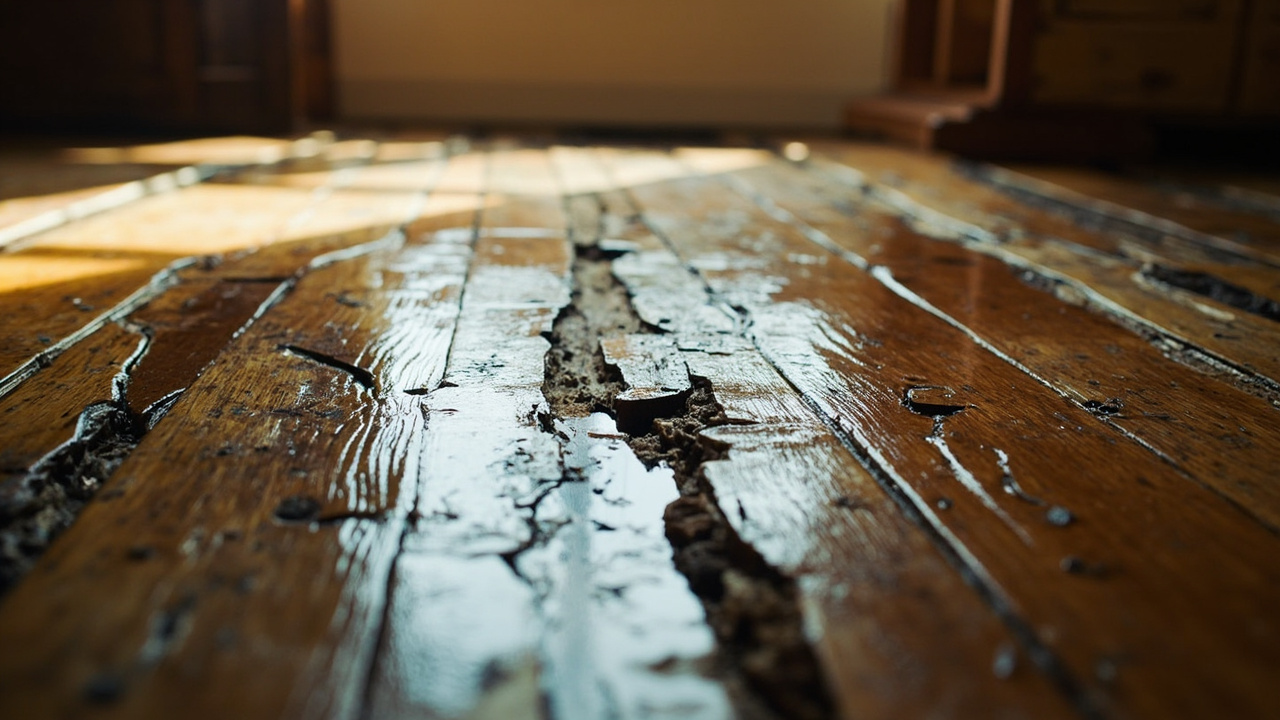
San Diego's proximity to the Pacific Ocean creates year-round humidity that slows natural evaporation from wet hardwood flooring. Inland cities dry out faster because low ambient humidity creates a steep vapor pressure gradient. Here, morning fog and evening marine layers keep indoor humidity elevated, which means wet hardwood floors stay saturated longer even after you remove standing water. This extended saturation period increases the risk of hardwood floor cupping and subfloor mold growth. Professional drying equipment compensates for this climate challenge by mechanically lowering indoor humidity below outdoor levels, which forces moisture to migrate out of the wood instead of equilibrating with ambient air.
San Diego building codes evolved significantly after the 1990s to address moisture intrusion in coastal construction. Older homes in neighborhoods like La Jolla and Pacific Beach often lack vapor barriers beneath hardwood flooring, which allows ground moisture to migrate upward through concrete slabs. Modern construction includes polyethylene sheeting and raised subfloor systems, but homes built before 1985 frequently skip these moisture control layers. Keystone understands these construction differences and adjusts restoration techniques based on your home's age and building methods. We know which flooring systems tolerate aggressive drying and which require slower, gentler moisture removal to prevent finish damage or plank shrinkage.