



Spring Valley sits in a valley basin east of San Diego, where seasonal rainfall and aging infrastructure create perfect conditions for water damage. The area receives most of its annual precipitation between November and March, often in intense bursts that overwhelm outdated drainage systems. Many homes in neighborhoods like Casa de Oro and Bancroft were built between the 1950s and 1970s, featuring original plumbing that corrodes and fails without warning.
The clay-heavy soil common throughout Spring Valley expands when saturated, creating hydrostatic pressure against foundation walls and basement slabs. This pressure forces groundwater through cracks and seams during wet months. Properties near Sweetwater River face additional flood risk during El Niño years when the waterway jumps its banks. The Mediterranean climate also creates problems during dry months when PVC pipes become brittle and galvanized steel lines deteriorate from mineral deposits in the local water supply. Water heaters installed in attics, a common practice in older Spring Valley homes, pose catastrophic flood risk when tanks fail. Slab foundation construction in many properties means leaks often go undetected until significant damage appears on walls or floors.
Keystone Water Damage Restoration San Diego operates as a local emergency response team, not a franchise answering to corporate protocols. We keep extraction equipment, industrial dehumidifiers, and thermal imaging cameras in our Spring Valley service vehicles, which means we arrive ready to work. Our technicians live in East County and know the difference between a Casa de Oro ranch home and a Sweetwater townhouse. This matters because restoration strategies change based on construction methods, foundation types, and material composition.
We handle every step of the restoration process under one roof. You call us for water extraction, and the same crew completes structural drying, microbial remediation, and reconstruction. No handoffs to subcontractors. No waiting for other companies to coordinate schedules. Our project managers document every phase with photos, moisture readings, and detailed notes that insurance adjusters accept without argument. We know what State Farm, Allstate, and Farmers require for claim approval in San Diego County because we submit these reports daily.
Speed determines whether you face a cleanup project or a reconstruction disaster. Our dispatch system routes the nearest available crew to your Spring Valley property within two hours of your call, day or night. We extract water immediately, set up drying equipment before microbial growth starts, and create airflow patterns that prevent secondary damage to unaffected areas. Every hour of delay increases restoration costs and extends the time you spend displaced from your property. We treat your emergency like it is happening in our own home because half our crew lives within five miles of where you do.

We arrive at Spring Valley properties within two hours of your call, 24 hours a day. Our crews carry industrial extraction equipment, dehumidifiers, and moisture detection tools in service vehicles. Fast response prevents mold growth, stops structural damage from spreading, and reduces overall restoration costs by addressing water intrusion before materials absorb moisture deeply.

Our project managers document every phase of restoration with photos, moisture readings, and detailed reports that insurance companies accept without dispute. We communicate directly with adjusters, provide estimates that match industry standards, and advocate for full coverage of necessary repairs. You focus on your family while we handle the paperwork and phone calls.
We handle water extraction, structural drying, microbial remediation, and reconstruction with the same crew. No subcontractors. No coordination delays. Our technicians remove damaged drywall, dry framing lumber to safe moisture levels, treat affected areas for microbial growth, and rebuild to match existing finishes. One company, one point of contact, one timeline.
Our technicians live and work in East San Diego County. We understand how Spring Valley's clay soil, aging infrastructure, and seasonal rainfall patterns create water damage scenarios. This local knowledge informs our drying strategies, equipment placement, and restoration timelines. We know what works in Casa de Oro ranch homes because we have dried hundreds of them.
Water intrusion takes different forms and requires specialized response protocols. A sewage backup demands different equipment and safety measures than a broken supply line. Keystone Water Damage Restoration San Diego categorizes our services based on water source, contamination level, and affected materials. This approach ensures we deploy the right equipment, follow appropriate safety protocols, and complete drying procedures that prevent future problems.
Emergency water removal focuses on extracting standing water and preventing immediate damage spread. Structural drying addresses moisture trapped in framing, insulation, and building materials. Specialized remediation handles contaminated water from sewage systems or flood events. Each service category requires specific certifications, equipment, and procedures. Our technicians train continuously on IICRC standards for water damage restoration, which means you get crews who understand drying science, moisture mapping, and microbial growth prevention. We do not guess at moisture levels or rely on visual inspection. We measure, document, and verify that materials return to safe moisture content before we seal walls or install new flooring.
When water floods your Spring Valley property, immediate extraction prevents damage from spreading to unaffected areas. Our crews use truck-mounted pumps for deep standing water and portable extractors for carpets and upholstery. We remove soaked materials that cannot be saved, pull baseboards to access wall cavities, and create documentation for insurance claims. Speed matters because water wicks through drywall, carpeting, and insulation within hours. We respond day or night to stop damage before it becomes catastrophic.
Visible water represents only part of the problem. Moisture soaks into framing lumber, insulation, and subfloors where it causes rot, weakens structures, and creates conditions for mold growth. We use industrial dehumidifiers, air movers, and thermal imaging to identify trapped moisture and create drying conditions. Our technicians monitor moisture levels in wood framing and concrete until readings return to normal ranges. This process typically requires three to seven days depending on materials affected and extent of saturation.
Sewage backups and flood events introduce bacteria, viruses, and chemical contaminants into your property. These situations require specialized safety equipment, disposal procedures, and antimicrobial treatments. Our crews wear protective gear, remove contaminated materials according to EPA guidelines, and treat affected surfaces with hospital-grade disinfectants. We test air quality before declaring spaces safe for occupancy. Category 3 water damage is not a DIY project. Professional remediation protects your family from serious health risks.
Spring Valley's housing stock and climate create predictable patterns of water damage. Most emergency calls we receive fall into several categories that reflect the area's construction methods and aging infrastructure. Homes built during Spring Valley's growth boom between 1950 and 1980 feature materials and systems nearing end of service life. Copper supply lines develop pinhole leaks. Cast iron drain pipes corrode from the inside. Water heaters installed in attics fail and flood ceiling cavities.
The seasonal rainfall pattern stresses drainage systems designed for lower population density. Modern development has paved over natural drainage areas, forcing more runoff into aging storm drains. Properties in lower elevations near Sweetwater River face periodic flooding when heavy rains overwhelm channel capacity. The clay soil common throughout Spring Valley creates additional problems. It expands when wet and shrinks when dry, creating movement that cracks foundation slabs and ruptures underground pipes. Understanding these common scenarios helps property owners recognize warning signs before minor leaks become major damage events.
Copper and galvanized steel pipes in older Spring Valley homes corrode over time, developing pinhole leaks or catastrophic failures. Cold water lines sweat during humid months, slowly damaging surrounding materials. Hot water lines expand and contract with temperature changes, weakening joints and connections. We respond to burst pipes several times weekly during winter months when overnight temperatures drop.
Many Spring Valley homes have water heaters in attic spaces or second-floor closets. When a 40-gallon tank fails, water floods through ceiling drywall, insulation, and wall cavities before reaching visible areas. By the time you notice water stains, extensive hidden damage has occurred. These events require aggressive drying and often significant reconstruction to repair compromised structural materials.
Spring Valley's clay soil creates hydrostatic pressure against foundation walls during rainy months. Water finds paths through cracks, cold joints, and penetrations. Homes with basements face persistent moisture problems. Slab foundations develop leaks where plumbing penetrates concrete. Chronic moisture in these areas requires both immediate water removal and long-term waterproofing solutions to prevent recurring damage.
Washing machines, dishwashers, and refrigerator ice makers feature supply lines and drain connections that fail over time. A burst washing machine hose releases water under pressure until someone shuts off the valve or turns off the main supply. Clogged condensate drains in HVAC systems cause overflow that damages ceilings. These events happen without warning and require immediate response to minimize damage.
Water damage creates stress and uncertainty. You do not know the extent of damage, what repairs will cost, or how long restoration will take. We remove this uncertainty with clear communication and defined processes from the moment you call. Our intake staff asks specific questions about water source, affected areas, and visible damage. This information helps us dispatch the right equipment and prepare for likely scenarios.
When our crew arrives at your Spring Valley property, the project manager walks through affected areas with you, explains what we found, and outlines the restoration plan. We answer questions about timelines, insurance coverage, and what you should do to protect belongings. Throughout the restoration process, we provide daily updates about progress, moisture readings, and next steps. You always know what is happening, what comes next, and when you can return to normal life. This transparency sets us apart from competitors who leave customers guessing about progress and timelines.
We dispatch crews to Spring Valley properties within two hours of your call, regardless of time or day. Upon arrival, our project manager assesses damage extent, identifies water source, and develops an action plan. We explain what we found, what needs to happen, and provide a timeline for restoration. This initial assessment includes thermal imaging to find hidden moisture, photos for insurance documentation, and moisture readings in affected materials.
Your project manager provides daily updates about drying progress, moisture levels, and upcoming work. We explain insurance coordination steps and advocate for full coverage of necessary repairs. You receive copies of all documentation, moisture readings, and photos. We answer questions immediately and adjust plans if new issues emerge during restoration. This consistent communication means you never wonder what is happening or when work will finish.
We do not consider restoration complete until moisture readings confirm all materials have returned to safe levels. Our final inspection verifies that affected areas are dry, clean, and ready for reconstruction or occupancy. You receive a completion report documenting final moisture readings, work performed, and any recommendations for preventing future damage. We guarantee our work and respond if any issues emerge after project completion.
We follow a proven sequence that stops damage immediately, removes all moisture, and restores your property to pre-loss condition. This process is based on IICRC standards and adapted for Spring Valley's climate and construction methods.
When you call our emergency line, trained staff gather information about your situation and dispatch the nearest crew. We ask about water source, affected areas, and safety concerns. Our crews arrive within two hours with extraction equipment, moisture detection tools, and safety gear. The project manager assesses damage, explains the restoration plan, and begins emergency water removal immediately to prevent damage from spreading.
We remove standing water with truck-mounted pumps and portable extractors. Wet materials that cannot be saved are removed to prevent microbial growth. Industrial dehumidifiers and air movers create conditions that pull moisture from building materials. Technicians monitor drying progress with moisture meters and thermal imaging cameras. This phase continues until all affected materials reach safe moisture levels, typically three to seven days depending on damage extent.
Once materials are completely dry, we treat affected areas with antimicrobial products to prevent mold growth. Salvageable belongings are cleaned and deodorized. Our reconstruction crew repairs or replaces damaged drywall, flooring, and fixtures to match existing finishes. Final inspection confirms moisture levels remain in safe ranges and all work meets quality standards. You receive documentation of the entire process for insurance records.
Professional water damage restoration follows scientific principles and industry standards, not guesswork. The Institute of Inspection, Cleaning and Restoration Certification sets protocols that govern how we classify water damage, measure moisture levels, and verify complete drying. These standards exist because water behaves predictably in building materials, and proper restoration requires specific equipment and techniques.
Water damage falls into three categories based on contamination level. Category 1 involves clean water from supply lines or rain. Category 2 includes gray water from washing machines or dishwashers containing some contamination. Category 3 covers black water from sewage backups or flood events with serious health hazards. Each category requires different safety protocols and disposal procedures. We also classify damage by how deeply water penetrated materials, ranging from surface moisture to deep saturation that affects structural components.
Moisture measurement determines whether materials are safe or require replacement. Wood framing should measure below 16 percent moisture content. Concrete slabs should read below 4 percent on a moisture meter. Drywall exceeding 17 percent moisture content typically requires replacement because it loses structural integrity when saturated. We document these readings throughout the drying process to verify that conditions improve daily and eventually reach safe ranges. Insurance companies require this documentation before approving claims because it proves we followed industry protocols.
Dehumidification science explains why we use specific equipment configurations. Air movers create airflow across wet surfaces, causing water to evaporate into the air. Dehumidifiers remove moisture from the air, lowering relative humidity so materials can continue releasing trapped water. We calculate the number of air movers and dehumidifier capacity based on the volume of affected space and amount of wet materials. Insufficient equipment extends drying time and increases mold risk. Excess equipment wastes energy without improving results. Proper equipment sizing and placement separate professional restoration from amateur attempts that leave hidden moisture.
Our technicians hold IICRC certifications in water damage restoration, applied structural drying, and microbial remediation. These certifications require coursework in building science, moisture dynamics, and drying techniques. We follow IICRC S500 standards for water damage restoration, which insurance companies recognize as the industry benchmark for proper protocols. This training ensures consistent, effective restoration on every project.
Water damage restoration costs depend on affected area size, water category, materials involved, and drying time required. Emergency water extraction costs less than full reconstruction. Category 1 water from clean sources requires less intensive treatment than Category 3 sewage contamination. Most insurance policies cover sudden water damage from pipe failures or appliance malfunctions. We provide detailed estimates and work directly with adjusters to maximize your coverage.
Complete structural drying requires three to seven days for most residential water damage. Factors affecting timeline include moisture extent, affected materials, relative humidity, and ventilation. Concrete slabs dry slower than wood framing. Closed wall cavities require longer than open spaces. We monitor progress daily and adjust equipment as needed. Rushing the process leaves hidden moisture that causes mold growth and structural damage months later.
Water damage restoration in California requires proper business licensing, liability insurance, and contractor bonds. Our company carries full insurance coverage that protects your property during restoration. We maintain contractor licenses required for reconstruction work. This legal compliance protects you from liability if workers are injured on your property and ensures we follow proper disposal procedures for contaminated materials according to state regulations.
Educational video explaining water damage restoration procedures for Spring Valley CA properties. Covers emergency water extraction, structural drying protocols, common damage scenarios in East County homes, and IICRC restoration standards. Keystone Water Damage Restoration San Diego demonstrates proper water mitigation techniques, moisture detection methods, and timeline expectations for residential water damage restoration in Spring Valley's Mediterranean climate and clay soil conditions.
Keystone Water Damage Restoration San Diego maintains rapid response capability throughout Spring Valley and adjacent East County areas. Our service vehicles travel State Route 94 and Interstate 8 to reach properties in Casa de Oro, Rancho San Diego, La Mesa, and Lemon Grove within the critical first hours after water damage occurs. We know Spring Valley's geography intimately because our technicians live and work in these communities.
The Casa de Oro neighborhood, bordering Spring Valley's western edge, features mid-century ranch homes with original plumbing systems that require specific restoration approaches. These properties often have concrete slab foundations where hidden leaks go undetected until flooring shows damage. We use acoustic leak detection and thermal imaging to find problem areas before removing materials unnecessarily. The Sweetwater area near the river faces different challenges, with elevated flood risk during heavy rainfall and older drainage infrastructure that backs up during storms. Properties here benefit from our rapid response capability because standing water must be removed quickly to prevent foundation damage.
Moving east toward Rancho San Diego, we encounter newer construction with different vulnerabilities. These properties feature PVC plumbing that resists corrosion but can fail at joints during ground movement. Water heaters in attic spaces pose particular risk in two-story homes. We have developed efficient extraction procedures for vertical water damage where flooding starts in attic spaces and travels through wall cavities to lower floors. The Bancroft Point area, with its hillside properties and varied elevations, requires different approaches based on whether homes sit at street level or on raised foundations.
Spring Valley's proximity to Sweetwater Reservoir and the Sweetwater River corridor means properties in southern areas face groundwater issues that central neighborhoods avoid. We address these chronic moisture problems with both immediate extraction and long-term waterproofing recommendations. Our familiarity with microclimates throughout East County helps us predict drying times and potential complications. A home in a sheltered valley may require longer drying than a property on an exposed hilltop with natural ventilation. This local knowledge translates to accurate timelines and realistic expectations for our customers.
Properties near Jamacha Boulevard and areas accessing Spring Valley from the east face water pressure variations that stress aging pipes. We respond regularly to supply line failures in this corridor. The commercial districts along Sweetwater Road present different challenges than residential areas, with larger spaces requiring industrial-scale dehumidification and coordination with business operations to minimize downtime. We maintain equipment inventory sufficient to handle both single-family water damage and commercial flooding events simultaneously.
Water damage restoration costs in Spring Valley vary based on damage severity, affected square footage, and water type. Clean water extraction from a burst pipe costs less than sewage backup cleanup. Most jobs range from a few hundred dollars for minor leaks to several thousand for extensive flooding. You pay for emergency extraction, drying equipment, antimicrobial treatment, and reconstruction. The longer water sits, the higher your bill climbs. Most Spring Valley contractors offer free inspections and work directly with your insurance adjuster to determine covered costs. Get written estimates from at least two local companies before committing.
Professional water damage restoration is worth every dollar in Spring Valley. Untreated water damage leads to structural rot, toxic mold growth, and electrical hazards within 48 hours. Attempting DIY fixes with box fans and towels leaves moisture trapped inside walls and subfloors. This causes permanent damage that costs three to five times more to repair later. Professional extraction, thermal imaging, and industrial dehumidifiers remove hidden moisture you cannot see. Insurance companies often deny claims when homeowners delay professional intervention. Spring Valley's mild winters and occasional heavy rains create perfect mold conditions if water is not properly dried.
Servpro franchises may offer financing options, but programs vary by location and franchise owner. You need to contact the Spring Valley or nearest Servpro location directly to ask about payment plans or third-party financing partnerships. Some franchises work with financing companies that offer credit lines for home repairs. Many Spring Valley restoration companies provide similar financing options or flexible payment arrangements. Ask about insurance billing, as most reputable contractors handle insurance claims directly and you only pay your deductible. Compare financing terms between multiple local restoration companies before deciding.
Water damage restoration costs in Spring Valley vary based on damage severity, affected square footage, and water type. Clean water extraction from a burst pipe costs less than sewage backup cleanup. Most jobs range from a few hundred dollars for minor leaks to several thousand for extensive flooding. You pay for emergency extraction, drying equipment, antimicrobial treatment, and reconstruction. The longer water sits, the higher your bill climbs. Most Spring Valley contractors offer free inspections and work directly with your insurance adjuster to determine covered costs. Get written estimates from at least two local companies before committing.
Professional water damage restoration is worth every dollar in Spring Valley. Untreated water damage leads to structural rot, toxic mold growth, and electrical hazards within 48 hours. Attempting DIY fixes with box fans and towels leaves moisture trapped inside walls and subfloors. This causes permanent damage that costs three to five times more to repair later. Professional extraction, thermal imaging, and industrial dehumidifiers remove hidden moisture you cannot see. Insurance companies often deny claims when homeowners delay professional intervention. Spring Valley's mild winters and occasional heavy rains create perfect mold conditions if water is not properly dried.
Servpro franchises may offer financing options, but programs vary by location and franchise owner. You need to contact the Spring Valley or nearest Servpro location directly to ask about payment plans or third-party financing partnerships. Some franchises work with financing companies that offer credit lines for home repairs. Many Spring Valley restoration companies provide similar financing options or flexible payment arrangements. Ask about insurance billing, as most reputable contractors handle insurance claims directly and you only pay your deductible. Compare financing terms between multiple local restoration companies before deciding.
Water remediation stops active damage and removes standing water. This includes emergency extraction, sewage removal, and initial drying. Water restoration is the complete process that returns your property to pre-loss condition. Restoration includes remediation plus reconstruction, replacing drywall, repainting, and installing new flooring. Think of remediation as emergency triage and restoration as full recovery. In Spring Valley, most companies perform both services under one contract. You need remediation within hours of water intrusion to prevent mold. Restoration happens after everything is dry and sanitized. The entire process takes one to three weeks for typical residential damage.
Insurance covers water damage restoration if the water source is sudden and accidental. A burst pipe, appliance leak, or storm damage qualifies for coverage. Gradual damage from slow leaks, poor maintenance, or neglect gets denied. Flood insurance is separate and required for natural flooding in Spring Valley. Your policy covers emergency extraction, drying, and repairs minus your deductible. Insurance adjusters scrutinize timelines, so document everything with photos and call a restoration company immediately. Spring Valley restoration contractors handle insurance paperwork and negotiate directly with adjusters to maximize your claim approval.
Water damage costs escalate because you pay for speed, specialized equipment, and hidden damage repair. Emergency response requires 24/7 technicians, industrial dehumidifiers, air movers, and moisture meters that cost thousands of dollars. Water seeps into wall cavities, subfloors, and insulation where you cannot see it. Technicians must remove baseboards, drill weep holes, and sometimes cut drywall to access hidden moisture. Mold remediation adds antimicrobial treatment and containment barriers. Labor-intensive work requires certified technicians, not minimum-wage workers. Spring Valley properties with stucco exteriors often have concealed damage that increases restoration complexity and cost.
The average water damage insurance claim in California falls between three thousand and seven thousand dollars. Minor leaks requiring extraction and drying run lower. Major incidents involving sewage backup, structural repairs, or multiple rooms push claims above ten thousand dollars. Spring Valley homeowners with older plumbing face higher average claims due to pipe failures. Your specific claim depends on damage extent, water category, affected materials, and how quickly you responded. Insurance adjusters calculate replacement costs for flooring, drywall, and personal property separately from restoration labor. Get multiple estimates to ensure your claim covers actual repair costs.
Mold begins growing within 24 to 48 hours after water intrusion in Spring Valley's climate. Humid conditions accelerate mold colonization on drywall, wood, and carpet backing. Visible mold appears within three to five days, but spores start spreading microscopically much sooner. Temperature and organic materials affect growth speed. Porous materials like insulation and ceiling tiles grow mold faster than tile or concrete. You cannot always see mold behind walls or under flooring where moisture gets trapped. Professional drying within the first 24 hours prevents mold establishment. After 48 hours, you need both water restoration and mold remediation services.
Call a water restoration company immediately when you discover standing water, active leaks, ceiling stains, or wet carpet in Spring Valley. Do not wait to see if it dries on its own. Contact professionals within the first hour for sewage backups or contaminated water. Call after storms if you notice roof leaks or foundation seepage. Reach out when you smell musty odors or see discoloration on walls. Burst pipes, appliance failures, and water heater leaks require emergency response. The faster technicians extract water and start drying, the less damage occurs and the lower your restoration costs.
Servpro offers nationwide brand recognition and standardized training protocols. They maintain 24/7 emergency response and work with most insurance companies. Franchise locations vary in quality since owners operate independently. Pricing tends to run higher than local Spring Valley competitors due to franchise fees and national advertising costs. Some customers report aggressive upselling or slower response times during peak demand. Local independent restoration companies often provide faster response, lower pricing, and personalized service without corporate bureaucracy. Servpro works well for chain retail or commercial properties needing consistent nationwide service. Compare multiple bids for residential work in Spring Valley.
Water remediation stops active damage and removes standing water. This includes emergency extraction, sewage removal, and initial drying. Water restoration is the complete process that returns your property to pre-loss condition. Restoration includes remediation plus reconstruction, replacing drywall, repainting, and installing new flooring. Think of remediation as emergency triage and restoration as full recovery. In Spring Valley, most companies perform both services under one contract. You need remediation within hours of water intrusion to prevent mold. Restoration happens after everything is dry and sanitized. The entire process takes one to three weeks for typical residential damage.
Insurance covers water damage restoration if the water source is sudden and accidental. A burst pipe, appliance leak, or storm damage qualifies for coverage. Gradual damage from slow leaks, poor maintenance, or neglect gets denied. Flood insurance is separate and required for natural flooding in Spring Valley. Your policy covers emergency extraction, drying, and repairs minus your deductible. Insurance adjusters scrutinize timelines, so document everything with photos and call a restoration company immediately. Spring Valley restoration contractors handle insurance paperwork and negotiate directly with adjusters to maximize your claim approval.
Water damage costs escalate because you pay for speed, specialized equipment, and hidden damage repair. Emergency response requires 24/7 technicians, industrial dehumidifiers, air movers, and moisture meters that cost thousands of dollars. Water seeps into wall cavities, subfloors, and insulation where you cannot see it. Technicians must remove baseboards, drill weep holes, and sometimes cut drywall to access hidden moisture. Mold remediation adds antimicrobial treatment and containment barriers. Labor-intensive work requires certified technicians, not minimum-wage workers. Spring Valley properties with stucco exteriors often have concealed damage that increases restoration complexity and cost.
The average water damage insurance claim in California falls between three thousand and seven thousand dollars. Minor leaks requiring extraction and drying run lower. Major incidents involving sewage backup, structural repairs, or multiple rooms push claims above ten thousand dollars. Spring Valley homeowners with older plumbing face higher average claims due to pipe failures. Your specific claim depends on damage extent, water category, affected materials, and how quickly you responded. Insurance adjusters calculate replacement costs for flooring, drywall, and personal property separately from restoration labor. Get multiple estimates to ensure your claim covers actual repair costs.
Mold begins growing within 24 to 48 hours after water intrusion in Spring Valley's climate. Humid conditions accelerate mold colonization on drywall, wood, and carpet backing. Visible mold appears within three to five days, but spores start spreading microscopically much sooner. Temperature and organic materials affect growth speed. Porous materials like insulation and ceiling tiles grow mold faster than tile or concrete. You cannot always see mold behind walls or under flooring where moisture gets trapped. Professional drying within the first 24 hours prevents mold establishment. After 48 hours, you need both water restoration and mold remediation services.
Call a water restoration company immediately when you discover standing water, active leaks, ceiling stains, or wet carpet in Spring Valley. Do not wait to see if it dries on its own. Contact professionals within the first hour for sewage backups or contaminated water. Call after storms if you notice roof leaks or foundation seepage. Reach out when you smell musty odors or see discoloration on walls. Burst pipes, appliance failures, and water heater leaks require emergency response. The faster technicians extract water and start drying, the less damage occurs and the lower your restoration costs.
Servpro offers nationwide brand recognition and standardized training protocols. They maintain 24/7 emergency response and work with most insurance companies. Franchise locations vary in quality since owners operate independently. Pricing tends to run higher than local Spring Valley competitors due to franchise fees and national advertising costs. Some customers report aggressive upselling or slower response times during peak demand. Local independent restoration companies often provide faster response, lower pricing, and personalized service without corporate bureaucracy. Servpro works well for chain retail or commercial properties needing consistent nationwide service. Compare multiple bids for residential work in Spring Valley.
We are proud to serve the entire San Diego area and invite you to view our service region on the map below. While our emergency response team is mobile and always ready to dispatch to your location rapidly, our central operations base allows us to coordinate efficient service across all of San Diego County. Contact us today for immediate assistance, no matter where your property is located within our service area.
Address:
Spring Valley, CA, 91941
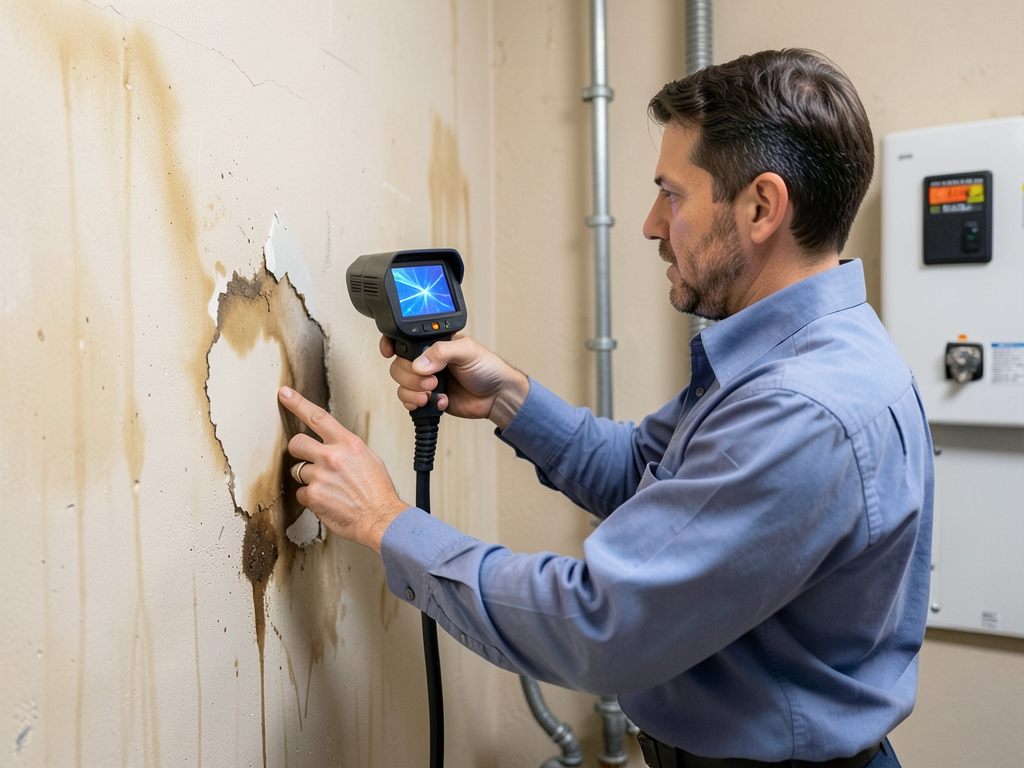
Is Your Tankless Water Heater Leaking in Mira Mesa Finding water pooling around your tankless water heater creates instant panic. The immediate concern becomes stopping the leak before it destroys your flooring, drywall, or cabinetry.…
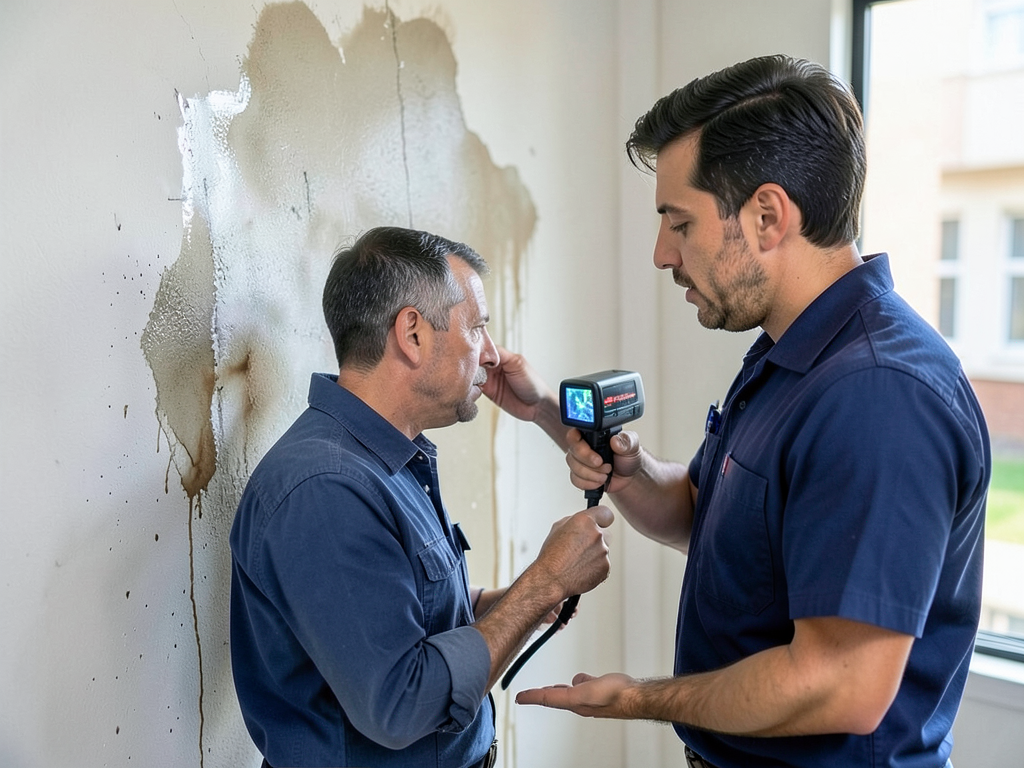
Who Pays for Water Damage When a Neighbor’s Leak Affects Your San Diego Condo Discovering…
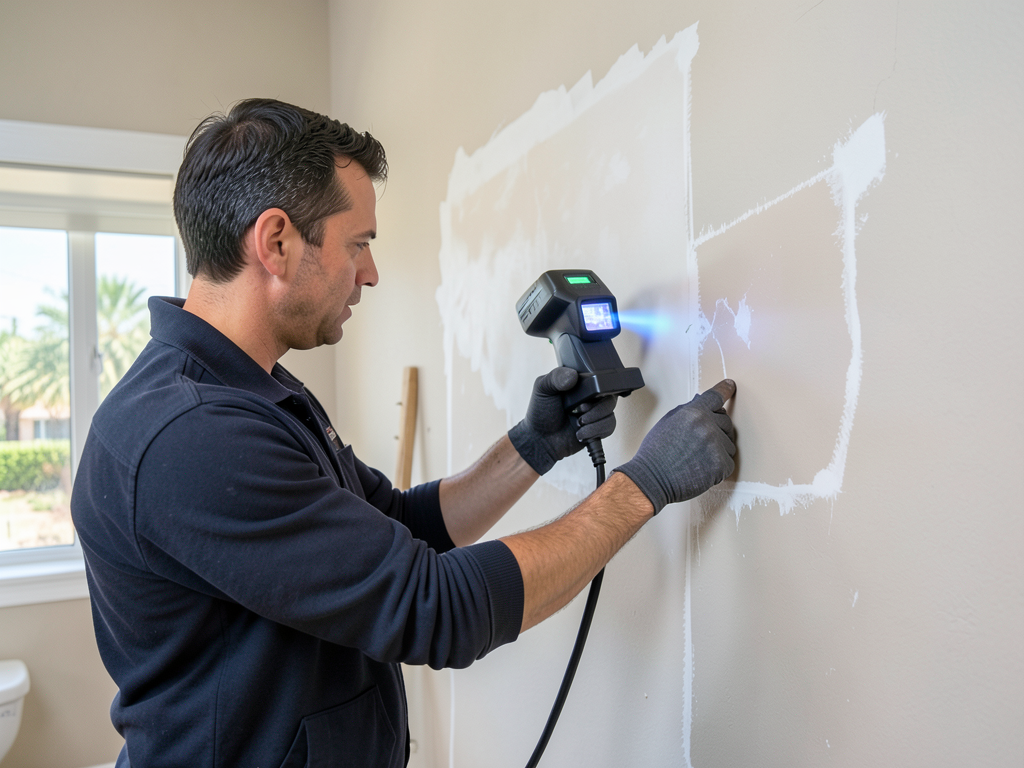
The Critical Steps Your Restoration Team Takes in the First Forty Eight Hours When water…
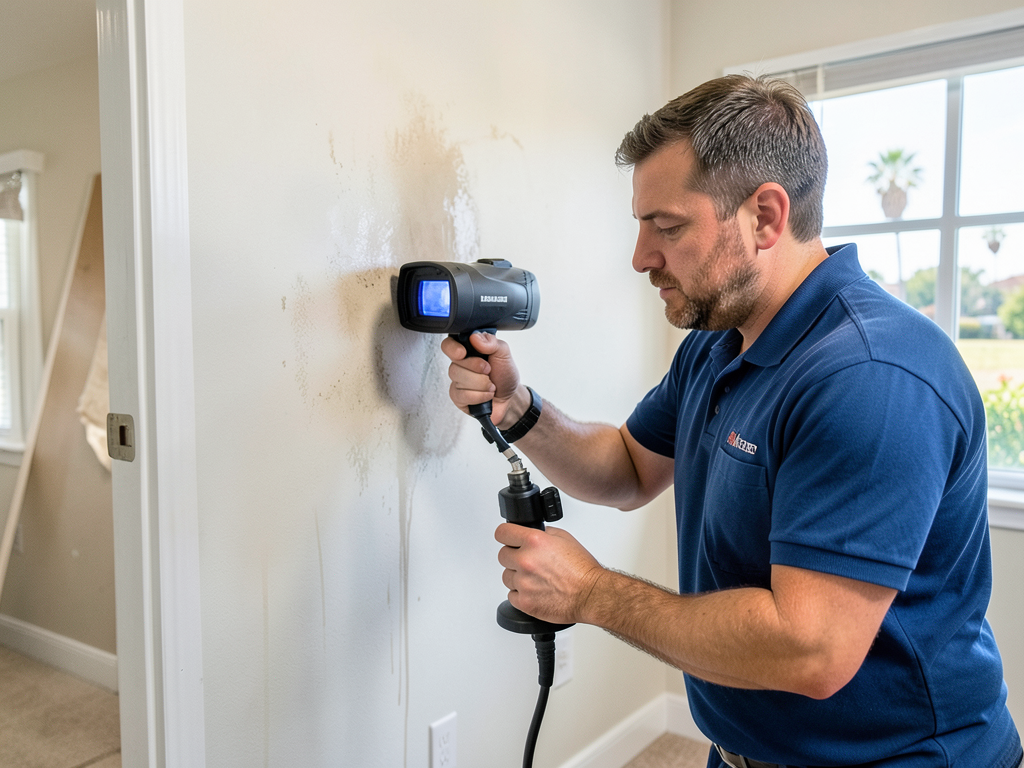
Should You Try In Place Drying or Choose a Full Rip Out After a San…
Every hour of delay increases damage and restoration costs. Call Keystone Water Damage Restoration San Diego now at (858) 203-2555 for immediate dispatch to your Spring Valley property. Our crews are standing by 24 hours a day with equipment ready to stop water damage before it destroys your home.