

menu

Understanding Mold Toxicity in San Diego – Recognize the Health Risks and Get Expert Mold Remediation Fast

Learn how to identify mold illness symptoms and black mold health risks in your San Diego property, and discover the professional remediation solutions that protect your family's health and your home's structural integrity.

Slider Image 1
Slider Image 2
Slider Image 3
Slider Image 4
Slider Image 5
Slider Image 7
Slider Image 8
Slider Image 9
Slider Image 10
Slider Image 11

Why San Diego Homes Face Hidden Mold Toxicity Dangers

San Diego's unique coastal microclimate creates perfect conditions for toxic mold growth. The marine layer that rolls in from the Pacific brings persistent moisture that penetrates walls, crawl spaces, and attics. When this humidity combines with warm temperatures and poor ventilation, you get an environment where Stachybotrys chartarum and other mycotoxin-producing molds thrive.

Most San Diego residents do not realize they are experiencing mold illness symptoms until the exposure becomes severe. You might dismiss persistent headaches, respiratory issues, or chronic fatigue as allergies or stress. Signs of mold poisoning often mimic other conditions: brain fog, joint pain, skin rashes, and unexplained anxiety. Children and elderly residents in neighborhoods like La Jolla and Pacific Beach show heightened sensitivity to these effects of mold exposure.

Black mold health risks escalate when colonies spread behind drywall or beneath flooring. The problem intensifies in older San Diego homes with original plumbing that slowly leaks for months before anyone notices. Condensation from HVAC systems running year-round adds another moisture source. Coastal properties near Mission Bay or Point Loma face additional challenges from salt air degrading building materials and creating entry points for water intrusion.

Mycotoxin illness develops gradually. Your body accumulates these fungal toxins over weeks or months of exposure. By the time you connect your symptoms to mold, the contamination has usually spread far beyond the visible patch you spotted in the bathroom corner. The reality is that what you see represents only a fraction of the total growth.

Why San Diego Homes Face Hidden Mold Toxicity Dangers
How Professional Mold Assessment Identifies Toxicity Levels

How Professional Mold Assessment Identifies Toxicity Levels

Understanding mold toxicity requires more than spotting discoloration on walls. At Keystone Water Damage Restoration San Diego, we use a systematic approach that measures actual mycotoxin levels in your indoor environment.

We start with air quality sampling using spore trap technology. These samples capture airborne mold concentrations in different rooms, giving us a baseline of what you are breathing. We compare indoor counts against outdoor control samples because San Diego's climate naturally includes mold spores. The problem emerges when indoor levels exceed outdoor readings by significant margins.

Surface sampling comes next. We collect swab samples from suspected growth areas and send them to certified mycology labs. The lab identifies specific species present and their concentrations. This matters because not all molds produce mycotoxins. Aspergillus, Penicillium, and Stachybotrys species pose the greatest health threats, while other common molds cause primarily allergic reactions.

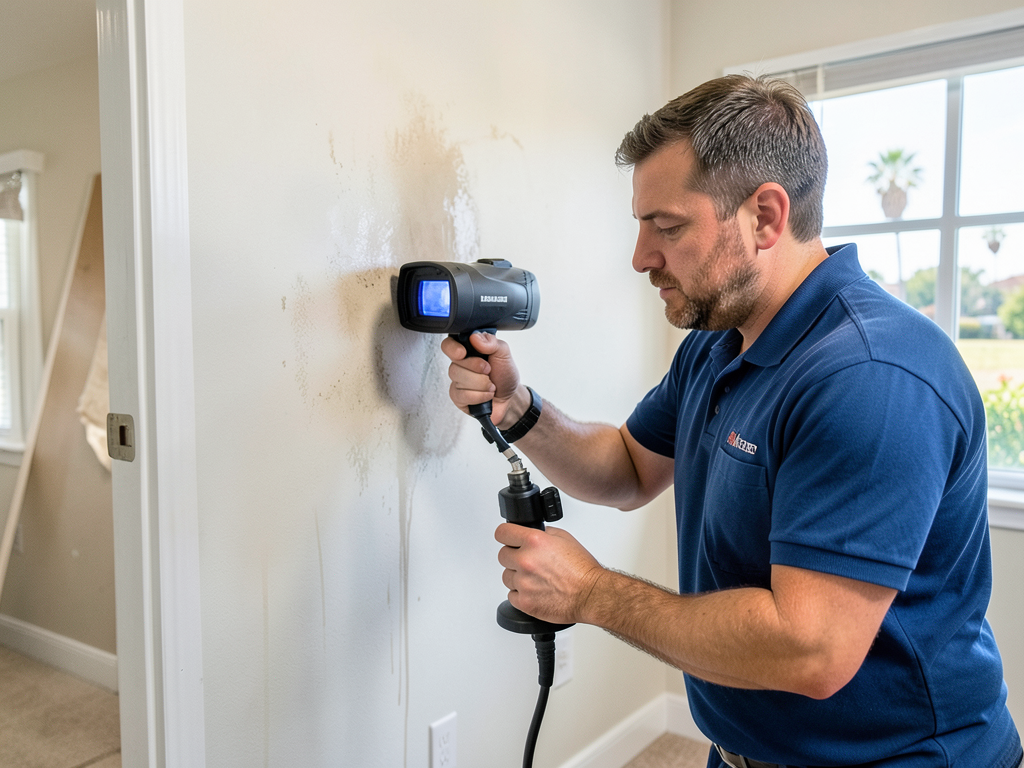
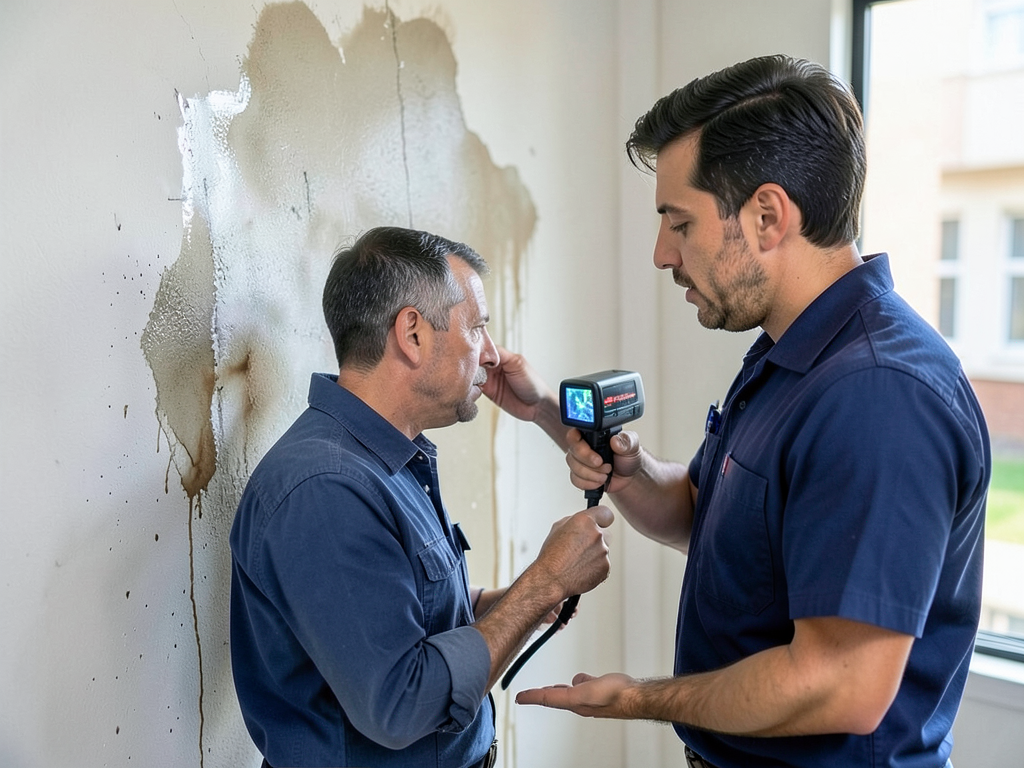
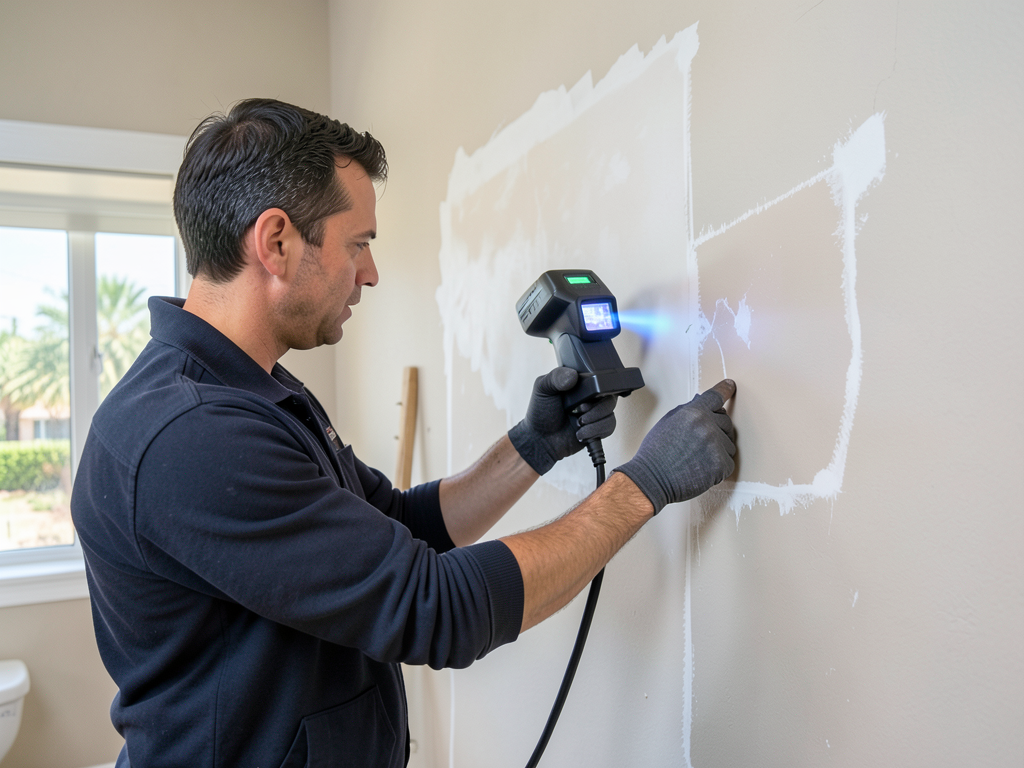
Moisture mapping reveals hidden water sources feeding the growth. We use thermal imaging cameras to detect temperature differentials behind walls and under floors. These cold spots indicate active moisture intrusion. Pin-type and non-invasive moisture meters quantify exact moisture content in building materials. Wood should measure below 16 percent moisture content. Drywall should stay under 1 percent. Readings above these thresholds create habitable zones for mold colonization.

We inspect your HVAC system separately. Ductwork often harbors hidden mold that continuously circulates spores throughout your home. Supply registers, return vents, and the air handler cabinet all require examination. A contaminated HVAC system can reinfect a property even after successful remediation of visible growth.

How We Help You Understand Your Mold Risk

Understanding Mold Toxicity in San Diego – Recognize the Health Risks and Get Expert Mold Remediation Fast
01

Initial Health Consultation

We begin by documenting your health symptoms and environmental concerns. This conversation helps us identify patterns consistent with mycotoxin exposure. You describe when symptoms worsen, which rooms feel problematic, and any visible water damage history. We review your property's age, construction type, and previous moisture issues. This information guides our inspection strategy and helps correlate your physical symptoms with potential contamination sources in your San Diego home.
02

Comprehensive Toxicity Testing

Our certified technicians collect multiple sample types throughout your property. Air samples measure spore concentrations you are actively inhaling. Surface samples identify species growing on walls, ceilings, and furnishings. We document findings with thermal imaging and moisture readings. These samples go to independent laboratories specializing in mycotoxin analysis. You receive a detailed report showing exactly which toxic molds are present, their concentrations, and how they compare to safe exposure thresholds established by environmental health organizations.
03

Remediation Planning and Education

After lab results return, we explain what the data means for your health and property. You learn which areas require immediate attention and what removal methods will eliminate the contamination. We provide written protocols following IICRC S520 standards for mold remediation. This includes containment procedures, air filtration requirements, and material removal specifications. You understand the timeline, what to expect during remediation, and how we will verify successful elimination of mycotoxins before you reoccupy treated areas.

Why San Diego Residents Trust Our Mold Toxicity Expertise

Mold toxicity assessment requires specialized knowledge that goes beyond basic water damage restoration. Our team holds certifications in applied microbial remediation and indoor environmental quality. We stay current on emerging research linking specific mycotoxins to health effects because this science evolves constantly.

San Diego's building stock presents unique challenges. Properties in Coronado and Imperial Beach face salt air corrosion that compromises building envelopes. Homes in Clairemont and Allied Gardens often have original 1950s plumbing showing hidden leaks. Spanish Colonial Revival architecture common in Balboa Park neighborhoods features stucco exteriors that trap moisture against wood framing. We understand these local construction patterns and know where problems hide.

We maintain relationships with local physicians who treat mold illness. When clients show severe mycotoxin illness symptoms, we coordinate with their healthcare providers to ensure remediation timing supports their medical treatment. Some patients require temporary relocation during aggressive remediation. We work with their medical team to determine safe reentry thresholds based on their specific sensitivities.

Our testing protocols exceed industry minimums. While some companies collect a single air sample and call it complete, we take multiple samples from different elevations and rooms. Mold spores stratify based on air currents and temperature gradients. A basement sample shows different results than a second-floor bedroom. We capture this full picture.

Insurance companies recognize our documentation standards. When you file a claim for mold damage, insurers scrutinize whether the growth resulted from a covered peril or long-term neglect. Our reports clearly establish timelines, causation, and the scope of necessary remediation. This documentation supports your claim and prevents disputes over coverage.

What to Expect During Mold Toxicity Assessment

Same-Day Assessment Availability

We schedule mold assessments within 24 hours of your call. This urgency matters when you are experiencing health symptoms that may stem from mycotoxin exposure. Our technicians arrive with all necessary testing equipment to complete the evaluation in a single visit. Most residential assessments take two to three hours depending on property size. You receive preliminary observations immediately, with full lab results typically returning within three to five business days. We understand that waiting for answers while feeling sick creates anxiety, so we prioritize fast turnaround on all diagnostic work.

Detailed Toxicity Analysis

Our assessment identifies not just mold presence but toxicity potential. The lab report specifies genus and species for all molds detected. You learn whether your growth includes known mycotoxin producers like Stachybotrys, Aspergillus, or Penicillium species. The report quantifies spore concentrations using colony-forming units per cubic meter for air samples and per square centimeter for surface samples. We explain what these numbers mean in practical terms. You get clear answers about whether your exposure levels pose health risks and what remediation scope will eliminate the threat.

Remediation Protocol Development

Based on testing results, we create a written remediation plan specific to your contamination. This protocol details containment boundaries, negative air pressure requirements, HEPA filtration specifications, and material removal procedures. You understand which building materials require removal versus which can be cleaned and salvaged. The plan includes clearance testing procedures to verify successful remediation before reconstruction begins. For severe contamination, we outline occupant protection measures and explain whether temporary relocation makes sense for your family's health during active remediation work.

Post-Remediation Verification

After completing remediation, we conduct clearance testing to confirm mycotoxin levels have returned to normal ranges. This independent verification protects your health and validates the work quality. New air samples show spore counts have dropped to levels matching or below outdoor control samples. Visual inspection confirms all contaminated materials were properly removed and affected areas were thoroughly cleaned. We provide documentation suitable for sensitive occupants, including those with compromised immune systems. This clearance report gives you confidence that your San Diego home is safe for reoccupancy.

Frequently Asked Questions

You Have Questions,
We Have Answers

How to tell if your body has mold toxicity? +

Your body signals mold toxicity through persistent symptoms that do not resolve with typical treatment. Watch for chronic fatigue, brain fog, headaches, respiratory irritation, skin rashes, and joint pain. You may notice worsening symptoms in humid environments or after rain, common in San Diego's coastal neighborhoods. Many people experience sinus congestion, watery eyes, or a persistent cough. Memory problems and difficulty concentrating are red flags. If you suspect mold exposure at home or work, see a doctor who understands mycotoxin illness. Blood tests and urine mycotoxin panels can confirm exposure, but symptom patterns often tell the story first.

Can mold cause heartburn? +

Yes, mold exposure can trigger heartburn and acid reflux symptoms. Mycotoxins irritate the digestive tract lining, leading to inflammation and increased stomach acid production. This irritation disrupts the esophageal sphincter, allowing acid to move upward. Many people experience worsening digestive symptoms when mold grows in their San Diego home, especially in older properties near the coast where humidity accelerates growth. Mold also affects gut bacteria balance, which impacts digestion. If you notice heartburn coinciding with musty odors or visible mold, address the environmental source first. Standard antacids may provide temporary relief but will not resolve the underlying mold exposure problem.

Can mold cause restless leg syndrome? +

Mold toxicity can contribute to restless leg syndrome through neurological inflammation and mineral imbalances. Mycotoxins cross the blood-brain barrier and trigger inflammatory responses affecting nerve function. This inflammation disrupts neurotransmitter production and mineral absorption, particularly magnesium and iron, which regulate muscle movement. Many San Diego residents report worsening restless leg symptoms during high-humidity months when mold growth accelerates in homes. The connection is not always obvious, but addressing hidden mold sources in bathrooms, crawl spaces, or water-damaged areas often reduces symptoms. If you experience persistent restless legs alongside other mold exposure signs, investigate your indoor environment and consult a physician familiar with mycotoxin effects.

Can mold cause dizziness? +

Yes, mold exposure commonly causes dizziness and vertigo. Mycotoxins trigger inflammatory responses that affect the inner ear and vestibular system, disrupting balance. Many people experience lightheadedness, spinning sensations, or spatial disorientation when exposed to mold spores. In San Diego homes with moisture issues from coastal humidity or plumbing leaks, airborne spores concentrate indoors. Mold also impacts blood pressure regulation and neurological function, contributing to dizzy spells. You may notice symptoms worsen in specific rooms where mold grows hidden behind walls or under flooring. If dizziness pairs with musty odors, respiratory irritation, or cognitive fog, investigate potential mold sources and improve ventilation immediately.

How to flush mold out of your system? +

Flushing mold toxins from your body requires multiple steps. First, eliminate ongoing exposure by remediating mold in your San Diego home or workplace. Drink plenty of filtered water to support kidney function and toxin elimination. Increase fiber intake through vegetables and whole grains to bind mycotoxins in your digestive tract. Sweating through exercise or sauna sessions helps release toxins through skin. Consider activated charcoal or bentonite clay supplements to absorb mycotoxins, but consult a doctor first. Support liver detoxification with cruciferous vegetables and antioxidants. Work with a physician experienced in mold illness who can recommend binders, antifungals, or glutathione therapy based on your specific toxin load and symptoms.

What are the 5 most toxic molds? +

The five most dangerous molds are Stachybotrys chartarum, Aspergillus fumigatus, Fusarium, Chaetomium, and Alternaria. Stachybotrys, known as black mold, produces potent trichothecene mycotoxins causing severe respiratory and neurological symptoms. Aspergillus releases spores that invade lung tissue and produces carcinogenic aflatoxins. Fusarium thrives in water-damaged areas and produces mycotoxins affecting the immune system. Chaetomium grows in persistent water damage and causes respiratory distress. Alternaria triggers severe allergic reactions and asthma. In San Diego's coastal climate, these molds flourish in damp crawl spaces, bathrooms, and poorly ventilated areas. All five require professional remediation to prevent health complications and property damage.

How long does it take for mold in your house to make you sick? +

Mold can make you sick within 24 to 48 hours of exposure, though timing varies by individual sensitivity and mold concentration. People with allergies, asthma, or compromised immune systems react faster. Acute symptoms like sneezing, coughing, and eye irritation appear quickly after exposure. Chronic illness from long-term exposure develops over weeks or months as mycotoxins accumulate in your body. In San Diego homes with hidden water damage behind walls or under flooring, you may breathe mold spores for months without realizing the source. Children and elderly residents are most vulnerable. If symptoms worsen at home and improve when you leave, investigate for mold immediately.

Can mold mess up your gut? +

Yes, mold disrupts gut health significantly. Mycotoxins damage the intestinal lining, causing leaky gut syndrome where toxins and undigested food particles enter the bloodstream. This triggers inflammation, food sensitivities, and autoimmune responses. Mold alters the gut microbiome balance, reducing beneficial bacteria and allowing harmful organisms to proliferate. Many San Diego residents with chronic digestive issues trace symptoms back to mold exposure in older homes or water-damaged properties. You may experience bloating, diarrhea, constipation, or abdominal pain. Mold also impairs nutrient absorption, leading to deficiencies. Addressing the environmental mold source is essential before gut healing protocols can work effectively. Consider working with a functional medicine doctor.

Can mold cause thyroid issues? +

Mold exposure can disrupt thyroid function through multiple mechanisms. Mycotoxins trigger systemic inflammation that interferes with thyroid hormone production and conversion. They also act as endocrine disruptors, mimicking hormones and confusing the body's regulatory systems. Many people develop hypothyroid symptoms like fatigue, weight gain, and brain fog after prolonged mold exposure. Mold increases autoimmune antibody production, potentially triggering Hashimoto's thyroiditis. In San Diego's humid coastal areas, homes with poor ventilation or water intrusion create ideal conditions for mold growth. If you have unexplained thyroid dysfunction alongside respiratory symptoms or cognitive issues, investigate your indoor environment. Thyroid medication may not work effectively until you eliminate mold exposure.

What does mold do to your nervous system? +

Mold attacks your nervous system through mycotoxins that cross the blood-brain barrier and trigger neuroinflammation. This inflammation damages neurons, disrupts neurotransmitter production, and impairs communication between brain cells. You may experience brain fog, memory problems, difficulty concentrating, mood swings, anxiety, or depression. Mold exposure also causes peripheral neuropathy, resulting in tingling, numbness, or burning sensations in hands and feet. In San Diego homes with hidden mold growth from roof leaks or foundation moisture, chronic exposure leads to progressive neurological symptoms. Some mycotoxins are neurotoxic, directly poisoning nerve tissue. If you notice cognitive decline or neurological symptoms worsening at home, address potential mold sources immediately and consult a neurologist familiar with mycotoxin effects.

How San Diego's Marine Climate Creates Year-Round Mold Toxicity Risks

San Diego's coastal location creates persistent humidity that most residents underestimate. The marine layer does not just bring morning fog. It deposits microscopic water droplets on every surface it touches. This moisture penetrates through single-pane windows common in older San Diego homes and condenses inside wall cavities where temperatures drop overnight. Areas from Ocean Beach to La Jolla Shores face the heaviest marine layer exposure. The salt content in this coastal air also degrades weather sealing around windows and doors faster than in inland areas. Once building envelopes are compromised, moisture intrusion becomes constant rather than seasonal. This creates year-round conditions for mold growth and mycotoxin production, unlike regions with distinct dry seasons that naturally interrupt the mold lifecycle.

San Diego County has specific requirements for mold disclosure during property transactions. Sellers must disclose known mold conditions, and many buyers now request mold inspections as standard contingencies. This makes professional documentation critical for property values. We work with real estate professionals throughout San Diego to provide third-party assessments that satisfy disclosure requirements and protect both buyers and sellers. Our reports meet California Department of Public Health guidelines for indoor mold assessment. Local property managers in high-density areas like Downtown, Hillcrest, and North Park also rely on our assessments to maintain habitable conditions and comply with tenant protection laws regarding environmental hazards.
Water Damage Restoration Services in The San Diego Area

We are proud to serve the entire San Diego area and invite you to view our service region on the map below. While our emergency response team is mobile and always ready to dispatch to your location rapidly, our central operations base allows us to coordinate efficient service across all of San Diego County. Contact us today for immediate assistance, no matter where your property is located within our service area.

Address:
Keystone Water Damage Restoration San Diego, 4445 Eastgate Dr, San Diego, CA, 92121

Additional Services We Offer

Our news updates

Latest Articles & News from The Blogs

Who Pays for Water Damage When a Neighbor’s Leak Affects Your San Diego Condo Discovering water damage in your condo…

Navigating Liability When a Neighbors Apartment Leaks into Your San Diego Condo

Who Pays for Water Damage When a Neighbor’s Leak Affects Your San Diego Condo Discovering water damage in your condo…

The Critical Steps Your Restoration Team Takes in the First Forty Eight Hours

The Critical Steps Your Restoration Team Takes in the First Forty Eight Hours When water invades your home in San…

Should You Try In Place Drying or Choose a Full Rip Out After a San Diego Flood

Should You Try In Place Drying or Choose a Full Rip Out After a San Diego Flood San Diego homeowners…

Contact Us

Do not ignore symptoms that might stem from mold exposure. Call Keystone Water Damage Restoration San Diego at (858) 203-2555 for comprehensive mold toxicity testing. We will identify exactly what you are breathing and create a plan to eliminate the threat to your health.