menu

Water Stains on Drywall in San Diego | Expert Diagnosis Before Your Walls Fail

San Diego homeowners trust Keystone Water Damage Restoration San Diego to identify the hidden moisture sources behind water stains on drywall and prevent structural failure before it spreads.

Slider Image 1
Slider Image 2
Slider Image 3
Slider Image 4
Slider Image 5
Slider Image 7
Slider Image 8
Slider Image 9
Slider Image 10
Slider Image 11

Why Water Stains on Drywall Are a Bigger Problem in San Diego Than Most Homeowners Realize

You spot brown water spots on walls in your Mission Valley home and assume it is a cosmetic issue. You are wrong. San Diego's unique climate creates a perfect storm for hidden water damage. While our region is known for mild, dry weather, the marine layer that rolls in from the Pacific brings surprising moisture fluctuations. When that cool, damp air meets warm interior spaces, condensation forms inside wall cavities. Add in our older housing stock, built before modern vapor barriers were standard, and you have a recipe for concealed moisture problems.

Those yellow stains on drywall you see in your ceiling are the symptom, not the problem. The real issue is the water source feeding them. In San Diego homes, we see moisture discoloration on sheetrock from three primary culprits. Failed roof flashing around chimneys and skylights. Pinhole leaks in aging copper pipes, common in homes built during the 1970s and 1980s construction boom. Improperly sealed bathroom fixtures in second-story additions, which many San Diego homeowners added during the housing expansion.

Wet patches on plasterboard do not dry out on their own. They expand. The gypsum core in drywall acts like a sponge, wicking moisture horizontally and vertically. Within 48 hours, mold spores colonize the damp paper facing. Within a week, structural studs begin to soften. Water marks on ceiling panels often indicate active leaks that have been saturating insulation and soaking floor joists. The longer you wait, the more invasive and expensive the repair becomes.

Why Water Stains on Drywall Are a Bigger Problem in San Diego Than Most Homeowners Realize
How We Find and Fix the Real Problem Behind Your Water Stains

How We Find and Fix the Real Problem Behind Your Water Stains

Painting over water stains is not a solution. It is a temporary cover-up that lets the damage worsen behind your walls. We use a diagnostic approach that treats the cause, not just the visible symptom.

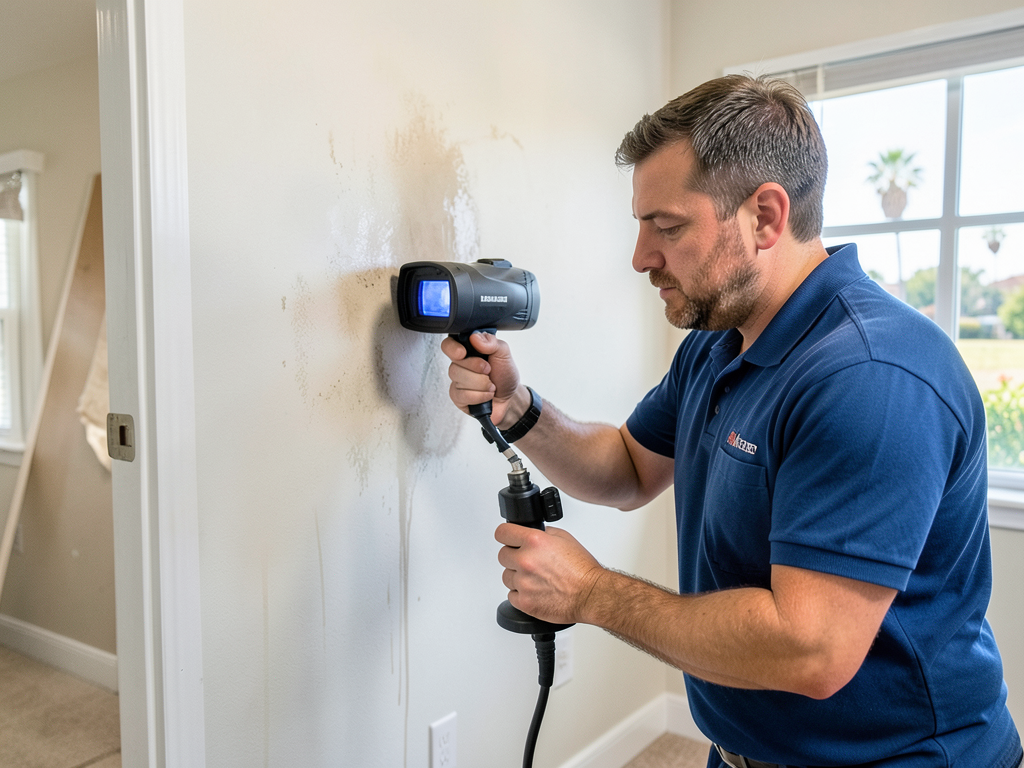
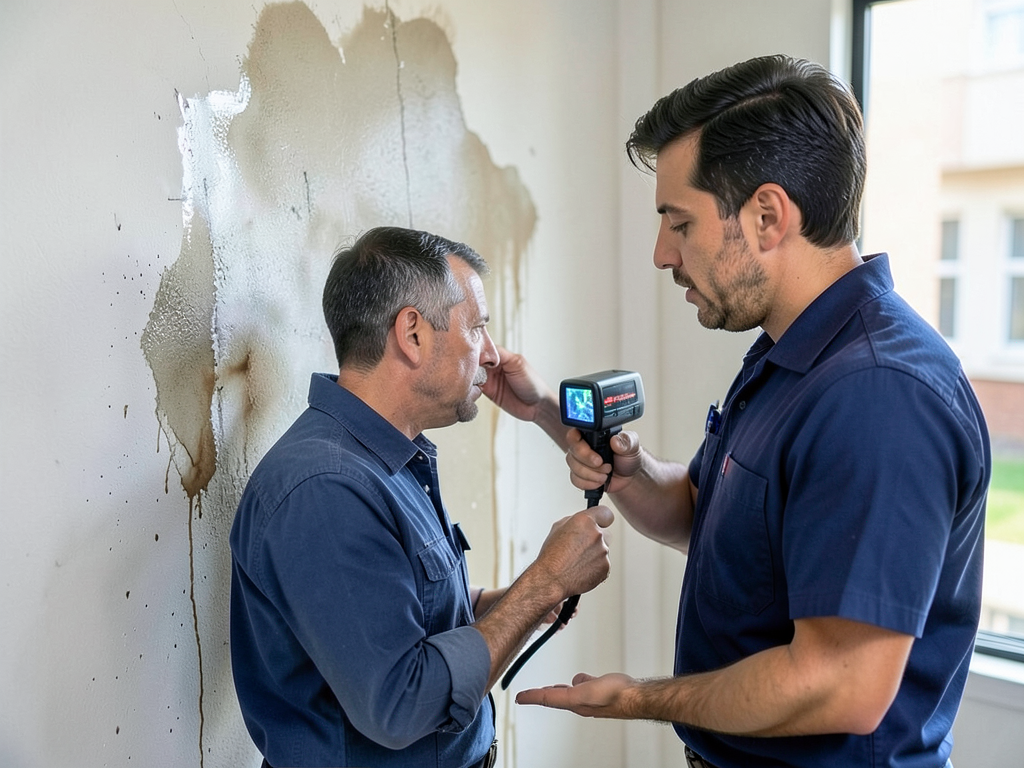
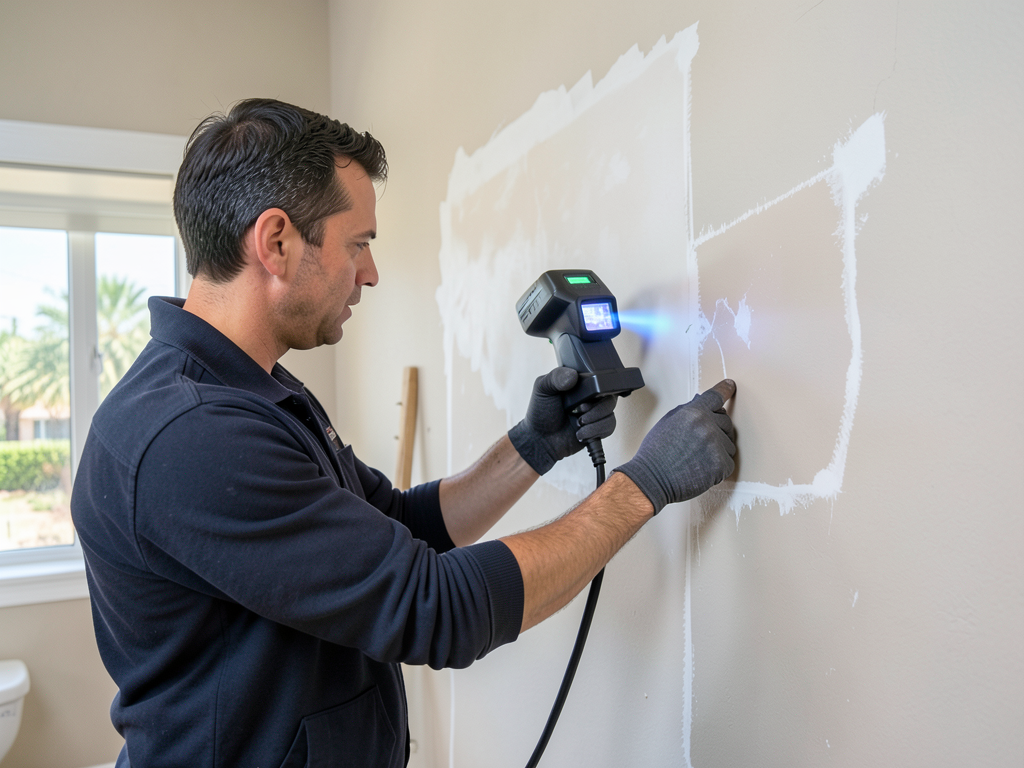
Our process starts with thermal imaging cameras that detect temperature differentials in your walls and ceilings. Active moisture shows up as cold spots because evaporation lowers surface temperature. This technology lets us trace brown water spots on walls back to their source without cutting exploratory holes in every suspect area. We map the moisture pathway from the leak point to the visible stain, which often travels several feet through wall cavities before appearing on your drywall.

Next, we use pin-type and non-invasive moisture meters to measure water content in building materials. Drywall should read below 1% moisture content. Readings above 16% indicate saturation levels that support microbial growth. We document moisture levels in studs, insulation, and subflooring to determine the full scope of affected materials.

Once we locate the water source, we address it first. A plumber repairs the leaking supply line. A roofer replaces the failed flashing. A handyman reseals the shower pan. Only after the water intrusion stops do we begin remediation.

We remove all saturated drywall and insulation. Wet building materials do not dry properly in place. They develop mold, lose structural integrity, and continue to wick moisture into adjacent materials. We cut back to dry, stable framing. We treat exposed studs with antimicrobial solutions. We install new insulation with proper vapor barriers. We hang new drywall with moisture-resistant green board in high-humidity areas. We finish with texture matching and primer designed to block any residual staining.

What Happens When You Call Us About Water Stains

Water Stains on Drywall in San Diego | Expert Diagnosis Before Your Walls Fail
01

Moisture Inspection and Source Tracking

We arrive with thermal imaging equipment and moisture detection tools to map the full extent of water damage behind your walls. You show us the visible water marks on ceiling surfaces, and we trace the moisture pathway back to the source. Most water stains originate from leaks several feet away from where they appear. We identify every affected cavity, joist bay, and wall section before we cut a single hole.
02

Containment and Material Removal

Once we map the damage, we set up plastic containment barriers with negative air pressure to prevent dust and spore spread. We remove all saturated drywall, wet insulation, and compromised building materials down to bare framing. We do not try to dry materials in place. Wet gypsum and cellulose insulation never fully recover their original properties. Clean removal prevents future mold colonization and structural degradation in your walls.
03

Drying, Treatment, and Reconstruction

We place commercial dehumidifiers and air movers to dry framing lumber and concrete to acceptable moisture levels, verified with moisture meter readings. We apply antimicrobial treatment to all exposed wood. Then we rebuild with new materials, matching your existing wall texture and integrating moisture-resistant products in vulnerable areas. The result is a wall system that looks original but performs better than before the water damage occurred.

Why San Diego Homeowners Choose Local Water Damage Specialists

Water damage restoration is not a DIY project. The visible stain is just the tip of the problem. Hidden moisture in wall cavities causes structural rot, electrical hazards, and indoor air quality issues that worsen every day you delay professional remediation.

Keystone Water Damage Restoration San Diego understands the specific challenges of San Diego construction. We work daily in homes built during every era of the city's development. We know that pre-1950s homes in North Park and South Park often have plaster over wood lath, which requires different removal techniques than modern drywall. We recognize that 1960s tract homes in Clairemont and Linda Vista used aluminum wiring that corrodes rapidly when exposed to moisture. We understand that 1980s homes in Scripps Ranch and Carmel Mountain often have polybutylene plumbing, notorious for sudden fitting failures that flood wall cavities.

We also navigate San Diego's permitting requirements when water damage affects structural elements. If your ceiling joists need sistering or replacement, we pull the proper permits and schedule inspections with the City of San Diego Building Department. We document the full scope of damage for your insurance claim, working directly with adjusters to ensure you receive fair coverage for both the visible repairs and the hidden remediation work that protects your home's long-term structural integrity.

Our technicians hold IICRC certifications in water damage restoration and applied structural drying. We use commercial-grade equipment, not consumer-level fans from the hardware store. We follow industry protocols for moisture mapping, antimicrobial application, and material replacement. The result is a repair that solves the problem permanently, not a patch job that fails within months.

What You Can Expect When We Restore Your Water-Damaged Walls

Rapid Response and Same-Day Assessment

We understand that water damage does not wait for convenient business hours. When you call (858) 203-2555, we schedule your inspection within 24 hours, often the same day for active leaks. Our initial assessment takes 45 to 90 minutes, depending on your home's size and the extent of visible staining. We provide a written scope of work before we start any demolition, so you understand exactly what materials need removal and why. We work with your schedule to minimize disruption, and we can often complete smaller projects in a single day.

Thorough Moisture Detection and Documentation

Our inspection is not a visual walkthrough. We use calibrated moisture meters and thermal imaging cameras to measure water content in your walls, ceilings, and floors. We document moisture readings with photographs and written reports that meet insurance company requirements for claim substantiation. We identify the water source, map the migration pathway, and measure moisture levels in all affected materials. This diagnostic process ensures we address the complete problem, not just the visible brown water spots on walls that brought us to your home.

Complete Restoration to Pre-Loss Condition

We do not just remove damaged drywall and leave you with bare studs. We complete the full restoration process, from antimicrobial treatment through final texture matching and paint. Our finish work blends seamlessly with your existing walls. We match your ceiling texture, whether it is knockdown, orange peel, or smooth finish. We integrate new drywall patches so the repair is invisible once painted. The goal is a finished surface that looks like the water damage never happened, backed by the confidence that the moisture problem is solved at its source.

Post-Remediation Verification and Prevention Guidance

Before we consider a project complete, we verify that all building materials have returned to normal moisture levels. We provide final moisture readings that confirm your walls and ceilings are dry and stable. We also give you specific guidance on preventing future water damage in your home. This includes recommendations for plumbing maintenance, roof inspection intervals, and humidity control in bathrooms and kitchens. We want you to understand what caused your water stains so you can spot warning signs early if moisture problems develop elsewhere in your home.

Frequently Asked Questions

You Have Questions,
We Have Answers

How do you get water stains out of drywall? +

First, fix the source of the water. Then let the drywall dry completely for 24 to 48 hours. Once dry, apply a stain-blocking primer like Kilz or BIN to seal the stain and prevent it from bleeding through new paint. After the primer dries, repaint the area to match your wall. If the drywall feels soft, warped, or crumbly, you need to cut out the damaged section and replace it. Surface stains can be covered. Structural damage cannot. In San Diego's coastal humidity, check for hidden moisture behind the drywall before sealing. Trapped moisture leads to mold.

How to tell if water is leaking behind drywall? +

Look for yellow or brown stains that grow over time. Feel the wall. If it feels damp, spongy, or cold to the touch, water is likely trapped behind it. You may notice peeling paint, bubbling texture, or a musty smell. Listen for dripping sounds inside walls, especially after using plumbing. Check for warping or bulging drywall. In San Diego homes with older copper piping, pinhole leaks are common. If you see stains near plumbing fixtures, water heaters, or second-story bathrooms, call a plumber. Thermal imaging cameras can detect hidden moisture without cutting into walls.

Are water stains on walls bad? +

Yes. Water stains signal an active or past leak. Even if the leak stopped, the damage remains. Wet drywall loses structural integrity and becomes a breeding ground for mold within 24 to 48 hours. Mold spreads through wall cavities and affects indoor air quality. Stains near electrical outlets create fire hazards. In San Diego's mild climate, you may not notice the urgency, but hidden mold thrives in dark, damp spaces year-round. Ignoring water stains leads to expensive repairs, health risks, and potential home insurance complications. Address the source immediately and assess the extent of damage.

Can I paint over water stained drywall? +

You can, but the stain will bleed through regular paint. Water stains contain tannins and minerals that seep through latex or standard primers. You must use a stain-blocking primer first. Shellac-based or oil-based primers like Kilz or BIN stop bleed-through. Apply one to two coats, let it dry, then paint. If the drywall is soft, sagging, or shows mold growth, painting will not fix the problem. You need to replace the damaged section. In San Diego's coastal areas, moisture can linger longer than you think. Confirm the drywall is bone-dry before priming.

Is drywall ruined once it gets wet? +

Not always, but it depends on how long it stayed wet. Drywall can recover if dried within 24 to 48 hours. Beyond that, mold starts growing and the gypsum core breaks down. If the drywall feels soft, crumbles when pressed, or shows visible mold, it must be replaced. Category 3 water, like sewage or floodwater, contaminates drywall beyond repair. Even if it dries hard, hidden mold and bacteria remain. In San Diego, where homes often have stucco exteriors and limited ventilation in wall cavities, trapped moisture accelerates damage. Quick action saves drywall. Delays mean replacement.

Can water stains be removed from walls? +

Surface stains can be removed with a stain-blocking primer and fresh paint, but the underlying damage may remain. If the drywall is still structurally sound and completely dry, you can cover the stain. Clean the area with a mild detergent and water, let it dry, then apply primer. If the stain keeps reappearing, moisture is still present or the drywall absorbed contaminants. In that case, you need to cut out and replace the section. Coastal San Diego homes face salt air and humidity, which can make stains more persistent. Always confirm the leak is fixed before covering stains.

How long can drywall be wet before mold? +

Mold can start growing on wet drywall within 24 to 48 hours. The timeline depends on temperature, humidity, and airflow. San Diego's mild, humid climate accelerates mold growth, especially in bathrooms, kitchens, and poorly ventilated spaces. Once mold takes hold, it spreads rapidly through wall cavities and releases spores into your home. You may not see mold on the surface, but it thrives behind drywall. If water damage happened more than two days ago and the drywall was not dried professionally, assume mold is present. Act fast. Delay turns a simple repair into a full remediation project.

Can plumbers detect leaks behind walls? +

Yes. Licensed plumbers use specialized tools to detect hidden leaks. Acoustic leak detectors listen for water movement inside walls. Thermal imaging cameras reveal temperature differences caused by moisture. Pressure testing isolates leaks in supply lines. Some plumbers use moisture meters to confirm wet drywall. In San Diego, where many homes have slab foundations and older copper piping, leak detection is common. If you see unexplained water stains, higher water bills, or hear running water when fixtures are off, call a plumber. Leak detection saves you from tearing apart walls blindly and prevents further water damage.

Does home insurance cover leak detection? +

Most standard homeowners insurance policies do not cover leak detection as a standalone service. However, if a covered peril, like a sudden pipe burst, causes damage, insurance may reimburse detection costs as part of the claim. Gradual leaks from poor maintenance are typically excluded. Some insurers offer optional water damage endorsements that include detection and monitoring. In San Diego, where property values are high, review your policy carefully. If you suspect a hidden leak, document everything and contact your insurer before hiring a plumber. Coverage depends on the cause of the leak and your specific policy terms.

What do water stains on drywall look like? +

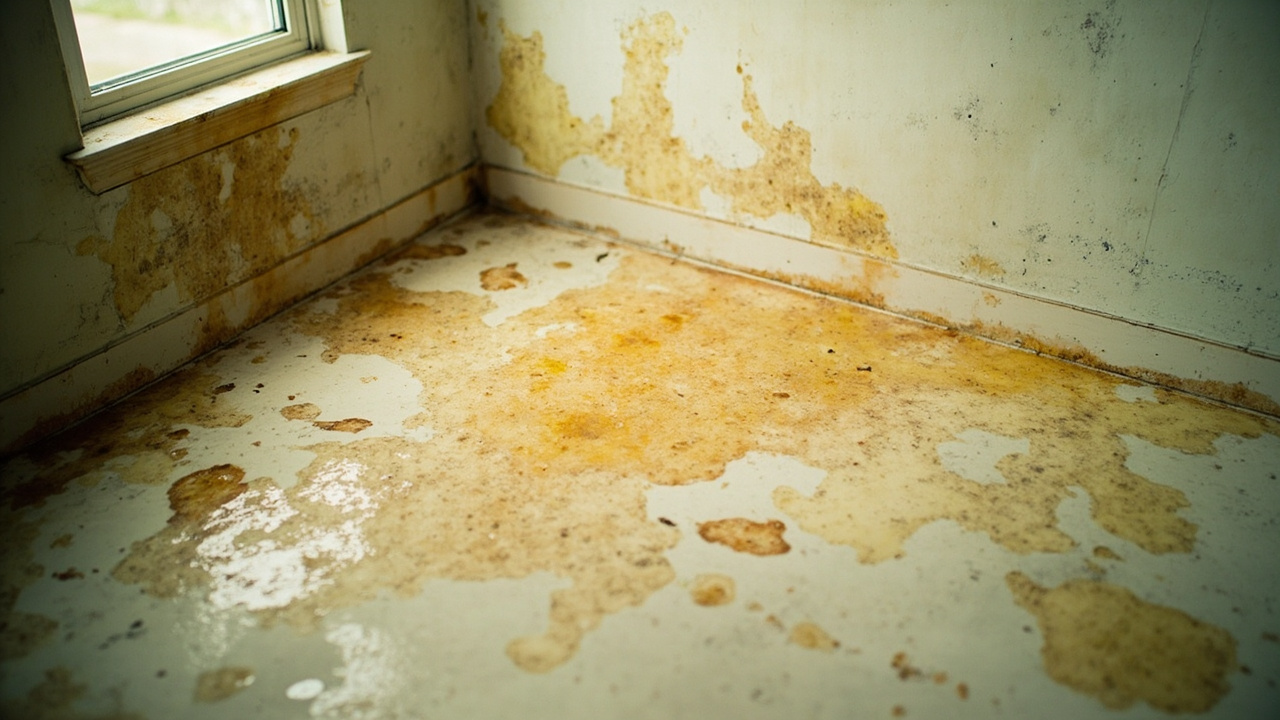
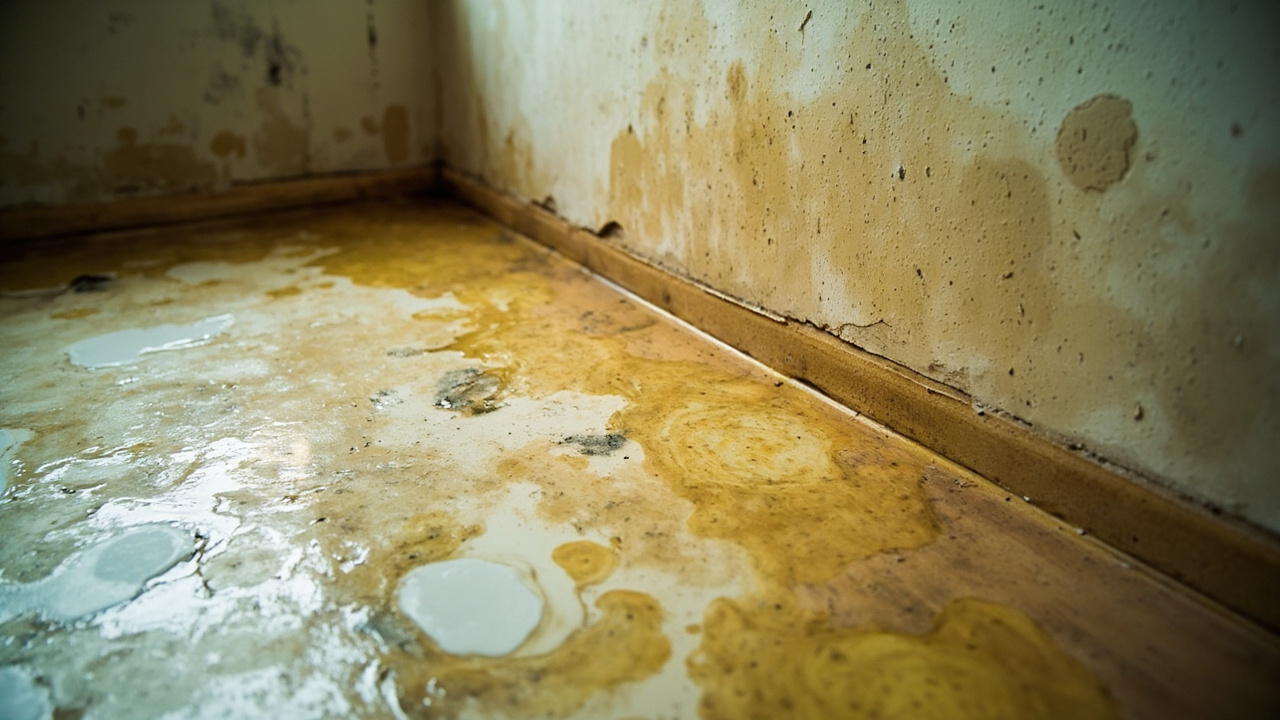
Water stains on drywall appear as yellow, brown, or rust-colored patches. Fresh stains look darker and may feel damp to the touch. Older stains fade to a light tan or yellow but leave a defined edge. You may see rings or halos where water evaporated repeatedly. Stains near ceilings suggest roof leaks or upper-floor plumbing issues. Stains near baseboards point to foundation or slab leaks. In San Diego homes with stucco exteriors, water can wick through walls and create stains that spread horizontally. If the stain grows or changes shape, the leak is still active. Address it immediately.

How San Diego's Marine Layer and Aging Housing Stock Create Hidden Moisture Problems

San Diego's mild climate misleads homeowners into thinking they are immune to moisture problems. The reality is different. Our marine layer brings cool, humid air that condenses on warm interior surfaces and inside wall cavities. Homes built before 1980 lack modern vapor barriers, allowing this moisture to penetrate drywall and insulation. Combined with aging plumbing systems, this creates the perfect conditions for yellow stains on drywall and wet patches on plasterboard. The coastal moisture you cannot see causes more damage than the occasional rain you can.

We have worked in every San Diego neighborhood, from historic homes in Mission Hills to modern developments in Eastlake. This local experience matters because construction methods vary dramatically across the region. A water stain in a 1920s Craftsman in Normal Heights requires different diagnostics than moisture discoloration on sheetrock in a 2005 condo in Downtown. We understand San Diego building practices, work with local plumbers and roofers who know the area's construction quirks, and navigate city permitting when structural repairs are needed. Local expertise prevents mistakes that out-of-area contractors make when they misunderstand San Diego's unique building characteristics.
Water Damage Restoration Services in The San Diego Area

We are proud to serve the entire San Diego area and invite you to view our service region on the map below. While our emergency response team is mobile and always ready to dispatch to your location rapidly, our central operations base allows us to coordinate efficient service across all of San Diego County. Contact us today for immediate assistance, no matter where your property is located within our service area.

Address:
Keystone Water Damage Restoration San Diego, 4445 Eastgate Dr, San Diego, CA, 92121

Additional Services We Offer

Our news updates

Latest Articles & News from The Blogs

Who Pays for Water Damage When a Neighbor’s Leak Affects Your San Diego Condo Discovering water damage in your condo…

Navigating Liability When a Neighbors Apartment Leaks into Your San Diego Condo

Who Pays for Water Damage When a Neighbor’s Leak Affects Your San Diego Condo Discovering water damage in your condo…

The Critical Steps Your Restoration Team Takes in the First Forty Eight Hours

The Critical Steps Your Restoration Team Takes in the First Forty Eight Hours When water invades your home in San…

Should You Try In Place Drying or Choose a Full Rip Out After a San Diego Flood

Should You Try In Place Drying or Choose a Full Rip Out After a San Diego Flood San Diego homeowners…

Contact Us

Every day you wait, moisture spreads deeper into your walls and ceiling structure. Call Keystone Water Damage Restoration San Diego at (858) 203-2555 for same-day inspection and honest assessment of your water stains.