

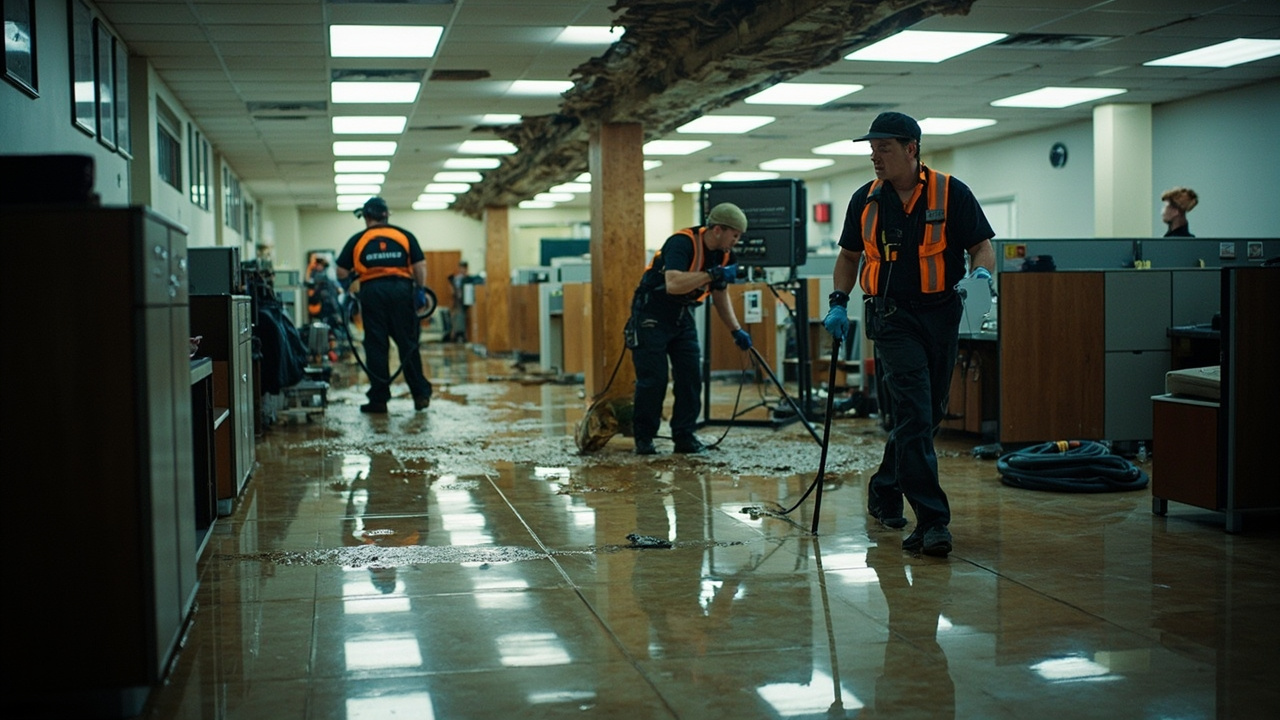
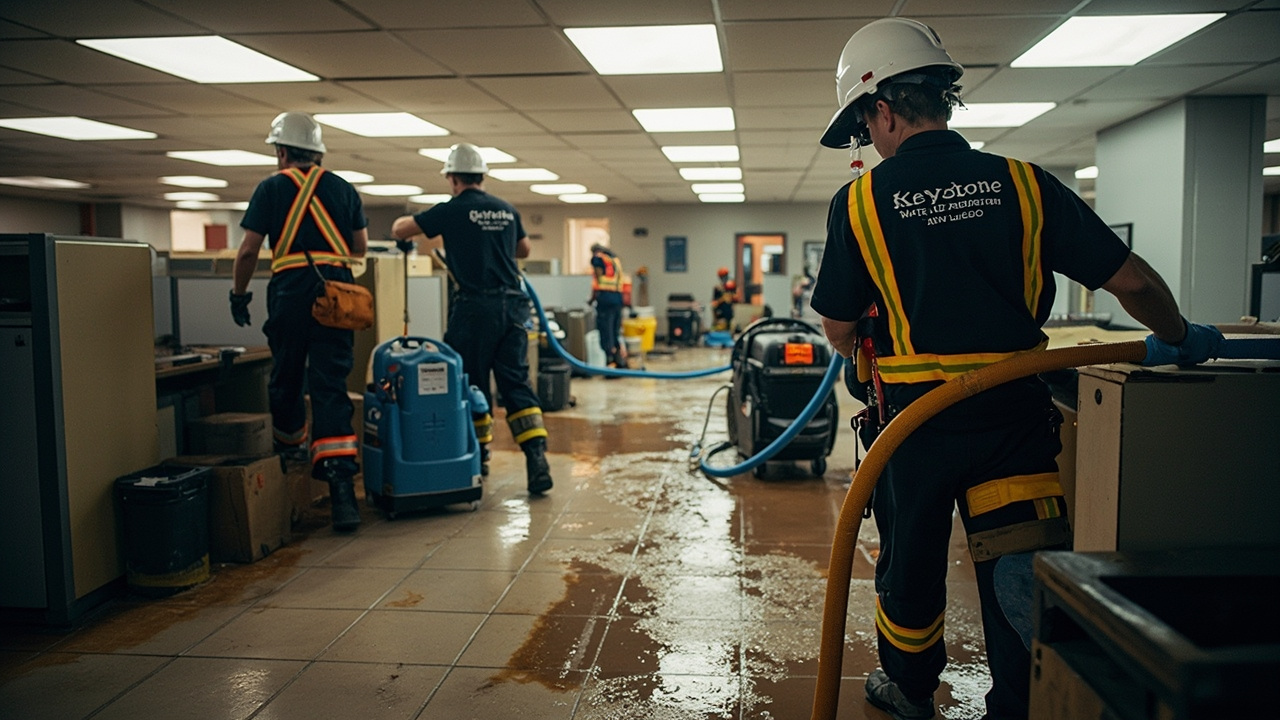

San Diego's coastal location creates elevated humidity levels that complicate commercial water damage restoration. Ambient moisture in the air slows evaporation rates, requiring more aggressive dehumidification strategies than inland locations. Buildings near the bay and ocean, particularly in Point Loma and Harbor Island, experience persistent humidity that can prolong drying times by 30 to 50 percent. The salt content in marine air also accelerates corrosion in exposed metal building components, HVAC systems, and electrical infrastructure. This means water damage events can trigger secondary corrosion issues weeks after the initial flooding if not properly addressed through complete drying and corrosion inhibitor application.
San Diego's commercial water restoration standards align with California's strict environmental and building safety regulations. Projects must comply with Title 24 energy efficiency requirements if HVAC systems are replaced. Cal-OSHA mandates specific safety protocols for commercial remediation projects, particularly when employees or customers remain on-site during restoration. The City of San Diego's development services department requires permits for structural repairs exceeding basic finishes, and inspections must occur before final occupancy. Local expertise matters because out-of-area contractors often underestimate these regulatory requirements, causing project delays and compliance issues that extend your business closure and increase costs.