menu

Peeling Paint & Wallpaper in San Diego – Expert Water Damage Detection and Repair

When you see bubbling paint or lifting wallpaper in your San Diego home, you're looking at a hidden water problem that spreads fast. We find the source, stop the damage, and restore your walls correctly the first time.

Slider Image 1
Slider Image 2
Slider Image 3
Slider Image 4
Slider Image 5
Slider Image 7
Slider Image 8
Slider Image 9
Slider Image 10
Slider Image 11

Why Your Walls Are Telling You There's a Water Problem

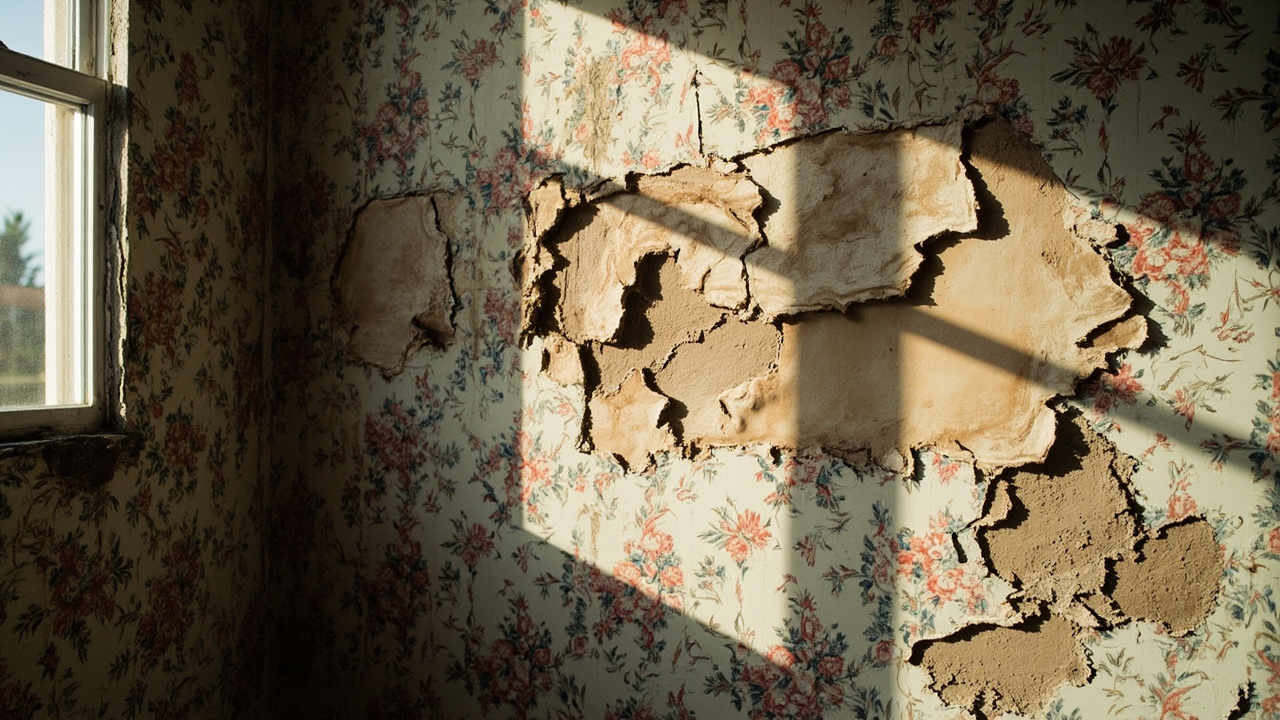
Blistering wall paint and loose wallpaper are not cosmetic issues. They are warning signs of active water intrusion. In San Diego, where coastal moisture meets drought-resistant construction, hidden leaks often go undetected until paint starts flaking or wallpaper begins lifting from the substrate.

You notice the bubbling paint first. It starts small, maybe near a window frame or along the baseboard. Within days, the blister spreads. The paint peels away in sheets. If you have wallpaper, you see the edges curl and separate. Press the wall gently and it feels soft or spongy. That texture means the drywall behind your finish layer is saturated.

Most San Diego homes built before 2000 use single-pane windows or older plumbing systems. When a supply line leaks slowly inside the wall cavity, or when condensation builds up around poorly sealed window frames during our brief winter rainy season, moisture migrates through the drywall. Paint and wallpaper adhesives lose their bond. The visible damage you see on the surface is often just a fraction of the water-damaged material hidden behind.

Ignoring flaking paint or lifting wallpaper leads to mold colonization within 48 to 72 hours. The longer water sits inside your wall, the more extensive the remediation becomes. What starts as a small cosmetic flaw can become a full wall replacement, structural wood rot, and a respiratory health risk for your family. If you see these symptoms, you have a water problem that requires professional diagnosis and extraction.

Why Your Walls Are Telling You There's a Water Problem
How We Diagnose and Fix the Real Problem Behind Peeling Surfaces

How We Diagnose and Fix the Real Problem Behind Peeling Surfaces

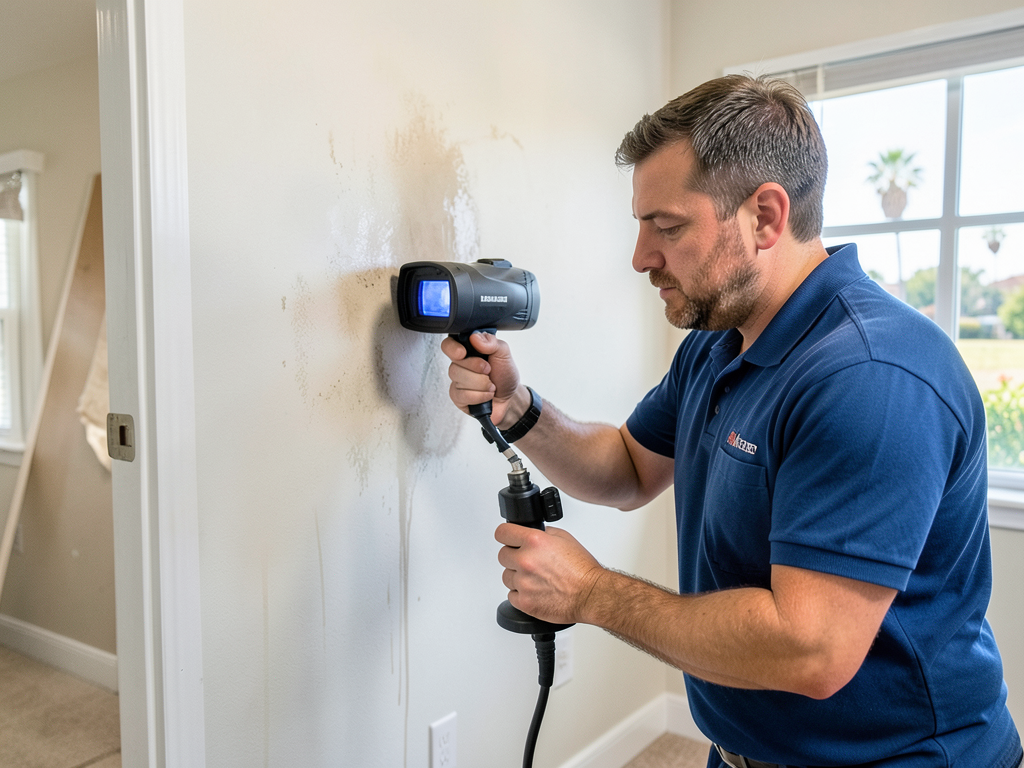
When you call us about peeling paint or wallpaper, we do not start by repainting your wall. We start by finding the water source. Our technicians use thermal imaging cameras to detect temperature differentials behind your wall surface. Wet drywall shows up cooler than dry areas. We also use moisture meters with pin and pinless sensors to measure moisture content at multiple depths within the wall assembly.

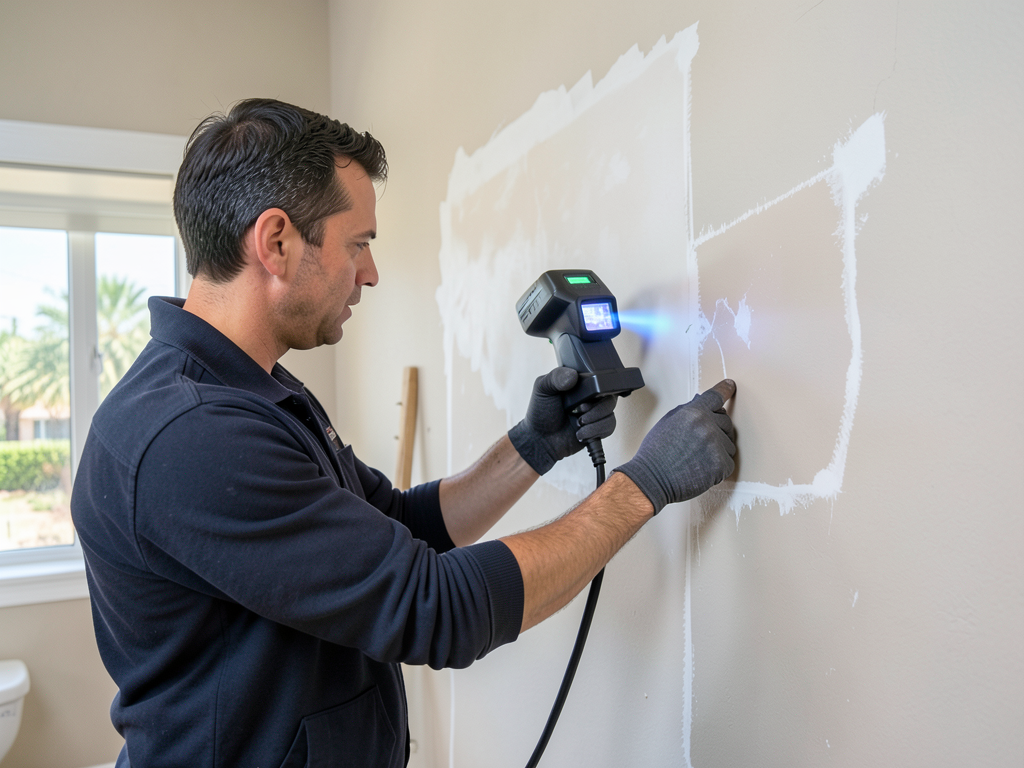
Once we locate the source, whether a leaking supply line, a failed window seal, or a roof leak tracking down through the wall cavity, we stop the water entry. Only then do we address the damaged materials. We remove the compromised drywall, insulation, and any baseboards or trim that show saturation. If the framing lumber has elevated moisture content, we set up air movers and dehumidifiers to bring it back to acceptable levels before closing the wall.

We do not mask the problem. If your wall shows bubbling paint on the surface, we open it up and inspect the cavity. We check for mold growth on the back side of the drywall and on the studs. If we find microbial contamination, we follow IICRC S520 mold remediation protocols. We contain the area, remove contaminated materials, HEPA vacuum all surfaces, and treat with antimicrobial solutions before reconstruction.

After drying and remediation, we rebuild the wall correctly. We install new drywall, tape and mud the seams, prime, and prepare the surface for paint or wallpaper. We match textures and finishes so the repair blends seamlessly with the surrounding wall. The goal is not just to make it look good. The goal is to eliminate the conditions that caused the failure in the first place.

What Happens When You Call About Peeling Paint

Peeling Paint & Wallpaper in San Diego – Expert Water Damage Detection and Repair
01

Immediate Inspection

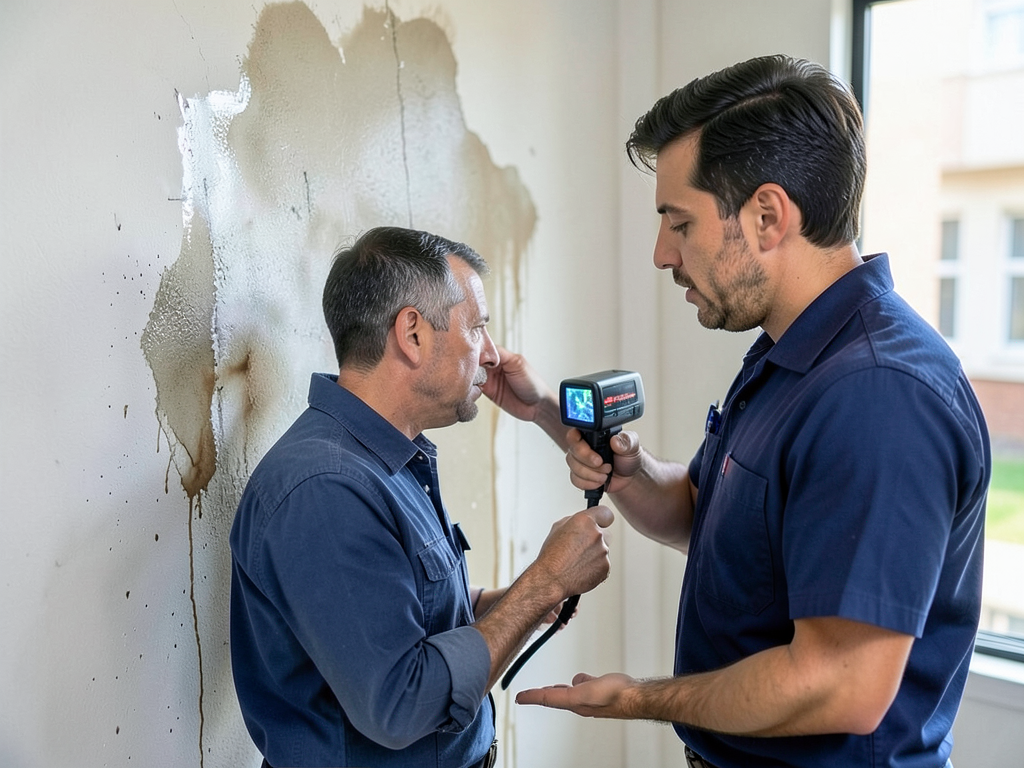
We arrive with thermal imaging and moisture detection equipment. We scan the affected wall and adjacent areas to map the full extent of water intrusion. We trace the moisture back to its source, whether it is a plumbing leak, exterior envelope failure, or condensation issue. You get a clear explanation of what is happening and why your paint or wallpaper is failing.
02

Water Extraction and Drying

We remove standing water if present, then set up industrial air movers and dehumidifiers to dry the wall cavity and surrounding materials. We monitor moisture levels with daily readings until all materials reach acceptable dryness thresholds. If we find mold or contaminated insulation, we remove it under containment to prevent cross-contamination. This phase takes between two to five days depending on saturation levels.
03

Reconstruction and Prevention

After drying and remediation, we rebuild the wall with new drywall, insulation if removed, and properly primed surfaces. We address the root cause, whether that means resealing a window, rerouting a plumbing line, or improving ventilation. You get a wall that looks correct and stays dry. We document the entire process with photos and moisture readings for your records or insurance claim.

Why San Diego Homeowners Choose Local Water Damage Experts

Water damage in San Diego looks different than it does in humid climates. Our dry conditions mean leaks often go unnoticed longer because the air absorbs moisture quickly. By the time you see bubbling paint or loose wallpaper, the problem has usually been active for weeks or months. That delay increases the chance of hidden mold growth and structural damage.

We understand the construction methods common in San Diego. Homes built in the 1960s and 1970s in neighborhoods like Clairemont, Linda Vista, and Allied Gardens often have galvanized steel plumbing that corrodes from the inside. Coastal homes in La Jolla, Pacific Beach, and Ocean Beach face salt air intrusion that accelerates window seal failure and exterior envelope degradation. Newer construction in Carmel Valley and Scripps Ranch uses engineered lumber that swells rapidly when wet, requiring faster response times to prevent permanent damage.

Local building codes in San Diego require specific ventilation and moisture barrier standards, especially in bathrooms and kitchens. When we reconstruct your wall after water damage, we follow Title 24 requirements and San Diego Municipal Code standards for vapor barriers and insulation. We know which inspectors to work with if your project requires permits, and we understand how to coordinate with HOA requirements in planned communities.

Choosing a local team means we respond faster. We are not dispatching from a call center in another state. We know the neighborhoods, the common failure points in local construction, and the contractors who can handle follow-up work like plumbing repairs or window replacements. We also work directly with San Diego-based insurance adjusters who are familiar with regional claim patterns and typical repair scopes.

What You Can Expect When You Work With Us

Response Time and Availability

We answer calls seven days a week and dispatch technicians to San Diego properties within two to four hours for emergency water damage. For peeling paint or wallpaper issues, we schedule inspections within 24 hours of your call. The faster we assess the damage, the lower your total remediation cost. Our trucks carry moisture meters, thermal cameras, and initial containment supplies so we can start the diagnostic process immediately upon arrival. You get a written assessment and scope of work before we begin any demolition or drying procedures.

Comprehensive Damage Assessment

We inspect beyond the visible damage. Flaking paint on one wall often indicates water tracking from a distant source. We check adjoining rooms, crawl spaces, attics, and exterior walls to map the full extent of moisture intrusion. We document all findings with photos, moisture readings, and thermal images. You receive a detailed report that explains what caused the failure, what materials are affected, and what steps are required to restore your property. This documentation is critical for insurance claims and helps you understand exactly what you are paying for.

Quality of Final Restoration

Our reconstruction work matches your existing finishes. We use the same drywall thickness, texture patterns, and paint sheens as your original wall. If you have wallpaper, we help you source matching patterns or recommend comparable alternatives if your original is discontinued. We do not leave visible seams, uneven textures, or color mismatches. The repaired area blends seamlessly with the rest of your room. We also ensure all new materials are properly primed and sealed to prevent future moisture issues. You get a wall that looks correct and performs correctly.

Post-Remediation Follow-Up

After we complete the work, we provide a final walkthrough and explain what we did. You receive copies of all moisture readings, photos, and remediation protocols we followed. We offer guidance on preventing future water intrusion, including maintenance tips for plumbing, windows, and exterior drainage. If issues arise after completion, we return to inspect and address them. Our goal is to ensure the problem is permanently resolved, not temporarily covered. We also coordinate with your insurance company if you are filing a claim, providing all necessary documentation and communicating directly with adjusters to streamline the process.

Frequently Asked Questions

You Have Questions,
We Have Answers

Why is my paint peeling off the wall like wallpaper? +

Paint peeling in sheets signals poor adhesion from the start. This happens when paint was applied over a dirty, glossy, or damp surface without proper prep. In San Diego, coastal moisture can seep through walls and push paint off in large sections. Another cause is applying latex paint directly over old oil-based paint without a bonding primer. If you see large chunks lifting off, the substrate was never prepared correctly. You need to identify the moisture source, scrape away loose material, and start fresh with proper surface prep and primer.

What to do if paint is peeling off the wall? +

First, identify what caused the peeling. Check for water damage, leaks, or moisture intrusion. In San Diego homes near the coast, salt air and humidity often contribute to paint failure. Scrape off all loose, flaking paint with a putty knife. Sand the edges smooth so transitions blend. Wash the wall with a degreaser, let it dry completely, then apply a quality bonding primer. Once primed, repaint with exterior-grade paint if outside or moisture-resistant paint for bathrooms. Skipping the root cause means you will see peeling again within months.

Is it cheaper to paint or peel and stick wallpaper? +

Painting is cheaper upfront but requires more prep work if surfaces are damaged. Quality interior paint runs less per square foot than peel-and-stick wallpaper, which can add up fast in larger rooms. However, peel-and-stick offers instant pattern changes without professional help. If your San Diego home has moisture issues causing peeling paint, neither option works until you fix the underlying problem. Paint lasts longer when applied correctly. Peel-and-stick is temporary and may not hold well in humid coastal climates. For durability and cost over time, paint wins.

Can I paint over paint that is peeling? +

No. Painting over peeling paint traps the problem underneath and guarantees failure. The new coat will peel off with the old layer because it has nothing solid to grip. You must scrape away all loose, flaking material first. Sand the edges smooth, then prime bare spots. In San Diego, moisture from marine air accelerates paint failure, so you need proper surface prep. Bonding primer helps new paint adhere to tricky surfaces. Cutting corners now means you will repaint sooner. Remove the damaged paint, address the cause, then apply fresh coats correctly.

Will Kilz stop peeling paint? +

Kilz primer will not stop paint that is currently peeling. It cannot reattach loose material to the wall. You must scrape off all failing paint first. Once bare substrate is exposed and cleaned, Kilz adhesion primer can help new paint bond to slick or previously painted surfaces. It blocks stains and seals porous areas, which prevents future moisture problems. In San Diego homes with persistent dampness, Kilz alone will not solve the root cause. Fix leaks, improve ventilation, then prime and repaint. Use Kilz as part of the solution, not a Band-Aid over peeling layers.

Should I scrape off all the peeling paint? +

Yes. Remove every bit of loose, flaking paint before repainting. Leaving even small sections means new paint will not bond properly and will fail fast. Use a stiff putty knife or paint scraper to lift off compromised areas. Sand edges smooth so you cannot feel the transition between old paint and bare wall. In San Diego, coastal humidity can hide under intact-looking paint and cause hidden delamination. Test questionable areas by pressing with your thumb. If it flexes or crackles, scrape it off. Proper prep now prevents another peeling disaster later.

What is the difference between flaking and peeling paint? +

Flaking paint comes off in small chips or dust-like particles, usually from weathering or age. Peeling paint lifts in larger strips or sheets, indicating adhesion failure from moisture, poor prep, or incompatible layers. In San Diego, flaking often results from UV exposure and salt air breaking down exterior coatings. Peeling happens when water gets behind the paint film and pushes it away from the substrate. Both require removal before repainting, but peeling signals a bigger underlying issue you must address first, like leaks or vapor barriers failing.

What do you put on walls to stop paint peeling? +

Apply a high-quality bonding primer after you scrape and sand all loose material. Bonding primers grip slick or chalky surfaces and create a stable foundation for topcoats. For exterior walls in San Diego, use a moisture-resistant primer to combat coastal humidity. If the wall has active moisture problems, no primer will stop peeling until you fix the source. Check for leaks, improve ventilation, and repair damaged substrates. Once dry and primed, use acrylic or elastomeric paint designed for your climate. Skipping primer or using cheap products guarantees the problem returns.

Can you put primer over peeling paint? +

No. Primer cannot bond to paint that is lifting off the wall. You must remove all peeling, loose material first. Scrape it down to a sound surface, sand smooth, then apply primer to bare or stable areas. Primer works by penetrating and sealing the substrate, not by gluing down failing layers. In San Diego homes with moisture issues, putting primer over peeling paint traps water and makes the problem worse. Do the work right by stripping compromised coatings, addressing the root cause, and priming clean, dry surfaces before you repaint.

What is the cost of painting a 1000 sq ft house? +

Costs vary widely based on surface condition, prep work, and paint quality. A 1,000 square foot interior typically involves multiple rooms and trim. If you have peeling paint, expect prep to add time and expense since all loose material must be scraped, sanded, and primed. San Diego contractors factor in coastal climate challenges, which may require moisture-resistant primers and higher-grade paints. Labor, materials, and the number of coats all influence the final price. Focus on hiring professionals who address the root cause of peeling rather than chasing the lowest bid.

How San Diego's Coastal Climate Accelerates Paint and Wallpaper Failure

San Diego's coastal proximity creates unique conditions for water damage. Morning marine layer fog deposits moisture on exterior surfaces, and homes near the coast in Point Loma, Mission Beach, and Coronado experience higher humidity levels than inland areas. When this exterior moisture meets air-conditioned interior spaces, condensation forms inside wall cavities around improperly sealed windows and doors. Over time, this condensation saturates drywall and causes paint to blister and wallpaper to lift. The problem is compounded in older homes where original window installations lack modern flashing and weather barriers. What looks like a minor paint issue is often chronic condensation damage that requires both interior remediation and exterior envelope correction.

Working with a San Diego-based water damage team means you get technicians who understand these regional factors. We know which neighborhoods face higher moisture intrusion risks, which construction eras used inadequate moisture barriers, and how to rebuild walls to modern standards that prevent recurrence. We work with local building inspectors and follow San Diego Municipal Code requirements for any reconstruction that requires permits. Our familiarity with regional insurance claim processes also helps you navigate coverage questions and documentation requirements, ensuring you get the maximum benefit from your policy without delays or disputes.
Water Damage Restoration Services in The San Diego Area

We are proud to serve the entire San Diego area and invite you to view our service region on the map below. While our emergency response team is mobile and always ready to dispatch to your location rapidly, our central operations base allows us to coordinate efficient service across all of San Diego County. Contact us today for immediate assistance, no matter where your property is located within our service area.

Address:
Keystone Water Damage Restoration San Diego, 4445 Eastgate Dr, San Diego, CA, 92121

Additional Services We Offer

Our news updates

Latest Articles & News from The Blogs

Who Pays for Water Damage When a Neighbor’s Leak Affects Your San Diego Condo Discovering water damage in your condo…

Navigating Liability When a Neighbors Apartment Leaks into Your San Diego Condo

Who Pays for Water Damage When a Neighbor’s Leak Affects Your San Diego Condo Discovering water damage in your condo…

The Critical Steps Your Restoration Team Takes in the First Forty Eight Hours

The Critical Steps Your Restoration Team Takes in the First Forty Eight Hours When water invades your home in San…

Should You Try In Place Drying or Choose a Full Rip Out After a San Diego Flood

Should You Try In Place Drying or Choose a Full Rip Out After a San Diego Flood San Diego homeowners…

Contact Us

Peeling paint and lifting wallpaper will not fix themselves. The water behind them is spreading right now. Call (858) 203-2555 for a same-day inspection. We will find the source, stop the damage, and restore your walls correctly.