



Lakeside sits in a transition zone where inland heat meets coastal moisture, creating condensation problems in attics and crawl spaces. Properties near the San Diego River and Lindo Lake face seasonal flooding risks during heavy winter rains. The area's older housing stock, particularly in neighborhoods like Lakeshore and Riverview, often has outdated plumbing that fails without warning.
Summer temperatures above 90 degrees stress supply lines and appliance hoses. When they burst, water flows into walls and subfloors for hours before anyone notices. The clay soil common throughout East County doesn't absorb water quickly, so runoff pools against foundations and seeps into basements. Homes built in the 1960s and 70s lack the moisture barriers required by modern building codes.
Winter storms overwhelm gutters and drains. Water backs up under roof shingles and finds every crack in stucco exteriors. Once moisture enters wall cavities, Lakeside's warm climate accelerates mold growth. You have 24 to 48 hours to start drying before mold colonies establish. The longer water sits, the more demolition becomes necessary. Quick response is not optional in this climate.
We built our reputation responding to East County water emergencies when other companies refused the drive. Lakeside is not an afterthought for us. We stage equipment locally and keep technicians on call who live in the area. When you call at 2 AM with a burst pipe, we dispatch immediately. No waiting for a crew to drive from downtown San Diego.
Our technicians hold IICRC certifications in water damage remediation and applied structural drying. We don't just extract visible water. We use thermal imaging cameras to find moisture trapped behind walls and under flooring. Our industrial dehumidifiers and air movers create the precise conditions needed to dry materials in place, reducing demolition costs. We monitor moisture levels daily until everything returns to dry standard.
Insurance companies know us. We document damage thoroughly, photograph every affected area, and provide detailed estimates that match what adjusters expect to see. This speeds up your claim approval. We bill insurance directly in most cases, so you are not paying out of pocket and waiting for reimbursement.
We have seen what happens when water damage gets delayed treatment. Structural wood rots, drywall crumbles, and mold spreads to clean areas. The difference between a minor repair and a major renovation often comes down to response time in the first 12 hours. We take that responsibility seriously.

We answer our phones at 3 AM on Christmas morning. No answering service, no callbacks in the morning. A live technician takes your call and dispatches a crew to your Lakeside property within 90 minutes. Water damage waits for no one.

Every technician who enters your property has completed IICRC training in water damage restoration and structural drying. We follow science-based protocols, not guesswork. Our equipment and methods meet insurance industry standards, which protects your claim.
We work with all major insurance carriers and bill them directly when possible. You don't pay thousands upfront and wait months for reimbursement. We handle the paperwork, take the required photos, and communicate with your adjuster throughout the process.
We keep water extraction equipment, commercial dehumidifiers, and air movers staged in East County. When we dispatch to Lakeside, we arrive with everything needed to start mitigation immediately. No trips back to the warehouse for forgotten tools.
Water damage remediation involves more than vacuuming up puddles. Effective mitigation requires extracting standing water, drying structural materials to prevent secondary damage, removing contaminated materials, and restoring your property to pre-loss condition. Each phase demands specialized equipment and training.
We handle every category of water damage, from clean supply line breaks to sewage backups. Our services include emergency water removal, structural drying, mold remediation, content pack-out and storage, and full reconstruction. We work on residential homes, commercial buildings, and rental properties across Lakeside.
Most property owners don't realize how far water travels once it enters a structure. It wicks up walls, spreads under flooring, and saturates insulation in ceilings. Surface drying is not enough. We use moisture meters to track drying progress in wall cavities and subfloors. The work is finished when materials return to dry standard, not when they look dry. That distinction prevents mold growth and structural rot weeks after we leave.
Standing water destroys flooring, baseboards, and lower wall sections within hours. We deploy truck-mounted extractors and portable pumps to remove thousands of gallons quickly. Crews pull soaked carpets, remove wet padding, and extract water from tile grout lines and hardwood seams. We move furniture to dry areas and photograph everything for insurance documentation. Speed in this phase determines how much of your property can be saved.
After extraction, moisture remains trapped in walls, subfloors, and framing lumber. We position commercial dehumidifiers and air movers to create controlled airflow and humidity levels. Thermal imaging cameras identify hidden moisture pockets. Technicians monitor progress daily with moisture meters, adjusting equipment placement as materials dry. This phase typically runs five to seven days depending on material saturation levels and building construction. Proper drying prevents mold growth and eliminates the need for unnecessary demolition.
Sewage backups, toilet overflows, and flooding from outside sources introduce bacteria and pathogens into your property. These situations require containment barriers, antimicrobial treatment, and safe disposal of contaminated materials. Technicians wear protective equipment and follow IICRC S500 standards for handling category 2 gray water and category 3 black water. We remove affected drywall, insulation, and flooring to eliminate health hazards. Air scrubbers with HEPA filters clean airborne contaminants during the process.
Lakeside's climate and housing characteristics create predictable water damage patterns. Understanding these common problems helps property owners recognize early warning signs before minor leaks become major disasters.
The combination of hot summers and aging infrastructure stresses plumbing systems throughout East County. Supply lines expand and contract with temperature swings. Rubber hoses on washing machines and dishwashers degrade in heat. Water heaters reach the end of their service life and fail catastrophically, dumping 40 to 50 gallons into living spaces.
Seasonal rains expose roof vulnerabilities and overwhelm drainage systems. Gutters clog with debris and overflow against siding. Older homes lack adequate attic ventilation, causing condensation problems when outdoor temperatures drop at night. These issues compound over time until a major rain event causes flooding.
Copper pipes and plastic supply lines expand when temperatures exceed 90 degrees. Older connections fail at joints and fittings. A pinhole leak in a wall cavity can flow for days before you notice water stains on ceilings or wet carpet. Summer heat also accelerates mold growth once moisture enters building materials.
Most water heaters last 8 to 12 years in Lakeside's hard water conditions. When tanks corrode through, they release their entire contents in minutes. Water heaters installed in attics cause ceiling collapses. Units in garages flood adjacent rooms. Catastrophic failures happen without warning, often when homeowners are at work.
Washing machines, dishwashers, and refrigerator icemakers connect to water supply with rubber or braided steel hoses. These hoses degrade from constant water pressure and temperature fluctuations. When they burst, water flows at full household pressure until someone shuts off the valve. A washing machine hose can dump hundreds of gallons before discovery.
Winter storms overwhelm gutters and expose weak points in building envelopes. Water backs up under roof shingles, seeps through stucco cracks, and enters through door thresholds. Properties near Lindo Lake and the San Diego River face additional flooding risk when waterways overflow during heavy rain events.
Water damage creates panic. You need someone to take control of the situation and tell you exactly what happens next. When you call Keystone Water Damage Restoration San Diego, you get immediate answers and rapid response.
Our process starts the moment you call. A trained technician answers, asks specific questions about the damage, and dispatches a crew to your property. We don't schedule appointments for the next business day. We come now, assess damage, and start mitigation work immediately.
You will know what to expect at every phase. We explain which materials can be saved, what requires replacement, and how long the drying process takes. We handle communication with your insurance company and provide documentation they require for claim approval. Most importantly, we don't disappear after the initial emergency. We monitor your property daily until drying is complete and coordinate all reconstruction work.
A crew arrives at your Lakeside property within 90 minutes of your call. Technicians assess damage extent using moisture meters and thermal imaging. We identify the water source, stop active flooding if possible, and develop a mitigation plan. You receive a detailed explanation of required services and timeline before any work begins. We answer your questions in plain language without technical jargon or pressure tactics.
Technicians return daily to check moisture levels and adjust drying equipment. You receive updates on drying progress and any issues that require attention. We document everything with photos and moisture readings for insurance purposes. If you have questions between visits, you call a direct number and speak with someone who knows your project. No runaround, no generic customer service lines.
Once materials reach dry standard, we remove drying equipment and begin reconstruction. Our crews handle everything from drywall replacement to flooring installation and paint. You don't coordinate multiple contractors. When work is complete, we walk through your property together. The job is not finished until you confirm everything meets your expectations. We stand behind our work.
Water damage restoration follows established protocols that insurance companies recognize and approve. We execute each phase according to IICRC S500 standards, which ensures thorough mitigation and supports your insurance claim.
You call our emergency line 24/7. A technician answers immediately, not an answering service. We ask specific questions about the water source, affected areas, and current situation. A crew with appropriate equipment dispatches to your Lakeside property. You receive an estimated arrival time and a callback number. We coordinate with you if additional access or utilities shutoff is needed.
Crews extract standing water using truck-mounted vacuums and portable pumps. We remove soaked materials that cannot be saved, pull wet carpet padding, and open wall cavities if needed. Commercial dehumidifiers and air movers position throughout affected areas to begin structural drying. We take initial moisture readings and thermal images to establish baseline measurements. All damage documentation photographs for your insurance claim.
Technicians monitor moisture levels daily and adjust equipment placement as drying progresses. This phase continues until all materials return to dry standard per IICRC guidelines. Once drying completes, we remove equipment and begin reconstruction. Our crews replace drywall, install new flooring, and paint affected areas. You approve all material selections and review completed work before final sign-off.
Professional water damage restoration follows protocols established by the Institute of Inspection Cleaning and Restoration Certification. These science-based standards define how to assess damage, classify water contamination levels, and execute proper drying procedures. Insurance companies expect restoration contractors to follow IICRC S500 guidelines.
Water damage divides into three categories based on contamination level. Category 1 involves clean water from supply lines, which poses minimal health risk if addressed quickly. Category 2 gray water contains contaminants from washing machines, dishwashers, or toilet bowl overflow without feces. Category 3 black water includes sewage, flooding from outside sources, or any standing water that sat for more than 48 hours. Each category requires different handling procedures and safety equipment.
Damage classification also considers how much material absorbed water. Class 1 affects minimal porous materials in small areas. Class 2 involves significant water absorption in carpets and walls up to 24 inches. Class 3 saturates walls, ceilings, insulation, and subfloors from overhead sources. Class 4 requires specialty drying for hardwood, concrete, and stone materials. Proper classification determines equipment needs and drying time.
Technicians use moisture meters, thermo-hygrometers, and thermal imaging cameras to track drying progress. Materials must reach dry standard before equipment removal. For wood framing, that means moisture content below 15 percent. Concrete must dry to below 4 percent using calcium chloride testing. Rushing this process or relying on visual inspection causes mold growth and structural damage weeks after the restoration company leaves.
Insurance adjusters know these standards. Documentation that follows IICRC protocols speeds claim approval and prevents payment disputes. We measure, photograph, and document everything according to industry standards because your insurance coverage depends on proper procedures.
Category 1 clean water becomes Category 2 after contacting building materials. Category 3 black water requires antimicrobial treatment and disposal of porous materials like drywall and insulation. We follow safety protocols appropriate to contamination level and protect your family from exposure to bacteria and pathogens.
Costs depend on water volume, contamination category, material saturation class, and response time. Clean water caught early costs less to remediate than sewage flooding left standing overnight. Hardwood floors and plaster walls require specialty drying that increases equipment time. We provide detailed estimates that break down all costs.
Structural drying typically requires five to seven days depending on building materials and saturation levels. Concrete foundations dry slower than wood framing. High humidity weather extends drying time. We monitor progress daily and don't remove equipment until moisture meters confirm materials reached dry standard per IICRC guidelines.
Carriers require photos of all damage, moisture readings at multiple stages, detailed scope of work, and daily logs. We provide complete documentation packages that adjusters expect to see. Proper paperwork prevents claim delays and payment disputes. Many homeowners don't realize inadequate documentation can result in denied coverage.
This video explains water damage restoration procedures for Lakeside, California properties. Topics include emergency water extraction, structural drying protocols, IICRC standards, insurance documentation requirements, and common causes of residential water damage in East County. The video covers response timelines, contamination categories, moisture monitoring techniques, and when materials require replacement versus drying in place. Keystone Water Damage Restoration San Diego demonstrates proper remediation procedures and explains how climate factors affect water damage severity in Lakeside homes.
Keystone Water Damage Restoration San Diego provides emergency water damage services throughout Lakeside and the greater East County region. We respond rapidly to properties near Lindo Lake, where waterfront homes face unique flooding challenges during winter storms. The Lakeshore neighborhood's older housing stock requires experienced handling when water penetrates stucco exteriors and finds wall cavities.
Riverview area properties near the San Diego River need quick response during heavy rain events when the river approaches flood stage. We have extracted water from homes near River Park after overflow events and understand how quickly water rises in low-lying areas. Properties along Riverford Road and Wildcat Canyon Road face similar risks when drainage systems overwhelm.
The hillside communities above Lakeside, including areas near El Monte Park and Barona Mesa, deal with different challenges. Runoff flows downhill during storms and concentrates against foundations. Older septic systems in rural properties sometimes back up into homes, requiring category 3 black water remediation. We handle these situations with appropriate safety equipment and disposal procedures.
Winter Gardens and Eucalyptus Hills properties often have well water systems and older plumbing that fails without warning. We respond to supply line breaks in these areas regularly and stage equipment to reach remote properties quickly. Commercial buildings along Woodside Avenue and Maine Avenue receive the same rapid response as residential customers. We have handled water damage in retail spaces, restaurants, and office buildings throughout the Lakeside business district.
Our service area extends to neighboring communities including Santee, El Cajon, Ramona, and Alpine. East County properties receive the same 90-minute response time and professional service regardless of location. We don't charge extra for distance or limit service hours based on geography. Your water emergency gets immediate attention whether you call from downtown Lakeside or a rural property near the Cleveland National Forest boundary.
Water damage restoration in Lakeside takes 3 to 7 days for most residential properties. The timeline depends on the extent of damage, affected materials, and water category. Small leaks affecting one room take 2 to 3 days. Extensive flooding impacting multiple rooms or floors takes 5 to 14 days. Drying alone requires 3 to 5 days with proper equipment. Structural repairs, mold remediation, and reconstruction add time. Your restoration company will provide a specific timeline after inspecting your property and assessing moisture levels.
Water damage restoration expenses in Lakeside vary based on water source, affected square footage, and damage severity. Factors include extraction needs, drying time, structural repairs, and material replacement. Category 1 water from clean sources requires less treatment than Category 3 contaminated water. Small bathroom leaks affect fewer materials than whole-house flooding. Most restoration companies offer free inspections and detailed estimates. Your homeowners insurance often covers sudden and accidental water damage, reducing your out-of-pocket expenses. Get multiple quotes from local Lakeside companies for comparison.
Homeowners insurance in Lakeside typically covers sudden and accidental water damage, like burst pipes or appliance malfunctions. Your policy usually excludes gradual damage from neglect, maintenance issues, or flooding. Flood damage requires separate flood insurance through FEMA or private carriers. Review your policy declarations page for coverage limits and deductibles. File claims immediately after discovering damage. Your restoration company works with insurance adjusters and provides documentation for claims. Keep receipts, take photos, and document all communication. Contact your insurance agent to verify your specific coverage before starting restoration work.
Water damage restoration in Lakeside takes 3 to 7 days for most residential properties. The timeline depends on the extent of damage, affected materials, and water category. Small leaks affecting one room take 2 to 3 days. Extensive flooding impacting multiple rooms or floors takes 5 to 14 days. Drying alone requires 3 to 5 days with proper equipment. Structural repairs, mold remediation, and reconstruction add time. Your restoration company will provide a specific timeline after inspecting your property and assessing moisture levels.
Water damage restoration expenses in Lakeside vary based on water source, affected square footage, and damage severity. Factors include extraction needs, drying time, structural repairs, and material replacement. Category 1 water from clean sources requires less treatment than Category 3 contaminated water. Small bathroom leaks affect fewer materials than whole-house flooding. Most restoration companies offer free inspections and detailed estimates. Your homeowners insurance often covers sudden and accidental water damage, reducing your out-of-pocket expenses. Get multiple quotes from local Lakeside companies for comparison.
Homeowners insurance in Lakeside typically covers sudden and accidental water damage, like burst pipes or appliance malfunctions. Your policy usually excludes gradual damage from neglect, maintenance issues, or flooding. Flood damage requires separate flood insurance through FEMA or private carriers. Review your policy declarations page for coverage limits and deductibles. File claims immediately after discovering damage. Your restoration company works with insurance adjusters and provides documentation for claims. Keep receipts, take photos, and document all communication. Contact your insurance agent to verify your specific coverage before starting restoration work.
You need professional restoration in Lakeside when water affects multiple rooms, penetrates structural materials, or sits for more than 24 hours. Call professionals for sewage backups, contaminated water, or flooding from outside sources. Standing water, saturated drywall, wet insulation, and damaged flooring require expert equipment and techniques. Visible mold growth within 48 hours signals excessive moisture. You lack proper extraction and drying equipment as a homeowner. Professionals prevent secondary damage, use moisture meters to find hidden water, and ensure complete drying to prevent mold growth.
Water damage mitigation in Lakeside stops ongoing damage and prevents additional problems. This includes water extraction, emergency board-up, tarping, and initial drying. Mitigation happens immediately after damage occurs. Restoration returns your property to pre-loss condition through repairs, reconstruction, and final cleaning. Restoration includes replacing drywall, repairing flooring, repainting, and addressing structural issues. Most Lakeside companies provide both services. Mitigation takes 1 to 3 days. Restoration takes several days to weeks. Insurance companies require prompt mitigation to minimize claim amounts. Both services work together for complete property recovery.
You might stay home during minor Lakeside water damage restoration affecting one room. Extensive damage requiring multiple rooms, floors, or major structural work often requires temporary relocation. Sewage backups and Category 3 water contamination make your home unsafe. High humidity from drying equipment creates uncomfortable conditions. Loud equipment runs 24 hours daily. Your restoration company assesses safety and habitability. Some homeowners insurance policies cover temporary housing during major restoration. Ask your technician about safety concerns and expected noise levels before deciding. Your health and safety come first.
Call a Lakeside water damage restoration company within 60 minutes of discovering water damage. Water spreads quickly through porous materials and structural components. Mold begins growing within 24 to 48 hours in moist conditions. Every hour of delay increases damage severity and restoration expenses. Quick response prevents secondary damage to walls, floors, and belongings. Most Lakeside restoration companies offer 24-hour emergency services. Immediate action saves money and reduces restoration time. Stop the water source first if safe, then contact professionals immediately. Time matters more than any other factor.
Lakeside water damage restoration companies use industrial-grade equipment designed for rapid drying. Truck-mounted extractors remove standing water from carpets and floors. Commercial dehumidifiers pull moisture from air and materials. High-velocity air movers increase evaporation and airflow. Moisture meters and thermal imaging cameras detect hidden water in walls and ceilings. HEPA air scrubbers remove contaminants and prevent mold spores. Injection drying systems target water in wall cavities. Professionals use hydroxyl generators for odor removal. This specialized equipment works faster and more effectively than consumer-grade options.
Choose a Lakeside water damage restoration company with IICRC certification and local experience. Check online reviews on Google and Yelp. Verify they offer 24-hour emergency response. Ask about their drying equipment, techniques, and estimated timeline. Request references from recent Lakeside customers. Ensure they work directly with insurance companies and understand claims processes. Look for companies serving Lakeside for five or more years. Ask about employee training and background checks. Compare detailed written estimates from three companies. Avoid companies demanding full payment upfront. Choose based on expertise and reputation, not the lowest estimate.
Hidden water damage in Lakeside homes shows through musty odors, even without visible water. You notice warped baseboards, peeling paint, or bubbling wallpaper. Water stains appear on ceilings and walls in unusual patterns. Floors feel soft, spongy, or buckle underfoot. You see increased pest activity, as insects seek moisture. Unexplained increases in water bills suggest hidden leaks. Mold grows in corners, behind furniture, or in closets. Your walls feel damp or cool to touch. Look for rust around pipes and fixtures. Schedule professional inspections yearly to catch problems early.
You need professional restoration in Lakeside when water affects multiple rooms, penetrates structural materials, or sits for more than 24 hours. Call professionals for sewage backups, contaminated water, or flooding from outside sources. Standing water, saturated drywall, wet insulation, and damaged flooring require expert equipment and techniques. Visible mold growth within 48 hours signals excessive moisture. You lack proper extraction and drying equipment as a homeowner. Professionals prevent secondary damage, use moisture meters to find hidden water, and ensure complete drying to prevent mold growth.
Water damage mitigation in Lakeside stops ongoing damage and prevents additional problems. This includes water extraction, emergency board-up, tarping, and initial drying. Mitigation happens immediately after damage occurs. Restoration returns your property to pre-loss condition through repairs, reconstruction, and final cleaning. Restoration includes replacing drywall, repairing flooring, repainting, and addressing structural issues. Most Lakeside companies provide both services. Mitigation takes 1 to 3 days. Restoration takes several days to weeks. Insurance companies require prompt mitigation to minimize claim amounts. Both services work together for complete property recovery.
You might stay home during minor Lakeside water damage restoration affecting one room. Extensive damage requiring multiple rooms, floors, or major structural work often requires temporary relocation. Sewage backups and Category 3 water contamination make your home unsafe. High humidity from drying equipment creates uncomfortable conditions. Loud equipment runs 24 hours daily. Your restoration company assesses safety and habitability. Some homeowners insurance policies cover temporary housing during major restoration. Ask your technician about safety concerns and expected noise levels before deciding. Your health and safety come first.
Call a Lakeside water damage restoration company within 60 minutes of discovering water damage. Water spreads quickly through porous materials and structural components. Mold begins growing within 24 to 48 hours in moist conditions. Every hour of delay increases damage severity and restoration expenses. Quick response prevents secondary damage to walls, floors, and belongings. Most Lakeside restoration companies offer 24-hour emergency services. Immediate action saves money and reduces restoration time. Stop the water source first if safe, then contact professionals immediately. Time matters more than any other factor.
Lakeside water damage restoration companies use industrial-grade equipment designed for rapid drying. Truck-mounted extractors remove standing water from carpets and floors. Commercial dehumidifiers pull moisture from air and materials. High-velocity air movers increase evaporation and airflow. Moisture meters and thermal imaging cameras detect hidden water in walls and ceilings. HEPA air scrubbers remove contaminants and prevent mold spores. Injection drying systems target water in wall cavities. Professionals use hydroxyl generators for odor removal. This specialized equipment works faster and more effectively than consumer-grade options.
Choose a Lakeside water damage restoration company with IICRC certification and local experience. Check online reviews on Google and Yelp. Verify they offer 24-hour emergency response. Ask about their drying equipment, techniques, and estimated timeline. Request references from recent Lakeside customers. Ensure they work directly with insurance companies and understand claims processes. Look for companies serving Lakeside for five or more years. Ask about employee training and background checks. Compare detailed written estimates from three companies. Avoid companies demanding full payment upfront. Choose based on expertise and reputation, not the lowest estimate.
Hidden water damage in Lakeside homes shows through musty odors, even without visible water. You notice warped baseboards, peeling paint, or bubbling wallpaper. Water stains appear on ceilings and walls in unusual patterns. Floors feel soft, spongy, or buckle underfoot. You see increased pest activity, as insects seek moisture. Unexplained increases in water bills suggest hidden leaks. Mold grows in corners, behind furniture, or in closets. Your walls feel damp or cool to touch. Look for rust around pipes and fixtures. Schedule professional inspections yearly to catch problems early.
We are proud to serve the entire San Diego area and invite you to view our service region on the map below. While our emergency response team is mobile and always ready to dispatch to your location rapidly, our central operations base allows us to coordinate efficient service across all of San Diego County. Contact us today for immediate assistance, no matter where your property is located within our service area.
Address:
Lakeside, CA, 92040
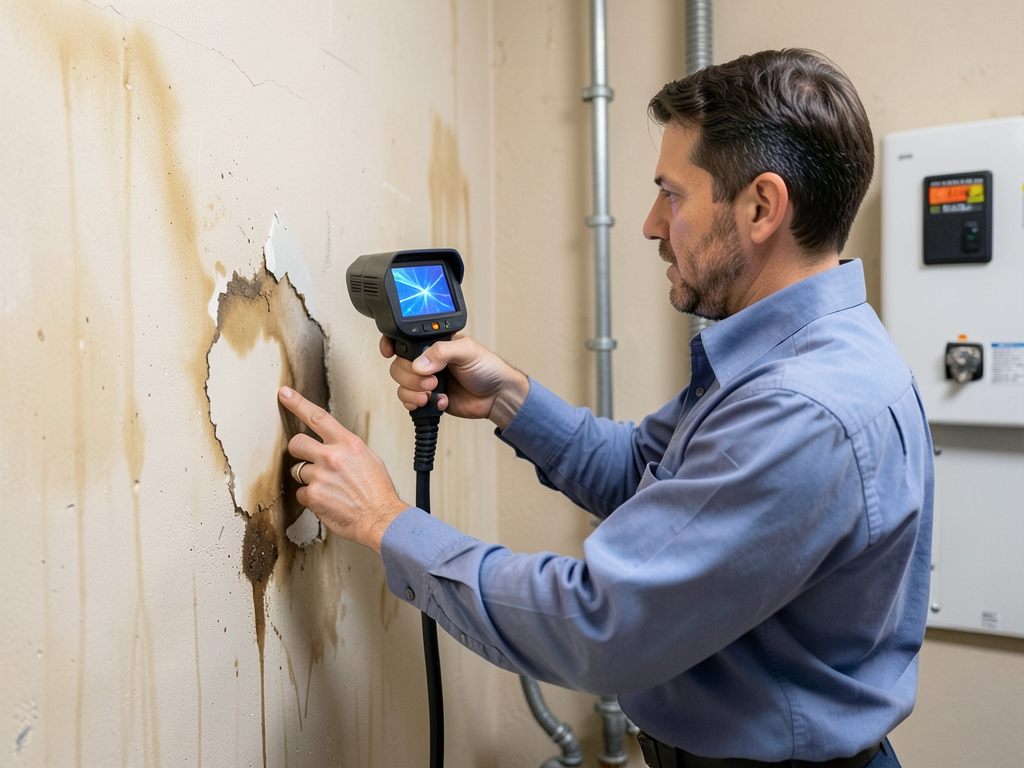
Is Your Tankless Water Heater Leaking in Mira Mesa Finding water pooling around your tankless water heater creates instant panic. The immediate concern becomes stopping the leak before it destroys your flooring, drywall, or cabinetry.…
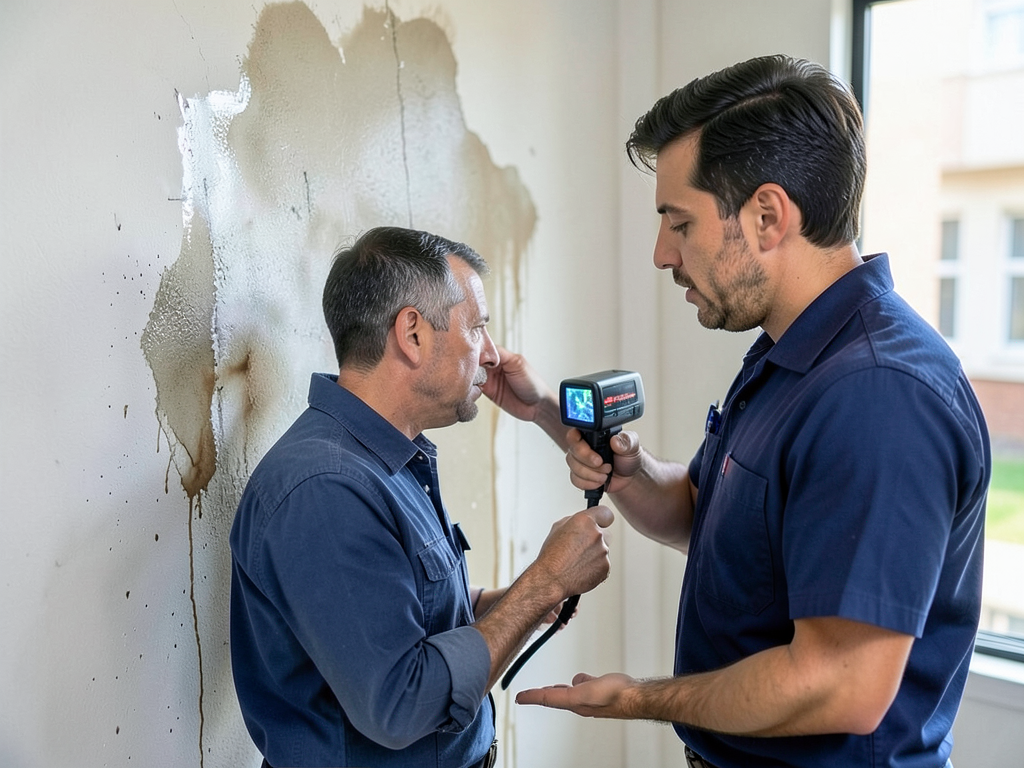
Who Pays for Water Damage When a Neighbor’s Leak Affects Your San Diego Condo Discovering…
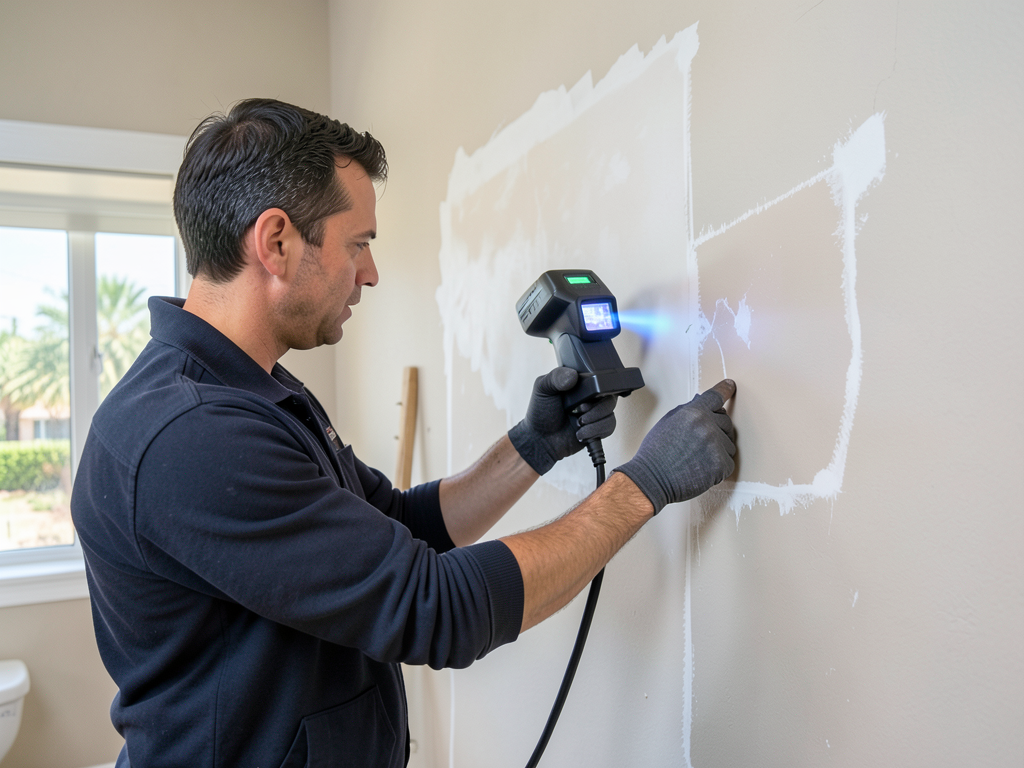
The Critical Steps Your Restoration Team Takes in the First Forty Eight Hours When water…
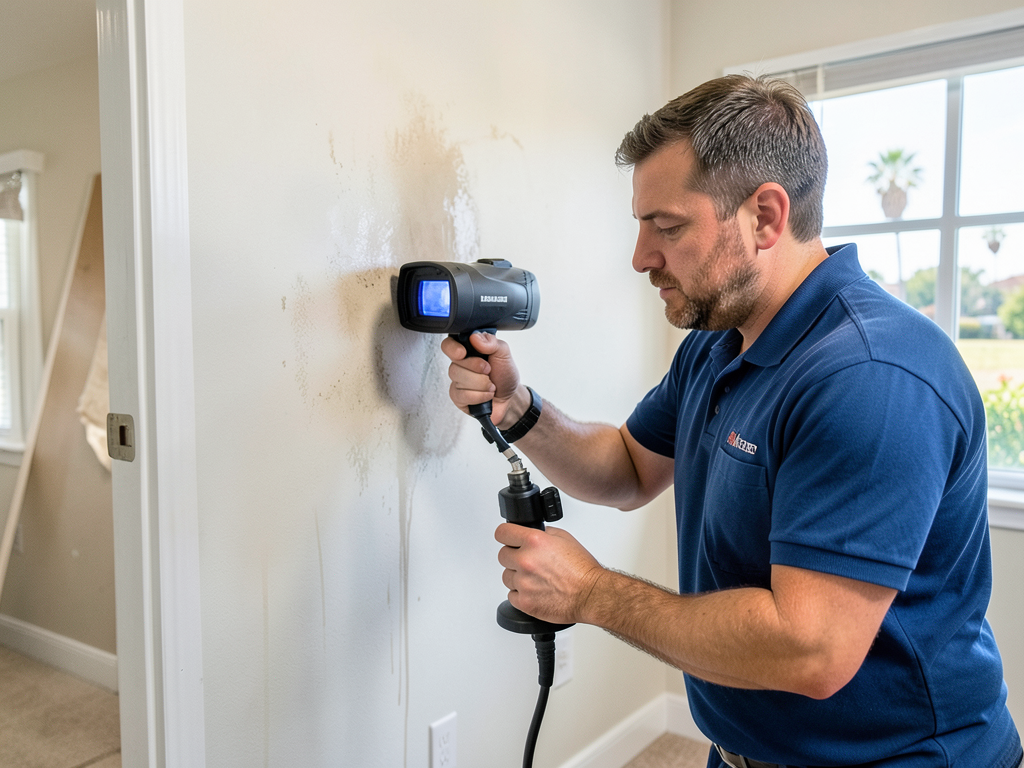
Should You Try In Place Drying or Choose a Full Rip Out After a San…
Every hour increases damage and cost. Call Keystone Water Damage Restoration San Diego at (858) 203-2555 for immediate dispatch to your Lakeside property. We answer 24/7 and arrive within 90 minutes to stop the damage.