menu

Visible Mold Growth on Walls in San Diego – Expert Diagnosis and Permanent Remediation

Our certified remediation specialists identify the moisture source behind black mold spots on drywall and fungal growth on wall surfaces, then eliminate visible mold growth on walls using containment protocols and EPA-registered antimicrobials.

Slider Image 1
Slider Image 2
Slider Image 3
Slider Image 4
Slider Image 5
Slider Image 7
Slider Image 8
Slider Image 9
Slider Image 10
Slider Image 11

Why San Diego Homes Develop Black Mold Spots on Drywall

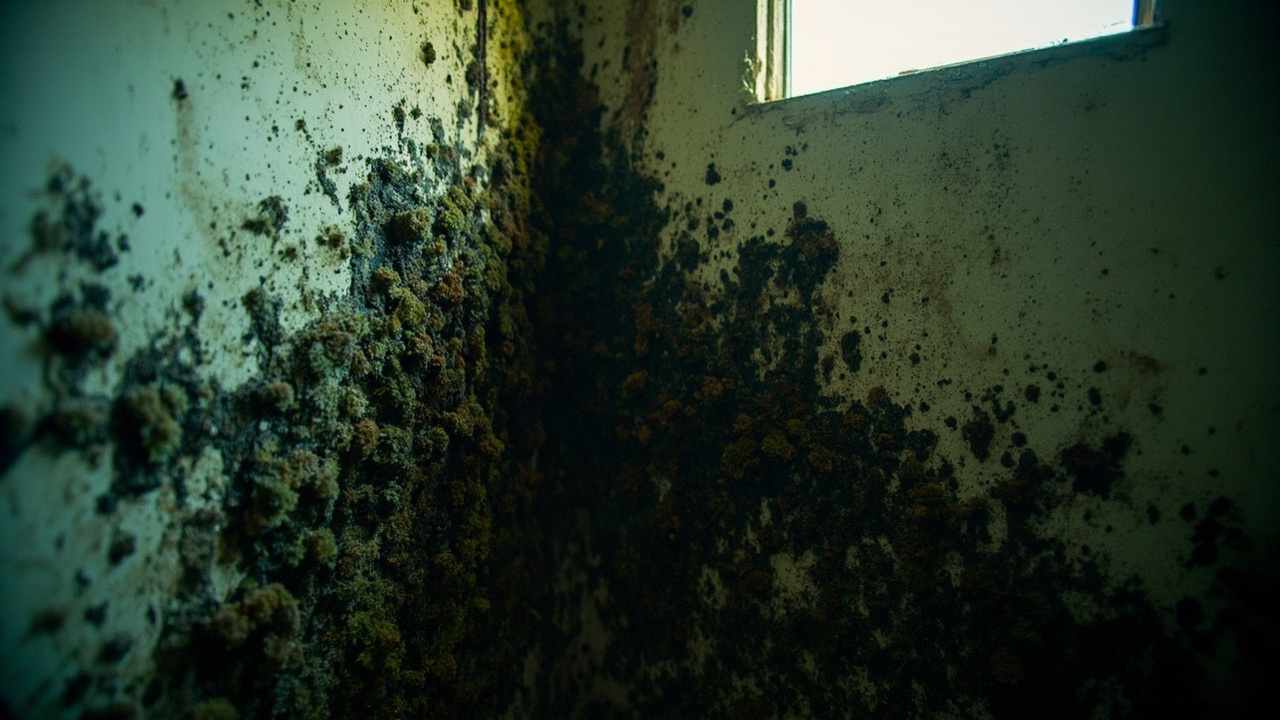
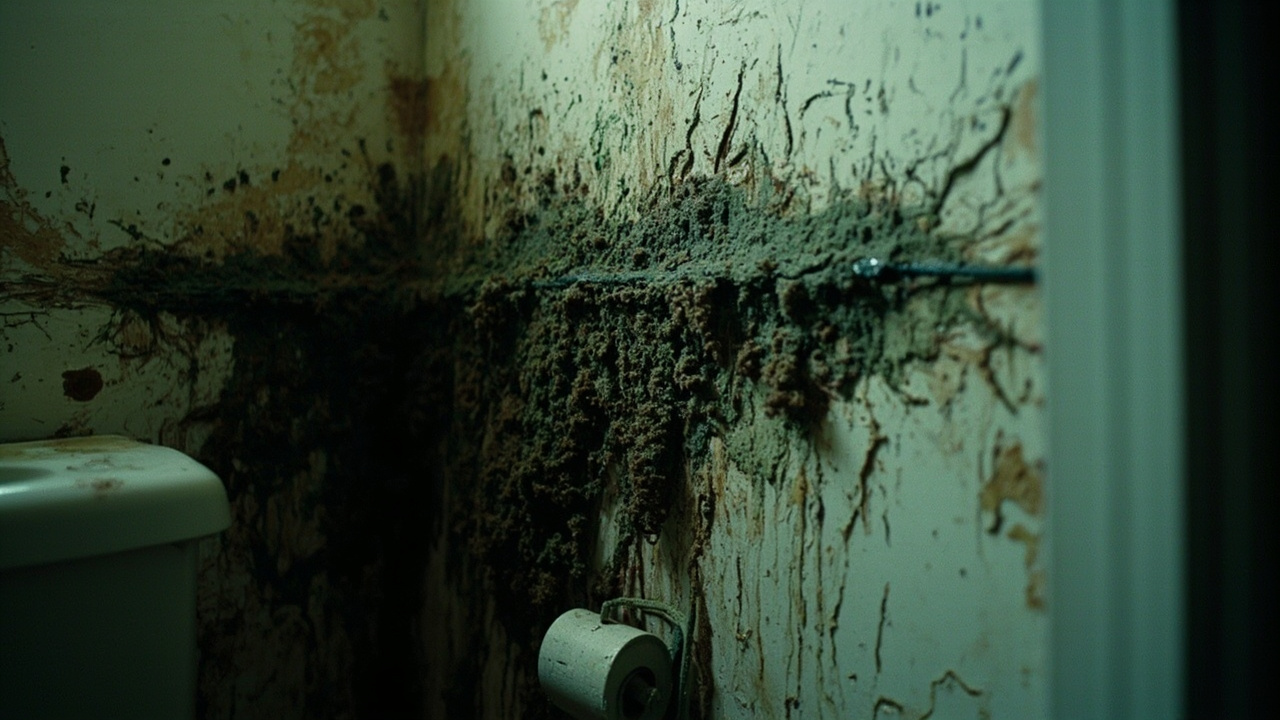
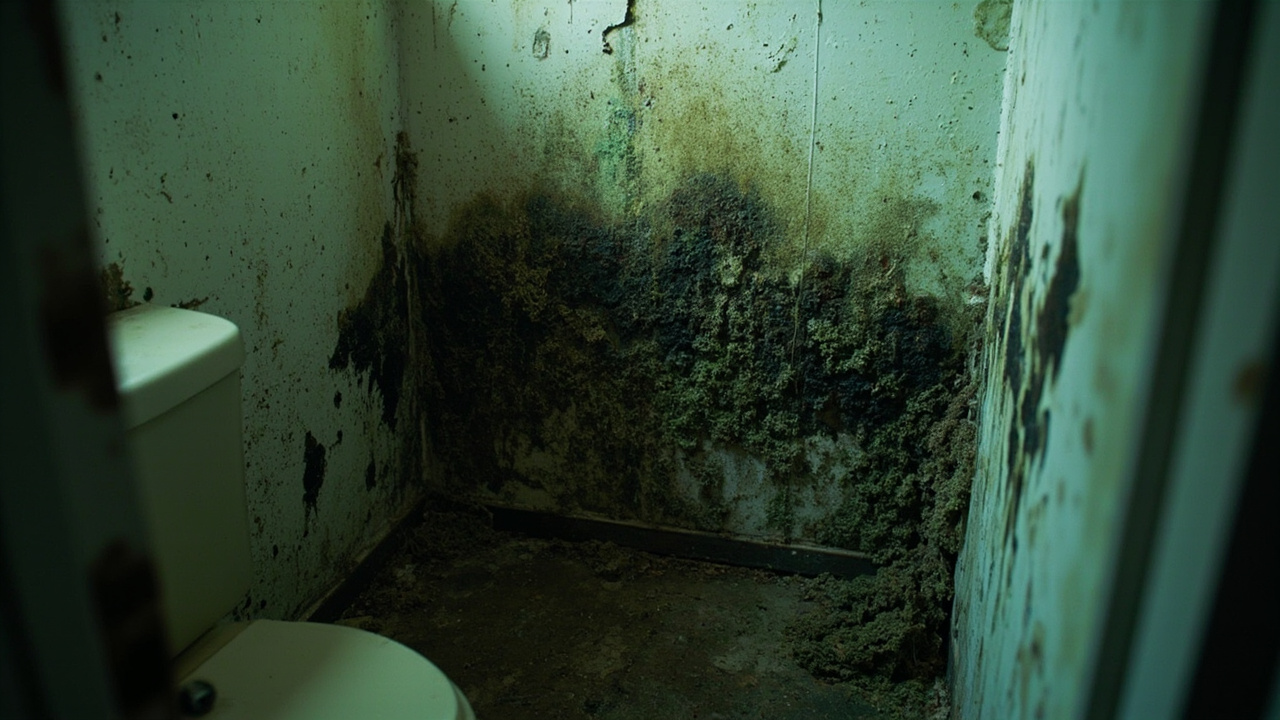
You see dark patches spreading across your bedroom wall. The spots started small, maybe after last winter's storms, but now they cover sections of sheetrock near the baseboard. You wonder if it is dangerous.

San Diego's coastal humidity creates year-round conditions for fungal growth on wall surfaces. Morning marine layer fog pushes moisture levels above 60 percent, even in summer. When that moisture meets cool interior walls, condensation forms. Drywall absorbs the water. Mold spores already floating in your home find the damp surface and colonize within 48 hours.

Older homes in neighborhoods like Normal Heights and North Park face additional risk. Single-pane windows allow temperature differentials that cause condensation. Stucco exteriors with hairline cracks let wind-driven rain penetrate wall cavities. The water sits behind the drywall, feeding hidden colonies that eventually break through as visible mildew on painted walls.

Coastal properties from La Jolla to Point Loma deal with salt-laden air that corrodes window seals and compromises exterior paint. Once the barrier fails, moisture infiltrates. You might notice mold patches on sheetrock near windows first, then spreading to adjacent walls.

Plumbing leaks inside walls are common culprits. A pinhole leak in copper piping or a failed shower pan creates constant moisture. The drywall wicks water upward through capillary action, creating vertical mold patterns. By the time you notice the wall mold infestation, significant structural damage may already exist behind the surface.

The problem is not just cosmetic. Mold releases spores and mycotoxins into your indoor air. You breathe them while you sleep. Respiratory irritation, headaches, and allergic reactions often follow.

Why San Diego Homes Develop Black Mold Spots on Drywall
How We Eliminate Wall Mold Infestations Permanently

How We Eliminate Wall Mold Infestations Permanently

Surface cleaning does not work. Bleach kills surface mold but does not penetrate porous materials like drywall. The roots, called hyphae, remain embedded in the paper facing and gypsum core. Within weeks, the colony regrows.

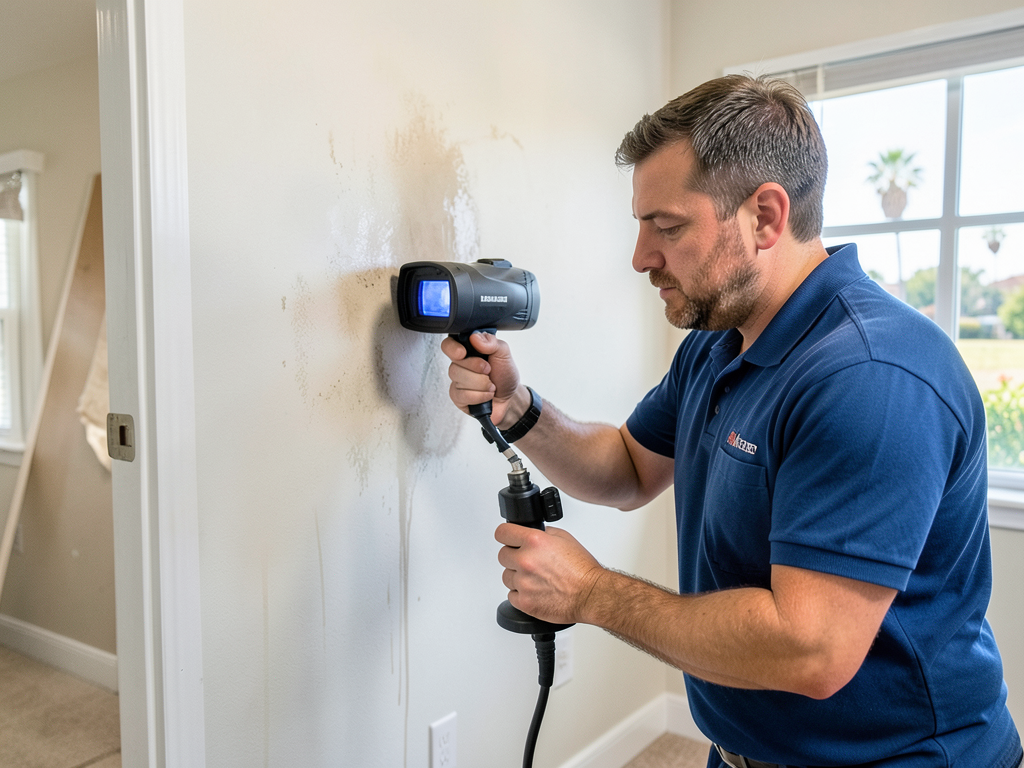
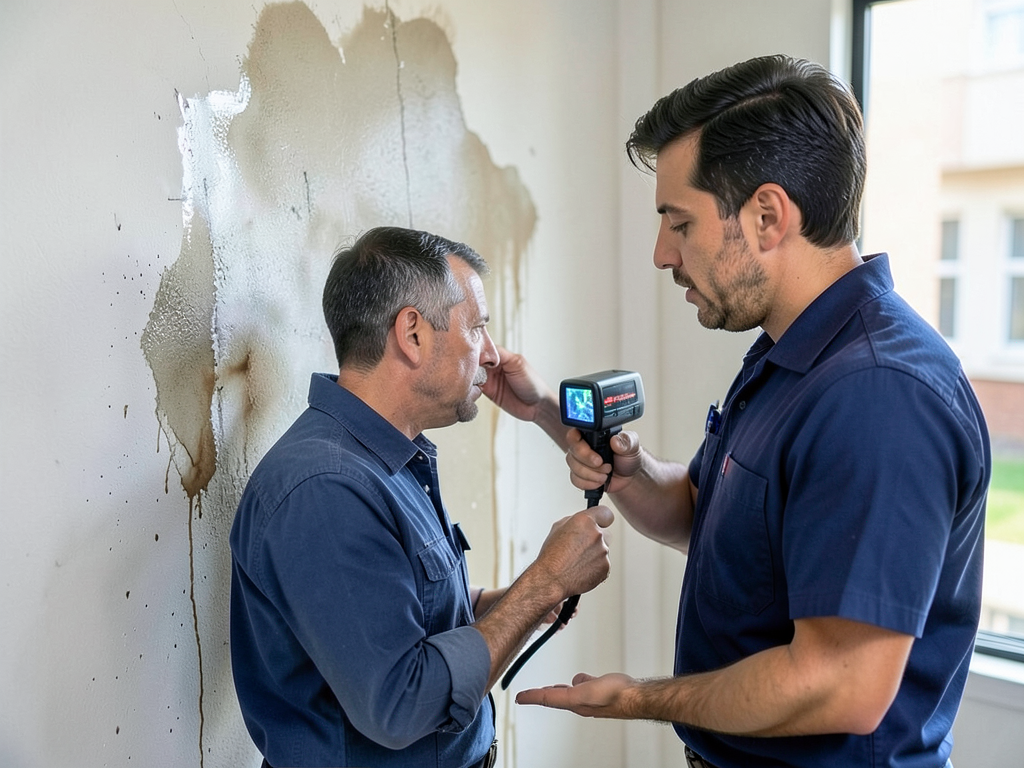
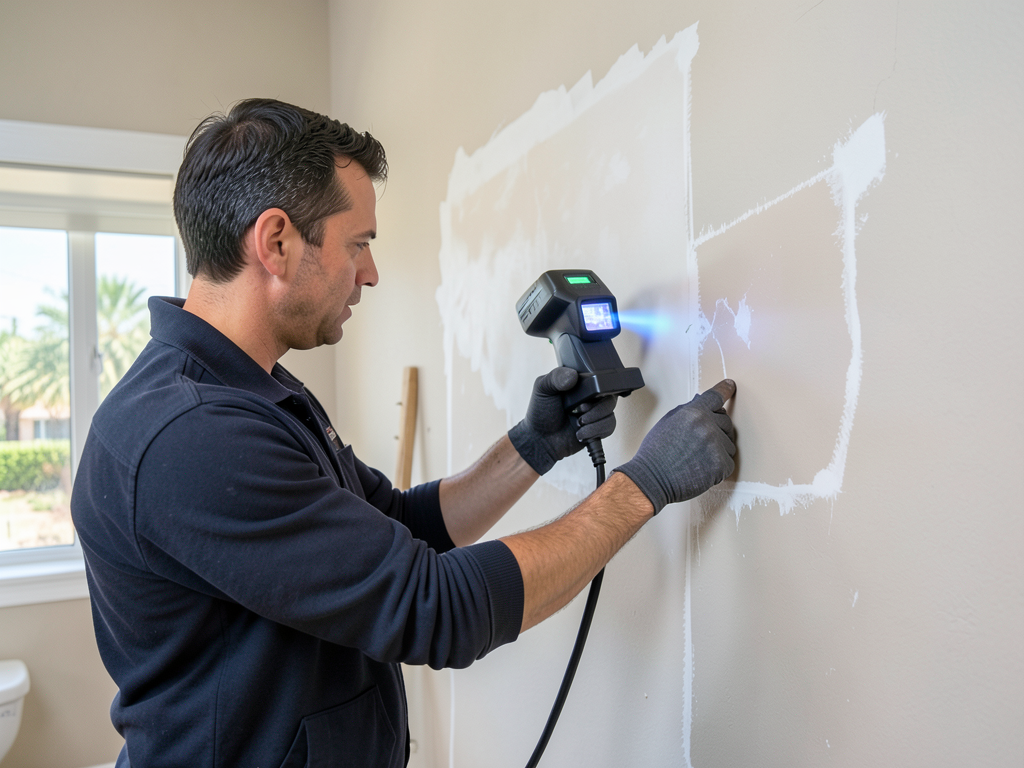
We start with moisture mapping using infrared thermography and pin-type moisture meters. This identifies the water source, whether it is condensation, a hidden leak, or exterior intrusion. Eliminating the moisture source is the only way to prevent recurrence.

Containment comes next. We seal the affected room with polyethylene sheeting and create negative air pressure using HEPA-filtered air scrubbers. This prevents cross-contamination to unaffected areas during remediation. Spore counts in adjacent rooms remain at baseline levels throughout the process.

For black mold spots on drywall, we remove the affected sheetrock completely. Partial removal leaves contaminated material that will recolonize. We cut back to clean framing members, typically 12 to 24 inches beyond visible growth. Wall cavities get HEPA vacuumed to remove settled spores on studs and insulation.

Framing members receive treatment with EPA-registered antimicrobial solutions. We use products specifically rated for porous building materials, not household cleaners. The solution penetrates wood grain and kills hyphae at the root level.

If insulation shows moisture damage or visible growth, we remove it. Fiberglass batts compress when wet and lose R-value permanently. Replacement is more cost-effective than attempting remediation.

After structural treatment and drying, we apply encapsulant primers to framing before installing new drywall. These primers contain antimicrobial additives and create a moisture barrier. New sheetrock gets mold-resistant paperless board in areas prone to moisture exposure, like exterior walls and bathrooms.

Air quality testing confirms clearance before we close walls. Post-remediation spore counts must match outdoor baseline levels.

What Happens During Your Wall Mold Remediation

Visible Mold Growth on Walls in San Diego – Expert Diagnosis and Permanent Remediation
01

Moisture Source Identification

We use thermal imaging cameras to map temperature differentials behind walls and moisture meters to measure water content in building materials. This diagnostic phase identifies whether your mold growth stems from plumbing leaks, exterior water intrusion, or condensation issues. We trace the moisture path from entry point to affected drywall, which determines the scope of remediation and necessary repairs.
02

Containment and Removal

We establish containment barriers using six-mil polyethylene sheeting and negative air machines with HEPA filtration. This isolates the work area and prevents spore migration. Our technicians remove contaminated drywall, cutting back to clean framing members beyond visible growth. All removed materials go directly into sealed bags for disposal. Wall cavities receive HEPA vacuuming to capture settled spores on structural members.
03

Treatment and Restoration

Exposed framing receives antimicrobial treatment using EPA-registered solutions that penetrate wood grain. After confirmed drying, we apply encapsulant primers and install new mold-resistant drywall. Air quality testing verifies spore counts match outdoor baseline levels before final clearance. We provide documentation of the moisture source repair, remediation scope, and post-remediation verification for your records and any insurance claims.

Why San Diego Property Owners Choose Keystone for Mold Remediation

Mold remediation requires California contractor licensing and specific training in containment protocols. Keystone Water Damage Restoration San Diego maintains certified technicians trained in IICRC S520 standards, the industry benchmark for mold remediation. This certification covers assessment, containment, removal, and verification procedures that protect both occupants and remediation workers.

We understand San Diego building construction. Homes built before 1980 often have different wall assemblies than modern construction. Older homes used redwood or Douglas fir framing, which resists decay better than modern lumber but still requires proper treatment after mold exposure. We adjust our remediation approach based on your home's construction era and materials.

Coastal properties require specialized knowledge of salt air corrosion and wind-driven rain patterns. We have remediated mold in homes from Coronado to Encinitas, where ocean exposure creates unique moisture challenges. Our protocols account for the corrosive environment and recommend weatherproofing improvements that prevent future intrusion.

Insurance documentation matters. We provide detailed scope sheets, photo documentation, and moisture readings that insurance adjusters need for claim processing. Our estimates separate emergency mitigation from restoration work, which helps you understand coverage limits and out-of-pocket costs. We work directly with adjusters to explain technical findings and justify necessary scope items.

Local response time matters during water events. We dispatch from our San Diego location, not a regional call center. You get a technician on-site within hours, not days. Early intervention limits mold growth and reduces overall remediation costs.

We also handle the source repair. If your mold growth stems from a plumbing leak, failed window seal, or roof intrusion, we coordinate the necessary repairs as part of the project. You work with one contractor from diagnosis through final restoration, not multiple vendors with conflicting schedules.

What to Expect During Your Mold Remediation Project

Response Time and Scheduling

We provide same-day assessment visits for active mold concerns in San Diego County. Our technician arrives with diagnostic equipment to identify moisture sources and determine remediation scope. You receive a written estimate within 24 hours. Most residential projects schedule within three to five business days of approval. Emergency water events that cause mold get priority scheduling, with containment and mitigation starting within hours. Project duration depends on scope but typically ranges from two to five days for standard wall remediation.

The Assessment Process

Our initial assessment includes moisture mapping, visual inspection of affected areas, and documentation of damage extent. We probe walls to determine if mold growth extends beyond visible areas. Thermal imaging reveals hidden moisture in wall cavities. We explain findings in plain language, showing you exactly what needs removal and why. The estimate itemizes containment setup, material removal, antimicrobial treatment, drying, and reconstruction. We identify the moisture source and provide repair recommendations. Insurance claims get additional documentation including moisture readings and photo evidence.

Project Completion Standards

We consider the job complete when moisture levels return to normal range, all contaminated materials are removed, affected surfaces receive antimicrobial treatment, and air quality testing confirms clearance. New drywall gets finished to match existing texture. Paint in the affected area receives primer and two finish coats. You receive documentation of all work performed, including pre and post moisture readings, photo documentation, and air quality test results. The work area gets cleaned and HEPA vacuumed before final walkthrough.

Preventing Future Growth

After remediation, we provide specific recommendations to prevent recurrence based on your moisture source. This might include improving ventilation, upgrading bathroom exhaust fans, repairing exterior weatherproofing, or adjusting indoor humidity levels. We install mold-resistant building materials in high-risk areas. For homes with chronic condensation issues, we recommend dehumidification solutions. You receive written maintenance guidelines specific to your property. We remain available for follow-up questions and can schedule periodic moisture inspections to verify conditions remain within acceptable ranges.

Frequently Asked Questions

You Have Questions,
We Have Answers

What to do if you see mold on a wall? +

Stop the moisture source immediately. Turn off water if needed, increase ventilation, and avoid touching the mold. Small spots under 10 square feet can be cleaned with detergent and water, but San Diego's coastal humidity often hides larger colonies behind walls. Document the area with photos for insurance purposes. If you see widespread growth, smell musty odors, or have health concerns, call a certified mold remediation specialist. Do not paint over mold or use bleach on porous surfaces like drywall. Professional testing identifies the mold type and moisture source to prevent regrowth.

Can mold cause twitching? +

Muscle twitching can result from mold exposure in some individuals, though it is not a common primary symptom. Mycotoxins from certain mold types affect the nervous system, causing tremors, twitching, or muscle spasms in sensitive people. More typical symptoms include respiratory issues, headaches, and fatigue. If you experience unexplained twitching alongside visible mold in your San Diego home, consult a physician and address the moisture problem immediately. Prolonged exposure worsens neurological effects. Professional mold testing determines if your home has toxic species requiring immediate remediation to protect your health.

Does black mold affect pregnancy? +

Black mold exposure during pregnancy poses risks to both mother and fetus. Pregnant women are more susceptible to respiratory infections, and mycotoxins can trigger complications including increased asthma symptoms, chronic sinusitis, and immune suppression. Some studies suggest links to pregnancy complications, though direct causation remains under research. San Diego's mild climate creates year-round mold conditions in damp areas. If you are pregnant and discover black mold, leave the affected space immediately and arrange professional remediation. Do not attempt DIY removal. Consult your obstetrician about potential exposure and necessary health monitoring.

Is a little mold on walls okay? +

No amount of mold on walls is acceptable. Even small patches indicate moisture problems that will worsen without intervention. Mold releases spores continuously, degrading indoor air quality and triggering allergic reactions, asthma attacks, and respiratory infections. What appears as a small surface stain often extends deep into drywall or studs. San Diego's coastal fog and humidity accelerate hidden growth behind walls. Mold also damages building materials, reducing structural integrity and property value. Address visible mold immediately by fixing leaks, improving ventilation, and consulting a mold specialist to assess the full extent of contamination.

What kills mold permanently on walls? +

Permanent mold removal requires eliminating the moisture source first. For non-porous surfaces like tile or glass, clean with detergent and water, then apply a fungicide rated for mold. For porous materials like drywall or wood, removal often requires cutting out contaminated sections. EPA-registered antimicrobial treatments inhibit regrowth, but moisture control is critical. San Diego homes need proper ventilation in bathrooms and kitchens to combat humidity. Professional remediation uses HEPA filtration, containment barriers, and structural drying to prevent recurrence. Bleach only works on hard surfaces and does not penetrate porous materials where mold roots establish.

Will mold go away if it dries out? +

Mold does not die when it dries out. It becomes dormant. Spores remain viable for years and reactivate immediately when moisture returns. Dry mold is still allergenic and releases spores when disturbed during cleaning or renovation. San Diego's climate fluctuates between dry summers and damp winters, creating ideal reactivation cycles. Even dead mold triggers health reactions in sensitive individuals. Proper remediation requires physical removal of contaminated materials, not just drying. Fix leaks, improve airflow, and use dehumidifiers to maintain indoor humidity below 50 percent. Professional assessment identifies hidden moisture that keeps mold viable behind walls.

What are the 10 warning signs of mold toxicity? +

Ten warning signs of mold toxicity include chronic fatigue, brain fog and memory problems, persistent headaches, respiratory issues like coughing or wheezing, sinus congestion, skin rashes or itching, joint pain, sensitivity to light, digestive problems, and mood changes including anxiety or depression. Symptoms worsen with continued exposure and improve away from the contaminated environment. San Diego residents often dismiss symptoms as seasonal allergies, delaying treatment. If you experience multiple symptoms alongside visible mold or musty odors, seek medical evaluation and professional mold testing. Blood tests and urine mycotoxin panels help confirm exposure levels.

What are signs you are getting sick from mold? +

Early signs of mold illness include sneezing, runny nose, red eyes, skin rash, and throat irritation. As exposure continues, you may develop persistent coughing, wheezing, chest tightness, chronic sinus infections, and severe headaches. Fatigue and difficulty concentrating often follow. Symptoms worsen in the contaminated space and improve when you leave. San Diego's year-round humidity allows continuous exposure in affected homes. Children, elderly individuals, and those with asthma or compromised immune systems show symptoms faster and more severely. If multiple household members develop unexplained respiratory issues, investigate for hidden mold growth and moisture intrusion.

How long does it take to get sick from mold exposure? +

Sensitivity varies widely. Some people react within minutes to hours of exposure, experiencing immediate allergic responses like sneezing, watery eyes, or skin irritation. Others develop symptoms after days or weeks of repeated exposure as mycotoxins accumulate in the body. Immunocompromised individuals and those with pre-existing respiratory conditions show faster reactions. San Diego's consistent humidity means continuous low-level exposure in affected homes, making symptom onset gradual and easy to dismiss. High concentrations of toxic molds like Stachybotrys cause acute symptoms within 24 to 48 hours. Document when symptoms began to help professionals assess exposure duration.

Does mold cause infertility? +

Research suggests mold exposure may contribute to fertility issues in both men and women, though direct causation requires more study. Mycotoxins disrupt hormone balance and immune function, potentially affecting reproductive health. Women exposed to high mold levels report menstrual irregularities and increased miscarriage risk. Men show reduced sperm quality in contaminated environments. San Diego's coastal climate creates persistent moisture conditions that sustain mold growth year-round. If you face unexplained infertility alongside visible mold or chronic respiratory symptoms, address the environmental factor immediately. Consult both a fertility specialist and a certified mold inspector to eliminate potential contributing factors.

How San Diego's Marine Layer Creates Year-Round Mold Risk

San Diego's coastal climate produces persistent morning fog from May through August, when marine layer clouds push inland and raise humidity levels above 70 percent. This moisture-laden air contacts cooler interior wall surfaces and condenses, creating ideal conditions for fungal growth on wall surfaces. Homes without adequate ventilation trap this humidity indoors. The moisture accumulates on north-facing walls and exterior walls with poor insulation. Unlike inland areas with dry heat, San Diego properties face mold risk throughout the year, not just during winter rain. The consistent humidity means black mold spots on drywall can develop even without obvious water damage or leaks.

San Diego building codes have evolved to address moisture management, but homes built before 1990 often lack vapor barriers and proper ventilation systems. Our remediation approach accounts for these older construction methods common in established neighborhoods throughout the county. We understand local building department requirements for mold remediation permits and documentation. Many insurance policies covering San Diego properties require specific protocols and third-party testing for mold claims. Our documentation meets these standards and helps you navigate the claims process. Choosing a local remediation company means working with technicians who understand San Diego construction, climate challenges, and regulatory requirements specific to this region.
Water Damage Restoration Services in The San Diego Area

We are proud to serve the entire San Diego area and invite you to view our service region on the map below. While our emergency response team is mobile and always ready to dispatch to your location rapidly, our central operations base allows us to coordinate efficient service across all of San Diego County. Contact us today for immediate assistance, no matter where your property is located within our service area.

Address:
Keystone Water Damage Restoration San Diego, 4445 Eastgate Dr, San Diego, CA, 92121

Additional Services We Offer

Our news updates

Latest Articles & News from The Blogs

Who Pays for Water Damage When a Neighbor’s Leak Affects Your San Diego Condo Discovering water damage in your condo…

Navigating Liability When a Neighbors Apartment Leaks into Your San Diego Condo

Who Pays for Water Damage When a Neighbor’s Leak Affects Your San Diego Condo Discovering water damage in your condo…

The Critical Steps Your Restoration Team Takes in the First Forty Eight Hours

The Critical Steps Your Restoration Team Takes in the First Forty Eight Hours When water invades your home in San…

Should You Try In Place Drying or Choose a Full Rip Out After a San Diego Flood

Should You Try In Place Drying or Choose a Full Rip Out After a San Diego Flood San Diego homeowners…

Contact Us

Call Keystone Water Damage Restoration San Diego at (858) 203-2555 for same-day mold assessment. Our certified technicians identify the moisture source, explain remediation scope, and provide written estimates. Stop mold growth before it spreads.