menu

Risks of DIY Water Cleanup in San Diego – Why Amateur Extraction Can Cost You Thousands in Hidden Damage

Understanding the dangers of DIY water damage restoration protects your San Diego property from mold growth, structural decay, and insurance claim denials that often result from improper extraction and drying techniques.

Slider Image 1
Slider Image 2
Slider Image 3
Slider Image 4
Slider Image 5
Slider Image 7
Slider Image 8
Slider Image 9
Slider Image 10
Slider Image 11

Why San Diego Homeowners Underestimate Water Damage Severity

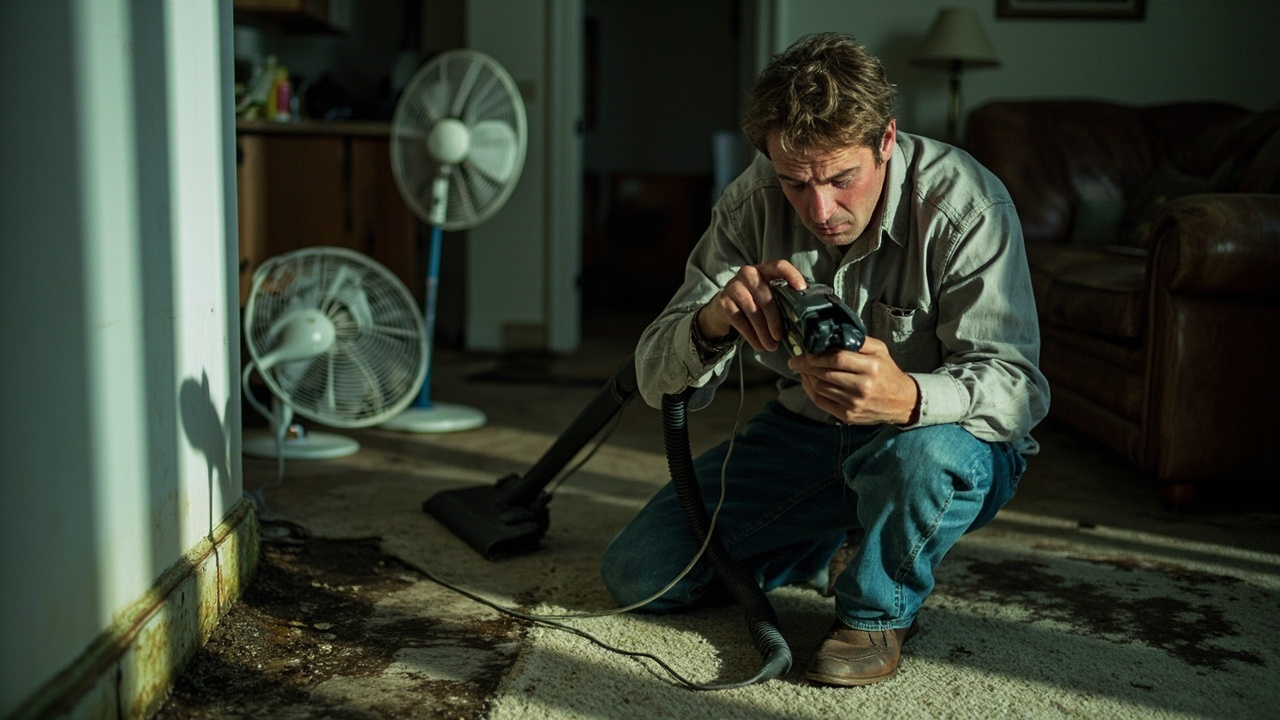
You walk into your kitchen and find water pooling under the sink. Your first instinct is to grab towels, fire up a box fan, and handle it yourself. In San Diego's mild climate, where humidity averages 60 to 75 percent near the coast, that decision can trigger problems you cannot see.

Water travels. It wicks into drywall, seeps beneath tile grout, and saturates subfloors. San Diego's older homes in neighborhoods like North Park and Golden Hill often feature plaster walls and wood lath construction. These materials hold moisture far longer than modern drywall. You may dry the surface, but moisture remains trapped in wall cavities and floor joists.

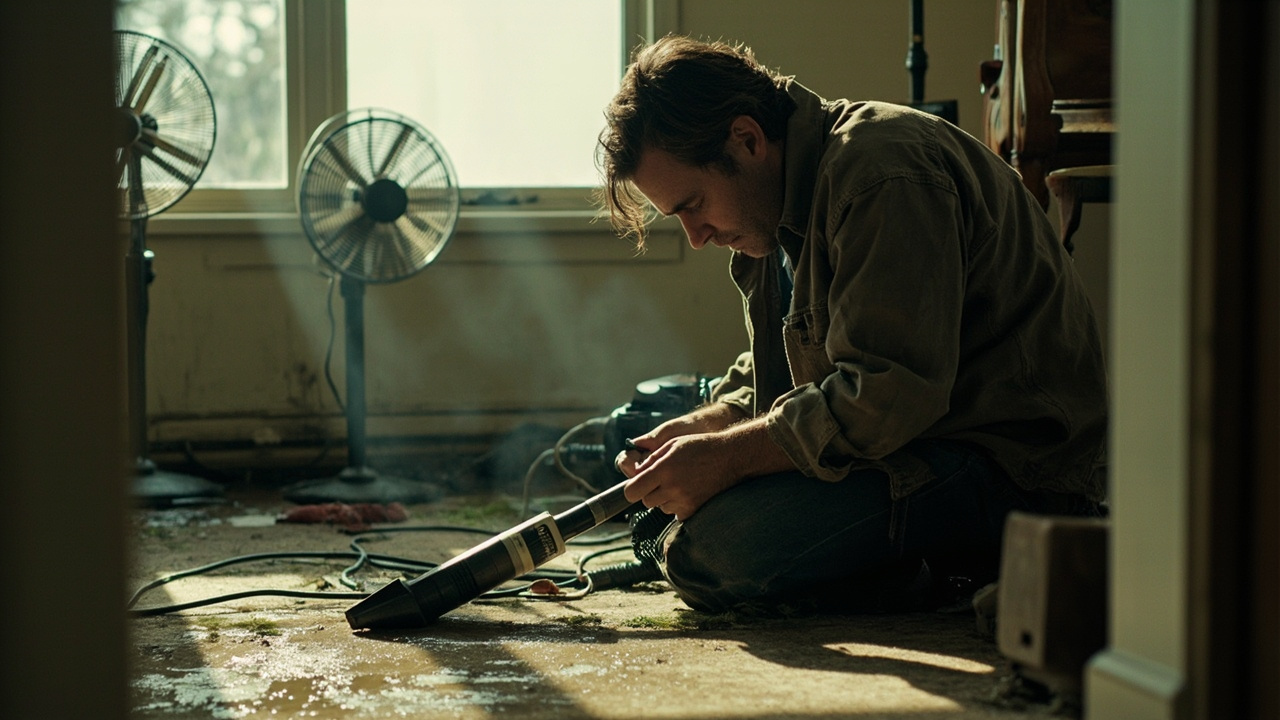
The hazards of do-it-yourself water removal extend beyond visible damage. Within 24 to 48 hours, mold spores colonize damp surfaces. San Diego's coastal moisture accelerates this process. Mold grows behind baseboards, inside wall cavities, and beneath flooring where your shop vacuum cannot reach.

The consequences of amateur water cleanup also include structural compromise. Wood framing absorbs water and weakens. In San Diego's clay-rich soil conditions, foundation movement already stresses floor joists. Add water saturation and you risk sagging floors and cracked framing members.

Insurance companies scrutinize DIY efforts. If you fail to document the damage properly or delay professional mitigation, your claim may be reduced or denied. Adjusters know the hidden risks of self-managed water mitigation. They see failed DIY jobs weekly. You think you are saving money. You are actually gambling with your largest asset.

Why San Diego Homeowners Underestimate Water Damage Severity
Professional Water Extraction and Structural Drying Protocols

Professional Water Extraction and Structural Drying Protocols

Effective water damage restoration follows IICRC S500 standards. This is not a suggestion. It is the industry benchmark that insurance companies and building inspectors expect. Keystone Water Damage Restoration San Diego uses truck-mounted extraction units that pull 10 times more water than portable wet vacuums. We remove standing water in minutes, not hours.

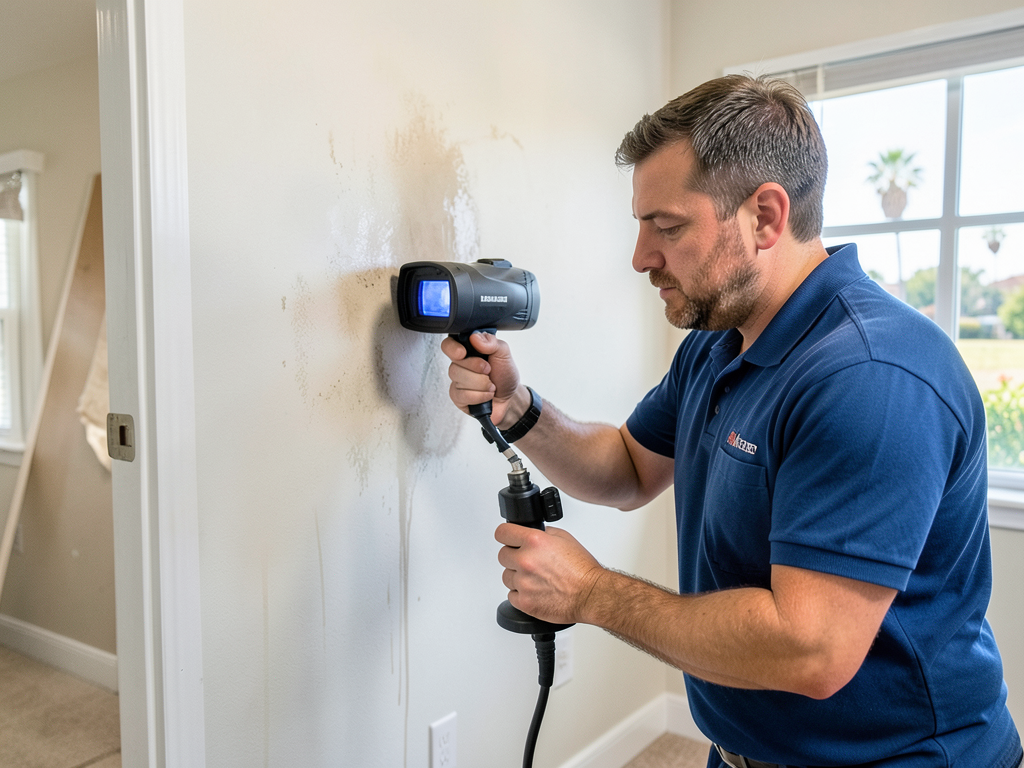
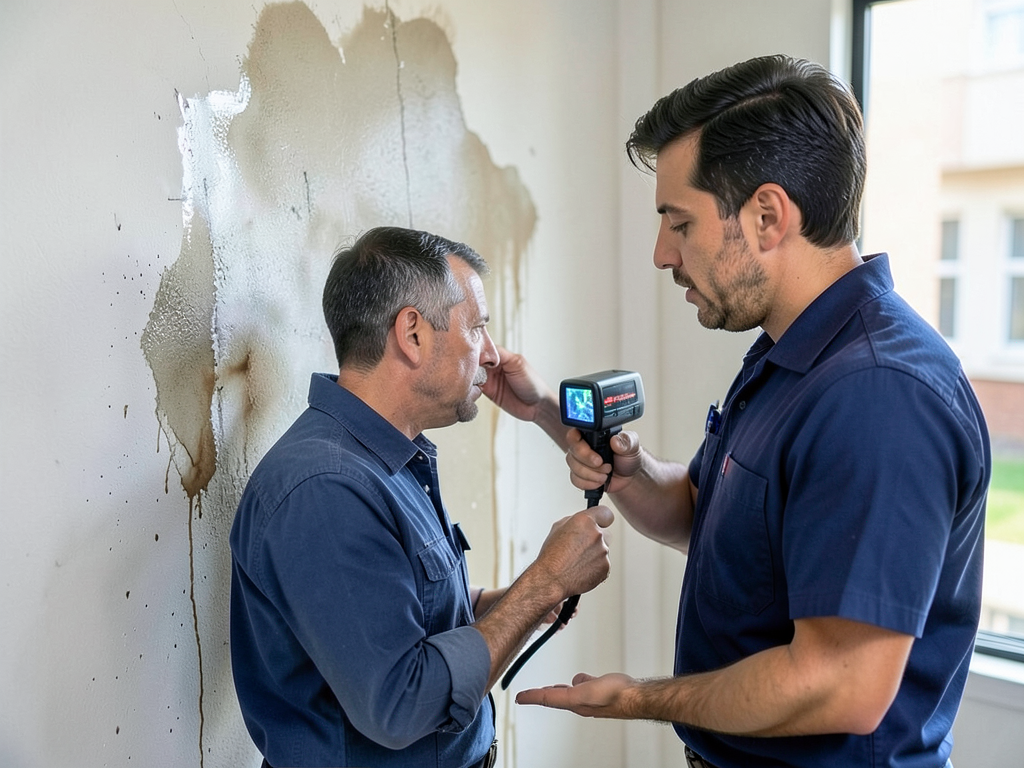
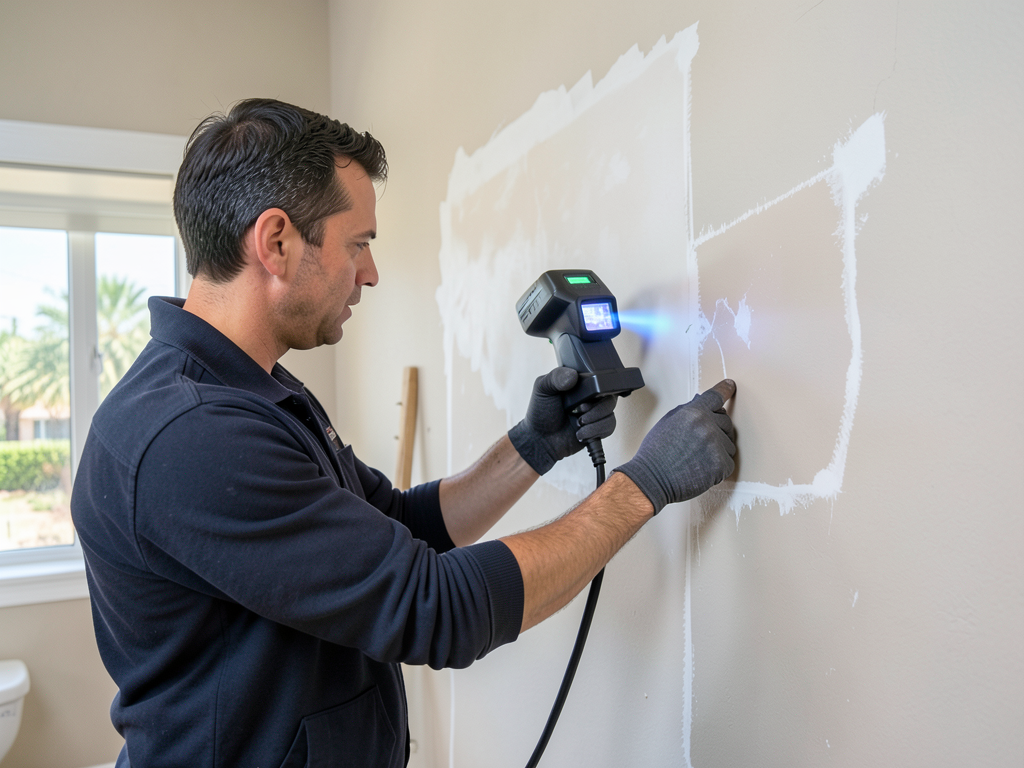
After extraction, we measure moisture content using thermal imaging cameras and penetrating moisture meters. These tools detect water you cannot see. We map moisture levels in wall cavities, ceiling plenums, and subfloor assemblies. This data drives our drying strategy.

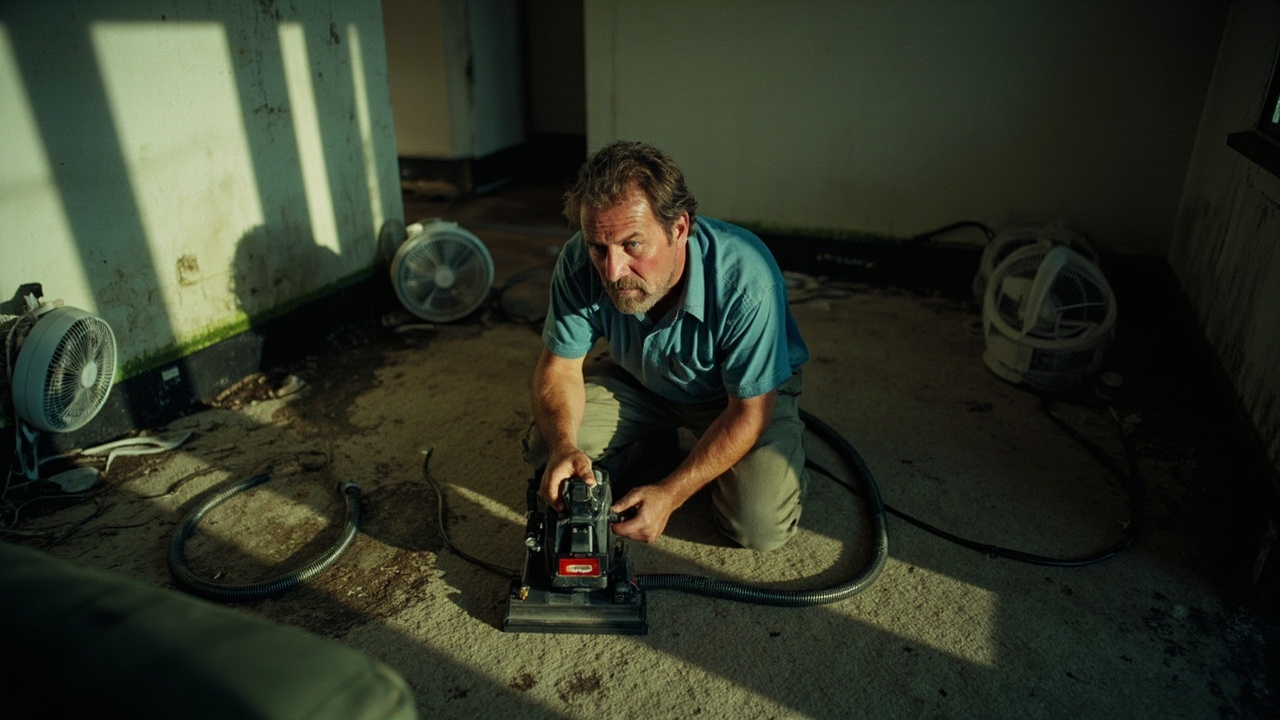
We deploy commercial dehumidifiers rated for specific grain depression and air movers positioned to create balanced drying chambers. The goal is controlled evaporation. Too much airflow in the wrong direction pushes moisture deeper into materials. Too little airflow allows mold to colonize.

We monitor drying progress daily using psychrometric calculations. This means we measure temperature, relative humidity, and material moisture content to determine when structural elements return to dry standard. Dry standard for wood framing in San Diego is typically 12 to 15 percent moisture content. Your box fan and consumer-grade dehumidifier cannot achieve this in a reliable timeframe.

We also address secondary damage. Water carries contaminants. Category 2 water from appliance leaks contains bacteria and detergents. Category 3 water from sewage backups or flooding requires antimicrobial treatment and disposal of porous materials. We follow EPA guidelines for containment and disposal. You do not have access to these protocols or materials.

What Happens When You Call for Professional Water Damage Assessment

Risks of DIY Water Cleanup in San Diego – Why Amateur Extraction Can Cost You Thousands in Hidden Damage
01

Emergency Contact and Dispatch

You call our 24/7 emergency line at (858) 203-2555. We answer immediately, not through an answering service. You describe the situation. We ask specific questions about water source, affected areas, and duration of exposure. Our technician is dispatched within 60 minutes. We arrive with truck-mounted extraction equipment, moisture detection tools, and containment materials ready to stop secondary damage before it compounds.
02

Inspection and Moisture Mapping

We conduct a room-by-room inspection using thermal imaging and moisture meters. We document moisture levels in floors, walls, and ceilings with photographs and psychrometric readings. This data forms your insurance documentation and our mitigation plan. We identify hidden moisture in wall cavities and subfloor assemblies that DIY methods miss. We classify the water category and determine which materials can be dried versus those requiring removal.
03

Drying Verification and Documentation

We monitor your property daily until all materials reach dry standard. We provide you with daily moisture readings and drying logs. When complete, we conduct a final inspection and provide a certificate of completion that documents pre-loss moisture levels have been restored. This documentation protects you if mold or structural issues arise later. Insurance adjusters and future home buyers accept this proof. Your box fan log does not carry the same weight.

Why Local Expertise Matters for San Diego Water Damage

San Diego presents unique restoration challenges that out-of-area restoration companies and DIY efforts fail to address. Our proximity to the Pacific Ocean creates marine layer conditions that elevate ambient humidity. This slows evaporation rates and extends drying times if you do not compensate with commercial dehumidification.

We understand San Diego's building stock. Many homes in Mission Hills, Kensington, and Bankers Hill were built between 1920 and 1950. These properties feature plaster over wood lath, tongue-and-groove subflooring, and pier-and-beam foundations. Water damage in these structures requires different techniques than modern slab-on-grade construction. We know which walls are load-bearing, where plumbing runs, and how water travels through these older assemblies.

San Diego enforces strict building codes through the Development Services Department. Any structural drying that involves wall removal or subfloor replacement may require permits and inspections. We coordinate these requirements. We know which projects trigger permit thresholds and how to document work for inspector approval. If you attempt DIY restoration and violate code, you face stop-work orders and potential fines.

We also maintain relationships with local insurance adjusters who serve San Diego County. They trust our documentation because they have seen our work repeatedly. When you file a claim, our detailed moisture maps and drying logs support your case. Adjusters reduce or deny claims when homeowners provide incomplete documentation or attempt repairs before professional assessment. We protect your claim from the first phone call.

Keystone Water Damage Restoration San Diego operates from San Diego. We do not dispatch crews from Los Angeles or Orange County. We know Clairemont, Linda Vista, and Tierrasanta. We respond faster and understand local conditions better than national franchises.

What to Expect During Professional Water Damage Restoration

Response Time and Availability

We dispatch crews 24 hours a day, seven days a week. When you call (858) 203-2555, you reach a live technician who can assess your situation immediately. We arrive within 60 to 90 minutes for emergency water damage in most San Diego neighborhoods. Our trucks carry extraction equipment, air movers, dehumidifiers, and moisture detection tools. We begin mitigation on the first visit. This speed matters because mold colonization begins within 24 to 48 hours. Every hour you wait increases restoration costs and health risks. We do not schedule appointments days out. We respond now.

Comprehensive Damage Assessment

We inspect every area potentially affected by water intrusion. This includes adjacent rooms, floor levels below the source, and ceiling spaces above. We use thermal imaging cameras to detect temperature differentials that indicate hidden moisture. We use penetrating moisture meters to measure water content in drywall, wood framing, and concrete. We document all findings with photographs and psychrometric data. This assessment determines which materials can be dried in place and which require removal. We provide you with a detailed scope of work before beginning mitigation so you understand exactly what happens and why.

Structural Drying and Restoration

We extract standing water using truck-mounted pumps and portable extractors. We position commercial air movers to create controlled airflow patterns that promote uniform drying. We deploy low-grain refrigerant or desiccant dehumidifiers based on the moisture load and environmental conditions. We monitor progress daily using moisture meters and adjust equipment placement as needed. Drying typically takes three to five days depending on the extent of saturation and materials affected. We do not remove equipment until all materials reach dry standard. Once drying is complete, we conduct antimicrobial treatment if needed and begin reconstruction of removed materials.

Insurance Coordination and Documentation

We provide complete documentation for your insurance claim. This includes moisture maps, drying logs, equipment placement diagrams, and itemized scope of work. We communicate directly with your adjuster to explain our findings and mitigation plan. We use Xactimate estimating software that insurance companies accept as the pricing standard. We can bill your insurance company directly or work with you on a cash basis. Either way, you receive documentation that proves professional mitigation occurred. This protects you from future liability if mold or structural issues emerge later. You also receive a certificate of completion that shows all materials were dried to industry standards.

Frequently Asked Questions

You Have Questions,
We Have Answers

Can you do water remediation yourself? +

You can handle minor spills with towels and fans, but most water damage requires professional equipment. DIY cleanup misses hidden moisture in walls, subfloors, and crawl spaces, which leads to mold growth within 24 to 48 hours. San Diego's coastal humidity accelerates this process. You also lack moisture meters, thermal imaging cameras, and industrial-grade dehumidifiers to ensure complete drying. Contaminated water from sewage or flooding poses serious health risks. Improper cleanup voids insurance claims and causes structural damage. For anything beyond a small, clean water spill, call a certified restoration company to protect your home and health.

How long does it take to clean up water damage? +

Minor water damage takes one to three days to dry completely with professional equipment. Moderate damage to multiple rooms requires three to five days. Severe flooding or sewage contamination can take one to two weeks. Timeline depends on water category, affected materials, humidity levels, and airflow. San Diego's mild climate helps, but coastal moisture slows drying in poorly ventilated spaces. Professional restoration companies use air movers, dehumidifiers, and moisture meters to track progress daily. Delays increase mold risk and structural damage. Starting cleanup within the first 24 hours significantly reduces drying time and prevents secondary damage to drywall, flooring, and insulation.

Is water damage harmful? +

Yes. Water damage creates immediate health hazards and long-term risks. Standing water breeds bacteria, mold, and pathogens within 24 to 48 hours. Category 2 and 3 water contain sewage, chemicals, or contaminants that cause infections, respiratory issues, and skin irritation. Mold spores trigger allergies, asthma attacks, and chronic respiratory problems. Structural damage weakens floors, ceilings, and support beams, creating collapse risks. Electrical hazards increase when water contacts outlets or wiring. San Diego homes with stucco exteriors trap moisture behind walls, worsening mold growth. Children, elderly residents, and people with compromised immune systems face higher risks. Professional cleanup removes contaminants and prevents health complications.

What can water damage do to a home? +

Water damage destroys structural integrity and creates hazardous conditions. It warps hardwood floors, buckles laminate, and saturates carpet padding beyond repair. Drywall absorbs water like a sponge, leading to sagging, crumbling, and mold growth. Wood framing rots, weakening support beams and floor joists. Insulation loses effectiveness when wet and becomes a mold breeding ground. Electrical systems short-circuit, causing fire hazards. In San Diego, stucco homes trap moisture behind exterior walls, accelerating hidden damage. Water stains ceilings, peels paint, and damages cabinetry. Foundation cracks worsen with prolonged exposure. Delayed cleanup leads to thousands in repair costs and potential home devaluation.

Can I safely remove black mold myself? +

No. Black mold releases toxic spores when disturbed, causing respiratory distress, neurological symptoms, and immune system damage. DIY removal spreads spores throughout your home via air currents. You lack proper containment barriers, HEPA filtration, and personal protective equipment required for safe removal. Black mold penetrates porous materials like drywall and wood, requiring professional remediation. San Diego's coastal climate creates ideal conditions for rapid mold spread. Improper cleanup leaves roots intact, causing regrowth within weeks. Certified mold remediation specialists follow IICRC protocols, use antimicrobial treatments, and verify complete removal with air quality testing. Your health is not worth the risk.

What is the safest method to purify water at home? +

Boiling water for one minute kills bacteria, viruses, and parasites, making it safe to drink. Water filtration systems with activated carbon remove chlorine, sediment, and chemicals. Reverse osmosis systems eliminate 99 percent of contaminants, including heavy metals and microorganisms. UV purifiers use ultraviolet light to destroy pathogens without chemicals. For emergency situations, household bleach works in a pinch. Add eight drops of unscented bleach per gallon of water, mix thoroughly, and wait 30 minutes before drinking. San Diego residents on city water already receive treated municipal water, but these methods help during advisories or emergencies. Always verify your water source before treatment.

How likely is mold after water damage? +

Mold grows within 24 to 48 hours after water damage in the right conditions. Probability reaches 100 percent if moisture remains above 60 percent relative humidity for two days. Porous materials like drywall, carpet, and insulation provide food sources for mold spores already present in the air. San Diego's coastal humidity accelerates growth, especially in poorly ventilated bathrooms, basements, and crawl spaces. Hidden moisture behind walls or under flooring creates invisible colonies. Professional water extraction and drying within 24 hours significantly reduces mold risk. Thermal imaging and moisture meters detect hidden water that ensures complete drying before mold takes hold.

How much does water damage remediation cost? +

Water damage remediation costs vary by extent, category, and affected materials. Minor cleanup for one room starts around a few hundred dollars. Moderate damage to multiple rooms ranges higher. Severe flooding or sewage contamination reaches into the thousands. Factors include water extraction, structural drying, mold remediation, disposal, and repairs. San Diego's higher cost of living affects labor rates. Most homeowners insurance policies cover sudden and accidental water damage, minus your deductible. Keep documentation, photos, and receipts for claims. Get multiple estimates from IICRC-certified companies. Delaying cleanup increases costs exponentially due to mold growth and structural deterioration. Act immediately to minimize expenses.

Can you stay in a house with a flooded basement? +

No. Flooded basements create serious health and safety hazards. Standing water breeds mold, bacteria, and pathogens within 24 hours. Electrical systems pose electrocution risks if water contacts outlets, wiring, or appliances. Structural damage weakens foundations and support beams, increasing collapse risk. Sewage contamination causes infections and respiratory illness. Humid air spreads mold spores throughout your home via HVAC systems. San Diego homes without basements face similar risks with crawl space flooding. Children and pets face higher exposure risks. Evacuate immediately and call a restoration company. Stay elsewhere until professionals extract water, dry the structure, and verify safety with moisture readings and air quality tests.

What are the 10 warning signs of mold toxicity? +

Mold toxicity symptoms include chronic fatigue, headaches, difficulty concentrating, memory problems, respiratory issues, sinus congestion, skin rashes, joint pain, digestive problems, and unexplained anxiety or depression. Some people experience numbness, tingling, or light sensitivity. Symptoms worsen with prolonged exposure and vary by individual sensitivity. Children, elderly residents, and people with compromised immune systems show more severe reactions. San Diego's year-round humidity creates persistent mold problems in water-damaged homes. If you experience multiple symptoms after water damage or notice musty odors, get professional mold testing immediately. Medical evaluation helps rule out other conditions. Certified remediation removes the source and improves indoor air quality.

How San Diego's Coastal Climate Amplifies Water Damage Risks

San Diego's marine layer creates persistent humidity that complicates water damage restoration. From May through August, morning fog and coastal moisture keep relative humidity between 65 and 80 percent in neighborhoods from Ocean Beach to La Jolla. This ambient moisture slows evaporation rates. When you attempt DIY water cleanup using box fans and portable dehumidifiers, you are fighting an environment that naturally resists drying. Professional restoration equipment compensates for this climate reality with higher grain depression capacity and controlled airflow. The pitfalls of DIY water extraction become obvious when materials remain damp for weeks, triggering mold growth and wood rot that would not occur in drier climates.

San Diego's Development Services Department enforces California Building Code standards for water damage restoration. Any work that involves structural modification, electrical systems, or plumbing repairs requires permits and inspections. Professional restoration companies understand these requirements and coordinate with inspectors. We know when work triggers permit thresholds and how to document repairs for code compliance. This local knowledge protects your property value and legal liability. When you sell your home, undisclosed water damage or unpermitted repairs surface during inspections. Buyers walk away or demand price reductions. Professional documentation from a licensed San Diego restoration company prevents these problems.
Water Damage Restoration Services in The San Diego Area

We are proud to serve the entire San Diego area and invite you to view our service region on the map below. While our emergency response team is mobile and always ready to dispatch to your location rapidly, our central operations base allows us to coordinate efficient service across all of San Diego County. Contact us today for immediate assistance, no matter where your property is located within our service area.

Address:
Keystone Water Damage Restoration San Diego, 4445 Eastgate Dr, San Diego, CA, 92121

Additional Services We Offer

Our news updates

Latest Articles & News from The Blogs

Who Pays for Water Damage When a Neighbor’s Leak Affects Your San Diego Condo Discovering water damage in your condo…

Navigating Liability When a Neighbors Apartment Leaks into Your San Diego Condo

Who Pays for Water Damage When a Neighbor’s Leak Affects Your San Diego Condo Discovering water damage in your condo…

The Critical Steps Your Restoration Team Takes in the First Forty Eight Hours

The Critical Steps Your Restoration Team Takes in the First Forty Eight Hours When water invades your home in San…

Should You Try In Place Drying or Choose a Full Rip Out After a San Diego Flood

Should You Try In Place Drying or Choose a Full Rip Out After a San Diego Flood San Diego homeowners…

Contact Us

Call Keystone Water Damage Restoration San Diego now at (858) 203-2555. We answer 24/7 and dispatch crews within 60 minutes. Do not wait for mold to colonize or structural damage to compound. Professional mitigation starts with one phone call.