menu

Cupping or Buckling Wood Floors in San Diego – Expert Diagnosis and Permanent Repair Solutions

When warped hardwood flooring threatens your property value, our water damage restoration specialists identify the moisture source, dry affected subfloors, and restore structural integrity to prevent recurring damage.

Slider Image 1
Slider Image 2
Slider Image 3
Slider Image 4
Slider Image 5
Slider Image 7
Slider Image 8
Slider Image 9
Slider Image 10
Slider Image 11

Why San Diego Wood Floors Buckle and Cup Without Warning

You walk across your living room and notice the floorboards feel different. The edges are higher than the center. Or maybe the entire plank has lifted, creating a peaked ridge where two boards meet. This is not normal wear and tear.

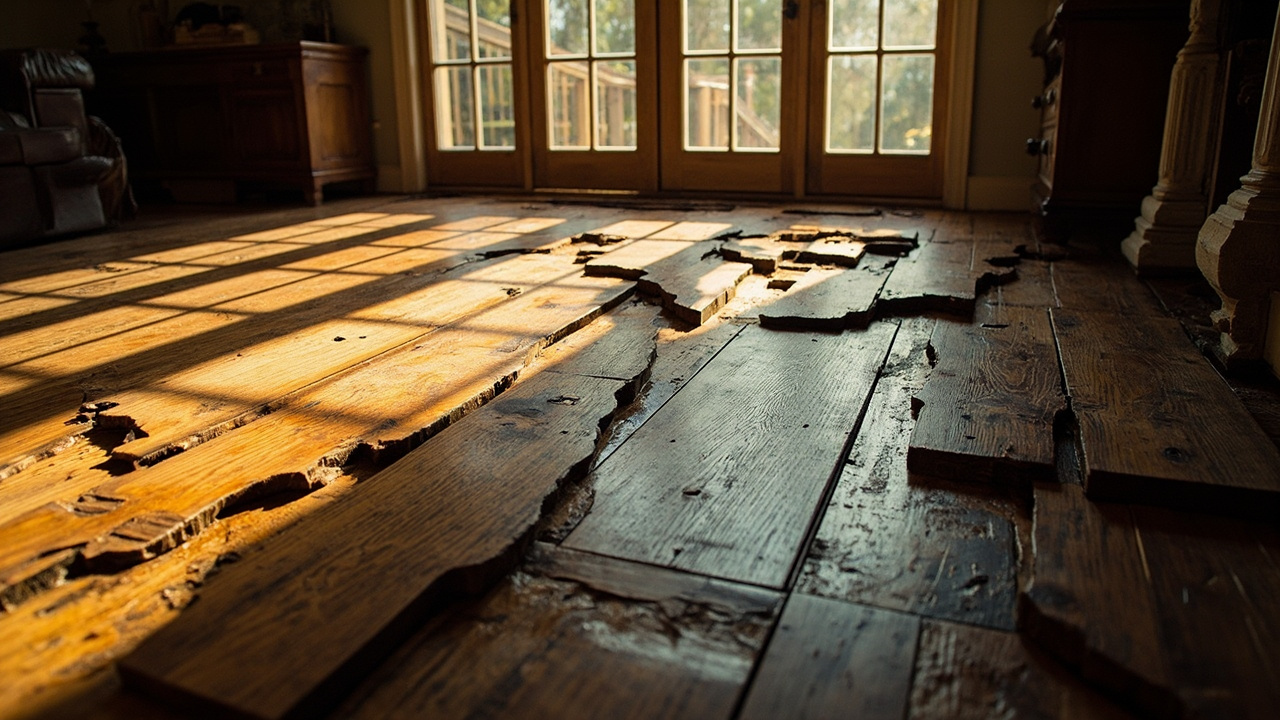
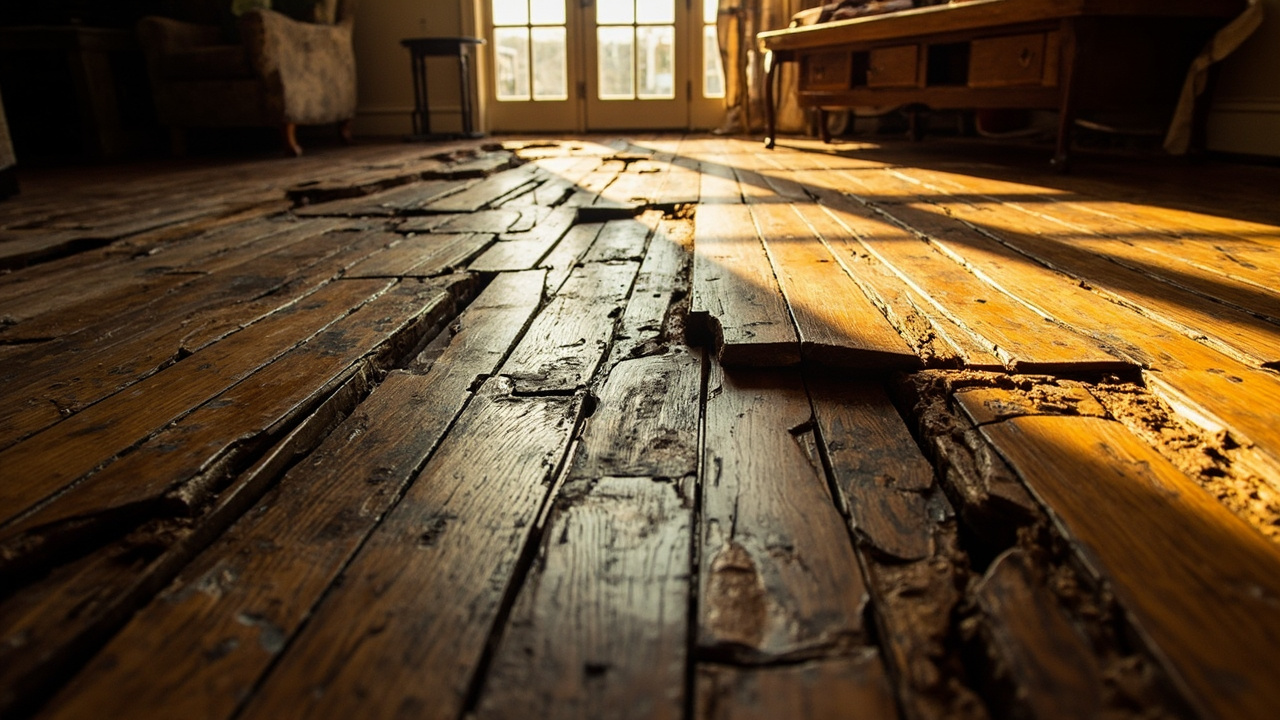
Cupping happens when moisture infiltrates from below. The wood absorbs water faster on the bottom than the top, causing the edges to rise while the center stays flat. Buckling is more severe. The entire plank lifts and separates from the subfloor, creating a visible hump or wave across the room.

San Diego's coastal proximity creates unique challenges. Marine layer fog and ocean air increase ambient humidity, especially in neighborhoods near La Jolla, Pacific Beach, and Point Loma. When you combine that moisture with poor crawl space ventilation or undetected plumbing leaks, wood floors respond immediately. The swollen wood planks expand against each other, and when they run out of space, they push upward.

Lifting floorboards signal active moisture intrusion. The source could be a slow leak under a slab foundation, condensation on cold pipes, or groundwater seeping through a cracked vapor barrier. Older homes in neighborhoods like North Park and Normal Heights often lack modern moisture barriers entirely, making them especially vulnerable.

Peaking hardwood joints and raised wood floor edges are warning signs. Ignoring them leads to mold growth in the subfloor, structural damage to floor joists, and eventual replacement costs that exceed what proper restoration would have cost initially. The longer moisture sits, the worse the damage becomes.

Why San Diego Wood Floors Buckle and Cup Without Warning
How We Diagnose and Restore Water-Damaged Hardwood Floors

How We Diagnose and Restore Water-Damaged Hardwood Floors

Most contractors look at the floor. We look at the system beneath it.

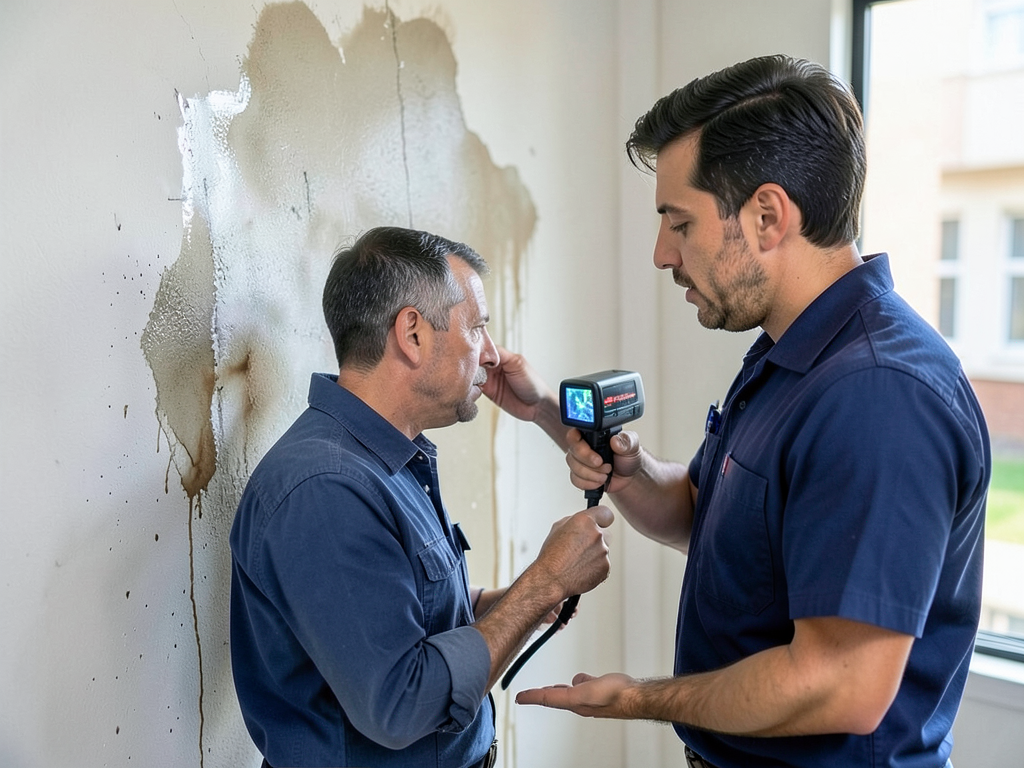
Our technicians use moisture meters with deep-probe sensors to measure moisture content in the wood itself and in the subfloor layers. We take readings at multiple points across the affected area and in unaffected sections to establish a baseline. If your hardwood registers above 12 percent moisture content, you have an active problem. Subfloors above 18 percent indicate severe intrusion.

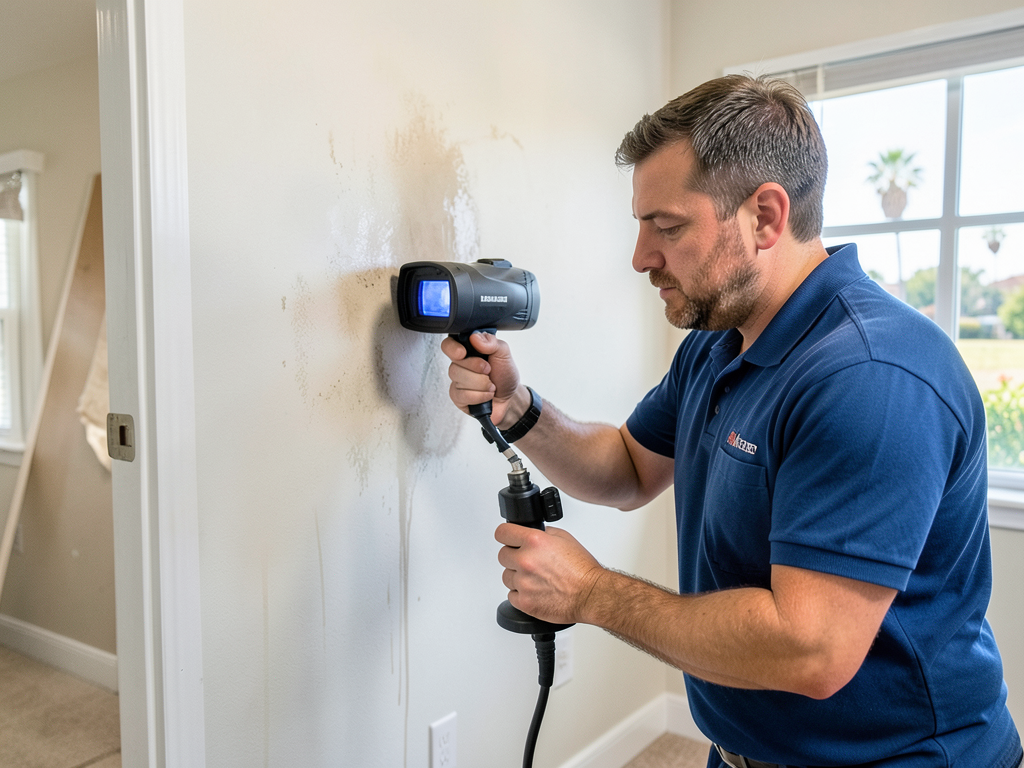
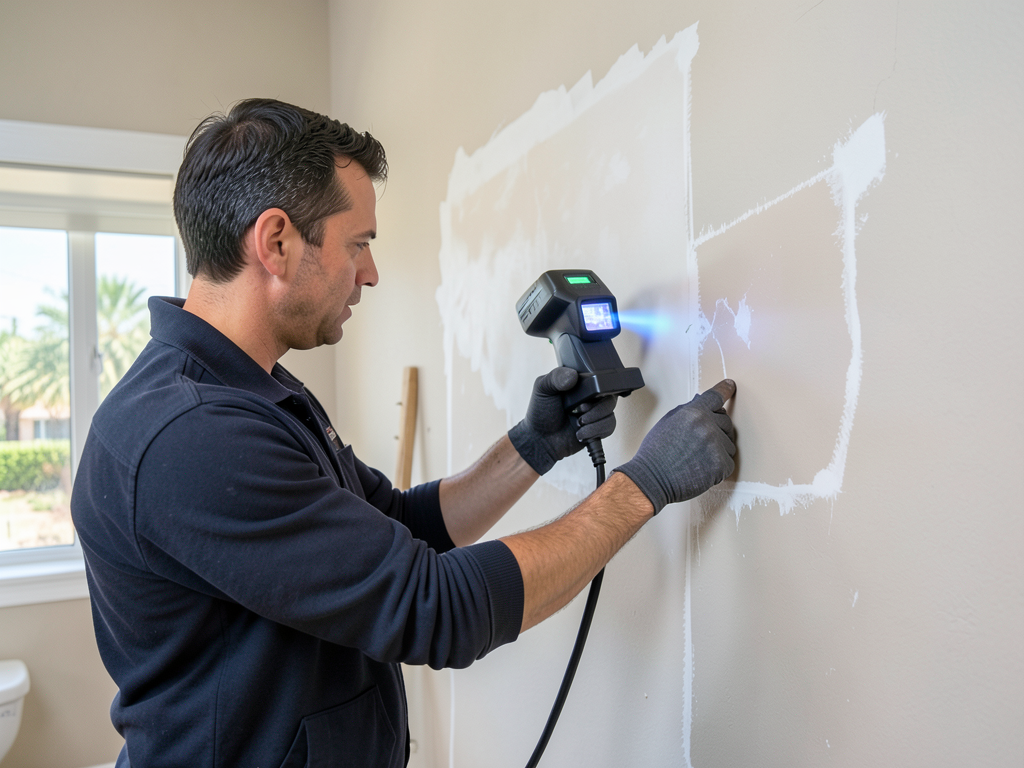
Next, we identify the source. We inspect crawl spaces for standing water, check vapor barriers for tears or gaps, and use thermal imaging cameras to detect hidden leaks in plumbing lines embedded in concrete slabs. San Diego slab foundations are common, and detecting leaks without invasive drilling requires specialized equipment. We locate the exact moisture entry point before any repair begins.

Once we isolate the source, we extract standing water and deploy commercial dehumidifiers and air movers to dry the subfloor structure. This is not a 24-hour process. Depending on severity, complete drying can take three to five days. We monitor moisture levels daily until readings drop into acceptable ranges.

For cupped floors, if the wood has not been wet for more than a few days, the planks often return to their original shape once dried properly. For buckled floors or prolonged exposure, we remove and replace damaged planks, ensuring new wood matches the existing grain and finish. We also address subfloor damage, replacing sections of plywood or OSB that show rot or delamination.

Keystone Water Damage Restoration San Diego uses IICRC-certified drying protocols. We document moisture readings, take photos of affected areas, and provide detailed reports for insurance claims. We do not guess. We measure, document, and verify.

What Happens When You Call About Warped Floors

Cupping or Buckling Wood Floors in San Diego – Expert Diagnosis and Permanent Repair Solutions
01

Immediate Moisture Assessment

We arrive with moisture detection equipment and inspect the affected area within hours of your call. Our technicians measure moisture content in visible flooring and probe subfloor layers to determine saturation depth. We identify whether the moisture source is active or residual, check crawl spaces or slab edges, and provide a written assessment before any work begins.
02

Source Elimination and Drying

We stop the water intrusion, whether that means coordinating a plumbing repair, sealing a foundation crack, or installing a vapor barrier. Then we extract standing water and deploy industrial dehumidifiers and air movers to dry subfloor structures. We monitor moisture levels daily, adjusting equipment placement to ensure complete drying. This phase typically takes three to five days depending on saturation depth.
03

Floor Restoration and Prevention

Once subfloor moisture drops below 12 percent, we assess the hardwood planks. If cupping is reversible, we allow the wood to acclimate and flatten naturally. If planks are permanently damaged, we remove and replace them with matching wood, sand, and refinish to blend seamlessly. We also install preventive measures like improved vapor barriers or crawl space ventilation to eliminate future risk.

Why San Diego Property Owners Choose Local Water Damage Specialists

You need someone who understands how San Diego homes are built.

Most properties built before 1980 in neighborhoods like City Heights, Clairemont, and Allied Gardens sit on raised foundations with crawl spaces. These homes were often built without adequate vapor barriers, and decades of moisture exposure create chronic problems. Newer construction in areas like Carmel Valley and Scripps Ranch often uses post-tension slab foundations. Detecting leaks in these slabs without causing additional damage requires experience with California slab construction methods.

Keystone Water Damage Restoration San Diego has worked in every major San Diego neighborhood. We know which homes are prone to moisture issues based on age, foundation type, and proximity to the coast. We understand how marine layer fog affects indoor humidity and how poor crawl space ventilation accelerates wood deterioration. This is not generic knowledge. It comes from years of responding to calls across the county.

We also coordinate directly with local insurance adjusters. San Diego property insurance policies vary widely in their water damage coverage. Some policies cover sudden leaks but exclude long-term seepage. Others require specific documentation of the moisture source before approving repairs. We provide the detailed moisture logs, photos, and written reports adjusters need to process claims quickly. We do not leave you to figure that out alone.

Our goal is to restore your floors correctly the first time. That means identifying the root cause, drying the structure completely, and installing preventive measures that stop the problem from returning. Quick fixes do not work. Proper restoration does.

What You Can Expect From Start to Finish

Response Time and Availability

We answer calls 24 hours a day, seven days a week. Water damage does not wait for business hours. When you call about cupping or buckling floors, we schedule an assessment within the same day or the next morning, depending on your availability. Our technicians arrive with diagnostic equipment ready to take moisture readings immediately. If the situation requires emergency water extraction, we begin that work on the first visit. For non-emergency assessments, we provide a written scope of work and timeline before starting any repairs.

Comprehensive Moisture Inspection

Our initial inspection goes beyond surface symptoms. We measure moisture content in hardwood planks, subfloors, and underlying structural components. We inspect crawl spaces for standing water, check vapor barriers for damage, and use thermal imaging to detect hidden plumbing leaks. If your home has a slab foundation, we examine slab edges and use acoustic leak detection equipment to locate pressurized pipe failures without drilling unnecessary holes. You receive a detailed moisture map showing affected areas and the suspected source of intrusion before we begin any repair work.

Final Floor Condition and Appearance

Once drying is complete, we assess whether your hardwood can recover or requires replacement. Floors with minor cupping often flatten naturally once moisture is removed. Severely buckled or warped planks get replaced with matching wood species, grain pattern, and finish. If replacement is necessary, we sand and refinish the entire room to ensure a uniform appearance. You will not be able to tell which planks were replaced. Our goal is restoration that matches your existing floor exactly, both structurally and visually.

Long-Term Prevention and Monitoring

We do not walk away after the floor is dry. We address the conditions that caused the problem in the first place. That may include installing a new vapor barrier in your crawl space, improving ventilation, or sealing foundation cracks that allow groundwater intrusion. We also provide guidance on maintaining proper indoor humidity levels to protect your hardwood long-term. If your property is prone to seasonal moisture issues, we offer monitoring services where we return to take moisture readings and verify that your floors remain stable.

Frequently Asked Questions

You Have Questions,
We Have Answers

What is the difference between wood buckling and cupping? +

Cupping occurs when the edges of individual planks rise higher than the center, creating a concave shape. This happens when moisture absorbs into the bottom of the boards faster than the top. Buckling is more severe. The entire floor lifts away from the subfloor, creating visible peaks or ridges. Buckling means the wood has expanded so much it has nowhere to go but up. In San Diego homes, cupping often starts from slab moisture or plumbing leaks. If ignored, cupping can progress to full buckling. Both require moisture correction first, then structural assessment.

What does a buckled hardwood floor look like? +

A buckled hardwood floor shows dramatic vertical displacement. You will see planks lifted several inches off the subfloor, often forming tent-like peaks or waves across the room. Boards may crack, split, or separate at the seams. You can usually slide your hand underneath the raised sections. In severe cases, entire sections pull away from fasteners. San Diego homes with post-tension slab foundations are especially vulnerable after water intrusion events. The damage is obvious and dangerous. Walking on buckled floors risks further breakage and injury. Immediate professional assessment is necessary.

Will my cupped wood floors flatten? +

Cupped floors may flatten if you catch the problem early and remove the moisture source completely. Once the subfloor and wood planks return to normal moisture levels, minor cupping can self-correct over weeks or months. However, this depends on how long the moisture was present and how severe the cupping became. In San Diego's mild climate, ambient humidity alone rarely flattens cupped floors. You need professional drying equipment and monitoring. If cupping persists after drying, the boards may need sanding or replacement. Never sand cupped floors before they dry completely or you will create permanent damage.

What does cupping look like on a wood floor? +

Cupping creates a washboard effect across your floor. Each plank curves upward at the edges, forming a shallow cup or trough down the center. Run your hand across the boards and you will feel the raised edges. The gaps between planks may widen as moisture swells the wood. In San Diego homes, cupping often appears near bathrooms, kitchens, or exterior walls where moisture intrusion occurs. The damage starts subtle but worsens quickly. You may notice finish cracking along the plank edges first. Cupping always indicates active or recent moisture problems beneath or around the flooring.

Will buckled hardwood floors go back to normal? +

Buckled floors rarely return to normal on their own. The extreme expansion that caused buckling has usually damaged the wood fibers, fasteners, and subfloor connection permanently. Even if you eliminate the moisture source, the planks remain warped and displaced. Minor buckling caught immediately might settle somewhat after professional drying, but expect to replace affected sections. In San Diego, buckled floors from water damage or foundation moisture require complete removal and subfloor remediation. Trying to force buckled boards back down without addressing the underlying moisture and structural issues guarantees future failure. Replacement is almost always necessary.

Is it normal for hardwood floors to cup? +

No, cupping is never normal. It signals a moisture imbalance problem that needs immediate attention. Hardwood floors should remain flat and stable when properly installed with correct moisture barriers and acclimation. In San Diego, cupping most often results from slab moisture, plumbing leaks, or improper installation over concrete without vapor barriers. Even minor cupping indicates the wood is absorbing moisture from below or from the environment. Left unchecked, cupping worsens and can lead to buckling, mold growth, and subfloor damage. If you see cupping, find the moisture source and fix it immediately.

Is there a way to fix buckled hardwood floors? +

Yes, but only after you eliminate the moisture source completely. First, identify and repair the leak, vapor barrier failure, or humidity problem causing the buckling. Then dry the subfloor thoroughly using commercial dehumidifiers and air movers. Most buckled sections require complete removal and replacement. The subfloor must be inspected for damage, mold, or structural compromise. In San Diego homes, buckled floors often hide additional water damage beneath. After subfloor repairs, install new planks with proper moisture barriers. Attempting cosmetic fixes without addressing moisture guarantees the problem returns. Professional water damage restoration ensures proper sequencing.

How to tell if a floor is buckling? +

Buckling is visible and tactile. Walk across the floor and you will feel raised areas that move underfoot. Look for planks lifted away from the subfloor, forming peaks, ridges, or waves. You may hear hollow sounds when walking over affected areas. Check for gaps where boards have pulled away from walls or adjacent planks. In San Diego homes, buckling often appears after water events or in rooms above crawl spaces with moisture problems. Use a flashlight at floor level to see shadows cast by lifted boards. If you suspect buckling, stop walking on the area to prevent further damage.

How much does it cost to fix a buckled floor? +

Repair costs vary widely based on damage extent, flooring type, and whether subfloor replacement is necessary. Minor buckling confined to a few square feet may cost hundreds of dollars. Extensive buckling requiring subfloor repair, mold remediation, and refinishing can reach several thousand dollars. In San Diego, expect additional costs if moisture barriers or concrete sealing are needed. Insurance may cover water damage repairs depending on the cause. Get multiple detailed estimates that include moisture testing, subfloor inspection, and matching materials. Cheap fixes that skip proper drying and subfloor assessment will fail quickly.

Can cupped hardwood floors be fixed? +

Cupped floors can often be fixed if addressed quickly. The first step is eliminating the moisture source completely. After thorough drying with professional equipment, minor cupping may self-correct as the wood returns to normal moisture content. This process takes weeks to months. If cupping remains after drying, light sanding can restore flatness. However, sanding before complete drying creates irreversible crowned floors. In San Diego, cupped floors from slab moisture require vapor barrier installation before refinishing. Severe cupping or cases with mold growth beneath require plank replacement. Professional moisture monitoring ensures proper timing for repairs.

How San Diego's Coastal Climate Creates Hidden Floor Moisture Problems

San Diego's marine layer fog and ocean proximity create persistent humidity that most homeowners do not notice until their floors start warping. Coastal neighborhoods like Ocean Beach, Mission Beach, and Sunset Cliffs experience higher ambient moisture year-round, and that moisture migrates into crawl spaces and subfloor cavities. When wood flooring sits above a damp crawl space without an adequate vapor barrier, the planks absorb moisture from below at a rate faster than indoor air can balance. This creates the classic cupping pattern where edges rise and centers stay flat. Inland areas like El Cajon and Santee face different challenges, with fluctuating seasonal humidity that causes wood to expand in summer and contract in winter, leading to joint separation and eventual buckling.

Keystone Water Damage Restoration San Diego specializes in moisture control strategies designed specifically for Southern California construction. We understand how local building practices from different decades affect floor stability. Homes built in the 1960s and 1970s often lack modern vapor barriers entirely, while newer construction sometimes uses inadequate barriers that tear or shift over time. We work with local building inspectors and follow San Diego County code requirements for moisture mitigation in both residential and commercial properties. Our technicians stay current on California Title 24 energy code updates that affect crawl space ventilation and humidity control, ensuring your repairs meet current standards and prevent recurring problems.
Water Damage Restoration Services in The San Diego Area

We are proud to serve the entire San Diego area and invite you to view our service region on the map below. While our emergency response team is mobile and always ready to dispatch to your location rapidly, our central operations base allows us to coordinate efficient service across all of San Diego County. Contact us today for immediate assistance, no matter where your property is located within our service area.

Address:
Keystone Water Damage Restoration San Diego, 4445 Eastgate Dr, San Diego, CA, 92121

Additional Services We Offer

Our news updates

Latest Articles & News from The Blogs

Who Pays for Water Damage When a Neighbor’s Leak Affects Your San Diego Condo Discovering water damage in your condo…

Navigating Liability When a Neighbors Apartment Leaks into Your San Diego Condo

Who Pays for Water Damage When a Neighbor’s Leak Affects Your San Diego Condo Discovering water damage in your condo…

The Critical Steps Your Restoration Team Takes in the First Forty Eight Hours

The Critical Steps Your Restoration Team Takes in the First Forty Eight Hours When water invades your home in San…

Should You Try In Place Drying or Choose a Full Rip Out After a San Diego Flood

Should You Try In Place Drying or Choose a Full Rip Out After a San Diego Flood San Diego homeowners…

Contact Us

Warped floors get worse every day moisture remains. Call Keystone Water Damage Restoration San Diego at (858) 203-2555 now for same-day moisture assessment. We identify the source, dry your subfloor completely, and restore your hardwood floors to their original condition.