
menu

Mold Remediation & Removal in San Diego | Certified Protocols That Stop Regrowth and Pass Post-Clearance Testing

Professional mold decontamination using EPA-registered antimicrobials, HEPA filtration, and third-party air quality verification to ensure your San Diego property meets California health and safety standards.

Slider Image 1
Slider Image 2
Slider Image 3
Slider Image 4
Slider Image 5
Slider Image 7
Slider Image 8
Slider Image 9
Slider Image 10
Slider Image 11

Why Mold Takes Hold in San Diego Properties

San Diego's coastal proximity creates an environment where mold thrives year-round. Marine layer moisture combines with aging HVAC systems in homes across Pacific Beach, Mission Valley, and Clairemont to create dew points above 55 degrees. That is the threshold where surface condensation begins.

You see black spots around bathroom exhaust vents. You smell that earthy, sour odor in closets. You notice discoloration spreading across drywall in older Craftsman homes where original lath-and-plaster walls lack vapor barriers. These are not cosmetic issues. They signal active microbial growth releasing spores into your indoor air.

Coastal fog penetrates wall cavities through compromised building envelopes. Older homes in North Park and Hillcrest often lack adequate attic ventilation. This traps humidity between insulation and roof decking. Mold colonies establish themselves on organic materials like wood framing, paper backing on drywall, and cellulose insulation.

The problem accelerates after water intrusion events. A slow leak from a water heater in your garage. A pinhole leak in copper piping behind walls. A backup from the sewer lateral common in older San Diego neighborhoods with clay pipes and root intrusion. Within 48 hours, mold begins colonization.

Surface cleaning with bleach does not work. Bleach cannot penetrate porous materials. It kills surface mold but leaves the root structure intact. Professional mold mitigation requires containment, removal of contaminated materials, antimicrobial application, and air scrubbing with HEPA filtration. Anything less leaves you vulnerable to regrowth and continued exposure.

Why Mold Takes Hold in San Diego Properties
How We Eliminate Mold at the Source

How We Eliminate Mold at the Source

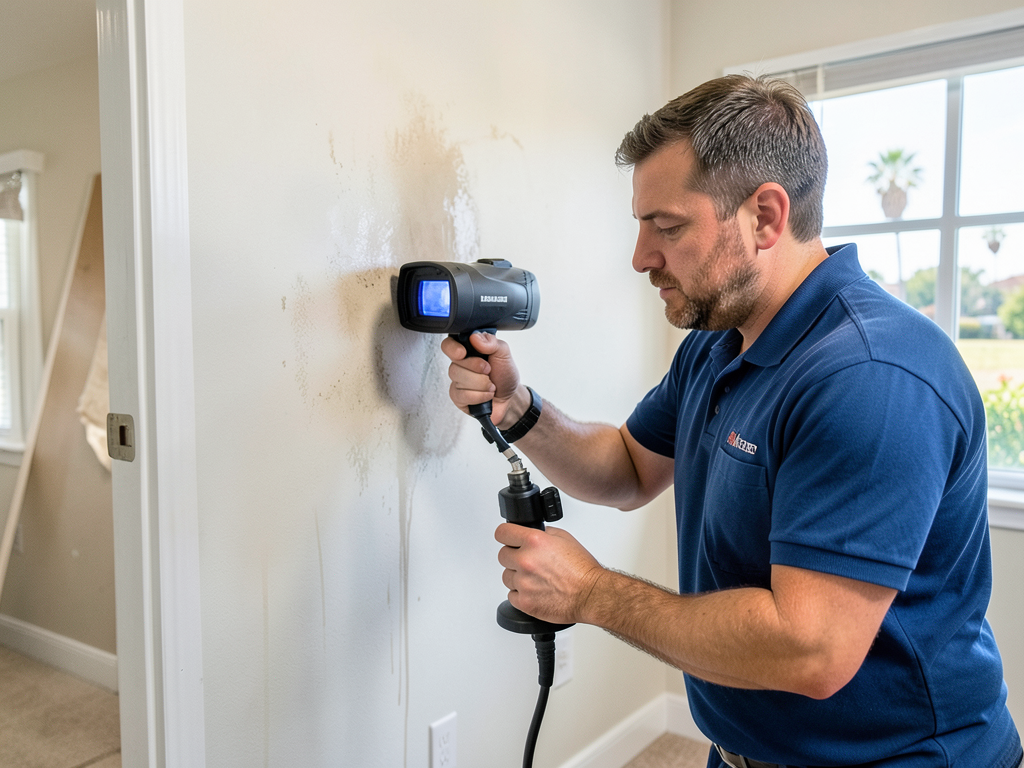
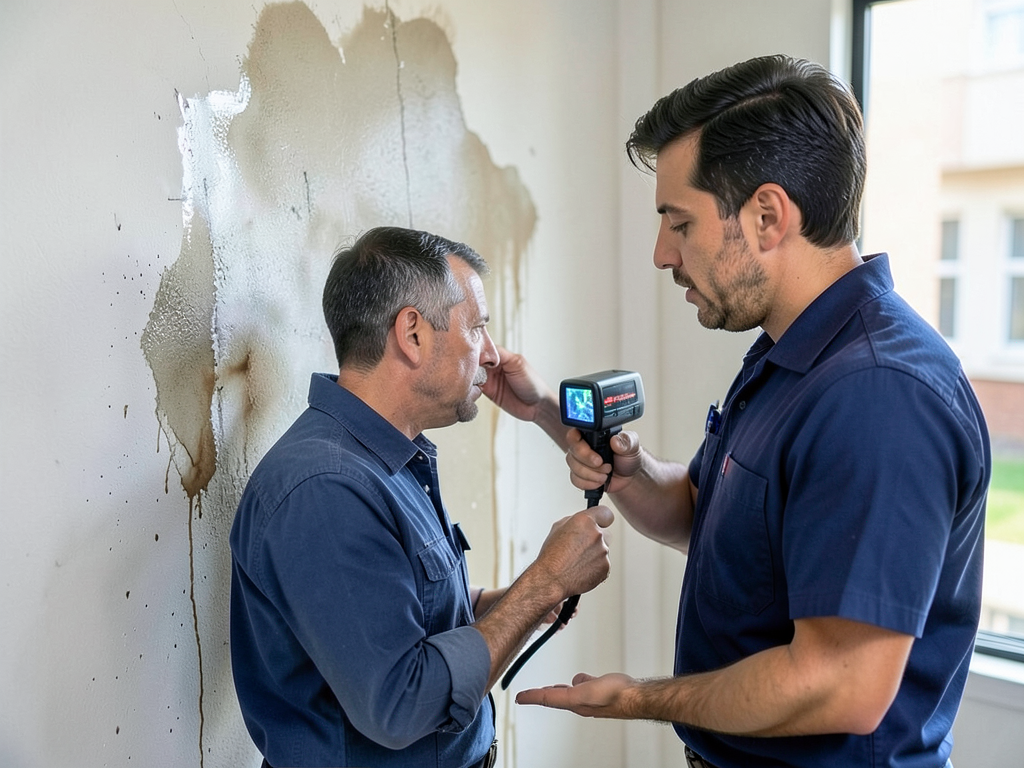
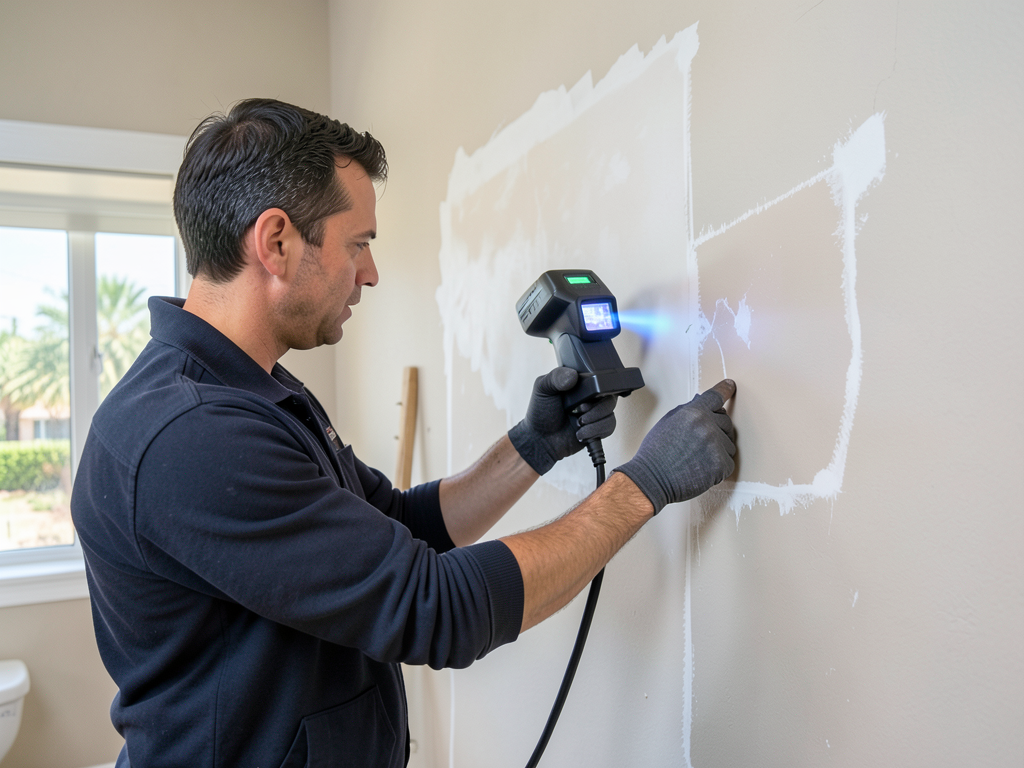
Effective mold abatement begins with moisture source identification. We use thermal imaging cameras to detect hidden water intrusion behind walls and ceilings. We measure humidity levels in wall cavities using penetrating moisture meters. We identify whether your mold problem stems from plumbing failure, roof leaks, foundation moisture, or HVAC condensation issues.

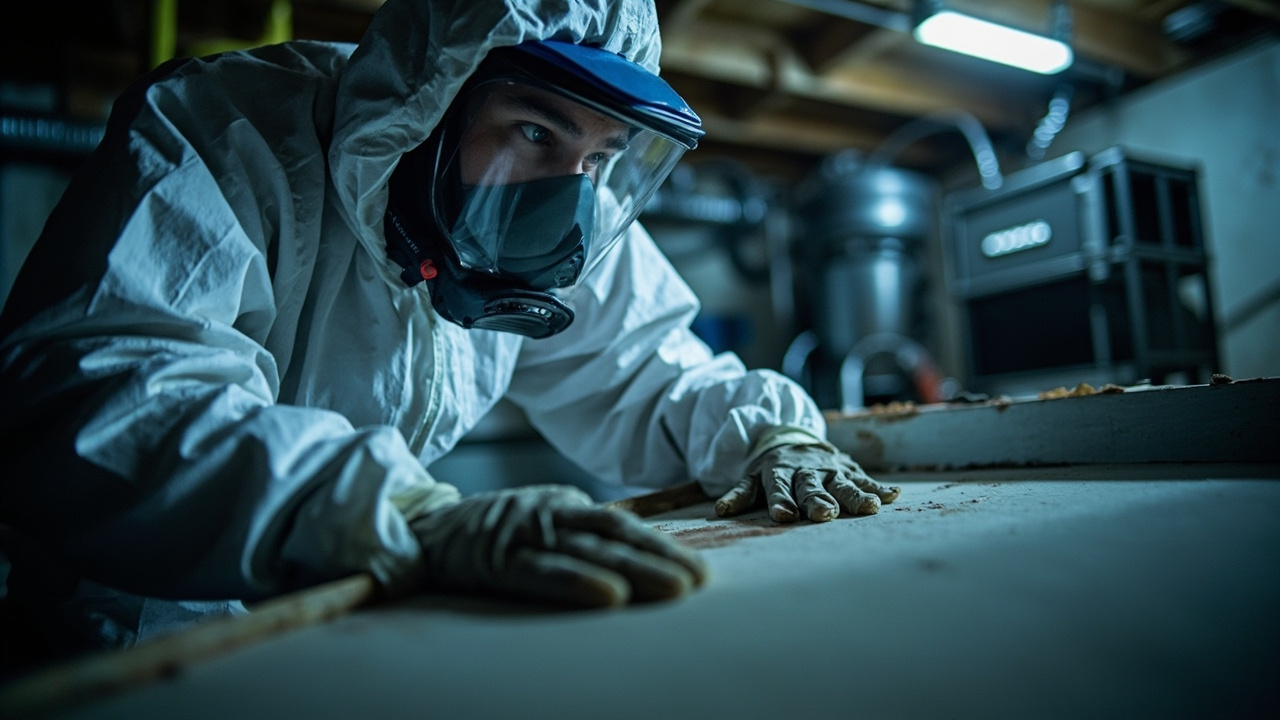
Containment comes next. We establish negative air pressure chambers using polyethylene sheeting and sealed barriers. This prevents cross-contamination to unaffected areas during removal. We install HEPA-filtered negative air machines that create airflow from clean areas toward contaminated zones. This ensures spores do not migrate during demolition.

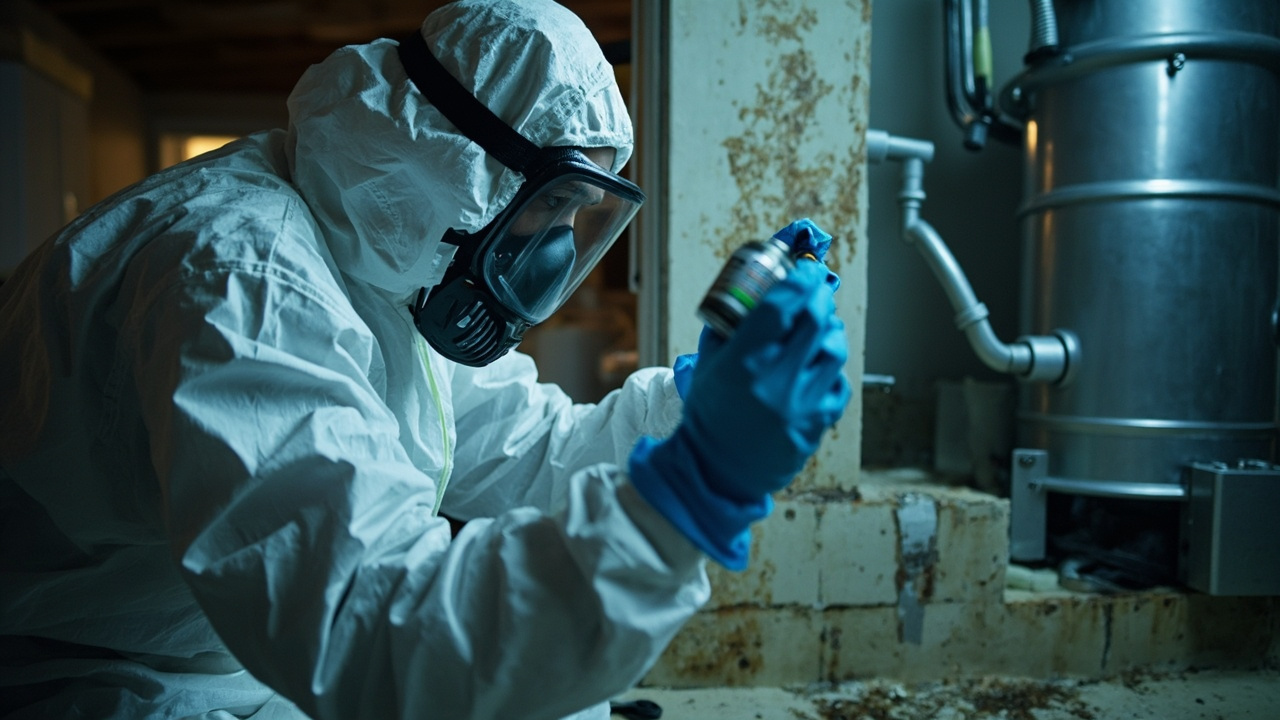
Material removal follows industry protocols. We remove water-damaged drywall at least 12 inches beyond visible contamination. We remove wet insulation completely. We HEPA-vacuum all framing members and apply EPA-registered antimicrobials to wood studs, joists, and subfloors. These products do not just kill surface mold. They leave a residual barrier that inhibits future growth.

Air scrubbing runs continuously throughout the process. Our commercial-grade HEPA filtration systems cycle the air 6 to 8 times per hour, capturing particles down to 0.3 microns. That captures mold spores, mycotoxins, and other airborne contaminants.

Post-remediation verification matters. We conduct clearance testing using third-party environmental hygienists. They collect air samples and surface samples to verify spore counts have returned to normal background levels. You receive documentation showing your property is safe for reoccupation. This matters for insurance claims, real estate transactions, and your health.

We do not rebuild until clearance testing passes. This ensures you are not trapping residual contamination behind new drywall.

What Happens During Your Mold Cleanup

Mold Remediation & Removal in San Diego | Certified Protocols That Stop Regrowth and Pass Post-Clearance Testing
01

Inspection and Containment

We arrive with moisture detection equipment and air sampling pumps. Our technician maps the full extent of contamination using thermal imaging and moisture meters. We establish containment barriers using 6-mil polyethylene and seal all HVAC registers. Negative air machines start immediately to create pressure differentials that prevent spore migration. You receive a detailed scope of work before demolition begins.
02

Removal and Decontamination

Our crew removes all porous materials showing contamination. Drywall, insulation, baseboards, and carpeting get bagged in 6-mil poly and removed through dedicated egress points. We HEPA-vacuum all structural framing. We apply hospital-grade antimicrobials to all surfaces using electrostatic sprayers that ensure complete coverage. Air scrubbers run continuously throughout this phase. Material disposal follows local hazardous waste protocols.
03

Testing and Clearance

After antimicrobial application and final HEPA cleaning, we schedule third-party clearance testing. An independent hygienist collects air samples and surface samples. Lab analysis compares spore counts against outdoor baseline levels. Once results confirm safe levels, you receive a clearance certificate. Only then do we remove containment barriers and begin reconstruction. This documentation protects you legally and ensures the job was done correctly.

Why San Diego Property Owners Choose Keystone Water Damage Restoration

Mold remediation is not a DIY project. It requires understanding California Title 24 building codes, Cal/OSHA respiratory protection standards, and EPA mold remediation guidelines. Keystone Water Damage Restoration San Diego maintains certifications in applied microbial remediation and holds the contractor licensing required for reconstruction work.

We understand the building stock across San Diego County. Older homes in neighborhoods like Normal Heights and Kensington have different ventilation challenges than newer construction in Carmel Valley or Scripps Ranch. Post-war stucco homes often lack adequate weep screeds, allowing water intrusion at the foundation line. Mid-century homes frequently have galvanized steel plumbing reaching end-of-life. We have seen these patterns across thousands of San Diego properties.

Our relationship with local environmental testing labs ensures rapid turnaround on air quality results. We work directly with insurance adjusters familiar with San Diego claim protocols. We provide detailed documentation that satisfies Xactimate estimating requirements and California contractor disclosure laws.

You need a company that can handle both the remediation and the rebuild. We do not subcontract reconstruction. Our crews handle framing repairs, drywall installation, texture matching, and final paint. This eliminates coordination delays and finger-pointing between trades. You get a single point of contact from initial containment through final walkthrough.

We also understand the urgency. Mold growth accelerates daily after water intrusion. We offer same-day emergency response across the greater San Diego metro area. Our trucks carry containment materials, air scrubbers, and moisture detection equipment. We can establish containment and begin drying within hours of your call.

Local expertise matters when health and property value are at stake.

What to Expect During Mold Mitigation

Response Time and Availability

We dispatch technicians within 90 minutes for emergency containment. Initial assessment takes 45 to 60 minutes depending on property size. We provide a written scope of work before beginning demolition. Most residential mold remediation projects take 3 to 5 days from containment through clearance testing. Commercial projects depend on square footage and contamination extent. We work around your schedule to minimize business disruption. Evening and weekend work is available for commercial clients who cannot afford daytime downtime.

Initial Assessment Process

Our technician conducts a room-by-room inspection using thermal imaging and penetrating moisture meters. We document all visible contamination with photographs. We check HVAC systems for cross-contamination. We review your property history to identify likely moisture sources. You receive a detailed written estimate outlining removal areas, antimicrobial protocols, and clearance testing procedures. We explain what materials require removal and why. If insurance coverage applies, we provide documentation in Xactimate format to expedite claim processing. No surprise costs appear mid-project.

Quality of Final Results

Your property passes third-party clearance testing before we consider the job complete. Air quality samples confirm spore counts match outdoor baseline levels. Surface samples verify no residual contamination remains on structural materials. You receive lab reports and a clearance certificate suitable for real estate transactions or insurance documentation. Reconstruction work matches existing finishes. We match wall texture, paint sheen, and trim profiles. The affected area blends seamlessly with surrounding spaces. You would not know remediation occurred unless you saw the documentation.

Post-Remediation Support

We provide moisture control recommendations to prevent recurrence. This includes HVAC maintenance protocols, ventilation improvements, and plumbing inspection schedules. You receive documentation showing compliance with California mold disclosure requirements if you plan to sell. We stay available for questions during the reconstruction process. If you notice any concerns after project completion, we return for follow-up inspection at no charge. Our work comes with documented protocols that protect your investment. We maintain project files including all air quality testing, scope documents, and photographic evidence for your records.

Frequently Asked Questions

You Have Questions,
We Have Answers

How much does full mold remediation cost? +

Full mold remediation costs depend on the extent of colonization, affected materials, and accessibility. Small containment areas (under 10 square feet) typically run less than moderate infestations (10-100 square feet), while severe contamination exceeding 100 square feet costs significantly more. San Diego's coastal humidity can accelerate growth behind drywall and insulation, increasing scope. Structural demolition, HVAC cleaning, and post-remediation testing add to total expense. Most projects require containment barriers, HEPA filtration, antimicrobial treatments, and moisture control. Get a professional assessment before budgeting. Many San Diego homeowners coordinate with insurance adjusters to offset costs.

What is the difference between mold removal and mold remediation? +

Mold removal addresses visible surface growth using bleach or scrubbing. Mold remediation tackles the root cause by controlling moisture sources, removing contaminated materials, establishing containment zones, and using HEPA filtration to prevent cross-contamination. Remediation reduces spore counts to safe baseline levels rather than promising total elimination, which is impossible in real-world environments. San Diego's marine layer and aging infrastructure in neighborhoods like North Park demand comprehensive remediation, not surface fixes. Removal alone allows regrowth within days if humidity persists. Remediation includes environmental controls and prevention strategies. You need remediation for health and property protection.

Is professional mold removal worth it? +

Professional mold remediation is worth it when health risks or property damage escalate. DIY approaches fail when contamination exceeds 10 square feet, affects HVAC systems, or hides behind walls. Professionals use containment barriers, negative air machines, and antimicrobial treatments you cannot replicate. San Diego's older homes in areas like City Heights often have hidden growth in crawl spaces and attics due to poor ventilation. Incorrect handling spreads spores throughout your home. Professionals document the process for insurance claims and resale disclosures. If you have respiratory issues, children, or structural involvement, professional remediation protects your investment and family.

Can you actually remediate mold? +

Yes, you can remediate mold by removing contaminated materials, killing active colonies with EPA-registered biocides, and eliminating moisture sources. Remediation reduces spore concentrations to naturally occurring background levels. Total eradication is impossible because mold exists everywhere outdoors and indoors. The goal is controlling growth and preventing health hazards. San Diego's climate, especially near the coast, means persistent humidity fuels regrowth without proper ventilation and dehumidification. Remediation includes fixing leaks, improving airflow, and treating surfaces. Post-remediation air quality testing verifies success. When done correctly, remediation stops active colonization and prevents recurrence if you maintain dry conditions.

Can a house full of mold be saved? +

Yes, a house with widespread mold can be saved through aggressive remediation. Structural integrity matters more than contamination extent. Professionals remove affected drywall, insulation, carpeting, and porous materials while treating framing with antimicrobials. San Diego homes with chronic pipe leaks or roof damage in older neighborhoods like Golden Hill often require extensive demolition and reconstruction. If the foundation and framing remain sound, you can rebuild. Severe cases need whole-house containment, HVAC system cleaning, and moisture barrier installation. Post-remediation restoration returns the property to safe, livable condition. Abandoning a structurally sound home is rarely necessary.

What are signs of mold exposure? +

Mold exposure causes respiratory symptoms, persistent coughing, wheezing, throat irritation, nasal congestion, and eye irritation. Headaches, fatigue, skin rashes, and difficulty concentrating occur with prolonged contact. People with asthma or allergies experience worsened symptoms. Black mold (Stachybotrys) produces mycotoxins that trigger severe reactions. San Diego residents often mistake symptoms for seasonal allergies due to coastal air quality, delaying identification. If symptoms improve when you leave home and return indoors, suspect mold. Visible growth, musty odors, and water damage history confirm suspicion. Seek medical evaluation and professional inspection if symptoms persist. Children and immune-compromised individuals face higher risks.

Do you have to throw everything away with mold in the house after? +

You do not need to discard everything. Professionals assess items individually. Hard, non-porous surfaces like metal, glass, and plastic can be cleaned with HEPA vacuuming and antimicrobial wipes. Porous materials, including drywall, insulation, carpeting, and upholstered furniture with visible growth, require disposal. Clothing and linens can often be salvaged through hot water washing and drying. San Diego's mild climate means items dried outdoors recover well if contamination is light. Sentimental items like photos need specialized cleaning. Contents storage during remediation protects belongings. Document discarded items for insurance claims. A certified hygienist determines what stays and what goes.

What to do if you can't afford mold remediation? +

If you cannot afford professional remediation, address small areas under 10 square feet yourself using proper safety gear, including N95 respirators and gloves. Fix the moisture source immediately. Stop leaks, improve ventilation, and reduce indoor humidity below 50 percent using dehumidifiers. San Diego County offers low-interest home repair loans for qualifying homeowners. Some insurers cover sudden water damage leading to mold. Contact local nonprofits for assistance or payment plans from remediation companies. Ignoring mold worsens health risks and property damage, increasing future costs. Prioritize containment and moisture control. Small actions prevent bigger problems if you act fast.

Is it hard to sell a house that has had mold remediation? +

Selling a house after mold remediation is manageable with proper documentation. California disclosure laws require you to report past mold issues. Provide buyers with remediation contracts, air quality test results, and proof of moisture repairs. Transparency builds trust. Homes in San Diego neighborhoods like La Jolla and Pacific Beach with documented, professional remediation sell near market value if underlying causes were fixed. Buyers fear hidden problems, not resolved ones. Price competitively and highlight improvements like new HVAC systems or waterproofing. A pre-listing inspection reassures cautious buyers. Proper remediation and disclosure prevent post-sale disputes. Concealing history invites lawsuits.

What kills mold permanently? +

Nothing kills mold permanently because spores exist everywhere. You control growth by eliminating moisture. EPA-registered fungicides like quaternary ammonium compounds, hydrogen peroxide, and concrobium kill active colonies on non-porous surfaces. Porous materials require removal and disposal. Bleach works on hard surfaces but does not penetrate deep into wood or drywall. San Diego's humidity, especially in coastal zones, means mold returns without dehumidification and ventilation. Fix leaks, maintain indoor humidity below 50 percent, and ensure airflow in bathrooms and kitchens. Killing visible growth without moisture control guarantees regrowth. Prevention through environmental control is the only lasting solution.

How San Diego's Marine Climate Accelerates Mold Growth

Coastal fog and marine layer humidity create ideal conditions for mold colonization across San Diego County. Morning dew points regularly exceed 60 degrees from May through October. This moisture condenses on cool surfaces inside poorly ventilated homes. Neighborhoods within three miles of the coast face constant humidity challenges. Older homes in Point Loma, Ocean Beach, and La Jolla often lack vapor barriers in exterior walls. This allows moisture migration from outside air into wall cavities. Professional mold cleanup services must address both visible growth and hidden colonization inside building assemblies.

San Diego building codes have evolved significantly since the 1970s. Homes built before modern ventilation requirements often lack adequate bathroom exhaust capacity and attic airflow. These deficiencies compound in neighborhoods with mature tree canopy that blocks natural airflow. Keystone Water Damage Restoration San Diego understands these local building patterns. We know where to look for hidden moisture problems based on construction era and neighborhood characteristics. Our familiarity with local code requirements ensures remediation work meets current California standards. This protects you during future inspections or property transfers.
Water Damage Restoration Services in The San Diego Area

We are proud to serve the entire San Diego area and invite you to view our service region on the map below. While our emergency response team is mobile and always ready to dispatch to your location rapidly, our central operations base allows us to coordinate efficient service across all of San Diego County. Contact us today for immediate assistance, no matter where your property is located within our service area.

Address:
Keystone Water Damage Restoration San Diego, 4445 Eastgate Dr, San Diego, CA, 92121

Additional Services We Offer

Our news updates

Latest Articles & News from The Blogs

Who Pays for Water Damage When a Neighbor’s Leak Affects Your San Diego Condo Discovering water damage in your condo…

Navigating Liability When a Neighbors Apartment Leaks into Your San Diego Condo

Who Pays for Water Damage When a Neighbor’s Leak Affects Your San Diego Condo Discovering water damage in your condo…

The Critical Steps Your Restoration Team Takes in the First Forty Eight Hours

The Critical Steps Your Restoration Team Takes in the First Forty Eight Hours When water invades your home in San…

Should You Try In Place Drying or Choose a Full Rip Out After a San Diego Flood

Should You Try In Place Drying or Choose a Full Rip Out After a San Diego Flood San Diego homeowners…

Contact Us

Do not let mold contamination spread through your property. Call (858) 203-2555 now for same-day assessment and containment. We provide detailed scopes, work directly with insurance, and guarantee clearance testing before reconstruction begins.