menu

Swollen Baseboards & Trim in San Diego | Expert Diagnosis Prevents Costly Secondary Damage

Keystone Water Damage Restoration San Diego identifies the hidden moisture sources behind swollen baseboards and warped baseboard molding before mold colonizes your wall cavities and subfloor.

Slider Image 1
Slider Image 2
Slider Image 3
Slider Image 4
Slider Image 5
Slider Image 7
Slider Image 8
Slider Image 9
Slider Image 10
Slider Image 11

Why San Diego Homes Are Vulnerable to Water Damaged Baseboards

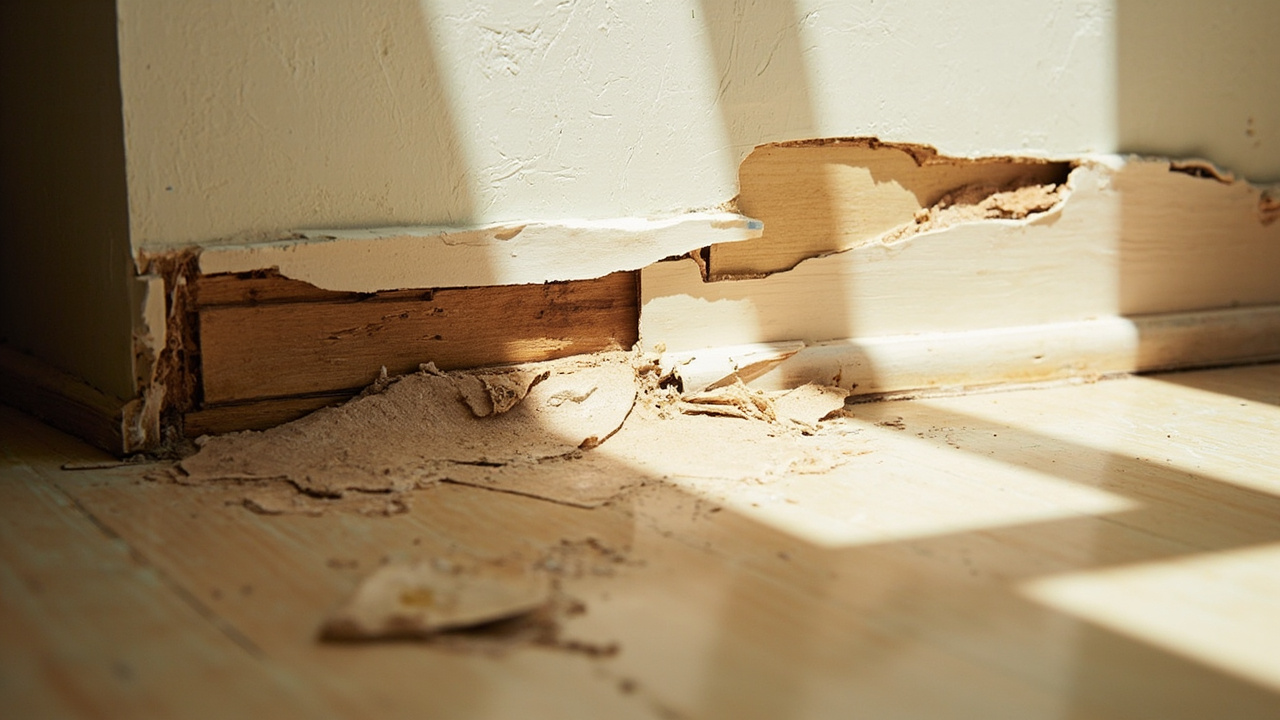
You notice the gap between your baseboard and the wall has widened. The paint bubbles. The MDF trim feels spongy when you press it. This is not cosmetic damage. This is active moisture intrusion, and in San Diego, the source is rarely obvious.

San Diego's coastal microclimates create deceptive humidity patterns. Homes in neighborhoods like Point Loma and La Jolla face year-round marine layer exposure that keeps crawl spaces damp. Inland communities like Scripps Ranch and Rancho Penasquitos deal with irrigation overspray and poor grading that channels water against foundation walls. The result is the same: moisture swollen baseboards that signal deeper problems.

Water damaged baseboards do not swell from air humidity alone. They expand because liquid water is wicking up from the slab, seeping through failed caulking at tub surrounds, or traveling laterally from a pinhole leak in copper supply lines hidden behind drywall. Expanded MDF trim is particularly diagnostic. MDF absorbs water like a sponge and does not recover. If your baseboards are bloated, the moisture source is active and ongoing.

The real danger is not the trim itself. Bloated wood trim is the visible symptom of concealed saturation in wall cavities, insulation, and framing lumber. By the time you see warped baseboard molding, microbial growth has likely started on the back side of the drywall. Delaying assessment allows fungal colonization to spread into porous materials that require full removal, not just drying.

Why San Diego Homes Are Vulnerable to Water Damaged Baseboards
How We Locate and Eliminate the Moisture Source

How We Locate and Eliminate the Moisture Source

Surface-level fixes fail because they ignore the water source. Replacing swollen baseboards without addressing the leak guarantees recurrence. Our diagnostic protocol uses calibrated tools to map the moisture intrusion and identify the entry point.

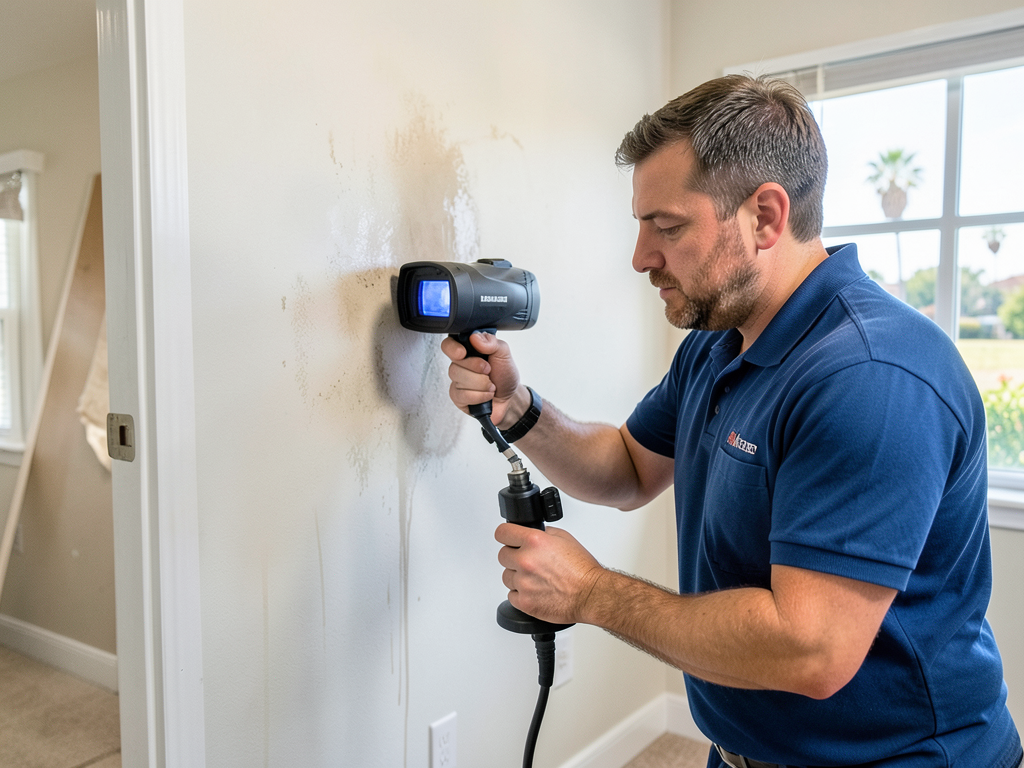
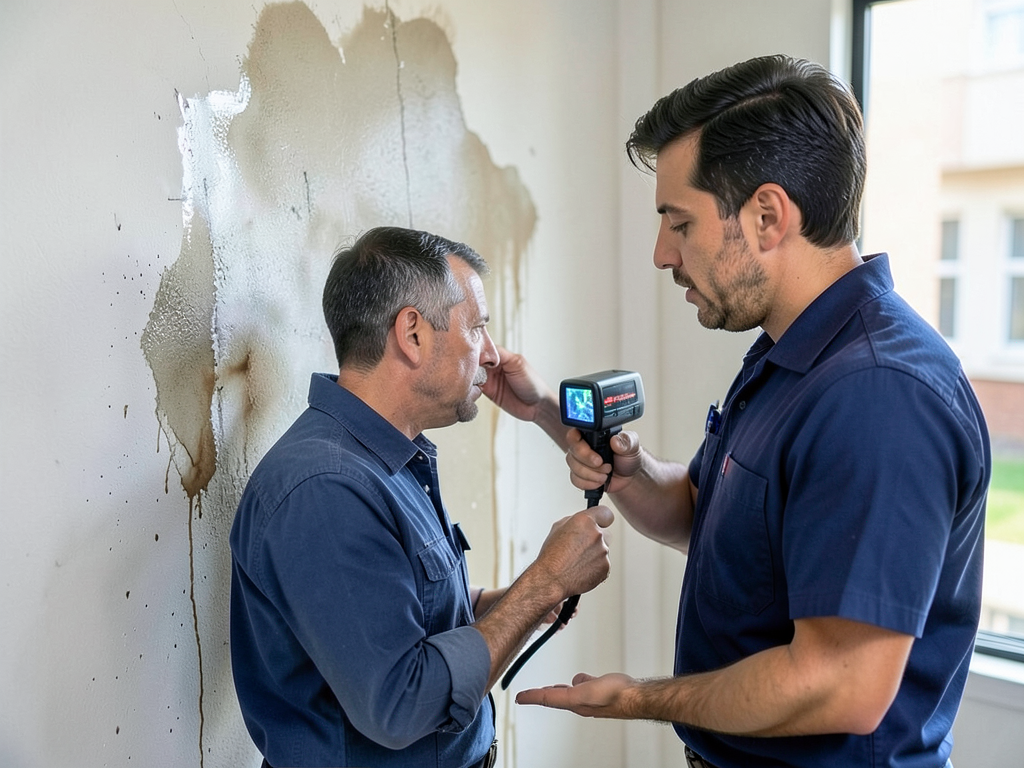
We start with non-invasive moisture mapping using thermal imaging cameras and pin-type moisture meters. Thermal imaging reveals temperature differentials that indicate evaporative cooling from wet building materials. We scan the wall cavity behind the affected trim, the subfloor beneath, and the adjacent rooms to establish the saturation boundary. Pin meters give us quantitative moisture content readings in wood framing and drywall at multiple depths.

Once we locate the wet zone, we identify the source. Common culprits in San Diego homes include failed wax rings at toilets, condensation from uninsulated cold water lines in exterior walls, and capillary rise from concrete slabs poured without proper vapor barriers. In older homes near Balboa Park and North Park, we frequently find compromised cast iron drain stacks that leak at the joints during heavy use.

After source identification, we execute controlled demolition of saturated materials. We remove water damaged baseboards, cut drywall two feet above the highest moisture reading, and extract soaked insulation. We then deploy commercial dehumidifiers and air movers in a closed drying environment. We monitor daily with moisture meters until all materials reach equilibrium moisture content below 12 percent. Only then do we clear the space for reconstruction.

What Happens During a Baseboard Water Damage Assessment

Swollen Baseboards & Trim in San Diego | Expert Diagnosis Prevents Costly Secondary Damage
01

Initial Moisture Documentation

We document the extent of visible damage and establish moisture baselines using thermal imaging and moisture meters. We photograph affected areas, record moisture content percentages in multiple materials, and map the saturation perimeter. This data becomes the foundation for tracking drying progress and provides documentation for insurance claims if the damage resulted from a covered peril like a sudden pipe failure.
02

Source Identification and Containment

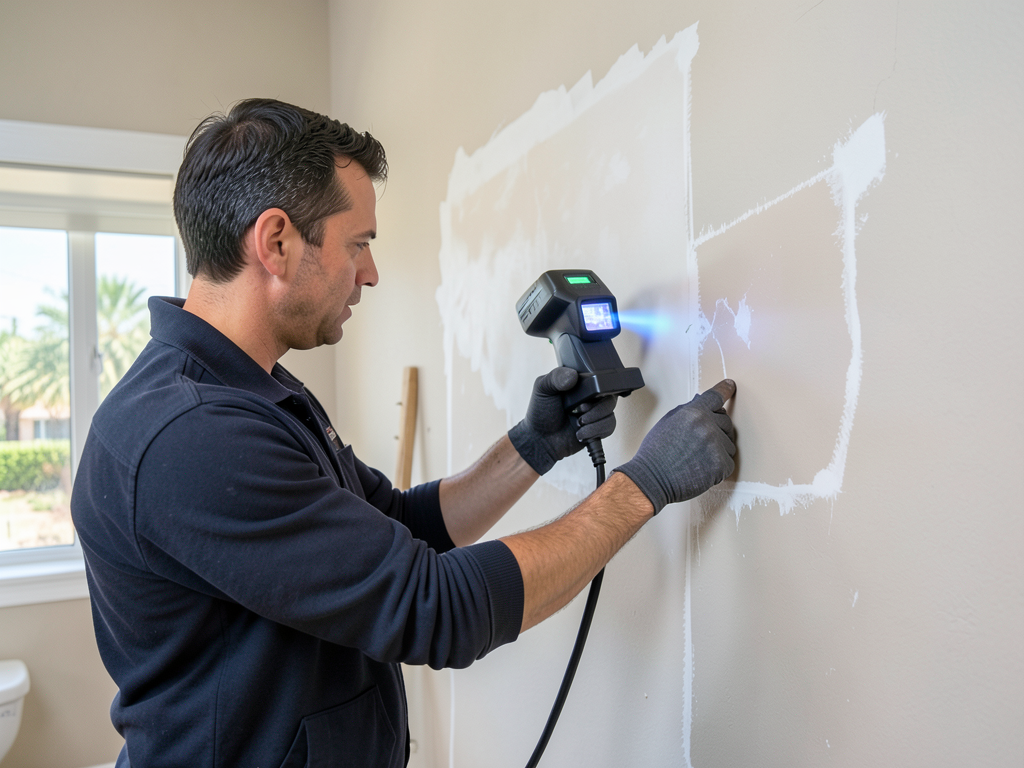
We trace the moisture back to its origin using invasive inspection when necessary. We may cut small inspection ports in drywall to visually confirm leak locations or use borescope cameras to inspect inside wall cavities without full demolition. Once identified, we stop the water source immediately. This might mean shutting off a supply valve, repairing a drain line, or scheduling a plumber for immediate repair of compromised fixtures or piping.
03

Controlled Drying and Clearance

We establish a controlled drying chamber using containment barriers and negative air pressure when necessary. Commercial dehumidifiers extract moisture from the air while high-velocity air movers accelerate evaporation from building materials. We monitor moisture levels daily and adjust equipment placement to optimize drying efficiency. When all materials reach acceptable moisture content and pass visual mold inspection, we issue a drying completion certificate and clear the area for repairs.

Why San Diego Homeowners Choose Keystone for Baseboard Water Damage

You need a restoration company that understands San Diego construction methods and typical failure points. Our technicians recognize the difference between water damage in a 1950s post-war bungalow in City Heights and a 1980s stucco tract home in Mira Mesa. Construction era dictates framing type, insulation material, and vapor barrier installation, all of which affect drying strategy.

San Diego homes built before 1970 often have no vapor barrier under the slab. Moisture migrates up through the concrete via capillary action, saturating bottom plates and the first six inches of drywall. Homes built during the 1980s building boom frequently have polybutylene supply lines that fail at the fittings, causing concealed leaks that manifest as swollen baseboards months after the initial failure. Newer construction in developments like Carmel Valley uses oriented strand board subfloor that delaminates when saturated, requiring full panel replacement rather than drying in place.

We also understand local code requirements for mold remediation and reconstruction. San Diego County Environmental Health has specific protocols for Category 2 and Category 3 water intrusion. When water damage involves sewage backups or long-term stagnation, we follow IICRC S520 mold remediation standards and document the process for health department review if required.

Our local knowledge extends to insurance claims navigation. We work directly with adjusters from major carriers and provide detailed moisture mapping reports, photographic documentation, and moisture readings that support claims for covered losses. We separate the emergency mitigation phase from the reconstruction phase in our estimates, which helps homeowners understand their out-of-pocket exposure and deductible application.

What to Expect When You Call Keystone for Swollen Baseboard Repair

Rapid Response and Same-Day Assessment

We dispatch a technician to your San Diego property within two hours of your call during business hours. For after-hours emergencies, we maintain on-call crews that can arrive within four hours. Time matters with water damage. Every hour of delayed response increases the saturation depth in porous materials and accelerates microbial amplification. Our rapid response protocol includes immediate source control, moisture documentation, and equipment deployment to stop secondary damage progression. You receive a written assessment and moisture map before we leave the property.

Comprehensive Moisture Mapping and Source Identification

Our assessment goes beyond the visible damage. We use thermal imaging cameras calibrated to detect temperature differentials as small as 0.2 degrees Fahrenheit, which reveals evaporative cooling from wet materials behind finished surfaces. We take moisture readings at multiple heights and depths to establish the full extent of saturation. We inspect adjacent rooms, crawl spaces, and attics to rule out secondary moisture sources. You receive a detailed moisture map showing affected areas, source location, and the materials requiring drying or removal. This documentation is critical for insurance claims and prevents under-mitigation that leads to mold growth.

Complete Drying and Post-Mitigation Verification

We do not remove drying equipment until moisture levels reach equilibrium. We use calibrated moisture meters to verify that wood framing, drywall, and concrete have returned to normal moisture content ranges. For wood framing, that means moisture content below 12 percent. For drywall, we target moisture content below 1 percent on a scale calibrated for gypsum. For concrete, we verify the slab has reached relative humidity levels below 75 percent using in-situ probes. You receive a drying completion certificate with before-and-after moisture readings that documents successful mitigation and provides liability protection.

Reconstruction Coordination and Material Matching

After drying clearance, we coordinate reconstruction with licensed contractors or handle the rebuild in-house depending on project scope. We match existing baseboard profiles, paint finishes, and flooring transitions so repairs blend seamlessly with undamaged areas. For older homes with discontinued trim profiles, we custom-mill matching moldings or source architectural salvage materials. We warranty our reconstruction work and provide documentation of all materials installed. If your insurance claim includes depreciation recovery, we provide detailed invoices and material receipts to support your supplemental claim for full replacement cost reimbursement.

Frequently Asked Questions

You Have Questions,
We Have Answers

How to fix swollen baseboards? +

First, find and fix the water source. Remove the swollen baseboard carefully with a pry bar. Let the wall dry completely using fans or dehumidifiers for 48 to 72 hours. In San Diego's coastal areas, humidity can delay drying. Check for mold behind the trim before installing new material. Replace damaged sections with moisture-resistant MDF or PVC trim for better performance in humid bathrooms or kitchens. Prime and paint before installation. If swelling is minor and the source is fixed, you can sand and repaint, but replacement prevents future problems.

What is the 7 rule for baseboards? +

The 7 rule states baseboards should be roughly 7 percent of your wall height. For an 8-foot ceiling, that means 5 to 7 inches tall. This creates visual balance without overwhelming the room. In San Diego's older Craftsman and Spanish Revival homes, you often see taller baseboards that match the period architecture. Modern homes typically use shorter profiles. The rule is a guideline, not law. Consider your room's proportions, existing trim details, and architectural style when choosing baseboard height for your specific space.

Why do baseboards swell? +

Baseboards swell when they absorb water from leaks, flooding, high humidity, or ground moisture. Wood and MDF trim are porous materials that expand when wet. Common causes include plumbing leaks behind walls, slab leaks, dishwasher overflows, failed wax rings at toilets, and poor exterior grading that directs rainwater toward foundations. In San Diego, irrigation overspray and aging pipe connections in older homes cause frequent baseboard damage. Coastal humidity can also contribute to gradual swelling over time. Once water enters the material, the fibers expand and the trim buckles or separates from the wall.

How to tell if baseboard has water damage? +

Look for visible warping, buckling, or separation from the wall. Swollen baseboards feel soft or spongy when pressed. Check for discoloration, dark stains, or waterlines along the bottom edge. Peeling or bubbling paint signals trapped moisture. Run your hand along the surface to feel for texture changes or raised areas. Use a moisture meter to confirm elevated readings above 15 percent. In San Diego homes, check behind furniture and in corners where leaks hide. Musty odors near baseboards indicate hidden water damage and possible mold growth requiring immediate attention.

What is the average cost to replace baseboards? +

Baseboard replacement costs vary based on material, labor, and room size. Budget between $3 and $8 per linear foot for materials. Installation labor adds to the total. MDF and pine are economical choices. Hardwood and PVC trim cost more but offer better durability. Painting or staining adds expense. In San Diego, labor rates reflect the higher cost of living. Removal of damaged trim, wall repair, and mold remediation increase the final price. Get multiple quotes from local contractors. Factor in priming and finishing costs for a complete estimate.

How to shrink swollen wood? +

You cannot reliably shrink swollen wood back to original dimensions. Once wood fibers absorb water and expand, they rarely return to their exact shape. You can try gradual air drying in a well-ventilated space, but warping and cupping often remain. Rapid drying with heat guns or direct sun causes cracking and further damage. For minor swelling, sand the raised areas after complete drying, then seal and paint. For significant swelling, replacement is the only solution that restores appearance and function. Prevention through proper sealing and moisture control is far more effective.

Should baseboards be flush with the floor? +

Baseboards should sit tight against the wall but not necessarily flush with the floor. A small gap at the floor bottom allows for flooring expansion, carpet thickness, and cleaning access. Most installers leave a 1/8 to 1/4 inch gap, then cover it with quarter-round or shoe molding. This approach accommodates uneven subfloors common in San Diego's older homes. If your floor is perfectly level, flush installation works. On concrete slabs, leave a slight gap to prevent moisture wicking from the slab into the trim, which causes swelling and rot over time.

What are common trim installation mistakes? +

Common trim mistakes include not coping inside corners, which leaves visible gaps. Installers often skip priming before installation, causing paint failure and moisture absorption. Nailing too close to edges splits the wood. Failing to find studs means trim pulls away from walls. Using butt joints instead of miter cuts on outside corners looks unprofessional. Not accounting for out-of-plumb walls creates uneven reveals. In San Diego's stucco homes, installers sometimes forget to caulk the wall-to-trim gap, allowing moisture infiltration. Rushing measurements leads to short cuts and visible seams that ruin the finished appearance.

What is the current trend for baseboards? +

Taller baseboards, 5 to 7 inches high, remain popular for a traditional look. Simple, clean profiles with minimal detail suit modern and transitional styles. White and off-white painted finishes dominate current design trends. Natural wood stain is making a comeback in mid-century and Scandinavian-inspired homes. In San Diego, many homeowners match baseboards to existing architectural details in Craftsman and Spanish Colonial homes. Flat-profile baseboards with a simple cap create a streamlined appearance. Thicker baseboards, 3/4 inch or more, add substance and durability. Material choice is shifting toward moisture-resistant options like PVC trim.

Will a swollen wood floor go back to normal? +

Swollen wood floors rarely return completely to normal. Minor surface swelling may flatten as the wood dries, but cupping, crowning, and gaps often remain. The extent of recovery depends on how long the floor stayed wet and the wood species. Engineered flooring recovers better than solid hardwood. In San Diego's dry climate, floors dry faster, but damage from leaks or flooding usually requires board replacement. You can sand and refinish solid wood floors after complete drying, but dimensional changes may persist. Quick water extraction and professional drying within 24 hours offer the best chance of minimizing permanent damage.

How San Diego's Coastal Climate Accelerates Baseboard Water Damage

San Diego's year-round mild temperatures create a false sense of security about water damage. Unlike freeze-thaw climates where burst pipes announce themselves dramatically, San Diego water intrusion develops slowly and silently. Coastal neighborhoods from Ocean Beach to Del Mar experience persistent morning marine layer that keeps relative humidity above 70 percent through June Gloom and May Gray. This elevated baseline humidity means saturated building materials never fully dry between moisture events. A slow leak that would dry out in Phoenix or Las Vegas continues feeding microbial growth in San Diego because the ambient humidity prevents evaporation. Homes near Mission Bay and the San Diego River also face elevated groundwater tables during El Niño winters, which increases hydrostatic pressure against foundation walls and drives capillary moisture up through slabs.

Keystone Water Damage Restoration San Diego maintains relationships with local insurance adjusters, property managers, and general contractors throughout the county. We understand San Diego's building inspection requirements and coordinate directly with city building departments in San Diego, Chula Vista, and Oceanside for permit acquisition when reconstruction requires structural modifications. Our technicians hold IICRC certifications in water damage restoration and applied structural drying, which satisfies the training requirements outlined in California Business and Professions Code Section 7058 for specialty contractors performing water damage mitigation. When you hire Keystone, you work with a local company that knows San Diego construction, San Diego climate patterns, and San Diego building officials.
Water Damage Restoration Services in The San Diego Area

We are proud to serve the entire San Diego area and invite you to view our service region on the map below. While our emergency response team is mobile and always ready to dispatch to your location rapidly, our central operations base allows us to coordinate efficient service across all of San Diego County. Contact us today for immediate assistance, no matter where your property is located within our service area.

Address:
Keystone Water Damage Restoration San Diego, 4445 Eastgate Dr, San Diego, CA, 92121

Additional Services We Offer

Our news updates

Latest Articles & News from The Blogs

Who Pays for Water Damage When a Neighbor’s Leak Affects Your San Diego Condo Discovering water damage in your condo…

Navigating Liability When a Neighbors Apartment Leaks into Your San Diego Condo

Who Pays for Water Damage When a Neighbor’s Leak Affects Your San Diego Condo Discovering water damage in your condo…

The Critical Steps Your Restoration Team Takes in the First Forty Eight Hours

The Critical Steps Your Restoration Team Takes in the First Forty Eight Hours When water invades your home in San…

Should You Try In Place Drying or Choose a Full Rip Out After a San Diego Flood

Should You Try In Place Drying or Choose a Full Rip Out After a San Diego Flood San Diego homeowners…

Contact Us

Do not wait for mold growth or structural damage to force your hand. Call Keystone Water Damage Restoration San Diego at (858) 203-2555 for same-day moisture assessment and source identification. We provide detailed documentation for insurance claims and stop secondary damage before it spreads.