menu

Preventative Waterproofing Tips in San Diego | Protect Your Home Before Damage Starts

Expert-Backed Preventative Waterproofing Tips to Shield Your San Diego Property from Coastal Moisture, Storm Runoff, and Hidden Leaks Before They Escalate into Emergency Repairs

Slider Image 1
Slider Image 2
Slider Image 3
Slider Image 4
Slider Image 5
Slider Image 7
Slider Image 8
Slider Image 9
Slider Image 10
Slider Image 11

Why San Diego Homes Face Hidden Water Threats Year-Round

San Diego's mild climate fools homeowners into thinking water damage is rare. The reality is different. Marine layer fog deposits moisture on rooflines and foundations every night. Winter storms dump concentrated rainfall onto hardscapes that channel runoff directly toward your foundation. Coastal air carries salt that corrodes metal flashing and window seals. Older homes in neighborhoods like North Park and La Jolla feature stucco exteriors that crack over time, creating pathways for moisture infiltration.

You might not see the problem until drywall bubbles or floors warp. By then, the cost multiplies. Proactive water sealing methods and moisture control best practices stop damage before it starts. A water damage prevention checklist tailored to San Diego's specific challenges gives you a roadmap to protect your investment.

The average homeowner overlooks vulnerable points: the transition between foundation and framing, the intersection where deck ledgers attach to exterior walls, and the base of shower pans in upstairs bathrooms. These failure points are predictable. DIY waterproofing techniques can address some surface-level concerns, but knowing when to waterproof and what materials to use requires understanding how San Diego's microclimate interacts with your home's construction.

Most water intrusion happens slowly. Condensation forms inside wall cavities. Grading slopes the wrong direction. Gutters dump water within three feet of your foundation. You need a home waterproofing maintenance guide that addresses these quiet threats before they announce themselves with visible damage.

Why San Diego Homes Face Hidden Water Threats Year-Round
The Right Waterproofing Strategy for San Diego Conditions

The Right Waterproofing Strategy for San Diego Conditions

Effective preventative waterproofing starts with understanding hydrostatic pressure and capillary action. Water moves through concrete and masonry via capillary suction, even without visible cracks. San Diego's clay-heavy soil expands when wet and contracts when dry, creating cyclical stress on foundation walls. This movement opens microfractures that widen over time.

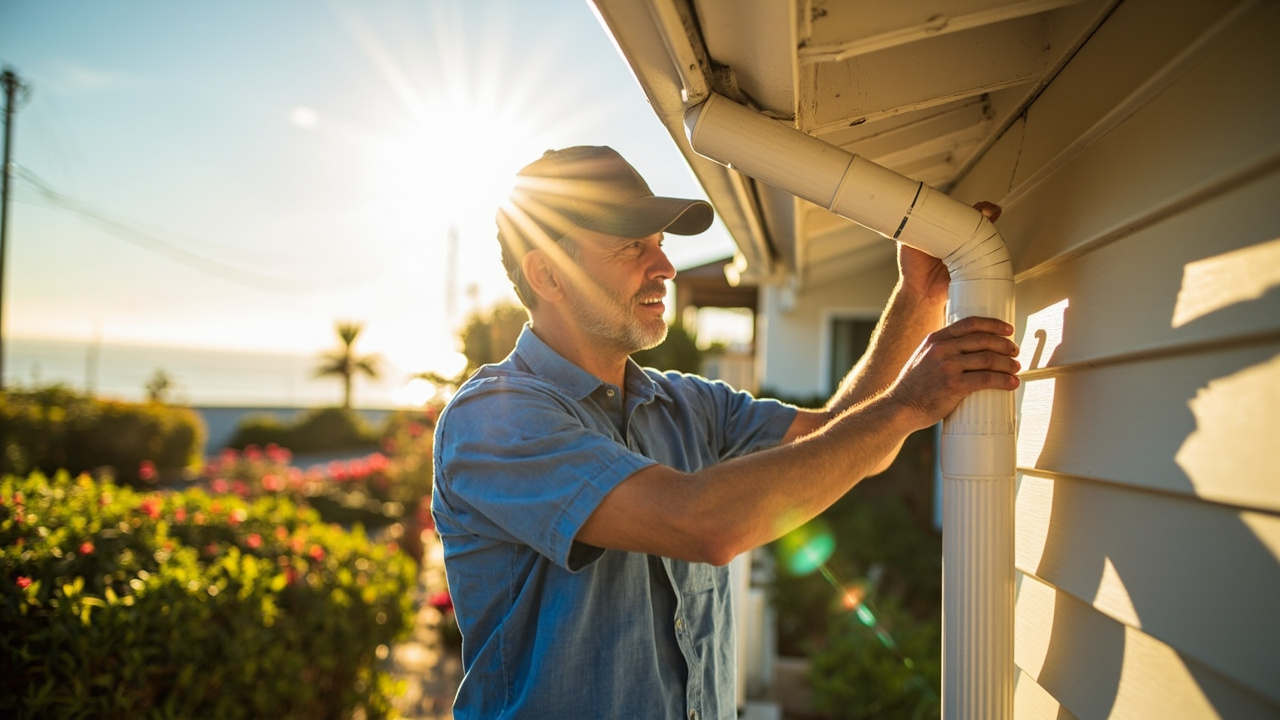
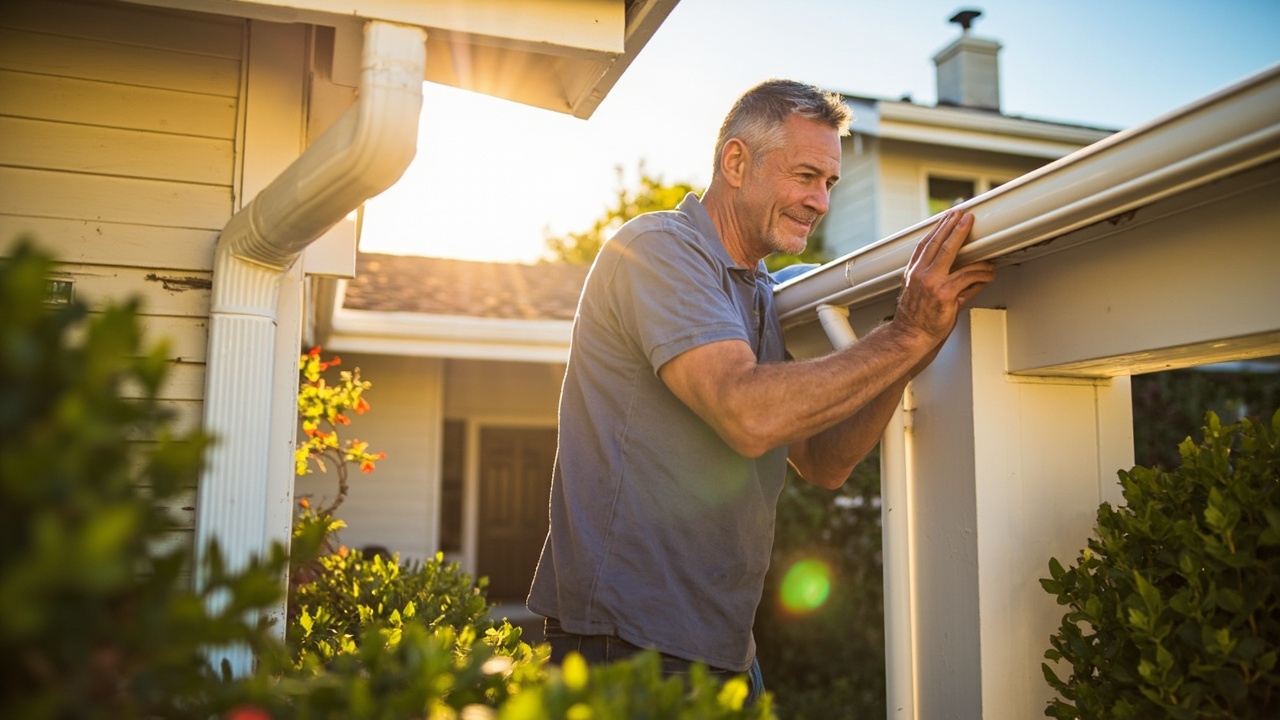
Start with exterior grading. Your soil should slope at least six inches over the first ten feet away from your foundation. This single fix prevents more water intrusion than any sealant. Next, examine your gutters and downspouts. They should discharge at least five feet from the foundation, ideally into a drainage system that directs runoff to the street or a dry well.

Inspect all penetrations where utilities enter your home. Gaps around pipes, electrical conduits, and HVAC lines create entry points. Seal these with polyurethane or silicone caulk rated for exterior use. Check window and door flashings. Flashing should overlap in a shingle pattern, with upper pieces covering lower pieces to shed water downward.

Apply waterproof membrane to below-grade foundation walls before backfilling. For existing homes, French drains installed along the foundation perimeter relieve hydrostatic pressure. These drains collect groundwater and channel it away before it can penetrate your basement or crawl space.

San Diego homes with stucco exteriors need regular elastomeric coating applications. These flexible coatings bridge hairline cracks and remain permeable, allowing interior moisture to escape while blocking exterior water. Vapor barriers installed incorrectly trap moisture inside wall cavities, so understanding the difference between vapor barriers and air barriers is critical for moisture control best practices.

How to Build Your Waterproofing Defense System

Preventative Waterproofing Tips in San Diego | Protect Your Home Before Damage Starts
01

Assess Vulnerability Points

Walk your property during and after rain to identify where water pools or flows toward your foundation. Check for soil settlement near the foundation, cracks in concrete, and signs of efflorescence (white mineral deposits) that indicate water movement. Document problem areas with photos. Examine attic spaces for roof leaks, stains on sheathing, and dampness in insulation. This diagnostic phase reveals where to prioritize your waterproofing efforts.
02

Implement Layered Protection

Address grading and drainage first, then move to sealants and membranes. Install gutter guards to prevent clogs. Apply masonry sealer to foundation walls. Seal expansion joints with flexible sealant. Replace worn weatherstripping on doors and windows. Each layer creates redundancy, so if one barrier fails, others remain. Prioritize the exterior envelope before addressing interior moisture sources like bathroom ventilation and crawl space encapsulation.
03

Schedule Routine Inspections

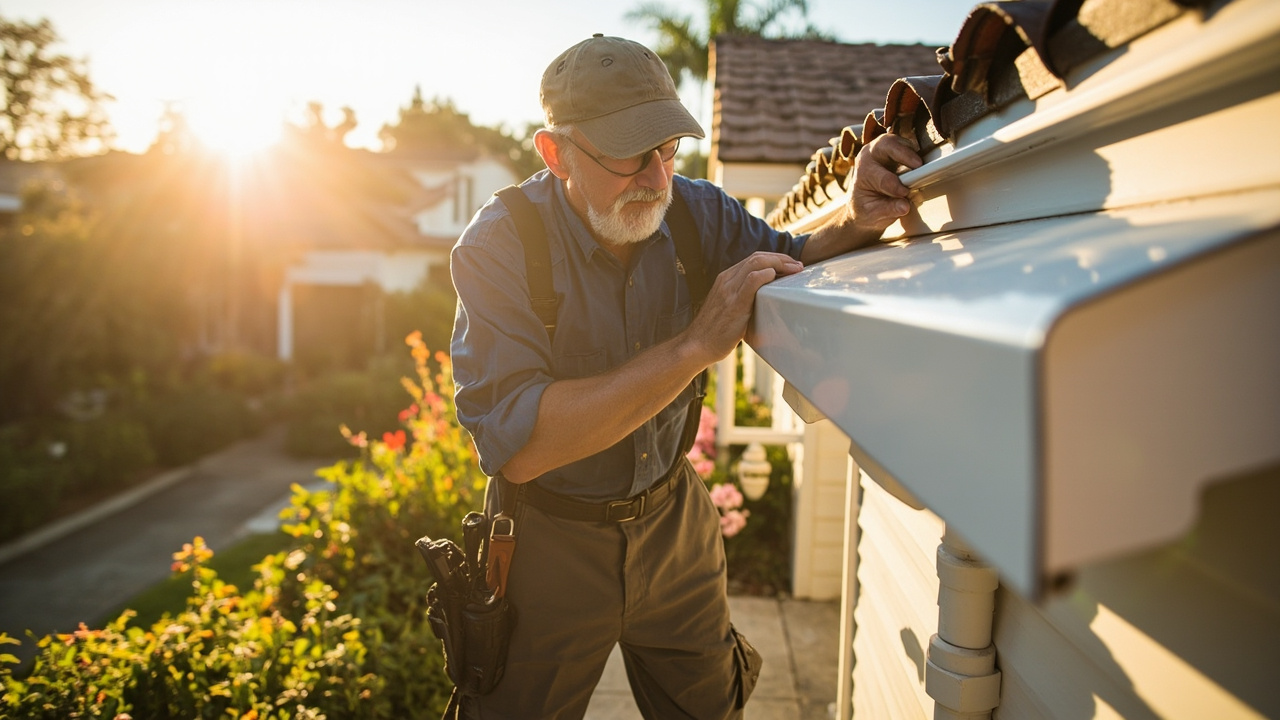
Waterproofing is not a one-time fix. Inspect caulking and sealants annually. Clean gutters twice per year. Test sump pumps quarterly. Monitor interior humidity levels with a hygrometer, keeping them below 60 percent to prevent condensation. Document your maintenance in a logbook. This record helps you track what you have addressed and when components need replacement. Consistent monitoring catches small problems before they require emergency restoration services.

Why Local Expertise Matters for San Diego Waterproofing

Generic waterproofing advice from national brands does not account for San Diego's unique conditions. The city sits on complex geology ranging from coastal sand to inland bedrock. Neighborhoods near Mission Valley experience seasonal groundwater fluctuations. Coastal areas face salt air corrosion. Inland communities deal with temperature swings that stress building materials.

Keystone Water Damage Restoration San Diego understands these variables. We know that homes in Clairemont Mesa built in the 1960s often have inadequate foundation drainage. We recognize that Point Loma properties need corrosion-resistant fasteners. We understand that hillside homes in La Mesa require specialized grading solutions to manage runoff.

Local building codes specify requirements for waterproofing in different zones. The California Building Code mandates specific flashing details around windows and doors. San Diego amendments add requirements for water-resistive barriers in coastal zones. A waterproofing strategy that meets code in Phoenix fails in San Diego because the moisture drivers differ.

We see the consequences when DIY waterproofing techniques get applied incorrectly. Homeowners seal foundation cracks from the interior without addressing exterior drainage, trapping water inside the wall. Others apply non-breathable coatings over stucco, creating moisture traps. Some install vapor barriers on the wrong side of the insulation, causing condensation.

Our team evaluates your property within the context of San Diego's climate, soil conditions, and construction practices. We identify whether your water problem stems from surface runoff, groundwater intrusion, or condensation. That diagnosis determines the correct solution. We do not sell you unnecessary services, and we do not apply generic fixes to location-specific problems.

What Comprehensive Waterproofing Protection Includes

Initial Property Assessment

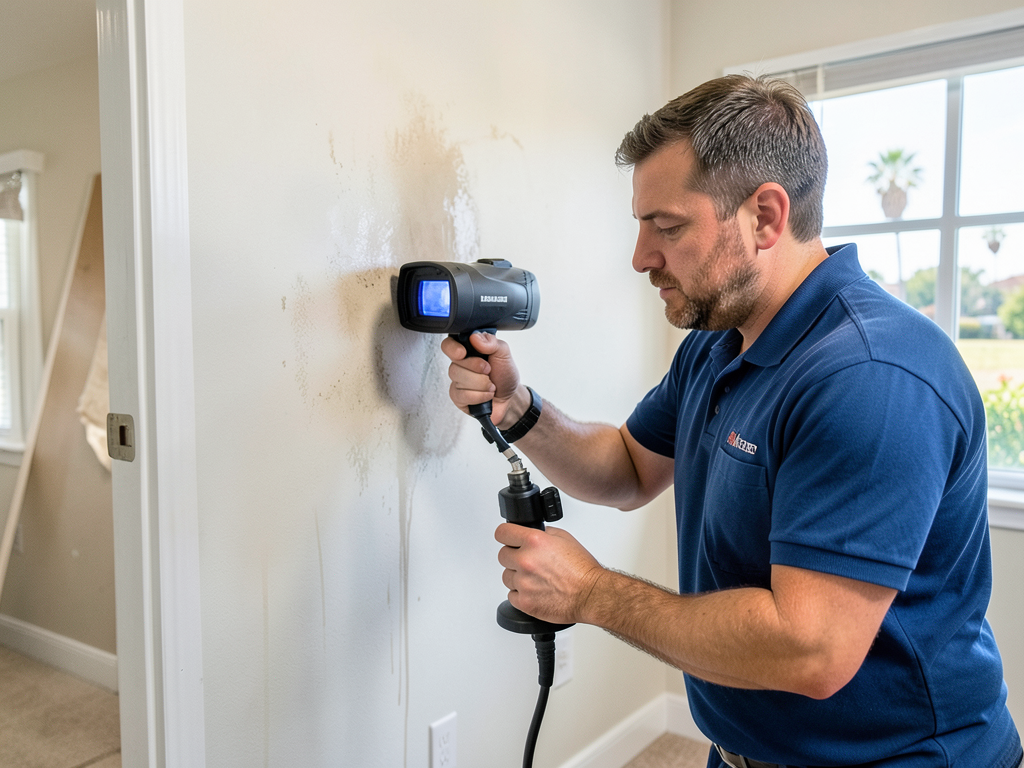
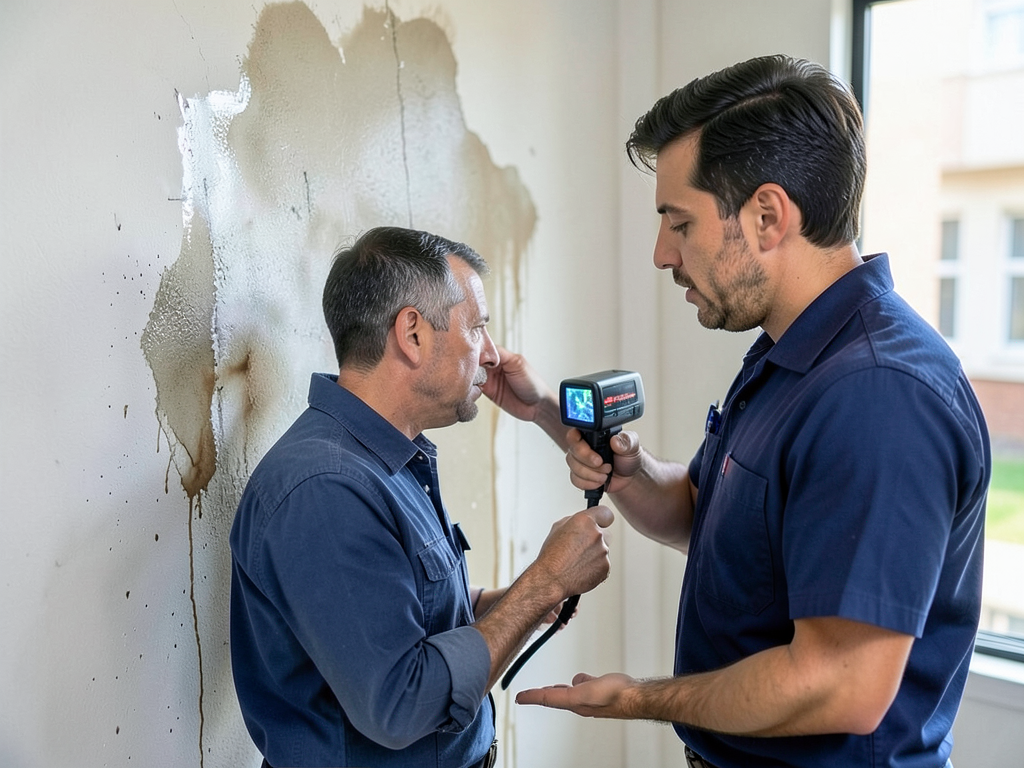
We start with a detailed site evaluation that examines grading, drainage patterns, construction details, and existing waterproofing measures. This includes moisture meter readings on suspect areas, inspection of below-grade spaces, and documentation of vulnerable penetrations. You receive a written assessment that identifies immediate concerns and long-term maintenance priorities. This diagnostic approach ensures we address root causes rather than symptoms. The evaluation typically takes 60 to 90 minutes and provides a roadmap for both urgent repairs and preventative measures.

Customized Prevention Plan

Based on the assessment, we develop a phased waterproofing strategy specific to your property and budget. This plan prioritizes high-risk areas and sequences work logically. For example, we address exterior drainage before applying interior sealants. We specify materials appropriate for your home's construction and San Diego's climate. The plan includes maintenance schedules for components like sealant replacement and gutter cleaning. You get clear timelines, material specifications, and explanations of why each measure matters. This eliminates guesswork and prevents wasted effort on ineffective solutions.

Professional-Grade Materials

We use commercial-grade waterproofing membranes, sealants, and drainage products that outperform retail alternatives. Our elastomeric coatings remain flexible through temperature swings. Our foundation membranes resist hydrostatic pressure. Our drainage fabric resists clogging from sediment. These materials cost more upfront but last two to three times longer than consumer-grade products. We source from manufacturers with proven performance in coastal environments. Material selection accounts for substrate compatibility, UV resistance, and breathability. This attention to specification prevents premature failure and costly reapplication.

Ongoing Maintenance Support

Waterproofing requires periodic maintenance to remain effective. We provide detailed care instructions and can schedule annual inspections to verify system integrity. These checkups catch deteriorating sealants, clogged drains, and new vulnerabilities before they cause damage. We maintain service records for your property, tracking what measures are in place and when components need attention. This proactive approach extends the life of waterproofing systems and preserves your home's value. Many clients include these inspections in their home maintenance routine alongside HVAC and roof checks.

Frequently Asked Questions

You Have Questions,
We Have Answers

What to do before applying waterproofing? +

Clean the surface completely. Remove dirt, debris, old paint, and any loose material using a wire brush or pressure washer. Inspect for cracks, gaps, or structural damage. Repair these defects before waterproofing. In San Diego, check for salt buildup near coastal areas, as it interferes with adhesion. Ensure the surface is fully dry before application. Moisture trapped under waterproofing creates failure points. Test pH levels if applying to concrete. Alkaline surfaces may require special primers. Proper prep work determines how well your waterproofing lasts. Skip this step and you waste time and money.

Should you prime before waterproofing? +

Yes, primer improves adhesion and waterproofing performance. It seals porous surfaces like concrete, wood, or masonry, preventing the waterproofing layer from soaking in unevenly. Primer also blocks moisture from migrating through the substrate. In San Diego, where marine air increases humidity, primer creates a stable bonding surface. Bare concrete and weathered wood always need primer. Some modern waterproofing membranes include built-in primer technology, but check manufacturer instructions. Skipping primer on porous materials leads to delamination and water penetration. Apply primer in thin, even coats and let it cure fully before waterproofing.

How to fill gaps before waterproofing? +

Use hydraulic cement or polyurethane sealant for cracks and gaps wider than a hairline. Clean the gap first and remove loose material. For concrete, chisel the crack into a V-shape to increase bonding surface area. Fill deep gaps in layers, allowing each layer to cure before adding the next. In San Diego, expansion joints in driveways and foundations shift due to clay soil movement. Use flexible sealants here, not rigid fillers. For small hairline cracks, primer often suffices. For gaps around pipes or penetrations, use backer rod first, then sealant. Proper gap filling prevents future leaks.

What are the three methods of waterproofing? +

The three main methods are cementitious waterproofing, liquid membrane, and sheet membrane. Cementitious coatings mix powder with water and brush onto concrete surfaces like basements or retaining walls. Liquid membranes are polymer-based coatings that cure into a flexible, seamless barrier. They work well for complex shapes and penetrations. Sheet membranes are pre-formed rubber or bitumen sheets that adhere or mechanically fasten to surfaces. In San Diego, liquid membranes suit stucco homes and tile showers. Cementitious works for foundation walls. Sheet membranes fit flat roofs. Choose the method based on substrate, exposure, and flexibility needs.

What are common waterproofing mistakes? +

Applying waterproofing over wet surfaces causes failure. Moisture trapped underneath creates blisters and delamination. Skipping surface prep leads to poor adhesion. Using the wrong product for the substrate wastes money. Many homeowners apply waterproofing too thin, especially near corners and edges where water pools. In San Diego, ignoring UV degradation on exposed surfaces shortens lifespan. Failing to address cracks before coating allows water to migrate through. Rushing cure times between coats weakens the bond. Not extending waterproofing high enough on walls lets water seep behind. These mistakes turn waterproofing into a temporary band-aid instead of permanent protection.

How many coats of waterproofing should I do? +

Apply at least two coats for effective waterproofing. The first coat seals the surface and fills minor imperfections. The second coat creates a continuous barrier. High-traffic areas, roofs, or surfaces with constant water exposure may need three coats. In San Diego, decks and balconies exposed to coastal moisture benefit from extra layers. Wait for each coat to dry fully before applying the next. Thick single coats trap solvents and cure unevenly. Thin, multiple coats build better coverage and flexibility. Always follow manufacturer guidelines for dry film thickness. More coats add durability but only if each layer bonds correctly.

What is the best time to do water waterproofing? +

Apply waterproofing during dry, mild weather between 50 and 85 degrees Fahrenheit. Avoid rain for at least 24 hours after application. In San Diego, late spring through early fall offers ideal conditions. Coastal fog and morning marine layer can add surface moisture, so start after 10 a.m. when surfaces dry out. Avoid direct sun on hot days, as rapid curing causes cracking. Winter application works if temperatures stay above 50 degrees and rain is not forecasted. Check the product data sheet for temperature and humidity limits. Proper timing ensures full curing and maximum protection.

Can you waterproof without primer? +

You can, but results suffer on porous surfaces. Waterproofing applied without primer soaks unevenly into concrete, wood, or masonry. This creates thin spots and weak adhesion. Some self-priming waterproofing products exist, but they cost more and may still underperform on highly porous substrates. In San Diego, older stucco homes and concrete foundations absorb moisture from coastal air. Without primer, waterproofing peels or bubbles within months. Non-porous surfaces like metal or glazed tile may not need primer, but always verify with the manufacturer. Skipping primer saves an hour but risks failure and costly repairs later.

What are common primer mistakes? +

Applying primer too thick causes uneven drying and poor topcoat adhesion. Primer should seal the surface, not build thickness. Skipping surface cleaning before priming traps contaminants under the waterproofing. Not allowing primer to cure fully before waterproofing weakens the bond. Using the wrong primer type for your substrate leads to failure. In San Diego, alkali-resistant primers are critical for new concrete due to high pH levels. Applying primer in direct sun causes skinning, where the surface dries but the interior stays wet. These mistakes compromise the entire waterproofing system. Follow product instructions and allow proper cure time.

Do you silicone before waterproofing? +

Yes, silicone sealant goes in joints and penetrations before waterproofing. Seal around pipes, drains, and expansion joints first. Silicone creates a flexible, watertight seal that moves with structural shifts common in San Diego clay soils. Let silicone cure fully, usually 24 hours, before applying waterproofing over it. Some waterproofing membranes do not bond well to silicone, so check compatibility. Use paintable silicone if you plan to coat over it. For corners and edges, apply silicone in a smooth bead to eliminate gaps. Proper silicone application stops water at vulnerable points before your main waterproofing layer begins.

How San Diego's Marine Layer and Storm Patterns Demand Year-Round Waterproofing Vigilance

San Diego receives less annual rainfall than many cities, but winter storms deliver concentrated downpours that overwhelm inadequate drainage systems. A single January storm can drop two inches in 24 hours, flooding properties with poor grading or undersized gutters. The marine layer deposits moisture on surfaces from May through August, creating persistent dampness that promotes mold growth in poorly ventilated spaces. Coastal neighborhoods experience salt-laden air that corrodes metal components and degrades sealants faster than inland areas. These conditions require DIY waterproofing techniques that account for both episodic flooding and chronic moisture exposure.

Keystone Water Damage Restoration San Diego has protected properties throughout the county for years, from beachfront homes in Ocean Beach to canyon properties in Scripps Ranch. We understand how local soil types respond to moisture and how different construction eras handled waterproofing. Our familiarity with San Diego's microclimate zones and building practices allows us to recommend solutions that work long-term in your specific neighborhood. When you choose a local specialist, you benefit from accumulated knowledge about what fails and what performs in this unique environment.
Water Damage Restoration Services in The San Diego Area

We are proud to serve the entire San Diego area and invite you to view our service region on the map below. While our emergency response team is mobile and always ready to dispatch to your location rapidly, our central operations base allows us to coordinate efficient service across all of San Diego County. Contact us today for immediate assistance, no matter where your property is located within our service area.

Address:
Keystone Water Damage Restoration San Diego, 4445 Eastgate Dr, San Diego, CA, 92121

Additional Services We Offer

Our news updates

Latest Articles & News from The Blogs

How Clogged Gutters Can Lead to a Flooded Perimeter in Talmadge When leaves and debris clog your gutters in Talmadge…

How Clogged Gutters Can Lead to a Flooded Perimeter in Talmadge

How Clogged Gutters Can Lead to a Flooded Perimeter in Talmadge When leaves and debris clog your gutters in Talmadge…

Keeping Your Bird Rock Art Collection Safe from Coastal Humidity

Keeping Your Bird Rock Art Collection Safe from Coastal Humidity San Diego’s coastal climate creates unique challenges for art collectors…

What Fairbanks Ranch Homeowners Should Know About Pool Leaks Near the Foundation

What Fairbanks Ranch Homeowners Should Know About Pool Leaks Near the Foundation A pool leak near your Fairbanks Ranch foundation…

Contact Us

Do not wait for visible water damage to force your hand. Call Keystone Water Damage Restoration San Diego at (858) 203-2555 for a comprehensive property assessment. We will identify your vulnerabilities and build a waterproofing strategy that fits your home and budget.