menu

Categories of Water in San Diego – Understanding IICRC Classifications That Determine Your Restoration Strategy

Learn how water contamination levels directly impact health risks, restoration costs, and safety protocols when flooding strikes your San Diego property, and why accurate classification matters before any work begins.

Slider Image 1
Slider Image 2
Slider Image 3
Slider Image 4
Slider Image 5
Slider Image 7
Slider Image 8
Slider Image 9
Slider Image 10
Slider Image 11

Why Water Classification Determines Everything About Your Restoration

Not all water damage is equal. The IICRC water categories system exists because the source and contamination level of water dictates the restoration approach, safety equipment, and disposal methods required to protect you and your family.

San Diego properties face unique water intrusion risks. Aging plumbing in neighborhoods like North Park and City Heights can fail suddenly. Coastal properties near La Jolla and Pacific Beach deal with salt air corrosion that weakens pipes. When the Tijuana River floods during winter storms, properties in Imperial Beach face contaminated floodwater that requires completely different protocols than a clean supply line break.

The three water damage categories range from clean water (Category 1) to grossly contaminated water (Category 3). Category 1 originates from sanitary sources like supply lines or water heaters. Category 2, often called gray water, contains biological or chemical contaminants and comes from sources like washing machines, dishwashers, or toilet bowls with urine. Category 3, known as black water, carries pathogenic agents and toxic materials from sewage backups, river flooding, or prolonged standing water.

Water quality classifications change over time. Category 1 water becomes Category 2 after 48 hours due to microbial growth. Category 2 escalates to Category 3 when it contacts porous materials or sits for extended periods. This progression matters because each category requires different personal protective equipment, antimicrobial treatments, and material removal protocols.

Understanding types of water contamination before restoration starts protects your health and prevents inadequate cleanup that leads to mold growth, structural damage, or recurring odors.

Why Water Classification Determines Everything About Your Restoration
How We Assess Water Contamination Levels and Apply the Correct Protocol

How We Assess Water Contamination Levels and Apply the Correct Protocol

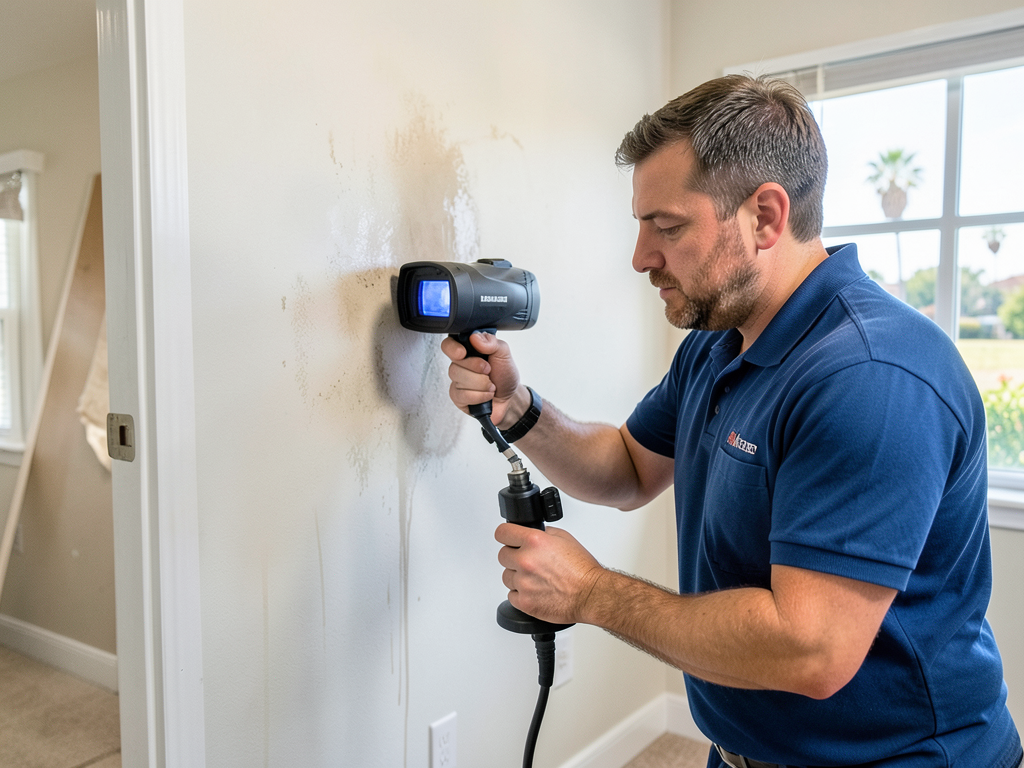
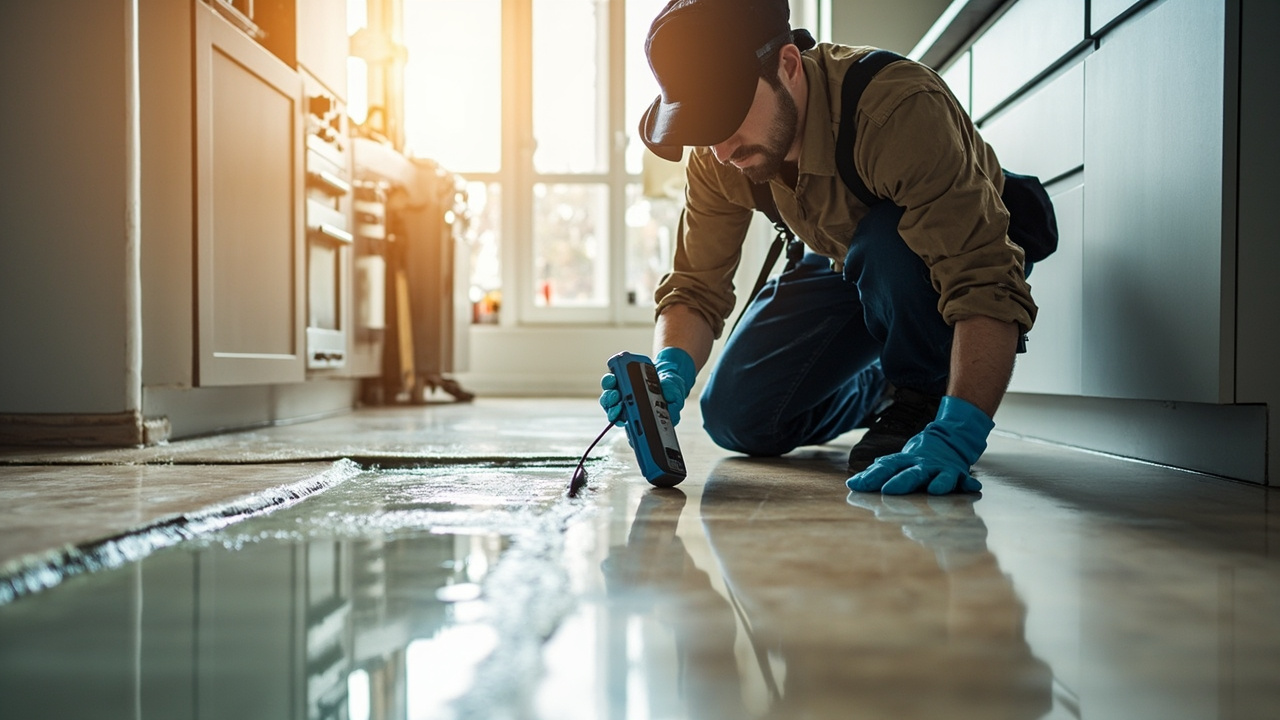
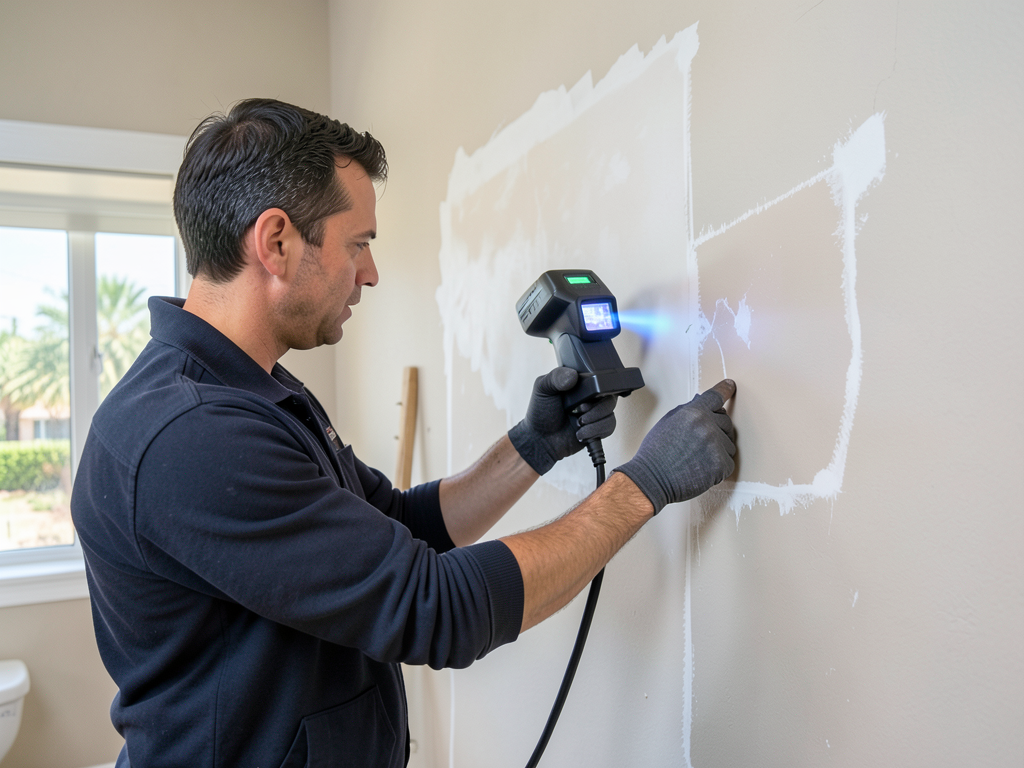
Proper classification starts at arrival. Our technicians trace the water to its source, inspect the affected materials, and determine how long the water has been present. We document findings with thermal imaging and moisture meters to map the full extent of saturation, which reveals whether clean water has migrated through wall cavities and picked up contaminants.

For Category 1 incidents, we extract water quickly to prevent degradation to Category 2. We use air movers and dehumidifiers to dry structural materials in place when possible, salvaging hardwood floors, cabinetry, and drywall that would otherwise require replacement.

Category 2 situations require antimicrobial treatment. We remove porous materials like carpet padding, insulation, and drywall that absorbed gray water. We clean and disinfect hard surfaces with EPA-registered antimicrobials rated for the specific contaminants present. Our equipment includes HEPA filtration to capture airborne particles during demolition.

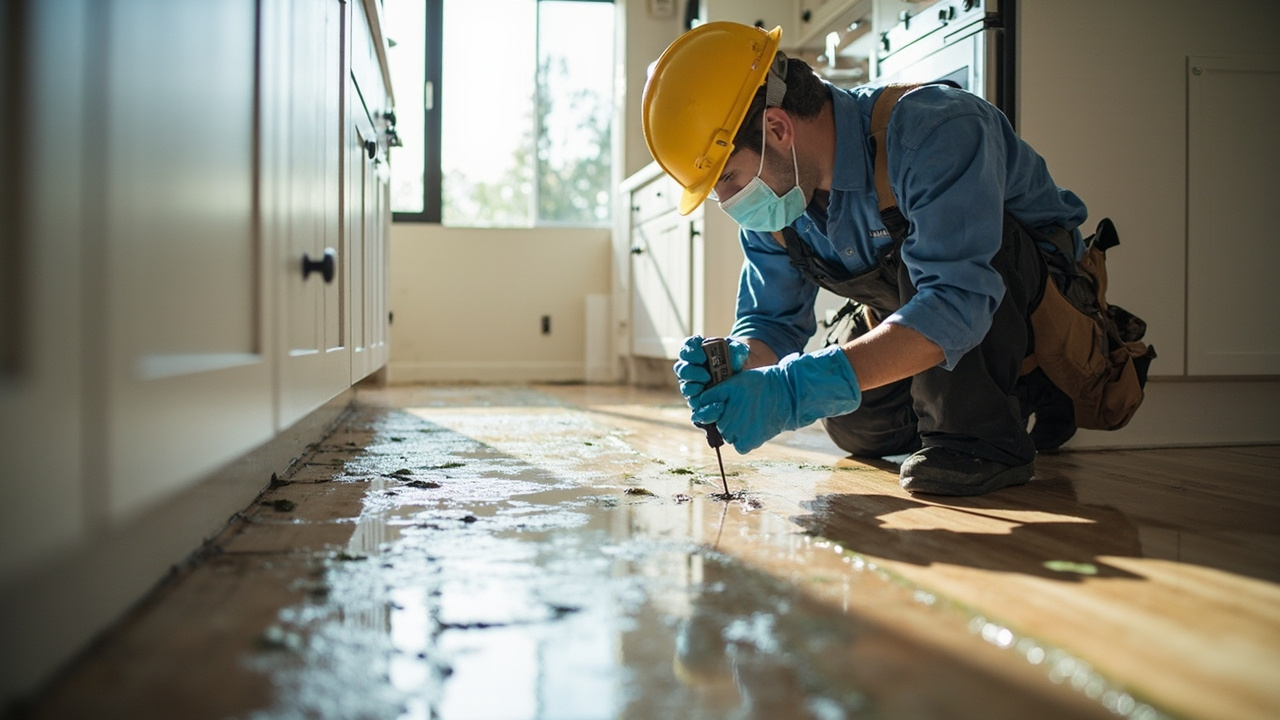
Category 3 demands the most aggressive approach. We suit up in full personal protective equipment, including respirators and disposable coveralls. All porous materials that contacted black water get removed and disposed of according to local regulations. We apply antimicrobial treatments to structural framing before reconstruction begins. Air scrubbers with HEPA filters run continuously during demolition to prevent cross-contamination to unaffected areas.

San Diego's municipal codes require proper disposal of Category 3 materials. We coordinate with licensed waste haulers and document disposal for insurance purposes. Keystone Water Damage Restoration San Diego follows IICRC S500 standards that mandate specific water quality classifications protocols, ensuring your property meets health and safety requirements before we consider the job complete.

The Steps We Follow to Classify and Address Water Damage

Categories of Water in San Diego – Understanding IICRC Classifications That Determine Your Restoration Strategy
01

Source Identification and Initial Classification

We trace the water to its origin point, whether that's a failed appliance hose, roof leak, or sewage backup. This determines the baseline contamination level and dictates the safety equipment we use. We photograph the source and affected areas for documentation and insurance purposes. Our moisture mapping identifies hidden saturation in wall cavities, subfloors, and ceiling spaces that standard visual inspection misses.
02

Material Assessment and Protocol Selection

We evaluate how long water has been present and which materials absorbed it. Porous materials like drywall, insulation, and carpeting require different handling than non-porous surfaces like tile or metal. We determine which items can be restored and which must be removed based on the water category and saturation depth. This assessment drives the equipment selection, antimicrobial treatments, and personal protective equipment requirements for the restoration phase.
03

Execution and Environmental Monitoring

We implement the appropriate extraction, demolition, and drying strategy for the identified category. Our hygrometers track moisture levels daily until all affected materials reach dry standards. We test air quality for mold spores and bacteria when Category 2 or 3 water was present. Final documentation includes moisture readings, photos of dried areas, and antimicrobial treatment records that prove your property is safe for occupancy or reconstruction.

Why Accurate Water Classification Requires Local Restoration Expertise

Misclassifying water damage leads to inadequate treatment that creates long-term problems. Treating Category 2 or 3 water as Category 1 leaves behind pathogens, toxins, and microbial growth that manifest months later as persistent odors, respiratory issues, or structural decay. You need technicians who understand the science behind water contamination levels and follow documented protocols, not guesswork.

San Diego's building stock presents classification challenges. Many coastal properties built before 1980 contain vermiculite insulation, asbestos drywall compound, or lead paint. When Category 2 or 3 water contacts these materials, we coordinate with certified abatement contractors before demolition begins. Our familiarity with local building materials and construction methods helps us anticipate these complications during initial assessment.

Climate factors influence restoration timelines. San Diego's moderate humidity typically aids drying, but marine layer fog in coastal areas slows evaporation rates during summer months. Properties in inland valleys like El Cajon and Santee face higher temperatures that accelerate microbial growth in standing water, shortening the window between categories. We adjust equipment placement and drying strategies based on your specific microclimate and building envelope characteristics.

Local regulations shape our disposal and documentation practices. The City of San Diego requires backflow prevention devices on properties in flood-prone areas, and we verify these systems during sewage backup incidents. We work directly with adjusters from insurance companies that serve the San Diego market, providing the documentation they need to process claims efficiently.

Keystone Water Damage Restoration San Diego maintains IICRC certifications in Water Damage Restoration and Applied Microbial Remediation. This training keeps us current on evolving contamination standards and treatment protocols that protect your health and property value.

What You Can Expect During Water Damage Classification and Restoration

Rapid Response and Initial Assessment

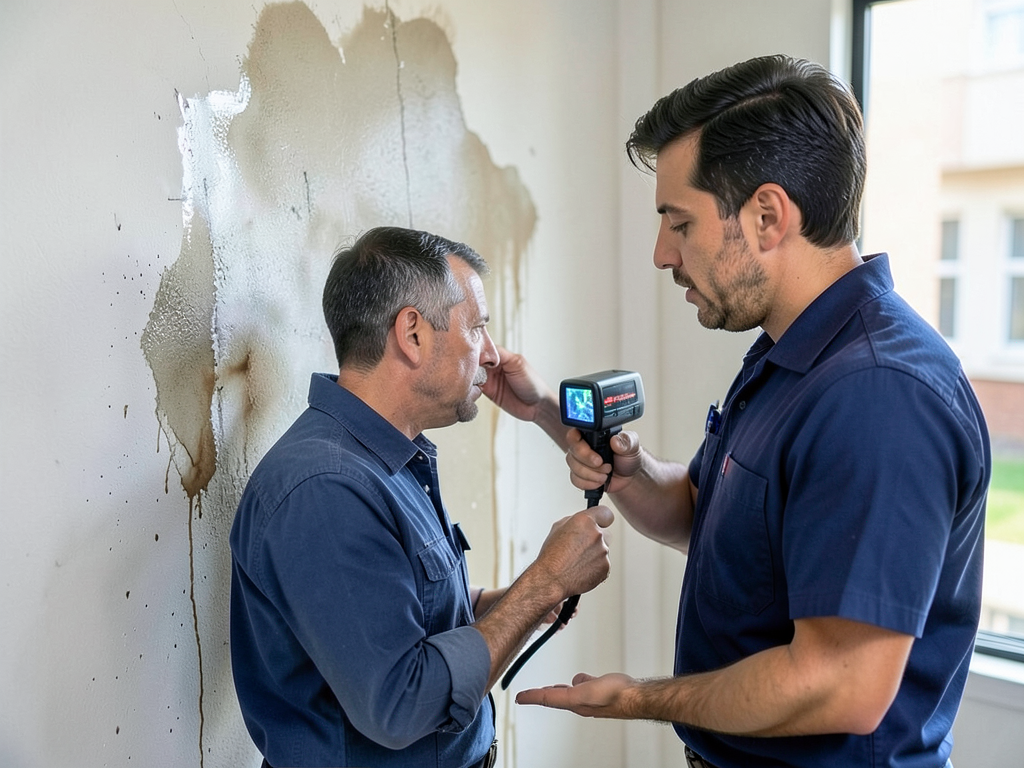
We arrive within hours of your call to stop ongoing damage and begin assessment. Our technicians carry moisture detection equipment, thermal cameras, and testing supplies to classify the water immediately. You receive a verbal explanation of the category, what it means for restoration scope, and which materials require removal versus drying in place. We begin water extraction and set up initial containment barriers the same day to prevent contamination spread. You get written documentation of the classification with supporting photos and source identification for insurance submission.

Transparent Scope and Safety Communication

We explain which areas are safe for occupancy and which require restricted access during restoration. You receive a detailed scope of work that outlines the removal strategy, antimicrobial treatments, and drying timeline specific to the identified category. We discuss personal protective equipment requirements and explain why certain materials cannot be saved when Category 2 or 3 water is involved. Our project managers walk you through the restoration phases so you understand what happens each day and when you can expect completion.

Documented Drying and Verification

You receive daily moisture readings that show drying progress in floors, walls, and structural materials. We track relative humidity levels and adjust equipment placement to optimize evaporation rates. When antimicrobial treatments are applied, you get product data sheets and application records. Final documentation includes moisture meter readings that prove all affected materials meet IICRC dry standards. For Category 2 or 3 incidents, we provide air quality test results that confirm safe microbial levels before reconstruction begins.

Post-Restoration Monitoring and Prevention Guidance

We schedule a follow-up inspection 30 days after completion to verify no moisture has returned and no odors have developed. You receive a written summary of the water source, classification, and restoration methods used, which becomes part of your property maintenance records. We provide specific recommendations to prevent recurrence based on the identified source, whether that means appliance replacement, plumbing upgrades, or improved drainage around your foundation. Our technicians explain what warning signs to watch for and when to call for immediate assessment versus routine monitoring.

Frequently Asked Questions

You Have Questions,
We Have Answers

What are the 5 types of water? +

In water damage restoration, we classify water into three categories, not five. Category 1 is clean water from broken pipes or supply lines. Category 2 is gray water containing contaminants like washing machine overflow or dishwasher leaks. Category 3 is black water, highly contaminated with sewage, bacteria, or floodwater. San Diego homes dealing with coastal flooding or aging plumbing often face Category 2 or 3 situations. Understanding these categories helps determine safety protocols and restoration methods. If you see "five types," that typically refers to drinking water classifications, not water damage categories.

What is category 1, 2, and 3 water? +

Category 1 water is clean water from sanitary sources like supply lines, faucets, or rainwater before it contacts surfaces. Category 2 water is gray water with contamination from appliances, toilet overflow with urine, or washing machines. It can cause illness if ingested. Category 3 water is black water, grossly contaminated with sewage, bacteria, fungi, or outdoor floodwater. In San Diego, Category 1 water can degrade to Category 2 within 48 hours if left standing. Category 3 requires full contamination protocols, protective equipment, and often complete material removal. Time matters with every category.

What are the three categories of water? +

The three water damage categories are clean, gray, and black. Clean water comes from sanitary sources like broken pipes or rain. Gray water contains some contaminants from appliances or fixtures. Black water is severely contaminated with sewage, bacteria, or outdoor flooding. These categories guide restoration protocols and safety measures. In San Diego, coastal humidity can accelerate category degradation. A clean water leak today becomes gray water tomorrow if moisture sits. Category 3 water requires immediate professional intervention with protective gear, antimicrobial treatment, and often full material removal. The category determines cost, timeline, and health risks.

What are the 4 forms of water? +

The four forms of water refer to physical states: solid (ice), liquid, gas (vapor), and supercritical fluid. However, in water damage restoration, this question likely confuses water categories with water classes. Categories describe contamination level. Classes describe evaporation rate and affected materials. Class 1 is slow evaporation with minimal absorption. Class 2 affects carpet and cushions. Class 3 involves ceilings, walls, and insulation. Class 4 requires specialty drying for hardwood, concrete, or stone. San Diego homes with stucco exteriors and tile roofs often experience Class 3 damage from roof leaks penetrating walls and ceilings.

What are the 7 types of water? +

There are not seven types of water in restoration contexts. You may be thinking of drinking water types like tap, distilled, mineral, spring, purified, alkaline, and sparkling. Water damage uses three categories based on contamination. Category 1 is clean. Category 2 is gray. Category 3 is black. We also use four classes based on evaporation and material absorption. San Diego residents should focus on contamination categories when dealing with water damage, not drinking water types. If your property floods, the source matters more than pH levels. Clean supply line breaks differ drastically from sewage backups in treatment approach and health risk.

What are the 8 types of water? +

Eight types of water typically refers to drinking water classifications, not water damage categories. Those might include tap, spring, mineral, distilled, purified, alkaline, sparkling, and well water. Water damage restoration uses three contamination categories and four evaporation classes. Category 1 is clean water. Category 2 is gray water. Category 3 is black water. San Diego homes face water damage from multiple sources: supply line failures, appliance leaks, sewer backups, and storm flooding. The restoration industry does not recognize eight water damage types. Focus on contamination level and affected materials when assessing damage to your property.

What is category 4 water? +

Category 4 water does not exist in standard water damage classification systems. The industry recognizes three categories: clean, gray, and black water. You may be confusing categories with classes. Class 4 water damage involves specialty drying situations with low-porosity materials like hardwood, concrete, stone, or plaster. These materials hold moisture deep within and require specialized equipment like injectidry systems or floor mat systems. San Diego homes with original hardwood floors or concrete slab foundations often experience Class 4 drying challenges. This requires longer dry times, specialized meters, and industry expertise to prevent secondary damage or mold growth.

What are the four classes of water? +

The four classes of water describe evaporation rates and material absorption, not contamination. Class 1 involves minimal absorption and slow evaporation, affecting small areas. Class 2 affects fast-evaporating materials like carpet, cushions, and structural materials up walls. Class 3 involves ceiling, walls, insulation, and subfloors with water coming from overhead. Class 4 requires specialty drying for hardwood, concrete, plaster, or stone with deep moisture penetration. San Diego properties with tile roofs and stucco often see Class 3 damage from roof leaks. Classes determine equipment needs, dry time, and restoration complexity, working alongside contamination categories.

Which is better, alkaline or purified water? +

Alkaline versus purified water is a drinking water question, not a water damage restoration issue. When your San Diego home floods, contamination category matters, not pH level. Purified water removes contaminants. Alkaline water has higher pH. Neither affects restoration protocols. Category 1 clean water can come from any potable source. Category 2 gray water contains contaminants regardless of original pH. Category 3 black water is dangerous no matter the water type. If you face water damage, focus on source identification, contamination level, and rapid extraction. The restoration approach depends on what contaminated the water, not its drinking water classification.

What are different types of water called? +

Different water types in restoration contexts are called categories and classes. Categories describe contamination: clean water, gray water, and black water. Classes describe evaporation and absorption: Class 1 through Class 4. Outside restoration, water types include tap, distilled, mineral, spring, purified, and well water. San Diego residents facing water damage should understand categories determine safety protocols while classes determine drying methods. A Category 1 clean water leak still requires professional drying to prevent mold. A Category 3 sewage backup demands contamination controls and material removal. Know the category and class to understand scope, cost, and timeline.

How San Diego's Coastal Climate and Aging Infrastructure Create Water Damage Classification Challenges

San Diego's proximity to the Pacific Ocean creates unique corrosion patterns in plumbing systems. Salt air accelerates the degradation of galvanized pipes common in properties built before 1970 throughout Mission Beach, Ocean Beach, and Point Loma. When these pipes fail, the water often carries rust particles, scale, and biofilm that elevate the contamination level beyond simple clean water. Properties in canyons like Mission Valley face a different challenge. The Tijuana River and San Diego River flood during winter storms, pushing Category 3 water into low-lying structures where accurate classification determines whether salvage is possible or total gut-out is required for safe occupancy.

Local expertise matters because San Diego's municipal codes require specific permits for demolition involving contaminated materials, and the County's Environmental Health Department has jurisdiction over Category 3 incidents that involve sewage. We maintain relationships with local inspectors and understand the documentation they require for permit approval. Our experience with San Diego's diverse architectural styles, from Spanish Revival stucco in Balboa Park to mid-century construction in Allied Gardens, helps us anticipate hidden moisture paths and material vulnerabilities that affect classification accuracy. This local knowledge prevents treatment gaps that create liability issues and ensures your restoration meets the standards expected by insurers operating in the San Diego market.
Water Damage Restoration Services in The San Diego Area

We are proud to serve the entire San Diego area and invite you to view our service region on the map below. While our emergency response team is mobile and always ready to dispatch to your location rapidly, our central operations base allows us to coordinate efficient service across all of San Diego County. Contact us today for immediate assistance, no matter where your property is located within our service area.

Address:
Keystone Water Damage Restoration San Diego, 4445 Eastgate Dr, San Diego, CA, 92121

Additional Services We Offer

Our news updates

Latest Articles & News from The Blogs

Who Pays for Water Damage When a Neighbor’s Leak Affects Your San Diego Condo Discovering water damage in your condo…

Navigating Liability When a Neighbors Apartment Leaks into Your San Diego Condo

Who Pays for Water Damage When a Neighbor’s Leak Affects Your San Diego Condo Discovering water damage in your condo…

The Critical Steps Your Restoration Team Takes in the First Forty Eight Hours

The Critical Steps Your Restoration Team Takes in the First Forty Eight Hours When water invades your home in San…

Should You Try In Place Drying or Choose a Full Rip Out After a San Diego Flood

Should You Try In Place Drying or Choose a Full Rip Out After a San Diego Flood San Diego homeowners…

Contact Us

Water damage classification determines your family's safety and restoration costs. Call Keystone Water Damage Restoration San Diego at (858) 203-2555 for immediate assessment and category-appropriate treatment that follows IICRC standards and local codes.