menu

Efflorescence on Concrete in San Diego – Expert Diagnosis and Permanent Moisture Control Solutions

When white powder or crystalline deposits appear on your concrete surfaces, you need water damage specialists who understand San Diego's unique moisture challenges and can stop the source before efflorescence damages your foundation or slab.

Slider Image 1
Slider Image 2
Slider Image 3
Slider Image 4
Slider Image 5
Slider Image 7
Slider Image 8
Slider Image 9
Slider Image 10
Slider Image 11

Why Concrete in San Diego Develops White Powder and Salt Deposits

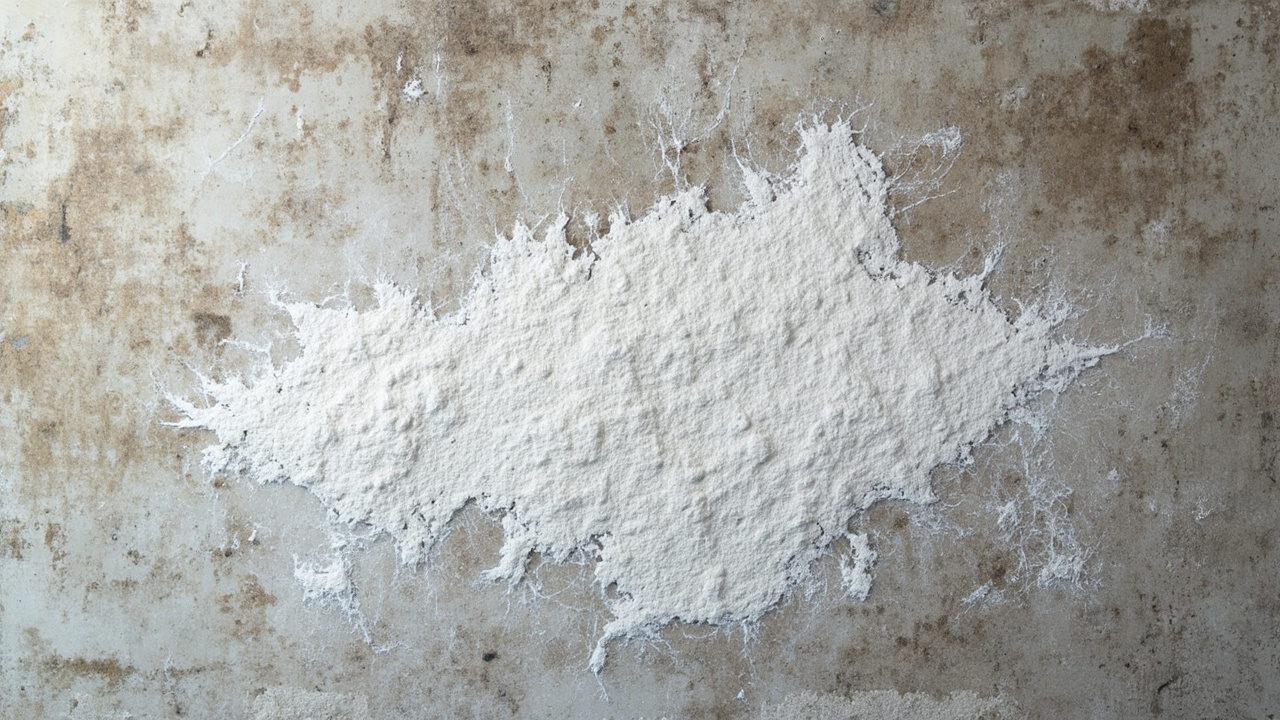
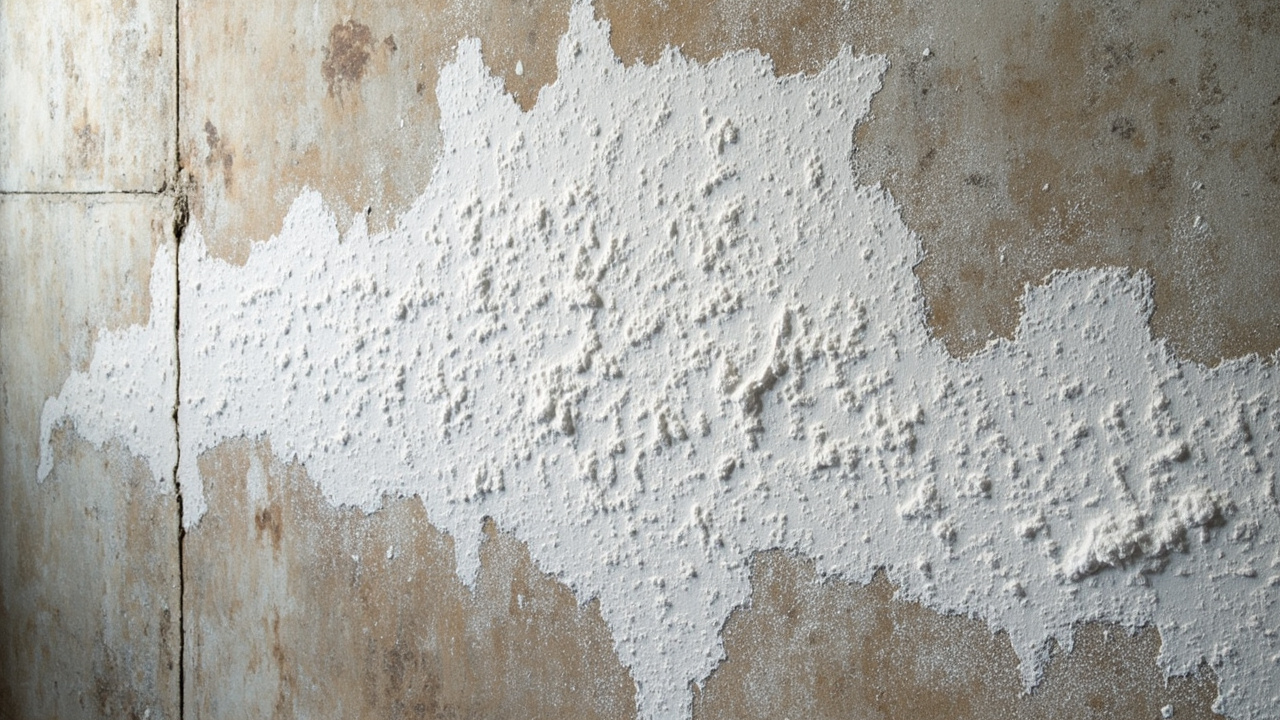
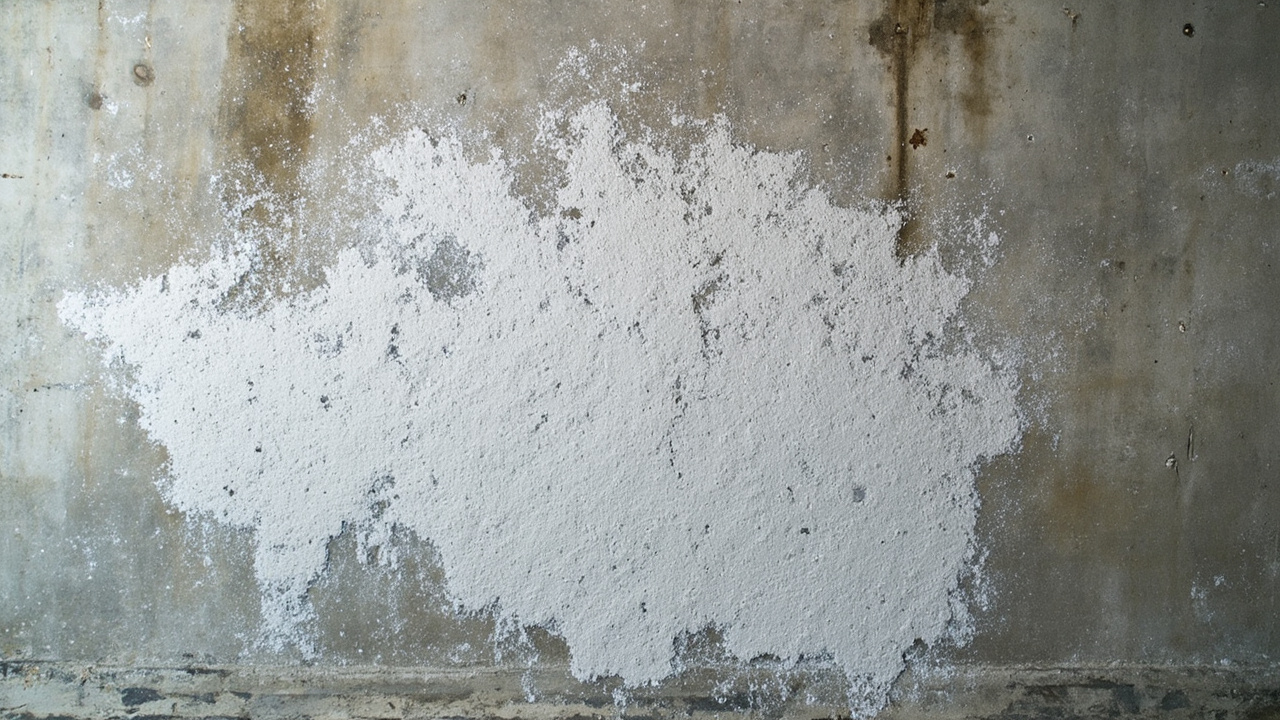
You notice white residue on concrete in your garage, basement, or patio. The chalky mineral salts on concrete seem to appear overnight. You scrub them away, but the white powder on concrete returns within weeks.

This is efflorescence, and it signals a hidden water problem.

San Diego's coastal proximity creates specific challenges. Morning marine layer fog brings moisture. Irrigation systems overwater landscaping. The region's alkaline soil compounds the issue. When water migrates through concrete, it dissolves calcium hydroxide and other minerals. As the water evaporates at the surface, it leaves behind crystalline deposits on concrete.

Properties in neighborhoods like Pacific Beach, La Jolla, and Point Loma face higher exposure due to ocean moisture. Homes in inland areas like Scripps Ranch or Rancho Bernardo deal with irrigation seepage. Older concrete poured before modern vapor barriers became standard in the 1980s shows more frequent concrete salt deposits.

Efflorescence itself does not harm concrete immediately. The problem is what it indicates. Persistent moisture migration through your slab or foundation wall means water is traveling where it should not. Over time, this moisture carries sulfates that attack concrete. Freeze-thaw cycles do not affect San Diego, but repeated wetting and drying weakens the paste matrix. Rebar begins to corrode. Structural integrity declines.

You need to address the moisture source, not just clean the surface deposits.

Why Concrete in San Diego Develops White Powder and Salt Deposits
How We Stop Efflorescence by Controlling the Moisture Source

How We Stop Efflorescence by Controlling the Moisture Source

Cleaning efflorescence without fixing the water intrusion is temporary. We use moisture mapping technology to identify exactly where water enters your concrete.

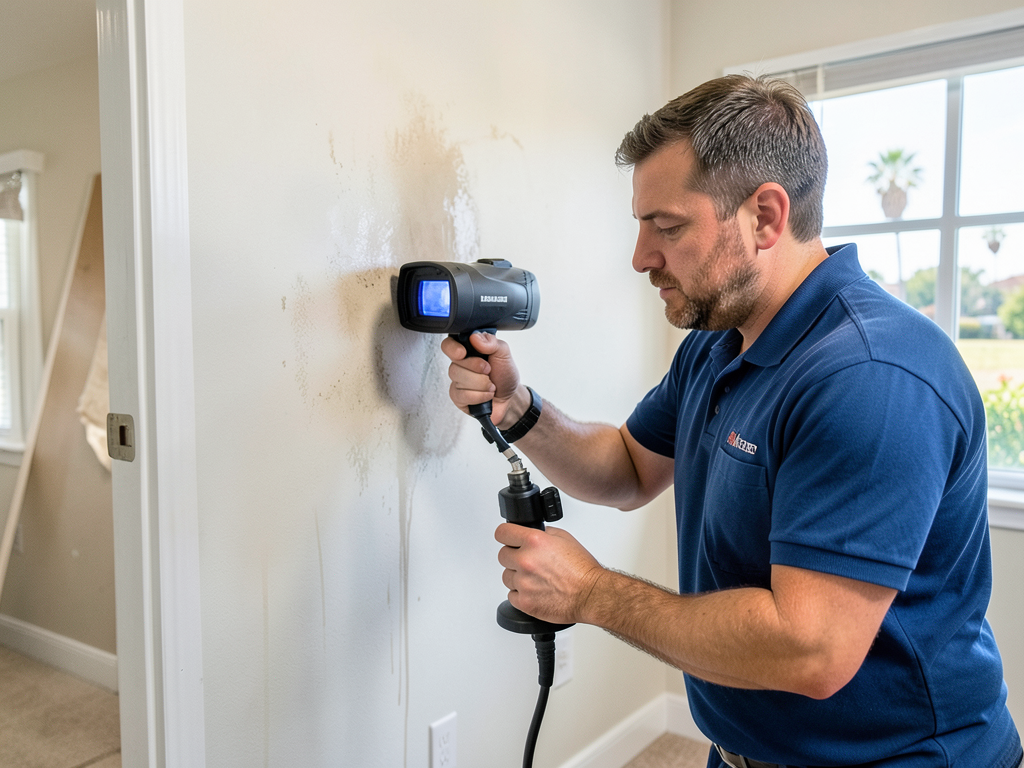
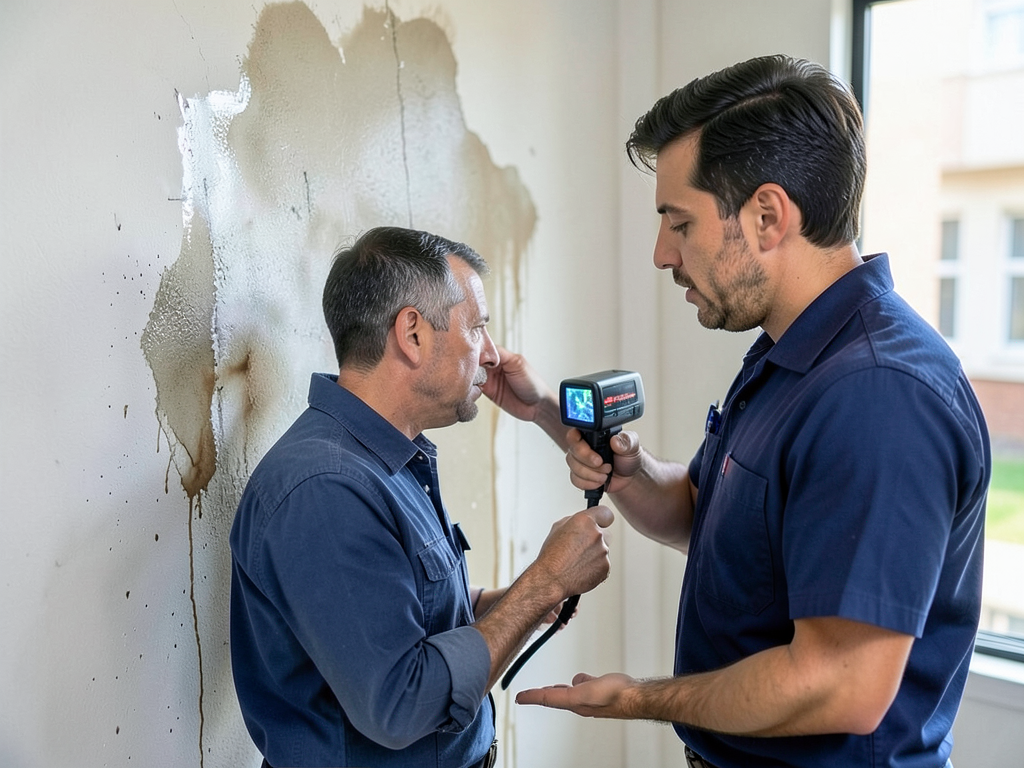
Our technicians use non-invasive moisture meters to scan your slab or foundation wall. We measure the moisture gradient at different depths. Surface moisture is one issue. Sub-slab moisture is another. We check vapor emission rates to determine if groundwater is wicking up through your concrete.

We inspect exterior grading around your foundation. Negative slope directs water toward your home instead of away. We check downspouts and gutter discharge points. Many San Diego properties discharge roof runoff too close to the foundation. We evaluate irrigation zones. Sprinkler heads placed near foundation walls create constant saturation.

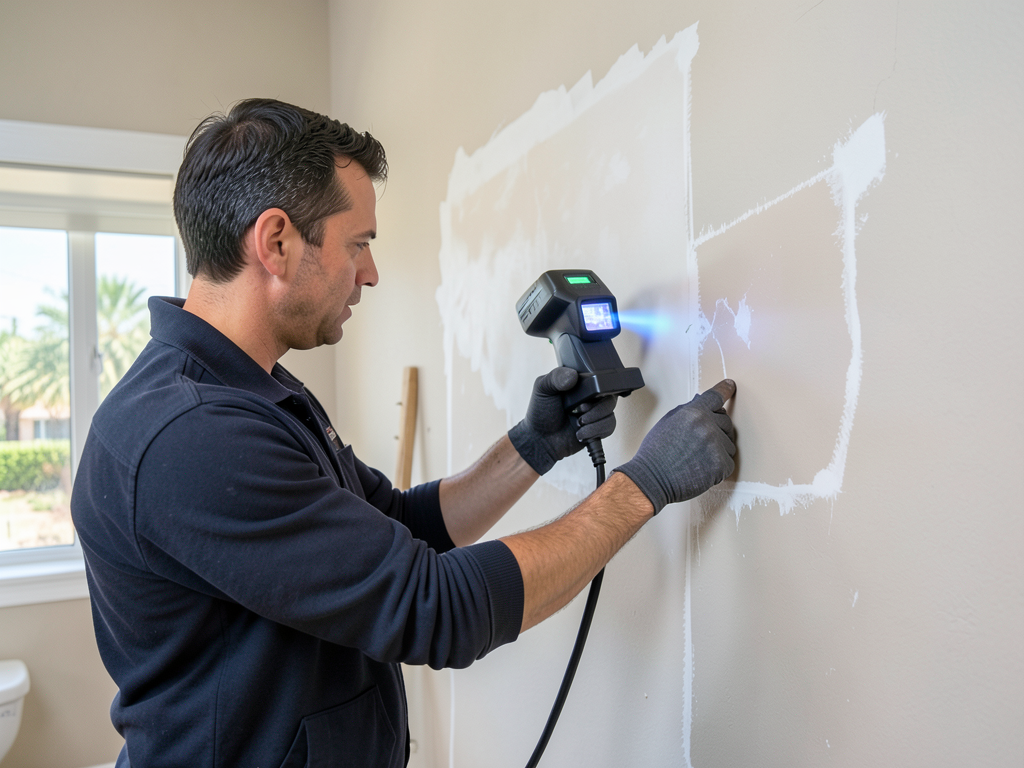
Inside, we use thermal imaging to detect temperature differentials that indicate moisture accumulation behind walls or under flooring. We inspect plumbing penetrations through the slab. Pinhole leaks in copper supply lines are common in San Diego due to our water chemistry.

Once we map the moisture pathways, we develop a correction plan. This often includes exterior waterproofing, drainage correction, or sump installation. For slab moisture, we may recommend epoxy injection to seal cracks or a vapor barrier membrane system.

We also address efflorescence removal properly. Acidic cleaners can etch concrete. We use pH-neutral solutions or mechanical methods depending on the substrate condition. After cleaning, we apply penetrating sealers that allow vapor transmission but block liquid water entry.

The goal is to eliminate the moisture pathway permanently.

What Happens During Your Concrete Moisture Assessment

Efflorescence on Concrete in San Diego – Expert Diagnosis and Permanent Moisture Control Solutions
01

Moisture Mapping and Testing

We arrive with calibrated moisture detection equipment. Our technician scans your concrete surfaces using pin-type and pinless meters to measure moisture content at various depths. We document moisture levels in a grid pattern to identify concentration zones. We also perform calcium chloride tests if sub-slab vapor drive is suspected. This data tells us if the water source is above-grade seepage, below-grade groundwater, or a plumbing leak.
02

Source Identification and Diagnosis

After mapping moisture patterns, we inspect all potential water entry points. We evaluate exterior grading, drainage systems, irrigation placement, and roof water management. Inside, we inspect plumbing lines, HVAC condensate drains, and any basement or crawl space conditions. We use thermal imaging to detect hidden leaks or cold spots that indicate moisture accumulation. This step determines whether the efflorescence is caused by surface water infiltration or sub-slab hydrostatic pressure.
03

Correction Plan and Remediation

We present a detailed remediation plan based on the moisture source. This may include exterior waterproofing, drainage correction, plumbing repairs, or slab sealing. We explain each step and provide a timeline. After corrective work is complete, we clean the efflorescence using appropriate methods that will not damage your concrete. We then apply protective sealers if needed. You receive documentation of moisture levels before and after remediation to confirm the problem is resolved.

Why San Diego Property Owners Choose Local Water Damage Specialists

Efflorescence is a symptom, not a disease. Generic handyman services scrub the surface and leave. You need water intrusion specialists who understand how moisture behaves in San Diego's specific environment.

We work in this region every day. We know that properties in coastal zones face different challenges than inland properties. Marine layer moisture creates vapor drive that pushes through porous concrete. Inland properties deal with irrigation overwatering and clay soil expansion during wet winters.

We understand San Diego's building codes and construction methods. Many homes built before 1980 lack vapor barriers under slabs. Older foundations use unreinforced concrete that is more permeable. We know which construction eras and neighborhoods face higher risk.

Our technicians are trained in moisture science, not just restoration. We hold certifications from the Institute of Inspection, Cleaning and Restoration Certification. We use calibrated equipment and follow ASTM testing protocols. This is not guesswork.

We also coordinate with other trades when needed. If your efflorescence is caused by a foundation crack, we work with structural engineers. If you need regrading, we coordinate with landscape contractors. You get a complete solution, not a band-aid.

We document everything. You receive moisture readings, thermal images, and a written report explaining what we found and what we fixed. If you need this documentation for insurance or real estate transactions, you have it.

You also get a local team that responds quickly. We are not a franchise call center routing your request to a subcontractor. We are here in San Diego, and we prioritize local clients.

What You Can Expect from Our Concrete Moisture Service

Response Time and Scheduling

We schedule your moisture assessment within 24 to 48 hours of your call. Most inspections take two to three hours depending on the size of your property and the extent of the efflorescence. We provide same-day scheduling for urgent situations where active water intrusion is suspected. Our technicians arrive on time and prepared with all necessary diagnostic equipment. You receive a verbal summary of findings before we leave, followed by a written report within 24 hours. If immediate corrective action is needed, we can often begin work the same week.

The Diagnostic Process

Our inspection is thorough and non-invasive. We begin with a visual examination of all concrete surfaces showing efflorescence. We then use moisture meters to measure substrate moisture content at multiple points. Thermal imaging cameras detect hidden moisture and temperature anomalies. We inspect exterior drainage, grading, irrigation systems, and roof water management. Inside, we check plumbing lines, HVAC systems, and any basement or crawl space conditions. We perform vapor emission tests if sub-slab moisture is suspected. You receive clear explanations of what we find and why it matters.

The Finished Result

After we correct the moisture source, your concrete will dry properly. Efflorescence will not return if the water pathway is eliminated. We remove existing deposits using appropriate cleaning methods that preserve your concrete surface. If we apply sealers, they are penetrating products that do not create a surface film or change the appearance of your concrete. You get documentation showing moisture levels before and after remediation. Your concrete surfaces remain clean and dry. Most importantly, you have peace of mind knowing the underlying water problem is fixed.

Post-Remediation Support

We provide follow-up moisture testing at 30 and 90 days after remediation to confirm the moisture source is eliminated. You receive care instructions for maintaining proper drainage and irrigation practices. If efflorescence reappears, we return to reevaluate at no charge within the first 90 days. We also provide referrals to structural engineers or foundation specialists if follow-up work is needed beyond moisture control. You have access to our team for questions or concerns. Our goal is to ensure your concrete stays dry and efflorescence-free long-term.

Frequently Asked Questions

You Have Questions,
We Have Answers

Is efflorescence on concrete a problem? +

Efflorescence itself is not structurally dangerous. It is a cosmetic issue caused by soluble salts migrating through concrete and crystallizing on the surface. The real problem is what it signals. Persistent efflorescence often indicates excessive moisture intrusion, which can lead to concrete spalling, rebar corrosion, or mold growth inside walls. In San Diego, coastal humidity and irrigation overspray frequently trigger efflorescence on driveways and foundations. If you see recurring white deposits after cleaning, investigate the moisture source. Ignoring it can lead to expensive structural repairs down the line.

How do you repair efflorescence in concrete? +

Start by dry brushing the white deposits with a stiff bristle brush. For stubborn buildup, use a diluted vinegar solution or a commercial efflorescence cleaner. Scrub the area, then rinse thoroughly with water. Avoid pressure washing without proper drainage, as this can drive moisture deeper into the concrete. The key step is addressing the moisture source. Check for leaky irrigation lines, poor grading, or damaged waterproofing membranes. In San Diego, hardscape near sprinkler zones is especially vulnerable. If efflorescence returns quickly, you need a professional moisture assessment to prevent long-term damage.

Should efflorescence be removed? +

Yes. Removing efflorescence prevents further salt accumulation and allows you to assess the underlying concrete condition. Surface salts can trap moisture, accelerating deterioration. Removal also helps you identify if the deposits are returning, which signals an active moisture problem. In San Diego, efflorescence on garage floors or exterior walls often stems from groundwater seepage or irrigation runoff. If you notice the white film reappearing within days of cleaning, do not keep scrubbing. You need to stop the water source first. Ongoing efflorescence is a symptom, not the root cause.

How to stop efflorescence from concrete? +

Stop efflorescence by eliminating the moisture source. Fix grading issues to direct water away from concrete slabs. Repair leaking irrigation systems and adjust sprinkler heads that oversaturate hardscape. Apply a penetrating concrete sealer to reduce water absorption. In San Diego, coastal moisture and clay soil can cause groundwater wicking through slab foundations. Installing a vapor barrier under new concrete or applying a topical waterproofing membrane can help. For existing slabs, ensure proper drainage around the perimeter. If efflorescence persists after surface fixes, you may need subsurface drainage solutions like French drains or sump systems.

How San Diego's Coastal Climate and Soil Conditions Accelerate Efflorescence on Concrete

San Diego's marine layer brings consistent overnight moisture from May through August. This fog deposits water vapor on cool concrete surfaces, creating ideal conditions for mineral migration. The region's alkaline soil contains high concentrations of calcium, magnesium, and sodium salts. When groundwater or irrigation water wicks through concrete, it dissolves these minerals and carries them to the surface. Properties within three miles of the coast face higher vapor drive due to elevated ambient humidity. Inland areas experience more dramatic wet-dry cycles during winter and spring, accelerating the formation of white powder and crystalline deposits on driveways, patios, and foundation walls.

Keystone Water Damage Restoration San Diego works exclusively in this region. We understand how Mission Bay moisture patterns differ from Rancho Penasquitos conditions. We know that properties built during the 1960s and 1970s construction boom often lack proper vapor barriers. We are familiar with the clay-based soils in areas like Mira Mesa that expand during wet winters and create hydrostatic pressure against foundations. Our technicians train specifically on coastal moisture intrusion and sub-slab vapor drive. When you hire a local water damage specialist, you get someone who has diagnosed hundreds of efflorescence cases in San Diego and knows exactly how to fix the moisture source permanently.
Water Damage Restoration Services in The San Diego Area

We are proud to serve the entire San Diego area and invite you to view our service region on the map below. While our emergency response team is mobile and always ready to dispatch to your location rapidly, our central operations base allows us to coordinate efficient service across all of San Diego County. Contact us today for immediate assistance, no matter where your property is located within our service area.

Address:
Keystone Water Damage Restoration San Diego, 4445 Eastgate Dr, San Diego, CA, 92121

Additional Services We Offer

Our news updates

Latest Articles & News from The Blogs

Who Pays for Water Damage When a Neighbor’s Leak Affects Your San Diego Condo Discovering water damage in your condo…

Navigating Liability When a Neighbors Apartment Leaks into Your San Diego Condo

Who Pays for Water Damage When a Neighbor’s Leak Affects Your San Diego Condo Discovering water damage in your condo…

The Critical Steps Your Restoration Team Takes in the First Forty Eight Hours

The Critical Steps Your Restoration Team Takes in the First Forty Eight Hours When water invades your home in San…

Should You Try In Place Drying or Choose a Full Rip Out After a San Diego Flood

Should You Try In Place Drying or Choose a Full Rip Out After a San Diego Flood San Diego homeowners…

Contact Us

White powder on your concrete means water is migrating where it should not. Call Keystone Water Damage Restoration San Diego at (858) 203-2555 now. We will schedule your moisture assessment within 48 hours and identify the source of your efflorescence problem.