menu

Signs of Hidden Mold in San Diego – Expert Detection Before It Threatens Your Health

Keystone Water Damage Restoration San Diego identifies symptoms of concealed mold and indicators of invisible mold using thermal imaging and moisture mapping technology to protect your property and family before structural damage begins.

Slider Image 1
Slider Image 2
Slider Image 3
Slider Image 4
Slider Image 5
Slider Image 7
Slider Image 8
Slider Image 9
Slider Image 10
Slider Image 11

San Diego's Coastal Climate Creates the Perfect Environment for Concealed Mold Growth

You smell something musty in your La Jolla home but see no visible growth. Your Pacific Beach apartment feels damp even when the AC runs. These are classic indicators of invisible mold thriving where you cannot see it.

San Diego's marine layer creates consistent morning moisture that penetrates exterior walls, especially in older homes built before modern vapor barriers became standard. When this moisture meets warm afternoon temperatures, it creates ideal conditions for mold colonization inside wall cavities, under flooring, and above ceiling planes. The mild year-round climate means this cycle repeats daily without the hard freezes that kill spores in other regions.

Detecting hidden mold requires understanding how San Diego's architecture interacts with coastal humidity. Homes in Clairemont and North Park often feature original plaster walls that trap moisture. Properties in Point Loma face salt air corrosion that compromises weatherproofing. Even newer construction in Carmel Valley can develop evidence of unseen mold when HVAC systems create negative pressure that pulls humid ocean air into building envelopes.

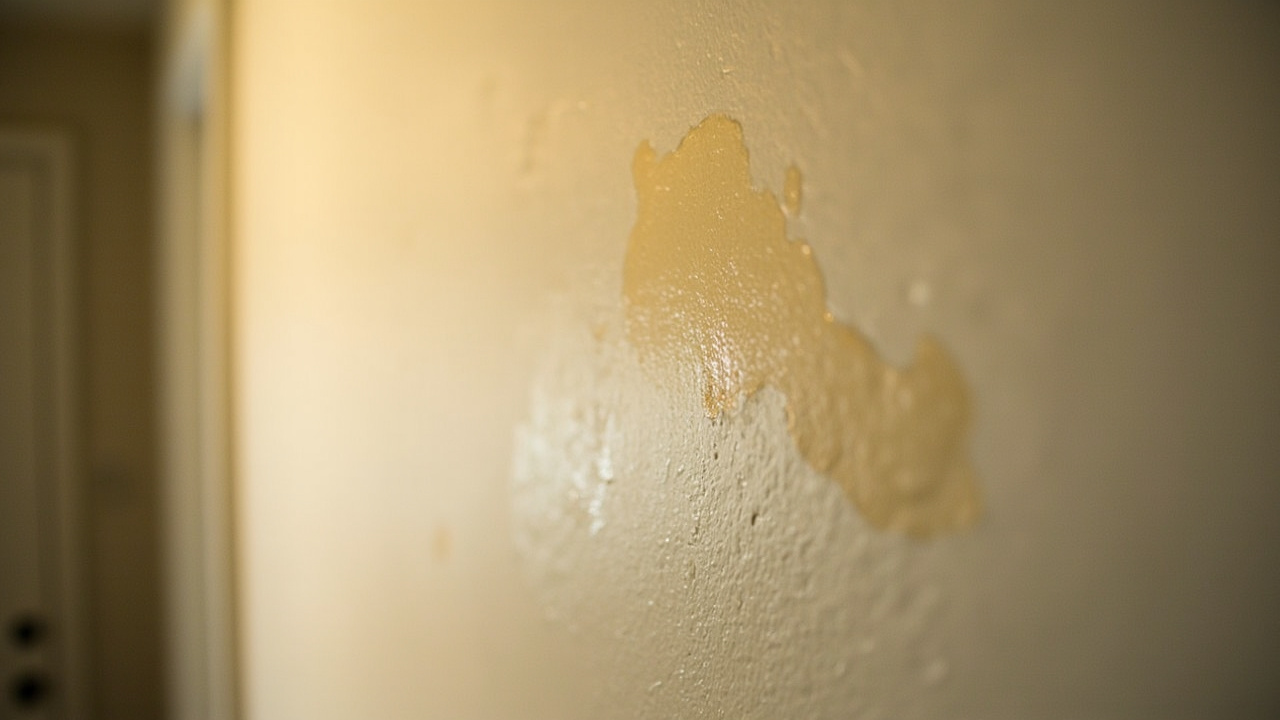
The symptoms of concealed mold extend beyond smell. Residents report persistent allergies, respiratory irritation, and unexplained fatigue. You might notice warped baseboards, discolored grout lines, or peeling paint in bathrooms and kitchens. These signs of mold behind walls indicate active colonization that standard cleaning cannot address. The problem grows exponentially in darkness, feeding on drywall paper, wood framing, and insulation materials until structural integrity becomes compromised.

San Diego's Coastal Climate Creates the Perfect Environment for Concealed Mold Growth
How We Find Mold Other Companies Miss

How We Find Mold Other Companies Miss

Most homeowners attempt visual inspections that reveal only surface-level problems. Professional mold detection requires technology that sees through building materials to map moisture patterns and temperature differentials that indicate active growth.

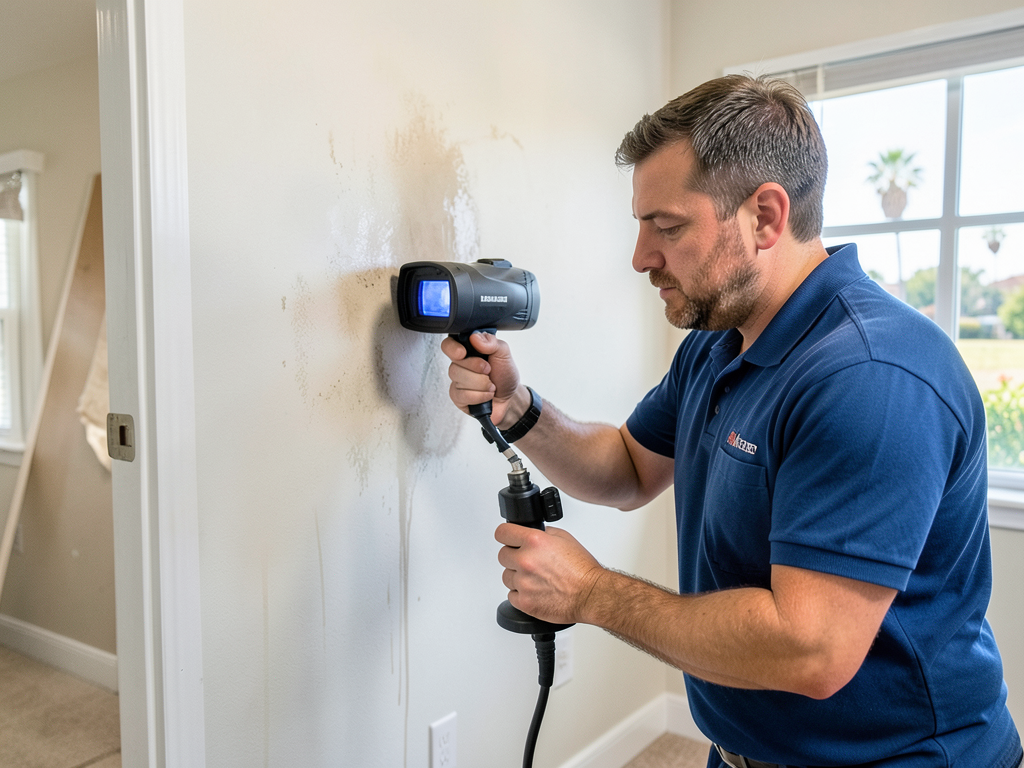
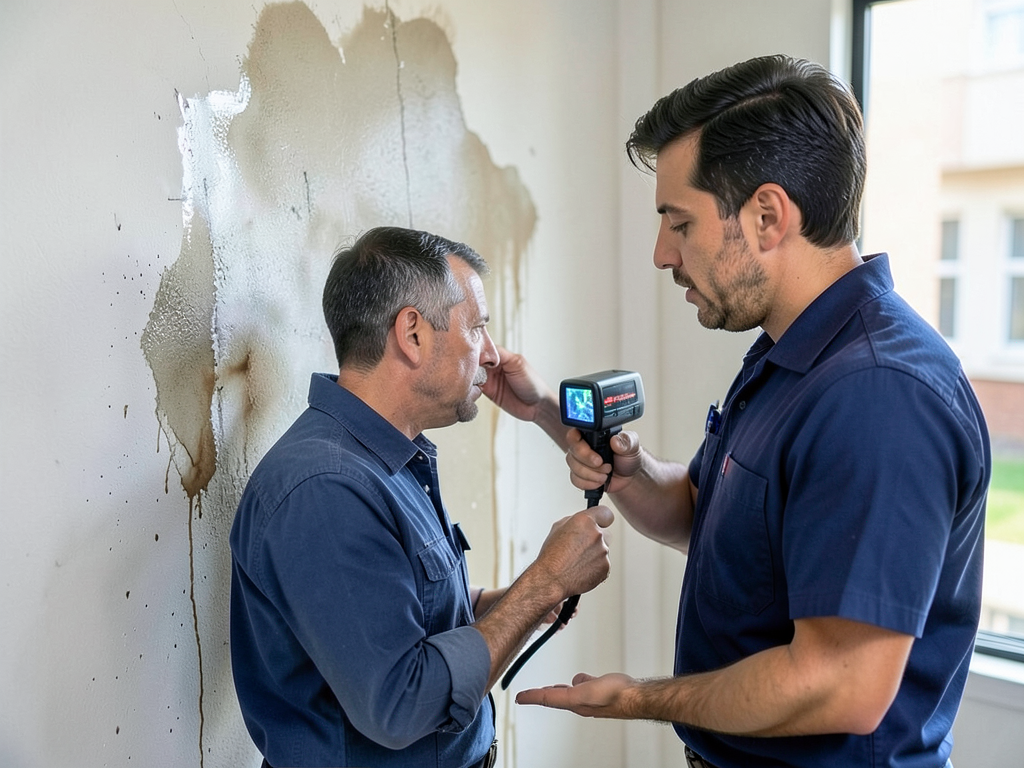
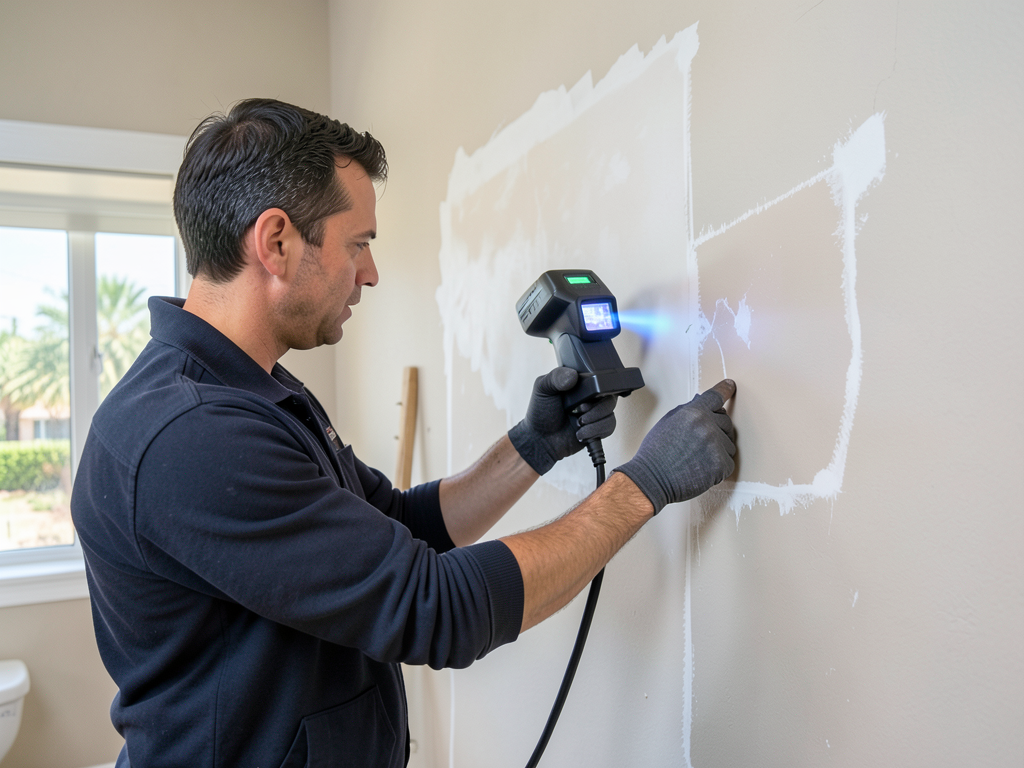
We deploy FLIR thermal imaging cameras that identify temperature anomalies caused by evaporative cooling from hidden water sources. When moisture evaporates from mold colonies, it creates measurable temperature drops that appear as distinct patterns on thermal scans. This non-invasive approach lets us pinpoint problem areas before cutting into walls or ceilings.

Our moisture mapping protocol uses pin-type and pinless meters to measure water content in building materials. We take readings at multiple depths and locations to establish moisture gradients that reveal the extent of water intrusion. These measurements are compared against ANSI/IICRC S500 standards to determine if materials fall within acceptable ranges or require remediation.

Air quality sampling captures airborne spore counts in affected rooms and compares them to outdoor baseline levels. Elevated indoor spore concentrations indicate active mold amplification even when colonies remain hidden. We collect both viable and non-viable samples for laboratory analysis that identifies specific mold species and determines appropriate remediation protocols.

Borescope inspection allows visual confirmation without demolition. We drill small access holes to insert fiber-optic cameras into wall cavities, attic spaces, and crawlspaces. This reveals actual colonization patterns, water damage extent, and whether insulation or structural members show signs of decay. The documentation supports insurance claims and guides targeted remediation that removes only affected materials rather than gutting entire rooms.

What Happens During a Professional Mold Detection Inspection

Signs of Hidden Mold in San Diego – Expert Detection Before It Threatens Your Health
01

Initial Assessment and History

We document your health symptoms, recent water events, and areas of concern. The intake includes questions about HVAC performance, plumbing age, and previous moisture problems. We review building plans if available to identify concealed spaces where mold commonly develops. This background establishes investigation priorities and helps connect current symptoms to probable water intrusion points that may have occurred months earlier.
02

Technology-Based Detection

Thermal imaging scans every exterior wall, ceiling, and floor to map temperature patterns. Moisture meters test suspicious areas at multiple depths. We photograph all anomalies and take air samples in affected rooms. Borescope cameras examine wall cavities where thermal scans show temperature differentials. The technology phase typically requires 90 to 120 minutes depending on property size and complexity. You receive digital documentation of all findings with georeferenced photos that show exact problem locations.
03

Analysis and Action Plan

Laboratory results return within 48 to 72 hours identifying mold species and spore concentrations. We provide a written report detailing findings, moisture sources, and recommended remediation scope. The action plan specifies which materials require removal, necessary structural repairs, and prevention measures to stop recurrence. You receive cost estimates for remediation and documentation formatted for insurance submission. We explain each step in plain language so you understand exactly what needs to happen and why.

Why San Diego Property Owners Choose Keystone for Mold Detection

Mold detection requires understanding how San Diego's unique construction styles and climate patterns create hidden moisture problems that differ from inland regions. We have mapped mold patterns across every San Diego neighborhood and know which building eras and architectural styles present the highest risk.

Homes built in the 1950s through 1970s in Kensington and Talmadge often lack proper vapor barriers in exterior walls. The original tar paper and felt underlayment has degraded, allowing marine layer moisture to penetrate sheathing and insulation. We know to check these specific vulnerabilities rather than applying generic inspection protocols designed for other climates.

Properties near Mission Bay and the waterfront face elevated humidity levels year-round. Salt air accelerates corrosion of flashing, window frames, and foundation vents. We account for these accelerated degradation patterns when assessing moisture intrusion points that allow mold establishment. Our detection protocols are calibrated for the specific moisture loads San Diego properties experience.

Knowledge of local building codes matters when detection reveals remediation needs. San Diego requires specific mold remediation contractor licensing and mandates containment procedures that exceed state minimums. We document findings in formats that satisfy both insurance requirements and city permit applications. You avoid the delays and rejections that occur when out-of-area companies submit inadequate documentation.

Our thermal imaging library contains thousands of San Diego property scans. This baseline data lets us quickly distinguish normal thermal patterns from anomalies indicating hidden moisture. We recognize how Spanish colonial architecture, mid-century ranch layouts, and modern coastal construction each present distinct thermal signatures. This experience translates to faster, more accurate detection that identifies problems other inspectors overlook.

What to Expect From Your Mold Detection Service

Same-Day Scheduling for Urgent Concerns

We schedule most inspections within 24 hours of your call. If you report health symptoms or recent water damage, we prioritize same-day visits. The inspection itself takes 90 minutes to two hours depending on property size. You receive preliminary findings before we leave, with thermal images and moisture readings that show problem locations. Air sample results require lab processing but we explain visible evidence and moisture data immediately so you understand the situation. Evening and weekend appointments are available for occupied properties where daytime access is difficult.

Comprehensive Property Investigation

The assessment covers every potential moisture source including roof penetrations, plumbing chases, HVAC condensate lines, and foundation perimeters. We examine crawlspaces, attics, and garage areas where moisture accumulates unnoticed. Thermal imaging reveals patterns invisible to standard visual inspection. Moisture mapping establishes exact water content in suspected materials. We test both affected areas and adjacent spaces to determine contamination extent. You receive documentation showing every tested location with readings that establish whether materials fall within acceptable moisture ranges or require remediation.

Detailed Findings Report

Your report includes thermal images with temperature scales, moisture readings with ANSI/IICRC comparisons, and laboratory analysis of air samples identifying specific mold species. We provide written explanations of each finding in clear language that avoids technical jargon while maintaining accuracy. The report specifies moisture sources, affected building materials, and colonization extent. Recommendations detail which materials require removal versus treatment. Cost estimates break down labor, materials, and disposal for each remediation phase. The documentation format satisfies insurance carriers and provides contractors with specifications needed for accurate bidding.

Post-Remediation Verification

After remediation completes, we perform clearance testing to verify successful mold removal. This includes post-remediation air sampling compared to baseline outdoor levels and visual inspection confirming proper containment and disposal procedures. We issue clearance certificates required by insurance companies and for property transfers. If moisture sources involved plumbing or building envelope failures, we provide guidance on repairs needed to prevent recurrence. You receive maintenance recommendations specific to your property type and San Diego's climate patterns. Follow-up moisture testing is available to confirm building materials have returned to normal levels.

Frequently Asked Questions

You Have Questions,
We Have Answers

How do I tell if my house has hidden mold? +

Look for musty odors, especially in bathrooms, kitchens, and laundry rooms. Check for water stains on ceilings or walls, even if the source seems fixed. Inspect behind appliances and under sinks for discoloration. In San Diego homes, check attic spaces after winter rains and around HVAC systems where condensation builds up. Peeling paint or bulging drywall signals moisture intrusion. Unexplained respiratory issues or worsening allergies can also indicate hidden mold growth. If you suspect hidden mold, professional testing identifies the exact location and severity before spores spread further.

What are signs of mold sickness? +

Mold sickness triggers respiratory symptoms like persistent coughing, wheezing, and shortness of breath. You may experience sinus congestion, frequent headaches, or itchy eyes and throat. Fatigue and brain fog are common, especially with prolonged exposure. Some people develop skin rashes or hives. San Diego residents often mistake mold symptoms for seasonal allergies due to year-round mild weather. If symptoms worsen indoors and improve outside, mold exposure is likely. Children, elderly adults, and those with asthma face higher risks. Document your symptoms and timing to help medical professionals diagnose exposure correctly.

Can mold make a baby cough? +

Yes. Mold spores irritate infant respiratory systems, causing persistent coughing, wheezing, and difficulty breathing. Babies cannot communicate discomfort, so watch for labored breathing or chest retractions. San Diego homes with poor ventilation or water damage create ideal mold conditions. Nurseries near bathrooms or exterior walls are vulnerable spots. If your baby coughs more at home than elsewhere, inspect for hidden mold behind furniture or inside closets. Pediatricians can test for mold-related respiratory issues. Remove the baby from the environment immediately if you suspect mold exposure and schedule professional mold testing to protect their developing lungs.

Can mold cause twitching? +

Mold exposure can cause neurological symptoms, including muscle twitching. Mycotoxins from certain mold species affect the nervous system, leading to tremors, twitching, or spasms. These symptoms often accompany brain fog, dizziness, and coordination problems. Not everyone exposed to mold experiences neurological effects, but sensitivity varies. If you notice unexplained twitching along with respiratory issues or musty odors at home, mold exposure may be the cause. Medical testing can detect mycotoxin levels in your body. Address the mold source immediately. Professional remediation removes the contamination and prevents further neurological symptoms from developing.

What are the symptoms of silent mold? +

Silent mold grows undetected but still causes symptoms. You may experience chronic fatigue, difficulty concentrating, or persistent headaches without an obvious cause. Respiratory issues like nasal congestion or throat irritation that do not respond to typical treatments signal hidden mold. Some people develop unexplained skin irritation or joint pain. In San Diego, silent mold often hides in wall cavities after plumbing leaks or around improperly sealed windows. The mild climate masks moisture problems. If you feel worse indoors and better away from home, investigate hidden mold sources. Professional inspections use thermal imaging to detect moisture behind walls.

Can I test for mold in the air myself? +

Yes, but results are limited. Home air test kits collect spore samples you mail to a lab. These kits detect mold presence but cannot identify species or concentration levels accurately. They miss hidden mold sources behind walls or under flooring. In San Diego, coastal humidity creates baseline mold spore levels that confuse DIY testing. Professional testing uses multiple air samples, surface swabs, and moisture meters to map contamination accurately. If you find elevated spore counts with a DIY kit, hire a certified inspector to locate the source and determine if remediation is necessary. DIY tests provide clues, not solutions.

What kills mold permanently? +

Nothing kills mold permanently without removing the moisture source. Bleach kills surface mold temporarily but does not penetrate porous materials like drywall or wood. The mold returns if moisture persists. Professional remediation removes contaminated materials, treats surfaces with antimicrobial solutions, and fixes the water problem. San Diego homes need ventilation improvements and humidity control to prevent regrowth. Encapsulants seal treated areas, but moisture control remains critical. HEPA filtration during remediation captures airborne spores. Preventing mold requires ongoing moisture management through proper grading, functional gutters, and bathroom exhaust fans vented outside, not into attics.

How do I test my house for mold? +

Start with a visual inspection of water-prone areas like bathrooms, kitchens, and basements. Look behind furniture and inside cabinets for discoloration or musty smells. Check attics and crawl spaces after San Diego's winter rains. Moisture meters detect hidden dampness in walls and floors. Professional mold inspectors use thermal imaging cameras to find temperature variations indicating moisture intrusion. Air quality testing measures spore concentration levels. Surface sampling identifies specific mold species. If you find visible mold larger than 10 square feet, hire a certified remediator. Smaller areas may be cleanable, but always address the moisture source first.

Can air purifiers remove mold spores? +

Air purifiers with HEPA filters capture mold spores but do not eliminate the source. They reduce airborne spore concentration temporarily, providing symptom relief during remediation. HEPA filters trap particles as small as 0.3 microns, which includes most mold spores. However, purifiers cannot reach mold growing inside walls or under flooring. In San Diego homes, use air purifiers as a supplement to professional remediation, not a replacement. Place units in bedrooms or living areas during cleanup. Replace filters regularly to maintain effectiveness. Air purifiers help prevent spore spread but cannot solve moisture problems causing mold growth.

How do I tell if mold is in my lungs? +

You cannot self-diagnose mold in your lungs. Symptoms include persistent cough, chest tightness, and difficulty breathing that worsens over time. Some people cough up dark or bloody mucus. Pulmonary aspergillosis, a serious fungal lung infection, requires medical imaging and lab tests to diagnose. Doctors use chest X-rays, CT scans, and sputum cultures to detect fungal growth. If you have chronic respiratory symptoms and confirmed mold exposure, see a pulmonologist immediately. San Diego residents with weakened immune systems or asthma face higher risks. Early detection prevents permanent lung damage. Remove yourself from the contaminated environment while seeking medical evaluation.

How Marine Layer Moisture Creates Hidden Mold Risks in San Diego Homes

San Diego's coastal climate produces overnight marine layer fog that deposits moisture on exterior building surfaces from May through August. This phenomenon creates higher humidity levels in properties within five miles of the coast compared to inland areas. When morning fog moisture meets warm afternoon temperatures, it drives vapor into wall cavities through any gaps in weatherproofing. Older homes with original single-pane windows and inadequate vapor barriers are particularly vulnerable. The result is persistent moisture in concealed spaces where mold colonies establish without visible surface growth. Understanding this climate pattern is essential for detecting hidden mold in San Diego properties before it causes structural damage or health effects.

Keystone Water Damage Restoration San Diego has mapped moisture intrusion patterns across every neighborhood from the coastal zone to inland valleys. We understand how Point Loma properties face different challenges than homes in Scripps Ranch or Santee. Our detection protocols account for building ages, construction types, and microclimates specific to San Diego. This local expertise means we check the right locations and recognize moisture patterns that out-of-area inspectors miss. When you need evidence of unseen mold before listing a property or want to verify indoor air quality, local knowledge produces accurate findings that protect your investment and health.
Water Damage Restoration Services in The San Diego Area

We are proud to serve the entire San Diego area and invite you to view our service region on the map below. While our emergency response team is mobile and always ready to dispatch to your location rapidly, our central operations base allows us to coordinate efficient service across all of San Diego County. Contact us today for immediate assistance, no matter where your property is located within our service area.

Address:
Keystone Water Damage Restoration San Diego, 4445 Eastgate Dr, San Diego, CA, 92121

Additional Services We Offer

Our news updates

Latest Articles & News from The Blogs

Protecting Your Ground Floor Storage Unit from Water Intrusion in Little Italy Ground floor storage units in Little Italy face…

Protecting Your Ground Floor Storage Unit from Water Intrusion in Little Italy

Protecting Your Ground Floor Storage Unit from Water Intrusion in Little Italy Ground floor storage units in Little Italy face…

Why the Wallpaper is Bubbling in Your Bankers Hill Guest Room

Why the Wallpaper is Bubbling in Your Bankers Hill Guest Room If you’re seeing bubbles form under your wallpaper in…

The Difference Between a Roof Leak and Attic Condensation in Your Otay Mesa Home

The Difference Between a Roof Leak and Attic Condensation in Your Otay Mesa Home Water stains on your ceiling or…

Contact Us

Stop wondering if hidden mold is affecting your health or property value. Call Keystone Water Damage Restoration San Diego at (858) 203-2555 now for same-day inspection scheduling. We provide the answers you need with technology-based detection that reveals exactly what is happening behind your walls.