menu

Crawl Space Cleanup & Encapsulation in San Diego – Permanent Protection Against Moisture and Mold

Professional crawl space remediation that stops moisture intrusion, eliminates mold colonies, and creates a sealed barrier against San Diego's coastal humidity and seasonal flooding risks.

Slider Image 1
Slider Image 2
Slider Image 3
Slider Image 4
Slider Image 5
Slider Image 7
Slider Image 8
Slider Image 9
Slider Image 10
Slider Image 11

Why San Diego Crawl Spaces Fail Without Proper Encapsulation

San Diego's coastal climate creates the perfect storm for crawl space problems. Marine layer fog rolls in overnight, depositing moisture that settles in unprotected crawl spaces. During El Niño years, heavy rainfall overwhelms aging French drains, flooding crawl spaces in neighborhoods like Pacific Beach, La Jolla, and Mission Valley.

You notice the warning signs. A musty smell when you open closets. Standing water after winter rains. Warped flooring in your kitchen or bathroom. These are not cosmetic issues. You are looking at active microbial growth, wood rot, and structural compromise.

The sandy soil common throughout coastal San Diego allows groundwater to rise quickly during wet seasons. Without crawl space waterproofing, that moisture migrates upward through concrete slab perimeters and pier-and-beam foundations. The result is persistent dampness that feeds mold spores and attracts subterranean termites.

Most homes in older San Diego neighborhoods like North Park, Normal Heights, and Clairemont were built before modern crawl space sealing services became standard practice. These spaces lack vapor barriers, drainage systems, and proper ventilation. The crawl space becomes a breeding ground for pathogens that circulate through your HVAC system.

Crawl space restoration is not optional maintenance. It is structural preservation. Without crawl space vapor barrier installation and proper drainage, you are watching your home deteriorate from the foundation up. The longer you wait, the more extensive the crawl space remediation becomes.

Why San Diego Crawl Spaces Fail Without Proper Encapsulation
How Professional Crawl Space Encapsulation Stops Damage Permanently

How Professional Crawl Space Encapsulation Stops Damage Permanently

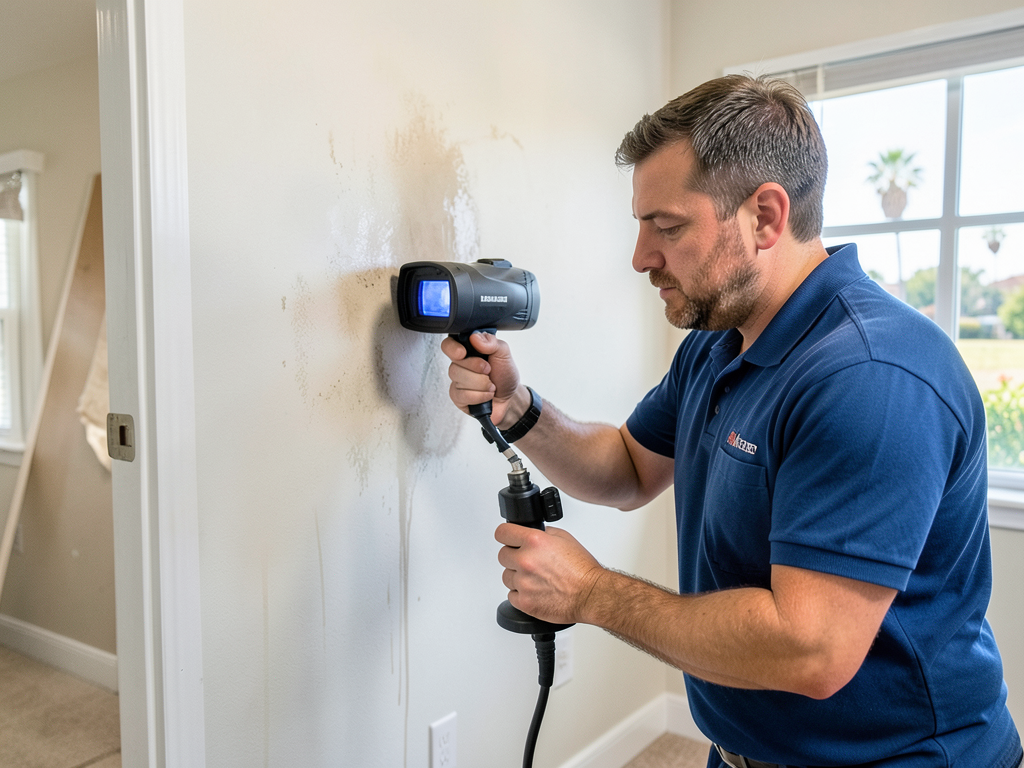
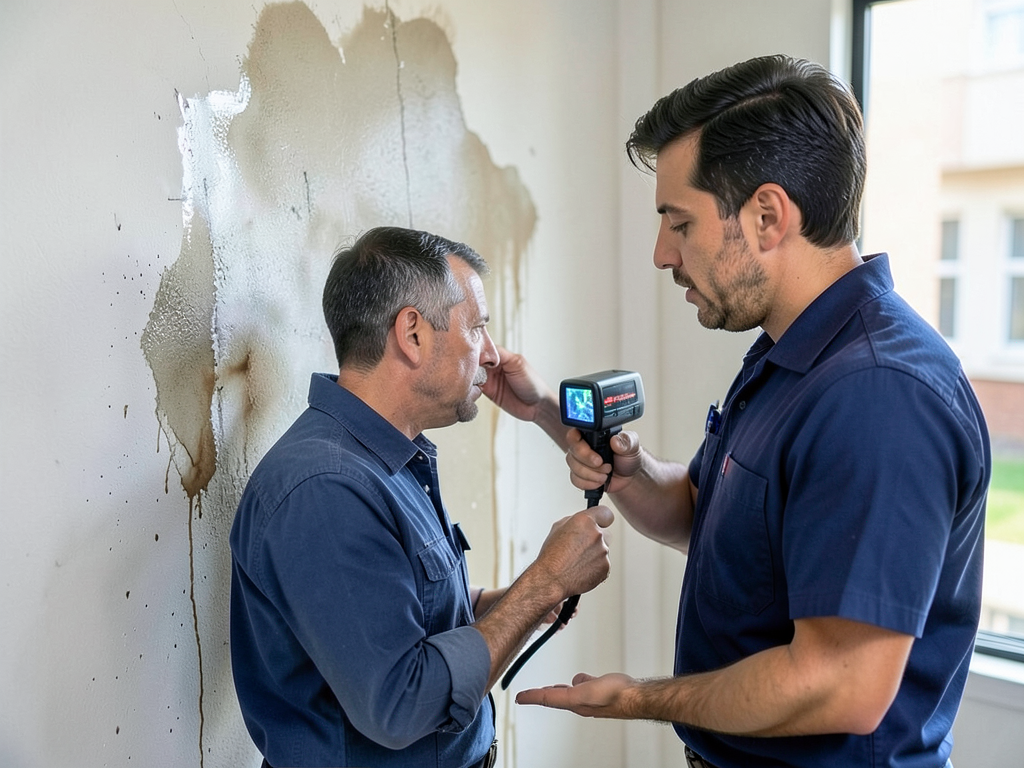
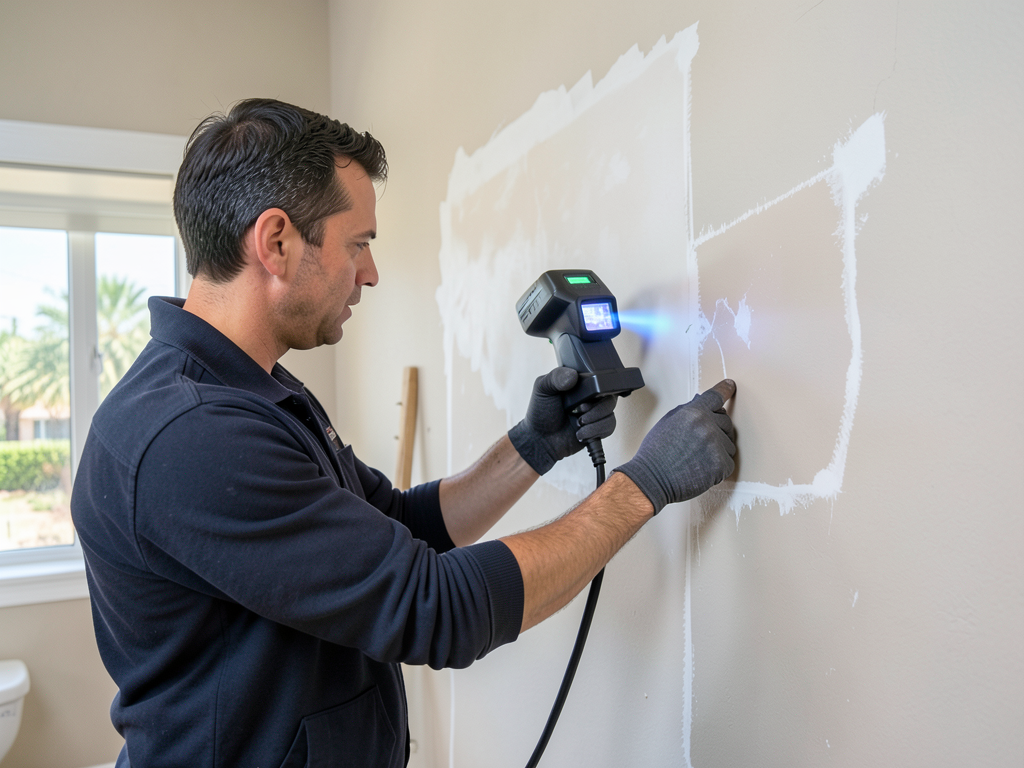
Effective crawl space cleanup starts with complete moisture source identification. We use thermal imaging cameras to locate hidden water intrusion points along foundation walls and slab edges. Moisture meters measure wood moisture content in floor joists and subfloors. This diagnostic phase reveals whether you are dealing with groundwater seepage, condensation, or plumbing leaks.

Once we map the moisture sources, we remove all contaminated materials. Wet insulation gets stripped from crawl space ceilings. Moldy debris gets bagged and removed following EPA protocols. Standing water gets extracted using industrial pumps. We treat exposed wood framing with antimicrobial solutions to kill active mold colonies and prevent regrowth.

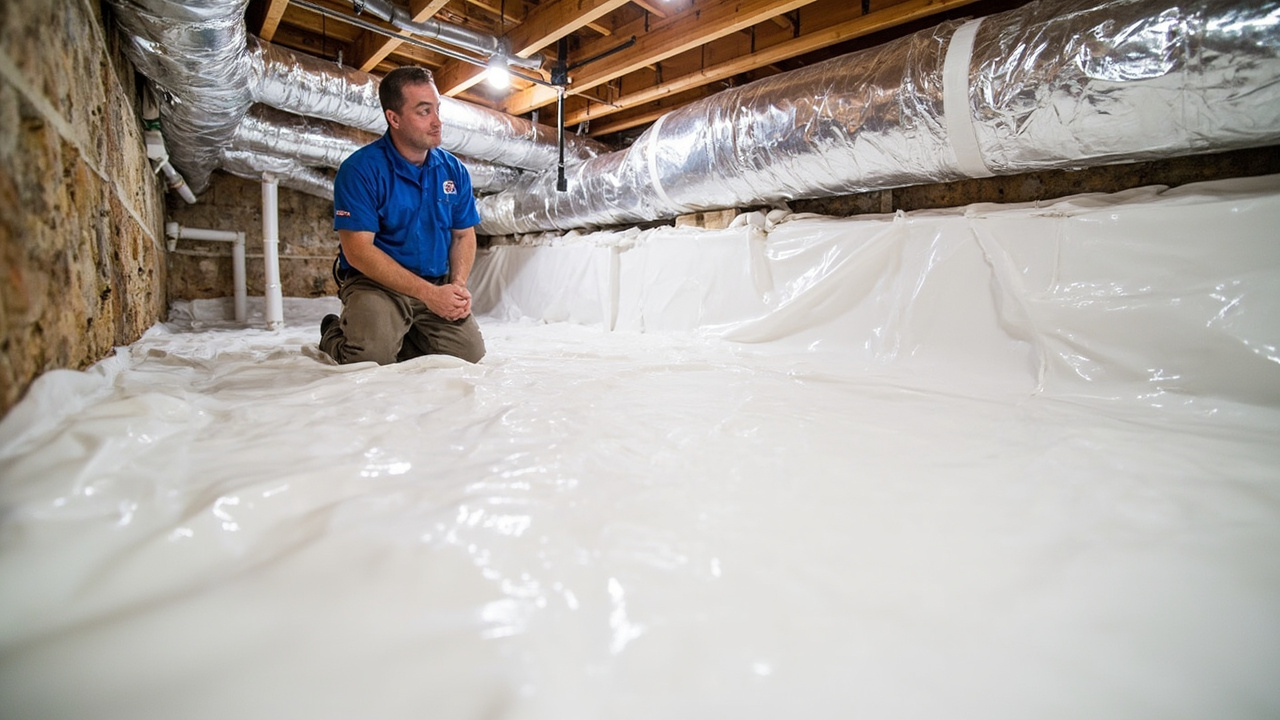
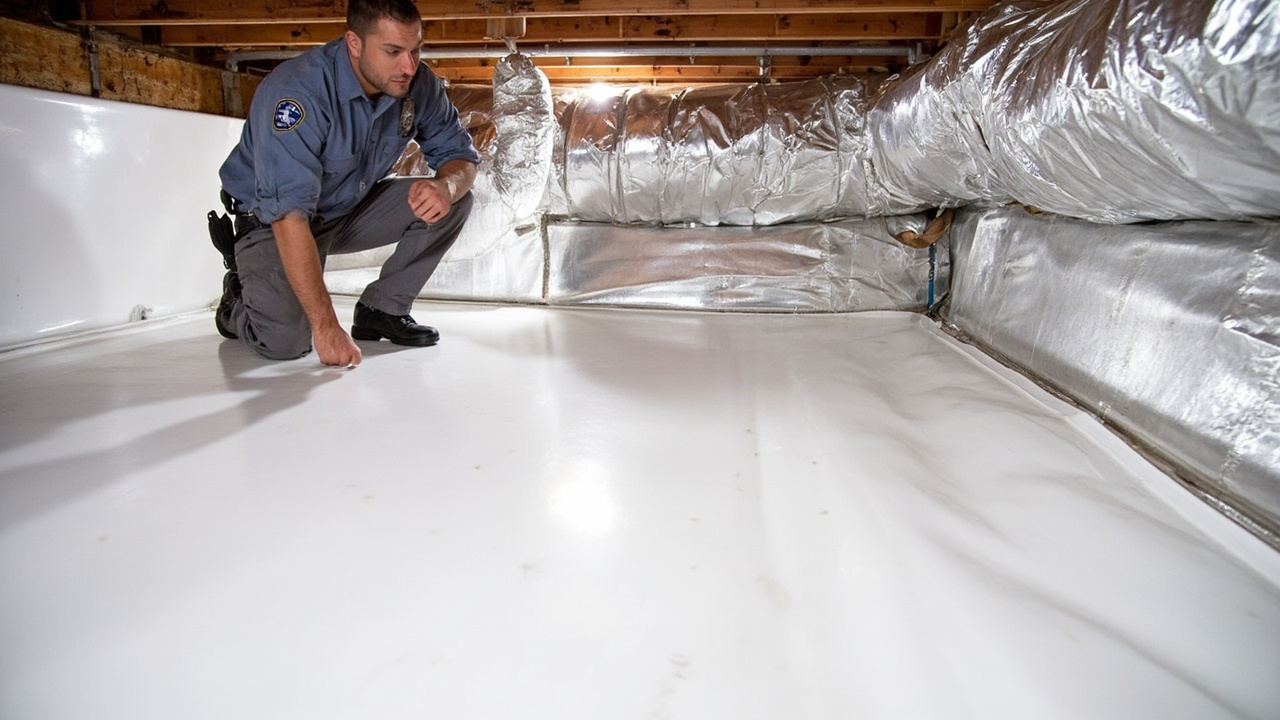
The encapsulation phase transforms your crawl space into a controlled environment. We install perforated drainage pipe along foundation perimeters, sloped to discharge points away from the structure. A heavy-duty vapor barrier, typically 12 to 20 mil thick, gets sealed across the entire floor surface and up foundation walls. All seams get taped with specialized adhesive designed for below-grade moisture exposure.

Crawl space waterproofing includes sealing foundation penetrations where plumbing and electrical lines enter. We install automatic sump pump systems in low spots to handle any future water intrusion. Dehumidifiers maintain relative humidity below 55 percent year-round, preventing condensation on cooler surfaces.

The final step addresses ventilation. In most San Diego crawl spaces, we seal exterior vents and condition the space using your home's HVAC system. This creates negative pressure that prevents soil gas and moisture from entering your living areas. The result is a dry, clean crawl space that protects your home's structural integrity and indoor air quality.

What Happens During Your Crawl Space Encapsulation

Crawl Space Cleanup & Encapsulation in San Diego – Permanent Protection Against Moisture and Mold
01

Complete Moisture Assessment

We inspect every crawl space access point, foundation wall, and subfloor area using moisture detection equipment. This identifies active leaks, groundwater intrusion paths, and areas with elevated humidity levels. You get a detailed report showing moisture sources and the extent of any existing water damage or microbial growth before we begin remediation work.
02

Remediation and Drainage Installation

All contaminated materials get removed and disposed of properly. We install perimeter drainage systems with discharge lines that route water away from your foundation. Sump pump basins get positioned in low areas with battery backup systems for power outage protection. Foundation walls receive waterproof membrane treatment where groundwater pressure is evident. Wood framing gets treated with fungicidal solutions.
03

Vapor Barrier and Climate Control

We seal the crawl space floor and walls with reinforced vapor barrier material, creating an impermeable moisture shield. All penetrations, seams, and edges get sealed with moisture-resistant tape and mechanical fasteners. A commercial-grade dehumidifier maintains optimal humidity levels year-round. You receive a final inspection report with humidity readings and system operation documentation for your records.

Why San Diego Property Owners Choose Keystone for Crawl Space Protection

San Diego's building code requirements have evolved significantly since most homes were constructed. Older properties in neighborhoods like Hillcrest, University Heights, and Kensington were built when crawl space standards barely existed. We understand the retrofit challenges these homes present, from limited access points to outdated foundation designs.

Our teams work in San Diego crawl spaces daily. We know which neighborhoods experience seasonal flooding, where groundwater tables rise during wet years, and which soil types create the most foundation moisture problems. This local knowledge shapes how we design drainage systems and specify vapor barrier materials for your specific property conditions.

You get transparent documentation throughout the process. We photograph moisture readings, structural conditions, and completed installation phases. If you plan to file an insurance claim for water damage that preceded the encapsulation, you receive detailed documentation supporting your claim. Many San Diego homeowners discover their crawl space water damage qualifies for coverage they did not know existed.

The difference between adequate and superior crawl space encapsulation shows up years later. Cheap vapor barriers degrade under ground moisture exposure. Undersized dehumidifiers cannot keep up with San Diego's marine layer humidity. Improperly sloped drainage systems create standing water pockets. We engineer systems that perform for decades, not just pass initial inspection.

Keystone Water Damage Restoration San Diego maintains relationships with local structural engineers and foundation specialists. When we encounter compromised floor joists or settlement issues during crawl space cleanup, we coordinate with the right professionals to address structural concerns before completing encapsulation. You get comprehensive protection, not just a plastic sheet on the ground.

What to Expect from Your Crawl Space Encapsulation Project

Project Timeline and Access Requirements

Most residential crawl space encapsulation projects take three to five days depending on square footage and existing damage severity. We need clear access to all crawl space entry points. You should plan to be home during the initial assessment, but daily work does not require your presence. We communicate progress through daily photo updates. Emergency crawl space cleanup following flooding gets prioritized for same-day response. Material staging requires minimal yard space near crawl space access points.

Initial Inspection Process

Your inspection takes 45 to 90 minutes depending on crawl space size and accessibility. We document moisture levels, ventilation conditions, insulation status, and structural concerns. You receive a written assessment explaining moisture sources, remediation requirements, and encapsulation specifications. We discuss drainage options, dehumidifier sizing, and vapor barrier materials appropriate for your property. The inspection report includes cost estimates for different scope options, allowing you to choose between basic moisture control and comprehensive encapsulation.

Quality and Performance Standards

Your completed encapsulation includes sealed vapor barrier installation with verified humidity control. We test dehumidifier operation and verify proper drainage function before project completion. You receive documentation showing post-encapsulation moisture readings and humidity levels. All work meets current San Diego building codes for crawl space moisture management. The sealed environment protects your home from ground moisture, reduces HVAC costs by eliminating conditioned air loss, and improves indoor air quality by stopping mold spore circulation.

Ongoing Monitoring and Maintenance

Encapsulated crawl spaces require minimal maintenance but benefit from annual inspections. We recommend checking dehumidifier operation quarterly and replacing filters as needed. Sump pump systems should be tested twice yearly to verify float switch operation and discharge function. We offer annual inspection services that document humidity levels, check vapor barrier integrity, and verify drainage system performance. Most encapsulation materials last 20 to 30 years with proper maintenance. Early detection of any new moisture intrusion prevents minor issues from becoming major problems.

Frequently Asked Questions

You Have Questions,
We Have Answers

How much does it typically cost to encapsulate a crawl space? +

Encapsulation costs vary based on crawl space size, access difficulty, and moisture severity. Most San Diego homes range from small to mid-sized crawl spaces. Factors affecting price include debris removal, vapor barrier thickness, dehumidifier installation, insulation type, and structural repairs. Coastal properties near La Jolla or Pacific Beach often require extra moisture control due to marine air. Older homes in neighborhoods like North Park may need more extensive prep work. Always get a site-specific inspection. Prices fluctuate based on mold remediation needs, drainage system installation, and vent sealing requirements. Request detailed quotes from local contractors familiar with San Diego building codes.

Is it worth it to encapsulate a crawlspace? +

Yes. San Diego's mild climate and coastal humidity create ideal conditions for crawl space moisture problems. Encapsulation prevents mold growth, reduces pest intrusion, improves indoor air quality, and protects structural wood from rot. You'll see lower energy bills because conditioned air stops escaping through vented crawl spaces. Homes near the coast or in areas like Mission Valley face higher moisture exposure. Encapsulation also increases resale value and prevents costly foundation repairs down the line. For San Diego homeowners dealing with musty odors or respiratory issues, encapsulation addresses the root cause rather than masking symptoms. The investment pays back through protection and efficiency.

What does crawl space encapsulation include? +

Complete encapsulation starts with debris removal and pest droppings cleanup. Technicians install a heavy-duty vapor barrier across the floor and up foundation walls, sealing all seams. Crawl space vents get sealed to prevent outside air intrusion. Insulation goes on foundation walls or between floor joists depending on your home's design. A dehumidifier maintains proper humidity levels year-round. Drainage systems or sump pumps handle water intrusion if needed. In San Diego, where termites and moisture are common concerns, some contractors add pest barriers. The process creates a controlled environment that protects your home's structural integrity and improves overall air quality.

How often should a crawl space be cleaned? +

Clean your crawl space every three to five years, or immediately after water intrusion, pest infestation, or visible mold growth. San Diego's dry summers and occasional winter rains create fluctuating moisture conditions. Coastal homes near Ocean Beach or Coronado should inspect annually due to salt air and higher humidity. If you notice musty smells, increased allergy symptoms, or pest activity, inspect sooner. After encapsulation, maintenance drops significantly. You'll only need periodic dehumidifier checks and visual inspections. Older homes in areas like Hillcrest or Golden Hill with aging infrastructure may require more frequent monitoring until encapsulation is complete.

What are the negatives of crawl space encapsulation? +

Encapsulation requires upfront investment that some homeowners find steep. You'll need ongoing dehumidifier maintenance and occasional moisture monitoring. If installation is poor, trapped moisture can worsen problems rather than solve them. San Diego homes with significant drainage issues must address those first, or encapsulation fails. Some older homes need structural repairs before encapsulation, adding cost. You lose crawl space ventilation, so proper vapor barrier installation and humidity control become critical. In rare cases, improper sealing traps radon gas, though this is uncommon in San Diego. Always hire experienced contractors who understand coastal California building science and moisture dynamics.

Will insurance cover crawl space encapsulation? +

Standard homeowners insurance rarely covers encapsulation because insurers view it as preventive maintenance, not sudden damage repair. If water damage from a covered peril like a burst pipe occurs, insurance may pay for cleanup and repairs, but not the encapsulation itself. Some San Diego policies exclude mold and moisture damage entirely. You might find coverage if encapsulation is part of a larger claim after flooding or plumbing failure. Review your policy's water damage and mold provisions carefully. Consider encapsulation an investment in preventing future claims rather than expecting reimbursement. Speak with your agent about specific policy language before starting work.

What are the downsides of encapsulation? +

Encapsulation eliminates natural ventilation, making proper installation critical. Inadequate vapor barriers or failed sealing traps moisture and worsens mold problems. Dehumidifiers need electricity and routine filter changes, adding ongoing costs. If groundwater issues exist, encapsulation alone won't solve flooding without proper drainage systems. San Diego's seismic activity can shift foundations and tear vapor barriers over time, requiring repairs. You'll need professional expertise to avoid mistakes. Some homeowners underestimate maintenance requirements. Encapsulation also increases HVAC loads slightly because you're conditioning crawl space air. Poor contractor selection leads to failed systems. Choose experienced professionals familiar with California coastal conditions and local building standards.

Can I write off crawl space encapsulation? +

You cannot write off crawl space encapsulation as a regular tax deduction on your primary residence because the IRS considers it a capital improvement, not a repair. It may increase your home's cost basis, reducing capital gains tax when you sell. If you use part of your home for business, you might qualify for partial deductions. Rental properties allow depreciation of encapsulation costs over time. Medical necessity deductions apply only if a doctor prescribes encapsulation for specific health conditions and you itemize deductions exceeding the adjusted gross income threshold. Consult a tax professional familiar with California and federal rules for your specific situation.

How much does it cost to insulate a 1000 sq ft crawl space? +

Insulating a 1000 square foot crawl space varies widely based on insulation type, access difficulty, and existing conditions. San Diego's mild climate means you may need less insulation than colder regions, but moisture control remains essential. Spray foam costs more than fiberglass batts but provides better moisture resistance. Coastal homes require marine-grade materials. Factors include removal of old insulation, mold treatment, vapor barrier installation, and whether you insulate walls or floors. Difficult access in older homes adds labor costs. Always combine insulation with proper encapsulation for best results. Get multiple quotes from contractors experienced with San Diego building codes.

What are the disadvantages of encapsulation? +

Encapsulation requires skilled installation to avoid trapping moisture and creating worse problems. You'll pay significant upfront costs and need ongoing dehumidifier maintenance. Failed or improper sealing can increase mold growth rather than prevent it. San Diego homes with unresolved drainage problems will flood encapsulated crawl spaces, causing damage. Older foundations in areas like City Heights may need structural work first, adding expense. Some systems fail during seismic events when foundation movement tears vapor barriers. You lose passive ventilation, making mechanical moisture control essential. Energy costs rise slightly from dehumidifier operation. Poor contractor selection leads to system failures. Choose professionals who understand coastal California moisture dynamics and local conditions.

How San Diego's Coastal Climate Makes Crawl Space Encapsulation Critical

San Diego's marine layer creates persistent overnight humidity that penetrates unprotected crawl spaces throughout coastal neighborhoods from Del Mar to Imperial Beach. This moisture does not evaporate quickly during the day because crawl spaces lack direct sunlight and air circulation. The result is sustained dampness that allows mold colonies to establish within 48 hours. Winter rainfall compounds the problem, with El Niño years bringing intense storms that overwhelm aging drainage systems in older neighborhoods. Without crawl space vapor barrier installation and active humidity control, you are creating conditions where wood-destroying organisms thrive year-round.

San Diego building codes have tightened crawl space moisture management requirements over the past decade, but enforcement applies primarily to new construction. Older homes built before these standards took effect represent the majority of properties needing crawl space remediation services. Local foundation specialists and structural engineers consistently refer clients to us because they know our encapsulation methods meet engineering standards for moisture control. We work throughout San Diego County, from coastal properties dealing with salt air corrosion to inland homes where clay soil expansion creates foundation movement. That geographic range gives us insight into moisture problems specific to your neighborhood.
Water Damage Restoration Services in The San Diego Area

We are proud to serve the entire San Diego area and invite you to view our service region on the map below. While our emergency response team is mobile and always ready to dispatch to your location rapidly, our central operations base allows us to coordinate efficient service across all of San Diego County. Contact us today for immediate assistance, no matter where your property is located within our service area.

Address:
Keystone Water Damage Restoration San Diego, 4445 Eastgate Dr, San Diego, CA, 92121

Additional Services We Offer

Our news updates

Latest Articles & News from The Blogs

Who Pays for Water Damage When a Neighbor’s Leak Affects Your San Diego Condo Discovering water damage in your condo…

Navigating Liability When a Neighbors Apartment Leaks into Your San Diego Condo

Who Pays for Water Damage When a Neighbor’s Leak Affects Your San Diego Condo Discovering water damage in your condo…

The Critical Steps Your Restoration Team Takes in the First Forty Eight Hours

The Critical Steps Your Restoration Team Takes in the First Forty Eight Hours When water invades your home in San…

Should You Try In Place Drying or Choose a Full Rip Out After a San Diego Flood

Should You Try In Place Drying or Choose a Full Rip Out After a San Diego Flood San Diego homeowners…

Contact Us

Stop crawl space moisture damage before it compromises your home's structure and air quality. Call Keystone Water Damage Restoration San Diego at (858) 203-2555 for a comprehensive crawl space assessment. We provide detailed reports with transparent pricing and solution options.