menu

Condensation on Windows & Walls in San Diego – Expert Diagnosis Stops Hidden Mold Before It Spreads

We identify the source of interior glass condensation, window sweating, and damp drywall patches throughout San Diego homes, then deliver the correct fix to prevent structural decay and airborne contaminants.

Slider Image 1
Slider Image 2
Slider Image 3
Slider Image 4
Slider Image 5
Slider Image 7
Slider Image 8
Slider Image 9
Slider Image 10
Slider Image 11

Why San Diego Homes Develop Window Sweating and Moisture Buildup on Walls

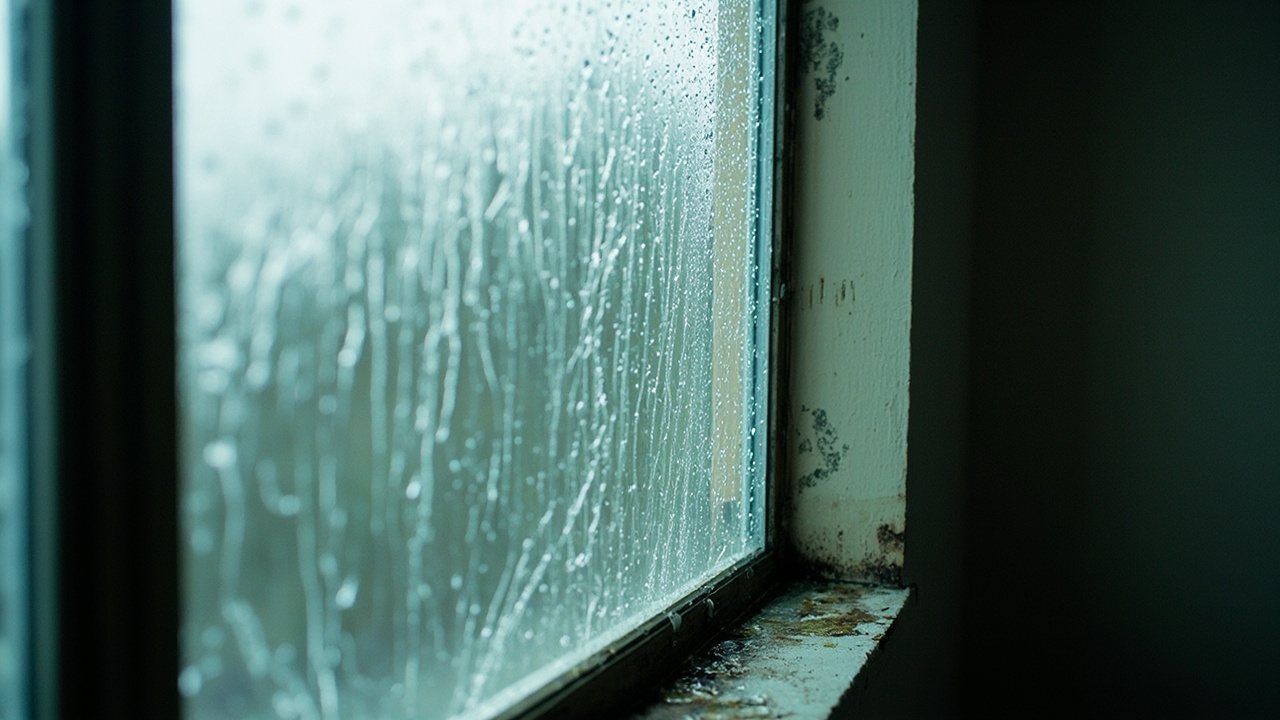
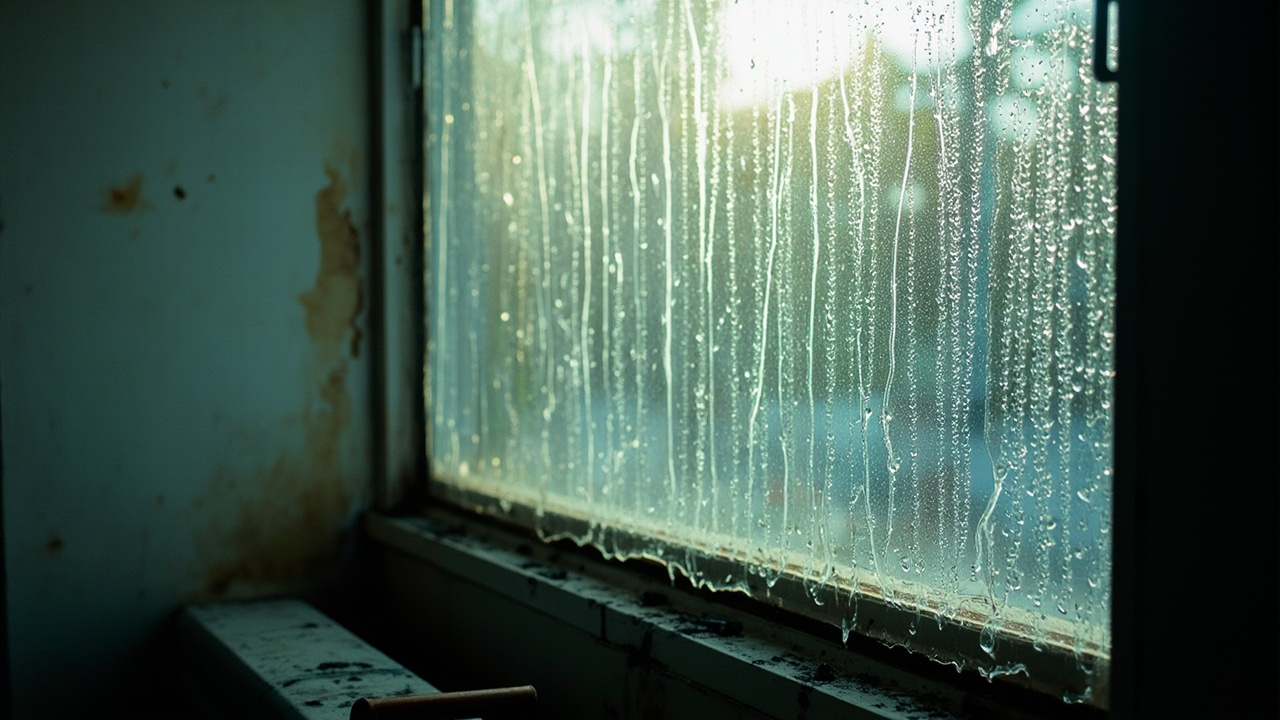
You notice water pooling on your window sills each morning. Weeping window panes leave streaks on the glass. Damp drywall patches appear near exterior walls or around bedroom windows. This is not normal wear and tear. This is active moisture intrusion.

San Diego's mild coastal climate creates perfect conditions for interior glass condensation. When warm, humid air from your home meets cold glass surfaces during overnight temperature drops, moisture condenses on the windows. The problem worsens when ocean breezes bring in salt-laden humidity that increases indoor moisture levels. If your HVAC system does not properly dehumidify or if poor insulation allows thermal bridging, condensation migrates from glass to drywall, ceiling corners, and framing.

Window sweating signals a deeper issue. The visible moisture you see is just the surface symptom. Behind the drywall, moisture buildup on walls feeds mold colonies. Wooden window frames swell and rot. Insulation loses R-value. Paint bubbles. Drywall turns soft and crumbles.

Many San Diego homeowners assume this is a seasonal annoyance caused by rain or fog. It is not. Persistent condensation means your home has an environmental imbalance between indoor humidity, ventilation, and surface temperatures. Without proper diagnosis, you are looking at hidden mold growth, structural wood decay, and accelerated deterioration of wall assemblies.

Keystone Water Damage Restoration San Diego isolates the moisture source, maps the migration pattern, and corrects the environmental failure before hidden damage becomes a health hazard.

Why San Diego Homes Develop Window Sweating and Moisture Buildup on Walls
Our Diagnostic Protocol for Interior Moisture and Damp Drywall Patches

Our Diagnostic Protocol for Interior Moisture and Damp Drywall Patches

We do not guess. We measure.

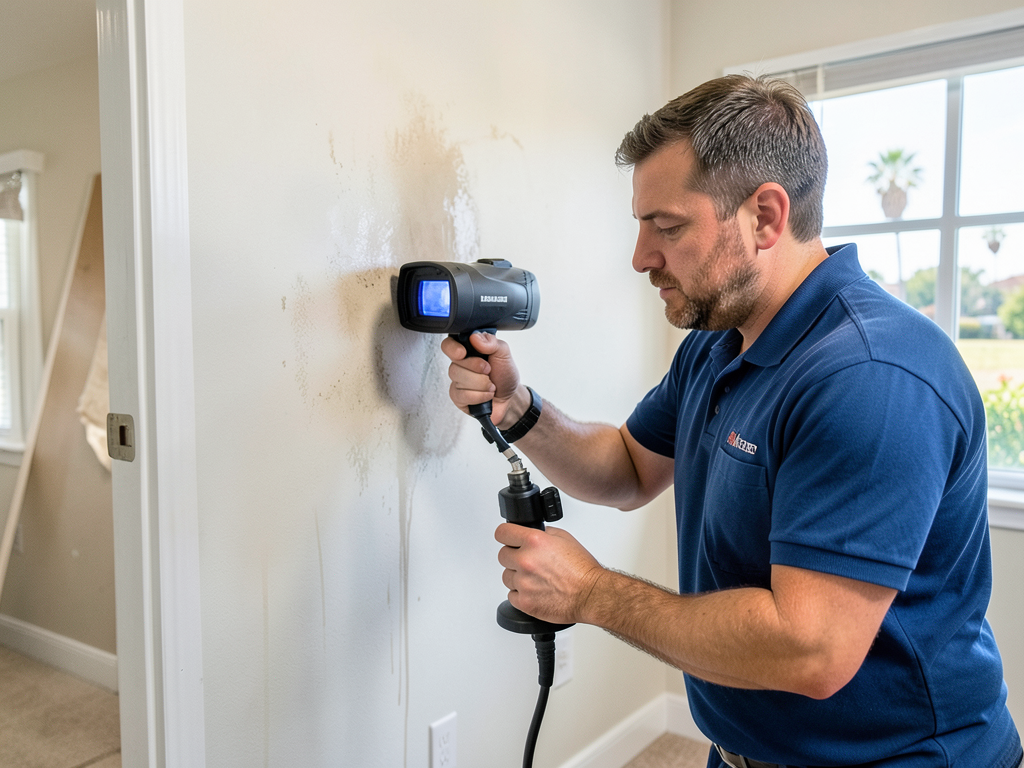
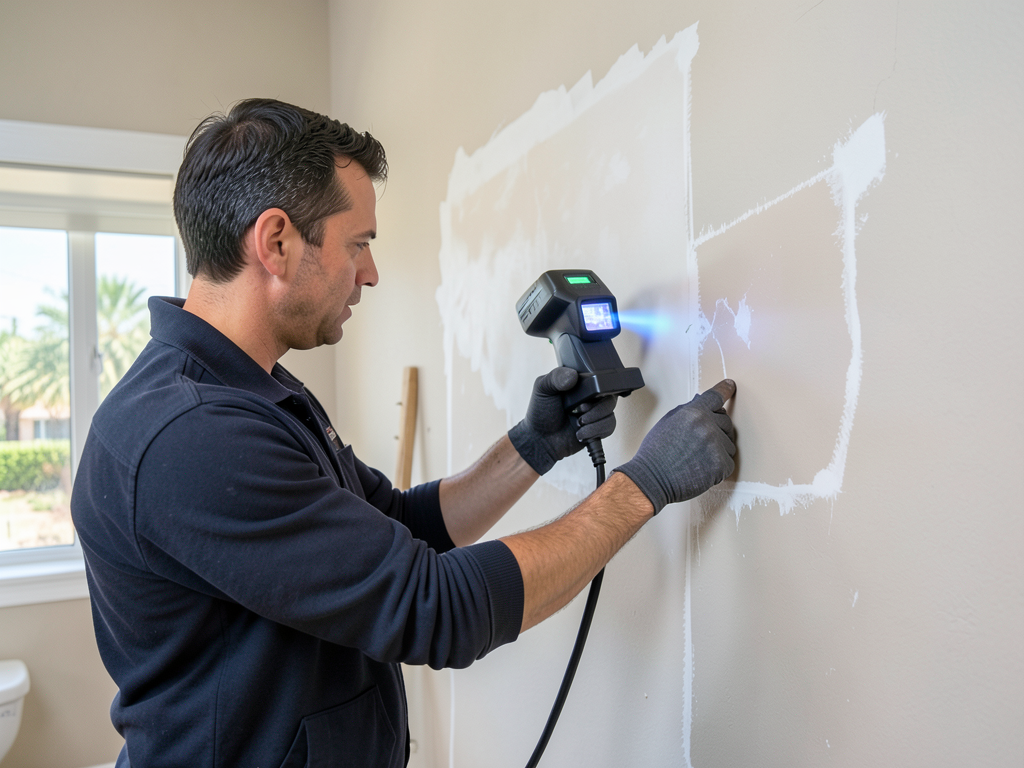
Our technicians use infrared thermal imaging to detect temperature differentials on walls and ceilings. Cold spots indicate poor insulation or thermal bridging where warm air condenses. We deploy hygrometers to measure relative humidity in each room, then compare readings to the dew point. If indoor humidity exceeds 60 percent and surfaces are below the dew point, condensation is unavoidable.

We inspect the building envelope. Are windows single-pane or poorly sealed? Is insulation missing in exterior walls? We check for air leaks around window frames, electrical outlets, and baseboards. Even small gaps allow warm, moist air to migrate into wall cavities where it condenses on cold sheathing.

We assess your HVAC system. Is the equipment sized correctly for your square footage? Are supply and return vents balanced? An oversized air conditioner short-cycles and fails to remove humidity. Undersized equipment cannot keep up with moisture loads during high-occupancy periods or cooking.

We test drywall moisture content with pin-type meters. Readings above 16 percent indicate active wetting. We remove baseboards and drill small inspection holes to check for hidden mold on the back of drywall or on wall studs. If condensation has been occurring for months, we find colonies of Stachybotrys, Aspergillus, or Penicillium.

After the assessment, we map the moisture movement. We identify whether condensation originates at windows and spreads inward, or if it forms inside wall cavities and migrates outward. This determines the correct repair sequence.

What Happens When We Eliminate Condensation in Your Home

Condensation on Windows & Walls in San Diego – Expert Diagnosis Stops Hidden Mold Before It Spreads
01

Moisture Mapping

We document every surface showing condensation or elevated moisture readings. Thermal imaging reveals hidden cold spots on walls and ceilings. Hygrometers measure indoor humidity levels room by room. Pin meters test drywall moisture content. We photograph damp drywall patches and weeping window panes for insurance documentation. This data tells us whether the problem is localized to a single window or systemic across the home.
02

Source Correction

We fix the environmental failure causing condensation. This may include upgrading window insulation, sealing air leaks, adding vapor barriers, or recalibrating HVAC dehumidification. If thermal bridging is causing cold interior surfaces, we improve wall insulation or install interior storm windows. If indoor humidity is excessive, we install whole-home dehumidifiers or improve ventilation with ERV systems. We address the cause, not just the symptom.
03

Drywall Remediation

Once the moisture source is controlled, we remove contaminated materials. Moldy drywall is cut out and discarded. Wooden framing is treated with antimicrobial agents or replaced if rotted. We dry wall cavities with dehumidifiers and air movers until moisture readings drop below 12 percent. Then we reinstall insulation, hang new drywall, and restore finishes. The space returns to pre-loss condition with no lingering moisture or mold risk.

Why San Diego Homeowners Trust Us to Diagnose and Fix Moisture Problems

San Diego's climate is deceptively mild. Most people assume moisture problems only happen in humid climates like Florida or Texas. That assumption costs them thousands in hidden damage.

Coastal proximity brings salt air and overnight temperature swings. Homes in La Jolla, Pacific Beach, and Point Loma experience frequent marine layer fog that increases outdoor humidity. When that moisture infiltrates your home and meets cold window glass or poorly insulated walls, condensation forms. Inland areas like Mira Mesa and Carmel Valley face different challenges. Hot days and cool nights create large temperature differentials that cause window sweating and damp drywall patches.

We understand how San Diego's microclimates affect building performance. A home in Clairemont faces different moisture risks than a home in Mission Valley. We adjust our diagnostic approach based on your neighborhood's proximity to the coast, elevation, and prevailing wind patterns.

We are familiar with San Diego's building codes and construction styles. Many homes built before 1980 have minimal wall insulation and single-pane aluminum windows. These homes are prone to thermal bridging and interior glass condensation. Newer homes have better insulation but may have vapor barriers installed incorrectly, trapping moisture inside wall cavities.

Keystone Water Damage Restoration San Diego has worked with local insurance adjusters, property managers, and homeowners throughout San Diego County. We know how to document moisture intrusion for insurance claims. We know which repairs require permits from the City of San Diego. We know how to communicate with your HOA if you live in a condo or townhome with shared walls.

You want someone who understands the local context. We do.

What You Can Expect When You Call Us About Window Sweating or Damp Walls

Response Time

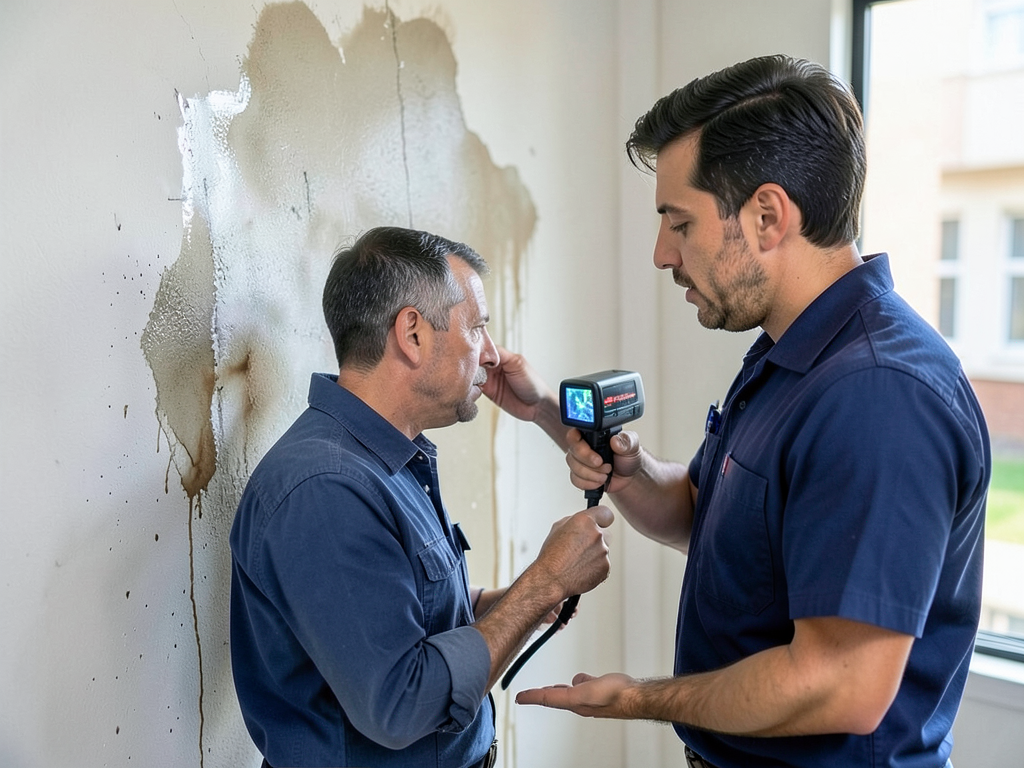
We schedule assessments within 24 hours of your call. If you have active water pooling on window sills or visible mold growth, we prioritize your case and arrive the same day. Our technicians bring thermal cameras, moisture meters, and hygrometers to every appointment. The initial assessment takes 60 to 90 minutes depending on your home's size. You receive a written report with photos, moisture readings, and a scope of work before we begin repairs.

Diagnostic Process

We do not skip steps. Our technicians inspect windows, walls, attic spaces, and crawl spaces. We check for plumbing leaks, roof leaks, and HVAC condensate drain issues that could contribute to moisture buildup on walls. We test indoor humidity levels and compare them to outdoor readings. We identify whether condensation is caused by poor insulation, inadequate ventilation, or excessive indoor humidity. You get answers, not guesses. We explain the problem in plain language and show you the data.

Repair Quality

We fix it right. If drywall must be removed, we cut clean lines and minimize cosmetic damage. If insulation needs upgrading, we install it to manufacturer specifications. If mold is present, we follow IICRC S520 remediation standards. We use commercial-grade dehumidifiers and HEPA air scrubbers during drying. Once repairs are complete, we repaint and restore finishes to match your existing walls. The goal is to make the problem disappear while preventing recurrence.

Follow-Up Monitoring

We return after repairs to verify moisture levels have stabilized. We provide humidity monitoring recommendations and advise on ventilation improvements. If you need ongoing moisture monitoring, we install wireless sensors that alert you to humidity spikes. We also offer annual inspections to catch condensation problems before they escalate. You receive maintenance tips specific to your home's construction and San Diego's climate. Our goal is to prevent future calls, not create repeat customers.

Frequently Asked Questions

You Have Questions,
We Have Answers

How to stop condensation on windows and walls? +

Start by reducing indoor humidity. Run exhaust fans in kitchens and bathrooms during and after use. Open windows periodically to allow air exchange, especially after cooking or showering. Check your HVAC system and ensure it is properly sized for your San Diego home. Use a dehumidifier if moisture levels stay high. Inspect weatherstripping and caulking around windows. Poor seals force warm, moist air against cold glass, creating condensation. Improve insulation in walls and attics to reduce temperature differentials. If problems persist after these steps, you may have a hidden leak or ventilation deficiency that requires professional assessment.

Does condensation always indicate a problem? +

No. Light condensation during cool mornings in San Diego is common and harmless. It forms when humid air contacts cold glass surfaces. The problem starts when condensation appears frequently, drips down walls, or leaves water pooling on sills. Persistent moisture signals excessive indoor humidity, poor ventilation, or thermal bridging in your walls. Over time, chronic condensation leads to mold growth, wood rot, and drywall damage. If you see condensation more than a few days per month, or if walls feel damp, you have a ventilation or insulation issue that needs correction before structural damage occurs.

Is it normal to have condensation on the inside of house windows? +

It depends on frequency and severity. Occasional interior condensation during winter months or after hot showers is normal. San Diego's mild winters mean extreme condensation is less common than in colder climates. If you see daily fogging, water running down glass, or dampness spreading to walls, your home has a humidity or ventilation problem. Common causes include poor exhaust fan use, over-humidification, or inadequate air circulation. Single-pane windows are especially prone to condensation because they lack thermal breaks. Upgrade to dual-pane windows and improve ventilation to eliminate chronic interior moisture issues.

Should you wipe condensation off windows? +

Yes, but wiping alone does not solve the root problem. Use a towel or squeegee to remove standing water from sills and frames. This prevents water from seeping into wood, causing rot and mold. However, wiping is a temporary fix. You must address the humidity source. Improve ventilation, reduce indoor moisture from cooking and bathing, and check for hidden leaks. If you find mold or see walls turning dark near windows, stop wiping and call a professional. Persistent condensation means you have a moisture imbalance that requires diagnostic assessment and correction, not daily maintenance.

How San Diego's Marine Layer Accelerates Window Sweating and Hidden Moisture Damage

San Diego's marine layer brings overnight fog and high humidity to coastal neighborhoods from May through August. This fog increases outdoor dew points and deposits moisture on exterior surfaces. When that moisture infiltrates your home through gaps in window seals or wall penetrations, it condenses on cold interior surfaces. Homes near the coast in areas like Ocean Beach, Mission Beach, and La Jolla experience more frequent weeping window panes and damp drywall patches than inland homes. The salt content in marine air also corrodes aluminum window frames and accelerates deterioration of building materials.

San Diego building codes require proper vapor barriers and insulation in new construction, but many older homes lack these protections. Homes built before energy efficiency standards were updated often have minimal wall insulation and no vapor barriers. Keystone Water Damage Restoration San Diego works with San Diego County building inspectors and understands local code requirements for moisture control. We know which repairs require permits and how to navigate the approval process. Choosing a local restoration company means you get someone who understands how San Diego's climate, building codes, and construction practices affect moisture management.
Water Damage Restoration Services in The San Diego Area

We are proud to serve the entire San Diego area and invite you to view our service region on the map below. While our emergency response team is mobile and always ready to dispatch to your location rapidly, our central operations base allows us to coordinate efficient service across all of San Diego County. Contact us today for immediate assistance, no matter where your property is located within our service area.

Address:
Keystone Water Damage Restoration San Diego, 4445 Eastgate Dr, San Diego, CA, 92121

Additional Services We Offer

Our news updates

Latest Articles & News from The Blogs

Who Pays for Water Damage When a Neighbor’s Leak Affects Your San Diego Condo Discovering water damage in your condo…

Navigating Liability When a Neighbors Apartment Leaks into Your San Diego Condo

Who Pays for Water Damage When a Neighbor’s Leak Affects Your San Diego Condo Discovering water damage in your condo…

The Critical Steps Your Restoration Team Takes in the First Forty Eight Hours

The Critical Steps Your Restoration Team Takes in the First Forty Eight Hours When water invades your home in San…

Should You Try In Place Drying or Choose a Full Rip Out After a San Diego Flood

Should You Try In Place Drying or Choose a Full Rip Out After a San Diego Flood San Diego homeowners…

Contact Us

Call Keystone Water Damage Restoration San Diego at (858) 203-2555 right now. We will schedule a diagnostic assessment within 24 hours and give you a written plan to eliminate moisture buildup on walls and window sweating for good.