menu

Storm Damage Mitigation in San Diego – Protecting Your Property Before, During, and After Every Storm

Keystone Water Damage Restoration San Diego delivers comprehensive storm damage mitigation services designed to reduce structural loss, prevent mold growth, and restore safety fast when Pacific storms hit coastal communities.

Slider Image 1
Slider Image 2
Slider Image 3
Slider Image 4
Slider Image 5
Slider Image 7
Slider Image 8
Slider Image 9
Slider Image 10
Slider Image 11

Why San Diego Properties Need Proactive Storm Damage Mitigation

San Diego's unique coastal position creates storm risks most property owners underestimate. Winter Pacific storms bring sudden intense rainfall to neighborhoods like La Jolla, Point Loma, and Mission Valley. The problem is not just volume. It is rate. When two inches fall in 90 minutes, the clay soil common throughout San Diego County cannot absorb water fast enough. Storm runoff overwhelms drainage systems, floods crawl spaces, and wind-driven rain penetrates stucco exteriors.

Most damage happens in the first 24 hours. Water infiltrates wall cavities behind decorative stone veneer. Saturated drywall begins microbial growth. Roofing systems designed for minimal precipitation fail under sustained wind loads from Santa Ana conditions reversing into storm systems. The result is compounding damage that turns a manageable situation into a total loss scenario.

Storm damage mitigation is the systematic process of reducing harm before, during, and immediately after a storm event. This includes emergency storm damage services like rapid water extraction, structural drying, and temporary weatherproofing. It also means storm damage cleanup that prevents secondary damage like mold colonization or wood rot. For commercial properties near the bay or residential structures in canyon areas, storm damage restoration begins the moment you recognize a threat. Waiting until after the storm passes doubles your repair timeline and triples your exposure to long-term structural issues.

Mitigation is not repair. It is damage control. The faster you act, the more of your property you save.

Why San Diego Properties Need Proactive Storm Damage Mitigation
How Professional Storm Damage Mitigation Limits Loss

How Professional Storm Damage Mitigation Limits Loss

Storm damage mitigation follows a priority sequence based on threat level and material vulnerability. Water is the primary vector. Every mitigation plan starts with water control. That means stopping active intrusion, extracting standing water, and establishing drying conditions before microbial amplification begins.

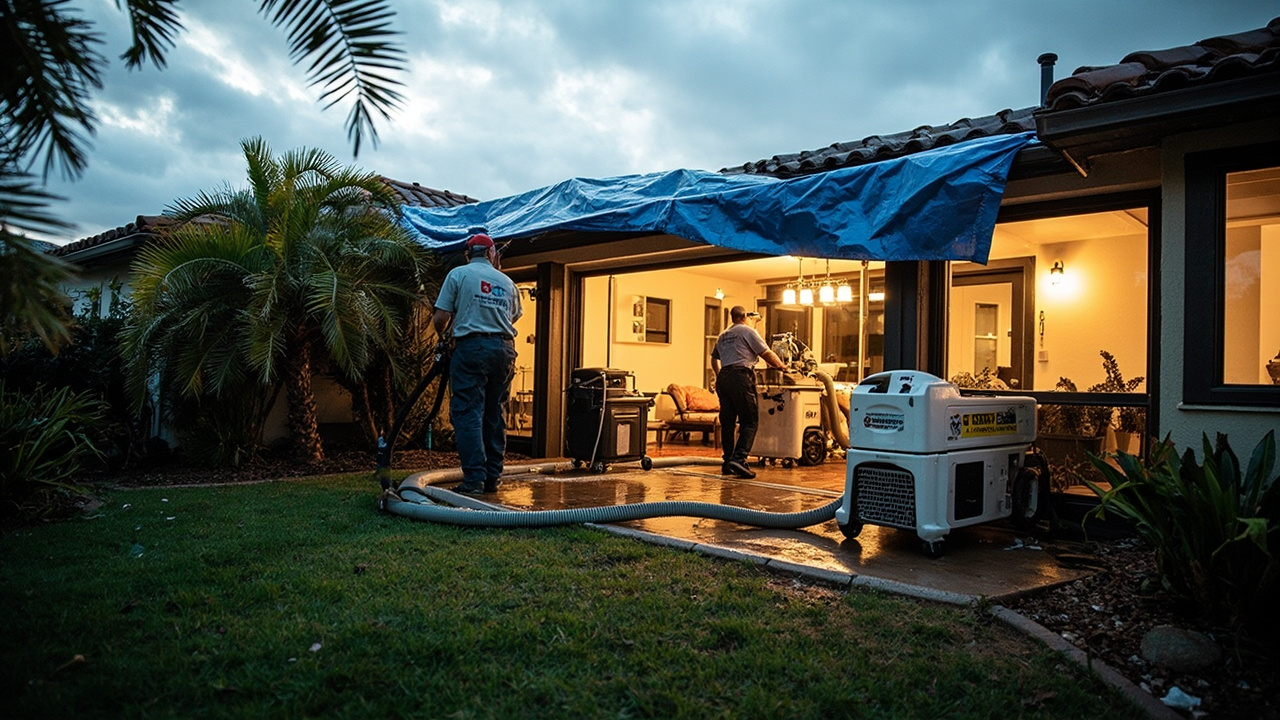
Our teams deploy truck-mounted extraction units capable of removing hundreds of gallons per hour from flooded spaces. We do not use shop vacs. We use weighted wands and subsurface extraction mats that pull water from carpet pad, subflooring, and concrete slab surfaces. Within the first four hours, we establish negative air pressure using axial air movers and commercial dehumidifiers. This creates a drying environment that prevents mold spores from activating.

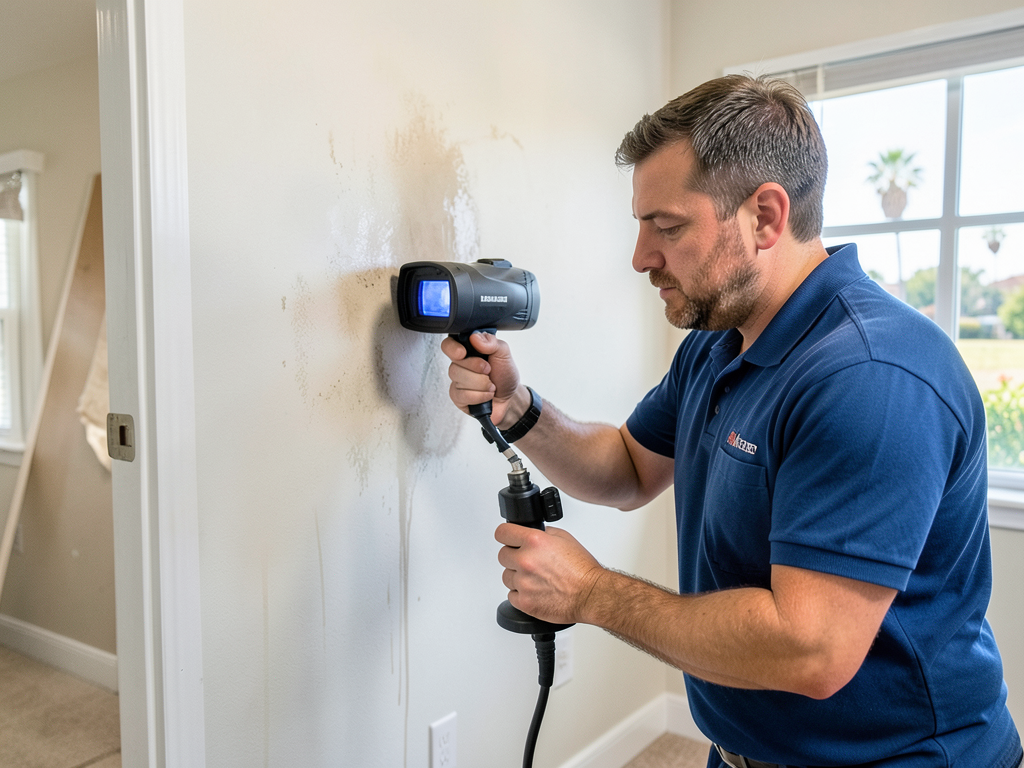
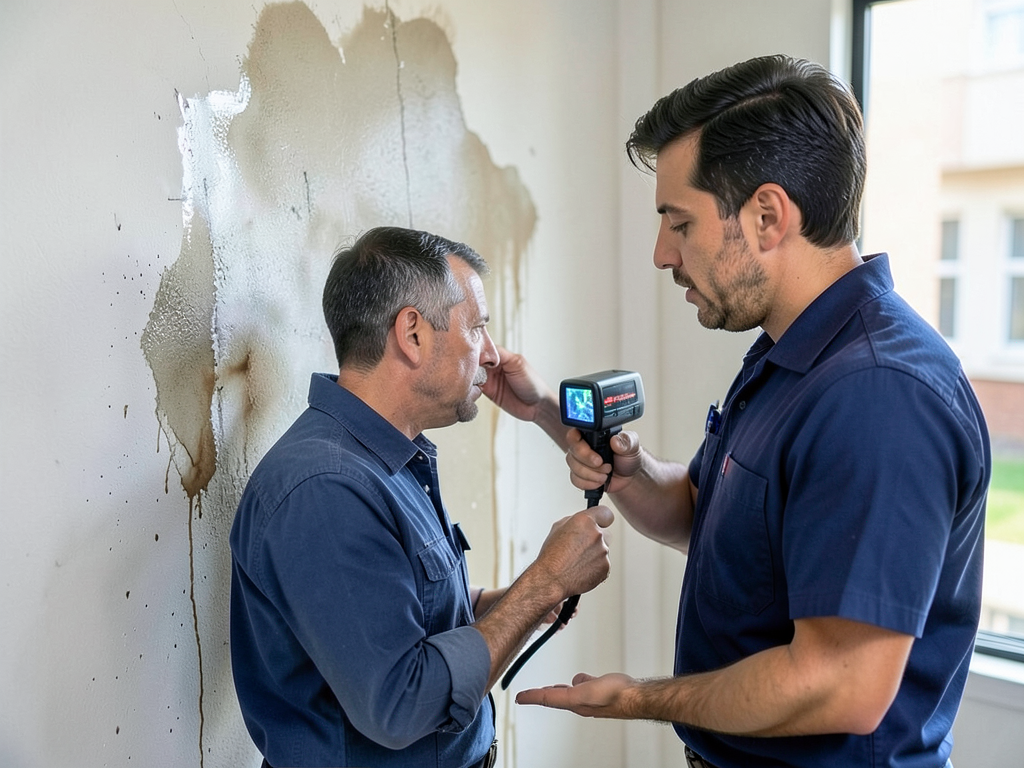
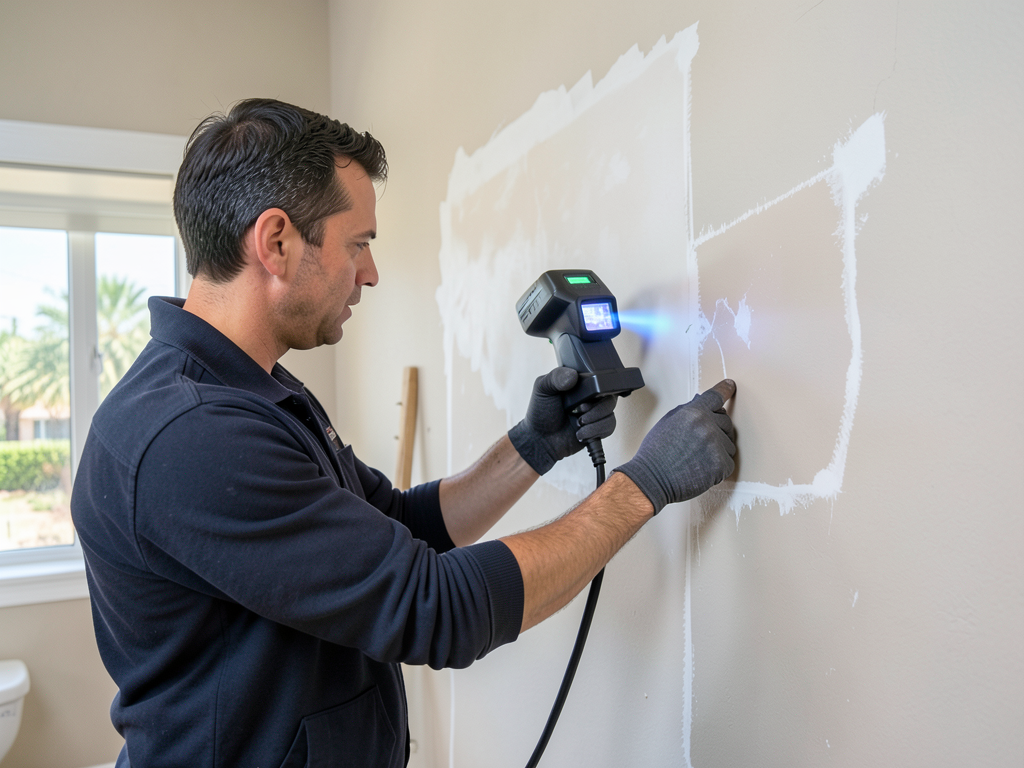
Storm damage remediation includes structural assessment. We use thermal imaging cameras to identify hidden moisture in wall cavities and ceiling planes. Moisture meters give us numerical readings on wood framing members, allowing us to track drying progress in real time. If roof penetration occurred, we install temporary tarping systems using weighted sandbags and reinforced polyethylene sheeting. This is not a blue tarp thrown over a hole. It is an engineered barrier designed to withstand secondary wind events.

For commercial properties, storm damage repair means protecting inventory, electronics, and business documents. We relocate vulnerable assets, establish containment barriers using poly sheeting, and coordinate with your insurance adjuster on salvage decisions. We also handle storm damage cleanup of debris fields, fallen tree limbs, and wind-scattered materials that create liability exposure. Mitigation is about buying time. Every hour we delay moisture infiltration is an hour your structure stays intact.

What Happens During a Storm Damage Mitigation Response

Storm Damage Mitigation in San Diego – Protecting Your Property Before, During, and After Every Storm
01

Immediate Threat Assessment

Our crew arrives within 60 minutes of your call and conducts a room-by-room threat evaluation. We identify active water sources, structural compromise points, and high-risk materials like soaked insulation or submerged electrical systems. We document pre-existing conditions with photo and video evidence, establish safety zones, and shut off utilities if necessary to prevent secondary hazards like electrical shorts or gas leaks.
02

Water Extraction and Drying

We deploy extraction equipment immediately to remove standing water from all affected areas. Truck-mounted pumps handle bulk removal while portable units target trapped water in tight spaces. After extraction, we position industrial air movers and dehumidifiers to create controlled airflow patterns. Drying equipment runs continuously with 24-hour monitoring. We measure moisture levels twice daily using penetrating and non-penetrating meters to ensure progress toward dry standard thresholds.
03

Damage Documentation and Stabilization

Once the environment stabilizes, we complete detailed damage documentation for your insurance claim. This includes moisture mapping, material loss inventories, and repair scope estimates. We remove unsalvageable materials like saturated drywall or contaminated insulation, treat affected framing with antimicrobial solutions, and install temporary barriers if structural openings remain. Your property is left in a safe, stable condition ready for reconstruction or final repairs.

Why San Diego Property Owners Trust Local Storm Mitigation Experts

Storm response requires local knowledge. Keystone Water Damage Restoration San Diego operates year-round in neighborhoods from Carmel Valley to Chula Vista. We know which areas flood first during atmospheric river events. We understand how Pacific Beach properties face different wind loads than structures in Rancho Bernardo. We have worked with every major insurance carrier operating in San Diego County and know what documentation they require for storm claims.

Local expertise means faster response times. Our equipment staging locations throughout San Diego allow us to reach most properties in under an hour. We do not dispatch from Los Angeles or Orange County. We live and work here. That matters when a storm hits at 2 AM and you need a crew on-site before sunrise.

We also understand San Diego building construction. Many homes in neighborhoods like Normal Heights and North Park were built in the 1920s and 1930s with stucco over wood lath. These structures absorb water differently than modern construction. Coastal condos in areas like Pacific Beach use different roofing assemblies than inland single-family homes. Mitigation techniques must adapt to building type, age, and exposure.

Our crews carry California contractor licenses and maintain ongoing training in IICRC water damage restoration standards. We coordinate directly with structural engineers when storm damage compromises load-bearing elements. We also work within San Diego's permitting requirements when emergency repairs require inspections. You get a team that knows the local code, the local climate, and the local insurance landscape. That knowledge saves you time, money, and stress when storm damage threatens your property.

What to Expect When You Call for Storm Damage Mitigation

Rapid Dispatch and Arrival

We operate 24 hours a day, seven days a week, with live dispatch for emergency storm calls. When you contact us, you speak with a trained intake specialist who gathers essential information about your situation. We prioritize calls based on threat level. Active flooding, roof collapse, or electrical hazards receive immediate dispatch. Our goal is arrival within 60 minutes for San Diego County properties. Crews arrive in clearly marked vehicles with all necessary equipment onboard. No waiting for secondary trips to retrieve tools or materials. We come prepared to start mitigation work immediately upon arrival and assessment completion.

Detailed Damage Assessment

Our initial assessment takes 30 to 45 minutes depending on property size. We inspect every accessible area for visible and hidden damage. Thermal cameras reveal moisture trapped behind walls or above ceilings. Moisture meters quantify water content in building materials. We photograph all affected areas and document pre-loss conditions. You receive a verbal summary of findings before work begins. We explain what materials can be saved, what must be removed, and what equipment we will deploy. For insurance claims, we provide detailed written reports with photos, moisture maps, and equipment logs. This documentation supports your claim and creates a clear record of mitigation actions taken.

Professional Drying and Restoration

Mitigation focuses on preventing further loss, not cosmetic repairs. Our priority is structural drying. We remove water, dry building materials to safe moisture levels, and prevent mold growth. Equipment remains on-site for three to five days on average, depending on materials affected and environmental conditions. We monitor daily and adjust equipment placement as needed. Once moisture readings reach dry standard levels, we remove equipment and conduct final documentation. If structural repairs are needed, we coordinate with your insurance adjuster and provide referrals to trusted local contractors. You get a property stabilized and ready for the next phase of restoration.

Insurance Coordination and Follow-Up

We communicate directly with your insurance carrier throughout the mitigation process. Our estimates use Xactimate software, the industry standard for insurance claims. We provide all required documentation, including daily logs, moisture readings, and photo evidence. If your adjuster needs additional information, we respond immediately. We also offer direct billing options for approved claims, reducing your out-of-pocket expense. After mitigation completes, we follow up within one week to ensure no secondary issues have developed. If you discover new damage or have questions about the restoration process, we remain available. Storm mitigation does not end when equipment leaves. It ends when your property is fully restored and you have peace of mind.

Frequently Asked Questions

You Have Questions,
We Have Answers

What are the 4 types of hazard mitigation actions? +

The four types of hazard mitigation actions are structural, non-structural, nature-based, and policy-driven solutions. Structural actions include reinforcing roofs or installing storm shutters to resist wind. Non-structural actions involve relocating valuables to higher ground or creating drainage systems. Nature-based solutions use landscaping, like planting trees or creating retention basins, to absorb stormwater. Policy-driven actions include zoning regulations or building codes that reduce future risk. In San Diego, combining structural reinforcements with improved drainage addresses both rare heavy rains and strong Santa Ana winds that commonly impact coastal and inland properties.

What can be done to mitigate storms? +

Storm mitigation starts with securing your property before weather hits. Trim trees near structures to prevent branch strikes during Santa Ana winds. Inspect and repair roof tiles, flashing, and gutters to ensure proper water shedding. Seal windows and doors against wind-driven rain. Install backflow valves to prevent sewer backup during heavy rainfall. Clear storm drains and downspouts. In San Diego's coastal zones, consider impact-resistant windows for high-wind events. Document your property with photos for insurance purposes. Create an emergency kit with water, flashlights, and battery-powered radio. Pre-storm preparation reduces damage and speeds recovery.

Does storm damage raise insurance rates? +

Storm damage can raise insurance rates, especially if you file multiple claims within a short period. Insurers view frequent claims as increased risk. A single claim may not trigger a rate increase, but patterns do. In San Diego, where storm damage is less frequent than other regions, insurers may scrutinize claims more closely. Your rates depend on claim severity, your coverage type, and your insurer's policies. Some carriers offer claim-free discounts that you lose after filing. Mitigation measures like roof upgrades or wind-resistant improvements can qualify you for discounts that offset potential increases.

What are examples of mitigation? +

Mitigation examples include installing hurricane straps on roofs, reinforcing garage doors, elevating HVAC units above flood zones, and upgrading to impact-resistant roofing materials. You can install rain gutters with proper downspout extensions, grade soil away from foundations, and secure outdoor equipment. In San Diego, mitigation often focuses on wind damage from Santa Ana events and water intrusion from rare but intense winter storms. Sealing crawl spaces, waterproofing basements, and installing sump pumps prevent water damage. Tree trimming and removing dead vegetation reduce fire and wind-related risks around properties.

What are the five methods of mitigation? +

The five methods of mitigation are avoidance, reduction, spreading, transfer, and acceptance. Avoidance means not building in high-risk areas. Reduction involves strengthening structures or improving drainage to lessen damage. Spreading distributes risk across multiple properties or investments. Transfer shifts financial risk through insurance policies. Acceptance means acknowledging some risk is unavoidable and budgeting for it. In San Diego, reduction strategies like roof reinforcement and proper drainage are most common because avoidance is impractical in developed areas. Transfer through comprehensive insurance remains critical for protecting your investment against unexpected storm events.

How does FEMA define mitigation? +

FEMA defines mitigation as sustained action to reduce or eliminate long-term risk to people and property from natural hazards. It focuses on breaking the cycle of disaster damage, reconstruction, and repeated damage. FEMA emphasizes proactive measures taken before disasters strike, not just response and recovery. This includes structural improvements, land-use planning, and community preparedness. In San Diego, FEMA-recognized mitigation includes seismic retrofitting, wildfire defensible space, and stormwater management. FEMA provides grants for qualifying projects that reduce future disaster losses. Proper mitigation saves lives, reduces property damage, and lowers long-term recovery costs for communities.

What are the 5 mitigation strategies? +

The five mitigation strategies include structural projects, natural systems protection, regulatory measures, education programs, and financial incentives. Structural projects involve physical improvements like flood barriers or reinforced construction. Natural systems protection preserves wetlands and vegetation that absorb stormwater. Regulatory measures enforce building codes and zoning restrictions in hazard zones. Education programs teach property owners about risk reduction. Financial incentives include tax breaks or insurance discounts for mitigation improvements. San Diego property owners benefit most from structural upgrades like roof reinforcement, combined with regulatory compliance for coastal wind zones and education about seasonal weather patterns.

What are the 4 C's of disaster recovery? +

The four C's of disaster recovery are communication, coordination, collaboration, and continuity. Communication ensures all stakeholders receive timely, accurate information about damage and recovery plans. Coordination aligns resources, contractors, and insurance processes to avoid duplication and gaps. Collaboration brings together property owners, insurers, contractors, and local agencies to solve problems. Continuity focuses on maintaining essential functions during recovery and preventing future disruptions. In San Diego, coordination between property owners and restoration contractors speeds water extraction and structural drying. Clear communication with insurance adjusters ensures proper documentation and claim processing for storm-related losses.

What are the 5 P's of disaster management? +

The five P's of disaster management are prevention, preparedness, protection, response, and recovery. Prevention reduces hazard exposure through smart planning and building practices. Preparedness involves creating emergency plans and assembling supply kits. Protection implements physical measures like storm shutters or reinforced roofing. Response addresses immediate safety and damage control when disaster strikes. Recovery restores property and normalcy after the event. In San Diego, preparedness includes monitoring weather forecasts during winter storm season and having contractor contacts ready. Protection focuses on wind-resistant construction and proper drainage given the region's specific climate risks and building requirements.

What not to say to a homeowners insurance adjuster? +

Never admit fault, speculate about damage causes, or downplay losses to an insurance adjuster. Do not say your damage is minor or guess at repair costs. Avoid signing anything without reading it thoroughly. Do not provide recorded statements without understanding how they will be used. Never accept the first settlement offer without documentation review. Do not allow unsupervised property access. In San Diego, document everything with photos and timestamps before adjuster visits. Stick to facts about what happened and what you observed. Consider having a public adjuster or restoration professional present during inspections to ensure accurate damage assessment and proper claim valuation.

How San Diego's Coastal Climate and Soil Conditions Amplify Storm Damage Risk

San Diego receives an average of 10 inches of rain annually, but that rainfall concentrates in just a few months. When atmospheric rivers push moisture from the Pacific into Southern California, storm systems can drop several inches in hours. The problem is soil permeability. Much of San Diego sits on clay-heavy soil that drains slowly. Neighborhoods built in canyons or on slopes face runoff that overwhelms drainage infrastructure. Coastal areas deal with wind-driven rain that penetrates exterior walls not designed for sustained weather exposure. Storm damage mitigation addresses these specific challenges by focusing on rapid water removal and structural drying before clay soil saturation creates foundation issues or wind damage leads to interior flooding.

Local contractors understand how San Diego properties respond to storm events. Many older homes use stucco exteriors over wood framing. These assemblies absorb water easily if cracks or gaps exist around windows, doors, or roof lines. Newer construction in areas like Scripps Ranch or Carmel Valley may use modern building envelopes, but they still face risks from improperly sealed penetrations or failed flashing. Keystone Water Damage Restoration San Diego works throughout the region and maintains relationships with local insurance adjusters, engineers, and building inspectors. That local network ensures your mitigation work meets city codes, satisfies insurance requirements, and protects your property investment long-term.
Water Damage Restoration Services in The San Diego Area

We are proud to serve the entire San Diego area and invite you to view our service region on the map below. While our emergency response team is mobile and always ready to dispatch to your location rapidly, our central operations base allows us to coordinate efficient service across all of San Diego County. Contact us today for immediate assistance, no matter where your property is located within our service area.

Address:
Keystone Water Damage Restoration San Diego, 4445 Eastgate Dr, San Diego, CA, 92121

Additional Services We Offer

Our news updates

Latest Articles & News from The Blogs

Protecting Your Ground Floor Storage Unit from Water Intrusion in Little Italy Ground floor storage units in Little Italy face…

Protecting Your Ground Floor Storage Unit from Water Intrusion in Little Italy

Protecting Your Ground Floor Storage Unit from Water Intrusion in Little Italy Ground floor storage units in Little Italy face…

Why the Wallpaper is Bubbling in Your Bankers Hill Guest Room

Why the Wallpaper is Bubbling in Your Bankers Hill Guest Room If you’re seeing bubbles form under your wallpaper in…

The Difference Between a Roof Leak and Attic Condensation in Your Otay Mesa Home

The Difference Between a Roof Leak and Attic Condensation in Your Otay Mesa Home Water stains on your ceiling or…

Contact Us

Do not wait until water is in your home. Call Keystone Water Damage Restoration San Diego at (858) 203-2555 for immediate storm damage mitigation. We respond 24/7 to protect your property, reduce loss, and restore safety fast.