menu

Commercial Mold Remediation in San Diego – Minimize Downtime and Protect Your Business Operations

Fast-tracked commercial mold abatement protocols designed for San Diego businesses, with off-hours scheduling, containment strategies that keep operations running, and full documentation for liability protection and insurance compliance.

Slider Image 1
Slider Image 2
Slider Image 3
Slider Image 4
Slider Image 5
Slider Image 7
Slider Image 8
Slider Image 9
Slider Image 10
Slider Image 11

Mold Infestations Threaten Revenue and Liability Exposure

San Diego's coastal marine layer creates persistent moisture accumulation in commercial buildings. HVAC systems pull in salt-laden air, condensation forms in ductwork, and humidity settles into drop ceilings and wall cavities. Retail spaces in neighborhoods like Little Italy and the Gaslamp Quarter face accelerated mold growth due to aging brick construction and inadequate vapor barriers. Office buildings in Sorrento Valley deal with condensation issues from overcooled server rooms meeting humid exterior air.

When mold colonies establish in your facility, the financial impact extends beyond remediation costs. You face potential tenant complaints, employee health claims, lease violations, and regulatory citations from San Diego County Environmental Health. Business interruption becomes the largest cost factor. Every day your operations halt for commercial mold cleanup represents lost revenue, broken contracts, and damaged client relationships.

Commercial mold mitigation requires different protocols than residential work. You need containment systems that isolate affected zones without shutting down entire floors. You need documentation that satisfies insurance adjusters and legal counsel. You need technicians who understand commercial building systems, can work around your schedule, and complete business mold remediation without creating liability exposure. Generic residential approaches fail in commercial environments where air handling systems can distribute spores across 50,000 square feet in hours.

The problem demands commercial-grade solutions executed by teams trained in industrial hygiene protocols, not residential patch jobs scaled up.

Mold Infestations Threaten Revenue and Liability Exposure
Industrial-Grade Protocols for Commercial Environments

Industrial-Grade Protocols for Commercial Environments

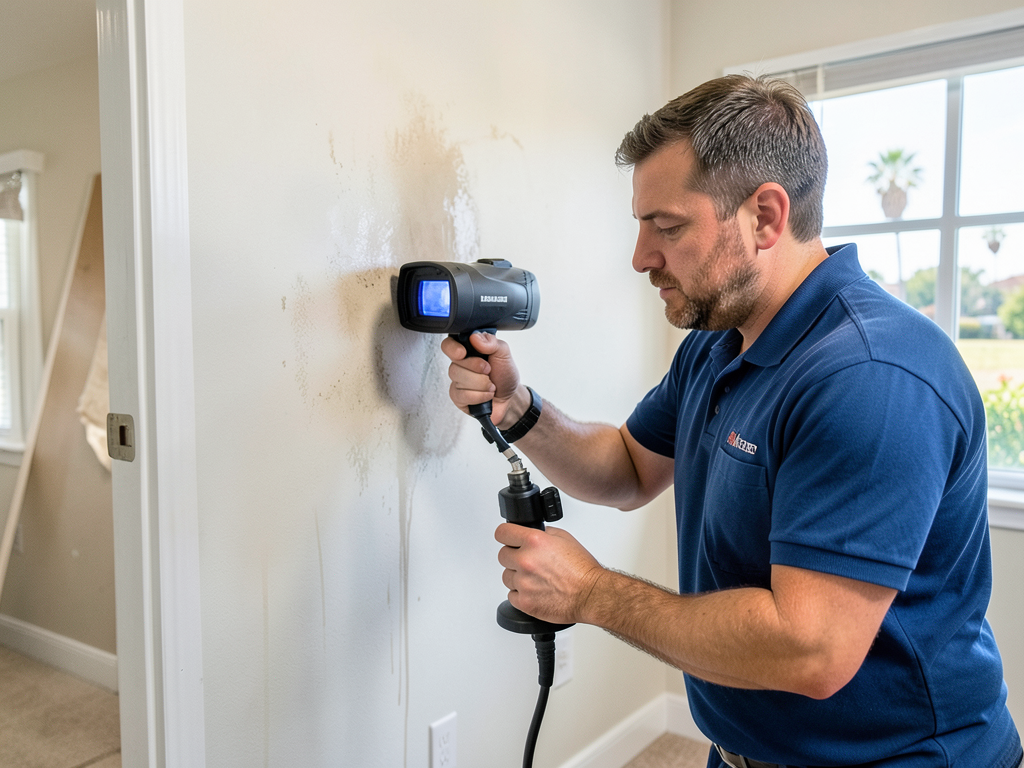
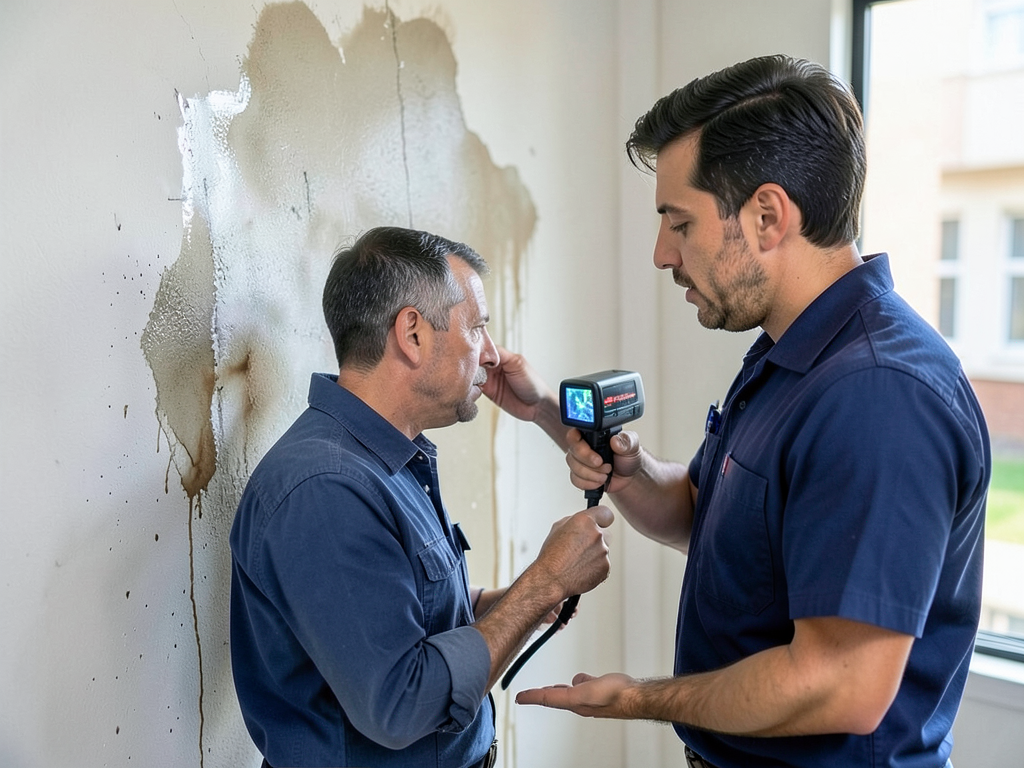
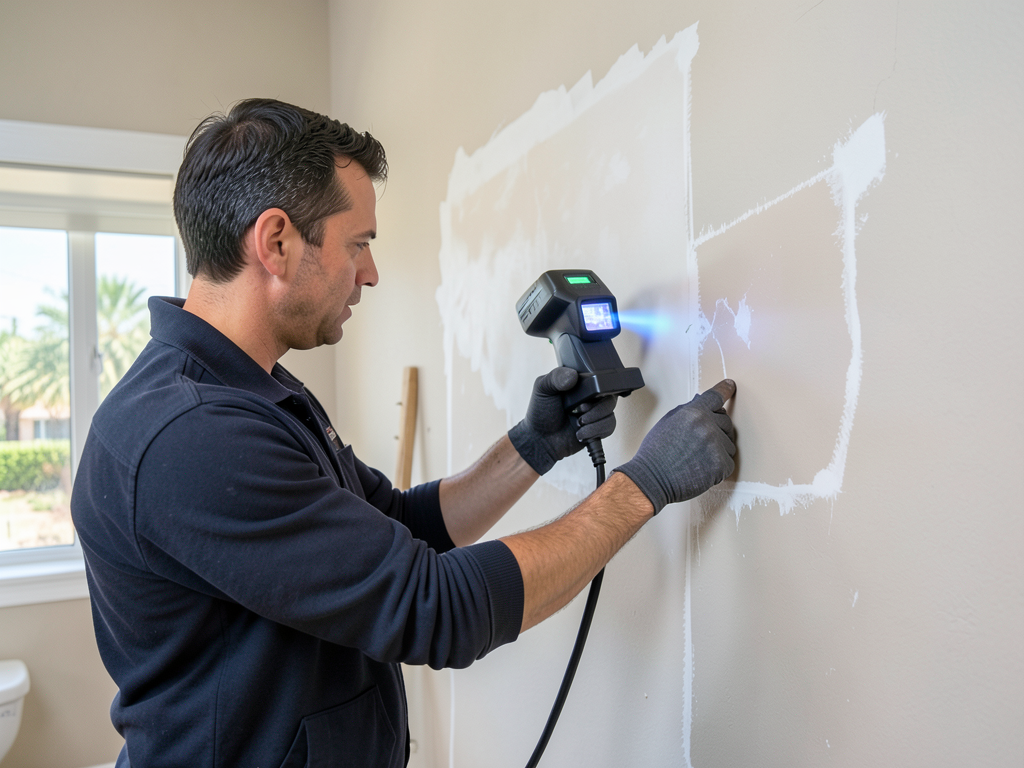
Commercial mold removal starts with a facility-wide assessment using thermal imaging and moisture mapping to identify all affected areas, not just visible growth. We document moisture intrusion points, test air quality in multiple zones, and create a remediation plan that addresses source control first. Treating surface mold without fixing the underlying moisture problem guarantees recurrence within 90 days.

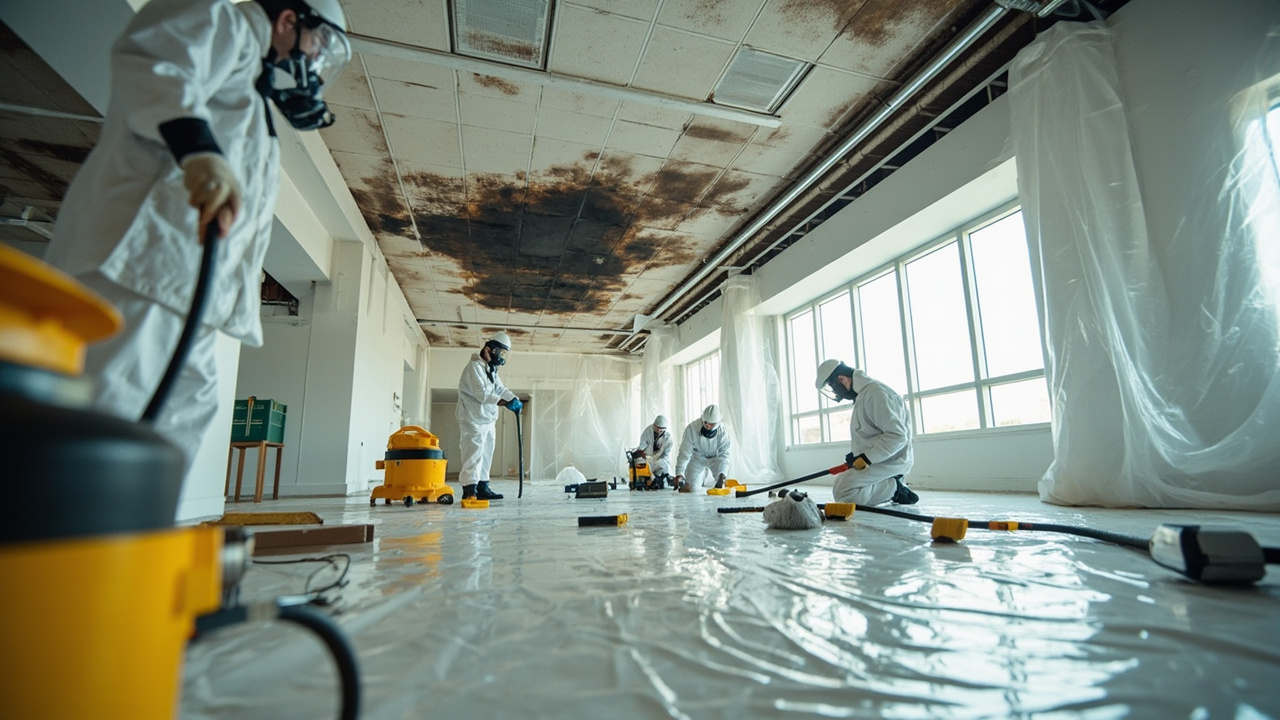
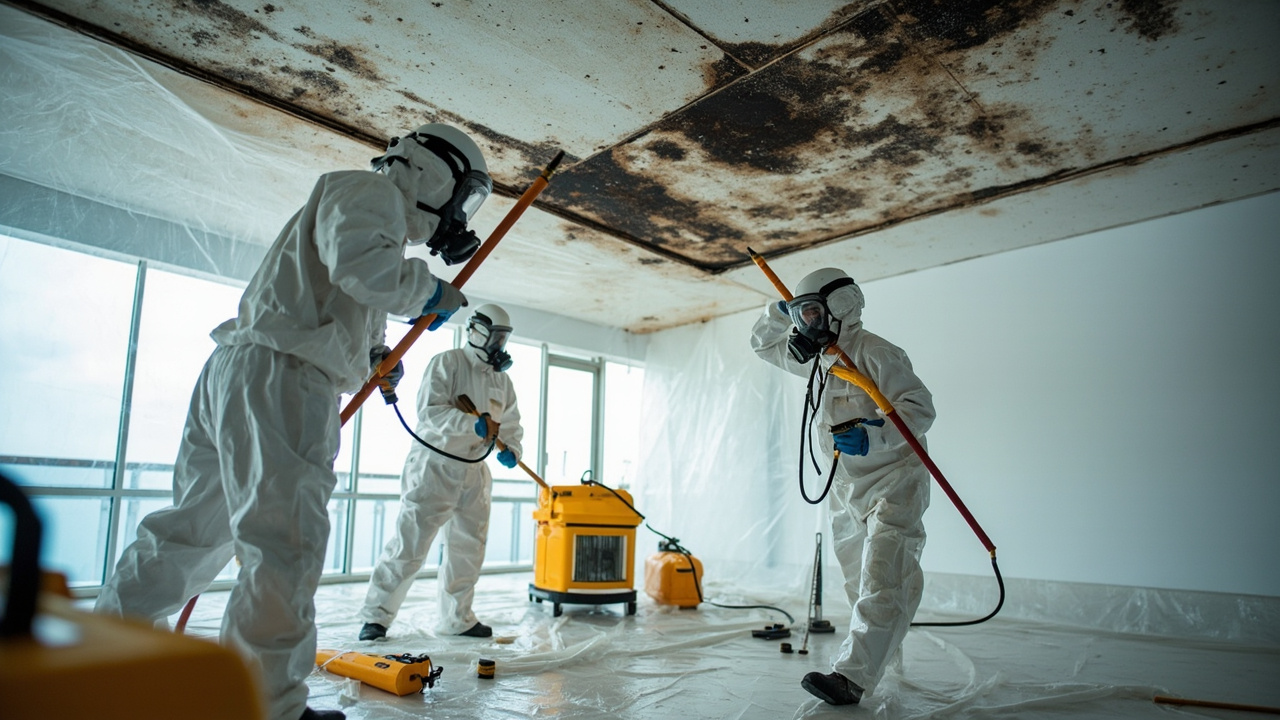
Containment setup uses negative air pressure chambers with HEPA filtration to prevent cross-contamination into occupied spaces. We seal HVAC registers, install zippered access panels, and establish decontamination corridors. All work follows IICRC S520 standards for commercial mold abatement. This prevents spore distribution through your building's air handling system, which is the primary vector for widespread contamination in multi-zone facilities.

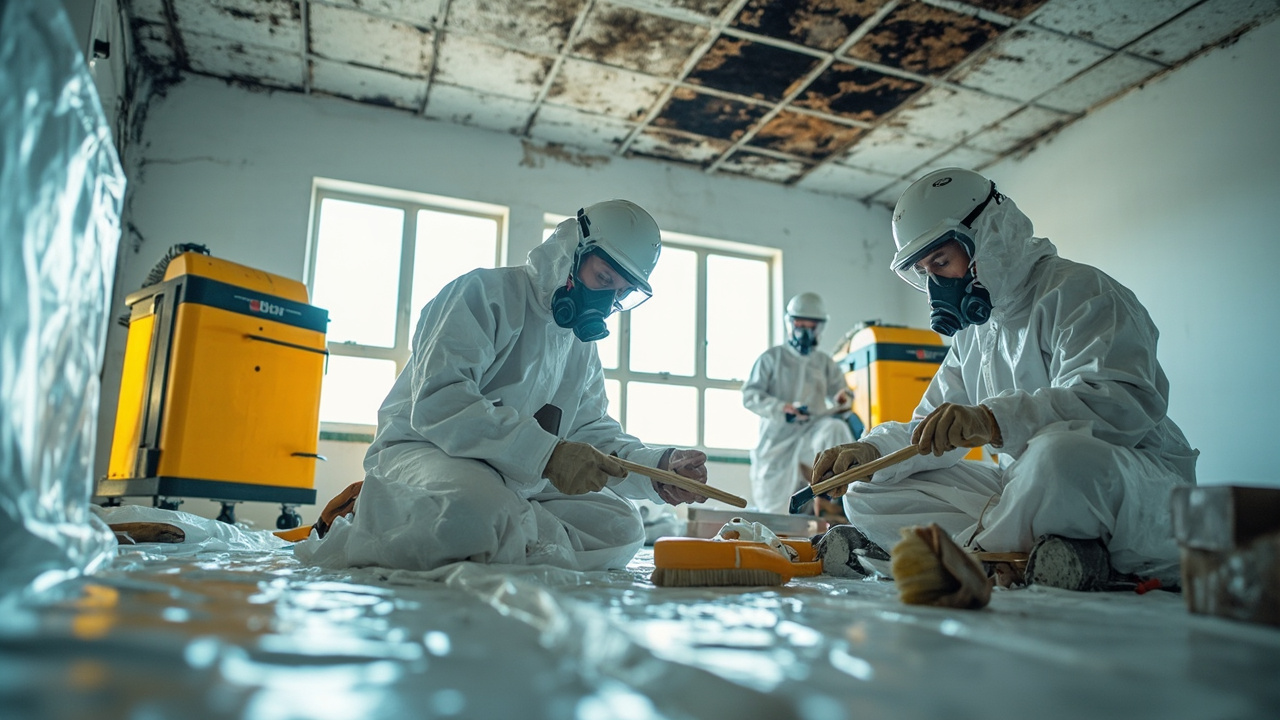
Material removal targets porous substrates that cannot be salvaged: drywall, insulation, ceiling tiles, and contaminated ductwork sections. Non-porous surfaces like metal studs and concrete get HEPA vacuumed and treated with antimicrobial solutions. We remove materials in contained sections to minimize debris staging areas and maintain access corridors for your staff.

Post-remediation verification includes third-party air quality testing, moisture readings confirming levels below 16 percent, and photographic documentation of all work areas. You receive a full remediation report with pre- and post-testing results, material disposal manifests, and certification that the space meets California health standards. This documentation protects you in tenant disputes, insurance claims, and regulatory inquiries. Commercial mold mitigation without proper documentation creates more liability than the original contamination.

How Commercial Remediation Projects Progress

Commercial Mold Remediation in San Diego – Minimize Downtime and Protect Your Business Operations
01

Site Assessment and Planning

We conduct a comprehensive facility inspection using moisture meters and thermal cameras to map all affected areas. You receive a written scope of work detailing containment zones, material removal requirements, and a project timeline that accommodates your operational schedule. This assessment includes identification of moisture sources, whether from roof leaks, plumbing failures, or HVAC condensation issues. The plan addresses source correction first, then contamination removal.
02

Containment and Removal

Containment barriers with negative air pressure isolate work zones from occupied spaces. HEPA filtration units run continuously during material removal to capture airborne spores. Contaminated materials get bagged inside the containment area and removed through designated egress routes to prevent cross-contamination. All non-porous surfaces receive HEPA vacuuming and antimicrobial treatment. We coordinate work shifts around your business hours to minimize operational disruption.
03

Verification and Documentation

After remediation completion, third-party testing confirms air quality meets clearance standards. Moisture readings verify all materials register below failure thresholds. You receive complete documentation including pre- and post-remediation photos, air quality test results, and material disposal records. This documentation package satisfies insurance requirements, lease obligations, and regulatory compliance needs. The space receives final clearance only after independent verification confirms successful remediation.

Why San Diego Businesses Choose Local Commercial Specialists

San Diego's commercial real estate operates under specific regulations that out-of-area contractors miss. The city's Green Building Standards require moisture control measures in all commercial renovations. County Environmental Health enforces strict protocols for mold remediation in food service, healthcare, and childcare facilities. Coastal Zone properties face additional requirements under California Coastal Commission jurisdiction. A remediation company unfamiliar with these regulations creates compliance problems that compound your original issue.

Our teams know San Diego's building stock. We have worked in the historic structures downtown where brick and timber construction requires different approaches than modern steel-frame buildings in UTC. We understand how the marine layer affects buildings differently in Point Loma versus inland areas like Kearny Mesa. This local knowledge translates to accurate assessments and realistic project timelines.

Business continuity drives our approach. We schedule work during off-hours, weekends, or phased over multiple nights to keep your operations running. A restaurant does not need to close for a week when remediation can happen in sections after closing time. An office building does not need to evacuate all floors when proper containment allows floor-by-floor work. We design remediation plans around your revenue requirements, not our convenience.

Insurance documentation matters. San Diego commercial properties often carry complex coverage with multiple carriers for building, contents, and business interruption. Our documentation meets the standards insurance adjusters require for claim approval. Incomplete documentation from cut-rate contractors leads to claim denials and out-of-pocket costs that exceed the savings from hiring the cheapest bid. You need remediation work that your insurance company will pay for.

What Your Commercial Remediation Project Includes

Response Time and Scheduling

We provide initial site assessment within 24 hours of contact. Project start times coordinate with your operational schedule, including overnight and weekend work when needed. Large-scale projects get phased to maintain partial operations during remediation. Emergency response teams deploy immediately for active water intrusion events that require source control before mold remediation can begin. You receive a detailed project timeline during the assessment phase, with milestone dates for containment setup, material removal, and final clearance testing.

Assessment and Testing Protocols

Initial assessment includes thermal imaging to detect hidden moisture, air quality sampling in multiple zones, and moisture content readings of building materials. We identify contamination extent, moisture sources, and required containment boundaries. Post-remediation verification uses independent third-party testing to confirm clearance standards are met. All testing follows AIHA and ACGIH protocols recognized by insurance carriers and regulatory agencies. You receive laboratory reports with spore counts, moisture readings, and professional interpretation of results.

Remediation Standards and Quality

All work follows IICRC S520 standards for commercial mold remediation. Containment systems use negative air pressure with HEPA filtration rated for commercial applications. Material removal extends beyond visible contamination to include all porous materials with elevated moisture content. Non-porous surfaces receive mechanical cleaning and antimicrobial treatment. The project does not close until third-party testing confirms successful remediation and moisture levels register below failure thresholds. You get a facility ready for immediate reoccupancy with documented proof of completed work.

Documentation and Compliance Records

Complete documentation package includes pre-remediation assessment reports, daily progress photos, material disposal manifests, and post-remediation clearance testing results. All records meet insurance claim requirements and regulatory compliance standards. You receive copies in both digital and hard copy formats for your facility management files. This documentation protects you in tenant disputes, employee health claims, and future property transactions. The records demonstrate due diligence and proper remediation protocols that satisfy legal and regulatory scrutiny.

Frequently Asked Questions

You Have Questions,
We Have Answers

What do professionals use for mold remediation? +

Professionals use HEPA air scrubbers to capture airborne spore particles, antimicrobial agents designed for porous and non-porous surfaces, and commercial-grade moisture meters to identify hidden water intrusion. Containment barriers prevent cross-contamination during abatement. In San Diego's coastal climate, where humidity levels fluctuate and marine air accelerates fungal growth in commercial buildings, professionals also deploy thermal imaging cameras to detect moisture behind walls and in HVAC systems. Negative air machines create pressure differentials to prevent spores from migrating to clean areas. Personal protective equipment and proper disposal protocols ensure compliance with California state regulations and OSHA standards for commercial properties.

How much does it cost to professionally remove mold? +

Professional mold removal costs depend on contamination scope, affected square footage, and structural accessibility. Commercial projects typically exceed residential work due to scale and regulatory requirements. A small office suite may require focused remediation, while a warehouse or multi-tenant building demands extensive containment and air quality testing. San Diego's building codes and Title 24 compliance can affect project timelines and costs. Factors include lab testing, HVAC decontamination, material disposal, and post-remediation verification. Expect detailed proposals that itemize containment, labor, equipment, and clearance testing. Delaying remediation increases liability exposure and potential business interruption costs.

Is professional mold removal worth it? +

Professional mold removal is worth it for commercial properties because it eliminates liability exposure, protects employee health, and prevents structural deterioration that compounds over time. DIY approaches fail to address hidden colonies in HVAC systems, wall cavities, or beneath flooring. In San Diego's litigious business environment, documented professional remediation provides legal protection and demonstrates due diligence. Certified contractors follow IICRC S520 standards, provide verifiable clearance testing, and document chain of custody for insurance claims. The cost of professional remediation is negligible compared to potential lawsuits, workers' compensation claims, tenant disputes, or catastrophic structural repairs from unchecked fungal growth.

What is commercial mold remediation? +

Commercial mold remediation is the systematic process of identifying, containing, and removing fungal contamination from business properties while minimizing operational disruption. It differs from residential work in scale, regulatory complexity, and stakeholder coordination. The process includes air quality testing, containment setup, HVAC system inspection, affected material removal, antimicrobial application, and third-party clearance verification. San Diego commercial properties face unique challenges from coastal humidity and aging infrastructure in areas like Downtown and Old Town. Remediation must comply with California OSHA requirements, maintain business continuity, and protect tenant relationships. Documentation is critical for insurance claims and liability protection.

How much does professional mold removal cost? +

Professional mold removal costs vary based on contamination extent, property size, and required protocols. Commercial projects demand higher investment than residential due to regulatory compliance, business interruption mitigation, and third-party verification requirements. Small office areas may need targeted treatment, while distribution centers or medical facilities require comprehensive abatement. San Diego's building density and mixed-use properties add complexity. Cost factors include lab analysis, containment materials, specialized equipment rental, material disposal, HVAC cleaning, and post-remediation clearance testing. Obtain itemized proposals from certified contractors. The investment protects against liability claims, preserves property value, and prevents escalating damage that multiplies expenses.

What kills mold permanently? +

No single product kills mold permanently. Effective remediation requires removing the water source, physically extracting contaminated materials, and applying EPA-registered antimicrobials to remaining surfaces. Professionals use oxidizing agents and quaternary ammonium compounds for non-porous surfaces, but porous materials like drywall and insulation require removal and replacement. San Diego's mild coastal climate means moisture control is ongoing. HVAC systems need regular maintenance to prevent recurrence. Encapsulants can seal surfaces, but they fail without moisture control. Permanent prevention requires addressing building envelope defects, maintaining proper ventilation, and monitoring humidity levels below 60 percent year-round in commercial facilities.

Can black mold be fully remediated? +

Black mold can be fully remediated through proper containment, material removal, and surface treatment protocols. The term black mold typically refers to Stachybotrys chartarum, which grows on cellulose materials after water damage. Professional remediation removes affected drywall, insulation, and porous materials, then treats remaining surfaces with antimicrobials. In San Diego commercial buildings, black mold often colonizes hidden areas behind walls or above ceiling tiles due to plumbing leaks or HVAC condensation. Complete remediation requires identifying and eliminating moisture sources. Third-party clearance testing verifies successful removal. Without proper moisture control, any mold species can return regardless of treatment methods.

Is mold remediation tax deductible? +

Mold remediation may be tax deductible for commercial properties as a business expense under certain conditions. Remediation costs that restore property to pre-damage condition typically qualify as ordinary and necessary business expenses. However, improvements that increase property value may require capitalization and depreciation. San Diego business owners should document the event, obtain detailed invoices, and consult tax professionals familiar with California regulations. Casualty loss deductions may apply if damage results from sudden events. Insurance reimbursements affect deductibility calculations. Keep thorough records linking remediation to business operations, tenant safety, or regulatory compliance. IRS Section 162 and Publication 535 provide guidance on deductible repair expenses.

What are signs of mold exposure? +

Mold exposure signs include respiratory symptoms, persistent coughing, nasal congestion, throat irritation, and eye discomfort. Employees may report headaches, fatigue, or difficulty concentrating. Individuals with asthma or compromised immune systems experience exacerbated symptoms. In San Diego commercial properties, complaints often increase during winter months when buildings remain closed and HVAC systems recirculate contaminated air. Visible growth on walls, musty odors, and water staining indicate active contamination. California Labor Code Section 6400 requires employers to maintain safe working conditions. Document employee complaints, conduct air quality testing, and address contamination immediately to minimize liability exposure and workers' compensation claims.

How hard is it to win a mold lawsuit? +

Winning a mold lawsuit requires establishing causation, damages, and negligence or breach of duty. Plaintiffs must prove the property owner knew or should have known about moisture conditions, failed to remediate, and that exposure directly caused documented health effects or property damage. California's comparative negligence standards complicate cases. Success depends on expert testimony, medical records, air quality data, and documented notification of the problem. San Diego courts require clear evidence linking exposure to specific health outcomes. Defense attorneys argue alternative causation and pre-existing conditions. Commercial cases involving tenant disputes or employee claims demand thorough documentation, timely response, and professional remediation records to demonstrate due diligence.

Why San Diego's Coastal Climate Accelerates Commercial Mold Growth

San Diego's marine layer creates unique challenges for commercial buildings. Overnight fog and morning moisture deposit salt-laden humidity on exterior surfaces, which building HVAC systems then pull inside. This creates condensation in ductwork and behind wall assemblies where warm interior air meets cooled exterior walls. Buildings in coastal areas from La Jolla to Imperial Beach experience accelerated mold growth compared to inland facilities. The consistent 60 to 70 percent relative humidity during morning hours provides ideal conditions for spore germination. Commercial buildings with 24-hour HVAC operation face constant moisture management challenges that residential properties do not encounter.

San Diego County requires commercial mold remediation to follow California Department of Public Health guidelines, which exceed federal EPA recommendations. Buildings in specific use categories face additional oversight from Environmental Health. Our teams maintain current training on local requirements and work directly with county inspectors when projects require regulatory notification. This local regulatory knowledge prevents compliance problems that delay project completion and create additional costs. Choosing a remediation company without San Diego-specific experience risks failed inspections, rework requirements, and extended business interruption while compliance issues get resolved.
Water Damage Restoration Services in The San Diego Area

We are proud to serve the entire San Diego area and invite you to view our service region on the map below. While our emergency response team is mobile and always ready to dispatch to your location rapidly, our central operations base allows us to coordinate efficient service across all of San Diego County. Contact us today for immediate assistance, no matter where your property is located within our service area.

Address:
Keystone Water Damage Restoration San Diego, 4445 Eastgate Dr, San Diego, CA, 92121

Additional Services We Offer

Our news updates

Latest Articles & News from The Blogs

Keeping Your Pets Safe from Bacteria and Mold After a Hillcrest Flood Flooding in Hillcrest creates immediate dangers for pets…

Keeping Your Pets Safe from Bacteria and Mold After a Hillcrest Flood

Keeping Your Pets Safe from Bacteria and Mold After a Hillcrest Flood Flooding in Hillcrest creates immediate dangers for pets…

Why Your Escondido Roof is Leaking After a New Solar Panel Installation

Why Your Escondido Roof is Leaking After a New Solar Panel Installation If you notice water dripping from your ceiling…

How Your Backyard Slope is Pushing Water into Your Mira Mesa Foundation

How Your Backyard Slope is Pushing Water into Your Mira Mesa Foundation Standing water in your backyard after a San…

Contact Us

Contact Keystone Water Damage Restoration San Diego at (858) 203-2555 for immediate commercial mold assessment. We provide detailed remediation plans, work around your schedule, and deliver the documentation your insurance and legal teams require.