menu

Basement Flood Cleanup in San Diego – Fast Water Extraction Before Mold Takes Hold

When your basement floods, every hour counts. Our certified basement flood cleanup teams respond immediately across San Diego County with industrial-grade extraction equipment, stopping water damage and preventing mold growth before it starts.

Slider Image 1
Slider Image 2
Slider Image 3
Slider Image 4
Slider Image 5
Slider Image 7
Slider Image 8
Slider Image 9
Slider Image 10
Slider Image 11

Why San Diego Basements Flood and Why Speed Matters

San Diego homeowners face a false sense of security. Yes, we live in a dry climate. But when heavy rains hit our region, the hardpan soil beneath many Clairemont, Allied Gardens, and Scripps Ranch homes cannot absorb water fast enough. The result is rapid pooling around foundations, basement seepage through concrete cracks, and sudden flooding through window wells.

Older homes in neighborhoods like North Park and Normal Heights were built before modern waterproofing standards existed. Foundation walls lack vapor barriers. Floor drains connect to outdated clay pipes that crack under soil pressure. When winter storms roll through or a water heater ruptures, your basement can fill with inches of standing water in minutes.

The real danger is not the visible water. It is what happens in the 24 to 48 hours after the flood. San Diego's moderate humidity creates ideal conditions for mold colonization on drywall, wooden studs, and stored belongings. Flooded basement water removal must happen immediately. Waiting even one day allows mold spores to activate and spread through your HVAC system.

Basement water extraction is not just pumping out standing water. It requires removing moisture trapped in concrete, behind walls, and under flooring. Flooded basement remediation means addressing hidden water pockets that standard wet vacs cannot reach. This is where professional basement flood restoration equipment makes the difference between a dry basement and a mold factory.

If you smell mustiness or see water stains spreading on your basement walls, the clock is already ticking. Flooded basement pumping alone will not solve the problem. You need comprehensive moisture removal and structural drying to prevent long-term damage.

Why San Diego Basements Flood and Why Speed Matters
How Professional Basement Flood Cleanup Actually Works

How Professional Basement Flood Cleanup Actually Works

Most homeowners try shop vacs and fans. This approach fails because basement flooding is a three-layer problem. You have standing water on the surface, absorbed water in porous materials, and vapor saturation in the air. Each layer requires different extraction methods.

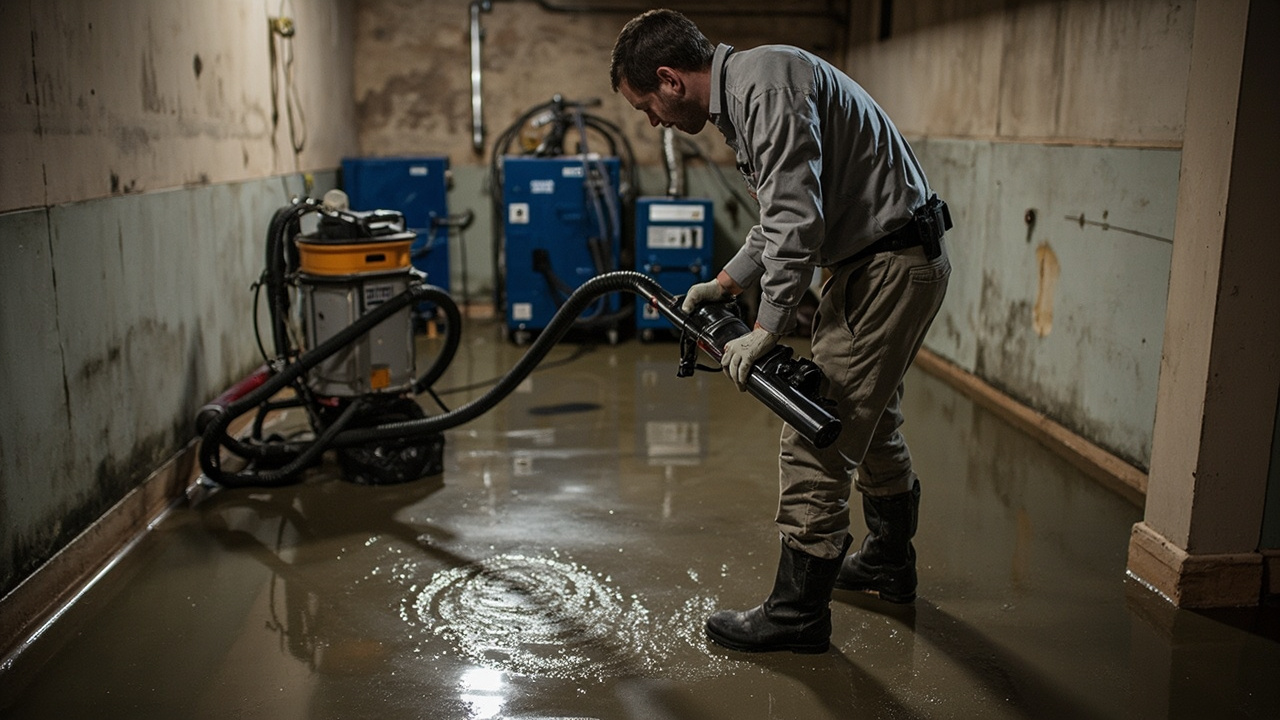
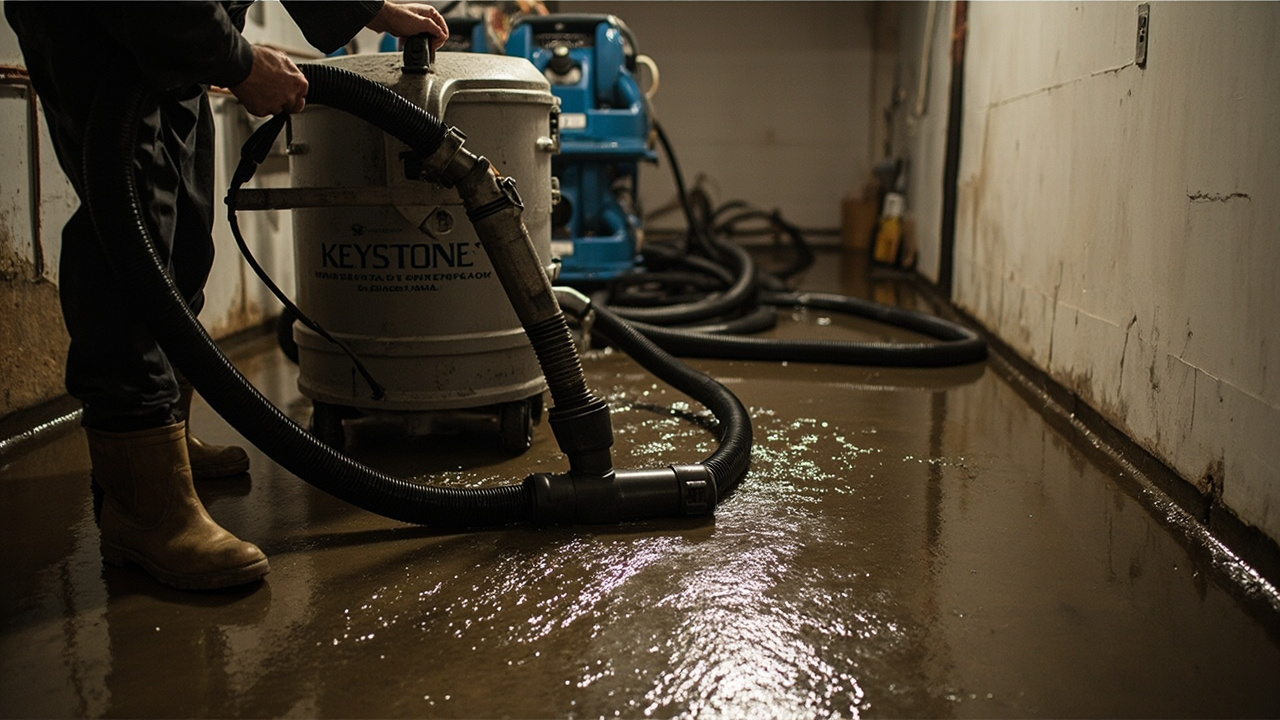
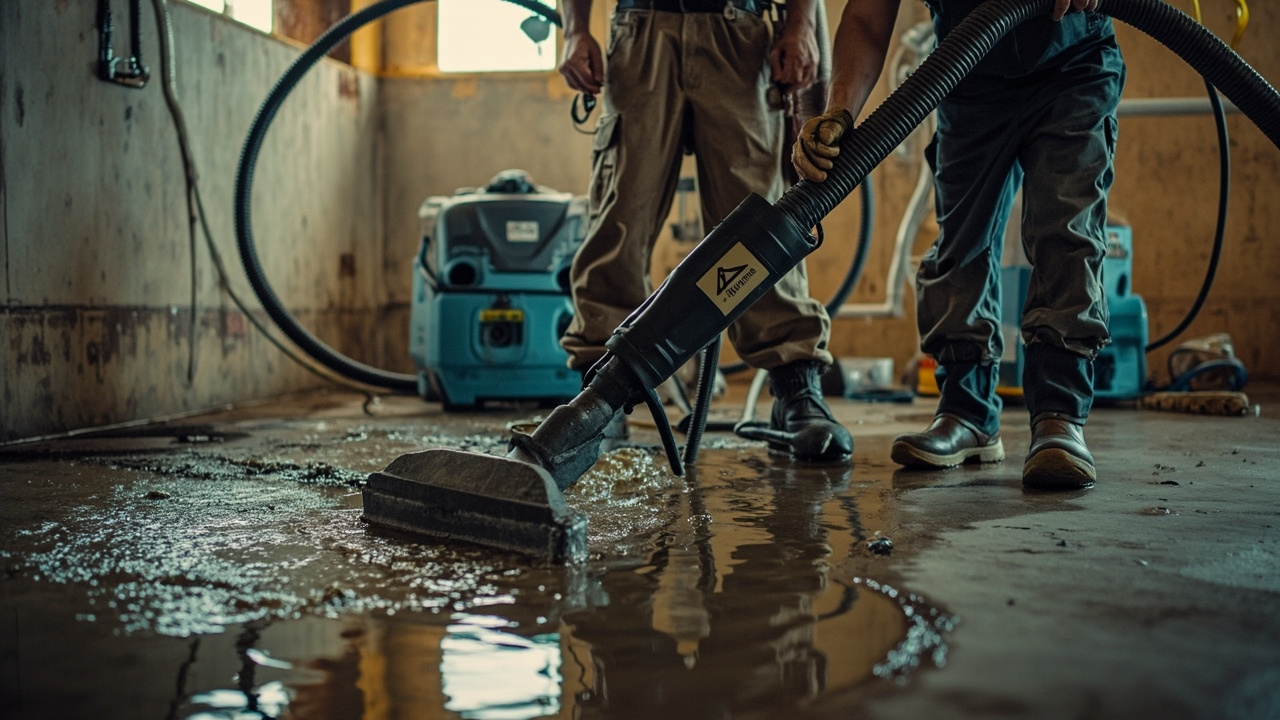
We start with truck-mounted extraction pumps that remove thousands of gallons per hour. These are not the small sump pumps sold at hardware stores. Our flooded basement pumping systems create negative pressure that pulls water from carpet padding, concrete pores, and the gaps between foundation walls and framing.

After surface water removal, we deploy low-grain refrigerant dehumidifiers. These machines pull moisture from the air at rates up to 200 pints per day, creating a dry environment that prevents mold growth. We pair dehumidifiers with air movers positioned at floor level to create cyclonic airflow patterns that accelerate evaporation from wet materials.

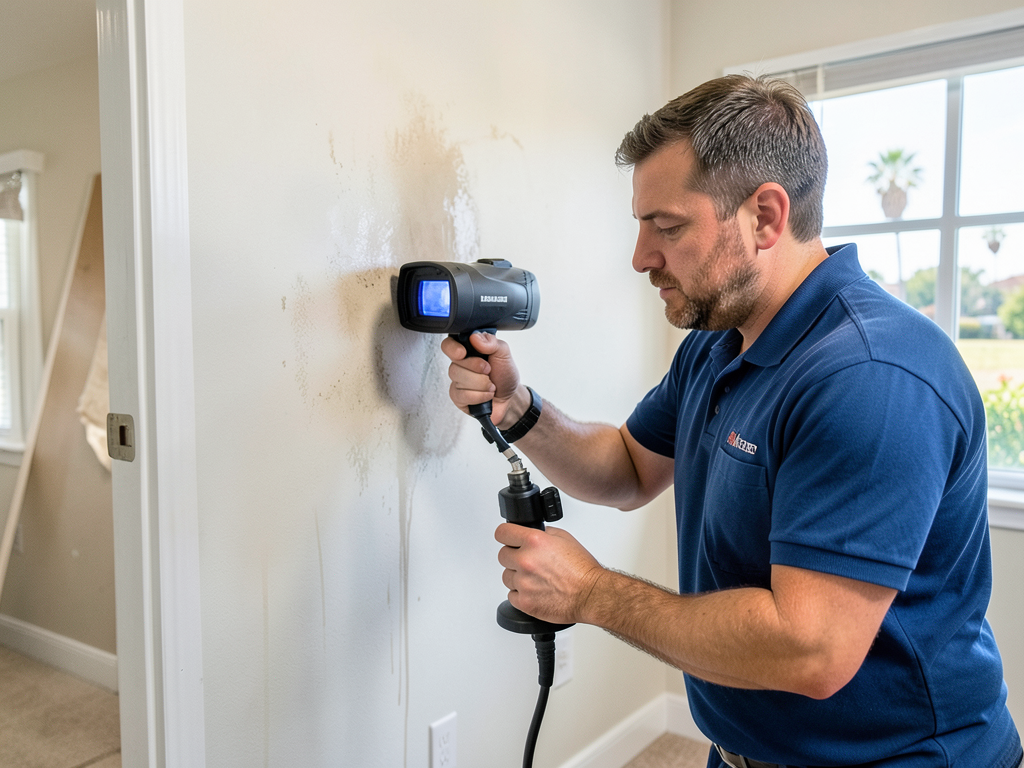
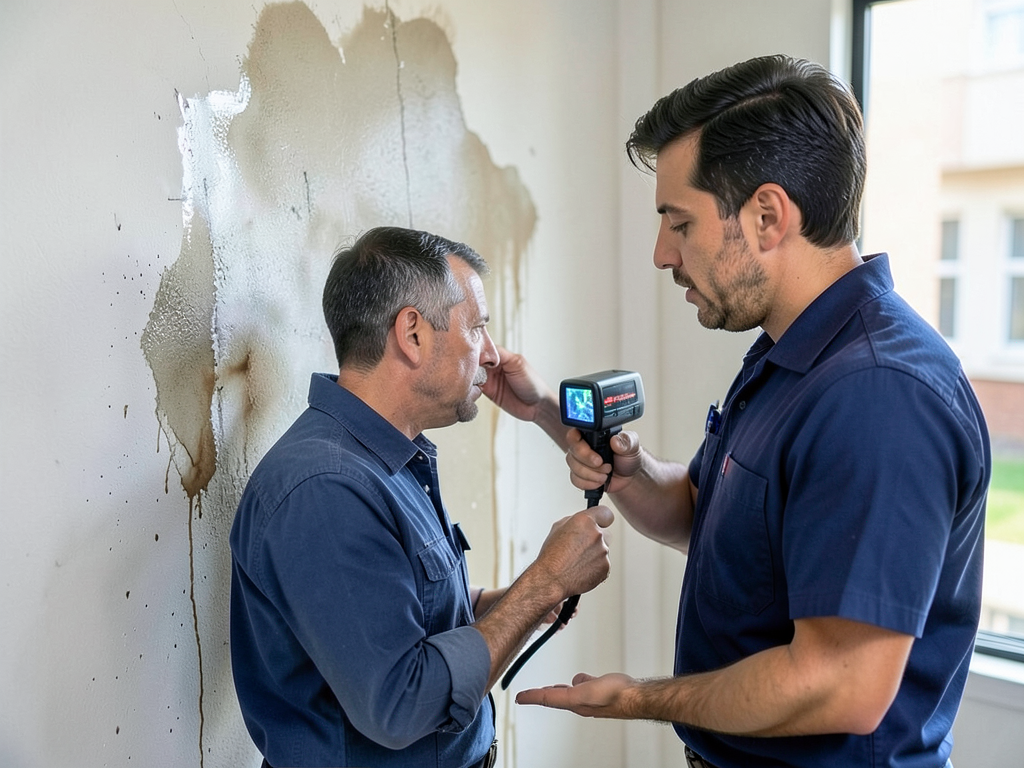
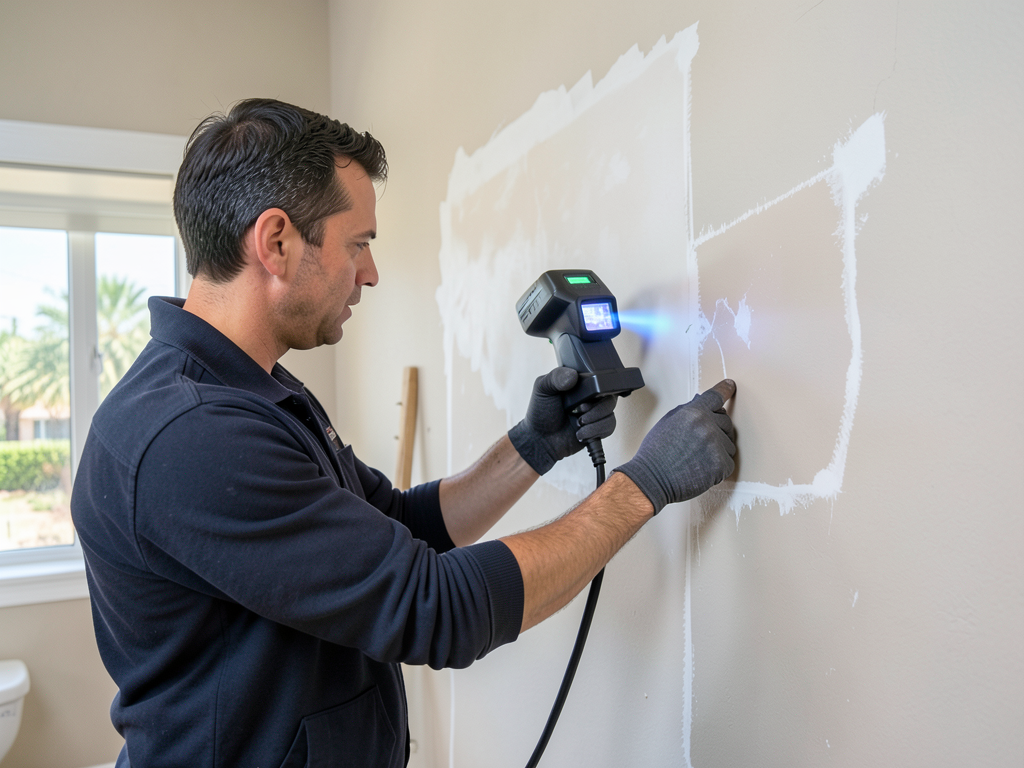
Moisture mapping is where most DIY efforts fail. We use infrared cameras and pin-type moisture meters to identify hidden water pockets behind drywall, inside wall cavities, and under vinyl flooring. A basement can look dry on the surface while harboring 40% moisture content in the wooden sill plates. Our basement water extraction process includes drilling small weep holes to ventilate trapped moisture.

For severe floods exceeding two inches of standing water, we remove baseboards and drill ventilation holes in drywall at six-inch intervals above the floor. This allows air movers to dry the interior wall structure without full demolition. We document moisture levels daily until readings drop below 15%, the threshold where mold cannot colonize.

Flooded basement remediation also means treating surfaces with antimicrobial solutions after drying. Even if mold has not appeared yet, spores are present. We apply EPA-registered antimicrobials to all affected surfaces to prevent future growth.

What Happens When You Call for Emergency Basement Flood Cleanup

Basement Flood Cleanup in San Diego – Fast Water Extraction Before Mold Takes Hold
01

Immediate Water Extraction

Our crew arrives with truck-mounted extraction pumps and portable submersibles within 60 minutes of your call. We immediately stop the water source if possible, then begin removing standing water. We extract from the lowest points first, working upward to prevent water from spreading. This phase removes 90% of visible water within the first two hours, preventing deeper absorption into concrete and framing.
02

Moisture Detection and Mapping

After surface water removal, we use thermal imaging cameras and moisture meters to map hidden water trapped in walls, under flooring, and inside structural cavities. This reveals where water has wicked up drywall or seeped behind baseboards. We mark these zones and deploy targeted drying equipment. This step prevents hidden moisture from causing delayed mold growth or wood rot that appears weeks later.
03

Structural Drying and Verification

We position industrial dehumidifiers and air movers to create rapid evaporation conditions throughout your basement. Drying equipment runs continuously for three to five days while we monitor moisture levels twice daily. We do not remove equipment until all materials test below 15% moisture content. You receive a final moisture report documenting that your basement is completely dry and safe from mold development.

Why San Diego Homeowners Choose Keystone for Basement Flood Restoration

Basement flooding is rare enough in San Diego that many restoration companies lack experience with it. They treat basement floods like surface water damage, missing the hidden moisture that causes long-term problems. We have restored basements throughout San Diego County for over a decade, including challenging scenarios in older Craftsman homes with rubble foundations and modern developments with concrete slab construction.

San Diego's unique soil composition creates specific challenges. The sandy loam in coastal areas like La Jolla and Pacific Beach drains well, but inland neighborhoods sit on dense clay hardpan. When clay soil becomes saturated, it expands and presses against foundation walls, forcing water through microscopic cracks in the concrete. We understand how to address these pressure-driven leaks, not just the water they produce.

Local building codes also matter. San Diego requires specific vapor barrier installations and drainage systems for below-grade spaces. If your basement was finished without proper permits, you may have code violations that insurance adjusters flag during claims. We work with your insurance company and can identify code compliance issues before they become claim denials.

Our crews know San Diego geography. We understand that Allied Gardens homes built in the 1960s have different foundation types than Carmel Valley homes from the 2000s. This knowledge informs our extraction methods and drying timelines. We also maintain relationships with local structural engineers and mold inspectors for cases requiring third-party verification.

You need a basement flood cleanup company that responds immediately, not one that schedules you three days out. We operate 24/7 because mold does not wait for business hours. Our average response time across San Diego County is under 60 minutes. When you call, you speak to a dispatcher who sends the nearest crew immediately, not an answering service that takes messages.

What to Expect During Your Basement Flood Cleanup

Response Time and Availability

We answer calls 24 hours a day, every day of the year. When you call our emergency line, a dispatcher confirms your location and sends the nearest crew immediately. Our goal is on-site arrival within 60 minutes for most San Diego County locations. Crews arrive in fully equipped trucks with extraction pumps, dehumidifiers, air movers, and moisture detection tools. You do not wait days for equipment rental or scheduling availability. We begin water removal the moment we arrive, often extracting the first 500 gallons within 30 minutes of our arrival.

Initial Assessment and Damage Documentation

Before we start extraction, our crew leader walks through your basement with you to document the damage. We photograph standing water levels, identify the water source, and note which belongings are salvageable. We use moisture meters to test walls, floors, and structural elements, creating a baseline moisture map. This documentation is critical for insurance claims. We provide you with a detailed damage report that includes moisture readings, affected square footage, and our recommended restoration scope. If you need to file a claim, we can communicate directly with your adjuster.

The Final Result You Can Verify

Your basement is not truly dry until moisture meters confirm it. We do not remove drying equipment based on timelines or guesswork. Our technicians test moisture levels in walls, floors, and structural wood twice daily. When all readings drop below 15% moisture content, we conduct a final walkthrough with you. You receive a completion report showing before and after moisture readings for each tested area. This documentation proves your basement is dry and protects you if mold issues arise later. We leave your basement cleaner than we found it, with all debris removed and surfaces treated with antimicrobial solution.

Ongoing Monitoring and Prevention Guidance

After we complete drying, we provide a prevention plan specific to your basement. This includes recommendations for sump pump installation, foundation crack sealing, or improved drainage around your home's perimeter. We return for a follow-up inspection two weeks after completion to verify moisture levels remain stable. If we detect any moisture rebound, we address it immediately at no additional cost. We also provide guidance on monitoring your basement for early warning signs of future water intrusion, helping you catch problems before they become floods.

Frequently Asked Questions

You Have Questions,
We Have Answers

How to clean up after a flooded basement? +

First, stop the water source if possible and shut off electricity to the basement. Remove standing water using a pump or wet vac. Pull out wet materials like carpets, boxes, and furniture within 24-48 hours to prevent mold growth. Use fans and dehumidifiers to dry structural elements like drywall and framing. Scrub hard surfaces with antimicrobial cleaner. Document all damage with photos for insurance claims. San Diego's mild climate helps, but coastal humidity can still trigger mold fast. Call a water damage restoration company if you see extensive saturation or sewage contamination.

How much does it cost to clean up a flooded basement? +

Basement flood cleanup costs depend on water volume, contamination level, and structural damage. Minor clean water events may run a few hundred dollars for pump-out and drying. Severe flooding with sewage backup or mold remediation can reach several thousand dollars. Category 3 contaminated water requires professional disposal and specialized equipment. Insurance often covers sudden events like burst pipes but excludes gradual seepage. San Diego properties with older plumbing or poor grading face higher risks. Get multiple estimates and verify the company uses moisture meters and thermal imaging to detect hidden saturation behind walls.

What type of professional fixes flooded basements? +

A certified water damage restoration technician handles flooded basements. These professionals hold IICRC certifications in water damage restoration and applied structural drying. They use industrial extractors, air movers, and dehumidifiers to remove water and moisture from concrete, wood framing, and drywall. They also assess mold risk and coordinate with plumbers if pipe failure caused the flood. In San Diego, look for contractors familiar with California Title 24 building codes and local permit requirements. Avoid general handymen for serious floods. Proper restoration prevents long-term structural issues and indoor air quality problems.

What will insurance cover if basement floods? +

Homeowners insurance typically covers sudden and accidental basement flooding from burst pipes, water heater failures, or appliance malfunctions. Policies exclude damage from groundwater seepage, sump pump failure, or lack of maintenance. You need separate flood insurance through FEMA for rising water from storms or coastal surges. San Diego sees rare but intense rainfall that can overwhelm drainage systems. Review your policy's water damage exclusions carefully. Document everything with photos and keep receipts for emergency repairs. Most insurers require immediate mitigation to prevent mold, so act fast and notify your adjuster within 24 hours.

How San Diego's Hardpan Soil Causes Basement Flooding Even in Dry Seasons

San Diego sits on a unique geological layer of decomposed granite and dense clay hardpan, particularly in inland neighborhoods like Scripps Ranch, Poway, and Rancho Peñasquitos. This soil drains poorly when saturated. During our occasional heavy rain events, water cannot percolate down through the clay layer. Instead, it pools at the surface and flows laterally along the hardpan toward lower elevations. Homes built into hillsides or at the base of slopes experience hydrostatic pressure against foundation walls. This pressure forces water through concrete pores, expansion joints, and cracks as small as 1/32 inch wide. Even homes with proper exterior waterproofing can experience basement seepage because the sheer volume of water overwhelms drainage systems. Flooded basement water removal in San Diego requires understanding this soil pressure dynamic, not just pumping out visible water.

San Diego County building codes have evolved significantly over the past 40 years regarding below-grade waterproofing. Homes built before 1985 often lack the vapor barriers and drainage systems now required by code. Many basements in older neighborhoods like Kensington, Talmadge, and College Area were finished without permits, meaning waterproofing may be inadequate or nonexistent. When we perform basement flood restoration in these areas, we often discover that previous water damage was simply dried out without addressing the underlying infiltration source. Our crews are trained to identify code compliance issues and can recommend permanent solutions that prevent recurring floods. Choosing a local restoration company means working with technicians who understand San Diego's specific building history and can spot problems that out-of-area companies miss.
Water Damage Restoration Services in The San Diego Area

We are proud to serve the entire San Diego area and invite you to view our service region on the map below. While our emergency response team is mobile and always ready to dispatch to your location rapidly, our central operations base allows us to coordinate efficient service across all of San Diego County. Contact us today for immediate assistance, no matter where your property is located within our service area.

Address:
Keystone Water Damage Restoration San Diego, 4445 Eastgate Dr, San Diego, CA, 92121

Additional Services We Offer

Our news updates

Latest Articles & News from The Blogs

How Clogged Gutters Can Lead to a Flooded Perimeter in Talmadge When leaves and debris clog your gutters in Talmadge…

How Clogged Gutters Can Lead to a Flooded Perimeter in Talmadge

How Clogged Gutters Can Lead to a Flooded Perimeter in Talmadge When leaves and debris clog your gutters in Talmadge…

Keeping Your Bird Rock Art Collection Safe from Coastal Humidity

Keeping Your Bird Rock Art Collection Safe from Coastal Humidity San Diego’s coastal climate creates unique challenges for art collectors…

What Fairbanks Ranch Homeowners Should Know About Pool Leaks Near the Foundation

What Fairbanks Ranch Homeowners Should Know About Pool Leaks Near the Foundation A pool leak near your Fairbanks Ranch foundation…

Contact Us

Every hour you wait, water spreads deeper into your basement structure. Call (858) 203-2555 now for immediate dispatch. Our crews are on standby 24/7 with truck-mounted extraction equipment ready to deploy across San Diego County.