menu

Attic Water Damage Cleanup in San Diego | Expert Diagnosis and Same-Day Water Extraction

When water invades your attic space, you need rapid attic water damage cleanup that addresses hidden moisture, structural rot, and mold growth before they spread through your home.

Slider Image 1
Slider Image 2
Slider Image 3
Slider Image 4
Slider Image 5
Slider Image 7
Slider Image 8
Slider Image 9
Slider Image 10
Slider Image 11

Why San Diego Attics Are Vulnerable to Hidden Water Damage

Most San Diego homeowners never enter their attic until something goes wrong. By then, water has already migrated through insulation, compromised roof decking, and created conditions for mold colonization.

San Diego's microclimates create specific vulnerabilities. Coastal neighborhoods like Ocean Beach and Point Loma experience marine layer moisture that condenses in poorly ventilated attic spaces. Inland communities such as Mira Mesa and Rancho Bernardo face temperature swings that cause condensation along roof sheathing. When winter storms move through the region, aging roof penetrations and flashing failures allow water entry that goes undetected for weeks.

The problem compounds because San Diego homes built before 1990 often lack adequate attic ventilation. Trapped humidity creates a breeding ground for microbial growth. Add a plumbing leak from second-story bathrooms or HVAC condensate line failure, and you have standing water pooling on drywall ceilings below.

Attic water damage restoration is time-sensitive. Water wicks through fiberglass insulation, saturates wooden trusses, and stains ceiling drywall. The longer contaminated water sits, the more extensive the attic water removal services become. You may notice brown ceiling stains, musty odors, or increased energy bills as soaked insulation loses R-value.

Ignoring the signs leads to structural failure. Roof rafters weakened by rot cannot support tile or shingle loads during the next storm event. Attic leak cleanup catches these failures before they cascade into your living spaces. The key is recognizing symptoms early and acting before attic flood restoration becomes a full structural rebuild.

Why San Diego Attics Are Vulnerable to Hidden Water Damage
How We Execute Complete Attic Water Damage Cleanup

How We Execute Complete Attic Water Damage Cleanup

Effective attic water damage cleanup requires more than extracting visible water. You need systematic moisture mapping, containment protocols, and controlled drying to prevent secondary damage.

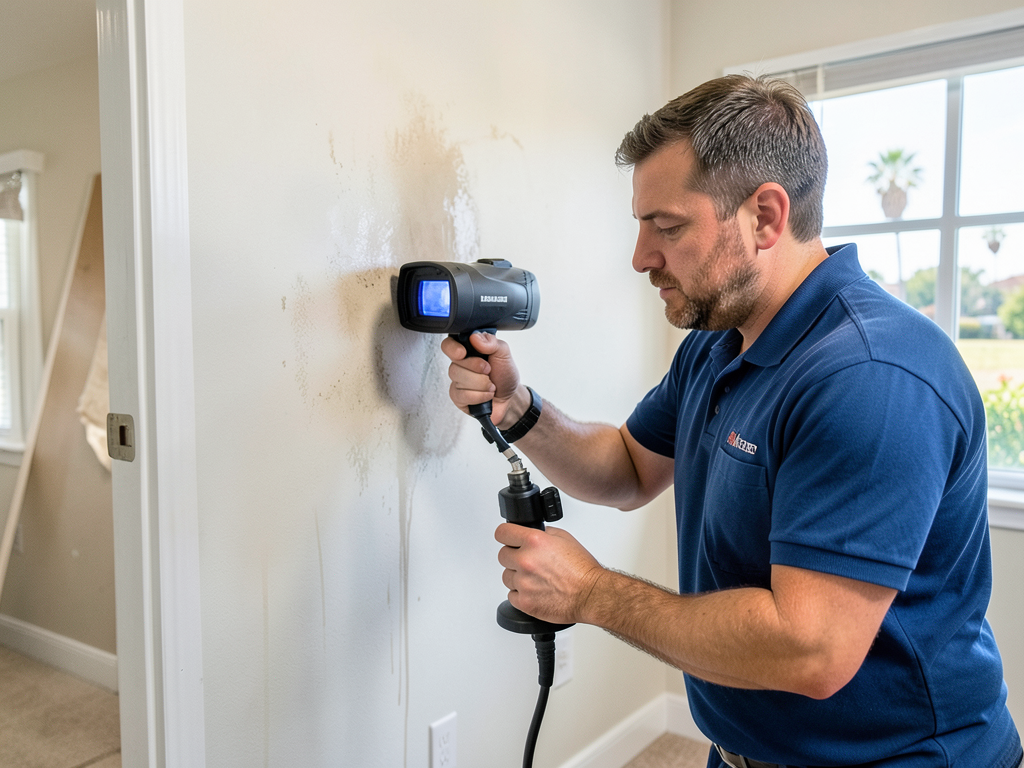
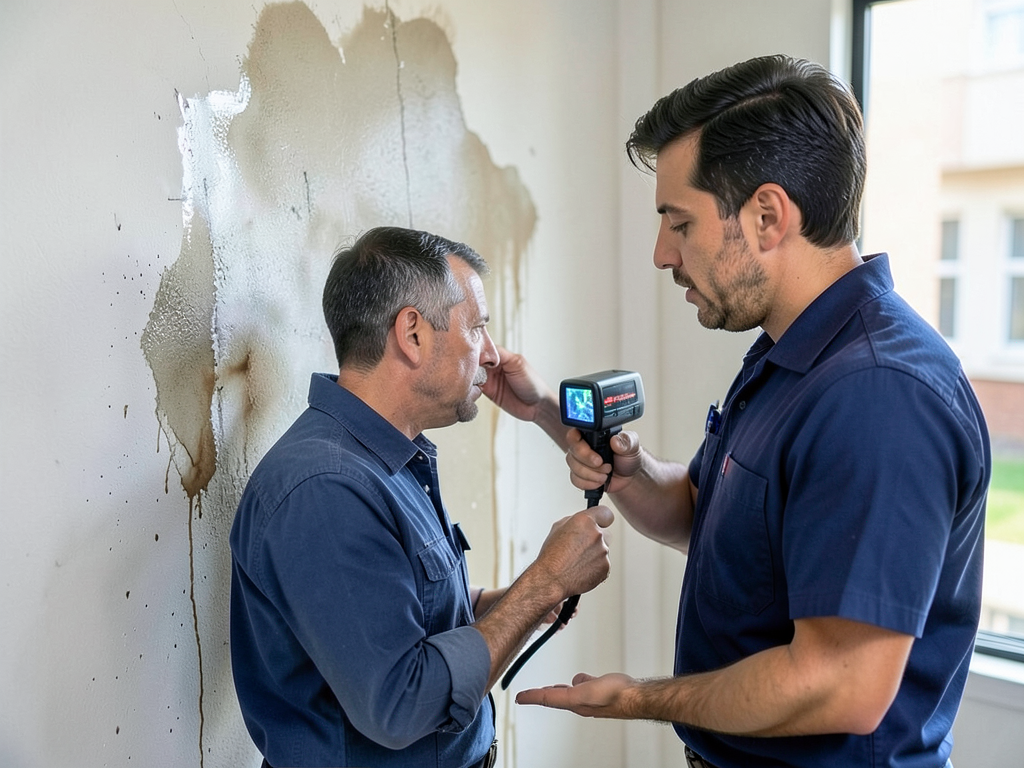
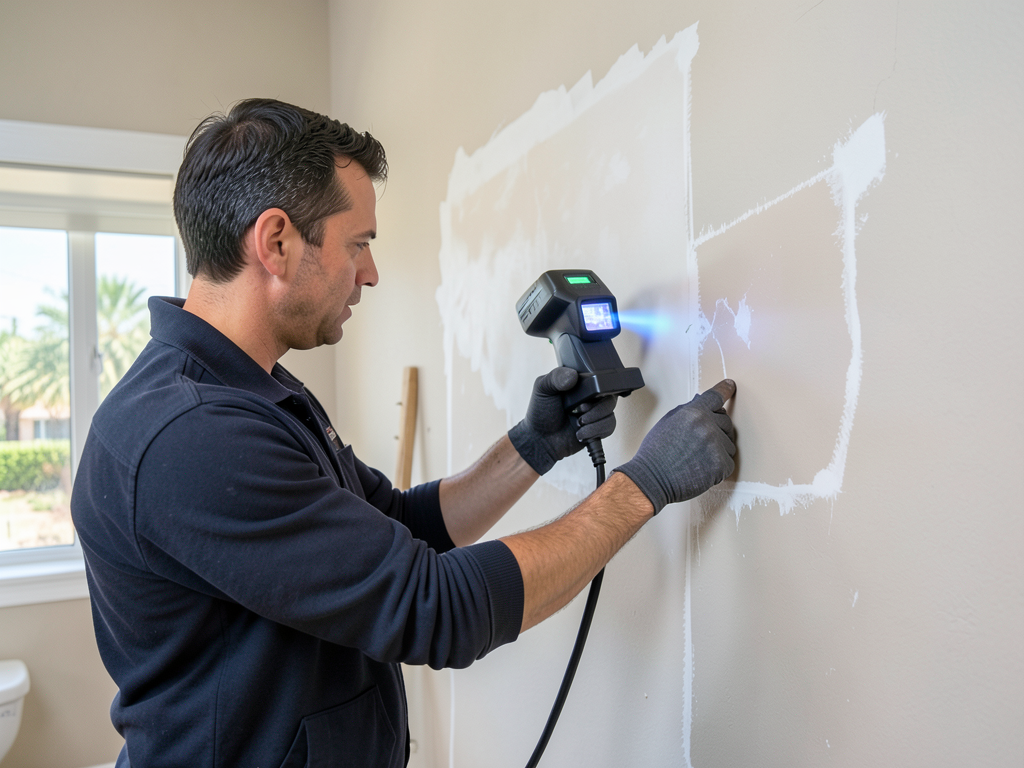
We start with thermal imaging to identify moisture intrusion paths. Water rarely travels in straight lines. A roof leak above your bathroom may show up as ceiling damage in your bedroom because water follows rafter bays and ceiling joists. Infrared cameras reveal wet insulation, saturated sheathing, and hidden vapor pockets that standard moisture meters miss.

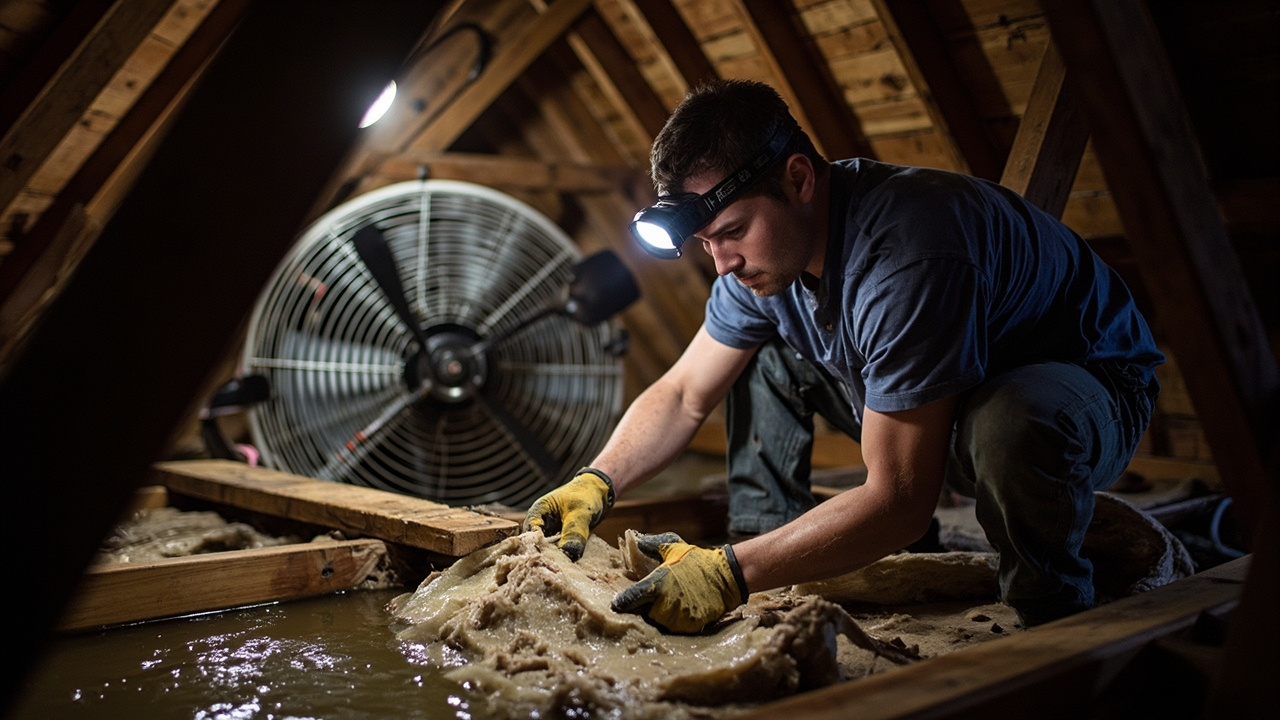
Containment comes next. We establish negative air pressure zones to prevent airborne mold spores from migrating into living areas during attic water removal services. HEPA filtration captures particulates while we remove compromised insulation. Wet fiberglass and cellulose cannot be saved. They hold moisture, lose thermal efficiency, and harbor microbial growth even after drying.

Extraction targets standing water first, then residual moisture in structural materials. We use truck-mounted extractors for bulk removal, followed by low-grain refrigerant dehumidifiers that pull moisture from wood framing. Airflow management is critical. Strategically placed axial fans create circulation patterns that accelerate evaporation without spreading contamination.

Antimicrobial treatment follows extraction. We apply EPA-registered biocides to affected framing, sheathing, and drywall surfaces. This arrests active mold growth and prevents recolonization during the drying phase.

The final phase is verification. We document moisture readings across multiple substrate types until they reach equilibrium with ambient conditions. Roof decking should register below 15 percent moisture content. Framing lumber should drop below 12 percent. These thresholds prevent mold reactivation and ensure structural integrity before we begin attic water damage repair and reconstruction.

What Happens During Your Attic Water Emergency

Attic Water Damage Cleanup in San Diego | Expert Diagnosis and Same-Day Water Extraction
01

Initial Assessment and Containment

Our team arrives within two hours to assess the water source and extent of contamination. We identify whether you are dealing with clean water from supply line failure, gray water from HVAC condensate, or black water from roof intrusion. This classification determines safety protocols and extraction methods. We establish containment barriers, shut off active leaks, and document pre-loss conditions for insurance purposes before beginning water removal.
02

Extraction and Structural Drying

High-volume extractors remove standing water and saturated insulation. We deploy industrial dehumidifiers and air movers calibrated to your attic's cubic footage and ventilation capacity. Moisture readings are logged every 12 hours across roof decking, framing members, and ceiling drywall. Drying typically requires three to five days depending on saturation depth and ambient humidity levels. We adjust equipment placement and airflow patterns based on daily psychrometric readings.
03

Restoration and Prevention

Once materials reach acceptable moisture content, we replace damaged insulation, repair compromised framing, and restore ceiling finishes. We identify the root cause of water intrusion and recommend corrective measures such as flashing repair, improved ventilation, or HVAC drain line modifications. Final documentation includes moisture mapping reports, photographic evidence of repairs, and recommendations for preventing future attic water damage. You receive a detailed scope of work for insurance claims processing.

Why San Diego Property Owners Trust Our Attic Restoration Expertise

Attic water damage cleanup is not a DIY project. You are working in confined spaces with electrical hazards, compromised structural members, and potential asbestos or vermiculite insulation in older homes. The margin for error is thin.

Keystone Water Damage Restoration San Diego has cleaned hundreds of attic water emergencies across North County, Central San Diego, and South Bay communities. We understand how San Diego's building codes have evolved. Homes built in the 1960s and 1970s often have inadequate attic access, knob-and-tube wiring, and original plumbing vents that fail during water events. Properties constructed after 2000 may have engineered lumber that degrades faster than dimensional framing when exposed to moisture.

Our technicians hold IICRC certifications in water damage restoration and applied structural drying. We follow ANSI-IICRC S500 standards for water intrusion remediation and S520 protocols for mold contamination. This means you get consistent, science-based drying processes rather than guesswork.

Insurance coordination is part of our service. We document losses with timestamped photos, moisture logs, and equipment placement records that satisfy adjuster requirements. Most San Diego homeowners carry HO-3 policies that cover sudden and accidental water damage but exclude gradual leaks. We help you understand coverage gaps before you commit to repairs.

Local expertise matters when dealing with San Diego-specific construction methods. Many homes in La Jolla and Carmel Valley have flat or low-slope tile roofs that trap water behind parapet walls. Properties in older neighborhoods like North Park and Golden Hill feature balloon framing that allows water to travel vertically through wall cavities into attic spaces. We have seen these patterns repeatedly and know how to trace water migration paths quickly.

You need a restoration partner who responds immediately, documents thoroughly, and restores your property to pre-loss condition without unnecessary demolition.

What You Can Expect From Our Attic Water Damage Services

Rapid Response and Immediate Stabilization

We dispatch crews 24 hours a day, seven days a week across all San Diego neighborhoods. Most teams arrive within two hours of your call. Emergency response focuses on stopping active water intrusion, extracting standing water, and preventing secondary damage. We carry truck-mounted extraction equipment, industrial dehumidifiers, and antimicrobial treatments on every vehicle. You do not wait days for equipment delivery while water continues damaging your property. Immediate action during the first 24 hours dramatically reduces restoration costs and prevents mold colonization.

Comprehensive Moisture Detection and Documentation

Our initial assessment includes thermal imaging, penetrating moisture meters, and visual inspection of all accessible attic areas. We map water migration patterns, identify hidden moisture pockets in insulation and framing, and photograph damage for insurance documentation. You receive a detailed moisture map showing affected areas by material type and saturation level. This diagnostic phase takes one to two hours depending on attic size and access constraints. We provide written estimates that separate emergency stabilization costs from full restoration work, giving you clear options for insurance claims.

Complete Drying and Structural Restoration

Drying timelines depend on material saturation and atmospheric conditions. Most attic water damage cleanup projects achieve dry standard in three to five days. We monitor progress with daily moisture readings logged by material type and location. Once structural materials reach equilibrium moisture content, we begin reconstruction. This includes insulation replacement, framing repairs, ceiling drywall restoration, and paint matching. We coordinate with licensed roofers if roof repairs are needed and licensed electricians if wiring requires replacement. Your attic returns to pre-loss condition with upgraded ventilation or moisture barriers if recommended.

Post-Restoration Support and Prevention Planning

After restoration is complete, we provide a detailed report documenting all work performed, materials replaced, and final moisture readings. This documentation supports insurance claims and future property transactions. We also deliver a prevention assessment identifying vulnerabilities such as inadequate ventilation, aging roof penetrations, or HVAC condensate line routing that could cause future water intrusion. Many San Diego homeowners schedule annual attic inspections to catch small issues before they become water emergencies. Proactive maintenance is always less expensive than emergency restoration.

Frequently Asked Questions

You Have Questions,
We Have Answers

How to fix water damage in an attic? +

Stop the water source first. If a pipe burst, shut off the main water valve. If a roof leak, tarp the exterior. Remove standing water with a wet vac or pump. Extract soaked insulation and materials to prevent mold growth. Run commercial dehumidifiers and air movers to dry structural wood. Inspect roof decking, rafters, and trusses for rot or structural damage. Treat affected areas with antimicrobial solutions. In San Diego's coastal climate, hidden moisture can linger in attic cavities for weeks. Professional moisture meters detect invisible water trapped in sheathing and framing before mold colonies establish.

How much does it cost to repair water damage in the attic? +

Costs range from several hundred to several thousand dollars depending on damage severity and square footage. Minor leaks affecting insulation and drywall cost less than structural repairs to roof decking or rafters. Water extraction, drying equipment, mold remediation, and insulation replacement drive up expenses. San Diego's mild winters reduce freeze damage risk, but our marine layer humidity complicates drying. Insurance coverage depends on the cause. Sudden pipe bursts qualify, while gradual roof deterioration may not. Get a professional assessment before committing to repairs. Proper drying prevents costlier mold remediation later.

Will water in the attic dry out? +

Trapped water in attics does not dry out safely on its own. San Diego's coastal moisture and enclosed attic spaces create perfect mold conditions within 24 to 48 hours. Wet insulation holds moisture against wood framing, causing rot and mold growth even after surface water evaporates. Without airflow and dehumidification, moisture migrates into roof sheathing and structural beams. Passive ventilation through soffit vents cannot remove water fast enough. You need industrial air movers and dehumidifiers to force moisture out. Waiting leads to structural damage and black mold, requiring more expensive remediation.

How to remove water from an attic? +

Use a wet vac or submersible pump for standing water. Remove soaked insulation immediately since it holds moisture and breeds mold. Blot wet drywall with towels if ceilings are compromised. Position commercial air movers to create cross ventilation and direct airflow toward attic vents. Run high-capacity dehumidifiers to extract moisture from the air. Open attic access points to improve circulation. In San Diego homes with tile roofs, check between tiles and underlayment for trapped water pockets. Do not rely on box fans. You need professional drying equipment to reach hidden moisture in framing and sheathing.

What is the 7 and 7 rule for attics? +

The 7 and 7 rule refers to attic ventilation balance. For every 150 square feet of attic space, you need one square foot of ventilation split equally. Place half the ventilation low near soffits for intake and half high near the ridge for exhaust. This creates a natural airflow loop that removes heat and moisture. In San Diego's mild climate, proper ventilation prevents condensation damage during cooler nights when marine layer humidity settles. After water damage, balanced ventilation helps drying but cannot replace mechanical dehumidification. You still need forced air and moisture extraction for effective restoration.

Will homeowners insurance cover water damage from a roof leak? +

Coverage depends on the cause. Sudden storm damage from wind-driven rain or flying debris qualifies under most policies. Gradual wear from missing shingles or deferred maintenance does not. Insurance adjusters distinguish between sudden accidents and neglect. If a tree branch punctures your roof during a Santa Ana wind event, you are covered. If cracked tiles leaked for months unnoticed, you may face denial. Document damage immediately with photos. San Diego's dry summers make roof inspections easier. Check for damage after rare storms. File claims promptly. Delayed reporting raises red flags with insurers.

Will homeowners insurance cover water damage to a ceiling? +

Homeowners insurance covers sudden water damage to ceilings from covered perils like burst pipes or storm damage. Gradual leaks from roof deterioration or plumbing wear fall under maintenance exclusions. If a supply line breaks and floods your attic, damaging the ceiling below, insurance pays for repairs. If a slow roof leak stains your ceiling over months, insurers may deny the claim. San Diego's lack of freeze-thaw cycles reduces pipe burst risks, but older homes still face plumbing failures. Review your policy for water damage exclusions. Consider separate roof leak endorsements if your home is older.

How much does Home Depot charge for water damage ceiling repair? +

Home Depot does not perform water damage restoration. They sell materials and refer customers to independent contractors through their installation services. Water damage cleanup requires licensed restoration technicians with extraction equipment, industrial dehumidifiers, and mold remediation training. A box store referral may not provide the rapid response or insurance coordination you need. In San Diego, water damage worsens quickly in humid coastal conditions. You need IICRC-certified professionals who document moisture levels, work directly with adjusters, and guarantee proper drying. Material costs are minor compared to labor, equipment, and expertise required for safe attic water damage cleanup.

What does water damage in an attic look like? +

Look for water stains on roof decking or rafters, often brown or yellowish rings. Sagging or discolored insulation indicates saturation. Check for mold growth on wood framing, appearing as black, green, or white patches. Warped or buckled roof sheathing signals prolonged moisture exposure. Rust on metal fasteners or vent pipes suggests chronic humidity. In San Diego attics, condensation often mimics leak damage. Feel insulation for dampness. Smell for musty odors indicating mold. Inspect around roof penetrations like vents, chimneys, and skylights. Daylight visible through the roof deck confirms breaches requiring immediate repair.

Is insulation ruined if it gets wet? +

Yes. Wet fiberglass and cellulose insulation loses R-value permanently and breeds mold. Fiberglass matts compress when saturated, creating air gaps that destroy thermal performance. Cellulose absorbs water like a sponge and takes weeks to dry, fostering mold growth. Even if dried, contaminated insulation harbors spores and odors. Remove and replace soaked insulation immediately. In San Diego's mild climate, reduced insulation may seem less critical, but wet materials still cause indoor air quality problems and structural rot. Spray foam insulation resists water better but still requires inspection. Do not reinstall wet insulation. Replacement prevents long-term health and structural issues.

How San Diego's Coastal Climate Accelerates Attic Moisture Problems

San Diego's mild winters and coastal fog create persistent humidity that most homeowners underestimate. Marine layer conditions push moisture into attic spaces through soffit vents and ridge vents, where poor airflow allows condensation to accumulate on roof sheathing and metal fasteners. This process is especially problematic in neighborhoods within five miles of the coastline. Homes in Pacific Beach, La Jolla, and Coronado experience this cycle repeatedly during June gloom and winter storm patterns. Without adequate attic ventilation and vapor barriers, this trapped humidity creates mold growth even without catastrophic leaks.

Working with a San Diego-based water damage restoration company means your technicians understand local construction practices and climate challenges. We have restored attics in Spanish Colonial Revival homes with clay tile roofs, mid-century ranch properties with composition shingles, and modern coastal construction with TPO membrane systems. Each roofing type has specific failure points and water intrusion patterns. Our crews know where to look for hidden damage based on your home's age, architectural style, and neighborhood microclimate. This local knowledge saves time during assessment and prevents missed moisture pockets that lead to callback repairs.
Water Damage Restoration Services in The San Diego Area

We are proud to serve the entire San Diego area and invite you to view our service region on the map below. While our emergency response team is mobile and always ready to dispatch to your location rapidly, our central operations base allows us to coordinate efficient service across all of San Diego County. Contact us today for immediate assistance, no matter where your property is located within our service area.

Address:
Keystone Water Damage Restoration San Diego, 4445 Eastgate Dr, San Diego, CA, 92121

Additional Services We Offer

Our news updates

Latest Articles & News from The Blogs

Who Pays for Water Damage When a Neighbor’s Leak Affects Your San Diego Condo Discovering water damage in your condo…

Navigating Liability When a Neighbors Apartment Leaks into Your San Diego Condo

Who Pays for Water Damage When a Neighbor’s Leak Affects Your San Diego Condo Discovering water damage in your condo…

The Critical Steps Your Restoration Team Takes in the First Forty Eight Hours

The Critical Steps Your Restoration Team Takes in the First Forty Eight Hours When water invades your home in San…

Should You Try In Place Drying or Choose a Full Rip Out After a San Diego Flood

Should You Try In Place Drying or Choose a Full Rip Out After a San Diego Flood San Diego homeowners…

Contact Us

Water in your attic is an emergency that worsens by the hour. Call Keystone Water Damage Restoration San Diego now at (858) 203-2555 for immediate dispatch and expert attic water removal services that protect your home and your investment.