



Rancho San Diego sits in a microclimate where hot, dry summers meet cooler coastal influence. This temperature swing causes condensation in attics and crawl spaces, especially in homes near Sweetwater River and the canyons around Jamacha Road. The area's decomposed granite soil drains fast during rain, but older homes near Spring Valley and Jamul often have polybutylene plumbing installed in the 1980s that cracks under thermal stress.
When storms roll through from the Pacific, properties in lower elevations near Sweetwater Reservoir experience runoff that overwhelms French drains and foundation waterproofing. Many homes were built before modern drainage codes, leaving them vulnerable to pooling around slab foundations. The County of San Diego requires permits for structural drying in some cases, and insurance adjusters expect proper documentation using moisture meters and thermal imaging. If water sits for more than 48 hours in this climate, mold spores activate fast. Properties near Cuyamaca College and the neighborhoods around Hillsdale High School often call us after discovering hidden leaks behind drywall that went unnoticed for weeks.
Keystone Water Damage Restoration San Diego has restored hundreds of properties across Rancho San Diego, from single-family homes near Singing Hills to commercial buildings along Jamacha Boulevard. We operate 24 hours a day because water emergencies do not follow business hours. When you call us at 3 AM because your water heater failed, we dispatch a crew with truck-mounted extraction equipment within 60 minutes.
We are IICRC-certified in water damage restoration and applied structural drying. That means we follow science-based protocols to measure moisture levels in framing, subfloors, and drywall using penetrating and non-penetrating meters. We do not guess. We test, document, and dry to industry standards so your insurance claim has the evidence it needs.
Most restoration companies subcontract their work. We own our equipment and employ our technicians directly. You get the same crew from extraction through final clearance testing. We coordinate with your insurance adjuster, provide detailed estimates, and handle the paperwork so you can focus on getting your life back to normal.
Our process protects your property value. We remove water-damaged materials only when necessary, salvage what we can, and prevent secondary damage like warping floors or microbial growth. Rancho San Diego homeowners choose us because we show up fast, communicate clearly, and finish the job right the first time.

We arrive at your Rancho San Diego property within one hour of your call. Our trucks carry commercial extractors, air movers, and thermal imaging cameras. Water spreads through drywall and insulation fast. We stop it before it reaches electrical systems or migrates into adjacent rooms.

We work directly with your insurance carrier and provide the documentation adjusters require. You get moisture mapping reports, photos, detailed estimates, and compliance with your policy terms. Most claims are approved when the paperwork is complete and submitted correctly.
Our technicians hold IICRC Water Damage Restoration and Applied Structural Drying certifications. We follow ANSI/IICRC S500 standards for every job. That means scientific drying protocols, proper containment, and daily moisture monitoring until materials return to dry standard.
We know Rancho San Diego's housing stock, soil conditions, and climate challenges. We have restored homes near Sweetwater Reservoir, commercial properties along Willow Glen Drive, and apartments near Cuyamaca College. This area requires specific expertise because of the unique microclimates and older plumbing systems.
Keystone Water Damage Restoration San Diego handles every phase of water damage recovery. We extract standing water, dry structural components, remove contaminated materials, and restore your property to pre-loss condition. Our services cover emergency water removal, structural drying, sewage cleanup, mold remediation, and complete reconstruction.
Water damage happens in categories. Category 1 is clean water from supply lines. Category 2 is gray water from appliances or washing machines. Category 3 is black water from sewage backups or river flooding. Each requires different safety protocols and disposal procedures. We classify the water source, contain the affected area, and follow the correct remediation process.
Our work does not stop at drying. We repair drywall, replace flooring, repaint walls, and reinstall baseboards. You get one company managing the entire project from emergency response through final walkthrough. That means faster completion and no gaps in communication between contractors.
When water floods your property, we extract it immediately using truck-mounted pumps and portable extractors. Standing water wicks into drywall, insulation, and subflooring within minutes. We remove carpet padding, extract water from hardwood floors, and pull baseboards to access wall cavities. Air movers and dehumidifiers run continuously to pull moisture from materials. We monitor humidity levels and adjust equipment daily until readings hit dry standard.
Structural drying requires precise measurement and equipment placement. We use penetrating moisture meters to test framing lumber, non-penetrating meters for surface moisture, and thermal imaging to find hidden water. Dehumidifiers pull moisture from the air while air movers create airflow across wet surfaces. We document daily readings and adjust equipment until wood framing, drywall, and concrete return to acceptable moisture content per IICRC S500 standards.
Sewage backups require specialized protocols because of bacterial contamination. We suit up in protective gear, remove contaminated materials, disinfect all surfaces, and dispose of waste according to San Diego County regulations. Category 3 water contains pathogens that pose serious health risks. We treat affected areas with EPA-registered antimicrobials and verify surfaces are safe before reconstruction begins. Air scrubbers with HEPA filtration remove airborne contaminants during cleanup.
Rancho San Diego's climate and housing characteristics create predictable water damage patterns. The area's temperature swings cause pipe stress, older homes have outdated plumbing, and seasonal storms overwhelm drainage systems. Properties near Sweetwater River face flood risk during heavy rain, while homes on hillsides near Steele Canyon experience runoff that pools around foundations.
Many Rancho San Diego homes were built between 1970 and 1995 when polybutylene plumbing was standard. These gray plastic pipes become brittle and crack without warning. Slab leaks are common because shifting soil stresses copper lines embedded in concrete. When a slab leak goes undetected, water migrates through the foundation and damages flooring before you notice wet spots.
Homes built before 2000 often have polybutylene supply lines that crack from chlorine exposure and thermal expansion. These pipes fail suddenly, flooding rooms with gallons per minute. We extract water fast, dry the structure, and coordinate with plumbers for repiping if needed.
Copper pipes under concrete slabs corrode or crack from soil movement. Water seeps through the slab and damages flooring before you see visible signs. We use thermal imaging and moisture meters to locate the leak, then dry affected materials and coordinate foundation access for repairs.
Heavy rain overwhelms gutters and French drains, causing water to pool around foundations. Older homes near Jamacha Road lack proper grading, and water enters through cracks or unsealed penetrations. We extract standing water, dry wall cavities, and recommend drainage improvements to prevent recurrence.
Tank water heaters in Rancho San Diego garages fail after 10 to 15 years. When a tank ruptures, 40 to 80 gallons flood the space instantly. We respond immediately to extract water, dry framing and drywall, and prevent mold growth in enclosed garage spaces.
Water damage is stressful. You need clear answers and fast action. When you call Keystone Water Damage Restoration San Diego, you talk to a real person who dispatches a crew immediately. We arrive with the equipment and expertise to stop water damage from spreading.
Our first priority is safety. We check for electrical hazards, shut off water sources, and contain the affected area. Then we assess the damage, classify the water category, and create a drying plan. You get a written estimate and a timeline before work begins.
We communicate every day. You know what equipment is running, what moisture readings show, and when we expect materials to reach dry standard. No surprises. No waiting for callbacks.
We arrive at your Rancho San Diego property within 60 minutes. Our technician identifies the water source, checks for electrical hazards, and contains the affected area to prevent migration. You get a safety briefing and a clear explanation of what happens next. We document everything with photos and moisture readings for your insurance claim.
Structural drying takes three to seven days depending on materials and saturation levels. We visit daily to take moisture readings, adjust air movers and dehumidifiers, and update you on progress. You get a daily log showing moisture content in framing, subfloors, and drywall. When readings hit dry standard, we remove equipment and begin reconstruction.
Once drying is complete, we repair drywall, replace flooring, and repaint affected areas. Our crews handle carpentry, flooring installation, and finish work. You do not need to hire multiple contractors. We complete the job and provide final moisture readings and clearance documentation for your insurance carrier and your records.
We follow IICRC standards for every water damage job. That means documented procedures, scientific drying protocols, and quality control at each phase.
Call us any time at (858) 203-2555. You speak with a live person who gathers details about the damage, your location, and any immediate hazards. We dispatch a crew within 60 minutes with the right equipment for your situation. If you have active flooding, we bring high-capacity extractors. If it is a hidden leak, we bring thermal imaging and moisture meters.
We extract standing water, remove wet materials that cannot be saved, and place air movers and dehumidifiers strategically throughout the affected area. Equipment runs continuously. We seal off unaffected areas with plastic sheeting to control humidity and prevent moisture migration. You get a written drying plan and timeline based on initial moisture readings.
After materials reach dry standard, we rebuild what was removed. That includes drywall repair, flooring replacement, baseboard installation, and painting. We match textures and finishes to existing conditions. You get final moisture readings, photos of completed work, and documentation for your insurance claim. Your property is restored and ready to use.
Professional water damage restoration follows ANSI/IICRC S500 standards. These protocols define how to classify water damage, measure moisture, select equipment, and determine when materials are dry. The Institute of Inspection Cleaning and Restoration Certification sets these standards, and insurance companies expect contractors to follow them.
Water is classified by contamination level. Category 1 is clean water from supply lines or rainwater. Category 2 is gray water containing chemicals or biological matter from appliances or toilets without feces. Category 3 is black water from sewage, river flooding, or any water that contacted contaminated surfaces. Each category requires different handling procedures and safety equipment.
Materials are classified by porosity. Class 1 involves minimal absorption in materials like concrete or hardwood. Class 2 affects walls and flooring with significant moisture. Class 3 means saturation from ceiling to floor. Class 4 requires specialty drying for materials like hardwood, plaster, or stone that hold water tightly.
We measure moisture using penetrating pin meters for wood framing and non-penetrating meters for drywall and concrete. Readings are compared to dry standard values for each material type. The goal is to return moisture content to normal levels, which prevents warping, cupping, or microbial growth.
San Diego County requires building permits for structural repairs exceeding $500 in value. When we remove drywall or repair framing, we pull the necessary permits and schedule inspections. This protects your property value and ensures work meets code. Insurance adjusters verify that restoration work complies with local regulations before finalizing claims.
The IICRC S500 standard defines four classes of water damage based on evaporation load and affected materials. Class 1 is minimal absorption. Class 4 involves specialty materials like hardwood or plaster that dry slowly. We classify your damage correctly to select the right equipment and drying timeline.
We use calibrated moisture meters to test framing, subfloors, drywall, and concrete. Penetrating meters measure internal moisture in wood. Non-penetrating meters detect surface moisture in drywall and masonry. Daily readings track drying progress until materials reach dry standard per IICRC guidelines.
Most water damage dries in three to seven days with proper equipment and airflow. Hardwood flooring and plaster take longer because they release moisture slowly. We monitor daily and adjust equipment placement to speed evaporation. High humidity or low temperatures extend drying time.
Structural repairs over $500 require building permits from San Diego County. We pull permits for drywall removal, framing repairs, and electrical work. Inspections verify that restoration meets code. This protects your property value and ensures insurance claims have the documentation adjusters require.
This video explains the water damage restoration process for Rancho San Diego properties. Topics include emergency water extraction, structural drying using IICRC S500 protocols, moisture measurement techniques, and complete reconstruction services. The video covers common water damage causes in Rancho San Diego including polybutylene pipe failures, slab leaks, and storm water intrusion. Keystone Water Damage Restoration San Diego provides 24/7 emergency response with certified technicians and insurance coordination.
Keystone Water Damage Restoration San Diego serves the entire Rancho San Diego area, including neighborhoods near Sweetwater Reservoir, properties along Jamacha Boulevard, and homes surrounding Cuyamaca College. We respond to calls from Singing Hills, the hillside communities near Steele Canyon, and residential areas near Hillsdale High School.
Rancho San Diego sits in eastern San Diego County where Jamacha Road connects Spring Valley to Jamul. The area includes a mix of single-family homes, condominiums, and commercial properties. Older homes near Willow Glen Drive often have original plumbing that fails without warning. Newer construction near the Steele Canyon Golf Club faces different challenges, including improper grading that directs storm runoff toward foundations.
Properties near Sweetwater Reservoir deal with higher humidity during summer mornings when coastal fog moves inland. This moisture condenses in attics and crawl spaces, creating conditions for hidden water damage. Homes on the hillsides above Jamacha Road experience drainage issues during heavy rain because runoff flows downhill and pools around lower properties.
We know the building patterns and water damage risks across Rancho San Diego. Properties near the intersection of Campo Road and Jamacha Boulevard were built in the 1980s and often have polybutylene plumbing. Homes near Sweetwater High School sit in an older neighborhood where cast iron drain lines corrode and leak. Commercial buildings along Willow Glen Drive have flat roofs that pond water after storms, leading to membrane failures and interior leaks.
Our service area extends throughout eastern San Diego County. We respond to water damage calls in Spring Valley, Jamul, Casa de Oro, and La Presa. When your property floods, you need a restoration company that knows the area and arrives fast. We are based locally, and we understand Rancho San Diego's unique challenges.
Water damage remediation costs in Rancho San Diego typically range from a few hundred dollars for minor issues to several thousand for extensive structural damage. Your final price depends on the water category (clean, gray, or black water), affected square footage, extraction complexity, and necessary structural repairs. Category 3 sewage backups cost more than a clean supply line leak. Most reputable restoration companies offer free inspections and work directly with your insurance carrier to document claims. Always get a detailed written estimate before work begins, and verify the company's IICRC certification to ensure proper restoration protocols.
Servpro offers financing options through third-party lenders for qualifying customers who need water damage restoration services. Approval depends on your credit history and the project scope. However, many Rancho San Diego residents find that working with local restoration companies provides more flexible payment arrangements and often faster emergency response times. Before committing to financing, check if your homeowner's insurance covers the damage. Most policies cover sudden and accidental water events like burst pipes or appliance failures, which eliminates out-of-pocket costs entirely. Always explore insurance coverage first before considering financing options.
Choose a water damage restoration company in Rancho San Diego by verifying IICRC certification, which ensures technicians follow industry-standard drying protocols. Check for 24/7 emergency availability, since water damage worsens by the hour. Ask if they handle insurance billing directly to simplify your claim process. Look for companies with thermal imaging cameras and moisture meters, not just wet vacuums. Read recent Google reviews from Rancho San Diego residents to gauge response times and professionalism. Verify they carry general liability insurance and workers' compensation. Get written estimates from at least two companies, and avoid anyone demanding full payment upfront.
Water damage remediation costs in Rancho San Diego typically range from a few hundred dollars for minor issues to several thousand for extensive structural damage. Your final price depends on the water category (clean, gray, or black water), affected square footage, extraction complexity, and necessary structural repairs. Category 3 sewage backups cost more than a clean supply line leak. Most reputable restoration companies offer free inspections and work directly with your insurance carrier to document claims. Always get a detailed written estimate before work begins, and verify the company's IICRC certification to ensure proper restoration protocols.
Servpro offers financing options through third-party lenders for qualifying customers who need water damage restoration services. Approval depends on your credit history and the project scope. However, many Rancho San Diego residents find that working with local restoration companies provides more flexible payment arrangements and often faster emergency response times. Before committing to financing, check if your homeowner's insurance covers the damage. Most policies cover sudden and accidental water events like burst pipes or appliance failures, which eliminates out-of-pocket costs entirely. Always explore insurance coverage first before considering financing options.
Choose a water damage restoration company in Rancho San Diego by verifying IICRC certification, which ensures technicians follow industry-standard drying protocols. Check for 24/7 emergency availability, since water damage worsens by the hour. Ask if they handle insurance billing directly to simplify your claim process. Look for companies with thermal imaging cameras and moisture meters, not just wet vacuums. Read recent Google reviews from Rancho San Diego residents to gauge response times and professionalism. Verify they carry general liability insurance and workers' compensation. Get written estimates from at least two companies, and avoid anyone demanding full payment upfront.
Water restoration is absolutely worth it in Rancho San Diego. Untreated water damage leads to structural rot, toxic mold growth within 48 hours, and decreased property value. What starts as a small leak can compromise floor joists, drywall, and insulation, turning a manageable repair into a costly reconstruction project. Professional restoration prevents secondary damage, documents losses for insurance claims, and uses commercial-grade equipment that extracts moisture from hidden cavities. The cost of proper restoration is always less than replacing rotted framing or remediating widespread mold contamination. Fast action protects your investment and your family's health.
Insurance typically pays for water restoration when damage results from sudden and accidental events like burst pipes, appliance malfunctions, or roof leaks during storms. Most Rancho San Diego homeowner policies cover emergency water extraction, structural drying, and necessary repairs. However, gradual damage from long-term leaks or lack of maintenance is usually excluded. Flood damage from external sources requires separate flood insurance. Your restoration company should document everything with photos and moisture readings to support your claim. Review your policy's water damage exclusions, and contact your carrier immediately after discovering damage to start the claims process.
Insurance will pay out for water damage if it meets your policy's covered peril criteria. Sudden events like burst supply lines, washing machine hose failures, or storm-related roof leaks typically qualify for coverage in Rancho San Diego. Your adjuster evaluates the cause, documents the extent of damage, and determines covered repairs based on your policy limits and deductible. Insurance does not cover gradual leaks you ignored, foundation seepage, or flood events without separate flood coverage. Working with a restoration company experienced in insurance claims ensures proper documentation and maximizes your payout for legitimate water damage incidents.
Servpro offers nationwide brand recognition and standardized training protocols, which ensures consistent service quality. They handle insurance billing and have extensive resources for large commercial losses. However, franchises vary significantly in responsiveness and local expertise. Some Rancho San Diego residents report slower response times compared to locally-owned restoration companies who prioritize community relationships over corporate metrics. National franchises may cost more due to overhead and franchise fees. Local companies often provide more personalized service, faster arrival times, and better knowledge of San Diego County building codes and regional moisture issues common to our semi-arid climate.
Immediately after water damage in Rancho San Diego, shut off the water source if possible and cut power to affected areas to prevent electrocution. Move valuables and furniture to dry areas. Do not use a household vacuum on standing water. Contact a 24/7 emergency restoration company within the first hour, as mold begins growing in 48 hours. Document everything with photos and videos for insurance claims. Open windows if weather permits to increase airflow. Avoid walking on wet carpet, which spreads contamination and damages padding. Do not attempt DIY drying for anything beyond minor spills. Professional extraction prevents hidden moisture and structural damage.
Black mold inspections in Rancho San Diego typically cost between 300 and 600 dollars, depending on your home's square footage and the number of air quality samples collected. Inspectors use moisture meters, thermal imaging, and lab-tested air samples to identify mold species and concentration levels. Some water damage restoration companies include free visual mold assessments with restoration estimates. However, proper testing requires third-party certified mold inspectors to avoid conflicts of interest. If you see visible mold growth or smell musty odors after water damage, skip the inspection and hire a qualified remediation company immediately to prevent further contamination.
Mold begins growing within 24 to 48 hours after water damage in Rancho San Diego's climate. Our warm temperatures and occasional humidity spikes create ideal conditions for rapid spore colonization on wet drywall, insulation, and wood framing. Porous materials like carpet padding and ceiling tiles develop mold even faster. This narrow window makes immediate professional extraction critical. Mold releases airborne spores that spread throughout your HVAC system and compromise indoor air quality. Once established, mold requires specialized remediation beyond simple cleaning. Fast response with commercial dehumidifiers and air movers prevents mold growth entirely, protecting your health and avoiding expensive remediation costs.
Water restoration is absolutely worth it in Rancho San Diego. Untreated water damage leads to structural rot, toxic mold growth within 48 hours, and decreased property value. What starts as a small leak can compromise floor joists, drywall, and insulation, turning a manageable repair into a costly reconstruction project. Professional restoration prevents secondary damage, documents losses for insurance claims, and uses commercial-grade equipment that extracts moisture from hidden cavities. The cost of proper restoration is always less than replacing rotted framing or remediating widespread mold contamination. Fast action protects your investment and your family's health.
Insurance typically pays for water restoration when damage results from sudden and accidental events like burst pipes, appliance malfunctions, or roof leaks during storms. Most Rancho San Diego homeowner policies cover emergency water extraction, structural drying, and necessary repairs. However, gradual damage from long-term leaks or lack of maintenance is usually excluded. Flood damage from external sources requires separate flood insurance. Your restoration company should document everything with photos and moisture readings to support your claim. Review your policy's water damage exclusions, and contact your carrier immediately after discovering damage to start the claims process.
Insurance will pay out for water damage if it meets your policy's covered peril criteria. Sudden events like burst supply lines, washing machine hose failures, or storm-related roof leaks typically qualify for coverage in Rancho San Diego. Your adjuster evaluates the cause, documents the extent of damage, and determines covered repairs based on your policy limits and deductible. Insurance does not cover gradual leaks you ignored, foundation seepage, or flood events without separate flood coverage. Working with a restoration company experienced in insurance claims ensures proper documentation and maximizes your payout for legitimate water damage incidents.
Servpro offers nationwide brand recognition and standardized training protocols, which ensures consistent service quality. They handle insurance billing and have extensive resources for large commercial losses. However, franchises vary significantly in responsiveness and local expertise. Some Rancho San Diego residents report slower response times compared to locally-owned restoration companies who prioritize community relationships over corporate metrics. National franchises may cost more due to overhead and franchise fees. Local companies often provide more personalized service, faster arrival times, and better knowledge of San Diego County building codes and regional moisture issues common to our semi-arid climate.
Immediately after water damage in Rancho San Diego, shut off the water source if possible and cut power to affected areas to prevent electrocution. Move valuables and furniture to dry areas. Do not use a household vacuum on standing water. Contact a 24/7 emergency restoration company within the first hour, as mold begins growing in 48 hours. Document everything with photos and videos for insurance claims. Open windows if weather permits to increase airflow. Avoid walking on wet carpet, which spreads contamination and damages padding. Do not attempt DIY drying for anything beyond minor spills. Professional extraction prevents hidden moisture and structural damage.
Black mold inspections in Rancho San Diego typically cost between 300 and 600 dollars, depending on your home's square footage and the number of air quality samples collected. Inspectors use moisture meters, thermal imaging, and lab-tested air samples to identify mold species and concentration levels. Some water damage restoration companies include free visual mold assessments with restoration estimates. However, proper testing requires third-party certified mold inspectors to avoid conflicts of interest. If you see visible mold growth or smell musty odors after water damage, skip the inspection and hire a qualified remediation company immediately to prevent further contamination.
Mold begins growing within 24 to 48 hours after water damage in Rancho San Diego's climate. Our warm temperatures and occasional humidity spikes create ideal conditions for rapid spore colonization on wet drywall, insulation, and wood framing. Porous materials like carpet padding and ceiling tiles develop mold even faster. This narrow window makes immediate professional extraction critical. Mold releases airborne spores that spread throughout your HVAC system and compromise indoor air quality. Once established, mold requires specialized remediation beyond simple cleaning. Fast response with commercial dehumidifiers and air movers prevents mold growth entirely, protecting your health and avoiding expensive remediation costs.
We are proud to serve the entire San Diego area and invite you to view our service region on the map below. While our emergency response team is mobile and always ready to dispatch to your location rapidly, our central operations base allows us to coordinate efficient service across all of San Diego County. Contact us today for immediate assistance, no matter where your property is located within our service area.
Address:
Rancho San Diego, CA, 91902
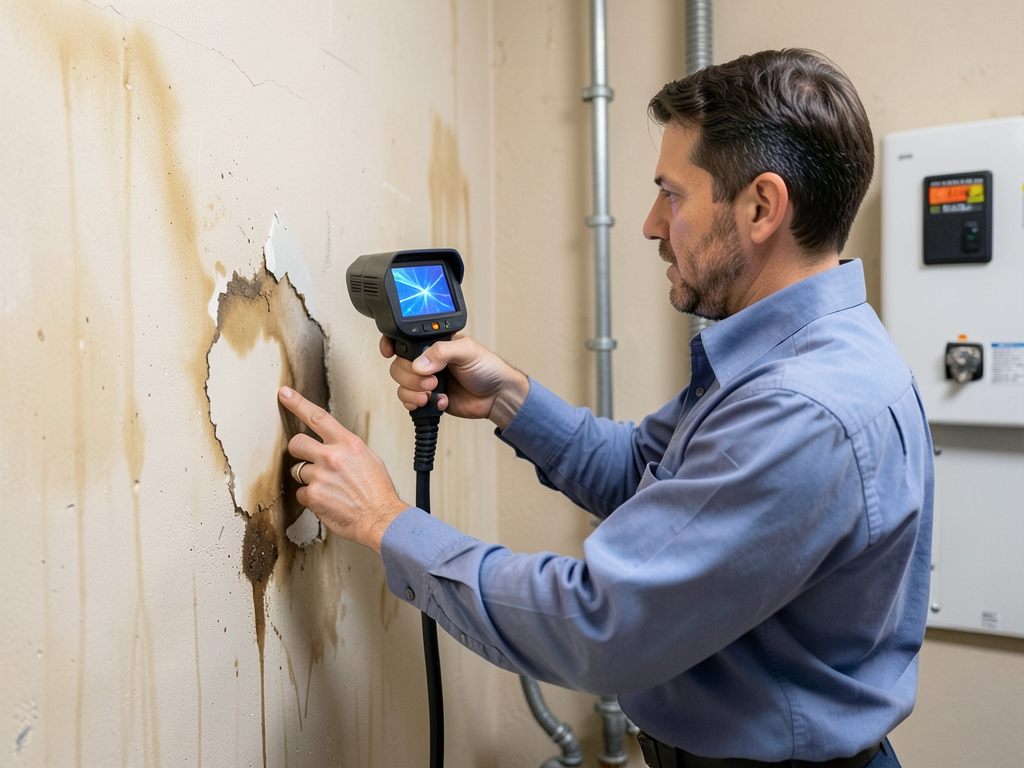
Is Your Tankless Water Heater Leaking in Mira Mesa Finding water pooling around your tankless water heater creates instant panic. The immediate concern becomes stopping the leak before it destroys your flooring, drywall, or cabinetry.…
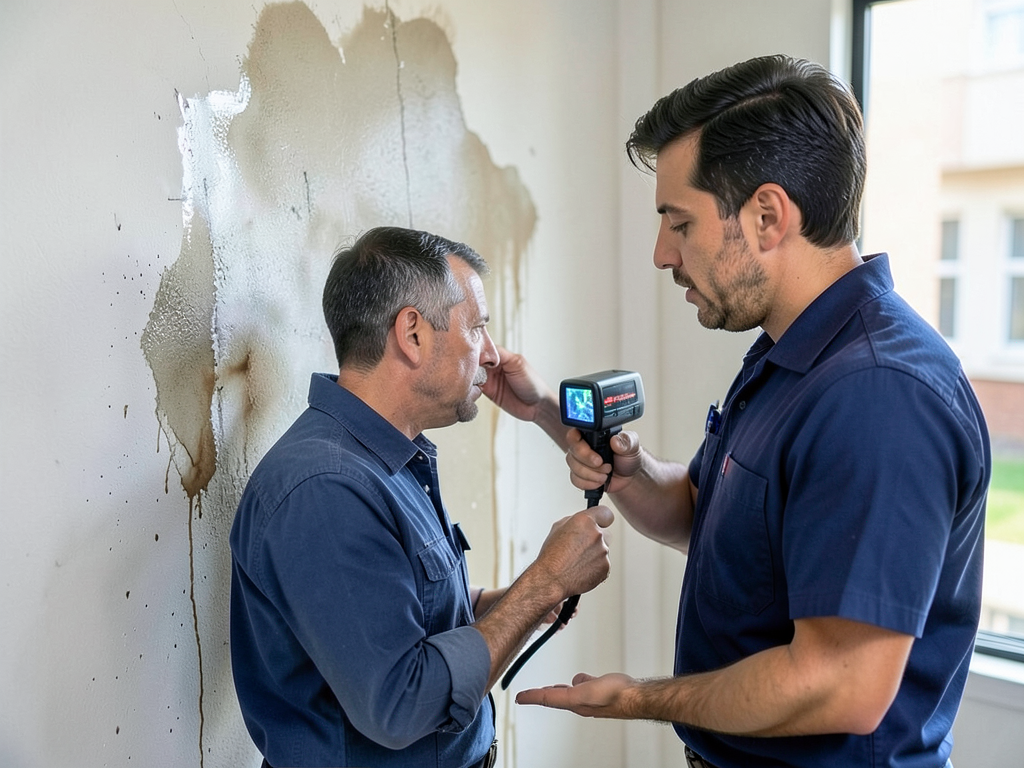
Who Pays for Water Damage When a Neighbor’s Leak Affects Your San Diego Condo Discovering…
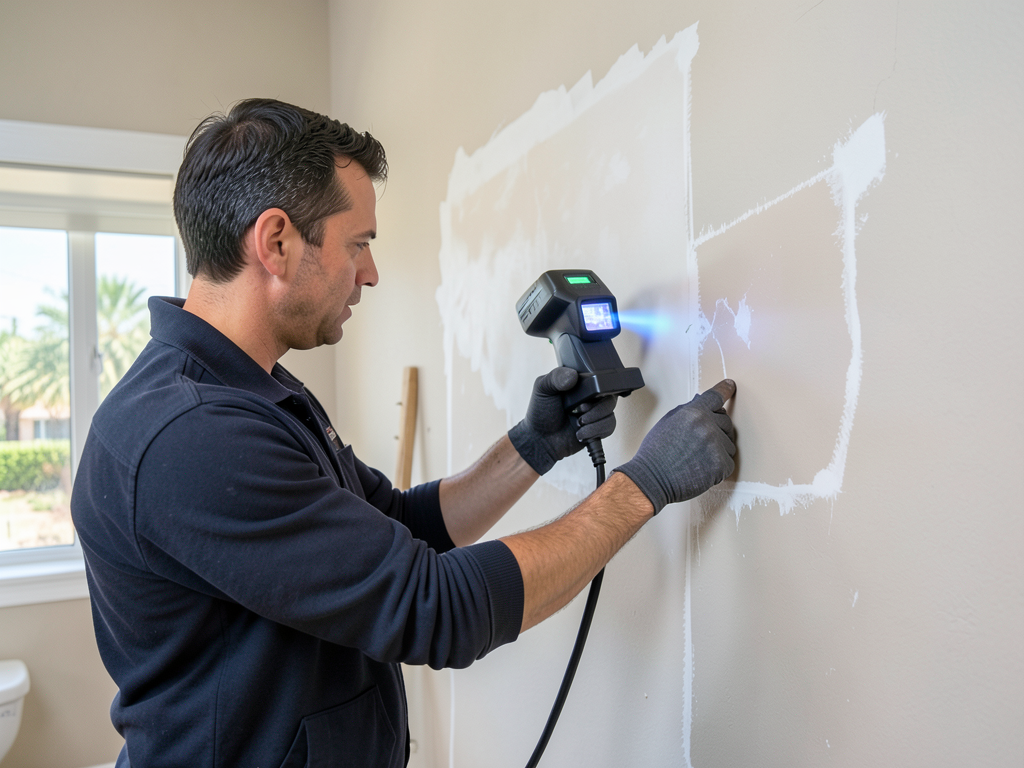
The Critical Steps Your Restoration Team Takes in the First Forty Eight Hours When water…
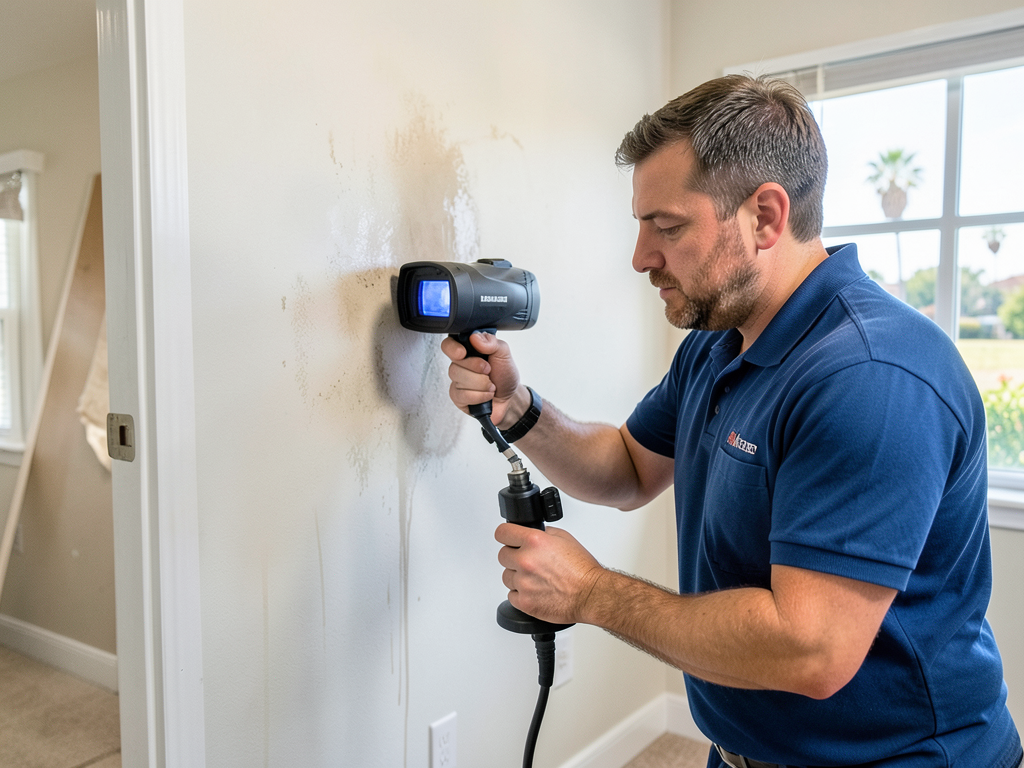
Should You Try In Place Drying or Choose a Full Rip Out After a San…
Call Keystone Water Damage Restoration San Diego now at (858) 203-2555. We dispatch crews 24/7 and arrive within 60 minutes. Stop water damage before it spreads through your Rancho San Diego property.