menu

Soggy Insulation in San Diego – Expert Diagnosis and Complete Moisture Removal

When water saturates your attic or crawl space insulation, we identify the source, remove the wet material, and restore proper thermal protection before mold spreads through your San Diego home.

Slider Image 1
Slider Image 2
Slider Image 3
Slider Image 4
Slider Image 5
Slider Image 7
Slider Image 8
Slider Image 9
Slider Image 10
Slider Image 11

Why Soggy Insulation Is a Hidden Crisis in San Diego Homes

You notice a musty smell in your closet. Your energy bills climbed without explanation. You feel a cold draft in rooms that were always comfortable. Then you check the attic and find soaked insulation, compressed and dark with moisture.

San Diego's mild climate tricks homeowners into thinking water damage only happens during winter storms. But our coastal humidity, summer marine layer, and older homes with outdated ventilation systems create constant condensation risk. When roof leaks go unnoticed for weeks, when AC drain lines clog and overflow into walls, or when plumbing pipes sweat in uninsulated spaces, your insulation absorbs every drop.

Wet insulation does not dry out on its own. It becomes a sponge that holds moisture against wood framing, drywall, and electrical wiring. Saturated insulation loses its R-value completely. You pay to heat and cool air that escapes through damp fiberglass or cellulose that now acts as a thermal conductor instead of a barrier.

Water damaged insulation also breeds mold within 48 hours. Spores colonize the organic materials in cellulose or the paper backing on fiberglass batts. The longer damp insulation sits in your attic or crawl space, the more extensive the contamination becomes. By the time you smell it, the problem has spread to adjacent framing and subfloors.

San Diego's housing stock includes thousands of homes built in the 1950s through 1970s with minimal attic ventilation and no vapor barriers. These structures trap moisture naturally. Add a slow roof leak or a bathroom exhaust fan that vents into the attic instead of outside, and you create a perfect environment for insulation failure.

Soaked insulation is not a cosmetic issue. It is a structural and health hazard that requires immediate removal and source repair.

Why Soggy Insulation Is a Hidden Crisis in San Diego Homes
How We Fix Soggy Insulation the Right Way

How We Fix Soggy Insulation the Right Way

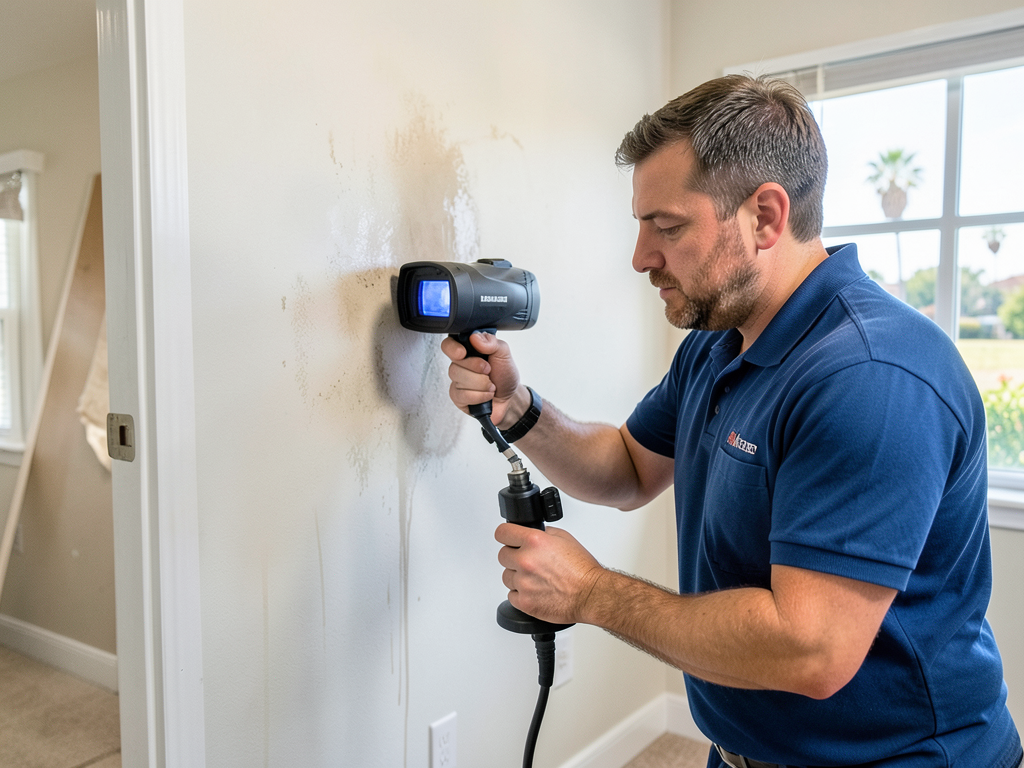
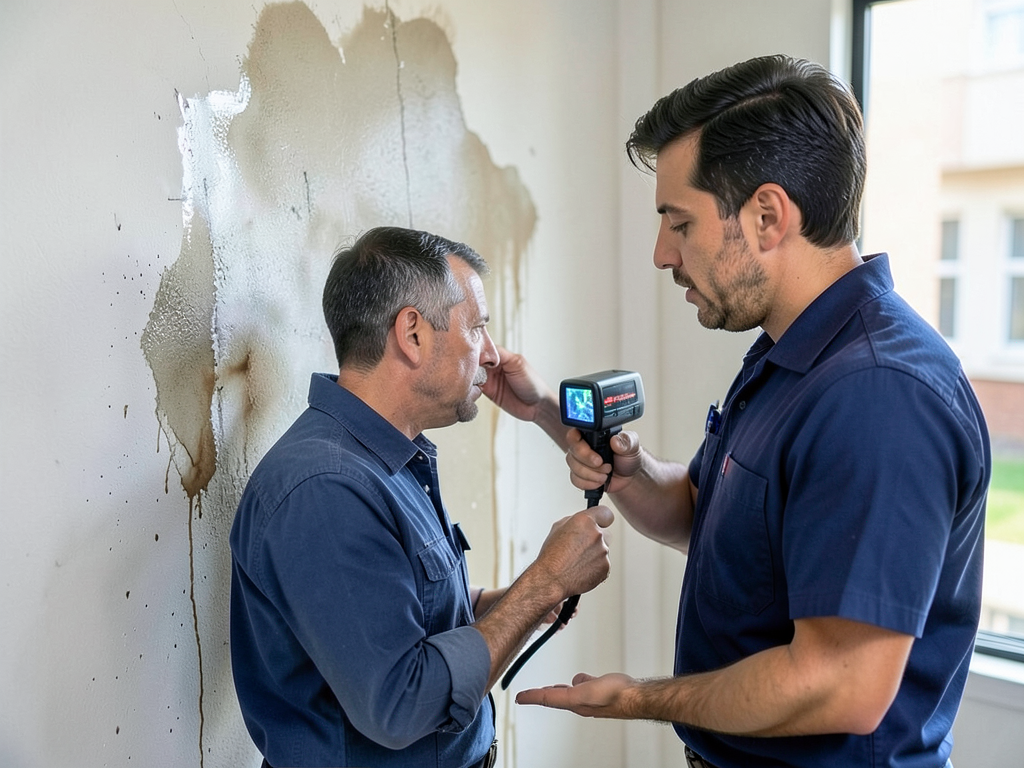
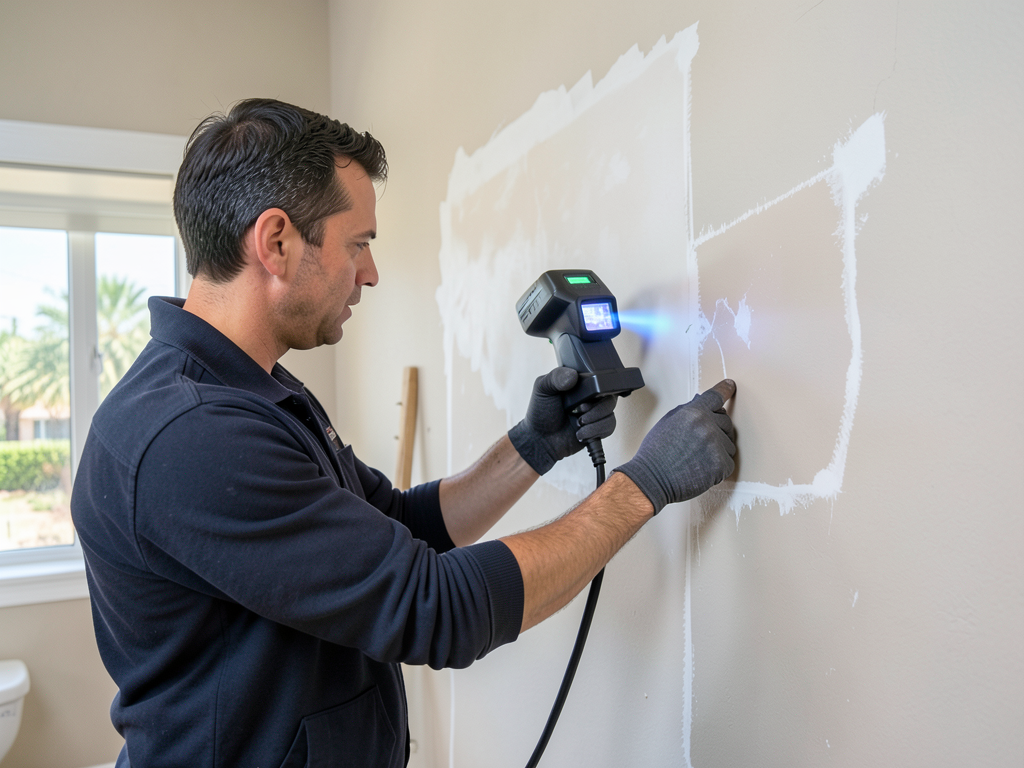
Most contractors see wet insulation and immediately quote you for replacement. We start by finding why it got wet in the first place. Our technicians use thermal imaging cameras to trace temperature differentials in walls and ceilings. We inspect roof penetrations, plumbing chases, and HVAC condensate lines. We test attic ventilation rates and check for blocked soffit vents that prevent airflow.

Once we identify the moisture source, we document the extent of saturation using moisture meters calibrated for different insulation types. Fiberglass holds water differently than cellulose or spray foam. We measure moisture content in the wood framing and sheathing around the insulation to determine if structural drying is needed before removal.

We contain the work area with plastic sheeting and negative air pressure to prevent mold spores from spreading during removal. Saturated insulation is heavy and tears easily. We bag it carefully and dispose of it according to San Diego County waste regulations. If mold is present, we treat affected framing with antimicrobial solutions and verify clearance with post-remediation air sampling.

Before installing new insulation, we address the root cause. We repair roof leaks, reroute drain lines, install proper attic ventilation, or add vapor barriers where building science dictates they belong. We verify the space is dry using moisture readings below 15 percent in wood and concrete substrates.

We match replacement insulation to your home's construction type and climate zone. San Diego falls into California Climate Zone 7, which requires specific R-values for attic and wall assemblies. We install the correct thickness and density to meet current Title 24 energy code, even if your home predates those requirements.

We do not just pull out wet insulation and stuff new batts in the cavity. We engineer a solution that prevents the problem from recurring.

What Happens When You Call About Soggy Insulation

Soggy Insulation in San Diego – Expert Diagnosis and Complete Moisture Removal
01

Emergency Moisture Assessment

We dispatch a technician to your property within hours of your call. They conduct a full moisture survey using infrared cameras and pin-type moisture meters to map the extent of water intrusion. You receive photos, moisture readings, and a written explanation of what caused the saturation. We identify immediate health risks like active mold growth or compromised electrical wiring in contact with damp insulation.
02

Source Repair and Containment

Before touching the insulation, we fix what caused it to get wet. Our team repairs roof damage, seals plumbing leaks, or corrects ventilation deficiencies. We establish containment barriers using 6-mil poly sheeting and HEPA-filtered negative air machines to control airborne particulates. This prevents cross-contamination to unaffected areas of your home during the removal process. We protect flooring and furniture in adjacent rooms with drop cloths and corner guards.
03

Remediation and Reinstallation

We remove all saturated insulation, treat exposed framing with antimicrobial agents if mold is present, and dry structural elements to acceptable moisture levels. Once the space passes clearance testing, we install new insulation to the correct R-value for San Diego's climate zone. You receive documentation of moisture readings, disposal receipts, and photos of the completed work. We verify your HVAC system operates efficiently with restored thermal envelope performance.

Why San Diego Homeowners Trust Keystone Water Damage Restoration

We have removed thousands of cubic feet of water damaged insulation from San Diego homes, from Point Loma craftsman bungalows to Scripps Ranch tract homes. We understand how coastal moisture interacts with different construction types. We know which neighborhoods have clay tile roofs prone to underlayment failure and which have flat roofs with parapet wall drainage issues.

San Diego's building codes have evolved significantly over the past 50 years. Many older homes lack the attic ventilation, vapor barriers, and drainage planes that modern construction requires. When we repair insulation damage, we bring your home closer to current building science standards without forcing you into a full remodel. We explain what upgrades make sense for your specific situation and which are unnecessary.

Our technicians hold IICRC certifications in water damage restoration and applied microbial remediation. They understand the difference between addressing surface moisture and solving systemic building envelope failures. They can identify when soggy insulation is a symptom of foundation settlement, inadequate roof slope, or improperly installed windows.

We work directly with insurance adjusters to document the full scope of damage. Policies often cover sudden and accidental water intrusion but exclude gradual leaks or maintenance-related failures. We photograph evidence, provide moisture logs, and explain causation in language that supports your claim. We have relationships with local adjusters who know our work meets industry standards.

You are not hiring a generic restoration franchise. You are working with a San Diego-based team that recognizes the difference between Mission Hills historic homes with lath-and-plaster construction and Carmel Valley homes with modern engineered lumber framing. We match our methods to your home's specific needs.

We also provide transparent timelines. Insulation removal in a 1,500-square-foot attic takes one to two days depending on access and saturation levels. Structural drying adds another three to five days. Reinstallation happens in one day. You get a realistic schedule before work starts.

What You Can Expect From Our Insulation Restoration Process

Response Time and Availability

We answer calls seven days a week and dispatch technicians for emergency assessments within four hours during business hours. If you discover soaked insulation on a weekend or evening, we provide guidance over the phone and schedule the first available appointment. Non-emergency consultations happen within 24 to 48 hours. We understand that wet insulation worsens the longer it sits, so we prioritize rapid response. You receive a detailed assessment report within 24 hours of the initial inspection, including photos, moisture data, and a written scope of work.

Inspection and Diagnosis Process

Our technicians conduct a room-by-room moisture survey using thermal imaging and calibrated moisture meters. We inspect all potential intrusion points including roof penetrations, plumbing stacks, HVAC components, and exterior wall interfaces. We test attic ventilation by measuring temperature differentials and checking for blocked soffit or ridge vents. We document findings with annotated photos and moisture readings recorded in a job-specific log. You receive a written diagnosis that explains the moisture source, extent of damage, and recommended repairs. We answer questions about insurance coverage and provide itemized estimates broken down by task.

Quality of Completed Work

We remove 100 percent of affected insulation and dispose of it properly through licensed waste facilities. We treat all exposed wood framing with EPA-registered antimicrobial solutions if mold is detected. We install replacement insulation to match or exceed the original R-value, ensuring proper coverage without gaps or compression. Fiberglass batts are friction-fit to fill cavities completely. Blown cellulose is installed to manufacturer specifications for density and depth. We verify thermal performance with post-installation inspections and provide before-and-after photos of the work area. Your attic or crawl space looks clean, functions correctly, and meets current energy efficiency standards.

Post-Restoration Support

After completing insulation replacement, we provide written recommendations for preventing future moisture intrusion. This includes maintenance tips for roof components, HVAC drain lines, and attic ventilation systems. We offer follow-up moisture checks at 30 and 90 days to verify the space remains dry. If you experience recurring dampness within the first year after restoration, we return to investigate at no additional diagnostic charge. We maintain detailed records of all work performed, including moisture logs, disposal receipts, and material specifications. You can request copies of this documentation at any time for insurance records or future home sales.

Frequently Asked Questions

You Have Questions,
We Have Answers

Will wet insulation ever dry out? +

Wet insulation rarely dries properly on its own. In San Diego's coastal climate, moisture trapped in fiberglass or cellulose insulation creates ideal conditions for mold and bacteria. Even if the surface appears dry, moisture remains deep within the material, compressing fibers and reducing R-value permanently. The insulation loses its thermal performance and becomes a biological hazard. Professional extraction and drying equipment can sometimes salvage recent minor wetting, but most water-damaged insulation requires full replacement. Do not wait and hope it dries. Address wet insulation immediately to prevent structural damage and health risks.

What to do if insulation is wet? +

Stop the water source first. Shut off the supply line if it is a pipe leak or tarp the roof if it is storm damage. Remove furniture and belongings from below. Contact a water damage restoration professional immediately. Do not disturb the insulation yourself, especially if it is in the attic or walls, as wet material is heavy and can collapse ceilings. Document everything with photos for insurance claims. San Diego homes often have limited attic ventilation, which slows natural drying and accelerates mold growth. Professional drying equipment and antimicrobial treatment are critical within 24 to 48 hours.

Will mold grow in wet insulation? +

Yes. Mold begins growing on wet insulation within 24 to 48 hours in San Diego's mild, humid conditions. Cellulose and fiberglass insulation absorb water like a sponge, creating perfect breeding grounds for mold spores already present in the air. Once established, mold spreads rapidly through organic materials and releases spores throughout your ventilation system. You may smell a musty odor before you see visible growth. Mold compromises indoor air quality and poses serious health risks, especially for children and those with respiratory conditions. Immediate professional remediation prevents colony establishment and protects your home.

What does water damaged insulation look like? +

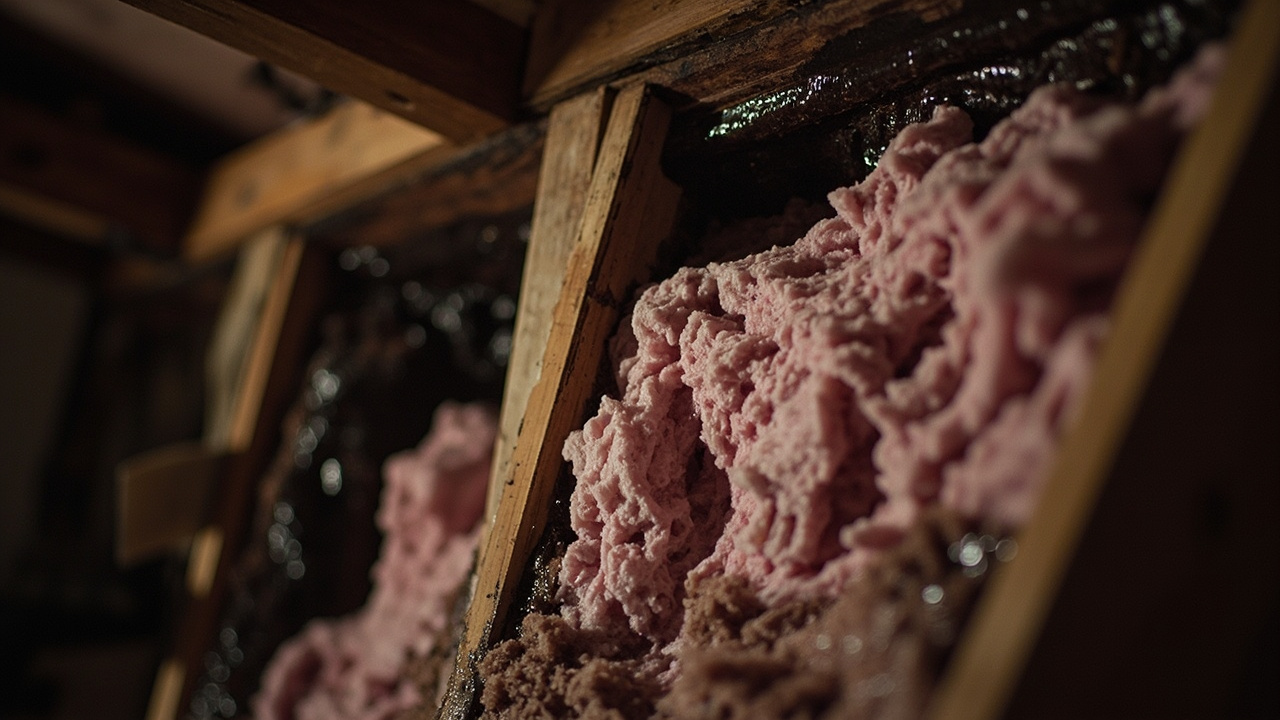
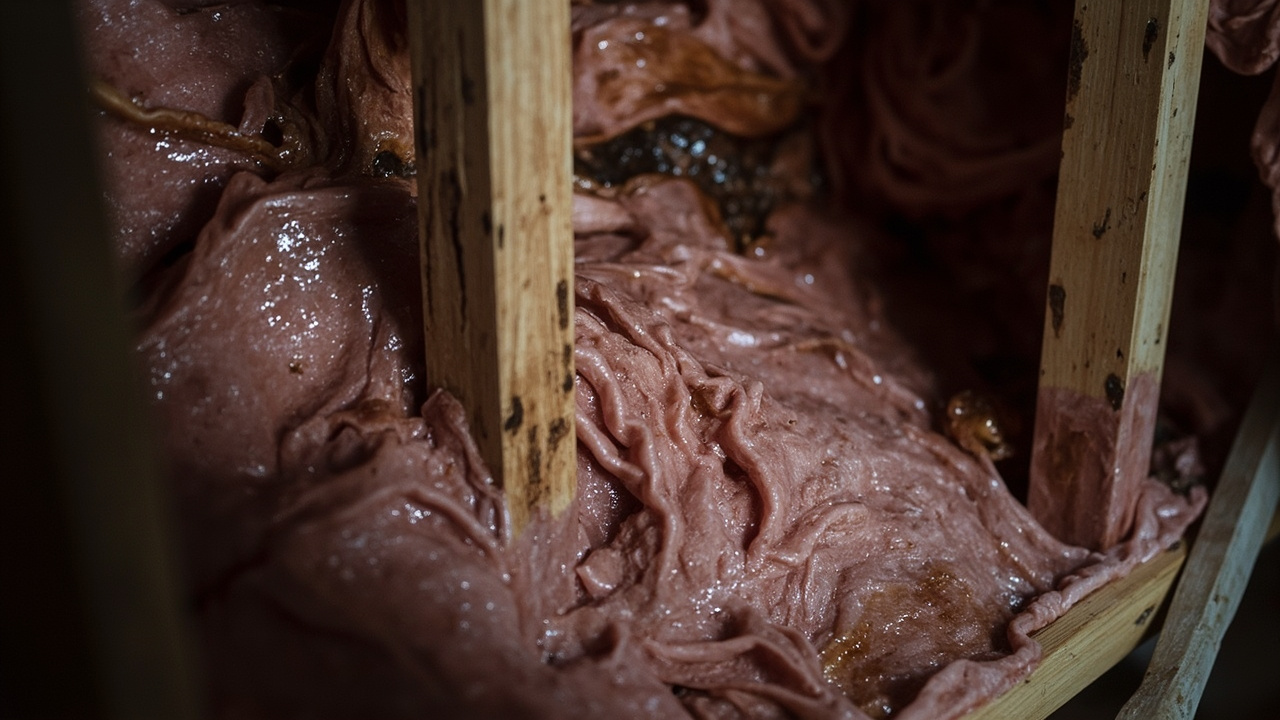
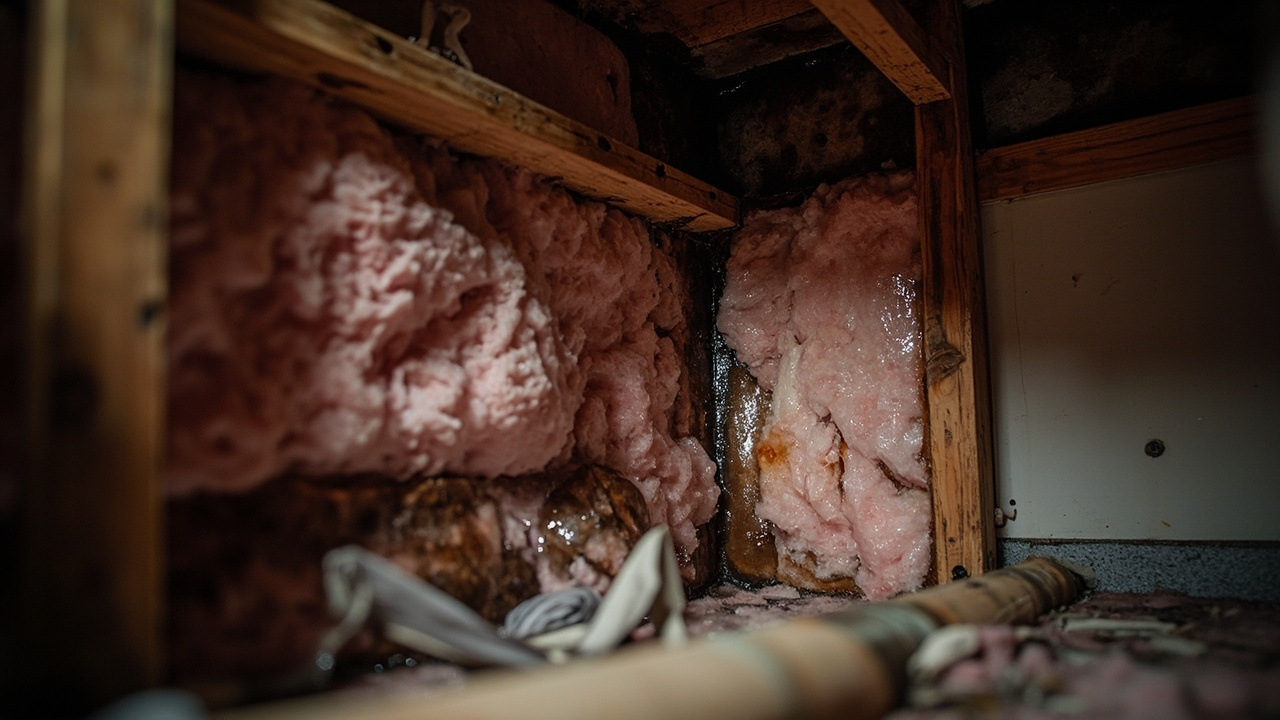
Water damaged insulation shows visible sagging, discoloration, and compression. Fiberglass batts appear darker, yellowish, or brownish and lose their fluffy texture. Cellulose insulation clumps together and turns gray or black. You may notice brown staining on ceiling drywall below the insulation or a persistent musty smell. In San Diego attics, look for watermarks on rafters or sheathing above the insulation. Damaged insulation feels heavy and dense instead of light and airy. Blown-in materials settle unevenly. If you see any discoloration or texture change, assume contamination and call a professional immediately.

How long does it take for mold to grow on wet insulation? +

Mold growth starts within 24 to 48 hours on wet insulation. San Diego's consistent temperatures accelerate this timeline compared to regions with extreme cold. Spores are airborne and omnipresent. They only need moisture, oxygen, and an organic food source. Cellulose insulation, made from recycled paper, feeds mold colonies faster than fiberglass. Within 72 hours, visible colonies establish. Within a week, mold spreads throughout the contaminated area and releases spores into your HVAC system. The clock starts the moment water contacts the insulation. Immediate professional intervention is your only defense against permanent contamination.

Does insulation need to be replaced after water damage? +

Yes, in almost all cases. Water damaged insulation loses its thermal resistance permanently. Compressed, wet fibers cannot trap air effectively, which is how insulation works. Even after drying, the material remains contaminated with bacteria, mold spores, and potential sewage if the water source was contaminated. Trying to salvage wet insulation creates ongoing health hazards and energy waste. San Diego building codes require proper R-values for energy efficiency. Compromised insulation fails inspections and increases utility bills. Professional removal, antimicrobial treatment of the cavity, and reinstallation of new insulation is the only safe solution. Insurance typically covers this.

How long does it take wet insulation to dry an attic? +

Wet attic insulation in San Diego takes seven to fourteen days to dry naturally, but this timeline is misleading. Natural drying allows mold colonization and structural damage during the waiting period. San Diego attics often lack adequate ventilation, trapping moisture longer. Temperature differentials between day and night create condensation cycles that rewet materials. Professional restoration uses industrial dehumidifiers, air movers, and moisture meters to achieve complete drying in 48 to 72 hours while preventing mold growth. Waiting for natural drying is false economy. The material must still be replaced afterward due to contamination and compression.

Can mold grow under spray foam insulation? +

Yes, but less commonly than with fiberglass or cellulose. Spray foam insulation itself resists mold growth because it contains no organic material. However, mold grows on the surface if moisture infiltrates from roof leaks or condensation. In San Diego's coastal areas, improper vapor barrier installation traps moisture between the foam and sheathing. Mold colonizes the wood framing behind the foam where you cannot see it. This hidden growth spreads before you notice. If you smell mildew in a spray foam attic, assume hidden contamination. Professional moisture scanning and selective foam removal may be necessary to locate and remediate mold.

Why is it hard to sell a house with spray foam insulation? +

Spray foam insulation complicates home sales because it creates inspection access issues and moisture concerns. Buyers and inspectors cannot see roof sheathing, wiring, or framing behind closed-cell foam without destructive removal. Hidden water damage or mold goes undetected. Some lenders flag spray foam as a risk, requiring additional inspections or denying financing. In San Diego, improperly installed foam traps moisture from ocean air against roof decking, causing rot. FHA and VA loans sometimes require foam removal before approval. Buyers fear the unknown. Proper documentation, moisture assessments, and transferable warranties help, but stigma remains.

What kills mold on insulation? +

Nothing kills mold on insulation safely enough to keep it installed. Bleach and biocides do not penetrate porous insulation materials fully. Surface treatment leaves mold roots alive inside the fibers. Dead mold spores still trigger allergies and respiratory problems. Encapsulation products trap contamination temporarily but fail when moisture returns. San Diego's humidity reactivates dormant spores. Professional remediation requires complete removal of contaminated insulation, HEPA vacuuming of cavities, antimicrobial treatment of framing, and fresh material installation. Trying to clean moldy insulation yourself spreads spores throughout your home. Removal and replacement is the only code-compliant, health-safe solution. Contact a certified restoration professional immediately.

How San Diego's Marine Layer and Coastal Humidity Damage Attic Insulation

San Diego's summer marine layer creates temperature swings that drive condensation in poorly ventilated attics. When cool, moist air from the coast meets hot attic spaces, water vapor condenses on roof sheathing and drips onto insulation below. Homes in coastal neighborhoods like Ocean Beach, La Jolla, and Pacific Beach face this issue repeatedly from May through August. Add an older roof with inadequate ridge venting or blocked soffit intakes, and you create a cycle where damp insulation never fully dries between weather events. This is why we see chronic insulation saturation in homes that have never experienced an obvious roof leak.

We have worked in San Diego long enough to recognize construction patterns specific to local builders and eras. Homes built in Clairemont and Linda Vista during the 1960s often have minimal attic ventilation and original fiberglass batts that have compressed over time. Newer developments in Carmel Valley and Santaluz used engineered trusses with better airflow design, but they still suffer when HVAC contractors vent bathroom fans into attics instead of through the roof. We know which neighborhoods have recurring insulation problems and why. This local knowledge allows us to address root causes instead of applying generic solutions that fail within a year.
Water Damage Restoration Services in The San Diego Area

We are proud to serve the entire San Diego area and invite you to view our service region on the map below. While our emergency response team is mobile and always ready to dispatch to your location rapidly, our central operations base allows us to coordinate efficient service across all of San Diego County. Contact us today for immediate assistance, no matter where your property is located within our service area.

Address:
Keystone Water Damage Restoration San Diego, 4445 Eastgate Dr, San Diego, CA, 92121

Additional Services We Offer

Our news updates

Latest Articles & News from The Blogs

Who Pays for Water Damage When a Neighbor’s Leak Affects Your San Diego Condo Discovering water damage in your condo…

Navigating Liability When a Neighbors Apartment Leaks into Your San Diego Condo

Who Pays for Water Damage When a Neighbor’s Leak Affects Your San Diego Condo Discovering water damage in your condo…

The Critical Steps Your Restoration Team Takes in the First Forty Eight Hours

The Critical Steps Your Restoration Team Takes in the First Forty Eight Hours When water invades your home in San…

Should You Try In Place Drying or Choose a Full Rip Out After a San Diego Flood

Should You Try In Place Drying or Choose a Full Rip Out After a San Diego Flood San Diego homeowners…

Contact Us

Call (858) 203-2555 now for a same-day moisture assessment. We identify the source, remove contaminated material, and restore your home's thermal protection before the damage spreads. You get honest answers and proven solutions from technicians who know San Diego construction inside and out.