menu

Emergency Mold Containment in San Diego – 24/7 Rapid Response Teams Dispatched in Under 60 Minutes

When toxic mold threatens your property, every minute counts. Our emergency mold containment specialists arrive fast with industrial-grade isolation equipment to stop spore spread, protect your family's health, and prevent structural damage before it escalates.

Slider Image 1
Slider Image 2
Slider Image 3
Slider Image 4
Slider Image 5
Slider Image 7
Slider Image 8
Slider Image 9
Slider Image 10
Slider Image 11

Why San Diego Properties Face Sudden Mold Emergencies

You smell it first. That earthy, musty odor that makes your throat tighten. Then you see the dark patches spreading across your ceiling or climbing your bathroom wall. By the time most San Diego homeowners notice visible mold, the colony has already established itself deep in drywall, insulation, or subflooring.

San Diego's coastal microclimates create perfect conditions for explosive mold growth. Marine layer fog deposits moisture on roofs and exterior walls throughout Point Loma, Ocean Beach, and La Jolla. When that moisture penetrates building envelopes through aging flashing or compromised stucco, it saturates wood framing and drywall. Add in our mild year-round temperatures, and you have a biological incubator running 365 days a year.

The danger accelerates when water intrusion events occur. A burst supply line, sewage backup, or roof leak introduces gallons of water into porous building materials. Within 24 to 48 hours, mold spores activate and begin colonizing. Within 72 hours, you face a contamination event that requires immediate mold mitigation, not just cleanup.

Delayed response allows airborne spores to migrate through HVAC systems, spreading contamination to unaffected rooms. Urgent mold isolation becomes critical when you discover growth near air returns, inside wall cavities, or underneath flooring. The longer spores circulate, the more extensive your remediation costs become.

This is not a wait-until-Monday situation. Emergency mold abatement starts the moment you suspect active growth. Professional containment stops the spread, protects unaffected areas, and creates a controlled environment for safe removal. Every hour you wait, the problem grows exponentially.

Why San Diego Properties Face Sudden Mold Emergencies
How Professional Emergency Containment Stops Mold Spread

How Professional Emergency Containment Stops Mold Spread

Effective emergency mold containment is not about spraying bleach or running a dehumidifier. It requires engineered negative air pressure environments, physical barriers, and controlled demolition protocols that prevent cross-contamination.

Our rapid mold containment services begin with source water elimination. If ongoing moisture feeds the colony, containment fails. We identify and stop active leaks, whether from plumbing failures, roof penetrations, or groundwater intrusion through foundation cracks common in San Diego's older neighborhoods like North Park and Normal Heights.

Next, we establish containment zones using 6-mil polyethylene barriers sealed with professional-grade adhesives. These physical barriers isolate affected areas from clean spaces. We install commercial air scrubbers with HEPA filtration that create negative pressure inside containment zones. This ensures airborne spores cannot escape into hallways, living areas, or adjacent rooms.

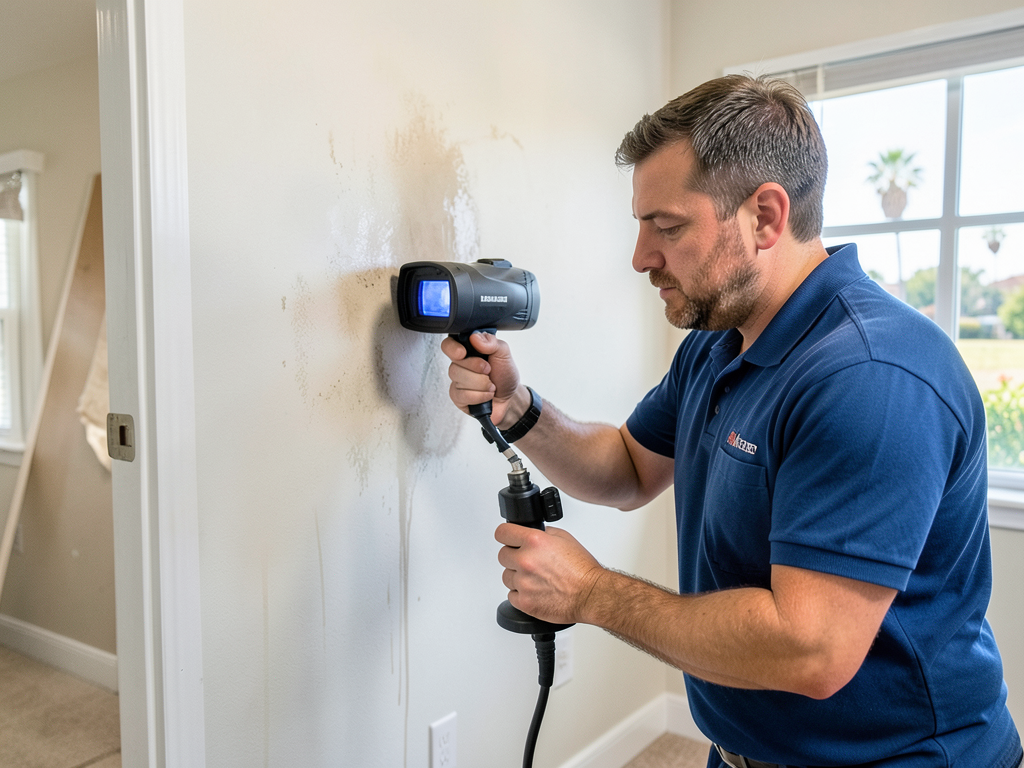
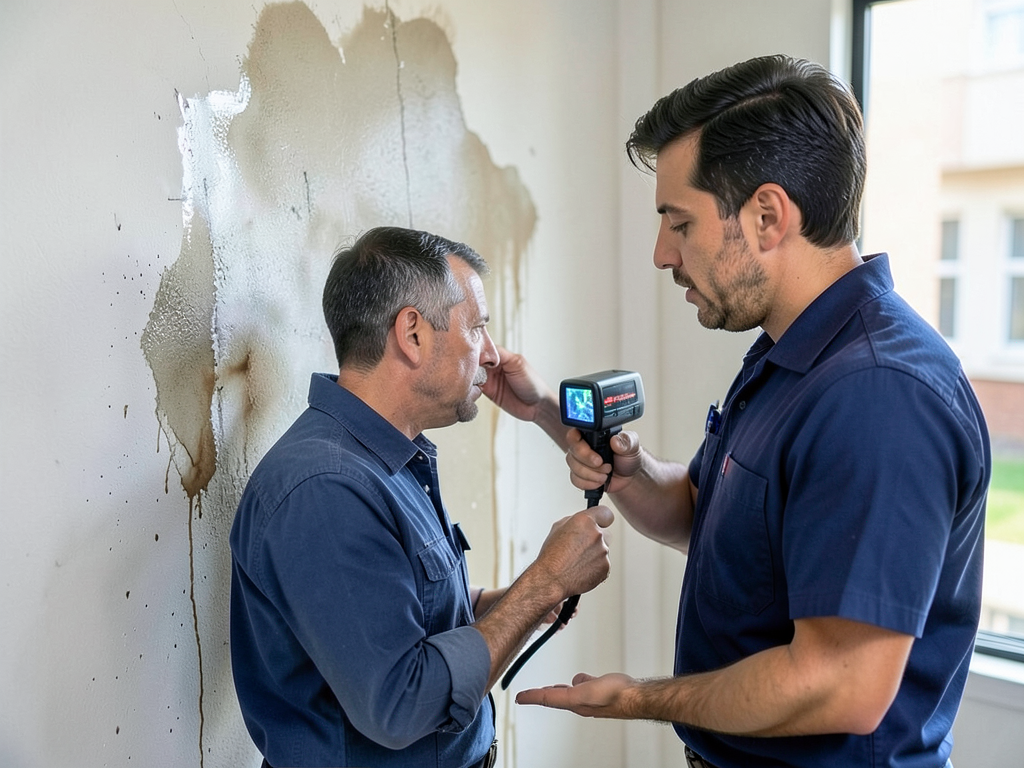
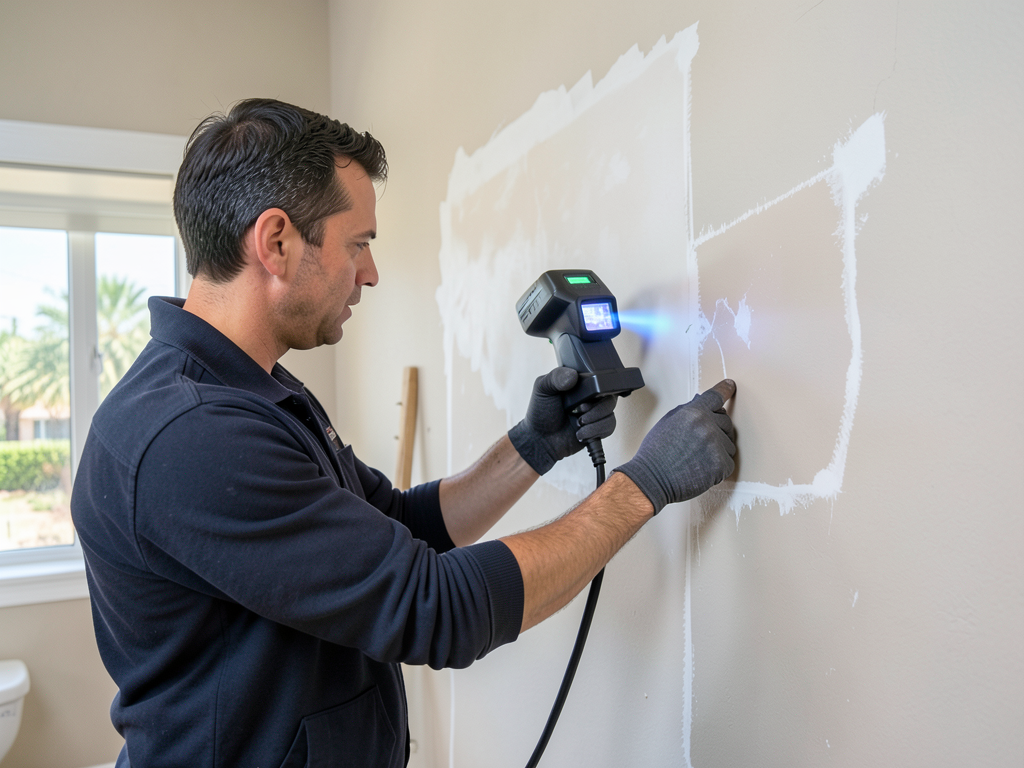
Critical surfaces receive antimicrobial application to halt active growth while we prepare for controlled demolition. We document moisture readings using thermal imaging and moisture meters to map the full extent of saturation. This prevents the common mistake of treating visible mold while missing hidden colonies inside wall cavities or above ceilings.

Our teams wear full PPE, including respirators with P100 filters, because disturbing mold releases massive spore loads into the air. We use HEPA-filtered vacuums during material removal, double-bag contaminated debris, and maintain negative pressure throughout the entire process.

For 24/7 mold damage containment, we deploy commercial dehumidifiers and air movers to drop relative humidity below 50 percent. Mold cannot grow in dry environments. We monitor conditions continuously until moisture levels reach safe thresholds and air quality testing confirms spore counts have returned to normal background levels.

What Happens When You Call for Emergency Mold Containment

Emergency Mold Containment in San Diego – 24/7 Rapid Response Teams Dispatched in Under 60 Minutes
01

Immediate Dispatch and Assessment

Your call triggers immediate team mobilization. Our emergency response vehicles carry containment equipment, moisture detection tools, and air quality monitors. We arrive within 60 minutes across San Diego County, assess contamination severity, identify moisture sources, and establish initial containment barriers. You receive a verbal action plan before any work begins, outlining containment scope, timeline, and safety protocols for your family or employees.
02

Containment Zone Construction

We build full isolation barriers using polyethylene sheeting, seal all penetrations including doorways and HVAC vents, and install negative air machines that exhaust filtered air outside. Air scrubbers with HEPA filtration run continuously, creating negative pressure that pulls air into the containment zone but prevents spore escape. We verify pressure differentials with manometers to ensure containment integrity before beginning material removal or antimicrobial treatment.
03

Contamination Control and Monitoring

All contaminated materials exit through dedicated pathways to prevent tracking spores through clean areas. We maintain containment barriers and negative pressure until final air quality clearance testing confirms safe spore levels. Affected areas remain isolated until all moisture sources are eliminated, structural drying is complete, and independent testing verifies your property meets safe reoccupancy standards. You receive documentation for insurance claims and future property disclosure requirements.

Why San Diego Homeowners Trust Keystone Water Damage Restoration for Mold Emergencies

Mold containment is not a DIY project, and it is not a job for a general handyman. Improper containment spreads contamination, exposes occupants to dangerous mycotoxins, and creates liability nightmares for property owners.

Keystone Water Damage Restoration San Diego specializes in emergency response for residential and commercial properties throughout the county. Our technicians understand how San Diego's building stock responds to water intrusion. We know the common failure points in mid-century stucco homes in Clairemont and Allied Gardens. We recognize how Spanish Colonial Revival properties in Mission Hills trap moisture in thick plaster walls. We understand the unique challenges of coastal properties where salt air accelerates material degradation.

Our team works directly with insurance adjusters to document contamination scope, providing detailed photo evidence and moisture mapping that supports your claim. We know the difference between covered water damage with resulting mold and long-term maintenance issues that insurers exclude. This expertise prevents claim denials and speeds your recovery timeline.

We maintain relationships with certified industrial hygienists who provide independent air quality testing and clearance protocols. This third-party verification protects you from liability and ensures remediation meets recognized industry standards, not just our own internal benchmarks.

For commercial properties, we understand business continuity requirements. We schedule containment work during off-hours when possible, isolate affected zones to keep unaffected areas operational, and provide detailed timelines that help you communicate with tenants, customers, and stakeholders.

You need a partner who responds immediately, contains the problem correctly the first time, and follows through until your property is safe and dry. We do not cut corners, we do not leave jobs half-finished, and we do not disappear when complications arise.

What to Expect During Emergency Mold Containment

Response Time and Availability

We dispatch emergency teams 24 hours a day, seven days a week, including holidays. Most San Diego County locations receive service within 60 minutes of your call. Our vehicles stay stocked with containment supplies, so we start work immediately upon arrival rather than making multiple trips for equipment. You will speak directly with a project supervisor who remains your point of contact throughout the entire containment and remediation process. We provide after-hours contact numbers so you never wait until business hours when dealing with active contamination.

Initial Evaluation and Scope Determination

Our assessment includes thermal imaging to detect hidden moisture, moisture meter readings of all suspect materials, visual inspection of HVAC systems and wall cavities, and air quality sampling when appropriate. We identify the water source, determine contamination extent, and classify mold growth according to industry standards. You receive a written scope of work that details containment requirements, estimated timeline, and material removal needs before we proceed. This transparency helps you make informed decisions and provides documentation for insurance claims or property disclosure requirements.

Containment Quality and Safety Standards

All containment barriers meet IICRC S520 standards for mold remediation. We use commercial air scrubbers rated for the square footage being treated, maintain negative pressure differentials verified by manometer readings, and follow proper PPE protocols to protect both technicians and occupants. Contaminated materials are double-bagged and removed through dedicated exit pathways. We never allow cross-contamination between affected and clean areas. Final clearance includes air quality testing by independent hygienists to verify spore counts meet safe reoccupancy standards before we remove containment barriers.

Post-Containment Follow-Up and Prevention

Containment solves the immediate crisis, but you need long-term protection. We provide detailed recommendations for correcting underlying moisture problems, whether that means repairing roof flashing, improving attic ventilation, or addressing drainage issues around your foundation. We monitor moisture levels throughout the drying process and provide documentation showing when materials return to normal readings. You receive written reports that satisfy insurance requirements and future buyer due diligence requests. We also offer preventive services including annual moisture inspections and humidity monitoring for high-risk areas like bathrooms and laundry rooms.

Frequently Asked Questions

You Have Questions,
We Have Answers

What is the proper containment for mold remediation? +

Proper mold containment uses physical barriers to prevent spore spread during removal. Critical containment zones require 6-mil polyethylene sheeting sealed with tape over doorways, vents, and windows. Professionals establish negative air pressure using HEPA-filtered air scrubbers that exhaust outside. This creates a vacuum effect, pulling spores inward. For extensive mold in San Diego homes, we often double-contain, adding a decontamination chamber between affected and clean areas. All HVAC systems get shut down and sealed. Workers enter through zippered doors wearing full PPE. This containment protocol follows IICRC S520 standards and prevents cross-contamination to unaffected rooms during emergency remediation.

What does Servpro use for mold remediation? +

Servpro typically uses antimicrobial and antifungal treatments during mold remediation, including products like Concrobium and proprietary biocides. Their process involves containment setup, air filtration with HEPA equipment, physical removal of contaminated materials, cleaning surfaces with EPA-registered solutions, and applying preventative treatments. While Servpro follows industry standards, their exact product lineup varies by franchise location. If you face mold emergency in San Diego, focus less on brand-specific products and more on certified remediation protocols. What matters most is proper containment, thorough removal, moisture source elimination, and verification testing. Always verify any company uses EPA-registered products and follows IICRC S520 guidelines.

How to cover mold temporarily? +

Temporarily covering mold does not stop growth. It only hides the problem. If you need a short-term measure before professional help arrives, spray the area lightly with water to minimize airborne spores, then cover with thick plastic sheeting and seal edges with tape. Do not disturb the mold. Turn off HVAC systems to prevent spore circulation. This buys you hours, not days. San Diego's coastal humidity accelerates mold growth, especially after water damage. Covering mold without addressing moisture creates worse problems. Call emergency containment specialists immediately. Temporary measures fail because mold needs moisture elimination and proper removal, not just concealment. Get professional help within 24 hours.

Do N95 masks protect against mold spores? +

N95 masks provide moderate protection against mold spores but are not sufficient for remediation work. N95 filters capture approximately 95% of particles down to 0.3 microns. Mold spores range from 3 to 40 microns, so basic filtration works. However, N95 masks lack full face seals and do not protect eyes or skin from spore contact. For emergency cleanup in San Diego homes, homeowners can wear N95 masks for brief inspections or minor surface cleaning. Professional remediation requires P100 respirators or full-face masks with HEPA cartridges, plus protective suits and goggles. Never rely on N95 masks for extensive mold exposure or contained demolition work.

What plant removes 78% of airborne mold? +

English ivy reportedly removes up to 78% of airborne mold spores in controlled studies, making it effective for air quality improvement. The plant absorbs mold spores through its leaves and breaks them down. However, do not mistake this for mold remediation. Houseplants cannot eliminate existing mold colonies growing in walls, ceilings, or under flooring. In San Diego's climate, moisture intrusion from coastal fog or plumbing leaks causes active mold growth that requires physical removal. English ivy works as prevention in clean spaces with good ventilation. If you see visible mold or smell musty odors, you need professional containment and removal, not botanical solutions. Plants supplement prevention, not remediation.

Is mold an OSHA violation? +

Yes, mold can trigger OSHA violations in commercial settings. OSHA does not have specific mold exposure limits but enforces violations under General Duty Clause, respiratory protection standards, and hazard communication requirements. Employers must provide safe work environments. If employees report mold exposure symptoms or visible growth exists, businesses face potential citations for failing to address known hazards. San Diego commercial properties must document mold complaints, conduct air quality testing when warranted, and provide appropriate PPE for workers in affected areas. Penalties increase if employers ignore repeated complaints. Industrial hygienists assess exposure risks. Businesses that delay mold remediation risk employee health claims and regulatory fines.

Do you have to throw everything away with mold in the house after? +

You do not need to throw away everything after mold contamination. Porous materials with deep mold penetration like drywall, insulation, carpeting, and upholstered furniture typically require disposal. Non-porous items like metal, glass, and hard plastics can be cleaned with antimicrobial solutions. Clothing and fabrics often survive hot water washing with detergent and bleach. Salvageability depends on contamination duration, material type, and sentimental value versus replacement cost. In San Diego homes, we frequently save hardwood floors, tile, cabinetry, and solid wood furniture through deep cleaning and HEPA vacuuming. Professional remediation teams assess each item individually. Personal belongings get cleaned in controlled environments. Immediate response increases salvage rates significantly.

How do Japanese bathrooms not get mold? +

Japanese bathrooms resist mold through superior ventilation design, quick-drying materials, and moisture management. Most feature separated wet and dry zones, powerful exhaust fans that run continuously, and wall-mounted fixtures that eliminate standing water. Bathrooms use non-porous tile with minimal grout lines and squeegee after every use. Many include heated floors that accelerate drying. San Diego homeowners can adopt similar strategies. Install high-CFM exhaust fans vented outside, never into attics. Use mold-resistant drywall and paint. Keep bathroom doors open after showers. Run fans for 30 minutes post-shower. Apply squeegees to shower walls. Proper ventilation and moisture removal prevent mold growth better than reactive cleaning.

What kills black mold permanently? +

No single product kills black mold permanently without addressing moisture. Professional remediation combines physical removal with antimicrobial treatments. Effective solutions include EPA-registered fungicides, hydrogen peroxide-based cleaners, and borates for porous materials. Black mold requires contaminated material removal because surface killing leaves dead spores and mycotoxins embedded in substrates. San Diego's climate demands moisture source elimination. Fix leaks, improve ventilation, and reduce humidity below 60%. After removal, professionals apply encapsulants and mold-resistant coatings. Bleach kills surface mold but does not penetrate porous materials and can worsen problems. Permanent solutions require complete contaminated material removal, moisture control, and prevention protocols. Surface treatments alone fail repeatedly.

What are the first signs of mold sickness? +

Early mold sickness signs include persistent headaches, nasal congestion, eye irritation, coughing, throat irritation, and skin rashes. You may experience fatigue, difficulty concentrating, and worsening asthma or allergy symptoms. Many San Diego residents mistake mold exposure for seasonal allergies due to similar symptoms. Key difference is symptoms improve when you leave the affected building and return when you come back. Prolonged exposure can cause respiratory infections, chronic sinusitis, and immune system suppression. If multiple household members develop unexplained respiratory symptoms simultaneously, suspect mold contamination. Children, elderly, and immunocompromised individuals show symptoms first. Seek medical evaluation and schedule emergency mold inspection immediately. Do not wait for visible growth confirmation.

How Coastal Moisture and Aging Building Stock Drive San Diego Mold Emergencies

San Diego's proximity to the Pacific creates relentless moisture exposure for buildings within five miles of the coast. Marine layer fog deposits condensation on cool surfaces every morning from May through August. This daily moisture cycle saturates wooden window frames, penetrates stucco cracks, and creates chronically damp conditions inside wall cavities. When you combine this with the county's aging housing stock, built primarily between 1950 and 1980, you have thousands of properties with compromised building envelopes, outdated moisture barriers, and deteriorating flashing that allows water intrusion during winter storms. Emergency mold abatement becomes necessary when these slow leaks suddenly saturate enough material to trigger explosive colony growth.

San Diego County requires building permits for remediation projects exceeding 10 square feet of affected area. Our teams understand these requirements and handle permit applications when necessary. We also work within the specific guidelines of homeowner associations common in developments throughout Scripps Ranch, Carmel Valley, and Rancho Bernardo. These HOAs often have strict protocols for exterior work, material disposal, and contractor access. Our familiarity with local regulations prevents project delays and ensures your containment work meets all applicable codes. This local expertise protects you from compliance issues that could complicate insurance claims or future property sales.
Water Damage Restoration Services in The San Diego Area

We are proud to serve the entire San Diego area and invite you to view our service region on the map below. While our emergency response team is mobile and always ready to dispatch to your location rapidly, our central operations base allows us to coordinate efficient service across all of San Diego County. Contact us today for immediate assistance, no matter where your property is located within our service area.

Address:
Keystone Water Damage Restoration San Diego, 4445 Eastgate Dr, San Diego, CA, 92121

Additional Services We Offer

Our news updates

Latest Articles & News from The Blogs

Protecting Your Ground Floor Storage Unit from Water Intrusion in Little Italy Ground floor storage units in Little Italy face…

Protecting Your Ground Floor Storage Unit from Water Intrusion in Little Italy

Protecting Your Ground Floor Storage Unit from Water Intrusion in Little Italy Ground floor storage units in Little Italy face…

Why the Wallpaper is Bubbling in Your Bankers Hill Guest Room

Why the Wallpaper is Bubbling in Your Bankers Hill Guest Room If you’re seeing bubbles form under your wallpaper in…

The Difference Between a Roof Leak and Attic Condensation in Your Otay Mesa Home

The Difference Between a Roof Leak and Attic Condensation in Your Otay Mesa Home Water stains on your ceiling or…

Contact Us

Do not let mold contamination spread through your property for another hour. Call Keystone Water Damage Restoration San Diego at (858) 203-2555 for immediate dispatch. Our emergency containment teams are ready to isolate the problem, protect your family, and start the remediation process right now.