menu

Fire & Smoke Damage Restoration in San Diego – Complete Recovery from Structure to Air Quality

Keystone Water Damage Restoration San Diego delivers full-scale fire and smoke mitigation, from soot extraction and odor neutralization to structural drying and thermal fogging, restoring your property and indoor air quality across all San Diego neighborhoods.

Slider Image 1
Slider Image 2
Slider Image 3
Slider Image 4
Slider Image 5
Slider Image 7
Slider Image 8
Slider Image 9
Slider Image 10
Slider Image 11

Why Fire Damage in San Diego Requires Immediate, Specialized Response

Fire does not stop at the flames. In San Diego, where dense coastal neighborhoods like Point Loma and North Park see homes built close together, a single fire can spread smoke and soot contamination across multiple units within minutes. The dry Santa Ana wind conditions amplify fire intensity, driving superheated gases deep into wall cavities, HVAC ducts, and porous materials like drywall and insulation.

Smoke damage is acidic. It begins etching glass, corroding metal fixtures, and yellowing walls within hours. Soot particles embed into fabrics, carpets, and wood grain. If you can smell smoke three days after a fire, you have active contamination degrading your property value and indoor air quality. Fire restoration services are not cosmetic. They are structural.

San Diego's Mediterranean climate adds complexity. High humidity near the coast can reactivate smoke odor in materials you thought were cleaned. Inland areas like El Cajon experience temperature swings that cause materials to off-gas trapped soot particles. Fire cleanup services must account for these variables or the odor will return.

Water used to extinguish the fire introduces secondary damage. Drywall wicks moisture. Wood swells. Mold begins colonizing within 48 hours. Effective fire and smoke mitigation addresses both the thermal damage and the water intrusion simultaneously. Delayed response turns a recoverable fire event into a total loss. You need a contractor who understands the full damage profile, not just surface cleaning.

Why Fire Damage in San Diego Requires Immediate, Specialized Response
How Professional Fire Damage Repair Works in San Diego Properties

How Professional Fire Damage Repair Works in San Diego Properties

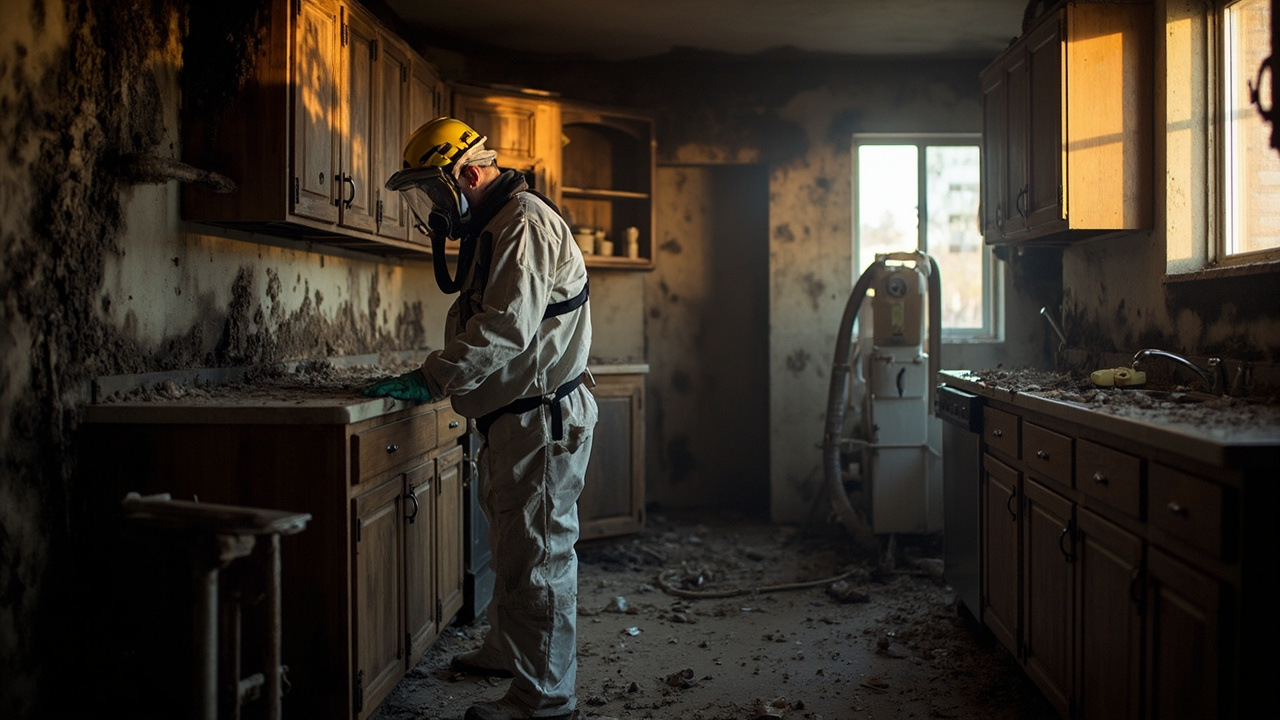
Fire damage repair begins with containment and air scrubbing. We establish negative air pressure using HEPA-rated air scrubbers to prevent soot particulate from migrating into unaffected rooms. This is critical in multi-story homes common in La Jolla and Carmel Valley, where smoke rises and contaminates upper floors even if the fire stayed on the ground level.

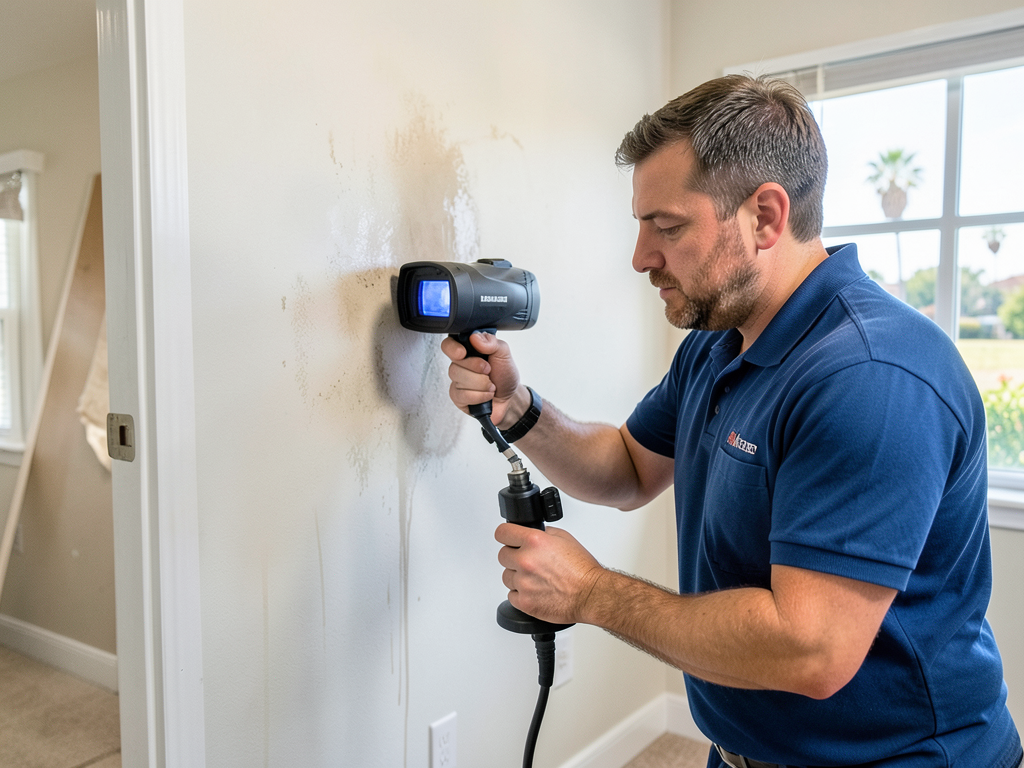
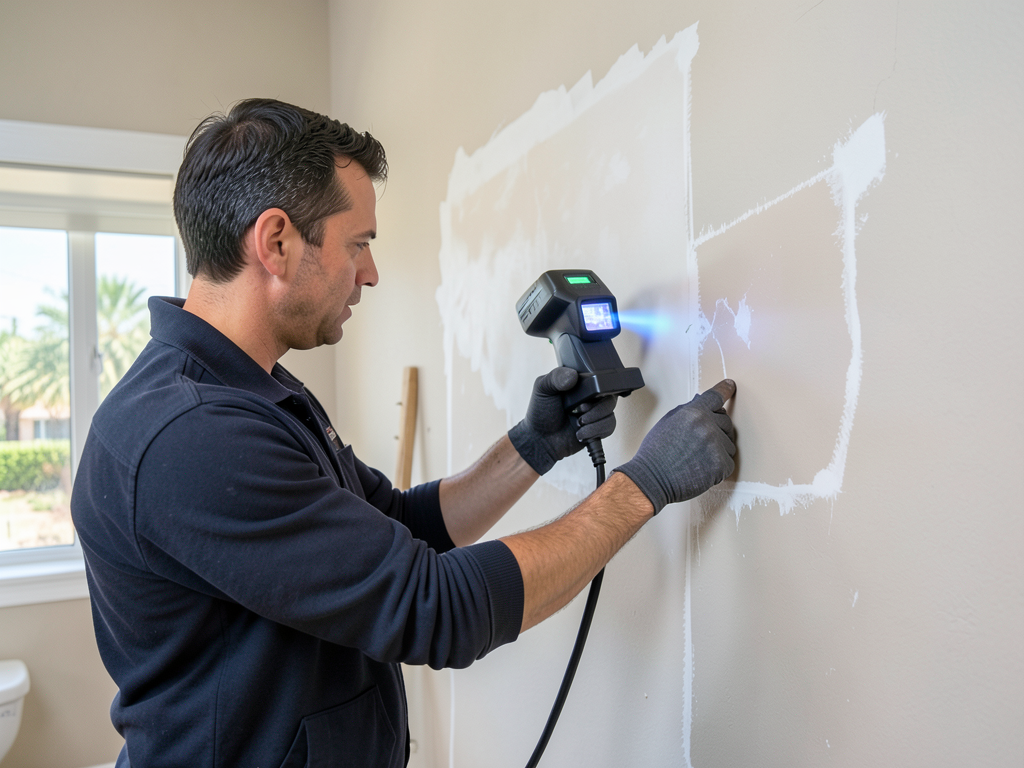
Next comes structural assessment. We use thermal imaging cameras to identify heat signatures in wall cavities and attic spaces, revealing hidden char and smoldering materials. San Diego building codes require documentation of structural integrity before restoration begins, especially in older neighborhoods like Golden Hill where wood-frame construction is prevalent. We coordinate with structural engineers when load-bearing elements show compromise.

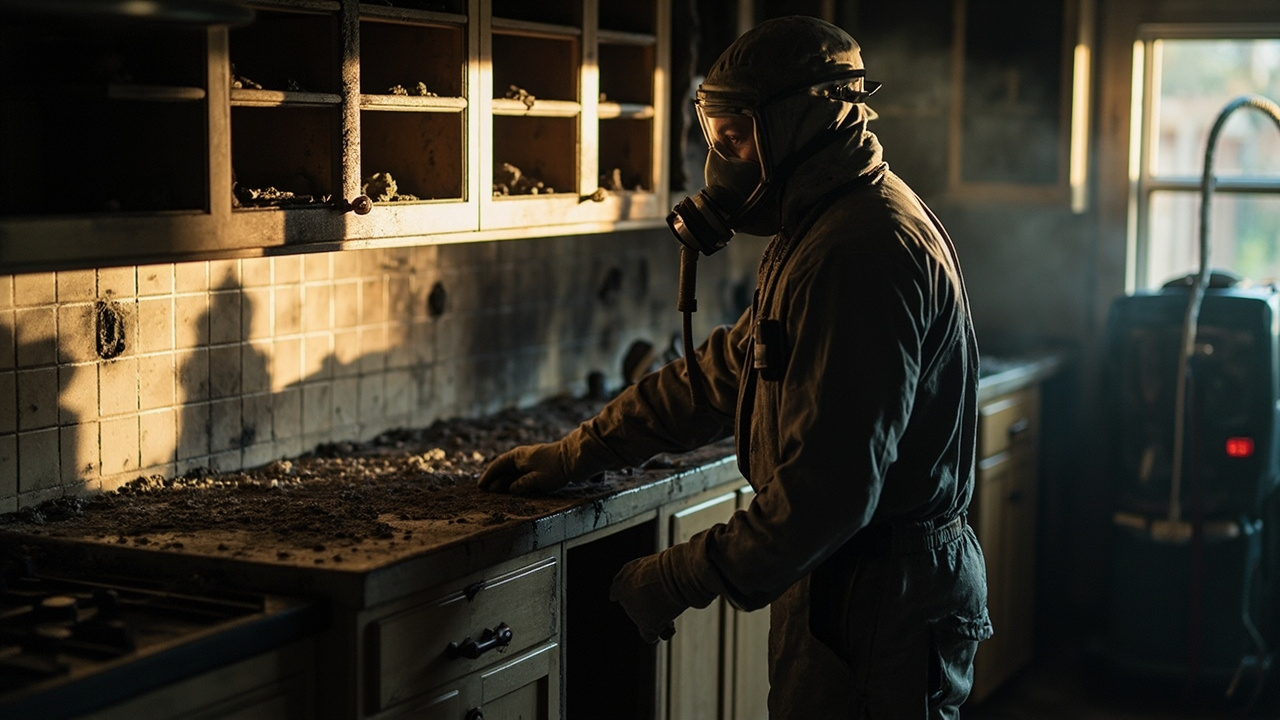
Soot removal is chemistry, not scrubbing. Protein-based soot from kitchen fires requires alkaline cleaners. Synthetic soot from burned plastics requires solvent-based treatments. We match the cleaning agent to the fuel source, preventing permanent staining. Porous materials like drywall and insulation often cannot be saved. We remove and dispose of contaminated materials per California hazardous waste guidelines.

Odor neutralization uses hydroxyl generators and thermal fogging. Hydroxyl machines break down odor molecules at the molecular level without using ozone, which can damage rubber and plastics. Thermal fogging penetrates the same pathways smoke traveled, neutralizing odor in ductwork, crawl spaces, and wall voids. Smoke damage cleanup is incomplete if you mask odor instead of eliminating it. We target the source, not the symptom.

What Happens During Your Fire Restoration Project

Fire & Smoke Damage Restoration in San Diego – Complete Recovery from Structure to Air Quality
01

Emergency Stabilization

We secure your property within hours of your call. Board-up services protect against weather exposure and unauthorized entry. We extract standing water from firefighting efforts using truck-mounted pumps, then deploy commercial dehumidifiers to halt secondary water damage. Air scrubbers begin removing airborne soot immediately, protecting your respiratory health and preventing further contamination spread throughout your San Diego home or business.
02

Damage Documentation and Cleaning

We photograph and inventory all affected areas for your insurance claim, noting material types and contamination levels. Salvageable contents are packed out for off-site cleaning using ultrasonic baths and ozone chambers. Non-salvageable materials are removed and disposed of properly. We perform detailed soot cleaning on all hard surfaces using pH-appropriate cleaners, then treat HVAC systems to prevent recontamination when air handlers restart.
03

Reconstruction and Air Quality Verification

After odor neutralization is complete, we rebuild using fire-rated materials that meet current San Diego building codes. Drywall, insulation, and framing are replaced with proper fire-blocking between floors. We conduct final air quality testing using particle counters to confirm soot levels are below acceptable thresholds. Your certificate of completion documents that your property is safe for reoccupancy, satisfying both insurance requirements and your peace of mind.

Why San Diego Properties Need Local Fire Restoration Expertise

Fire damage in San Diego is different than fire damage elsewhere. Coastal homes from Ocean Beach to La Jolla Shores have salt air exposure that accelerates corrosion of fire-damaged metals. Smoke residue combined with marine air creates a chemical reaction that etches window glass and pits chrome fixtures within days if not treated immediately. Inland properties in Santee and Lakeside face wildfire ember exposure during Santa Ana wind events, requiring specialized exterior soot removal from stucco and tile roofing.

Keystone Water Damage Restoration San Diego understands local construction methods. Many San Diego homes built before 1980 have plaster walls instead of drywall. Plaster requires different cleaning techniques and often cracks under thermal stress, requiring lime-based patching that matches the original texture. Newer developments in Scripps Ranch and Mira Mesa use engineered lumber and spray foam insulation, which burn differently than traditional materials and produce toxic soot that requires hazmat-level handling.

We work directly with San Diego-based insurance adjusters who understand regional claim patterns. Fire restoration services in high-value neighborhoods like Rancho Santa Fe involve detailed documentation and often require third-party engineering reports. We have established relationships with local structural engineers, HVAC contractors, and environmental testing labs, streamlining the approval process so your project does not stall waiting for reports.

Local availability matters. When a fire happens at 2 a.m., you need a crew that can arrive before dawn to secure your property and begin water extraction. We maintain equipment staging in central San Diego, giving us rapid response capability across all zip codes. National franchises route calls to distant call centers. We answer locally and dispatch locally.

What to Expect from Fire and Smoke Mitigation Services

Response Time and Availability

Fire damage worsens by the hour. Acid in smoke residue etches surfaces. Water from firefighting efforts promotes mold growth. We provide 24-hour emergency response across all San Diego County communities. Our average on-site arrival time is under 90 minutes from your initial call. We dispatch crews immediately, not after business hours. Night and weekend response carries no surcharge. You receive the same priority whether you call at noon or midnight. Emergency stabilization begins the moment we arrive, protecting your property from further deterioration while we develop the full restoration plan.

Comprehensive Damage Assessment

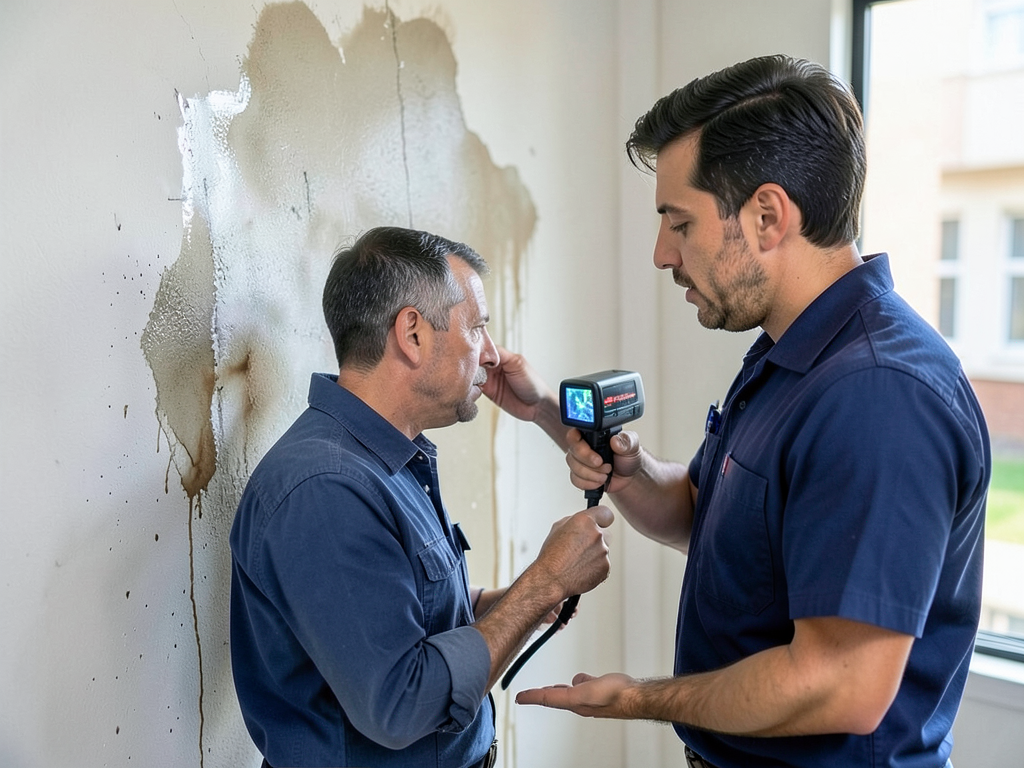
Our initial assessment uses moisture meters, thermal cameras, and particle counters to measure the full extent of damage. We test multiple areas, including spaces that appear unaffected, because smoke migrates through wall cavities and ductwork. You receive a written scope of work detailing what must be removed, what can be cleaned, and what requires specialized treatment. We identify hidden damage that untrained eyes miss, like heat-stressed wiring and compromised structural members. This assessment forms the basis of your insurance claim, providing documentation adjusters need to approve coverage without dispute.

Verified Restoration Results

Fire restoration is not complete when it looks clean. It is complete when air quality testing confirms soot particulate levels meet indoor air quality standards. We use third-party environmental labs to verify our work, providing you with certified test results showing your property is safe. Surfaces are treated until they pass the white-glove test. Odor is eliminated, not masked. We do not release a project until testing confirms success. Your final documentation includes material certifications, disposal receipts, and photographic evidence of completed work, satisfying insurance requirements and protecting your future resale value.

Post-Restoration Support

After restoration is complete, we provide guidance on preventing future fire damage and maintaining indoor air quality. We recommend upgraded smoke detection systems and fire suppression options appropriate for your property type. If odor reappears due to temperature changes or humidity fluctuations, we return to assess and retreat at no additional diagnostic fee. Our work is backed by documentation that satisfies both insurance requirements and your need for accountability. You receive direct contact information for your project manager, ensuring you have access to answers if questions arise weeks or months after project completion.

Frequently Asked Questions

You Have Questions,
We Have Answers

How much does smoke damage restoration cost? +

Smoke damage restoration costs vary based on the size of the affected area, the type of smoke residue, and the materials damaged. Light smoke damage to a single room might cost less than severe whole-home contamination. San Diego homes with open floor plans or coastal moisture exposure may require additional air purification and deodorization, which impacts pricing. Insurance often covers most restoration work after fire events. The best approach is to get a detailed inspection and written estimate that breaks down structural cleaning, content restoration, odor removal, and any necessary HVAC system cleaning before starting work.

Can a fire-damaged house be repaired? +

Yes, most fire-damaged houses can be repaired. The extent of structural damage determines the scope of work. If the framing, foundation, and load-bearing walls remain intact, rebuilding is possible. San Diego's dry climate can make charred wood easier to assess than in humid regions. A structural engineer should evaluate the home first to confirm safety. Restoration includes debris removal, structural repairs, smoke cleaning, odor treatment, and reconstruction. Many San Diego homes have been fully restored after significant fires. The key is acting quickly to prevent secondary damage from soot infiltration and moisture.

Can smoke damage be repaired? +

Smoke damage can be repaired through professional cleaning and restoration. Smoke leaves acidic soot residues on walls, ceilings, and contents that continue to corrode surfaces if left untreated. Restoration involves specialized cleaning agents, thermal fogging for odor removal, and sealing techniques to prevent off-gassing. San Diego homes with HVAC systems need ductwork cleaned to prevent soot recirculation. Contents like furniture and clothing can often be restored using ozone treatment or ultrasonic cleaning. Quick action matters. Smoke residue becomes harder to remove after 48 hours, so immediate professional assessment is critical.

What is fire damage restoration? +

Fire damage restoration is the complete process of returning a property to pre-loss condition after a fire. It includes emergency board-up, water removal from firefighting efforts, soot and smoke cleaning, odor elimination, structural repairs, and reconstruction. Restoration teams assess damage, document losses for insurance, remove debris, clean all affected surfaces, treat air quality, and rebuild damaged areas. In San Diego, this often means addressing both fire and water damage simultaneously due to firefighting efforts. The goal is full recovery, making the property safe, clean, and livable again while coordinating with insurance adjusters throughout.

Is it worth buying a house with fire damage? +

Buying a fire-damaged house in San Diego can be worth it if the price reflects true repair costs and you understand the scope of work. Get a detailed inspection from a structural engineer and fire restoration specialist before closing. Factor in hidden damage like compromised electrical systems, smoke infiltration in walls, and potential asbestos exposure in older San Diego homes. The market discount must cover full restoration plus a buffer for unknowns. If you plan to flip or renovate, fire-damaged properties can offer value. But underestimating repair complexity leads to financial loss.

Will insurance cover smoke damage? +

Most homeowners insurance policies cover smoke damage from covered fire events, whether the fire originated in your home or a neighbor's property. Coverage typically includes structural cleaning, content restoration, temporary living expenses, and odor removal. San Diego homeowners should review their policy limits and deductibles before filing. Insurance may cover HVAC cleaning if smoke entered the system. Document all damage with photos before cleaning anything. Work with your adjuster and a restoration company experienced in insurance claims. Some policies exclude smoke damage from wildfires, so review your specific coverage if you live near San Diego's wildland-urban interface.

Are houses destroyed by fire covered by insurance? +

Houses destroyed by fire are typically covered by homeowners insurance if the fire resulted from a covered peril like electrical failure, cooking accidents, or lightning strikes. Your dwelling coverage pays to rebuild the structure up to your policy limits. San Diego homeowners should carry replacement cost coverage, not actual cash value, to avoid out-of-pocket expenses from appreciation. Total losses trigger additional coverage for debris removal and temporary housing. Arson by the homeowner voids coverage. Wildfires may fall under separate provisions. Review your policy annually to confirm coverage limits match current rebuilding costs in San Diego's construction market.

What is the 30/30/30 rule for fire? +

The 30/30/30 rule is not a recognized fire restoration standard. You may be thinking of firefighting tactics or unrelated guidelines. In fire restoration, response time matters more than arbitrary timeframes. Soot becomes harder to clean after 48 hours due to acid etching. Smoke odor penetrates porous materials within days. Water damage from firefighting efforts leads to mold growth within 24 to 48 hours in San Diego's climate. The real rule is immediate response. Contact a restoration company within hours of the fire to prevent secondary damage and begin insurance documentation before conditions worsen.

What's the difference between restoration and remediation? +

Restoration returns a property to pre-loss condition after damage occurs. Remediation removes a hazard or contaminant to make a space safe. In fire restoration, you restore burned structures and smoke-damaged contents. In mold or asbestos situations, you remediate by removing the hazardous material. Fire restoration projects often include remediation steps, like removing contaminated drywall or treating water damage to prevent mold. San Diego restoration companies handle both processes. Restoration is the broader goal. Remediation is the specific action taken to eliminate dangers before rebuilding begins. Both require specialized training and equipment.

What is salvageable after smoke damage? +

Many items survive smoke damage with professional cleaning. Non-porous materials like metal, glass, and hard plastics clean easily. Wood furniture can often be restored through specialized treatments. Electronics may be salvageable if cleaned quickly before soot causes corrosion. Clothing and fabrics respond well to ozone treatment and thermal cleaning. Documents can sometimes be freeze-dried and restored. San Diego's low humidity helps prevent additional moisture damage during the restoration process. Items to discard include heavily charred materials, compromised food, and porous items with deep smoke penetration like mattresses. A restoration specialist assesses each item individually.

How San Diego's Fire Risk and Coastal Climate Affect Fire Damage Restoration

San Diego sits in a high fire-risk zone where urban development meets wildland interface. The 2003 Cedar Fire and 2007 Witch Creek Fire demonstrated how quickly wind-driven flames spread through canyons and residential areas. Properties in Scripps Ranch, Rancho Bernardo, and East County face ember exposure during Santa Ana wind events, creating spot fires that ignite roofing and siding. Coastal humidity levels between 60 and 80 percent cause smoke residue to remain tacky, making soot harder to remove and more likely to permanently stain porous materials. Fire cleanup services must account for this moisture, using specialized drying techniques that prevent mold growth while eliminating smoke contamination.

San Diego building codes have evolved significantly since the 2003 firestorms, requiring fire-rated materials and defensible space in high-risk zones. Restoration work must meet current code, even if your original structure was built under older standards. Keystone Water Damage Restoration San Diego maintains active communication with City of San Diego and County building departments, ensuring permit compliance and proper inspection sequencing. We understand local AHJ expectations for fire-rated drywall, fire-blocking, and smoke detector placement. Choosing a contractor without local code knowledge creates permit delays and potential compliance issues that jeopardize your certificate of occupancy and insurance settlement.
Water Damage Restoration Services in The San Diego Area

We are proud to serve the entire San Diego area and invite you to view our service region on the map below. While our emergency response team is mobile and always ready to dispatch to your location rapidly, our central operations base allows us to coordinate efficient service across all of San Diego County. Contact us today for immediate assistance, no matter where your property is located within our service area.

Address:
Keystone Water Damage Restoration San Diego, 4445 Eastgate Dr, San Diego, CA, 92121

Additional Services We Offer

Our news updates

Latest Articles & News from The Blogs

Who Pays for Water Damage When a Neighbor’s Leak Affects Your San Diego Condo Discovering water damage in your condo…

Navigating Liability When a Neighbors Apartment Leaks into Your San Diego Condo

Who Pays for Water Damage When a Neighbor’s Leak Affects Your San Diego Condo Discovering water damage in your condo…

The Critical Steps Your Restoration Team Takes in the First Forty Eight Hours

The Critical Steps Your Restoration Team Takes in the First Forty Eight Hours When water invades your home in San…

Should You Try In Place Drying or Choose a Full Rip Out After a San Diego Flood

Should You Try In Place Drying or Choose a Full Rip Out After a San Diego Flood San Diego homeowners…

Contact Us

Fire damage requires immediate professional response. Call Keystone Water Damage Restoration San Diego at (858) 203-2555 now for 24-hour emergency fire and smoke mitigation. We deploy crews across all San Diego neighborhoods within 90 minutes, securing your property and beginning restoration immediately.