menu

Fire Sprinkler Water Cleanup in San Diego – 24/7 Emergency Response Within 60 Minutes

When your fire suppression system discharges unexpectedly, every minute counts. Our certified technicians arrive fast across San Diego County with industrial extraction equipment to stop structural damage before it spreads.

Slider Image 1
Slider Image 2
Slider Image 3
Slider Image 4
Slider Image 5
Slider Image 7
Slider Image 8
Slider Image 9
Slider Image 10
Slider Image 11

Accidental Sprinkler Discharge Can Flood Your Building in Minutes

A single activated fire sprinkler head releases 15 to 30 gallons of water per minute. In a commercial building or multi-unit residential property in San Diego, that volume can flood entire floors, saturate drywall, ruin electrical systems, and destroy inventory before you locate the shutoff valve.

Most accidental sprinkler discharges happen during construction work, equipment testing, or from physical damage to sprinkler heads. The water is not clean. Fire suppression systems sit stagnant for years, which means the water that floods your property is often black, contaminated with rust, biofilm, and metal particulates. This Category 2 water accelerates microbial growth in San Diego's mild, humid coastal climate, where mold can colonize wet drywall within 48 hours.

The damage compounds quickly. Water migrates through floor assemblies, seeps into wall cavities, and saturates insulation. If your building has post-tensioned concrete slabs common in San Diego high-rises, water infiltration can corrode tensioning cables and compromise structural integrity. Delaying emergency sprinkler water removal turns a manageable extraction job into a multi-week structural repair project.

You need fire sprinkler water damage restoration that starts immediately. Not tomorrow. Not in four hours. Now. The difference between a fast response and a delayed one is often the difference between drying expenses and reconstruction expenses.

Accidental Sprinkler Discharge Can Flood Your Building in Minutes
Our Emergency Water Extraction Process Stops Damage Progression

Our Emergency Water Extraction Process Stops Damage Progression

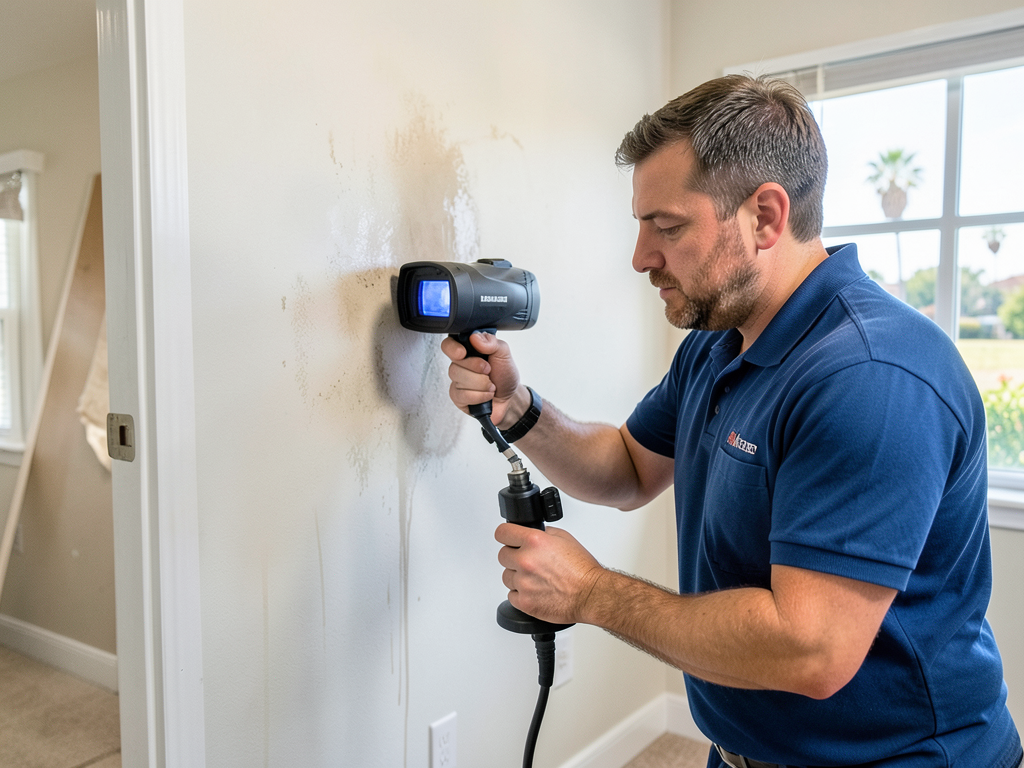
Burst fire sprinkler flood remediation requires speed, but also precision. We do not just extract standing water. We assess the contamination level, identify hidden saturation using thermal imaging and moisture meters, and execute a staged drying protocol based on material science.

When we arrive, our first action is source isolation. We verify the sprinkler system valve is closed and check for secondary leaks. Then we document the damage with photos, moisture readings, and floor plans for your insurance claim. This documentation is critical because most commercial property policies require detailed loss verification within 72 hours.

Next comes water extraction. We deploy truck-mounted extractors and portable pumps to remove standing water, prioritizing areas with the highest risk of structural damage like electrical rooms, server closets, and load-bearing walls. After extraction, we place commercial-grade air movers and LGR dehumidifiers to create negative air pressure and accelerate evaporation. These machines are not the small units you rent from a hardware store. We use equipment capable of removing 100+ pints of moisture per day.

We monitor drying progress with daily moisture readings. Drywall should drop below 15% moisture content. Wood framing should reach 12% or lower. Concrete slabs take longer, sometimes requiring injection drying or mat systems to pull moisture from deep within the slab. We adjust equipment placement based on real data, not guesswork. That is the difference between certified fire suppression system water extraction and a mop-and-fan approach that leaves you with hidden mold six weeks later.

What Happens When You Call for Emergency Sprinkler Water Removal

Fire Sprinkler Water Cleanup in San Diego – 24/7 Emergency Response Within 60 Minutes
01

Immediate Dispatch and Arrival

We answer your emergency call 24/7 and dispatch a crew within 15 minutes. Our technicians arrive with truck-mounted extraction equipment, moisture detection tools, and containment supplies. For properties in downtown San Diego, Pacific Beach, or La Jolla, response time is typically under 60 minutes. We assess the damage scope, identify safety hazards like electrical risks, and begin water removal immediately while documenting conditions for your insurance claim.
02

Water Extraction and Containment

After removing standing water, we use infrared cameras to locate hidden moisture in walls, ceilings, and subfloors. We set up containment barriers with negative air pressure to prevent contaminated air from spreading to unaffected areas. High-velocity air movers and commercial dehumidifiers are positioned based on airflow dynamics and material density. We extract water from carpets, pad, and upholstery using hot water extraction methods that pull moisture from deep fibers.
03

Drying Verification and Clearance

We monitor moisture levels daily until all materials reach dry standards established by the IICRC S500 guidelines. Wood framing must drop below 12% moisture content. Drywall must reach below 15%. Concrete slabs require longer drying times and sometimes need specialty equipment. Once verified dry, we provide a completion report with before-and-after moisture readings. This documentation is required for insurance closure and protects you from future liability if mold appears later.

Why San Diego Property Owners Choose Keystone for Sprinkler Flood Emergencies

San Diego's building stock includes everything from 1920s Spanish Colonial apartments in North Park to modern high-rises in the Gaslamp Quarter. Each building type has different vulnerabilities when fire sprinklers discharge. Older buildings often have plaster-on-lath walls that absorb water like a sponge and require selective demolition to dry properly. Newer buildings with Type X drywall and metal studs dry faster but still need professional airflow management to prevent trapped moisture in wall cavities.

We understand San Diego's microclimates. Coastal properties in Point Loma and Coronado deal with higher ambient humidity, which slows evaporation and requires more aggressive dehumidification. Inland areas like Mira Mesa and Scripps Ranch have lower humidity but hotter temperatures, which can accelerate microbial growth if drying is delayed. We adjust our equipment and protocols based on your specific location and building materials.

Keystone Water Damage Restoration San Diego maintains full IICRC certification in water damage restoration and applied structural drying. Our technicians carry moisture meters, thermal cameras, and hygrometers on every job. We do not guess. We measure. That level of precision matters when you are dealing with a commercial tenant improvement worth hundreds of thousands of dollars or a historic property where improper drying can cause irreversible damage.

We also work directly with your insurance adjuster. Most policies cover accidental sprinkler discharge cleanup under property damage provisions, but claims require proper documentation. We provide detailed estimates, moisture logs, and photo evidence that meet insurance standards. This reduces claim disputes and speeds up payment so you can focus on getting back to normal operations.

What You Can Expect During Fire Sprinkler Water Damage Restoration

Emergency Response Time and Availability

We operate 24 hours a day, 365 days a year. When you call our emergency line, you speak to a dispatcher who immediately assigns a crew. We do not use answering services or schedule callbacks. For most San Diego locations, our technicians arrive within 60 to 90 minutes with a fully equipped truck. We prioritize life safety first by shutting off power to affected areas if needed, then begin water extraction. If your building requires emergency board-up or roof tarping to prevent additional water intrusion, we coordinate that service as part of the initial response. Speed is everything in fire suppression system water extraction. Every hour of delay increases drying time and reconstruction costs.

Damage Assessment and Moisture Mapping

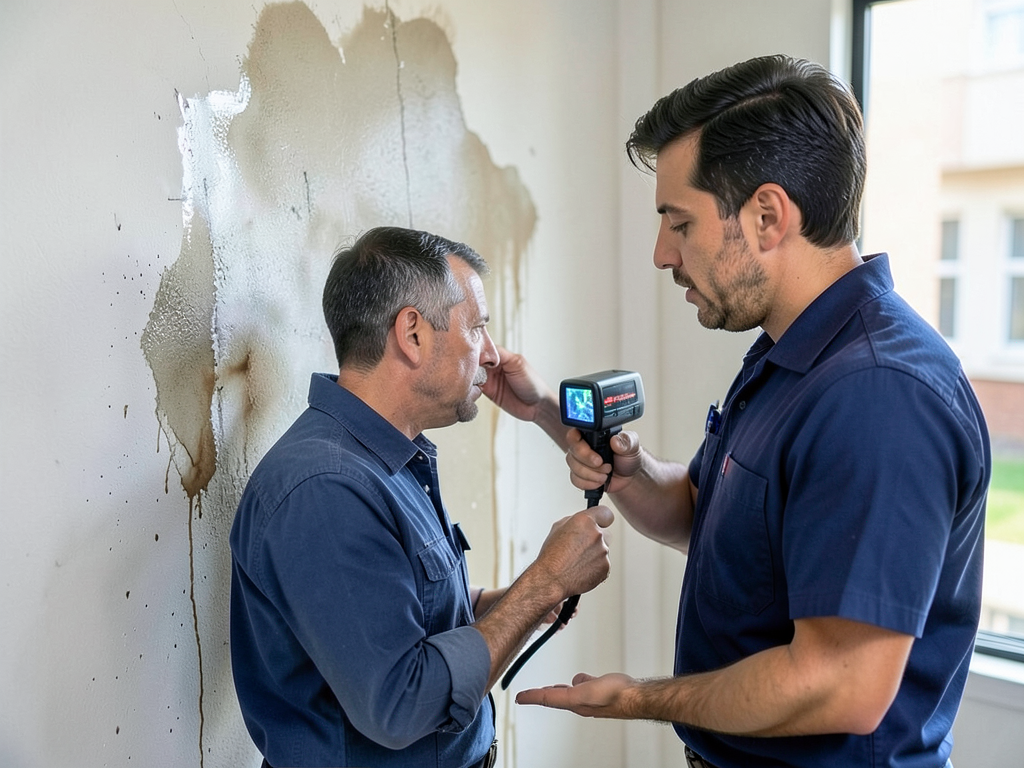
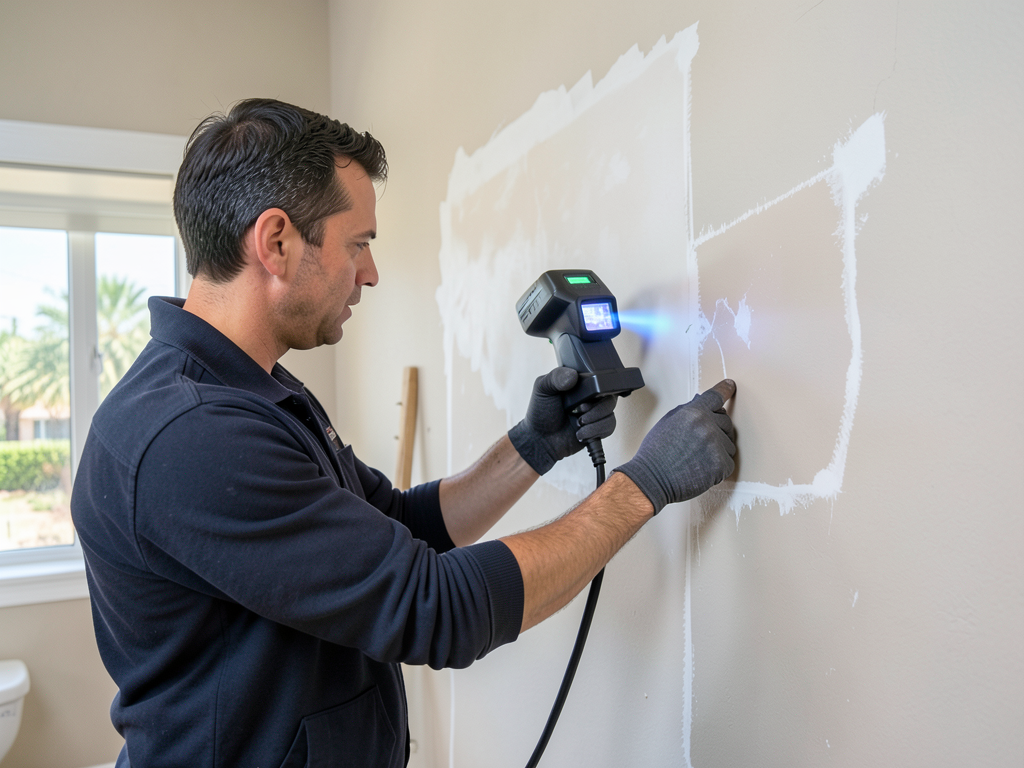
After extracting standing water, we perform a detailed moisture assessment using calibrated tools. Thermal imaging cameras reveal temperature differentials that indicate wet insulation or trapped water behind walls. Pin-type and non-invasive moisture meters measure exact moisture content in wood, drywall, and concrete. We create a moisture map of your property that shows affected areas and establishes a baseline for tracking drying progress. This data-driven approach ensures we place drying equipment in the right locations and allows us to prove to your insurance company that the building is fully dry before we demobilize. No guesswork. No assumptions. Just measurable results.

Structural Drying and Air Quality Control

Accidental sprinkler discharge cleanup is not complete until every affected material reaches dry standards. We use psychrometry to calculate the exact amount of dehumidification needed based on temperature, humidity, and material load. Low-grain refrigerant dehumidifiers pull moisture from the air while high-velocity air movers create airflow across wet surfaces to accelerate evaporation. For contaminated water from fire suppression systems, we also deploy air scrubbers with HEPA filtration to remove particulates and odors. Drying times vary based on materials and saturation levels, but most projects reach dry standards within three to seven days. We provide daily updates and adjust equipment as needed until moisture readings confirm complete drying.

Post-Drying Verification and Documentation

Once all materials reach acceptable moisture levels, we perform final verification readings and document the results. You receive a comprehensive report that includes before-and-after moisture data, photos of affected areas, equipment logs showing daily runtime and adjustments, and a narrative summary of the drying process. This documentation is required for insurance claim closure and protects you from future disputes if issues arise. We also provide recommendations for any necessary repairs like drywall replacement, paint, or flooring reinstallation. If mold remediation is needed due to delayed response or pre-existing conditions, we coordinate that work under a separate scope. Our goal is to return your property to pre-loss condition with verifiable proof that it is safe and dry.

Frequently Asked Questions

You Have Questions,
We Have Answers

Is fire sprinkler water clean? +

No. Fire sprinkler water is not clean. It sits stagnant in pipes for months or years, collecting rust, bacteria, biofilm, and sediment. When a sprinkler discharges, this contaminated water floods your property. The longer the system has been inactive, the worse the water quality. In San Diego commercial buildings and older structures, this water can contain harmful pathogens and corrosive particles that damage floors, walls, and furnishings. You need immediate professional extraction and sanitization to prevent secondary contamination, mold growth, and permanent material damage. Do not touch or drink sprinkler water.

How often do sprinkler systems need to be flushed? +

Commercial fire sprinkler systems should be flushed annually, though inspection frequency depends on the system type and local code. Dry pipe systems require more frequent attention due to trapped condensation and debris. San Diego properties with older piping or high humidity exposure may need more frequent flushing to prevent corrosion buildup. Regular flushing removes sediment and biofilm that compromise water quality during discharge. If your system activates, call a professional restoration company immediately. The contaminated water creates urgent health risks and structural damage that worsen by the hour. Do not wait.

How to drain water from a fire sprinkler system? +

Draining a fire sprinkler system requires shutting off the main water supply, opening drain valves at the lowest system points, and using air compressors for dry pipe systems. This is not a DIY task. Improper draining leaves water pockets that freeze, corrode pipes, or discharge unexpectedly. In San Diego, where some buildings mix wet and dry systems, mistakes cause catastrophic flooding. If your sprinkler system has discharged, your priority is stopping water damage and extracting contaminated water from your property immediately. A certified restoration team handles emergency extraction, structural drying, and sanitation while coordinating with your sprinkler technician.

What is the best way to clean a fire sprinkler head? +

You should not clean fire sprinkler heads yourself. Sprinkler heads are precision devices calibrated to activate at specific temperatures. Touching, wiping, or applying cleaning products can damage the heat-sensitive bulb or corrode the mechanism, causing accidental discharge or system failure. Paint overspray or dust buildup requires certified sprinkler technicians to clean or replace heads per NFPA standards. If your sprinkler has already discharged in San Diego, focus on immediate water extraction and contamination control. The stagnant, bacteria-laden water flooding your property is the urgent threat. Call a professional restoration team now to prevent mold and structural damage.

Why does fire sprinkler water smell bad? +

Fire sprinkler water smells bad because it contains bacteria, biofilm, rust, and organic decay from sitting stagnant in pipes for years. The longer water sits, the worse the bacterial colonization and metallic corrosion. When discharged, this foul-smelling water floods your property with pathogens and sediment. In San Diego's humid coastal climate, this contaminated water accelerates mold growth within 24 to 48 hours. The smell is a warning sign of serious contamination. You need immediate professional extraction, antimicrobial treatment, and structural drying. Do not ignore the odor. It signals health risks and costly secondary damage.

What is the 3x rule for sprinklers? +

The 3x rule for sprinklers means each sprinkler head must cover an area no larger than three times the distance between the sprinkler and the nearest wall. This ensures proper water distribution and fire suppression coverage per NFPA 13 standards. The rule prevents coverage gaps that allow fires to spread. If your San Diego property has experienced a sprinkler discharge, the water coverage area is now your damage zone. Contaminated sprinkler water spreads fast across floors, walls, and contents. You need immediate professional water extraction and drying to prevent structural damage, microbial growth, and material loss. Act now.

What is the 3 times rule for sprinklers? +

The 3 times rule for sprinklers is the same as the 3x rule. It requires that sprinkler head spacing not exceed three times the distance from the head to the nearest wall, ensuring adequate fire suppression coverage. This spacing standard prevents dead zones where fires can grow unchecked. When a sprinkler activates in your San Diego building, that same coverage area now faces severe water contamination. Stagnant sprinkler water contains rust, bacteria, and biofilm that damage flooring, drywall, and inventory. You have a narrow window to extract water and dry materials before mold takes hold. Call a restoration professional immediately.

How do you flush a fire sprinkler system? +

Flushing a fire sprinkler system involves opening drain valves and flow test connections to push water through the pipes at high velocity, removing sediment, rust, and biofilm. This requires specialized equipment and certified technicians familiar with NFPA codes. If your sprinkler system has discharged contaminated water in San Diego, flushing the system is secondary. Your priority is emergency water extraction and property restoration. The bacteria-laden water soaking your floors, walls, and contents creates immediate health and structural risks. A professional restoration team will extract water, sanitize affected areas, and dry materials using industrial equipment. Do not delay.

What is the life expectancy of a fire sprinkler system? +

Fire sprinkler systems last 50 to 100 years with proper maintenance, but individual components like sprinkler heads, valves, and pipes have shorter lifespans. Corrosion, sediment buildup, and mechanical wear reduce system reliability over time. Older systems in San Diego commercial buildings are more likely to discharge contaminated water due to corroded piping and biofilm accumulation. If your aging system activates, expect foul-smelling, bacteria-laden water that causes severe property damage. Immediate professional extraction, antimicrobial treatment, and structural drying are critical. The longer contaminated water sits, the worse the mold growth and material degradation. Act fast.

What happens if you don't drain the sprinkler system? +

Failing to drain a fire sprinkler system before freezing temperatures or extended shutdowns causes pipe bursts, valve failure, and uncontrolled flooding. Trapped water expands when frozen, cracking pipes and fittings. In San Diego, where freezing is rare, stagnant water still promotes corrosion and bacterial growth that contaminate future discharges. If your system has already discharged, you face immediate water damage from bacteria-laden, rust-filled water. This contaminated water destroys flooring, drywall, and inventory while accelerating mold growth. You need emergency water extraction, antimicrobial treatment, and professional drying equipment now. Every hour counts.

Why San Diego's Coastal Humidity Demands Aggressive Sprinkler Water Extraction

San Diego's coastal climate maintains relative humidity between 60% and 75% for much of the year, especially in neighborhoods near the Pacific like Ocean Beach, Mission Bay, and Coronado. This ambient moisture slows evaporation after a fire sprinkler discharge and creates ideal conditions for mold growth. When fire suppression system water extraction is delayed, wet building materials in high-humidity environments can develop microbial colonies within 48 to 72 hours. The contaminated water from stagnant sprinkler systems accelerates this timeline because it already contains organic material that feeds mold spores. Aggressive dehumidification is not optional in San Diego. It is required to prevent secondary damage that often costs more than the original water loss.

Keystone Water Damage Restoration San Diego has worked on properties across the county, from historic Craftsman homes in Mission Hills to commercial warehouse spaces in Kearny Mesa. We understand local construction methods, building codes, and the specific challenges posed by San Diego's mixed-use developments and aging infrastructure. Many older buildings in neighborhoods like Hillcrest and Normal Heights were built before modern moisture barriers and ventilation standards, which makes them more vulnerable to trapped moisture after burst fire sprinkler flood remediation. Choosing a local provider who knows how San Diego buildings respond to water damage ensures faster, more effective drying and reduces the risk of long-term structural issues.
Water Damage Restoration Services in The San Diego Area

We are proud to serve the entire San Diego area and invite you to view our service region on the map below. While our emergency response team is mobile and always ready to dispatch to your location rapidly, our central operations base allows us to coordinate efficient service across all of San Diego County. Contact us today for immediate assistance, no matter where your property is located within our service area.

Address:
Keystone Water Damage Restoration San Diego, 4445 Eastgate Dr, San Diego, CA, 92121

Additional Services We Offer

Our news updates

Latest Articles & News from The Blogs

Who Pays for Water Damage When a Neighbor’s Leak Affects Your San Diego Condo Discovering water damage in your condo…

Navigating Liability When a Neighbors Apartment Leaks into Your San Diego Condo

Who Pays for Water Damage When a Neighbor’s Leak Affects Your San Diego Condo Discovering water damage in your condo…

The Critical Steps Your Restoration Team Takes in the First Forty Eight Hours

The Critical Steps Your Restoration Team Takes in the First Forty Eight Hours When water invades your home in San…

Should You Try In Place Drying or Choose a Full Rip Out After a San Diego Flood

Should You Try In Place Drying or Choose a Full Rip Out After a San Diego Flood San Diego homeowners…

Contact Us

Every minute counts after a sprinkler discharge. Call Keystone Water Damage Restoration San Diego now at (858) 203-2555 for 24/7 emergency response. Our crews are standing by with industrial extraction equipment ready to deploy across San Diego County.