menu

Server Room Water Damage in San Diego – Rapid IT Room Water Mitigation to Protect Business Continuity

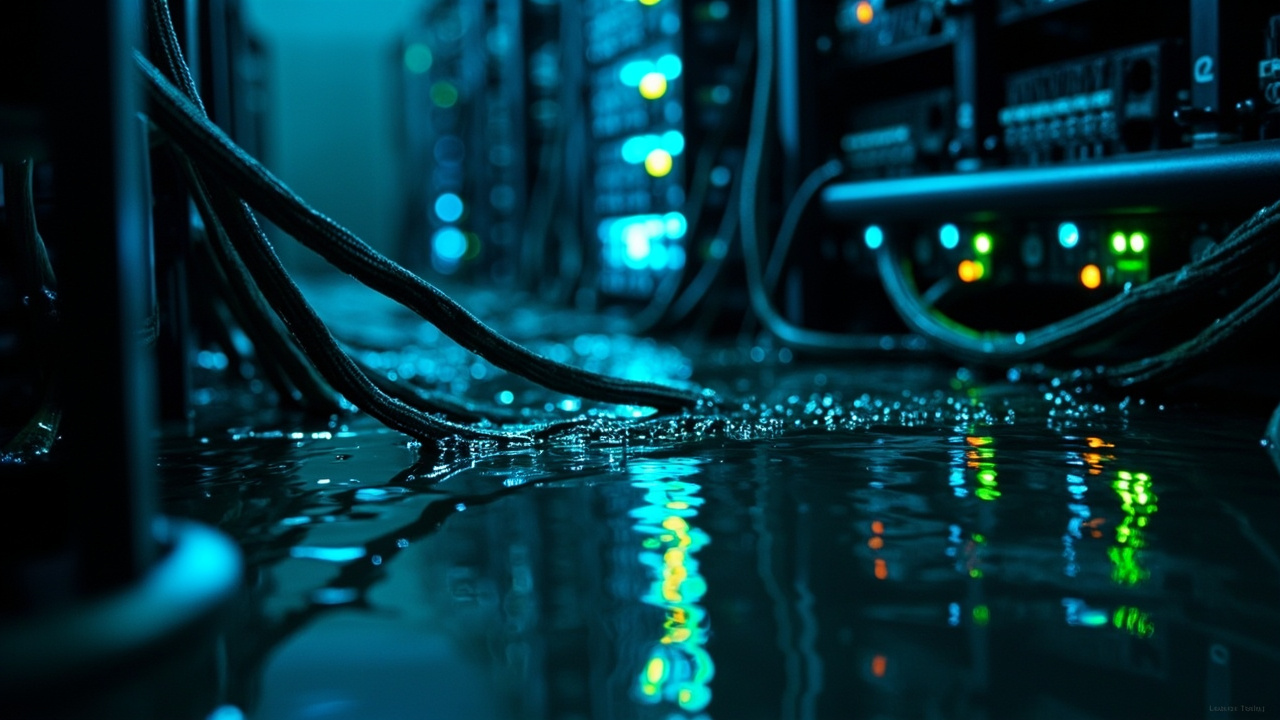
When water threatens your data center, every minute of downtime costs revenue and reputation. Our server room flood cleanup protocols isolate damage, extract water from sensitive equipment zones, and restore operational capacity with minimal business interruption across San Diego's commercial districts.

Slider Image 1
Slider Image 2
Slider Image 3
Slider Image 4
Slider Image 5
Slider Image 7
Slider Image 8
Slider Image 9
Slider Image 10
Slider Image 11

San Diego's Coastal Climate Creates Hidden Risks for Server Room Infrastructure

San Diego's proximity to the Pacific Ocean creates a persistent humidity problem that most facility managers underestimate. Condensation accumulates in HVAC systems serving server rooms, particularly in buildings along the I-5 corridor from Downtown to Sorrento Valley. When a chilled water line fails or a rooftop HVAC unit overflows, the water follows cable runs and finds its way directly into raised floor plenums where your most expensive IT infrastructure sits.

The marine layer that rolls through Kearny Mesa and Mission Valley compounds the problem. Buildings constructed before 2010 often lack proper vapor barriers in server room envelopes. This means external humidity migrates through walls while internal HVAC systems battle to maintain temperature differentials. The result is concealed moisture that corrodes electrical connections and compromises backup power systems long before you notice performance degradation.

Data center water damage restoration in San Diego requires understanding how coastal air interacts with cooling systems. A burst pipe in a Rancho Bernardo tech facility does not behave the same as flooding in Phoenix. The salt-laden air accelerates corrosion on server racks and switching equipment. Computer room water extraction must happen within the first four hours to prevent irreversible damage to backplane connections and memory modules.

We respond to IT room water mitigation calls across San Diego County, from biotech server rooms in Torrey Pines to financial data centers in UTC. The risk is not just the visible water. It is the humidity spike that follows, creating an environment where electrical shorts and data corruption become inevitable without immediate professional intervention.

San Diego's Coastal Climate Creates Hidden Risks for Server Room Infrastructure
Our Server Room Water Removal Methodology Prioritizes Equipment Integrity

Our Server Room Water Removal Methodology Prioritizes Equipment Integrity

Server room flood cleanup begins with electrical isolation. We coordinate with your facility management team to identify which circuits can be safely de-energized without triggering cascading system failures. Our technicians carry non-conductive extraction tools specifically designed for raised floor environments. Standard wet vacuums create static discharge risks that can destroy solid-state drives and network interface cards. We use grounded equipment that prevents voltage differentials during water removal.

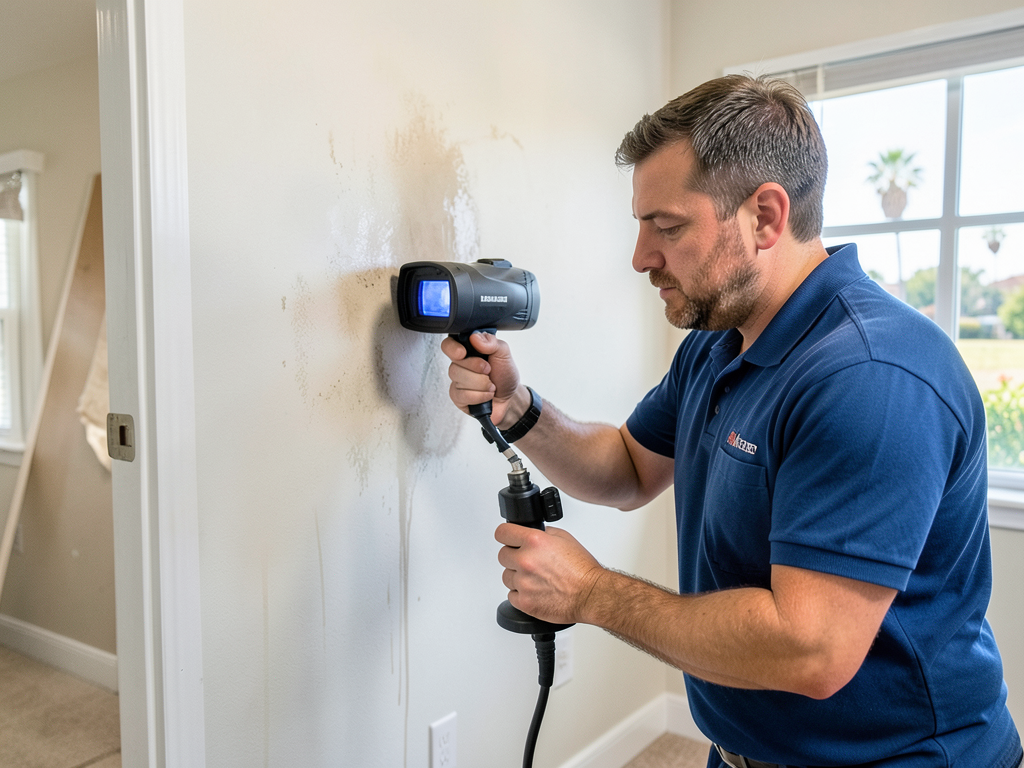
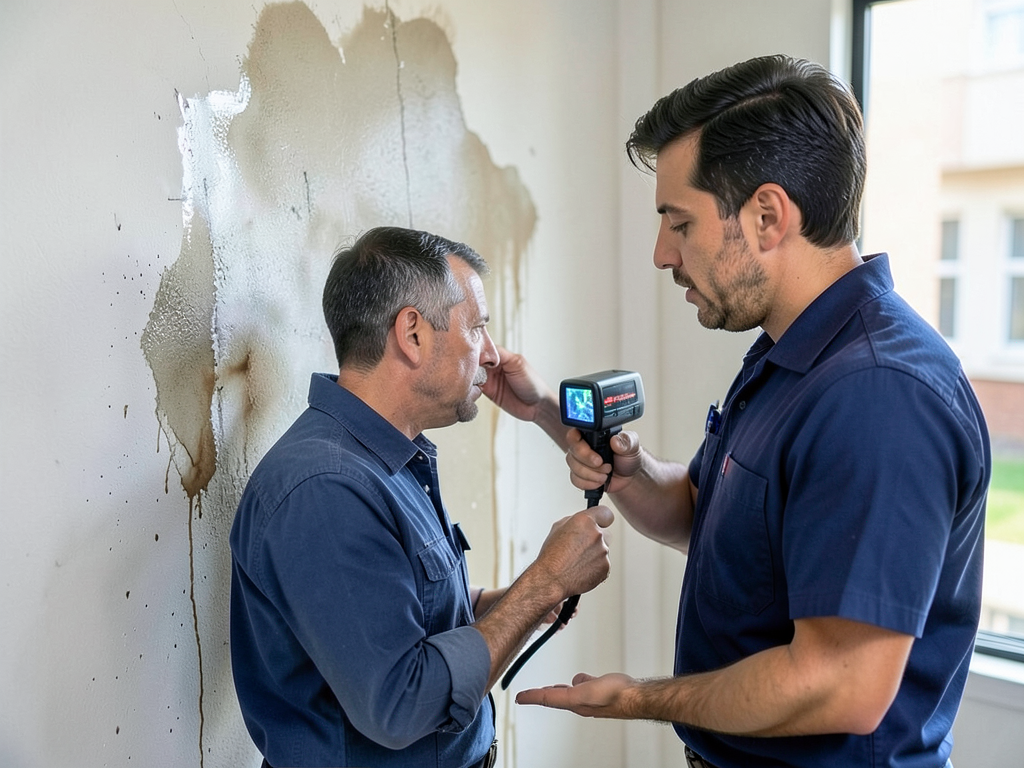
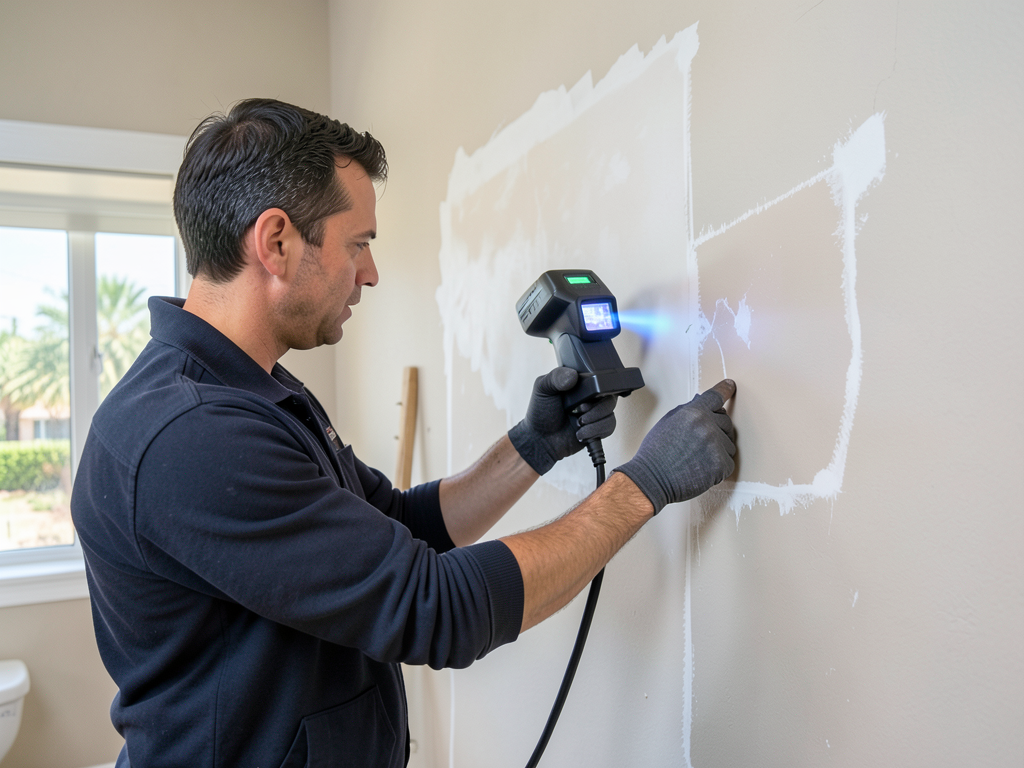
The next phase targets concealed moisture in cable trays and under-floor voids. Thermal imaging cameras map temperature differentials that indicate trapped water behind server racks and inside wall cavities. We document moisture readings at the drywall-to-floor junction, inside electrical conduits, and along the perimeter where HVAC ductwork penetrates the server room envelope. This data becomes critical for your insurance adjuster and your IT director who needs to assess which systems require replacement versus restoration.

Desiccant dehumidification replaces traditional air movers in server environments. Refrigerant-based dehumidifiers introduce temperature fluctuations that cause condensation on cold server surfaces. Our desiccant systems pull moisture from the air without altering the ambient temperature, protecting equipment that cannot tolerate thermal cycling. We maintain continuous monitoring with data loggers that track humidity, temperature, and airflow patterns throughout the drying process.

Computer room water extraction in San Diego requires coordination with multiple stakeholders. Your IT team needs access to backup systems. Your building engineer needs to understand how our equipment integrates with existing HVAC zones. Your insurance carrier needs real-time documentation of mitigation efforts. We manage these parallel workflows while maintaining the controlled environment your servers require to remain operational or return to service quickly.

How We Execute IT Room Water Mitigation Without Extending Your Downtime

Server Room Water Damage in San Diego – Rapid IT Room Water Mitigation to Protect Business Continuity
01

Emergency Containment and Assessment

Our team arrives with containment barriers designed for active server environments. We isolate affected zones using plastic sheeting and negative air pressure to prevent humidity migration into adjacent equipment areas. Moisture mapping begins immediately using penetrating and non-penetrating sensors to quantify water infiltration depth. We photograph equipment serial numbers and document pre-existing conditions to establish baseline status for insurance and liability purposes. This initial assessment typically takes 45 minutes and produces a detailed scope of work.
02

Controlled Water Extraction

Water removal begins at the lowest points in the raised floor system using truck-mounted extractors positioned outside the building to minimize noise and vibration. We work in quadrants, extracting water from each section before moving dehumidification equipment into place. Cable trays are inspected and dried using compressed air systems that prevent fiber damage. We coordinate with your network operations center to identify which systems can tolerate brief power interruptions for safety disconnects. The extraction phase runs continuously until moisture readings drop below saturation thresholds.
03

Environmental Stabilization and Verification

Desiccant dehumidifiers operate for 72 to 96 hours depending on the volume of affected space and the initial moisture load. We maintain relative humidity between 40 and 50 percent to prevent static buildup while continuing the drying process. Final verification includes thermal imaging to confirm no concealed moisture remains in wall cavities or below finished surfaces. We provide a detailed moisture map showing pre-mitigation and post-mitigation readings at each measurement point. This documentation supports your insurance claim and provides your IT director with confidence to restore equipment to service.

Why San Diego Businesses Trust Our Data Center Water Damage Restoration Expertise

Data center water damage restoration requires understanding the specific building codes and insurance requirements that govern commercial facilities in San Diego. The California Building Code mandates specific air change rates and humidity controls for spaces containing electronic equipment. Our mitigation protocols align with these requirements, which prevents complications during the inspection process when your facility manager needs to restore occupancy certification.

San Diego's commercial real estate market concentrates IT infrastructure in specific corridors. Sorrento Valley hosts biotechnology firms with temperature-sensitive research servers. The UTC area contains financial services data centers subject to regulatory compliance audits. Downtown San Diego buildings house law firms and healthcare providers managing protected health information under strict data security frameworks. We have executed server room water removal services in each of these districts and understand the unique compliance obligations that govern different industries.

Insurance carriers operating in San Diego expect specific documentation standards for commercial water damage claims. We provide contemporaneous moisture readings, photographic evidence of mitigation equipment placement, and detailed scope-of-work documents that satisfy adjuster requirements. This documentation becomes essential when your claim involves business interruption coverage or equipment replacement decisions.

Our response time across San Diego County averages 47 minutes for commercial emergencies. We maintain staging locations near major commercial zones to minimize travel time. When a server room flood occurs at 2 AM in a Carlsbad office park or a La Jolla medical building, you need a team that arrives quickly with the correct equipment. We stock trailer-mounted extraction systems and diesel-powered generators to operate independently of building power systems that may be compromised during the water event.

Facility managers in San Diego choose us because we understand the difference between residential water damage and commercial IT room water mitigation. The stakes, the equipment requirements, and the documentation standards differ completely. We speak the language of risk management, business continuity, and insurance compliance.

What to Expect During Server Room Water Damage Restoration in San Diego

Immediate Response and Containment Timeline

Our dispatch center operates continuously with dedicated commercial response teams. When you call our emergency line, you speak directly with a project coordinator who can authorize resource deployment without waiting for approval chains. Technicians arrive with containment equipment, moisture detection tools, and extraction systems within one hour for most San Diego County locations. We begin water removal immediately after completing safety isolation procedures. The initial containment phase typically runs four to six hours depending on the affected area size. We provide hourly updates to your facility manager and IT director throughout the emergency response period.

Detailed Damage Assessment and Equipment Evaluation

Our assessment protocol examines every component in the water exposure zone. We test electrical outlets for ground faults, inspect server rack mounting points for corrosion, and evaluate cable insulation integrity. Thermal imaging reveals moisture trapped in inaccessible areas behind equipment or inside wall cavities. We coordinate with your IT staff to determine which systems require immediate replacement versus those that can return to service after environmental stabilization. The assessment document includes moisture readings at each measurement location, photographs of affected equipment showing serial numbers, and recommendations for remediation versus replacement. This report typically requires six to eight hours to complete for a standard server room.

Certified Dry Conditions and Equipment Recommissioning

We define certified dry as achieving moisture content readings below 12 percent in building materials and relative humidity stabilized between 40 and 50 percent. This takes 72 to 120 hours depending on initial saturation levels and the effectiveness of your existing HVAC system. Our technicians monitor conditions continuously using data loggers that record readings every 15 minutes. When the environment reaches specification, we provide a certification document that satisfies insurance requirements and gives your IT team confidence to restore equipment to production status. The final report includes before-and-after moisture maps and confirms no concealed moisture remains in structural elements or equipment enclosures.

Post-Mitigation Monitoring and Prevention Recommendations

We return 30 days after project completion to verify environmental conditions remain stable. This follow-up inspection catches problems that emerge after equipment returns to full operational load and heat generation resumes. We test for elevated humidity levels that might indicate incomplete drying or ongoing moisture infiltration from building envelope failures. Our team provides a written report identifying infrastructure vulnerabilities that contributed to the water damage event. Common recommendations include HVAC leak detection system installation, raised floor moisture sensors, and automatic shut-off valves on chilled water lines. This preventive guidance helps you avoid repeat incidents and may reduce insurance premiums by demonstrating proactive risk management.

Frequently Asked Questions

You Have Questions,
We Have Answers

What is the cost of water leak detection system for server room? +

Water leak detection systems for server rooms range from $1,500 to $15,000 depending on room size, sensor count, and integration complexity. Basic rope sensors with audible alarms cost less. Advanced systems with remote monitoring, automatic shutoffs, and integration with building management systems cost more. For San Diego facilities, factor in installation labor and any necessary electrical upgrades. Commercial server rooms need zone-specific sensors near HVAC units, raised floors, and ceiling penetrations. The system pays for itself by preventing a single catastrophic flood that could destroy hundreds of thousands in hardware and cause days of downtime.

What are the risks of server rooms? +

Server rooms face multiple critical risks including water intrusion from aging plumbing, HVAC condensate overflow, roof leaks, and sprinkler discharge. Elevated humidity from San Diego's coastal proximity accelerates corrosion on circuit boards and connectors. Fire risks from overloaded circuits or aging equipment threaten hardware. Inadequate cooling causes thermal shutdown and hardware failure. Unauthorized physical access creates data security vulnerabilities. Power surges damage sensitive electronics. Dust accumulation in cooling systems reduces efficiency. Each risk compounds business interruption exposure. Proper environmental controls, leak detection, access protocols, and redundancy systems mitigate these threats and protect operational continuity.

How long does water have to sit for water damage? +

Water damage begins within minutes, but severity escalates with time. Standing water starts corroding electronics and degrading materials within 2-4 hours. Within 24 hours, microbial growth begins on drywall, insulation, and porous materials. Server equipment exposed to moisture suffers immediate short-circuit risk and corrosion that worsens hourly. In San Diego's moderate climate, humidity remains trapped in server rooms without proper ventilation, accelerating damage. Water wicking through subflooring or raised floor systems spreads contamination. Even small leaks cause cumulative harm over weeks. Fast response prevents total loss. Immediate power shutdown, water extraction, and dehumidification within the first few hours minimize equipment damage and business interruption.

What is too dry for a server room? +

Server rooms need 40-60% relative humidity. Below 40% creates electrostatic discharge risk that damages sensitive components and corrupts data. Dry conditions in inland San Diego areas during Santa Ana wind events can drop humidity dangerously low. Static electricity builds on personnel and equipment, causing failures during routine maintenance. Extremely low humidity also causes material shrinkage in cable insulation and seals. Install humidification systems with controls to maintain optimal range. Monitor continuously with calibrated hygrometers. Balance is critical because high humidity promotes corrosion while low humidity creates static discharge. Environmental monitoring systems prevent both extremes and protect uptime.

How much to charge for leak detection? +

Professional leak detection for commercial server environments costs $300 to $1,500 per visit depending on building size, investigation complexity, and equipment required. Basic visual inspections cost less. Thermal imaging, acoustic sensors, and moisture mapping cost more. San Diego service providers typically charge hourly rates of $150 to $300 for diagnostic work. Emergency after-hours detection commands premium pricing. Complex investigations involving multiple floors, concealed piping, or slab leaks require extended time. Consider annual maintenance contracts that include periodic inspections at reduced rates. Fast detection prevents exponential damage costs. A $500 investigation beats a $50,000 equipment replacement after undetected water intrusion.

Will homeowners insurance cover a water main leak? +

Standard homeowners policies exclude business equipment and commercial property damage. Server room losses fall outside residential coverage scope. Your commercial property policy covers water damage from sudden and accidental discharge, including burst pipes or HVAC malfunctions. Policies typically exclude gradual leaks, lack of maintenance, and flood from external sources. Water main breaks outside your building may require separate coverage. San Diego businesses near coastal areas need specific flood riders. Review your policy's equipment breakdown endorsement for electronic data processing coverage. Document all hardware with serial numbers and purchase records. File claims immediately after discovery. Delayed reporting gives insurers denial grounds.

What is not allowed in a server room? +

Server rooms prohibit food, beverages, flammable materials, cardboard storage, and unauthorized personnel. These items introduce contamination, fire risk, and security vulnerabilities. No water bottles near equipment. No cleaning chemicals stored inside. Combustibles violate fire codes enforced by San Diego building inspectors. Excessive paper creates dust and fire load. Personal items clutter egress paths. Portable heaters overload circuits. Extension cords violate electrical code. Magnetic media near unshielded equipment risks data corruption. Implement strict access control with sign-in logs. Maintain hot-cold aisle separation without obstructions. Allow only trained personnel during maintenance windows. Clean room protocols protect equipment lifespan and satisfy insurance requirements.

What are the 5 C's in security? +

The 5 C's in physical security are Control, Concealment, Containment, Coverage, and Communication. Control limits access through authentication systems and badge readers. Concealment minimizes visibility of critical assets from unauthorized view. Containment establishes physical barriers like walls, cages, and locked racks to restrict access zones. Coverage ensures surveillance cameras and monitoring systems eliminate blind spots. Communication enables rapid response through alarms, intercom systems, and emergency notification protocols. San Diego commercial facilities must balance these elements against business workflow requirements. Server rooms demand all five C's working together. Weak links in any area create vulnerability. Layered security provides defense in depth against physical and digital threats.

What are common server issues? +

Common server issues include overheating from inadequate cooling, hardware failure from aging components, power supply problems, network connectivity drops, and storage capacity limitations. Drive failures increase with San Diego's temperature swings between conditioned and unconditioned spaces. Dust accumulation clogs cooling fans and heat sinks. Firmware bugs cause unexpected reboots. Memory errors corrupt data. Cable degradation interrupts communication. Water intrusion from HVAC condensate or roof leaks destroys equipment. Insufficient redundancy amplifies single points of failure. Security vulnerabilities from unpatched software invite breaches. Regular maintenance, environmental monitoring, automated backups, and proactive hardware replacement cycles minimize downtime and extend operational life.

How much will it cost to repair water damage? +

Water damage repair costs vary from $3,000 for minor incidents to $100,000 for catastrophic server room floods. Factors include water volume, exposure duration, equipment affected, and contamination level. Clean water from supply lines costs less to remediate than sewage or chemical contamination. Immediate extraction and drying within 24 hours prevents total loss. Delayed response increases costs exponentially as corrosion spreads and microbial growth requires full replacement. San Diego's moderate climate allows faster drying but humidity near the coast extends timelines. Factor in business interruption costs that often exceed direct repair expenses. Commercial restoration requires certified technicians, specialized equipment, and documentation for insurance claims.

How San Diego's Marine Environment Accelerates Corrosion After Server Room Water Exposure

The salt content in San Diego's air creates a corrosive environment that makes computer room water extraction time-sensitive in ways that inland cities do not experience. When flooding occurs in a Kearny Mesa data center, the moisture carries dissolved salts from the marine layer that has infiltrated the building envelope. These salts deposit on electrical contacts, circuit boards, and cable terminations. Even after visible water disappears, the hygroscopic salt crystals continue pulling moisture from the air. This creates ongoing corrosion that destroys equipment weeks after the initial water event. Facilities in coastal zones from La Jolla to Chula Vista face elevated risk because prevailing winds push salt-laden air inland, particularly during morning fog conditions.

San Diego's commercial water damage restoration standards align with the strict environmental controls required by the region's biotechnology and defense contracting sectors. Companies operating in Sorrento Valley and Torrey Pines must maintain clean room adjacency to server infrastructure, which means our mitigation work cannot introduce contaminants or particulates that would compromise research environments. We follow protocols developed for sensitive environments where air quality monitoring and contamination control exceed standard commercial building requirements. This expertise translates to superior outcomes for financial services firms, healthcare providers, and legal practices throughout San Diego County that depend on uninterrupted data access and strict regulatory compliance.
Water Damage Restoration Services in The San Diego Area

We are proud to serve the entire San Diego area and invite you to view our service region on the map below. While our emergency response team is mobile and always ready to dispatch to your location rapidly, our central operations base allows us to coordinate efficient service across all of San Diego County. Contact us today for immediate assistance, no matter where your property is located within our service area.

Address:
Keystone Water Damage Restoration San Diego, 4445 Eastgate Dr, San Diego, CA, 92121

Additional Services We Offer

Our news updates

Latest Articles & News from The Blogs

Who Pays for Water Damage When a Neighbor’s Leak Affects Your San Diego Condo Discovering water damage in your condo…

Navigating Liability When a Neighbors Apartment Leaks into Your San Diego Condo

Who Pays for Water Damage When a Neighbor’s Leak Affects Your San Diego Condo Discovering water damage in your condo…

The Critical Steps Your Restoration Team Takes in the First Forty Eight Hours

The Critical Steps Your Restoration Team Takes in the First Forty Eight Hours When water invades your home in San…

Should You Try In Place Drying or Choose a Full Rip Out After a San Diego Flood

Should You Try In Place Drying or Choose a Full Rip Out After a San Diego Flood San Diego homeowners…

Contact Us

Every minute of server downtime costs revenue and damages client relationships. Our commercial response team deploys across San Diego County within one hour of your call. Contact us now at (858) 203-2555 for immediate IT room water mitigation that protects your equipment and restores business continuity.