



El Cajon sits in an inland valley where temperature swings between hot summer days and cool nights create expansion and contraction in building materials. This constant movement stresses pipe joints and connections, leading to unexpected failures in older plumbing systems common throughout Fletcher Hills, Bostonia, and Granite Hills neighborhoods. The area's clay-heavy soil expands when wet and contracts during dry periods, putting pressure on foundation walls and creating cracks where groundwater can seep during San Diego County's brief but intense winter storms.
Properties near the Sweetwater River and along the historic downtown corridor face elevated flood risk when heavy rainfall overwhelms the city's aging storm drainage infrastructure. Many homes built in the 1960s and 1970s lack proper moisture barriers, making them vulnerable to hidden water intrusion that can go undetected for weeks. El Cajon's distance from the coast means less marine layer moisture, but when storms hit, the hard-packed soil can't absorb water quickly. This creates pooling around foundations and increased hydrostatic pressure that pushes water through basement walls and crawl spaces. Quick response matters here because the dry climate can hide moisture inside walls while mold develops in the dark.
Water damage demands immediate action and technical precision, not promises. Keystone Water Damage Restoration San Diego operates with certified IICRC technicians who understand the specific challenges of El Cajon's building stock and climate conditions. We've extracted water from hundreds of properties across Fletcher Parkway, Rancho San Diego, and the Crest neighborhoods, giving us detailed knowledge of how water behaves in this area's construction types.
Our equipment fleet includes industrial-grade truck-mounted extractors, commercial dehumidifiers, and thermal imaging cameras that detect moisture hidden inside wall cavities. We don't guess where water went. We measure it with calibrated meters and document every reading for insurance purposes. When a pipe bursts at 2 AM or a water heater fails on Sunday morning, we dispatch immediately because we know mold can begin colonizing damp materials within 24 to 48 hours in El Cajon's indoor temperatures.
We work directly with every major insurance carrier active in San Diego County, handling documentation and communication so you can focus on your family or business operations. Our estimating software produces line-item breakdowns that match insurance industry standards, reducing claim disputes and delays. We also coordinate with local plumbers, electricians, and contractors when repairs extend beyond water damage remediation, managing the entire restoration process under one contact point. You get a dried structure, verified with moisture readings, and a clear path to full repair. No runaround, no delays, no surprises.

Every Keystone technician holds current IICRC Water Damage Restoration certification, meeting national standards for extraction, drying, and microbial remediation. This training covers moisture psychrometry, structural drying principles, and contamination categories. You get professionals who follow science-based protocols, not guesswork, when drying your El Cajon property.

We use thermal imaging and penetrating moisture meters to find hidden water inside walls, under flooring, and within ceiling cavities. This technology reveals the full extent of water migration through your structure, ensuring we dry everything completely. Missed moisture leads to mold growth and structural decay that surfaces months later.
Keystone handles all documentation, photography, and communication with your insurance adjuster. We provide detailed scope estimates using Xactimate software that insurance companies accept without dispute. This eliminates the back-and-forth that delays claim approval and gets your restoration moving immediately after we complete emergency water removal and stabilization.
Our dispatch system prioritizes El Cajon calls with technicians staged to reach Fletcher Hills, Bostonia, and Rancho San Diego within 60 minutes of your emergency call. We maintain equipment locally and know the fastest routes through El Cajon's street network. When minutes matter, proximity and preparation make the difference between contained damage and total loss.
Water damage restoration breaks down into three distinct phases, each requiring specialized equipment and expertise. Keystone Water Damage Restoration San Diego handles the entire process from emergency water removal through final structural drying and content restoration. The first hours after water intrusion determine whether you face minor repairs or major reconstruction.
We classify every water damage event by contamination category and water volume, following IICRC S500 standards that define proper remediation procedures. Clean water from supply lines requires different handling than gray water from appliances or black water from sewage backups. Our technicians assess the source, measure affected areas, and deploy appropriate extraction and containment methods based on the contamination level and building materials involved.
The water removal process uses truck-mounted extractors that pull hundreds of gallons per hour from carpet, padding, and flooring. Then we transition to structural drying with commercial dehumidifiers and air movers positioned based on moisture meter readings and psychrometric calculations. This scientific approach ensures we remove water vapor from building materials down to normal moisture content levels, verified with daily measurements until readings stabilize. Content cleaning and storage services protect your belongings while we restore the structure.
Truck-mounted extractors and portable pumps remove standing water from flooded spaces within hours of your call. We extract water from carpet, padding, hardwood floors, and concrete slabs using high-volume equipment that removes moisture faster than shop vacuums or mops. This immediate water removal stops ongoing damage to walls, prevents subfloor saturation, and reduces the total drying time required. We also perform emergency board-up and roof tarping when storms or pipe failures compromise your building envelope.
Commercial dehumidifiers and air movers create controlled drying conditions that pull moisture from wood framing, drywall, insulation, and concrete. We measure moisture levels daily with calibrated meters, adjusting equipment placement and airflow patterns based on readings. This process continues until all building materials return to normal moisture content ranges specific to each material type. Proper structural drying prevents mold growth, wood rot, and long-term structural damage that appears months after the water event.
Gray water and black water events require specialized cleaning procedures with antimicrobial treatments and safe disposal of contaminated materials. We remove affected drywall, insulation, and flooring that cannot be safely restored, following CDC and EPA guidelines for sewage cleanup. HEPA filtration systems contain airborne contaminants during demolition work. This remediation process protects your health and ensures the restored space meets safety standards for occupancy once reconstruction is complete.
El Cajon's housing stock includes thousands of homes built between 1960 and 1980, when construction standards and materials differed from modern building codes. Galvanized steel pipes common in older homes corrode from the inside out, leading to pinhole leaks that spray water inside wall cavities for days before anyone notices. Water heaters installed in attic spaces can fail catastrophically, flooding ceilings and walls with 40 to 50 gallons of water that pours through light fixtures and soaks insulation.
The area's intense summer heat causes air conditioning condensate lines to clog with algae growth, leading to overflow that damages ceilings and walls near HVAC systems. Winter storms overwhelm gutters clogged with debris, sending water behind fascia boards and into attic spaces where it saturates insulation and ceiling drywall. Clay soil conditions throughout Fletcher Hills and Bostonia create hydrostatic pressure against foundation walls during wet weather, pushing groundwater through cracks and cold joints where walls meet floors. These problems share one critical factor: rapid response and proper drying prevent minor water intrusion from becoming major restoration projects.
Slow leaks from corroded pipes or loose connections inside walls can run for weeks before you notice water stains, mold odors, or soft drywall. The moisture saturates wood framing and insulation while mold colonizes the dark, damp space. Thermal imaging cameras detect these hidden leaks by showing temperature differences where evaporation occurs, allowing us to locate and expose the problem before rot spreads.
Tank-style water heaters typically last 8 to 12 years before corrosion leads to catastrophic failure. When tanks rupture or pressure relief valves fail, they release 40 to 50 gallons of water in minutes. This sudden flood saturates everything nearby and flows to lower areas, damaging multiple rooms. Attic installations create ceiling collapse risk, while garage units threaten vehicles and stored belongings.
El Cajon's brief but intense winter storms drop large amounts of rain on hard-packed soil that can't absorb water quickly. This creates pooling around foundations and overwhelms gutters, sending water into attics, crawl spaces, and through window wells. Older homes lack proper grading and drainage systems, making them vulnerable to repeated intrusion during each storm season that requires emergency extraction.
Washing machines, dishwashers, and refrigerator ice makers connect to water supply lines that can fail from age, vibration, or manufacturing defects. Braided steel lines develop pinhole leaks, plastic fittings crack, and rubber hoses burst under normal pressure. These failures often occur when appliances run unattended, allowing hundreds of gallons to flood laundry rooms, kitchens, and adjacent spaces before anyone notices the problem.
Water damage creates chaos and panic. Our job is to stop both immediately. When you call Keystone Water Damage Restoration San Diego, you reach a trained dispatcher who gathers essential information about your water emergency and immediately assigns a response team. We ask about water source, affected areas, and any safety concerns like electrical hazards or structural damage. This information helps us arrive with the right equipment and crew size to handle your specific situation.
Your experience with us follows a clear sequence designed to minimize disruption while ensuring complete restoration. We communicate at every step, explaining what we're doing and why it matters for your property. You'll see immediate action when we arrive, with water removal starting within minutes. Throughout the drying process, we provide daily updates on moisture readings and equipment adjustments. We never disappear after starting work, leaving you to wonder what's happening. Our project manager stays in contact until your property returns to pre-loss condition, with documentation proving every surface meets normal moisture content standards.
Our technicians arrive within 60 minutes for El Cajon emergencies, equipped with extraction equipment, moisture meters, and thermal imaging cameras. We perform a complete assessment to identify water sources, measure affected areas, and check for safety hazards. You receive a verbal explanation of what we found, what needs to happen next, and an estimated timeline. We also photograph and document everything for insurance purposes before beginning water removal.
Your project manager contacts you daily with moisture meter readings, equipment adjustments, and progress updates. We explain what the numbers mean and when we expect to complete structural drying. If we discover additional damage during the process, you learn about it immediately with photos and explanation, not surprise bills later. We also handle all insurance communication, keeping you informed about claim status and adjuster requests.
We don't remove equipment based on guesswork or timelines. Drying continues until moisture meters show all building materials have returned to normal moisture content ranges for their material type. You receive a completion report with final moisture readings, documentation of all work performed, and photos showing the dried structure. This verification protects you from future mold issues and provides proof for insurance purposes that restoration was completed properly.
Effective water damage restoration follows proven protocols developed by the Institute of Inspection Cleaning and Restoration Certification. We don't skip steps or take shortcuts that compromise drying quality.
Your call triggers immediate dispatch of a response team equipped with extraction equipment, moisture detection tools, and safety gear. We gather information about your water source and damage extent while traveling to your El Cajon property. Our technicians arrive ready to start water removal within 60 minutes. We assess safety hazards, identify the water source, and begin extracting standing water immediately while documenting the damage with photos and moisture readings.
Truck-mounted extractors and portable pumps remove standing water from all affected areas. We then position commercial dehumidifiers and air movers based on moisture meter readings and building layout. This equipment creates controlled drying conditions that pull moisture from building materials efficiently. We monitor equipment operation and adjust placement as moisture readings change. Antimicrobial treatments are applied to affected surfaces to prevent microbial growth during the drying process.
Technicians visit daily to record moisture levels in all affected materials using calibrated meters. We adjust equipment and airflow patterns based on these readings to optimize drying efficiency. The process continues until all building materials reach normal moisture content for their type. Final documentation includes moisture readings, photos of the dried structure, and a detailed report for insurance purposes. Equipment is removed only after verification that drying is complete.
Water damage restoration requires scientific understanding of moisture behavior, building materials, and microbial growth conditions. Keystone Water Damage Restoration San Diego follows IICRC S500 Standards for Professional Water Damage Restoration, which defines proper procedures for water removal, structural drying, and contamination cleanup. These standards are based on building science research and real-world testing of drying equipment and techniques.
The S500 Standard classifies water damage by contamination category and structural class. Category 1 water comes from clean sources like supply lines and poses minimal contamination risk. Category 2 gray water contains some contamination from appliances or toilets without fecal matter. Category 3 black water involves sewage or flood water with serious contamination requiring specialized cleanup procedures. The class system rates how easily building materials and contents absorb and release moisture, determining equipment needs and drying time.
We measure moisture content using pin-type meters that penetrate materials and non-invasive meters that scan surfaces. These tools read moisture percentage in wood, drywall, and concrete. Normal moisture content for framing lumber in El Cajon ranges from 6 to 12 percent depending on season and indoor humidity. Drywall should read below 1 percent on non-invasive meters. Concrete slabs take longer to dry, often requiring weeks of dehumidification to reach stable readings below 4 percent on pin meters.
Structural drying uses psychrometric principles to control vapor pressure and promote evaporation. Dehumidifiers lower relative humidity in the air, which increases the drying potential of the environment. Air movers create airflow across wet surfaces, carrying moisture-laden air to dehumidifiers. We calculate grains per pound of moisture in the air and adjust equipment to maintain optimal drying conditions. This scientific approach ensures complete moisture removal from building cavities, preventing mold growth and secondary damage.
The S500 Standard defines procedures for water damage assessment, extraction, drying, and demolition. Keystone technicians follow these protocols on every project, ensuring we meet nationally recognized best practices. This compliance protects you from improper restoration that leads to mold growth, structural damage, or insurance claim disputes. The standard covers safety procedures, documentation requirements, and equipment application specific to water damage situations.
Water damage restoration costs depend on water volume, contamination category, affected materials, and drying time required. Clean water extraction costs less than black water remediation requiring disposal of contaminated materials. Large affected areas need more equipment and labor. Hardwood floors and plaster walls take longer to dry than carpet and drywall. Insurance typically covers sudden water damage from pipe failures but may exclude flood damage or long-term leaks.
Structural drying typically requires 3 to 7 days for standard water damage in typical construction. Concrete foundations, thick walls, and dense materials extend drying time to 2 weeks or more. We cannot accelerate moisture evaporation beyond what physics allows. Equipment must run continuously, and we monitor progress daily with moisture meters. Rushing the process by removing equipment early leads to trapped moisture and mold growth inside wall cavities.
California requires water damage restoration contractors to hold appropriate licensing for the work performed. Keystone maintains current IICRC certification in Water Damage Restoration, Applied Structural Drying, and Microbial Remediation. Our technicians complete continuing education to stay current with industry standards and new restoration techniques. This training ensures we apply proven methods backed by building science research, not outdated practices that leave moisture behind.
Professional water damage restoration demonstration for El Cajon properties showing emergency extraction procedures, structural drying equipment, and moisture measurement protocols. This video covers IICRC S500 standards, water damage classification, and the complete restoration process from initial assessment through final moisture verification. Viewers learn what to expect during water remediation, including equipment operation, drying timelines, and insurance documentation requirements for residential and commercial water damage in El Cajon, California.
Keystone Water Damage Restoration San Diego serves the entire El Cajon area with priority response for water damage emergencies. Our service territory covers Fletcher Hills, where mid-century homes on hillside lots face drainage challenges during winter storms. We respond to Bostonia properties dealing with aging plumbing systems common in this established neighborhood east of downtown. Rancho San Diego calls receive the same rapid dispatch, with technicians familiar with the area's newer construction and HOA requirements for exterior work.
The Granite Hills community sits in eastern El Cajon near the transition to rural East County, where properties on larger lots may have well water systems and septic tanks that create unique water damage scenarios. We handle water intrusion in the historic downtown corridor along Main Street, where commercial buildings dating to the 1920s have complex plumbing and foundation systems. Crest and Dehesa residents in the unincorporated areas receive service from our El Cajon response team, which understands the challenges of properties on steep terrain with limited access.
Water damage patterns vary across El Cajon's geography. Homes in lower-lying areas near the Sweetwater River face elevated flood risk when storm channels fill rapidly. Properties along Jamacha Road and north toward Santee deal with clay soil that expands when wet, putting pressure on foundation walls and basement spaces. The hillside neighborhoods around Fletcher Parkway see water intrusion from upslope runoff that overwhelms gutters and drainage systems designed for average rainfall, not the intense downpours that occasionally hit East County.
Our technicians know El Cajon's street network, allowing rapid response regardless of traffic conditions on Interstate 8 or State Route 67. We maintain equipment staging in the area to ensure immediate availability when emergencies strike. This local presence means we arrive faster than companies dispatching from coastal San Diego or North County. We also understand local building practices, common house styles, and the specific challenges presented by El Cajon's climate and terrain. That knowledge helps us work more efficiently and anticipate problems before they complicate restoration work.
Water damage restoration in El Cajon takes 3 to 7 days for most residential properties. Small leaks affecting one room need 2 to 3 days. Extensive flooding requires 5 to 10 days. The timeline depends on water category, affected areas, and material damage. Clean water extracts faster than sewage contamination. Drying time varies based on El Cajon's humidity levels and ventilation. Restoration teams monitor moisture levels daily to prevent mold growth. Complete structural repairs add extra time after drying finishes.
Water damage restoration expenses in El Cajon vary based on damage severity, water source, and affected square footage. Clean water extraction from burst pipes runs less than sewage backup cleanup. Single-room damage requires less investment than whole-house flooding. Your final bill includes water extraction, structural drying, antimicrobial treatment, and repairs. Emergency services outside business hours increase fees. Get written estimates from three local companies. Most El Cajon restoration firms offer free inspections and work directly with insurance adjusters to streamline claims.
Homeowners insurance typically covers sudden and accidental water damage in El Cajon homes. Burst pipes, appliance malfunctions, and storm damage qualify for coverage. Policies exclude gradual damage from neglect, flood damage without separate flood insurance, and maintenance issues. Review your policy declarations page for water damage specifics. Most policies cover restoration and repairs minus your deductible. Document all damage with photos before cleanup begins. Contact your insurance agent within 24 hours to start your claim process.
Water damage restoration in El Cajon takes 3 to 7 days for most residential properties. Small leaks affecting one room need 2 to 3 days. Extensive flooding requires 5 to 10 days. The timeline depends on water category, affected areas, and material damage. Clean water extracts faster than sewage contamination. Drying time varies based on El Cajon's humidity levels and ventilation. Restoration teams monitor moisture levels daily to prevent mold growth. Complete structural repairs add extra time after drying finishes.
Water damage restoration expenses in El Cajon vary based on damage severity, water source, and affected square footage. Clean water extraction from burst pipes runs less than sewage backup cleanup. Single-room damage requires less investment than whole-house flooding. Your final bill includes water extraction, structural drying, antimicrobial treatment, and repairs. Emergency services outside business hours increase fees. Get written estimates from three local companies. Most El Cajon restoration firms offer free inspections and work directly with insurance adjusters to streamline claims.
Homeowners insurance typically covers sudden and accidental water damage in El Cajon homes. Burst pipes, appliance malfunctions, and storm damage qualify for coverage. Policies exclude gradual damage from neglect, flood damage without separate flood insurance, and maintenance issues. Review your policy declarations page for water damage specifics. Most policies cover restoration and repairs minus your deductible. Document all damage with photos before cleanup begins. Contact your insurance agent within 24 hours to start your claim process.
Choose an El Cajon water damage restoration company with IICRC certification and 24/7 emergency response. Check online reviews on Google and Yelp for customer experiences. Ask for proof of proper licensing and verify they carry adequate liability coverage. Request references from recent local jobs. Compare response times and availability. Select companies that provide detailed written estimates and work with insurance carriers. Local El Cajon firms understand regional water damage patterns and respond faster than distant services.
You need to leave your El Cajon home during restoration in most cases. Extensive water damage creates safety hazards including electrical risks, structural instability, and mold exposure. Minor leaks in one room allow you to stay if restoration teams isolate the affected area. Sewage backups require immediate evacuation due to biohazard contamination. Restoration equipment runs 24 hours and generates significant noise. Ask your restoration company about habitability during your initial assessment. Temporary housing expenses may qualify for insurance reimbursement.
Ignoring water damage in your El Cajon property leads to structural deterioration, mold growth, and health hazards. Mold colonies develop within 24 to 48 hours in wet conditions. Water weakens drywall, warps flooring, and rots wood framing. Electrical systems corrode and create fire risks. Indoor air quality declines as mold spores spread throughout your home. Property values drop significantly with visible water damage and mold. Delayed repairs cost substantially more than immediate response. Health issues include respiratory problems and allergic reactions.
Most El Cajon water damage restoration companies work directly with insurance carriers. Professional firms document damage thoroughly for claims processing. They provide detailed estimates and photo evidence to adjusters. Many companies offer direct billing arrangements where they receive payment straight from your insurer. Experienced restoration teams understand policy language and coverage limitations. They communicate with adjusters throughout the restoration process. This partnership speeds up claim approval and reduces your out-of-pocket expenses. Always verify billing procedures before work begins.
Call for water damage restoration in El Cajon within the first hour of discovery. Water spreads quickly through flooring, walls, and belongings. Mold begins growing within 24 hours in wet conditions. Immediate response prevents secondary damage and reduces restoration expenses. Stop the water source if safe to do so, then contact professionals. El Cajon restoration companies offer 24/7 emergency services for urgent situations. Quick action protects your property value and prevents health hazards. Delays complicate insurance claims and increase damage severity.
El Cajon water damage restoration companies use industrial-grade extraction equipment including truck-mounted vacuums and submersible pumps. Commercial air movers create rapid airflow for faster drying. Dehumidifiers remove moisture from air and materials. Moisture meters and thermal imaging cameras detect hidden water pockets. Air scrubbers filter mold spores and contaminants. Injection drying systems target water trapped in walls and floors. Antimicrobial solutions prevent bacterial growth. Professional-grade equipment works faster and more effectively than consumer rental units.
Hidden water damage in your El Cajon home shows through musty odors, discolored patches on walls or ceilings, and peeling paint. Warped flooring and buckling baseboards indicate moisture beneath surfaces. Higher water bills suggest hidden leaks. Mold spots appear in corners and along baseboards. Walls feel damp or soft to touch. Water stains appear after rainstorms. Listen for dripping sounds inside walls. Professional moisture testing detects problems before visible damage appears. Schedule annual inspections to catch issues early.
Choose an El Cajon water damage restoration company with IICRC certification and 24/7 emergency response. Check online reviews on Google and Yelp for customer experiences. Ask for proof of proper licensing and verify they carry adequate liability coverage. Request references from recent local jobs. Compare response times and availability. Select companies that provide detailed written estimates and work with insurance carriers. Local El Cajon firms understand regional water damage patterns and respond faster than distant services.
You need to leave your El Cajon home during restoration in most cases. Extensive water damage creates safety hazards including electrical risks, structural instability, and mold exposure. Minor leaks in one room allow you to stay if restoration teams isolate the affected area. Sewage backups require immediate evacuation due to biohazard contamination. Restoration equipment runs 24 hours and generates significant noise. Ask your restoration company about habitability during your initial assessment. Temporary housing expenses may qualify for insurance reimbursement.
Ignoring water damage in your El Cajon property leads to structural deterioration, mold growth, and health hazards. Mold colonies develop within 24 to 48 hours in wet conditions. Water weakens drywall, warps flooring, and rots wood framing. Electrical systems corrode and create fire risks. Indoor air quality declines as mold spores spread throughout your home. Property values drop significantly with visible water damage and mold. Delayed repairs cost substantially more than immediate response. Health issues include respiratory problems and allergic reactions.
Most El Cajon water damage restoration companies work directly with insurance carriers. Professional firms document damage thoroughly for claims processing. They provide detailed estimates and photo evidence to adjusters. Many companies offer direct billing arrangements where they receive payment straight from your insurer. Experienced restoration teams understand policy language and coverage limitations. They communicate with adjusters throughout the restoration process. This partnership speeds up claim approval and reduces your out-of-pocket expenses. Always verify billing procedures before work begins.
Call for water damage restoration in El Cajon within the first hour of discovery. Water spreads quickly through flooring, walls, and belongings. Mold begins growing within 24 hours in wet conditions. Immediate response prevents secondary damage and reduces restoration expenses. Stop the water source if safe to do so, then contact professionals. El Cajon restoration companies offer 24/7 emergency services for urgent situations. Quick action protects your property value and prevents health hazards. Delays complicate insurance claims and increase damage severity.
El Cajon water damage restoration companies use industrial-grade extraction equipment including truck-mounted vacuums and submersible pumps. Commercial air movers create rapid airflow for faster drying. Dehumidifiers remove moisture from air and materials. Moisture meters and thermal imaging cameras detect hidden water pockets. Air scrubbers filter mold spores and contaminants. Injection drying systems target water trapped in walls and floors. Antimicrobial solutions prevent bacterial growth. Professional-grade equipment works faster and more effectively than consumer rental units.
Hidden water damage in your El Cajon home shows through musty odors, discolored patches on walls or ceilings, and peeling paint. Warped flooring and buckling baseboards indicate moisture beneath surfaces. Higher water bills suggest hidden leaks. Mold spots appear in corners and along baseboards. Walls feel damp or soft to touch. Water stains appear after rainstorms. Listen for dripping sounds inside walls. Professional moisture testing detects problems before visible damage appears. Schedule annual inspections to catch issues early.
We are proud to serve the entire San Diego area and invite you to view our service region on the map below. While our emergency response team is mobile and always ready to dispatch to your location rapidly, our central operations base allows us to coordinate efficient service across all of San Diego County. Contact us today for immediate assistance, no matter where your property is located within our service area.
Address:
El Cajon, CA, 92020
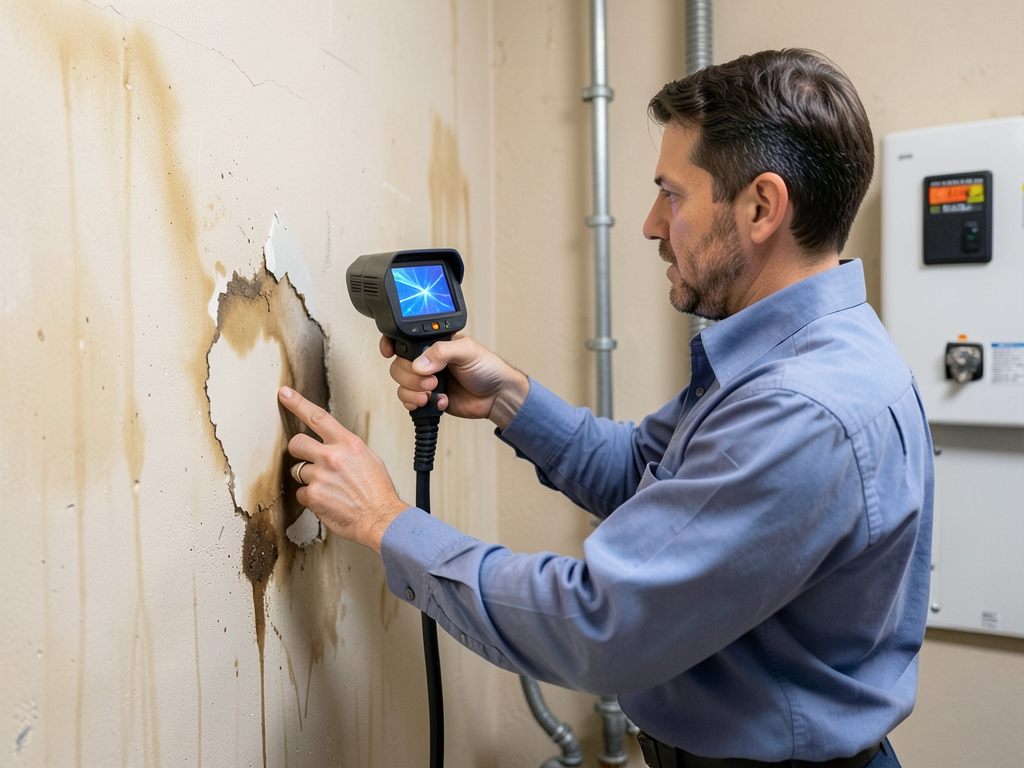
Is Your Tankless Water Heater Leaking in Mira Mesa Finding water pooling around your tankless water heater creates instant panic. The immediate concern becomes stopping the leak before it destroys your flooring, drywall, or cabinetry.…
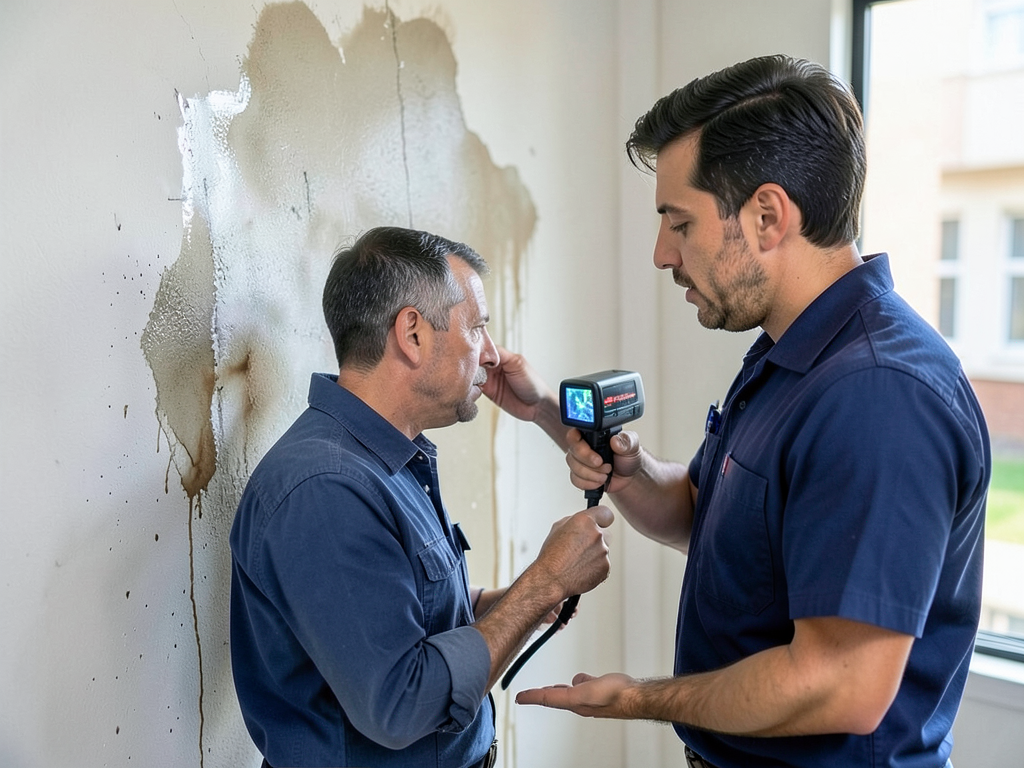
Who Pays for Water Damage When a Neighbor’s Leak Affects Your San Diego Condo Discovering…
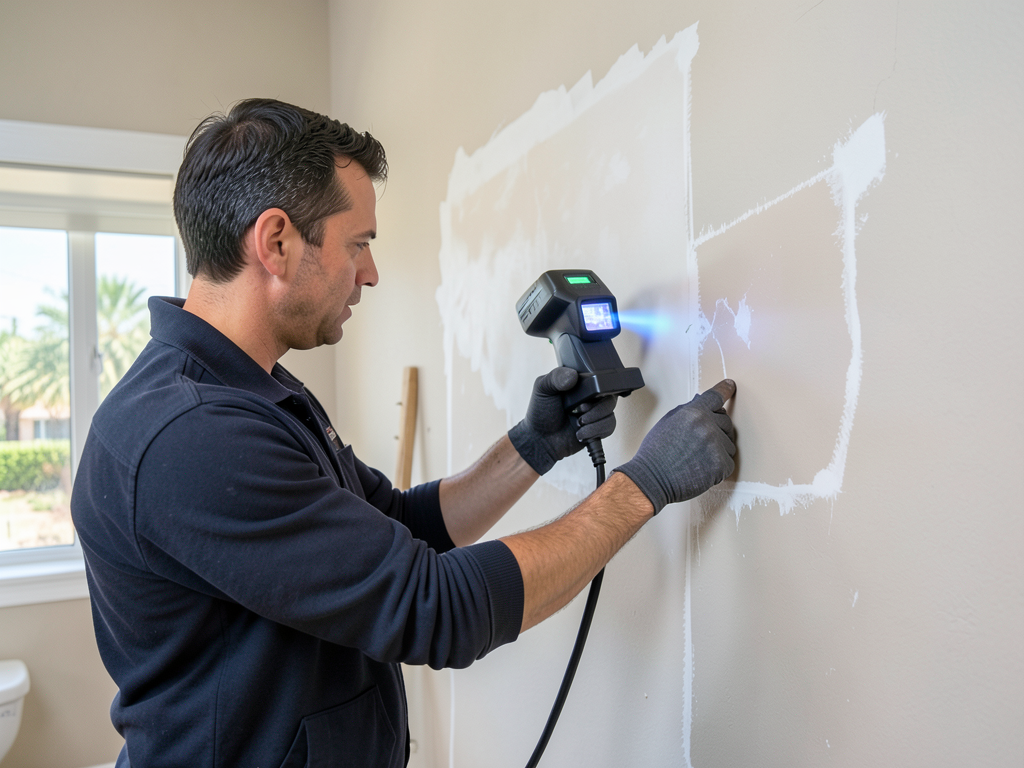
The Critical Steps Your Restoration Team Takes in the First Forty Eight Hours When water…
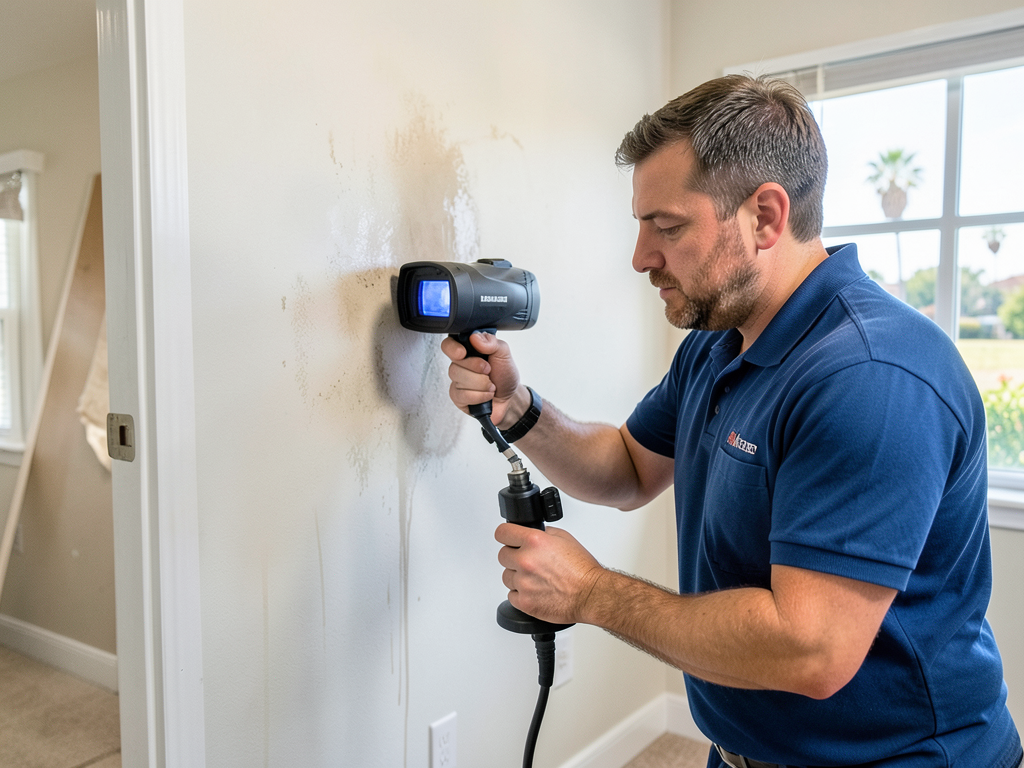
Should You Try In Place Drying or Choose a Full Rip Out After a San…
Every hour of delay increases damage and restoration costs. Keystone Water Damage Restoration San Diego dispatches immediately to El Cajon properties with extraction equipment ready to stop the damage. Call (858) 203-2555 now for emergency water removal and structural drying that protects your property and your investment.