menu

Burst Pipe Water Damage in San Diego – 24/7 Emergency Response to Stop Flooding Fast

When a pipe ruptures in your San Diego home or business, every minute counts. Keystone Water Damage Restoration San Diego delivers rapid water extraction, structural drying, and complete burst pipe flooding cleanup to prevent mold growth and protect your property value.

Slider Image 1
Slider Image 2
Slider Image 3
Slider Image 4
Slider Image 5
Slider Image 7
Slider Image 8
Slider Image 9
Slider Image 10
Slider Image 11

Why Burst Pipes Hit San Diego Properties Harder Than You Think

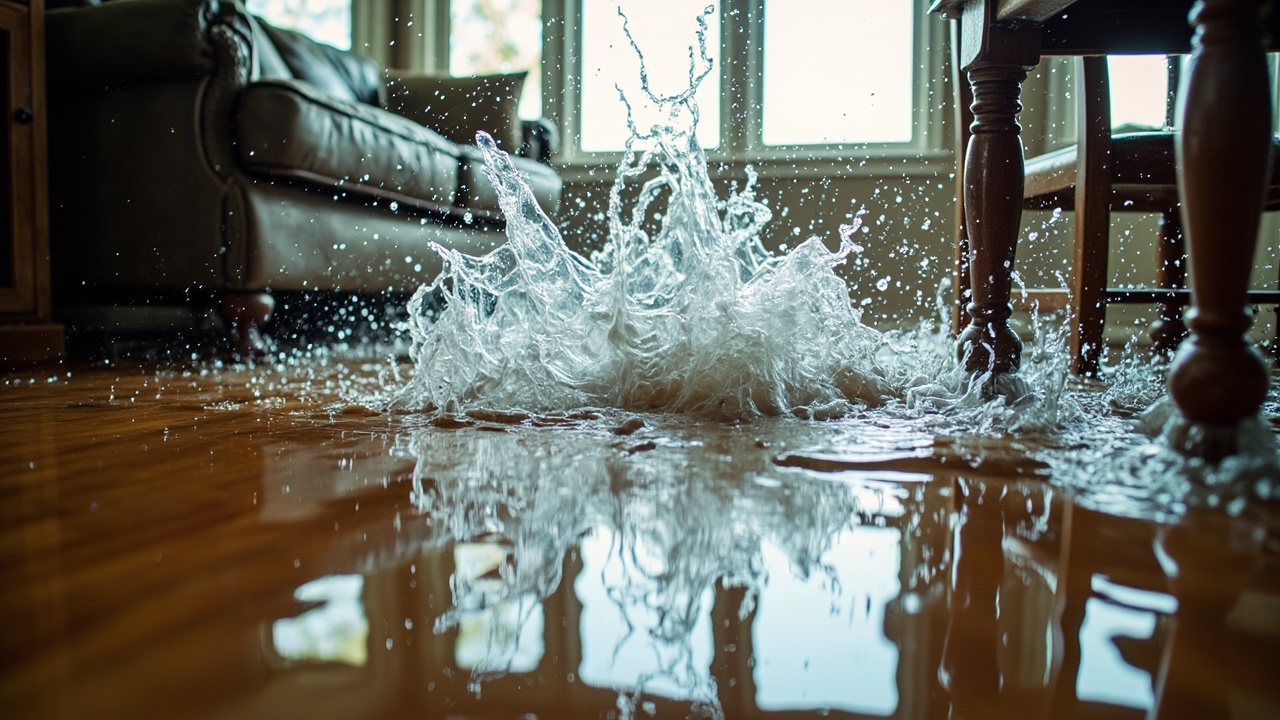
You hear the rush of water. You see the spreading pool. A burst pipe dumps 400 gallons per hour into your walls, floors, and belongings.

San Diego's aging plumbing infrastructure makes ruptured pipe water damage more common than most homeowners realize. Many properties in neighborhoods like North Park, University Heights, and Clairemont were built between 1950 and 1980 with galvanized steel or copper pipes that corrode over time. Add in the region's hard water deposits from the Colorado River Aqueduct system, and you have a perfect recipe for sudden pipe failure.

Broken pipe water damage escalates quickly in San Diego's coastal climate. The moisture penetrates drywall, insulation, and subflooring within hours. By day two, mold spores activate. By day three, you face structural damage that multiplies your restoration costs.

The temperature swings between cool marine layer mornings and hot inland afternoons cause pipe expansion and contraction. This thermal stress weakens joints and seams. When pressure builds from a clog or valve closure, the weakest point bursts. Water damage from burst pipe incidents peaks during winter months when overnight temperatures dip into the 40s and older pipes cannot handle the stress.

Most homeowners discover the damage too late. The pipe ruptures inside a wall cavity or under a slab foundation. You notice the wet carpet or ceiling stain only after hundreds of gallons have already escaped. That delay turns a manageable cleanup into a major restoration project.

The solution is immediate professional extraction and drying. Waiting even six hours allows water to wick vertically through walls and horizontally across floors. Your insurance adjuster will document the timeline. The faster you call, the lower your claim total.

Why Burst Pipes Hit San Diego Properties Harder Than You Think
How Professional Burst Pipe Water Cleanup Stops the Damage Cycle

How Professional Burst Pipe Water Cleanup Stops the Damage Cycle

Effective burst pipe flooding response requires more than shop vacuums and fans. Keystone Water Damage Restoration San Diego uses truck-mounted extraction units that pull 200 gallons per minute from carpet, pad, and subflooring. We remove standing water in the first 60 minutes, not the first six hours.

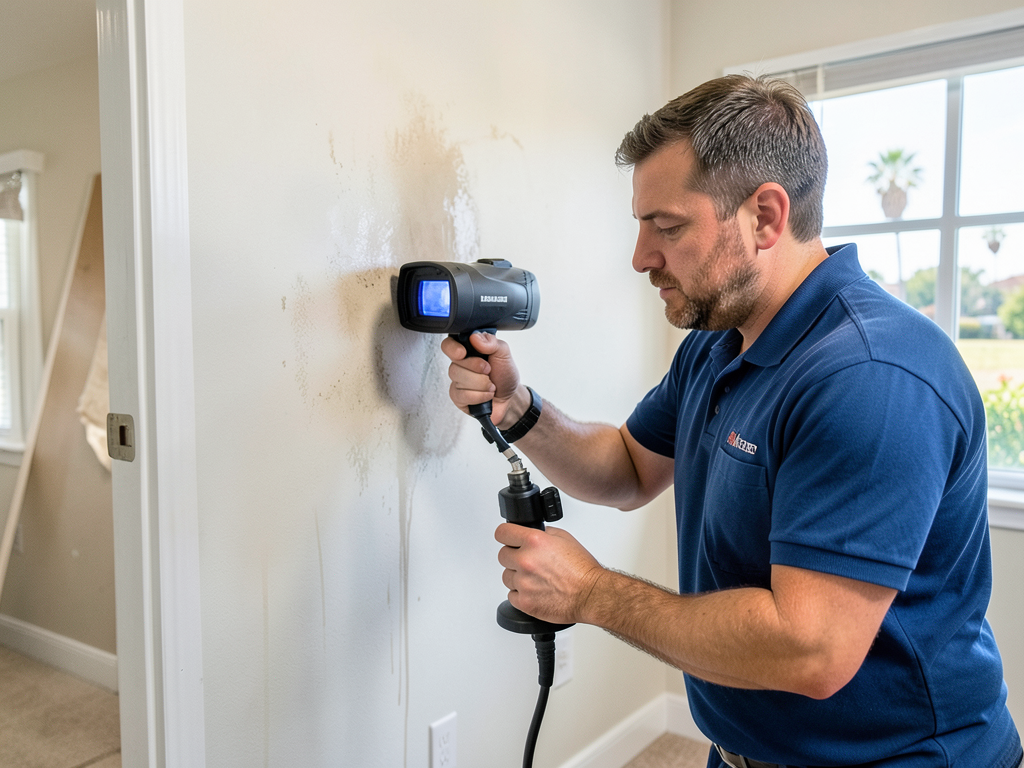
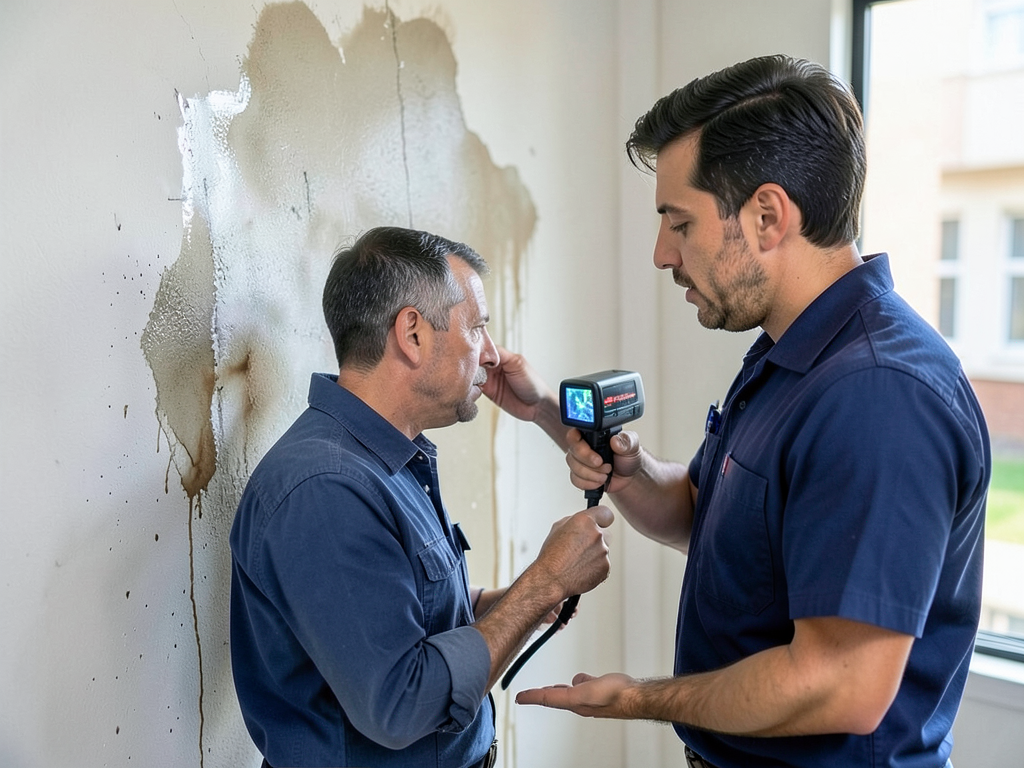
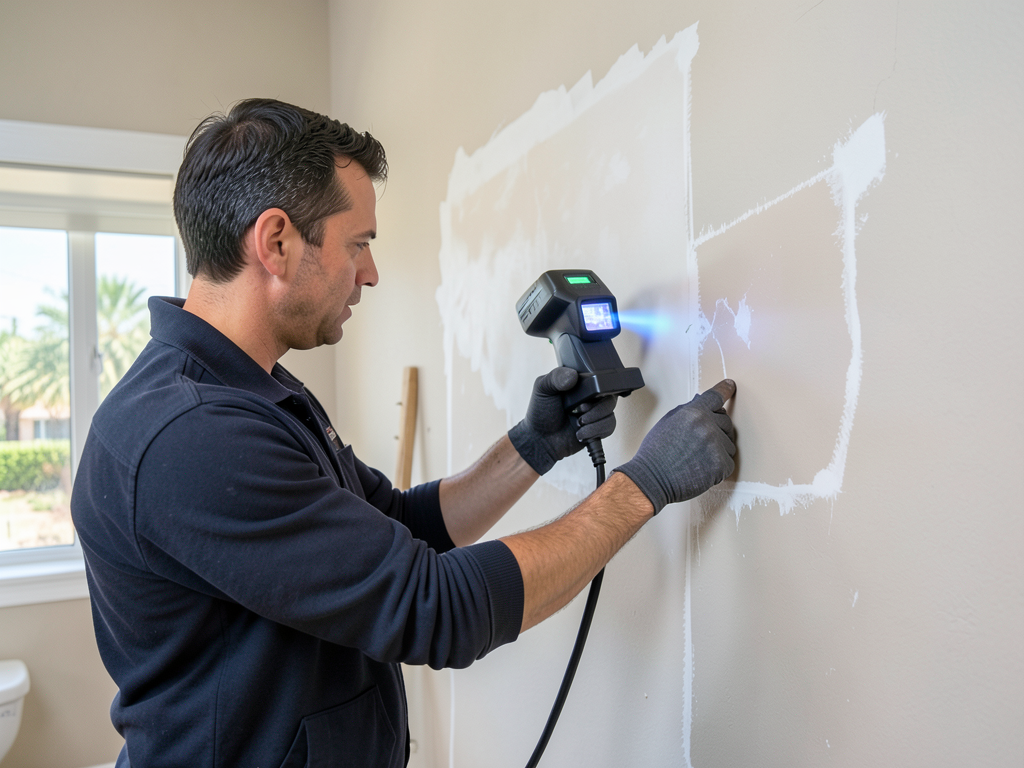
After extraction, we measure moisture content with calibrated penetrating probes and thermal imaging cameras. Drywall typically reads 8 to 12 percent moisture when dry. After ruptured pipe water damage, readings spike to 40 or 50 percent. We document every reading for your insurance claim and track drying progress daily.

Our commercial-grade dehumidifiers cycle 150 pints per day. We position air movers to create airflow across wet surfaces at 400 cubic feet per minute. This combination drops moisture levels to pre-loss conditions in three to five days for most residential broken pipe water damage scenarios.

We do not just dry the visible surfaces. Water migrates into wall cavities, under baseboards, and beneath tile. We drill weep holes in baseboards when necessary to ventilate trapped moisture. We pull back carpet edges to dry the tack strips and subfloor perimeter. We lift vinyl plank flooring if water has pooled underneath.

Temperature control matters during drying. We maintain ambient air between 70 and 80 degrees to optimize evaporation rates. Too cold, and drying stalls. Too hot, and you risk secondary damage to wood and laminate materials.

We monitor the drying environment twice daily with digital psychrometers that measure temperature, relative humidity, and grains per pound. When readings stabilize at normal levels for 24 consecutive hours, drying is complete. We provide a final moisture map that documents your property has returned to dry standard. That documentation protects you if mold appears later due to a hidden moisture pocket your previous vendor missed.

What Happens When You Call for Burst Pipe Emergency Service

Burst Pipe Water Damage in San Diego – 24/7 Emergency Response to Stop Flooding Fast
01

Immediate Water Shutoff

Our first action is stopping the water source. We guide you to your main shutoff valve over the phone while our team drives to your property. If the valve is corroded or inaccessible, we bring pipe clamps and shutoff tools. For slab leaks, we coordinate with a licensed plumber to isolate the damaged line. Stopping the flow prevents additional gallons from flooding your space and limits the restoration scope.
02

Water Extraction and Containment

We extract standing water with truck-mounted pumps and portable extractors. Technicians remove soaked materials that cannot be saved, including saturated drywall below the two-foot flood line, wet insulation, and delaminated subflooring. We contain the affected area with plastic sheeting to prevent cross-contamination into dry zones. All porous materials are evaluated using IICRC S500 water damage standards. Salvageable items move to our climate-controlled drying facility.
03

Structural Drying and Monitoring

We install drying equipment within two hours of arrival and begin 24-hour monitoring. Dehumidifiers and air movers run continuously. Technicians visit daily to rotate equipment, take moisture readings, and adjust airflow. Drying takes three to five days for standard broken pipe water damage. We provide daily logs and photos to your insurance adjuster. Once all materials reach dry standard, we remove equipment and deliver a completion certificate.

Why San Diego Property Owners Choose Keystone for Pipe Burst Restoration

You need a restoration company that understands San Diego building construction and insurance procedures. Keystone Water Damage Restoration San Diego has restored properties from La Jolla beach condos to Mira Mesa single-family homes. We know the difference between a 1960s post-and-beam house and a 1990s stucco tract home. That knowledge determines our drying strategy.

San Diego's microclimates complicate moisture management. Coastal properties battle 70 percent relative humidity from marine layer fog. Inland properties in Santee or El Cajon experience 20 percent humidity during Santa Ana wind events. We adjust dehumidifier capacity and air mover placement based on your location and current weather patterns.

We work directly with every major insurance carrier operating in San Diego County. Our estimators write detailed Xactimate estimates that include line items your adjuster expects to see. We photograph all damage with time-stamped images and provide moisture readings in the format your insurance company requires. This documentation accuracy speeds your claim approval and prevents disputes over covered repairs.

Our restoration crews are IICRC-certified in water damage restoration and applied structural drying. They follow ANSI/IICRC S500 standards for every project, whether it is a 500-square-foot condo or a 5,000-square-foot custom home. Certification means they understand psychrometry, the science of drying. They do not guess when to remove equipment. They measure.

We also coordinate the entire repair process after drying finishes. Our licensed contractors handle drywall replacement, texture matching, cabinet reinstallation, and flooring repairs. You deal with one project manager from emergency call to final walkthrough. No juggling multiple vendors or wondering who handles what.

Local expertise matters when burst pipe water damage strikes at 2 a.m. We know which San Diego neighborhoods have older plumbing prone to failure. We know which insurance adjusters demand extra documentation. We know how to navigate HOA approval processes in master-planned communities. That local knowledge turns a potential disaster into a managed restoration with minimal disruption to your life.

What to Expect During Your Burst Pipe Water Damage Restoration

Emergency Response Time

We answer emergency calls 24 hours a day, seven days a week. A live person picks up, not an answering service. We dispatch a crew to your San Diego property within 60 to 90 minutes of your call. Our technicians arrive with extraction equipment, moisture meters, and containment materials already loaded. For water damage from burst pipe emergencies, speed determines the difference between drying your existing materials and replacing them. We commit to same-day equipment placement for every call received before 8 p.m. After-hours calls receive next-morning service with interim guidance to minimize damage overnight.

Damage Assessment and Documentation

Our project manager walks your property within the first two hours. We document affected areas with photos, floor plans, and moisture readings. You receive a detailed scope of work that identifies wet materials, drying strategy, and estimated timeline. We categorize water damage using IICRC standards. Category 1 is clean water from a supply line. Category 2 is gray water with mild contamination. Category 3 is black water requiring complete removal of affected materials. Most ruptured pipe water damage qualifies as Category 1, which simplifies the restoration process and limits demolition. We email the assessment report to you and your insurance adjuster the same day.

Complete Structural Restoration

After drying completes, our reconstruction team rebuilds damaged areas to pre-loss condition. We match existing textures, paint colors, and flooring. Cabinets are reinstalled. Trim is replaced. You will not see a visible line between old and new construction. Our carpenters understand San Diego's common home styles, from mid-century ranch houses to contemporary coastal builds. We use the same materials your home was built with, not budget substitutes. The goal is seamless integration. Your insurance adjuster inspects and approves the work before we consider the project complete. We do not ask for final payment until you confirm satisfaction.

Post-Restoration Monitoring

We provide a final moisture report showing all materials have returned to dry standard. This report includes before-and-after readings and a certification that drying met IICRC standards. You keep this document for your records. If you notice any musty odors or new stains in the six months after restoration, we return to investigate at no charge. Most issues trace back to a secondary leak or unrelated moisture source, but we verify the original restoration work performed as intended. This follow-up commitment protects your investment and confirms the broken pipe water damage repair was done right the first time.

Frequently Asked Questions

You Have Questions,
We Have Answers

Will insurance cover water damage from burst pipe? +

Most homeowners insurance policies cover sudden and accidental water damage from burst pipes. Coverage includes structural repairs, damaged belongings, and emergency mitigation services. However, insurers may deny claims if neglect caused the burst, like failing to heat your home during cold snaps or ignoring visible leaks. San Diego experiences rare but damaging freeze events, especially in inland areas like Ramona and Alpine. Document everything immediately with photos and videos. Contact your insurer within 24 hours and start mitigation to prevent mold. Review your policy for coverage limits on personal property and temporary housing expenses.

How many hours below freezing to freeze pipes? +

Pipes can freeze when temperatures drop below 32 degrees Fahrenheit for at least 6 consecutive hours. The risk increases dramatically after 12 hours of exposure. San Diego rarely sees prolonged freezing, but inland valleys and elevated neighborhoods in Poway or Scripps Ranch face higher risk during winter cold fronts. Pipes in unheated crawl spaces, attics, or exterior walls freeze faster. Copper pipes conduct cold quickly, while PVC becomes brittle. Wind chill accelerates freezing. Even brief freezes can damage pipes if water inside expands. Prevention beats repair every time in our moderate climate.

What to do immediately after a pipe bursts? +

Shut off your main water supply immediately to stop flooding. Locate the valve near your water meter or where the main line enters your home. Turn off electricity to affected areas if water reaches outlets or appliances. Move furniture and valuables to dry areas. Contact a water damage restoration company within the first hour. Document all damage with photos and videos for insurance. Open cabinet doors under sinks to release trapped water. Do not use a wet vacuum on standing water near electrical sources. Time matters. Mold begins growing within 24 to 48 hours in San Diego's mild humidity.

Who is responsible for burst water pipes? +

Homeowners own pipes inside their property line and within walls, floors, and ceilings. You pay for repairs and resulting water damage. The city of San Diego owns the main water line from the street to your meter. If the main line bursts, the city handles repairs. Landlords must fix burst pipes in rental properties and cover structural damage. Tenants may be liable if negligence caused the burst, like leaving windows open during freezes or failing to report leaks. In condos and HOAs, responsibility splits between unit owners and the association. Review your CC&Rs for clarity on plumbing responsibility.

What is the average insurance payout for water damage? +

The average insurance payout for water damage ranges from $2,000 to $10,000, but severe burst pipe incidents can exceed $25,000. Payout depends on damage extent, coverage limits, and your deductible. San Diego homes with older plumbing or slab foundations often face higher costs due to access challenges. Insurers calculate actual cash value or replacement cost. Mitigation costs, structural repairs, mold remediation, and personal property replacement factor into the total. File your claim fast and keep detailed records. Delays in mitigation reduce payouts. Work with licensed contractors who understand insurance documentation requirements for maximum reimbursement.

Why would insurance deny a water damage claim? +

Insurers deny water damage claims for neglect, lack of maintenance, or gradual leaks. If you knew about a slow leak and ignored it, expect denial. Claims filed after policy lapse or during coverage gaps get rejected. Flood damage from external sources requires separate flood insurance. Insurers also deny claims for cosmetic damage, pre-existing conditions, or intentional acts. In San Diego, failing to winterize vacation homes in mountain areas like Julian can trigger denial. Poor documentation weakens your case. Always report damage within 24 hours, provide photos, and start emergency mitigation. Read your policy exclusions carefully before filing.

At what temperature should I drip my faucets? +

Drip faucets when temperatures drop to 28 degrees Fahrenheit or below for extended periods. San Diego rarely hits this threshold, but inland areas like Escondido and Santee face occasional risk. Let both hot and cold taps drip at a pencil-lead thickness. Focus on faucets along exterior walls or in unheated spaces. Moving water resists freezing better than stagnant water in pipes. Open cabinet doors under sinks to allow warm air circulation. Dripping faucets waste minimal water compared to burst pipe repair costs. Monitor weather forecasts during winter cold snaps and take action before temperatures plummet overnight.

What are signs of pipe damage after freezing? +

Watch for reduced water pressure, discolored water, or strange noises when turning on taps. Visible bulges or frost on exposed pipes signal freezing damage. Wet spots on walls, ceilings, or floors indicate hidden leaks. Musty odors suggest trapped moisture and potential mold growth. Pipes may crack without bursting immediately, then fail days later when ice thaws. Check crawl spaces, attics, and exterior hose bibs after cold weather. San Diego homes with older galvanized or polybutylene pipes show higher failure rates post-freeze. If you suspect damage, call a plumber for pressure testing before a small crack becomes catastrophic flooding.

What type of pipes burst most easily? +

Copper pipes burst most easily due to rapid thermal conductivity and rigidity under pressure. PVC and CPVC pipes become brittle in freezing temperatures and crack. Galvanized steel pipes corrode internally, weakening structural integrity over time. Polybutylene pipes, common in San Diego homes built between 1978 and 1995, fail frequently and insurers scrutinize claims. PEX piping resists freezing better due to flexibility. Pipes in exterior walls, crawl spaces, and uninsulated attics face the highest risk. Older homes in neighborhoods like North Park or Normal Heights often have mixed plumbing systems, increasing vulnerability during temperature swings.

How much does it usually cost to fix a burst pipe? +

Repairing a burst pipe costs between $500 and $2,000 depending on location, accessibility, and pipe material. Simple exposed pipe fixes run lower. Pipes inside walls, under slabs, or in ceilings cost more due to demolition and reconstruction. Water damage restoration adds $1,000 to $10,000 depending on saturation extent. San Diego's labor rates and permit requirements affect total costs. Older homes require more invasive repairs. Emergency calls outside business hours carry premium pricing. Get multiple estimates from licensed plumbers. Factor in drywall repair, flooring replacement, and mold prevention. Prevention through insulation and maintenance costs far less than emergency repairs.

How San Diego's Hard Water and Aging Pipes Increase Burst Pipe Risk

San Diego receives most of its water from the Colorado River and Northern California via the State Water Project. Both sources deliver hard water with 200 to 300 parts per million of dissolved minerals. These minerals accumulate inside pipes as calcium carbonate scale. Over 20 to 30 years, scale buildup narrows pipe diameter and creates pressure points. Homes built before 1990 often have original galvanized or copper supply lines weakened by decades of mineral deposits. When a pressure surge hits, these weakened sections rupture. The result is burst pipe flooding that spreads through walls and ceilings before you notice. Understanding this regional water chemistry helps explain why broken pipe water damage is more common in older San Diego neighborhoods like City Heights, Normal Heights, and Allied Gardens.

Keystone Water Damage Restoration San Diego has worked with hundreds of local homeowners facing ruptured pipe water damage. We understand San Diego's building codes, including Title 24 requirements for moisture barriers and ventilation. Our relationships with local plumbers, contractors, and insurance adjusters streamline the restoration process. When you hire a restoration company unfamiliar with San Diego construction methods, they miss details like post-tensioned slab foundations common in 1970s builds or the stucco moisture barriers required by coastal building codes. We know these details. That local knowledge prevents mistakes that lead to mold growth or failed inspections. Choosing a local water damage specialist means choosing someone who knows your home's construction inside and out.
Water Damage Restoration Services in The San Diego Area

We are proud to serve the entire San Diego area and invite you to view our service region on the map below. While our emergency response team is mobile and always ready to dispatch to your location rapidly, our central operations base allows us to coordinate efficient service across all of San Diego County. Contact us today for immediate assistance, no matter where your property is located within our service area.

Address:
Keystone Water Damage Restoration San Diego, 4445 Eastgate Dr, San Diego, CA, 92121

Additional Services We Offer

Our news updates

Latest Articles & News from The Blogs

Protecting Your Ground Floor Storage Unit from Water Intrusion in Little Italy Ground floor storage units in Little Italy face…

Protecting Your Ground Floor Storage Unit from Water Intrusion in Little Italy

Protecting Your Ground Floor Storage Unit from Water Intrusion in Little Italy Ground floor storage units in Little Italy face…

Why the Wallpaper is Bubbling in Your Bankers Hill Guest Room

Why the Wallpaper is Bubbling in Your Bankers Hill Guest Room If you’re seeing bubbles form under your wallpaper in…

The Difference Between a Roof Leak and Attic Condensation in Your Otay Mesa Home

The Difference Between a Roof Leak and Attic Condensation in Your Otay Mesa Home Water stains on your ceiling or…

Contact Us

Water spreads fast. Mold grows faster. Call Keystone Water Damage Restoration San Diego at (858) 203-2555 right now for immediate dispatch. Our crews are standing by 24/7 to stop the damage and start the drying process.