menu

Water Heater Burst Cleanup in San Diego – 60-Minute Emergency Response Gets Crews Onsite Fast

When your water heater ruptures, every minute counts. Our emergency water heater water removal teams dispatch immediately across San Diego County to stop flooding, extract standing water, and prevent structural damage before it spreads.

Slider Image 1
Slider Image 2
Slider Image 3
Slider Image 4
Slider Image 5
Slider Image 7
Slider Image 8
Slider Image 9
Slider Image 10
Slider Image 11

A Ruptured Water Heater Can Dump 50 Gallons in Minutes

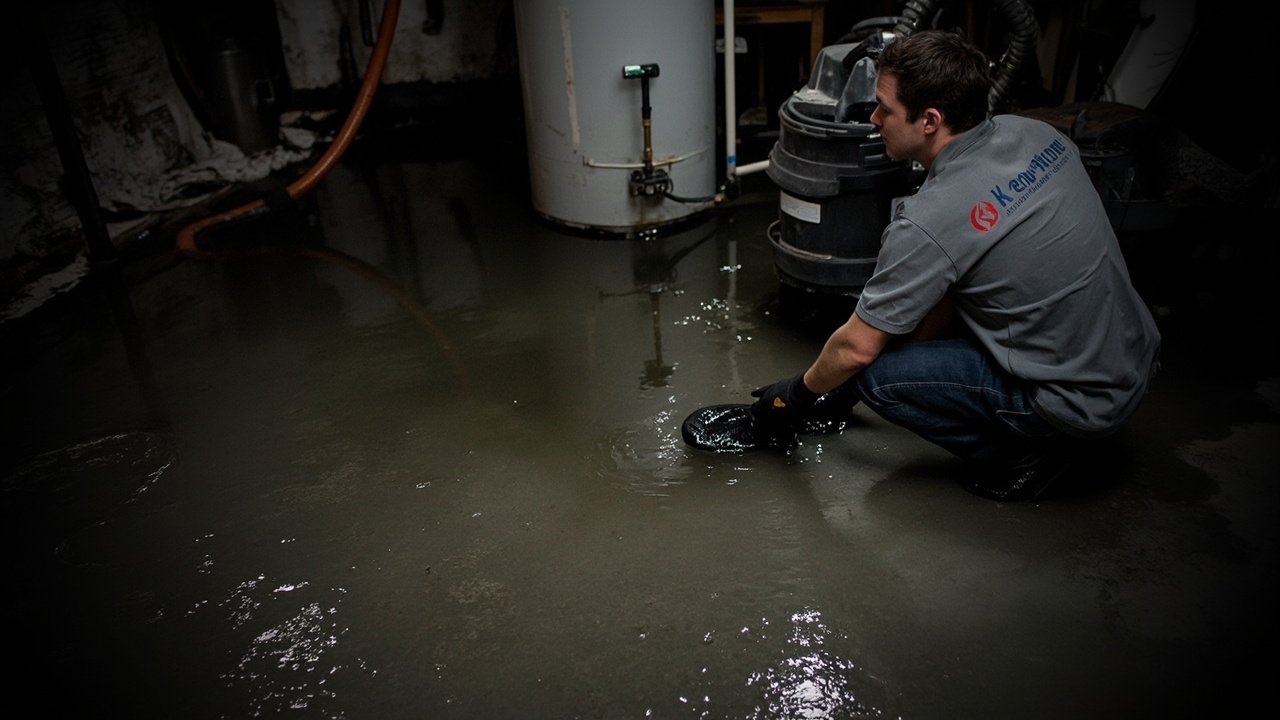
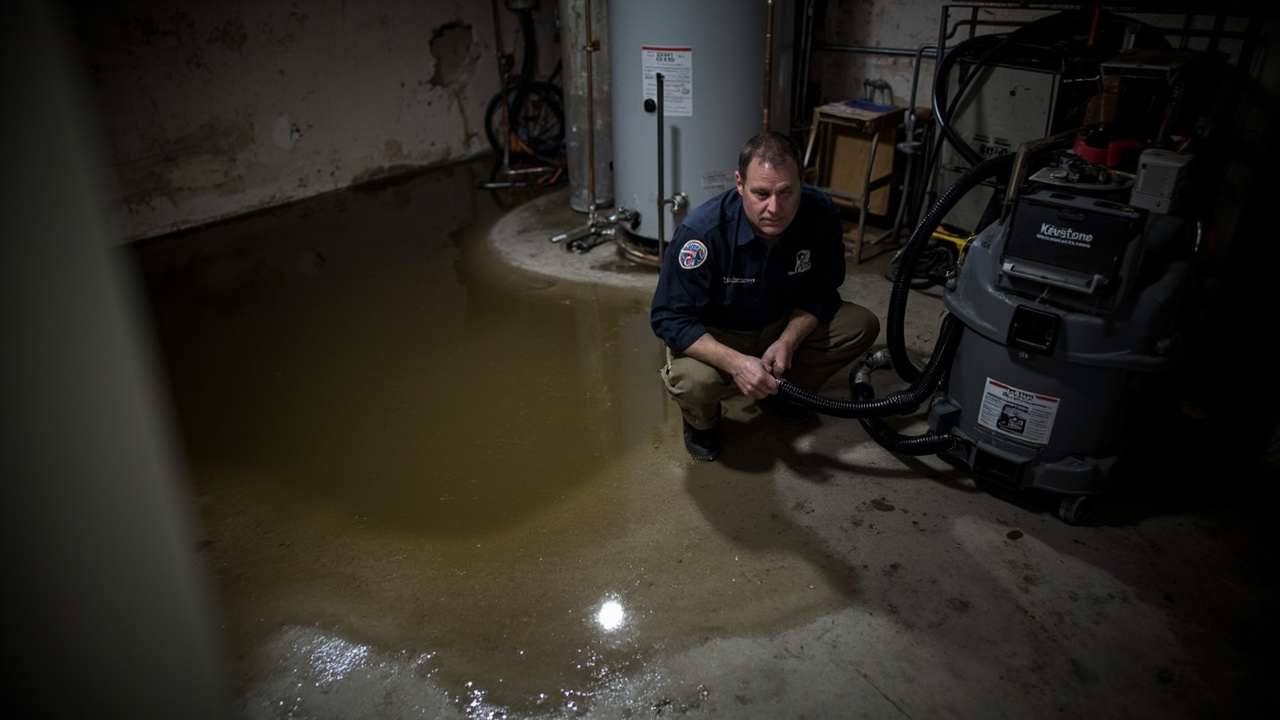
A burst hot water tank does not give you a warning. The tank fails. Water rushes across your floor. Within minutes, 40 to 80 gallons flood your laundry room, garage, or basement. In San Diego homes, many water heaters sit in attached garages or interior closets near bedrooms. That means water migrates fast into drywall, subfloors, and adjacent rooms.

San Diego's mild climate keeps water heaters running year-round without the freeze-thaw cycles that stress tanks in colder regions. Instead, hard water mineral buildup and sediment accumulation weaken tank integrity over time. When the steel corrodes through, the failure is sudden and total. You get home to find an inch of water spreading under appliances, soaking into baseboards, and seeping into wall cavities.

Water heater flood damage restoration is time-sensitive. Water does not wait. It migrates through grout lines, under cabinets, and into wall studs. Within 24 hours, porous materials start absorbing moisture. Within 48 hours, microbial growth begins. The longer water sits, the more demolition you face and the higher your restoration bill climbs.

Ruptured water heater cleanup services require industrial extraction equipment, moisture mapping technology, and structural drying protocols. This is not a job for a wet-dry vacuum and a box fan. You need professionals who can pull water from subfloors, measure moisture saturation in framing, and set up commercial dehumidifiers that actually dry the structure, not just the surface.

If your water heater just failed, stop the water supply at the shut-off valve. Move valuables out of the affected area. Then call for burst water heater extraction immediately.

A Ruptured Water Heater Can Dump 50 Gallons in Minutes
How We Extract Water and Dry Your Home Correctly

How We Extract Water and Dry Your Home Correctly

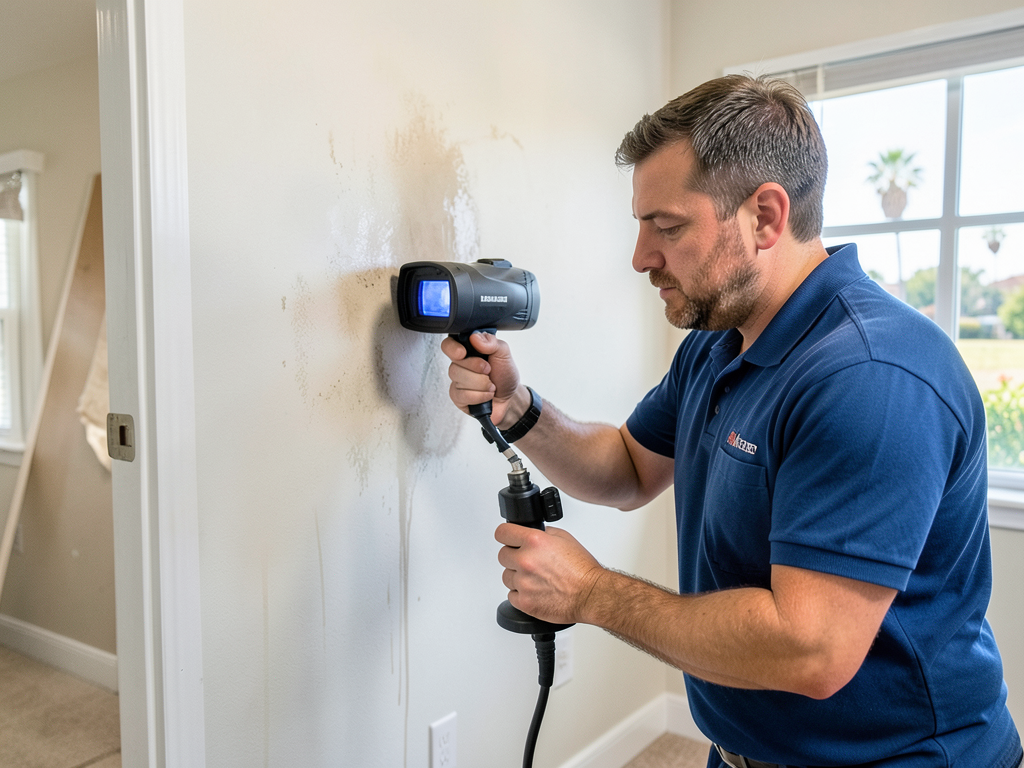
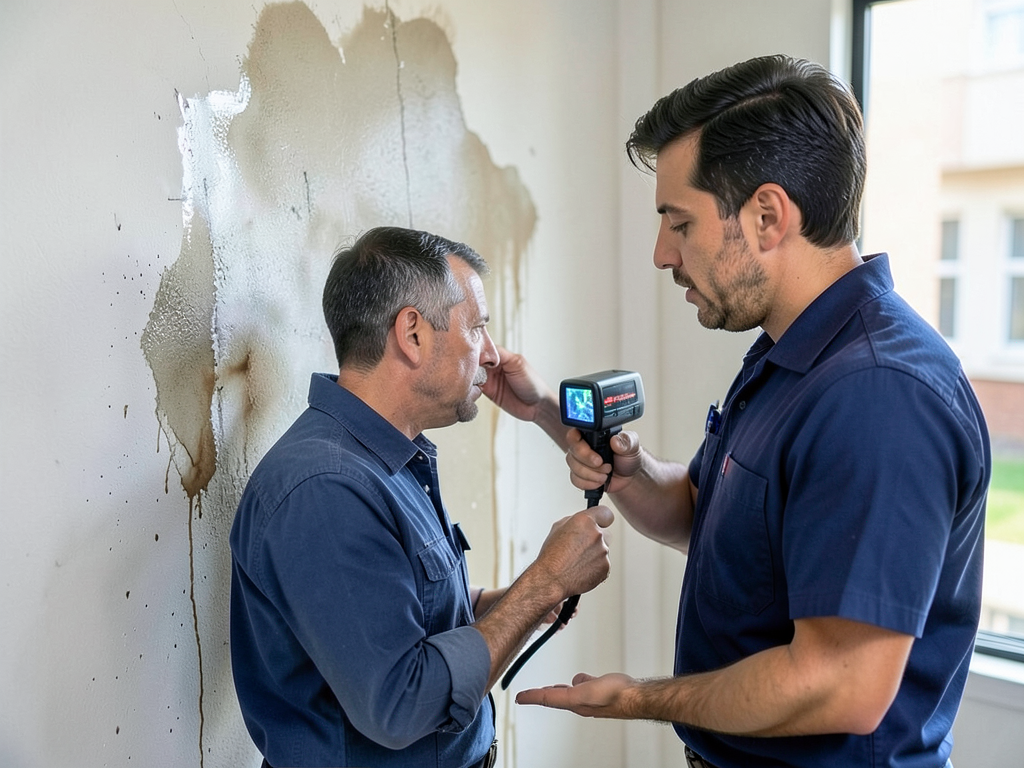
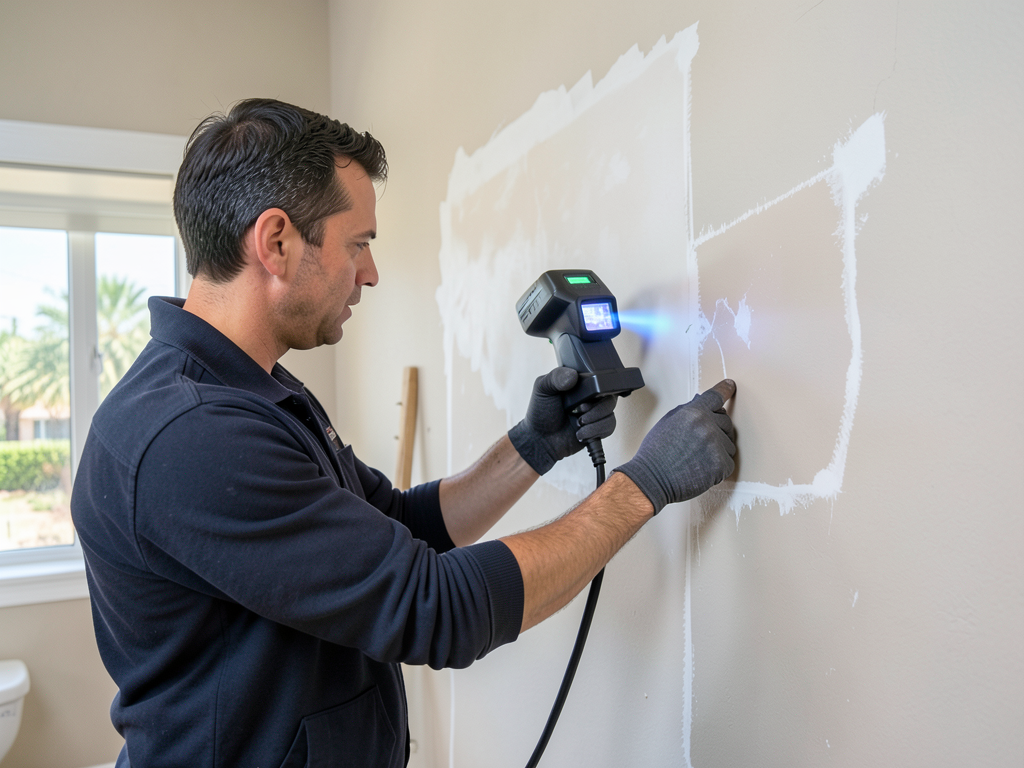
Emergency water heater water removal starts with stopping the source. Our technicians confirm the water supply is shut off and assess the total affected area. We use thermal imaging cameras to identify hidden moisture in walls, under flooring, and inside cabinets. Water does not stay where you see it. It wicks into porous materials and travels along studs and joists.

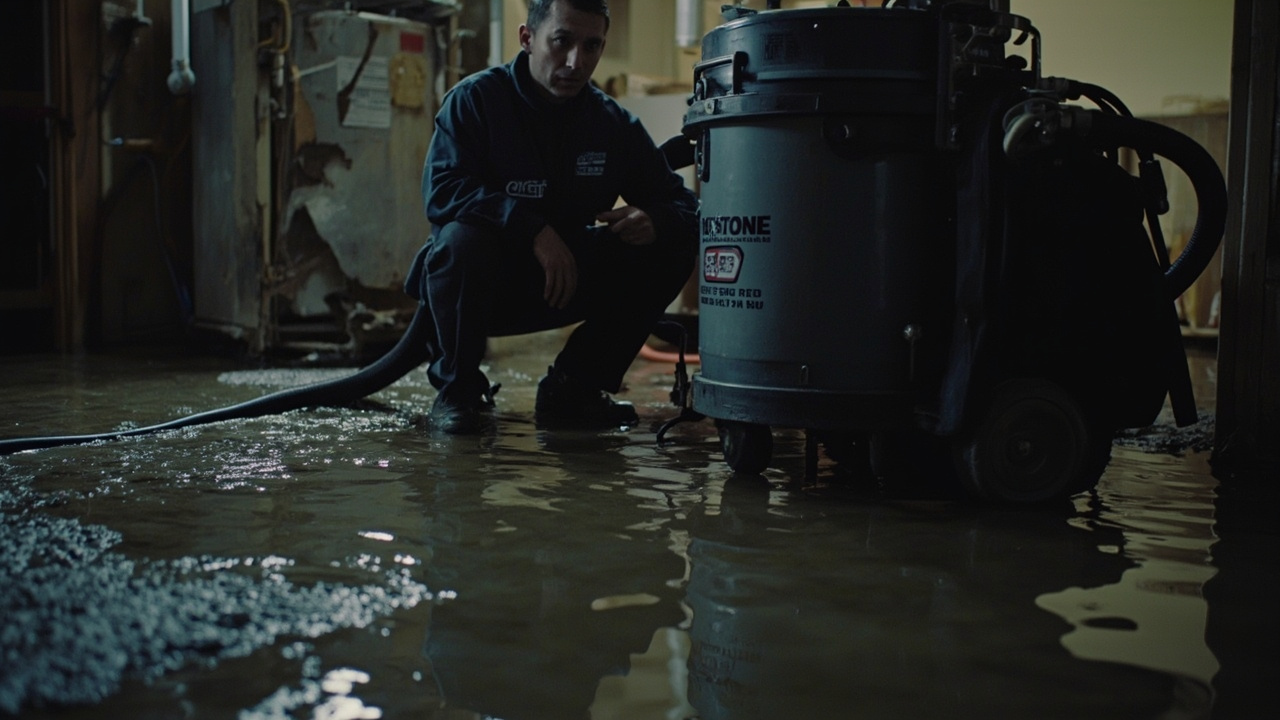
We deploy truck-mounted extractors that pull standing water from carpets, tile, and concrete. These systems generate enough vacuum force to extract water trapped in carpet padding and subfloor layers. Portable extractors handle tight spaces like closets and hallways. We remove soaked materials that cannot be saved, like saturated drywall and delaminated baseboards, to prevent mold colonization.

After extraction, we set up an engineered drying system. This includes low-grain refrigerant dehumidifiers that remove moisture from the air and high-velocity air movers that create airflow across wet surfaces. We position equipment based on psychrometric calculations, not guesswork. Our goal is to lower relative humidity below 60 percent and achieve equilibrium moisture content in all structural materials.

We monitor drying progress with moisture meters and thermo-hygrometers. Readings get logged daily. Drying is not complete when surfaces feel dry. Drying is complete when moisture levels in framing lumber, subfloors, and drywall return to normal ranges for San Diego's climate. That typically takes three to five days depending on the extent of saturation.

We document everything for your insurance claim. That includes photos, moisture readings, equipment logs, and a detailed scope of work. Most homeowner policies cover sudden water heater failures under the dwelling coverage section, but you need proper documentation to get the claim approved without delays.

What Happens When You Call for Emergency Water Heater Cleanup

Water Heater Burst Cleanup in San Diego – 60-Minute Emergency Response Gets Crews Onsite Fast
01

Immediate Dispatch and Assessment

You call our emergency line. We dispatch a crew within 60 minutes. Our technicians arrive with extraction equipment, moisture detection tools, and containment materials. We assess the damage scope, identify safety hazards like electrical risks, and begin water extraction immediately. You get a verbal overview of what needs to happen and an estimated timeline before we start work.
02

Water Extraction and Containment

We extract all standing water using truck-mounted and portable extraction units. We remove soaked materials that cannot be salvaged and set containment barriers to prevent cross-contamination into unaffected areas. We pull baseboards, drill weep holes in walls if needed, and document moisture levels in all structural components. This phase typically takes four to six hours depending on the volume of water and the number of affected rooms.
03

Structural Drying and Monitoring

We deploy dehumidifiers and air movers to dry the structure. Our technicians return daily to take moisture readings, adjust equipment placement, and monitor drying progress. Once all materials reach target moisture levels, we remove equipment and provide you with a completion certificate and final documentation for your insurance claim. Your home is dry, safe, and ready for any necessary reconstruction.

Why San Diego Homeowners Trust Keystone Water Damage Restoration for Water Heater Failures

Water heater bursts happen at the worst times. You need a crew that responds fast and does the job right the first time. Keystone Water Damage Restoration San Diego operates 24 hours a day, seven days a week. We do not make you wait until Monday morning. We do not tell you to call back during business hours. When your water heater ruptures at 2 a.m., we answer the phone and dispatch a crew.

We know San Diego construction. Many homes in neighborhoods like North Park, Normal Heights, and City Heights were built in the 1920s through 1950s with original plumbing systems. Water heaters in these homes often sit in tight closets or cramped garages. We have the compact extraction equipment and the experience to work in confined spaces without tearing apart your home unnecessarily.

San Diego County building codes require specific standards for water damage mitigation and mold prevention. We follow IICRC S500 standards for water damage restoration and IICRC S520 standards for mold remediation. Our technicians hold active certifications in applied structural drying and water damage restoration. We use calibrated meters, document drying progress, and provide the level of detail insurance adjusters expect.

We work directly with your insurance company. Most homeowners do not file water damage claims regularly. You should not have to figure out coverage limits, deductible structures, and documentation requirements on your own. We handle that. We provide detailed estimates, submit documentation, and communicate directly with adjusters to keep your claim moving.

You get transparency. We explain what we are doing, why we are doing it, and what it costs. No surprises. No upselling. Just professional water heater flood damage restoration that gets your home dry and safe.

What to Expect During the Water Heater Cleanup Process

Response Time and Availability

We dispatch crews 24 hours a day, 365 days a year. When you call our emergency line, you speak to a live person, not a voicemail system. We aim for 60-minute response times across San Diego County, including areas like La Jolla, Clairemont, and Chula Vista. Our trucks carry extraction equipment, dehumidifiers, air movers, and moisture detection tools so we can start work immediately. You do not wait days for equipment delivery. We bring everything needed to start water removal the moment we arrive.

Damage Assessment and Moisture Mapping

Our technicians use thermal imaging cameras and penetrating moisture meters to map water intrusion. We test moisture levels in drywall, subfloors, framing, and insulation. We identify hidden moisture pockets that are not visible to the naked eye. You get a written assessment that details affected materials, moisture saturation levels, and the scope of work required. This documentation serves as the foundation for your insurance claim and ensures nothing gets missed during the drying process.

Drying Results and Completion Standards

We do not remove equipment until all materials reach safe moisture levels. Drying typically takes three to five days depending on saturation depth and environmental conditions. We use low-grain dehumidifiers that remove moisture efficiently without over-drying or damaging materials. You receive daily progress updates and final moisture readings that confirm your home is dry. We provide a completion certificate that documents all readings and confirms the structure meets industry standards for safe moisture levels.

Insurance Coordination and Documentation

We photograph all damage, log moisture readings, and document every phase of the restoration process. Most homeowner policies cover sudden water heater failures, but claims require detailed documentation. We provide itemized estimates, material lists, and labor breakdowns that insurance adjusters expect. We communicate directly with your carrier, answer their questions, and provide any supplemental documentation they request. Our goal is to eliminate the administrative burden from you so you can focus on getting your home back to normal.

Frequently Asked Questions

You Have Questions,
We Have Answers

What do you do when your water heater bursts? +

Shut off the water supply at the main valve immediately. Turn off the power source, either the circuit breaker for electric heaters or the gas valve for gas units. Do not enter standing water if electrical lines are exposed. Move valuables to dry areas and start extracting water if safe. Contact a 24/7 water damage restoration team fast. In San Diego, even minor flooding can cause mold growth within 24 hours due to our mild, humid climate. Document the damage with photos for your insurance claim. Professional extraction, drying, and cleanup prevent structural damage and mold in your walls and flooring.

What to do if your hot water heater blows? +

Treat this like a burst. Turn off the water supply valve leading to the heater. Shut off the power or gas to prevent electrical hazards or gas leaks. If water is actively flooding your home, call emergency water damage cleanup immediately. Do not attempt repairs yourself if water is spreading. In San Diego homes, especially older properties in neighborhoods like North Park or Golden Hill, water can seep into original wood flooring and drywall quickly. Get professional water extraction within hours to minimize damage. Your insurance may cover the cleanup, so document everything before touching anything.

Can I do laundry with a broken water heater? +

Yes, but only if your water heater burst did not flood the laundry area. Check for standing water near outlets or the washing machine. If the area is dry and electrical systems are safe, you can use cold water to wash clothes. Most detergents work in cold water. However, if the burst caused flooding near your laundry room or water seeped into walls, wait until a restoration team clears the space. In San Diego, moisture trapped in walls can lead to mold within 24 to 48 hours, especially in older homes with poor ventilation.

How much does it cost to have a water heater flushed? +

This question asks about maintenance, not emergency cleanup. If your water heater burst, flushing is not the issue. You need immediate water extraction and damage restoration. However, if you are asking about preventive flushing to avoid future bursts, plumbers in San Diego typically charge a service fee for this routine maintenance. Regular flushing removes sediment buildup, which is common in areas with hard water. For emergency cleanup after a burst, focus on stopping water damage first. Contact a restoration company that works directly with your insurance to minimize out-of-pocket expense.

Is it common for water heaters to burst? +

Water heaters do not burst often, but failures happen due to age, corrosion, pressure buildup, or poor maintenance. Tanks older than 10 years are at higher risk. In San Diego, hard water accelerates sediment buildup, which causes internal corrosion and weak spots in the tank. Coastal humidity can also rust external components faster. If your temperature and pressure relief valve fails or sediment blocks the drain valve, pressure builds until the tank ruptures. Regular inspections and flushing reduce this risk. If your heater does burst, treat it as an emergency and call for immediate water damage restoration.

Can I shower if the water heater is broken? +

Only if the broken water heater still allows cold water flow and the damage did not affect your plumbing or electrical systems. If the heater burst and flooded your bathroom or utility area, do not shower until a professional inspects for electrical hazards and water damage. In San Diego homes, especially those in older areas like Mission Hills or Kensington, water can travel through walls and ceilings quickly. If you see discoloration, sagging drywall, or smell mustiness, stay out and call for emergency water damage cleanup. Your safety comes first.

What could cause a water heater to explode? +

Explosions happen when pressure inside the tank exceeds safe limits. The temperature and pressure relief valve is designed to release excess pressure, but if it fails or becomes blocked by sediment, pressure builds. Thermostat malfunctions can superheat water, creating steam pressure. Sediment buildup, common in San Diego due to hard water, insulates the bottom of the tank and causes overheating. Gas leaks near a gas water heater can also cause combustion. Corrosion weakens the tank structure. Regular maintenance and valve inspections prevent most catastrophic failures. If you smell gas or hear hissing, evacuate and call 911.

Is a broken hot water heater an emergency? +

Yes. A broken hot water heater can flood your home with gallons of water per minute, causing structural damage, electrical hazards, and rapid mold growth. In San Diego, where humidity supports mold colonization within 24 hours, fast action is critical. Shut off the water and power immediately, then call a 24/7 water damage restoration service. Standing water damages flooring, drywall, insulation, and belongings. Delays lead to expensive repairs and potential health risks. Your homeowners insurance typically covers sudden water heater failures, so document everything and get professional cleanup started within hours to protect your home and claim.

How long can a water heater leak before it bursts? +

There is no predictable timeline. A small leak can persist for weeks or months before a tank fails completely, or it can burst within hours. Corrosion, sediment buildup, and water pressure determine how fast a leak worsens. If you notice pooling water, rust stains, or dripping near your water heater, treat it as urgent. In San Diego, even minor leaks can promote mold in confined utility closets or garages. Do not wait for a full rupture. Call a plumber to assess the tank and a restoration company if water has already spread. Early action prevents catastrophic flooding and expensive repairs.

Does homeowners insurance cover a broken hot water heater? +

Usually, yes. Homeowners insurance typically covers sudden and accidental water damage from a burst water heater, including cleanup, repairs, and damaged belongings. However, coverage depends on your policy and the cause. Gradual leaks due to poor maintenance may not be covered. In San Diego, document the damage immediately with photos and videos. Contact your insurance company and a certified water damage restoration team that can work directly with your adjuster. Professional documentation helps maximize your claim. Review your policy for exclusions and deductibles, and act fast to prevent secondary damage like mold, which some policies exclude.

Why San Diego's Hard Water Accelerates Water Heater Corrosion and Failure Rates

San Diego receives water from the Colorado River and Northern California through the Metropolitan Water District system. This imported water carries high mineral content, particularly calcium and magnesium. Hard water accelerates sediment buildup inside water heater tanks. Over time, sediment layers insulate the tank bottom from the burner, causing localized overheating. The steel corrodes faster. The tank weakens. When it finally fails, it fails completely. Coastal neighborhoods like Ocean Beach and Pacific Beach also face salt air corrosion on external tank components, which compounds the problem. Regular flushing extends tank life, but most homeowners skip this maintenance until it is too late.

San Diego County enforces strict building codes for water damage mitigation, particularly in multi-unit properties and condominiums. Water heater failures in attached units can affect multiple residences, creating liability issues for property owners. Keystone Water Damage Restoration San Diego understands these regulations and works with HOAs, property managers, and insurance carriers to ensure compliance. We follow IICRC standards, maintain detailed records, and provide the level of documentation required for both insurance claims and code enforcement. Choosing a local restoration company that knows San Diego's regulatory environment protects you from compliance issues and claim denials.
Water Damage Restoration Services in The San Diego Area

We are proud to serve the entire San Diego area and invite you to view our service region on the map below. While our emergency response team is mobile and always ready to dispatch to your location rapidly, our central operations base allows us to coordinate efficient service across all of San Diego County. Contact us today for immediate assistance, no matter where your property is located within our service area.

Address:
Keystone Water Damage Restoration San Diego, 4445 Eastgate Dr, San Diego, CA, 92121

Additional Services We Offer

Our news updates

Latest Articles & News from The Blogs

How Clogged Gutters Can Lead to a Flooded Perimeter in Talmadge When leaves and debris clog your gutters in Talmadge…

How Clogged Gutters Can Lead to a Flooded Perimeter in Talmadge

How Clogged Gutters Can Lead to a Flooded Perimeter in Talmadge When leaves and debris clog your gutters in Talmadge…

Keeping Your Bird Rock Art Collection Safe from Coastal Humidity

Keeping Your Bird Rock Art Collection Safe from Coastal Humidity San Diego’s coastal climate creates unique challenges for art collectors…

What Fairbanks Ranch Homeowners Should Know About Pool Leaks Near the Foundation

What Fairbanks Ranch Homeowners Should Know About Pool Leaks Near the Foundation A pool leak near your Fairbanks Ranch foundation…

Contact Us

Your water heater just failed. Water is spreading. Call Keystone Water Damage Restoration San Diego now at (858) 203-2555. We dispatch immediately, extract water fast, and dry your home correctly. Do not wait. Every minute increases the damage.